Jan 15, 2026
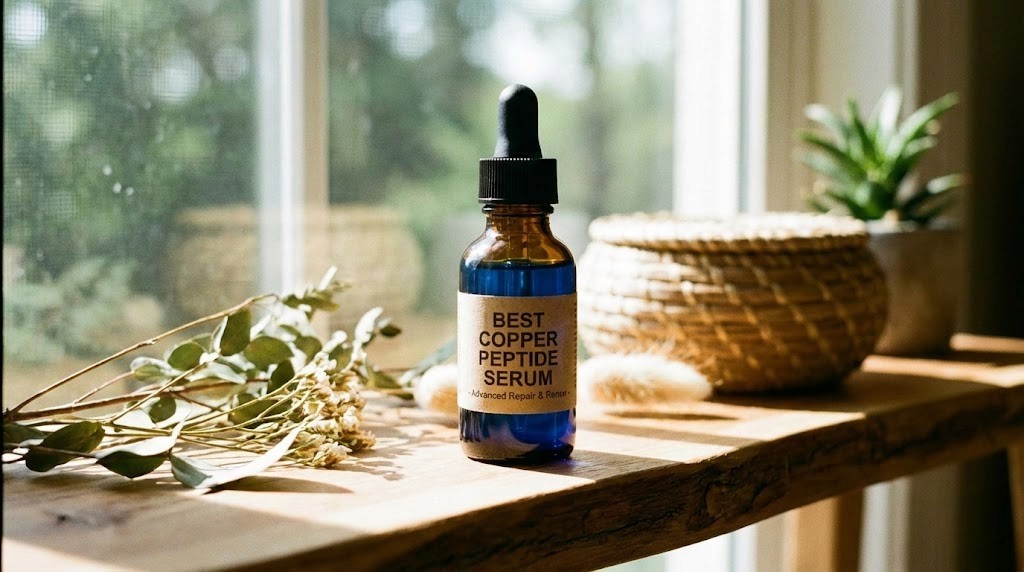
After reviewing hundreds of copper peptide products and analyzing clinical research spanning three decades, one pattern emerges with striking consistency. The copper peptide serums that deliver measurable results share specific characteristics that most product guides completely overlook. Concentration matters, yes. But formulation stability, delivery mechanisms, and ingredient compatibility determine whether your serum actually penetrates skin effectively or oxidizes in the bottle before you finish half of it.
The copper peptide market has exploded in recent years. Budget options promise clinical-grade results for drugstore prices. Luxury brands charge premium rates for what sometimes amounts to marketing rather than superior formulation. Research-backed products from the scientists who discovered GHK-Cu compete against K-beauty innovations and pharmaceutical-grade preparations. Navigating this landscape without wasting money requires understanding what actually makes a copper peptide serum effective, not just what sounds impressive on a label.
This guide cuts through the confusion. SeekPeptides has compiled everything researchers need to know about selecting copper peptide serums, from optimal concentrations to ingredient conflicts, application protocols to realistic result timelines.
Understanding copper peptides and GHK-Cu fundamentals
Before evaluating specific products, understanding what copper peptides actually are and how they work provides essential context for making informed choices. Not all copper peptide formulations are created equal, and knowing the science helps distinguish genuine efficacy from marketing hype.
What exactly are copper peptides
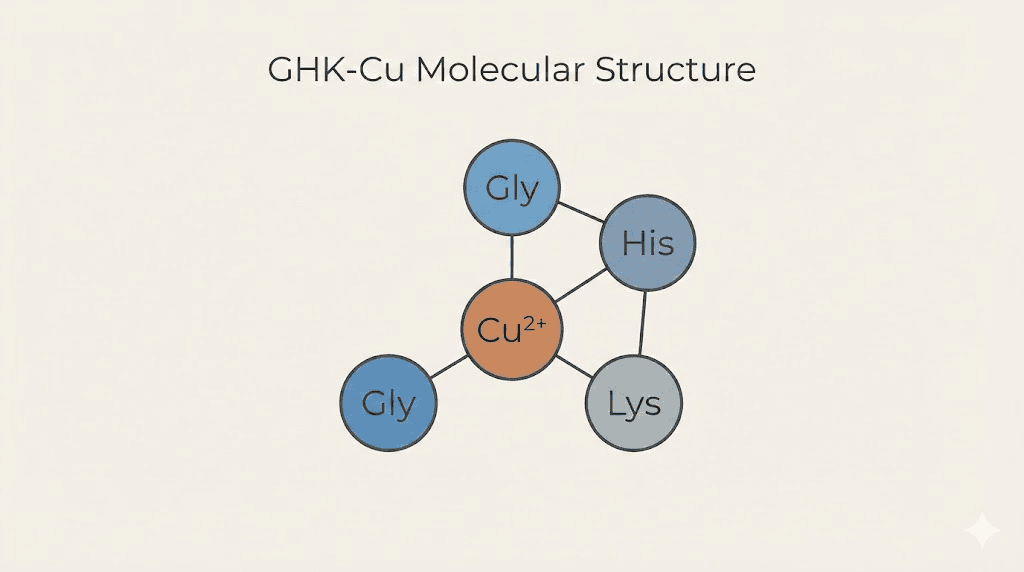
The term copper peptides in skincare almost universally refers to copper tripeptide-1, known scientifically as GHK-Cu. This molecule consists of two components bound together. The first part is GHK, a tripeptide containing the amino acid sequence glycyl-histidyl-lysine. The second component is a copper ion that binds to this peptide chain.
Dr. Loren Pickart first isolated and identified GHK-Cu in 1973, discovering that this peptide complex demonstrated wound healing properties far exceeding what either component achieved alone. The copper ion stabilizes the peptide structure, facilitates cellular uptake, and participates directly in the enzymatic reactions that promote collagen synthesis and tissue remodeling.
Natural GHK-Cu levels in human plasma peak during youth, around 200 ng/mL in young adults, then decline significantly with age. By age 60, plasma concentrations drop to approximately 80 ng/mL. This decline correlates with reduced wound healing capacity, decreased skin elasticity, and accelerated visible aging.
How GHK-Cu works in skin
GHK-Cu operates through multiple mechanisms simultaneously, which explains its broad range of effects on skin health and appearance. At the cellular level, this peptide acts as a signaling molecule that modulates gene expression across numerous pathways relevant to skin aging and repair.
Research has identified GHK-Cu effects on over 4,000 genes. The peptide stimulates production of collagen types I, III, and IV, the primary structural proteins responsible for skin firmness and resilience. It simultaneously increases elastin synthesis. Perhaps most importantly, GHK-Cu modulates matrix metalloproteinases, maintaining the balance between collagen production and degradation that characterizes youthful skin.
Anti-inflammatory effects represent another crucial mechanism. GHK-Cu reduces inflammatory cytokines and oxidative stress markers that contribute to premature aging. This makes copper peptides particularly valuable for skin recovering from damage, whether from aggressive treatments, environmental exposure, or chronic inflammation.
Different forms of copper peptides
While GHK-Cu dominates the copper peptide skincare market, other forms exist and understanding their differences helps evaluate product claims accurately. AHK-Cu, also known as Copper Tripeptide-3, contains a different amino acid sequence that may offer enhanced hair growth benefits compared to skin applications.
Skin Remodeling Copper Peptides represent another category developed by Dr. Pickart laboratory.
These proprietary complexes combine GHK-Cu with additional copper-binding peptides designed to work synergistically. Products containing these formulations often display distinctive deep blue coloration.
What concentration actually works
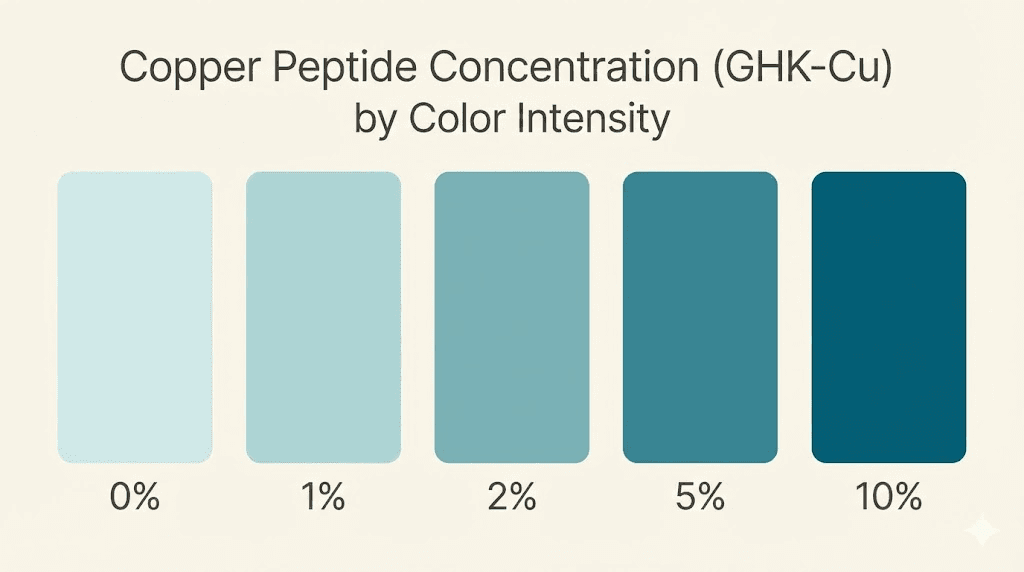
Concentration claims on copper peptide products range wildly, from 0.1% to 3% or higher. Understanding what these numbers mean and which concentrations actually deliver results prevents wasting money on ineffective formulations.
Clinical research on effective percentages
Published research provides some guidance on effective GHK-Cu concentrations. Laboratory studies have demonstrated biological activity at concentrations as low as 0.01 nanomolar, showing measurable effects on fibroblast activity and collagen production even at these minute levels.
However, topical skincare applications face additional challenges that laboratory conditions do not replicate. The skin barrier prevents most applied substances from reaching deeper layers where fibroblasts reside. Stability concerns mean that some percentage of the copper peptide oxidizes before reaching its target.
Most dermatologists and researchers recommend seeking products with 0.5% to 1% GHK-Cu for general anti-aging applications. Clinical studies showing significant wrinkle reduction and skin firmness improvements have typically used formulations within this range.
The higher is better myth
Concentration escalation represents a common marketing strategy in skincare. If 1% works, surely 3% works three times better? The relationship between copper peptide concentration and results does not follow this linear logic.
GHK-Cu influences matrix metalloproteinase activity in concentration-dependent ways. At optimal levels, it maintains healthy skin remodeling. However, excessively high concentrations may push MMP-1 activity above beneficial levels. SeekPeptides recommends starting with products in the 0.5-1% range.
Top copper peptide serums compared
With foundational knowledge established, examining specific products allows informed comparison. This evaluation considers formulation quality, concentration, price per unit of active ingredient, user experiences, and scientific backing.
The Ordinary Multi-Peptide plus Copper Peptides 1%
The Ordinary disrupted skincare pricing with its aggressively affordable approach. Priced around $30 for 30ml, this serum delivers 1% GHK-Cu alongside multiple supporting peptides including Matrixyl and Argireline variants. For budget-conscious researchers, this represents the most accessible entry point into copper peptide skincare.
The formulation takes a multi-peptide approach rather than focusing exclusively on GHK-Cu. The water-based formula absorbs reasonably well but can feel slightly tacky during the absorption period, which some users find bothersome in their skincare routines.
Pros: Exceptional value, verified 1% concentration, multi-peptide formula, readily available
Cons: Tacky texture, not optimized specifically for GHK-Cu, basic formulation
Best for: Budget-conscious researchers, copper peptide beginners
NIOD Copper Amino Isolate Serum 3:1 (CAIS3)
From the same parent company as The Ordinary but positioned at the premium end, NIOD CAIS3 represents a fundamentally different approach to copper peptide delivery. Priced around $62 for 15ml, this concentrated serum contains 1% GHK-Cu plus 1% free-form GHK peptide.
The formulation philosophy differs dramatically from The Ordinary multi-ingredient approach. CAIS3 maintains a minimalist formula focused almost exclusively on copper peptide delivery, removing potential competing or destabilizing ingredients.
Texture represents a clear advantage. NIOD achieves a lightweight, almost watery consistency that absorbs immediately without any tackiness or residue. For those with oily skin or multi-step routines, this elegance provides meaningful practical benefits.
Pros: Superior texture, focused formulation, elegant absorption
Cons: Significantly higher price, small bottle size
Best for: Those prioritizing texture, oily skin types
Skin Biology Dr. Pickart products
Dr. Loren Pickart discovered GHK-Cu in 1973 and has spent five decades refining copper peptide formulations. His company, Skin Biology, offers multiple products ranging from entry-level CP Serum to the concentrated 3% GHK VIP Luxury Serum. This heritage provides credibility that newer market entrants simply cannot match.
The 3% GHK VIP Luxury Serum represents the highest concentration topical GHK-Cu product from the scientist who discovered the molecule. For researchers seeking the maximum possible concentration from a scientifically credible source, this product stands alone.
Formulation differs from mainstream skincare products. These preparations prioritize stability and bioavailability over cosmetic elegance, resulting in products that may feel less refined but deliver active ingredients effectively. The characteristic deep blue color confirms copper peptide concentration visually.
Pros: Scientific credibility, highest available concentrations, proven formulations
Cons: Less elegant textures, limited retail availability
Best for: Serious researchers, those wanting maximum concentration
TOSOWOONG Copper Peptide Face Serum
Korean skincare innovation has reached the copper peptide market with products like TOSOWOONG multi-peptide serum. This formulation combines low molecular weight Copper Tripeptide-1 (GHK-Cu) at 99% purity with 11 additional peptides including Acetyl Hexapeptide-8 and Palmitoyl Pentapeptide-4.
The K-beauty approach emphasizes multiple active ingredients working synergistically rather than the focused formulations seen in products like NIOD CAIS3. This philosophy aligns with Korean skincare broader multi-step methodology.
Pros: Multi-peptide approach, competitive pricing, K-beauty formulation philosophy
Cons: Less research specifically on this brand
Best for: K-beauty enthusiasts, those preferring multi-peptide approaches
Biossance Squalane plus Copper Peptide Rapid Plumping Serum
Biossance approaches copper peptides from a different angle, combining GHK-Cu with their signature squalane delivery system. This oil-based carrier provides enhanced penetration for lipophilic compounds while simultaneously delivering moisturizing benefits.
The squalane base distinguishes this product from water-based serums that dominate the market. For those with dry or mature skin that benefits from oil-based products, this formulation addresses multiple concerns simultaneously.
Clean beauty credentials appeal to users concerned about ingredient sourcing and environmental impact. Biossance maintains certifications and transparency standards that some competitors lack.
Pros: Squalane delivery system, moisturizing benefits, clean beauty standards
Cons: Oil-based texture not for everyone, premium pricing
Best for: Dry skin types, clean beauty prioritizers
Comprehensive comparison table
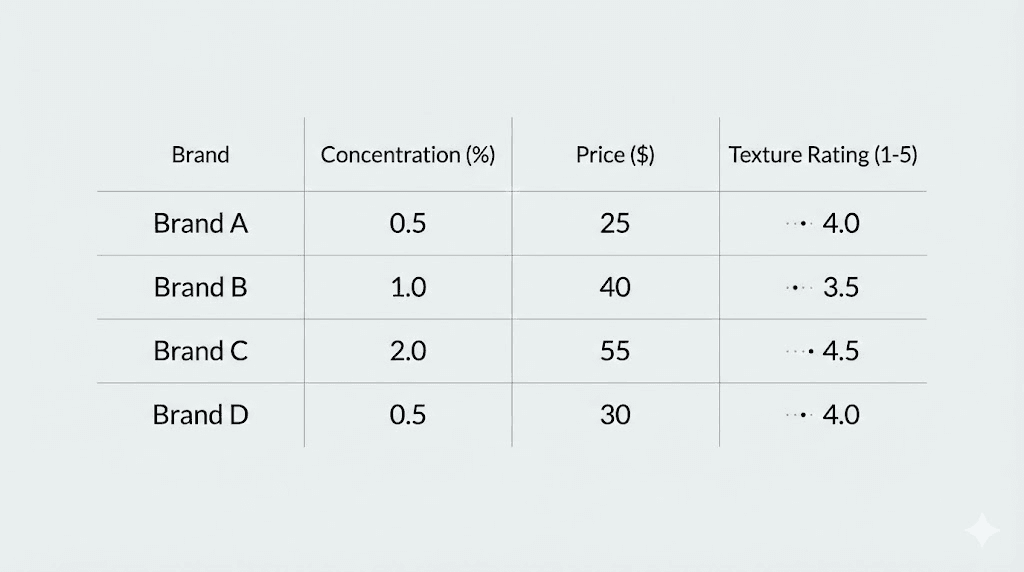
Product | GHK-Cu % | Price/30ml | Texture | Best For |
|---|---|---|---|---|
The Ordinary | 1% | ~$30 | Slightly tacky | Budget, beginners |
NIOD CAIS3 | 1% + 1% GHK | ~$124 | Lightweight | Elegant formulation seekers |
Skin Biology CP | Variable | ~$40-60 | Functional | Scientific backing priority |
Skin Biology 3% VIP | 3% | ~$80 | Functional | Maximum concentration |
TOSOWOONG | ~1% | ~$25-35 | Light | K-beauty routines |
Biossance | Variable | ~$72 | Oil-based | Dry skin, clean beauty |
Ingredient compatibility and conflicts
Copper peptide serums do not exist in isolation within skincare routines. Understanding which ingredients enhance or undermine GHK-Cu efficacy prevents wasted money and suboptimal results.
Ingredients that conflict with copper peptides
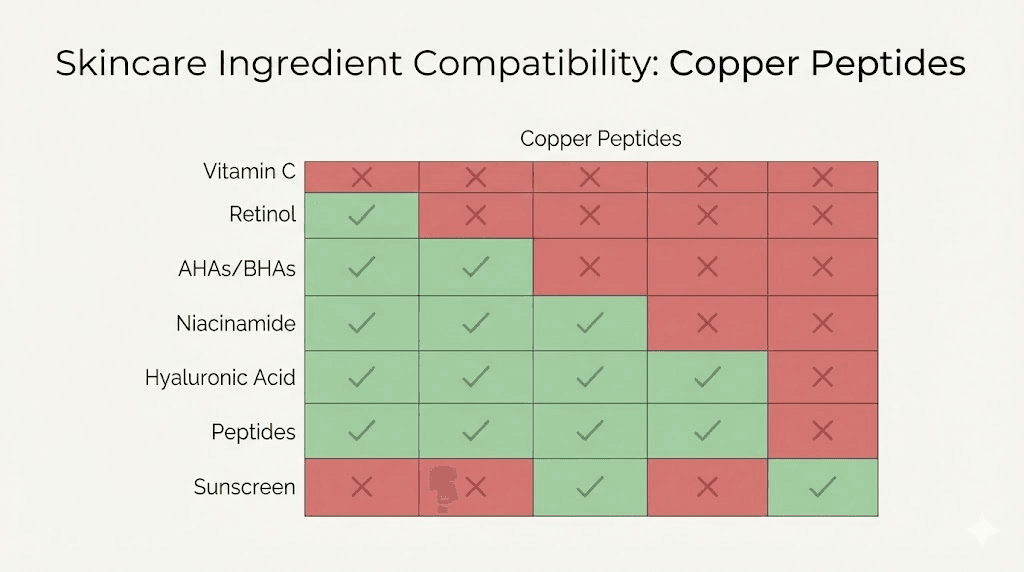
Vitamin C (L-Ascorbic Acid): Pure vitamin C presents the most significant compatibility concern. This powerful antioxidant works optimally in low-pH environments, while copper peptides require neutral pH for stability. More critically, copper ions can catalyze vitamin C oxidation, rapidly breaking down the antioxidant and potentially creating irritating byproducts.
Separating vitamin C and copper peptide applications by time of day offers the simplest solution. Using vitamin C in the morning capitalizes on its sun-protective antioxidant benefits, while evening copper peptide application supports overnight repair processes.
Retinol and Retinoids: These vitamin A derivatives promote cell turnover and collagen production through mechanisms distinct from copper peptides. While both target anti-aging, combining them in the same application risks irritation and potentially reduced effectiveness for both.
Alternating nights works well for those using both copper peptides and retinoids. Monday, Wednesday, Friday for retinol and Tuesday, Thursday, Saturday for copper peptides represents one practical scheduling approach.
AHAs and BHAs: Alpha hydroxy acids like glycolic acid and beta hydroxy acids like salicylic acid create low-pH environments that can destabilize copper peptide structures. Use acids in morning routines or on alternate days from copper peptide application.
Ingredients that enhance copper peptide results
Hyaluronic Acid: This hydration powerhouse pairs excellently with copper peptides. Hyaluronic acid creates a hydrated environment that supports copper peptide penetration and activity. Many copper peptide serums already include hyaluronic acid, and layering additional hyaluronic products poses no concerns.
Niacinamide: This vitamin B3 derivative addresses skin concerns complementary to copper peptide benefits without chemical interference. Niacinamide strengthens the skin barrier, reduces hyperpigmentation, and controls oil production through mechanisms unrelated to copper peptide pathways.
Ceramides: These lipid molecules support barrier function and help maintain skin hydration. Copper peptides promote collagen and elastin production while ceramides ensure the skin barrier remains intact to retain these structural improvements.
Peptide Combinations: Combining GHK-Cu with other peptide types often works well. Matrixyl, Argireline, and signal peptides generally do not interfere with copper peptide activity.
How to use copper peptide serum correctly
Even the best copper peptide serum delivers suboptimal results with incorrect application. Proper usage maximizes penetration, stability, and biological activity while minimizing waste and potential irritation.
Optimal skincare routine order
Copper peptide serums belong in the treat phase of skincare routines, after cleansing and toning but before heavier moisturizers and oils. This positioning allows the water-based serum to contact skin directly for optimal absorption before occlusive products create barriers.
Morning routine with copper peptides:
Cleanser (gentle, pH-balanced)
Toner or essence (optional, hydrating types)
Copper peptide serum
Additional serums (hyaluronic acid, niacinamide)
Moisturizer
Sunscreen (essential, copper peptides do not provide UV protection)
Evening routine with copper peptides:
First cleanser (oil-based, for makeup/sunscreen removal)
Second cleanser (water-based)
Toner or essence (optional)
Copper peptide serum
Additional serums (peptide boosters, growth factors)
Moisturizer or night cream
Facial oil (optional, for occlusion)
Application technique matters
Apply to slightly damp skin: Skin absorbs water-based serums more effectively when not completely dry. After cleansing and toning, skin retains slight dampness that enhances serum penetration.
Use appropriate amounts: Most serums require 3-5 drops for full face application. Using more does not improve results and wastes product. Dispense the serum into your palm, then use fingertips to distribute evenly across forehead, cheeks, nose, chin, and neck.
Do not rub aggressively: Gentle pressing motions help serum absorb without degrading the peptide molecules through friction and heat. Pat or press the product into skin rather than rubbing vigorously. Focus extra attention on areas with fine lines, crow's feet, or other aging concerns.
Wait before layering: Allow 1-2 minutes for copper peptide serum to absorb before applying subsequent products.
Morning versus evening application
Evening application advantages: Skin repair processes peak overnight, potentially enhancing copper peptide effects. Evening application also avoids daytime interactions with vitamin C serums and sunscreens. For those with complex routines including acids or retinoids, keeping copper peptides in the evening routine simplifies scheduling.
Morning application advantages: Some users find copper peptide serums create an excellent base for makeup, smoothing texture and providing hydration. Morning application ensures consistent daily use for those who sometimes skip evening skincare.
Twice daily application: Most copper peptide products recommend twice-daily use, and this frequency appears safe and potentially beneficial for most skin types. SeekPeptides generally recommends evening application for those using vitamin C or retinoids, with morning application added only after confirming skin tolerates the product well.
Results timeline and realistic expectations
Understanding when to expect results from copper peptide serums prevents premature abandonment of effective products and helps identify genuinely non-responsive situations.
Week-by-week progression
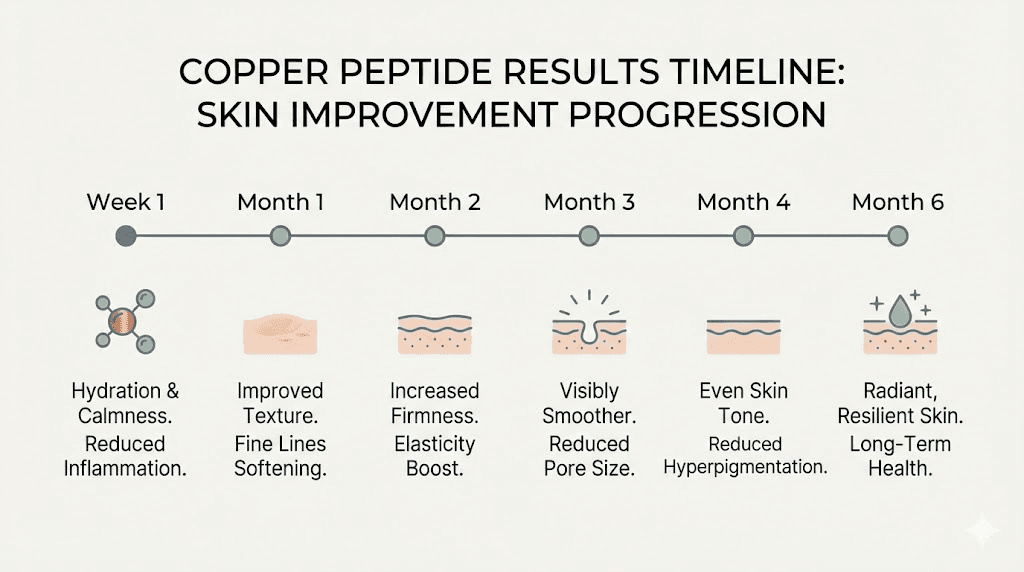
Weeks 1-2: Initial changes focus on hydration and surface texture. Many users notice skin feels more hydrated and looks slightly more radiant within the first two weeks. These effects reflect the serum hydrating ingredients and immediate anti-inflammatory activity rather than structural changes in collagen or elastin.
Weeks 3-4: Skin texture improvements become more apparent. Surface roughness may decrease, and minor textural irregularities often smooth out. Some users report a subtle glow developing during this period. Fine lines may begin softening, particularly around the eyes and forehead where skin is thinnest.
Weeks 5-8: Collagen-related improvements start becoming visible. Skin may appear firmer, particularly along the jawline and cheeks where sagging first becomes noticeable. Wrinkle depth may reduce measurably during this phase. Clinical studies showing significant wrinkle reduction typically measured results at the 8-week mark.
Months 3-6: Maximum benefits develop with continued consistent use. Structural changes in collagen and elastin networks require sustained signaling to manifest fully. Users who document their progress with photographs often see the most dramatic before-and-after differences at the 3-6 month point.
Factors affecting results speed
Starting skin condition: Skin with more significant aging signs often shows more dramatic improvement than already-healthy skin.
Concentration used: Higher concentration products may produce faster visible results, though the ceiling effect means 3% does not work three times faster than 1%.
Application consistency: Missing applications significantly impacts results. The signaling pathways copper peptides activate require consistent stimulation to produce structural changes. Sporadic use delivers sporadic results.
Supporting routine: Copper peptides work best within comprehensive anti-aging routines including sun protection, gentle cleansing, and adequate moisturization.
Special considerations for different skin types
Copper peptide serums work across skin types, but optimal product selection and usage varies based on individual skin characteristics.
Oily and acne-prone skin
Oily skin types benefit from lightweight, water-based copper peptide formulations that absorb quickly without adding shine. Products like NIOD CAIS3 with their watery consistency work particularly well. Avoid oil-based copper peptide products like Biossance squalane formulation, which may exacerbate oiliness.
Copper peptides anti-inflammatory properties can actually benefit acne-prone skin by reducing the inflammation that worsens breakouts. The healing-promoting properties of GHK-Cu may help reduce post-acne scarring and hyperpigmentation.
Dry and mature skin
Dry skin types often do well with richer copper peptide formulations or with layering copper peptide serum under heavier moisturizers. Products combining copper peptides with hydrating ingredients like hyaluronic acid deliver both anti-aging and moisturizing benefits.
Oil-based options like Biossance squalane formulation excel for dry skin. The squalane carrier provides extended moisturization while delivering copper peptides.
Mature skin may benefit from higher concentration products and more consistent twice-daily application. The greater room for improvement in skin showing more advanced aging signs means potential for more dramatic results with appropriate products and patience.
Sensitive and reactive skin
Copper peptides generally suit sensitive skin well due to their anti-inflammatory properties. However, some individuals react to specific formulation ingredients rather than the copper peptide itself. Starting with minimal, fragrance-free formulations helps identify whether copper peptides work for your skin.
Begin with lower concentrations (0.5-1%) and once-daily application. Gradually increase frequency and potentially concentration only after confirming tolerance. Products from clinical-focused brands with shorter ingredient lists reduce the risk of reactions to extraneous additives.
Combination skin considerations
Combination skin presents the challenge of satisfying oily and dry areas simultaneously. Water-based serums work well across combination skin, applying normally to all areas. The key involves adjusting subsequent moisturizer application rather than the serum itself.
Some combination skin users find copper peptides help normalize oil production over time, reducing the extremes between oily T-zone and dry cheeks.
This balancing effect provides welcome side benefits for those managing combination skin challenges.
Copper peptides for specific concerns
Beyond general anti-aging, copper peptide serums target specific skin concerns with varying effectiveness.
Fine lines and wrinkles
This represents copper peptides strongest application. The collagen and elastin stimulation directly addresses the structural degradation underlying wrinkle formation. Clinical studies consistently show measurable wrinkle reduction with consistent GHK-Cu use.
Fine lines around eyes and mouth often respond fastest due to thinner skin in these areas. Deeper set wrinkles improve more slowly. Copper peptides should be considered part of a comprehensive approach including professional treatments for significant wrinkle correction.
Skin firmness and elasticity
Elastin production stimulation makes copper peptides particularly effective for sagging concerns. The jawline, neck, and cheek areas showing early laxity often improve noticeably with consistent use. The timeline for firmness improvements typically runs longer than for fine lines, with maximum benefits appearing around 3-6 months.
Wound healing and skin repair
GHK-Cu wound healing properties make it valuable for post-procedure recovery and general skin repair. Some practitioners recommend copper peptides after microneedling, laser treatments, or chemical peels to support faster healing.
For at-home use following minor injuries, irritation, or inflammation, copper peptide serums can accelerate healing while preventing potential scarring. This dual healing and anti-aging benefit makes copper peptides particularly valuable for those managing reactive or frequently irritated skin.
Hair and scalp applications
While this guide focuses on facial serums, many users apply copper peptide products to the scalp for hair growth benefits. GHK-Cu has demonstrated effects on hair follicle function, potentially promoting thicker, healthier hair growth.
Common mistakes to avoid
Understanding what not to do with copper peptide serums prevents wasted money and disappointed expectations.
Mixing incompatible ingredients
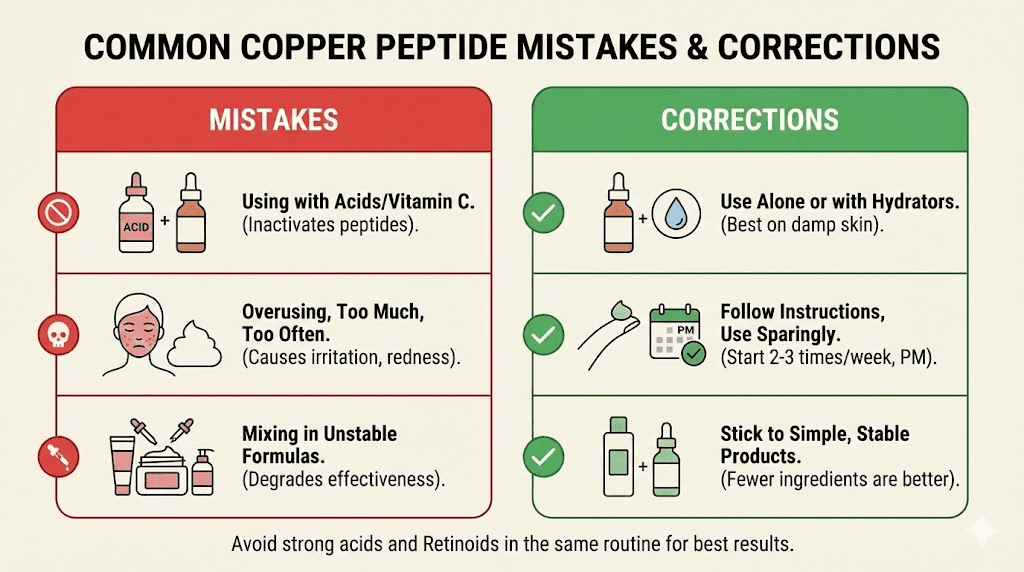
Applying copper peptides simultaneously with vitamin C, strong acids, or retinoids ranks as the most common efficacy-destroying mistake. Even spacing products minutes apart within the same routine can create interactions that destabilize both ingredients. Proper separation requires different times of day or different days entirely.
Inconsistent application
Sporadic use produces sporadic results. Copper peptides require consistent signaling to produce cumulative structural improvements. Missing applications frequently means the biological processes triggered by one application may not sustain long enough to produce lasting change.
Expecting immediate results
The collagen and elastin synthesis copper peptides stimulate requires weeks to manifest visibly. Abandoning products after days or even 2-3 weeks because nothing is happening prevents ever experiencing the actual benefits. Setting a minimum 8-week trial period before evaluating effectiveness provides fair assessment.
Using expired or oxidized products
Copper peptides degrade over time, particularly with light and air exposure. Products displaying brown instead of blue coloration have likely oxidized and lost efficacy. Using products past their expiration dates wastes money on inactive ingredients.
Store copper peptide products properly: away from direct light, at stable temperatures, with bottles sealed between uses. Check product appearance regularly for color changes indicating degradation.
Neglecting sun protection
Copper peptides provide zero UV protection. Stimulating collagen production while allowing sun damage to break it down simultaneously produces minimal net benefit. Any serious anti-aging routine requires daily broad-spectrum sunscreen regardless of other products used.
Building a complete copper peptide routine
Copper peptide serums work best within thoughtfully designed complete routines. These sample protocols provide starting frameworks adaptable to individual needs.
Beginner routine
For those new to copper peptides, simplicity prevents overwhelming the skin and helps identify what works.
Morning:
Gentle cleanser
Hydrating toner (optional)
Moisturizer with SPF or separate sunscreen
Evening:
Gentle cleanser
Copper peptide serum (The Ordinary or similar budget option)
Basic moisturizer
This minimal routine establishes copper peptide use without complex layering or timing considerations. After 4-6 weeks of confirmed tolerance, additional products can be introduced gradually.
Intermediate routine
For established skincare users ready to maximize copper peptide benefits alongside other actives.
Morning:
Gentle cleanser
Vitamin C serum (allow full absorption)
Hyaluronic acid serum
Niacinamide (optional, can be in moisturizer)
Moisturizer
Sunscreen SPF 30+
Evening:
Oil cleanser (if wearing sunscreen/makeup)
Gentle water-based cleanser
Copper peptide serum
Additional peptide serum (optional, like Matrixyl)
Heavier moisturizer or night cream
This routine separates vitamin C (morning) from copper peptides (evening) while delivering multiple anti-aging mechanisms.
Advanced routine with retinoids
For those using prescription or over-the-counter retinoids alongside copper peptides.
Morning (all days):
Gentle cleanser
Antioxidant serum
Moisturizer
Sunscreen
Evening (retinoid nights, 3x weekly):
Gentle cleanser
Wait for skin to dry completely
Retinoid product
Wait 20-30 minutes
Moisturizer
Evening (copper peptide nights, 4x weekly):
Gentle cleanser
Copper peptide serum
Additional hydrating serums
Moisturizer
Alternating nights prevents retinoid-copper peptide interactions while delivering both ingredients benefits across the week.
Frequently asked questions
Can I use copper peptides every day?
Yes, daily use is safe and recommended for most people. Most products suggest twice-daily application for optimal results. However, once daily still delivers benefits if twice daily does not fit your schedule or if skin shows any sensitivity. Consistency matters more than frequency.
How long until I see results from copper peptide serum?
Initial hydration and texture improvements typically appear within 1-2 weeks. More significant changes in fine lines and firmness generally require 8-12 weeks of consistent use. Maximum benefits develop over 3-6 months. If you see no improvement after 3 months of correct, consistent use with a quality product, copper peptides may not be your most effective active ingredient.
Can copper peptides cause breakouts?
Pure copper peptides rarely cause breakouts directly. However, some formulations contain additional ingredients that may be comedogenic for sensitive individuals. If breakouts occur after starting a copper peptide product, try switching to a different brand with a simpler formulation before concluding copper peptides do not work for your skin. The anti-inflammatory properties actually benefit most acne-prone skin.
Are copper peptides safe during pregnancy?
Limited research exists on topical copper peptide use during pregnancy. While copper peptides are naturally occurring and generally considered low-risk, pregnant individuals should consult healthcare providers before using any active skincare ingredients. Many practitioners recommend avoiding unnecessary actives during pregnancy and breastfeeding as a precautionary approach.
Can I use copper peptide serum around my eyes?
Most copper peptide serums are safe for the eye area, which often benefits significantly given the thin skin and early aging signs typical of this region. Apply gently with ring finger, avoiding direct contact with the eye itself. Some brands offer specific eye-focused copper peptide products with gentler formulations, though full-face serums generally work fine around the eyes.
What is the difference between copper peptides and regular peptides?
Copper peptides (GHK-Cu) include a copper ion bound to the peptide chain, which distinguishes them chemically and functionally from other skincare peptides. Regular peptides like Matrixyl or Argireline work through different mechanisms. Copper peptides specifically promote wound healing, collagen synthesis, and anti-inflammatory processes through pathways that require the copper component.
Should copper peptide serum go before or after moisturizer?
Always apply copper peptide serum before moisturizer. As a water-based treatment, the serum needs direct skin contact for optimal absorption. Moisturizer applied afterward seals in the serum and provides hydration without blocking the active ingredients. This order follows the general skincare principle of applying thinnest to thickest products sequentially.
External resources
PubMed Central - Regenerative and Protective Actions of the GHK-Cu Peptide
Healthline - Copper Peptides: Benefits for Skin and Hair Care
PubMed Central - GHK Peptide as a Natural Modulator of Multiple Cellular Pathways
In case I don't see you, good afternoon, good evening, and good night. May your serums stay stable, your skin stay supple, and your copper peptides stay potent. Join us.