Jan 30, 2026

Everything you have read about collagen peptides and weight loss is probably wrong.
Not because the information is fabricated. Not because the studies are fake. But because nearly every article online takes a complex, nuanced body of research and reduces it to a simple yes or no answer. "Collagen burns fat!" shouts one headline. "Collagen does nothing for weight loss!" declares another. The truth, as it almost always does, lives somewhere in the middle, and it is far more interesting than either extreme.
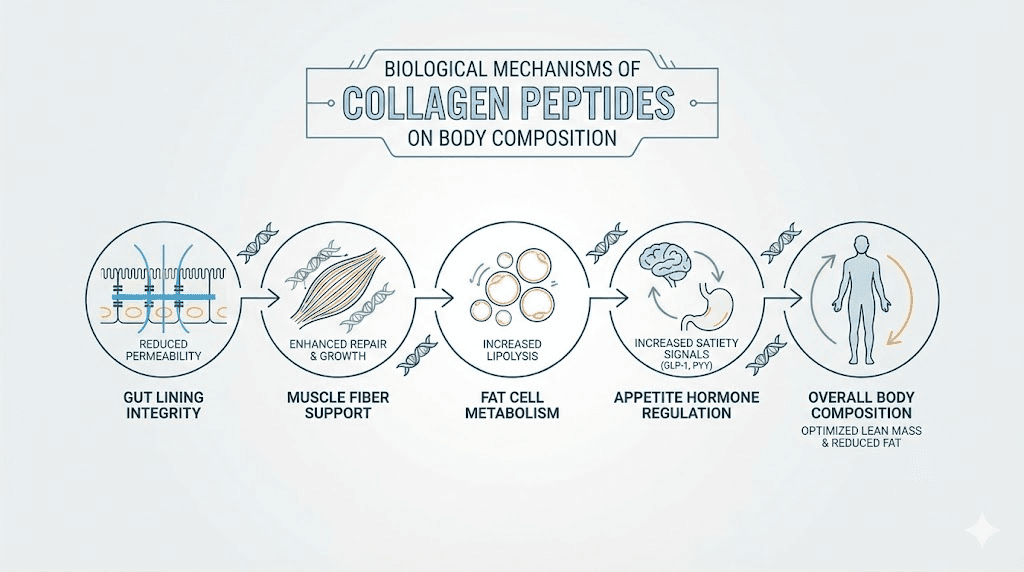
Here is what most articles will not tell you. Collagen peptides do not work like a fat burning peptide in the traditional sense. They do not suppress appetite the way pharmaceutical compounds do. They do not melt fat overnight. But the clinical research, particularly trials published in recent years, reveals something unexpected. Collagen peptides influence body composition through at least five distinct biological mechanisms, from altering gut bacteria ratios to suppressing the genes that create new fat cells. Some of these mechanisms are things that researchers did not even suspect a decade ago.
The problem is context. A 15-gram daily dose of collagen peptides is not going to override a 1,000-calorie surplus. But when combined with resistance training and a reasonable nutrition plan, the evidence suggests collagen peptides offer measurable advantages for weight loss and body recomposition that go beyond what you would expect from a simple protein supplement. And for specific populations, particularly adults over 50 and women navigating hormonal changes, the data is genuinely compelling.
This guide covers every clinical trial, every proposed mechanism, and every practical protocol worth knowing. No hype. No oversimplification. Just the research, the limitations of that research, and what it actually means for someone considering collagen peptides as part of a weight loss strategy.
What collagen peptides actually are (and what they are not)
Collagen is the most abundant protein in the human body. It provides structural support for skin, bones, tendons, ligaments, and connective tissue. When manufacturers break collagen down into smaller fragments through a process called hydrolysis, the result is collagen peptides, also known as collagen hydrolysate. These smaller peptide chains are easier for the body to absorb and use.
But here is a critical distinction that most weight loss articles gloss over entirely. Collagen is not a complete protein. It lacks the essential amino acid tryptophan, and it contains relatively low amounts of several other essential amino acids. This matters because when people compare collagen to whey protein or other complete protein sources for weight loss purposes, they are not comparing equivalent supplements. Understanding what peptides are at a fundamental level helps clarify why collagen works differently than other proteins.
What collagen does contain in abundance is glycine, proline, and hydroxyproline. These amino acids play roles that extend far beyond simple muscle protein synthesis. Glycine, for example, is involved in the production of glutathione, the body primary antioxidant. It participates in bile acid conjugation, which affects fat metabolism. Proline contributes to cartilage repair and joint health. Hydroxyproline is essentially unique to collagen and serves as a biomarker for collagen turnover in the body.
The peptide fragments created during hydrolysis are not just random protein pieces. Research has identified specific bioactive peptide sequences within collagen hydrolysate that trigger biological responses. Some of these sequences signal cells to produce more collagen. Others interact with receptors in the gut lining. Still others influence gene expression in fat cells. This is why collagen peptides behave differently from generic amino acid supplements, and it is the foundation for understanding their potential role in weight management.
There are multiple types of collagen. Type I, the most abundant in the body, is found primarily in skin, bones, and tendons. Type II dominates in cartilage. Type III appears alongside Type I in skin and blood vessels. For body composition research, Type I collagen has received the most attention, though marine collagen sources, which are predominantly Type I, have shown particular promise in some trials. Most commercial collagen supplements are derived from bovine (cow), porcine (pig), or marine (fish) sources. The source matters because it determines the collagen type and the specific peptide sequences present after hydrolysis.
One more clarification. Collagen peptides are not the same thing as collagen in bone broth. While bone broth does contain collagen and gelatin, the molecular weight of the proteins differs significantly. Hydrolyzed collagen peptides have a much lower molecular weight, typically between 2,000 and 5,000 Daltons, compared to gelatin or intact collagen. This smaller size affects absorption rates, bioavailability, and potentially the biological activity of the peptide fragments that reach circulation.
The science behind collagen peptides and weight loss
The relationship between collagen peptides and weight loss is not straightforward. There is no single mechanism. Instead, researchers have identified at least five distinct pathways through which collagen peptide supplementation may influence body composition. Some of these pathways are well-established. Others are still being explored. All of them deserve examination.
Satiety and appetite control
Protein, in general, is the most satiating macronutrient. This is well-established nutritional science. But collagen peptides appear to influence satiety through a mechanism that goes beyond the general protein effect.
Research has shown that collagen peptide ingestion stimulates the release of GLP-1, glucagon-like peptide-1. If that abbreviation sounds familiar, it should. GLP-1 is the same hormone targeted by semaglutide and tirzepatide, the pharmaceutical weight loss drugs that have transformed obesity treatment. Now, collagen peptides do not stimulate GLP-1 release anywhere near the level that injectable GLP-1 receptor agonists do. The comparison would be absurd. But the fact that collagen peptides activate this pathway at all is noteworthy.
GLP-1 slows gastric emptying. It signals the brain that food is present in the gut. It reduces the desire to eat. When collagen peptides trigger even a modest increase in GLP-1, the result is a subtle but measurable reduction in appetite. Over weeks and months, small reductions in daily caloric intake compound. A person who consistently eats 100 fewer calories per day because they feel slightly more satisfied after meals could theoretically lose approximately 10 pounds over a year, all else being equal.
This mechanism also helps explain why some people report feeling fuller after consuming collagen peptides compared to an equivalent amount of other protein sources. It is not just the protein content. It is the specific peptide sequences interacting with gut hormone pathways. For those exploring GLP-related peptides, understanding this connection provides valuable context about how different compounds influence the same hormonal systems.
Muscle mass preservation
This is where the weight loss conversation gets nuanced. Losing weight is easy. Losing fat while preserving muscle is the actual goal, and it is significantly harder.
During caloric restriction, the body does not exclusively burn fat for energy. It also breaks down muscle tissue. This is metabolically catastrophic for long-term weight management because muscle is metabolically active tissue. Every pound of muscle burns approximately 6-7 calories per day at rest. Lose 10 pounds of muscle during a diet, and the resting metabolic rate drops by 60-70 calories per day. This is one of the primary drivers of the weight regain cycle that plagues most dieters.
Collagen peptides, when combined with resistance training, have demonstrated the ability to preserve and even increase lean muscle mass. A study examining 15 grams per day of collagen peptide supplementation alongside a structured resistance training program found significant decreases in body fat mass and body weight, along with improvements in waist circumference. The key was the combination. Collagen alone, without the exercise stimulus, produced far less impressive results. This aligns with what researchers know about peptides for muscle growth, where the combination of the right compound with the right training stimulus produces synergistic effects.
The amino acid composition of collagen, particularly its high glycine content, may contribute to this effect. Glycine serves as a precursor for creatine synthesis in the body. Creatine, well-established in sports nutrition research, supports training performance, recovery, and lean mass retention. While collagen is not a replacement for dedicated creatine supplementation, the glycine contribution adds another layer to the muscle preservation mechanism.
Fat cell formation suppression
This mechanism is perhaps the most fascinating and least discussed in popular media. It also represents some of the more preliminary research, so appropriate caution is warranted.
Laboratory studies have shown that specific collagen peptide sequences can suppress the expression of PPARgamma and C/EBPalpha. These are transcription factors, essentially molecular switches that control whether precursor cells differentiate into mature fat cells. When PPARgamma and C/EBPalpha are active, the body creates new adipocytes (fat cells). When they are suppressed, fewer new fat cells form.
This matters because fat loss and fat cell reduction are different things. Traditional weight loss through caloric restriction shrinks existing fat cells but does not eliminate them. The cells remain, waiting to refill. If collagen peptides can actually reduce the rate at which new fat cells form, that represents a fundamentally different approach to body composition management. Researchers studying peptides for fat loss have found that this mechanism of adipogenesis inhibition appears across several peptide compounds, though through different molecular pathways.
The caveat is significant. Most of this research has been conducted in cell cultures and animal models, not human clinical trials. Translating in vitro results to real-world human outcomes is never a straight line. The concentration of collagen peptides that suppresses fat cell formation in a petri dish may or may not be achievable through oral supplementation. But the mechanism exists, and it provides a plausible explanation for some of the body composition changes observed in human trials.
Gut microbiome changes
The gut microbiome has emerged as a critical factor in body weight regulation, and collagen peptides appear to influence it in ways that favor leanness.
Research has documented that collagen peptide supplementation alters the Firmicutes to Bacteroidetes ratio in the gut. This ratio matters. An elevated Firmicutes to Bacteroidetes ratio has been consistently associated with obesity in human studies. Obese individuals tend to have more Firmicutes bacteria, which are more efficient at extracting calories from food. Lean individuals tend to have relatively more Bacteroidetes. Collagen peptides appear to shift this ratio in the direction associated with leanness.
The glycine in collagen also supports the integrity of the gut lining. A healthier gut barrier means less systemic inflammation, and chronic low-grade inflammation is itself a driver of weight gain and metabolic dysfunction. This connection between gut health and body composition is why peptides for gut health have become an area of intense research interest. The amino acid profile of collagen, rich in glycine and glutamine, directly supports the enterocytes that line the intestinal wall.
There is also emerging evidence that specific collagen-derived peptide sequences may function as prebiotics, feeding beneficial bacterial species and further shifting the microbiome composition. This research is early-stage but adds another potential pathway through which collagen peptides could influence body weight.
Thermic effect and metabolism
Every food requires energy to digest. This is called the thermic effect of food, and protein has the highest thermic effect of any macronutrient. Digesting protein uses approximately 20-30% of the calories consumed, compared to 5-10% for carbohydrates and 0-3% for fat.
Collagen peptides, being a protein source, contribute to this thermic effect. However, some researchers have proposed that collagen may have a slightly different metabolic impact compared to other proteins due to its unique amino acid profile. The high glycine content, which the body uses for multiple metabolic processes beyond muscle protein synthesis, may redirect caloric energy toward these processes rather than storage.
Additionally, the muscle preservation effect described earlier has downstream metabolic consequences. More muscle means a higher resting metabolic rate. A higher resting metabolic rate means more calories burned at rest. Over time, this creates a compounding advantage. The person who maintains more muscle during a weight loss phase burns more calories every hour of every day, even while sleeping. This is why the combination of collagen peptides and peptides for weight loss and muscle gain has become a topic of growing interest among researchers and practitioners alike.
Clinical trials that actually tested collagen for weight loss
Theoretical mechanisms are interesting. Clinical data is what matters. Here are the key studies that have directly examined collagen peptides and body composition in human subjects.
The older adults trial
A randomized controlled trial enrolled 74 participants over the age of 50 and assigned them to either a collagen peptide group or a control group for 12 weeks. The collagen group consumed 15 grams per day of collagen peptides.
The results showed a significant reduction in body fat among the collagen peptide group compared to controls. This finding is particularly relevant because adults over 50 face accelerating muscle loss (sarcopenia) and shifting body composition that makes traditional weight loss approaches less effective. The fact that collagen peptides produced measurable fat reduction in this population suggests the compound may be especially valuable for age-related body composition challenges.
However, several important limitations exist. The study was relatively small. Twelve weeks is a short intervention period for body composition research. And the specific brand of collagen used may not be equivalent to all commercial products. These limitations do not invalidate the findings, but they do mean the results should be interpreted as promising evidence rather than definitive proof. For those exploring peptides for women over 40 or older adults in general, this trial provides some of the most directly relevant data available.
The collagen bar anti-obesity trial
Researchers at the University of Navarra designed a trial specifically to test collagen for weight loss. They enrolled 64 subjects and divided them into two groups. One group consumed bars containing 20 grams of collagen per day. The control group consumed bars without collagen. The trial lasted 12 weeks.
The collagen group lost an average of 3 kilograms. The control group lost an average of 1.5 kilograms. That is a twofold difference. Both groups were following similar dietary guidelines, so the additional weight loss in the collagen group is attributed to the collagen supplementation itself.
Three kilograms in 12 weeks may not sound dramatic. It is not. But consider the context. This was from adding a single supplement to an otherwise similar diet. No additional exercise was prescribed. No caloric restriction beyond what both groups followed. The collagen group simply lost twice as much weight. Over a longer period, extrapolating conservatively, that difference becomes more significant. A full year at that rate would suggest an additional 6 kilograms of weight loss from collagen supplementation alone.
This study is also notable because it used a food-based delivery method rather than a standalone supplement. The collagen was incorporated into bars that participants ate as snacks. This suggests the benefits are not limited to isolated collagen powder dissolved in water but extend to collagen consumed as part of food products.
Collagen plus resistance training studies
Perhaps the most compelling evidence comes from studies combining collagen supplementation with resistance training. One study provided participants with 15 grams of collagen peptides per day alongside a structured resistance training program.
The results showed significant decreases in body fat mass. Significant decreases in body weight. Significant improvements in waist circumference. The combination of collagen and resistance training produced body composition changes that exceeded what would be expected from either intervention alone.
This synergistic effect makes biological sense. Resistance training stimulates muscle protein synthesis and creates the metabolic conditions under which the amino acids from collagen can be most effectively utilized. The glycine supports creatine production, enhancing training performance. The collagen peptides support connective tissue repair, allowing more consistent training without injury. The muscle preservation effect maintains metabolic rate during any concurrent caloric restriction.
For anyone considering collagen peptides for weight loss, this finding has a clear practical implication. Do not take collagen and sit on the couch. The evidence strongly suggests that the weight loss benefits of collagen peptides are substantially enhanced, perhaps even dependent on, concurrent resistance training. Understanding proper peptide dosage protocols alongside structured training creates the foundation for meaningful results. This is consistent with what researchers observe across the broader landscape of performance peptides, where the exercise stimulus amplifies the biological effects of supplementation.
The skate skin collagen study
An interesting study used a different collagen source, skate skin, and a lower dose of just 2 grams per day of low-molecular-weight collagen peptides. Participants took the supplement for 12 weeks.
The results were mixed but informative. The collagen group showed reduced body fat percentage compared to the control group. However, there was no significant change in total body weight or BMI. This distinction is important. It suggests that even at a low dose, collagen peptides may favorably alter body composition (less fat, potentially more lean tissue) without necessarily changing the number on the scale.
This finding has implications for how we measure success. If someone takes collagen peptides, loses 2 pounds of fat, and gains 2 pounds of lean tissue, their scale weight is unchanged. Their BMI is unchanged. But their body composition has improved meaningfully. They are healthier, more metabolically active, and aesthetically different despite what the scale says. This is why body composition metrics, not just weight, should be tracked when evaluating collagen peptide supplementation. People often ask whether collagen peptides cause weight gain, and this study helps explain why scale weight alone can be misleading.
Collagen versus whey protein comparison
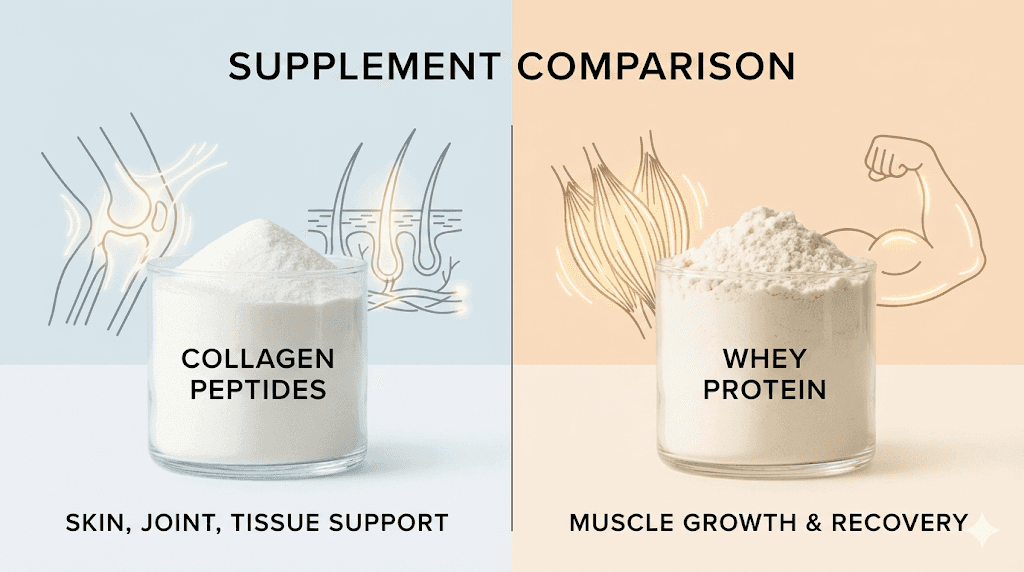
Not all protein is created equal for weight loss, and one study made this point directly by comparing collagen peptides to whey protein in 37 overweight women.
The results favored whey protein for one specific metric: reduction in android fat (the fat stored around the midsection, particularly dangerous visceral fat). Whey protein reduced android fat more effectively than collagen peptides.
This is an honest result that deserves acknowledgment. For pure visceral fat reduction, whey protein may be the superior choice. Whey is a complete protein with a superior amino acid profile for muscle protein synthesis, which drives metabolic rate increases. It contains higher levels of leucine, the amino acid most directly responsible for triggering muscle protein synthesis.
But this does not make collagen peptides useless for weight loss. Remember, collagen offers mechanisms that whey does not: gut microbiome modulation, fat cell formation suppression, connective tissue support, and specific peptide-receptor interactions. The ideal approach, for many people, may involve both whey protein for its muscle-building superiority and collagen peptides for its unique body composition benefits. This is not an either-or question. Understanding whether collagen peptides count as protein helps frame this comparison correctly.
How much collagen do you need for weight loss
Dosage matters enormously. Taking too little means the active peptide sequences may not reach sufficient concentrations to trigger the biological mechanisms described above. The clinical research provides clear guidance on effective dosing.
The research-backed dosage range
Across the clinical trials examining collagen peptides and body composition, the effective dosage range is 15 to 20 grams per day. This is the range that has produced statistically significant results in controlled studies.
The University of Navarra trial used 20 grams per day and observed the collagen group losing twice as much weight as controls. The older adults trial and the resistance training studies used 15 grams per day and found significant body fat reduction. The skate skin collagen study that used only 2 grams per day found changes in body fat percentage but not total body weight, suggesting that lower doses may have limited effects.
Fifteen grams is the minimum dose supported by multiple positive trials. Twenty grams appears to produce slightly more pronounced effects. Going above 20 grams has not been studied extensively for weight loss, and there is no clear evidence that higher doses produce proportionally better results. The amino acids from excess collagen would simply be used for general protein needs or converted to glucose through gluconeogenesis.
For reference, 15 grams of collagen peptides contains approximately 50-55 calories. This is a modest caloric addition that is unlikely to offset the potential metabolic benefits. Those familiar with peptide dosing principles will recognize the importance of staying within evidence-based ranges rather than assuming more is always better. Using a peptide calculator can help determine appropriate dosing for individual needs.
Timing and frequency
The clinical trials typically had participants consume their collagen peptides once daily, usually in the morning. Some studies split the dose into two servings. There is no strong evidence that timing dramatically affects outcomes for body composition purposes.
However, several practical considerations exist. Taking collagen peptides on an empty stomach may improve absorption of the intact peptide sequences that drive the biological effects. If the goal includes appetite control, consuming collagen 30-60 minutes before the largest meal of the day could maximize the satiety effect through GLP-1 stimulation.
For those combining collagen with resistance training, some practitioners recommend taking 15 grams of collagen approximately 60 minutes before exercise. The rationale is that this timing allows peak blood levels of collagen-derived amino acids to coincide with the exercise stimulus, potentially enhancing connective tissue remodeling and joint support during the training session. This approach aligns with broader peptide cycle planning principles where timing of administration relative to activity can influence outcomes.
Consistency matters more than timing. Taking 15 grams at the same time every day for 12 or more weeks is what the research supports. Sporadic use, taking it some days and skipping others, has not been studied and likely diminishes the cumulative effects on gut microbiome composition and body composition.
Which type of collagen works best
Type I collagen has been the primary focus of body composition research. This makes sense because Type I is the most abundant collagen type in the body, and marine collagen sources, which are predominantly Type I, have shown promising results in some studies.
Marine collagen peptides offer several potential advantages for weight loss applications. They tend to have lower molecular weight than bovine collagen peptides, which may improve absorption and bioavailability. The peptide sequences derived from fish collagen may also have distinct biological activities. Some research suggests marine collagen peptides are particularly effective at influencing the gut microbiome.
Bovine collagen, which contains both Type I and Type III collagen, is the most widely available and studied source. Most of the clinical trials described in this article used bovine-derived collagen peptides. Bovine collagen is generally less expensive and widely accessible.
Regardless of source, the key quality marker is molecular weight. Look for hydrolyzed collagen peptides with a molecular weight between 2,000 and 5,000 Daltons. This range indicates thorough hydrolysis and optimal bioavailability. Products that simply list "collagen" without specifying hydrolyzed or peptide form may contain higher molecular weight gelatin or intact collagen that does not absorb as effectively.
Understanding the difference between various peptide formulas and delivery methods is essential for choosing the right product. The capsule form of collagen peptides may be convenient, but powder form allows easier measurement of the 15-20 gram daily dose that research supports, since capsules typically contain only 1-2 grams each.
Collagen peptides versus other weight loss peptides
Collagen peptides exist within a much larger landscape of peptides studied for weight management. Understanding where collagen fits relative to other options provides essential context for making informed decisions.
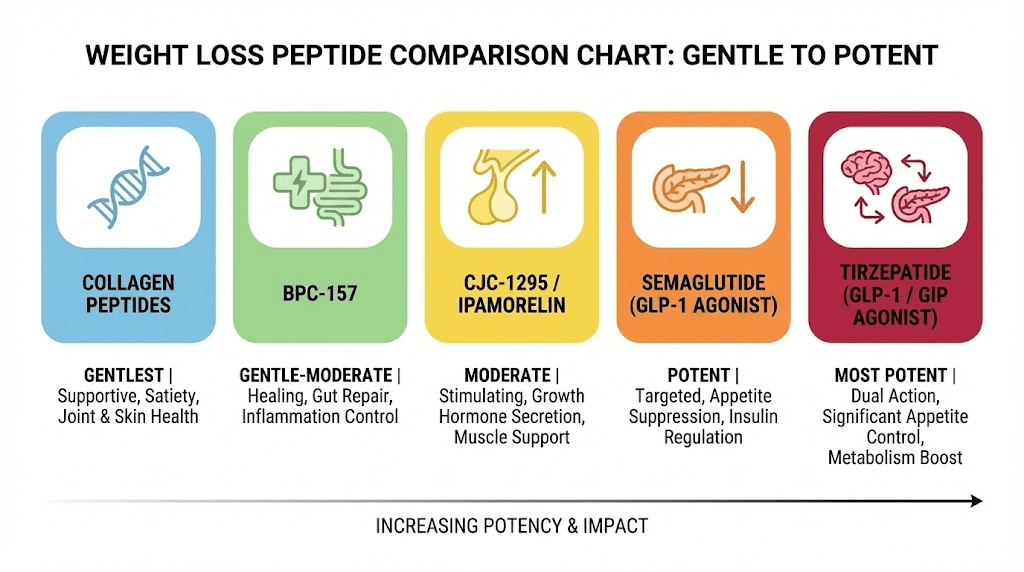
The most dramatic weight loss results in the peptide world come from GLP-1 receptor agonists. Semaglutide and tirzepatide produce average weight losses of 15-20% of body weight in clinical trials. These are pharmaceutical compounds requiring prescriptions and injections. They work by powerfully activating the same GLP-1 pathway that collagen peptides gently nudge. The comparison is not even close in terms of magnitude. If significant weight loss is the primary and urgent goal, GLP-1 receptor agonists are far more effective than collagen peptides.
AOD-9604 is a peptide fragment derived from human growth hormone that specifically targets fat metabolism without the growth-promoting effects of full growth hormone. Studies on AOD-9604 dosage protocols show it works through lipolysis, the direct breakdown of stored fat. This is a fundamentally different mechanism than collagen peptides, which influence body composition more indirectly. Understanding AOD-9604 side effects is important for anyone considering this alternative.
MOTS-c is a mitochondrial-derived peptide that enhances cellular energy production and has shown anti-obesity effects in research. Its mechanism involves activating AMPK, an enzyme that functions as a cellular energy sensor. MOTS-c essentially makes cells more efficient at using energy, which can shift metabolism toward fat oxidation. Review the MOTS-c dosage chart for research-based protocols.
Tesofensine works through a completely different pathway, inhibiting the reuptake of serotonin, norepinephrine, and dopamine. This triple reuptake inhibition profoundly suppresses appetite and increases energy expenditure. Clinical trials showed weight losses of up to 12% of body weight, placing tesofensine between collagen peptides and GLP-1 agonists in terms of efficacy.
Cagrilintide is another pharmaceutical peptide approach, working through amylin receptor agonism to reduce appetite and slow gastric emptying. When combined with semaglutide, the results have been especially impressive. For those interested in the details, understanding cagrilintide dosing and its use in combination with semaglutide or tirzepatide provides deeper context on pharmaceutical weight loss approaches.
So where does collagen fit? It is the gentlest option. The lowest risk. The most accessible. It does not require a prescription. It does not require injections. The safety profile is excellent. But the magnitude of weight loss effects is correspondingly modest. Think of collagen peptides as a foundational supplement that supports body composition through multiple subtle mechanisms, not a powerful pharmaceutical intervention.
For a comprehensive overview of weight loss peptide options, the best peptides for weight loss guide covers the full spectrum from gentle supplements to potent pharmaceutical compounds. The bioactive precision peptides for weight loss article explores how targeted peptide sequences create specific metabolic effects. And for those specifically interested in fat-targeting compounds, the best peptide for fat loss and lipo-c peptide guides provide detailed comparisons.
Women face unique considerations when selecting weight loss peptides. Hormonal fluctuations, menopause-related metabolic changes, and different fat distribution patterns all influence which approaches work best. The peptides for weight loss in women guide and the safest peptides for women article address these specific considerations. For women experiencing menopause-related weight gain, understanding peptides for menopause support provides additional context.
Men may benefit from combining collagen with peptides that support testosterone optimization, since testosterone directly influences body composition. Resources on peptides for testosterone and the testosterone peptide guide cover this intersection. The cagrilintide for men article specifically addresses male weight loss considerations.
Practical protocols for using collagen peptides for body composition
Research data is valuable, but practical application is what produces results. Here are three evidence-based protocols tailored to different starting points and goals. These protocols draw from the clinical trial data and established peptide dosage calculation principles.
Protocol for beginners
If you have never used collagen peptides and want to start with a body composition goal in mind, this protocol provides a structured introduction.
Weeks 1-2: Adaptation phase
Start with 10 grams of hydrolyzed collagen peptides per day
Take on an empty stomach in the morning with 8-12 ounces of water
Monitor for any digestive discomfort (rare but possible)
Begin tracking body weight, waist circumference, and if possible, body fat percentage
Weeks 3-12: Full protocol
Increase to 15 grams per day
Maintain consistent timing each morning
Add a basic resistance training program (3 sessions per week minimum)
Track measurements weekly at the same time of day
Week 12: Assessment
Compare all tracked metrics to baseline
Note changes in body fat percentage, waist circumference, and overall body weight
If results are positive, continue. If not, consider increasing to 20 grams per day or adjusting other variables
The adaptation phase is not strictly necessary from a safety perspective. Collagen peptides are well-tolerated by the vast majority of people. But starting at a lower dose helps identify any individual sensitivities and establishes the habit of consistent daily supplementation. For those who want a broader understanding of supplement introduction, the common mistakes beginners make article provides valuable context on starting any new protocol.
Protocol combined with resistance training
This protocol is designed for individuals who are already exercising or willing to begin a structured training program. It mirrors the conditions of the most successful clinical trials.
Daily supplementation:
15 grams of collagen peptides, 60 minutes before training on workout days
15 grams of collagen peptides, first thing in the morning on rest days
Consider adding 20-30 grams of whey protein post-workout for optimal muscle protein synthesis
Training structure:
4 resistance training sessions per week
Focus on compound movements (squat, deadlift, bench press, row, overhead press)
Progressive overload: increase weight, reps, or sets each week
Include 2 sessions of moderate cardio (walking, cycling, swimming)
Nutrition framework:
Moderate caloric deficit (300-500 calories below maintenance)
Total protein intake: 1.6-2.2 grams per kilogram of body weight (including collagen)
Prioritize whole food protein sources alongside supplementation
The pre-training timing of collagen peptides serves dual purposes. It potentially enhances the connective tissue adaptation to exercise, supporting joint health and tendon repair. And it ensures circulating collagen-derived amino acids are available during the exercise-induced metabolic window. This protocol produces the most robust body composition changes based on available evidence.
Understanding how long peptides take to work sets appropriate expectations. Most clinical trials ran for 12 weeks before measuring outcomes. Expecting dramatic changes in 2-3 weeks is unrealistic and will lead to premature discontinuation. Patience is essential. The body needs time to adapt, rebuild connective tissue, shift gut microbiome composition, and accumulate the effects of improved body composition. Looking at peptide before and after results from documented protocols can help calibrate realistic expectations.
Protocol for women over 40
Women over 40 face unique body composition challenges. Declining estrogen levels alter fat distribution patterns, shifting fat storage toward the midsection. Muscle mass decreases accelerate. Collagen production declines by approximately 1% per year starting in the mid-twenties, meaning by age 40, the body is producing significantly less collagen naturally.
This protocol addresses these specific challenges.
Daily supplementation:
20 grams of collagen peptides per day (the higher end of the evidence-based range)
Split into two 10-gram servings: morning and evening
Morning dose: on an empty stomach with vitamin C (vitamin C enhances collagen synthesis)
Evening dose: 30-60 minutes before dinner (to leverage GLP-1 mediated satiety)
Training emphasis:
3-4 resistance training sessions per week with emphasis on lower body and core
Include weight-bearing exercises for bone density
Consider adding yoga or mobility work 1-2 times per week
Additional considerations:
Track skin and cellulite changes as secondary outcomes (collagen benefits extend beyond weight)
Monitor hair health improvements as an additional collagen benefit
Consider marine collagen source for potentially superior Type I collagen content
Allow 16-24 weeks for full effects rather than the standard 12
The split dosing in this protocol is a practical modification not directly studied in clinical trials but grounded in pharmacokinetic reasoning. Splitting the dose provides more consistent circulating levels of collagen-derived peptides throughout the day, potentially maintaining the biological signals more consistently. For women navigating menopause or perimenopause, the best peptides for women guide provides broader context on peptide selection and stacking strategies.
Common mistakes people make with collagen and weight loss
The gap between how people actually use collagen peptides and how the research suggests they should be used is enormous. Here are the most frequent mistakes and how to avoid them.
Mistake 1: Using collagen as a meal replacement. Collagen is not a complete protein. It lacks tryptophan entirely and is low in several other essential amino acids. Using it as your primary protein source will not support optimal muscle protein synthesis, and muscle preservation is one of the key mechanisms through which collagen supports weight loss. Collagen is a supplement, not a substitute for complete protein sources like eggs, fish, poultry, and dairy.
Mistake 2: Taking too little. Many commercial collagen products recommend servings of 5-10 grams. The clinical trials showing body composition benefits used 15-20 grams. If you are taking collagen specifically for weight loss or body composition improvement, the lower commercial doses may not be sufficient to activate the mechanisms documented in research. Check the dosage chart to understand appropriate ranges across different peptide types.
Mistake 3: Expecting collagen to work without exercise. The strongest evidence for collagen and body composition comes from studies that combined supplementation with resistance training. The collagen-only studies show more modest results. If you are not willing to incorporate some form of resistance training, your expectations for collagen-mediated weight loss should be adjusted downward significantly.
Mistake 4: Judging results by scale weight alone. The skate skin collagen study found reduced body fat percentage without changes in total body weight. If you only track scale weight, you might conclude collagen is not working when it is actually producing favorable body recomposition. Use multiple metrics: waist circumference, body fat percentage (via DEXA scan, bioimpedance scale, or skinfold calipers), progress photos, and clothing fit.
Mistake 5: Quitting too early. Body composition changes are slow. The clinical trials ran for 12 weeks minimum. Many people give up after 3-4 weeks of not seeing dramatic scale changes. The gut microbiome shifts, connective tissue remodeling, and metabolic adaptations that collagen supports take time to manifest. Commit to at least 12 weeks before evaluating whether collagen peptides are working for your body composition goals. This patience principle applies across all peptide transformation journeys.
Mistake 6: Ignoring overall nutrition. No supplement overcomes a fundamentally poor diet. Taking 15 grams of collagen peptides per day adds approximately 55 calories. If overall caloric intake exceeds expenditure by hundreds or thousands of calories, collagen will not produce weight loss. The supplement works within the context of reasonable nutrition, not as a magic override.
Mistake 7: Choosing low-quality products. Not all collagen supplements are equivalent. Products that are not properly hydrolyzed may have higher molecular weights and reduced bioavailability. Products contaminated with heavy metals (a concern with some marine collagen sources) may cause more harm than benefit. Look for third-party tested products from reputable manufacturers. The peptide testing labs guide explains how to verify supplement quality, and the best peptide vendors article provides guidance on sourcing reliable products.
Mistake 8: Confusing collagen with fasting-compatible supplements. People frequently ask whether collagen peptides break a fast. The answer is yes. Collagen contains calories and amino acids that trigger an insulin response, breaking a metabolic fast. If you practice intermittent fasting, take collagen during your eating window, not during the fasted period. Planning your supplementation around your eating schedule requires thoughtful timing.
Side effects and safety considerations
Collagen peptides have an excellent safety profile. They have been consumed by humans for decades, and adverse events in clinical trials are rare and typically mild. But a comprehensive guide requires honest coverage of potential issues.
The most commonly reported side effect is mild digestive discomfort, including bloating, a feeling of fullness, or mild stomach upset. This typically occurs when starting supplementation and resolves within a few days as the digestive system adapts. Starting with a lower dose (10 grams) and increasing gradually can minimize this issue.
Water retention is a less commonly discussed but real phenomenon during the initial weeks of collagen supplementation. Collagen is highly hydrophilic, meaning it attracts and holds water. When collagen synthesis increases in the body, some of that newly formed collagen binds water in the skin and connective tissues. This can cause temporary increases in scale weight of 1-3 pounds. This is not fat gain. It is water being incorporated into structural tissues. It is actually a sign that the collagen is being utilized. But for someone monitoring scale weight for weight loss purposes, this temporary increase can be discouraging and confusing.
Allergic reactions are possible, particularly with marine collagen for individuals with fish or shellfish allergies, and with bovine collagen for individuals with beef allergies. These reactions are uncommon but can be serious. Anyone with known protein allergies should exercise caution and consider starting with a very small test dose.
Collagen peptides may interact with calcium absorption. Some collagen products, particularly those derived from bone sources, contain measurable amounts of calcium. For individuals taking calcium supplements or medications that affect calcium metabolism, this additional calcium load should be considered.
For pregnant or breastfeeding women, the safety data on collagen supplementation is limited. While collagen itself is a naturally occurring protein, the concentrated supplemental form has not been rigorously studied in these populations. The collagen peptides during pregnancy guide provides a thorough examination of current evidence and recommendations. This is an area where consulting with a healthcare provider before starting supplementation is especially appropriate.
Some individuals report mild skin breakouts when starting collagen supplementation. The mechanism is not well understood, but it may relate to changes in the gut microbiome or the detoxification pathways that process the additional amino acids. These breakouts are typically temporary and resolve within 2-4 weeks.
Overall, peptide safety should be a priority in any supplementation protocol. Collagen peptides are among the safest peptide supplements available, but informed use requires understanding both the benefits and the potential issues. The peptide research and studies database provides access to the primary literature supporting these safety assessments.
Should you choose collagen peptides or a different approach for weight loss
The honest answer depends entirely on your situation, goals, and what you have already tried.
Choose collagen peptides as your primary weight loss supplement if:
You want a low-risk, well-tolerated supplement to support modest body composition improvements
You are already exercising regularly and eating reasonably well
You are over 40 and concerned about age-related muscle loss and collagen decline
You want the secondary benefits of collagen (skin, hair, joint, gut health) alongside body composition support
You prefer oral supplements and want to avoid injections entirely
You have tried more aggressive approaches and want a sustainable long-term option
Consider alternative or additional peptides if:
You need to lose a significant amount of weight (more than 15-20% of body weight)
You have obesity-related health conditions that require more aggressive intervention
You have tried collagen plus exercise for 12+ weeks without measurable changes
Your primary concern is visceral fat specifically (whey protein or targeted lipotropic peptides may be more appropriate)
The peptides for fat loss resource page provides a comprehensive comparison of all available options. For individuals considering more targeted approaches, the lean peptides guide covers compounds specifically designed for body recomposition. And for those who want to explore pharmaceutical options alongside supplements, the retatrutide dosage chart and tirzepatide dosing guide provide detailed protocol information.
Stacking collagen peptides with other compounds is also worth considering. Some individuals combine collagen with fat dissolving peptides for targeted areas or with ipamorelin for growth hormone support. Understanding how many peptides you can take at once and whether you can cycle different peptides is important before creating any combination protocol. The peptide stack calculator helps plan multi-peptide protocols safely.
It is also worth noting the broader context of weight loss within the peptide landscape. The complete peptide list provides an overview of every peptide currently being researched, including dozens with potential metabolic applications. Understanding what peptides are used for across medical and wellness applications reveals just how broad this field has become. And for those who are new to peptides entirely, the introduction to peptides provides essential foundational knowledge.
The most successful approach for many people is not choosing a single solution but building a layered strategy. Collagen peptides serve as a foundational daily supplement. Resistance training provides the exercise stimulus that amplifies collagen benefits. Adequate total protein intake from complete sources supports muscle preservation. And depending on individual needs, more targeted peptide interventions can be added as appropriate. The best peptide stack for weight loss guide covers how to build these layered protocols effectively.
For those who want professional guidance, the peptide therapy near me guide and peptide therapy clinics directory can connect you with qualified practitioners. Online peptide therapy services have also expanded access for people who do not have local clinics. Understanding the cost of peptide therapy helps with planning and budgeting.
Frequently asked questions
Do collagen peptides directly burn fat?
No, collagen peptides do not directly burn fat in the way that stimulants or dedicated fat burning peptides do. They influence body composition through indirect mechanisms: appetite regulation via GLP-1, muscle mass preservation, fat cell formation suppression, gut microbiome modulation, and thermic effects. These mechanisms are real but subtle. Expecting dramatic overnight fat loss from collagen alone is unrealistic. The effects are best observed over 12 or more weeks when combined with resistance training and reasonable nutrition.
Can collagen peptides replace my protein shake after workouts?
Collagen should not replace a complete protein source after training. Because collagen lacks the essential amino acid tryptophan and contains relatively low leucine, it is inferior to whey, casein, or even plant-based complete proteins for stimulating post-exercise muscle protein synthesis. The optimal approach is to use collagen as an additional supplement, not a replacement. Take collagen before training (60 minutes pre-workout) and a complete protein source after training (within 1-2 hours post-workout). This maximizes both the connective tissue benefits of collagen and the muscle-building benefits of complete protein. Whether collagen counts toward your daily protein goal is a common question with a nuanced answer.
How long before I see weight loss results from collagen peptides?
Based on clinical trial timelines, expect a minimum of 8-12 weeks before measurable body composition changes become apparent. Some individuals notice reduced appetite and improved satiety within the first 1-2 weeks, which is likely the GLP-1 mechanism at work. Body fat percentage changes typically take longer to manifest. Scale weight may fluctuate or even increase slightly in the first 2-4 weeks due to water retention in connective tissues. The timeline for peptide results varies by compound and individual factors, but patience is essential with collagen supplementation.
Is collagen or whey protein better for weight loss?
They serve different functions and ideally work together. Whey protein is superior for muscle protein synthesis due to its complete amino acid profile and high leucine content. Research shows whey is more effective at reducing visceral (android) fat specifically. Collagen offers unique benefits that whey does not: connective tissue support, gut microbiome modulation, specific bioactive peptide sequences that influence fat cell formation, and benefits for skin, hair, and joints. For pure weight loss, whey has stronger direct evidence. For overall body composition and health optimization, combining both is likely the best approach.
Do collagen peptides cause weight gain?
Collagen peptides at standard doses (15-20 grams per day) add approximately 55-75 calories per day. This modest caloric addition does not cause fat gain in the context of a reasonable diet. However, some people experience temporary scale weight increases of 1-3 pounds in the first few weeks due to water retention in connective tissues. This is not fat gain and typically stabilizes. The complete guide to collagen and weight gain addresses this concern in detail. If significant weight gain occurs during collagen supplementation, it is almost certainly attributable to other dietary or lifestyle factors, not the collagen itself.
Can I take collagen peptides while fasting?
No. Collagen peptides contain calories and amino acids that will break a metabolic fast. Even a small serving triggers insulin secretion and activates digestive processes, ending the fasted state. If you practice intermittent fasting, consume collagen during your eating window. Some people take their collagen immediately when breaking their fast, using the GLP-1 stimulation to help control appetite for the meal that follows. The detailed analysis of collagen and fasting covers this topic thoroughly.
What is the best time of day to take collagen for weight loss?
The clinical trials did not establish a definitively optimal time. Morning, on an empty stomach, is the most common research protocol. However, taking collagen 30-60 minutes before your largest meal may maximize the appetite-suppressing GLP-1 effect, potentially reducing overall caloric intake at that meal. If combining with resistance training, 60 minutes before exercise is a well-reasoned timing strategy. The most important factor is consistency: taking the same dose at the same time every day.
Are marine collagen peptides better than bovine collagen for weight loss?
There is insufficient head-to-head comparative data to make a definitive claim. Marine collagen offers predominantly Type I collagen with potentially lower molecular weight and higher bioavailability. The skate skin collagen study used a marine source and found positive body composition effects at just 2 grams per day. Bovine collagen provides Types I and III, has been used in more clinical trials overall, and is generally less expensive. Both sources have demonstrated positive effects on body composition. Choose based on dietary preferences (marine collagen is pescatarian-friendly), allergen concerns, and product quality rather than claims of one source being universally superior.
External resources
PubMed, National Library of Medicine, the primary database for searching collagen peptide clinical trials and systematic reviews
PubMed Central (PMC), for accessing full-text versions of collagen and body composition research articles
Examine.com, an independent supplement research database with evidence-based summaries of collagen peptide research
Cochrane Library, for systematic reviews and meta-analyses on protein supplementation and body composition outcomes
NIH Office of Dietary Supplements, the government resource for evidence-based information on dietary supplement safety and efficacy
The scientific landscape around collagen peptides and weight management continues to evolve. Staying informed through peer-reviewed sources ensures that decisions are based on evidence rather than marketing. SeekPeptides maintains updated research summaries and educational content as new studies are published, making it easy to stay current without spending hours searching medical databases.
For those who want to understand the broader context of peptide research methodology, the peptide research and studies overview explains how clinical trials are designed, what statistical significance actually means, and how to evaluate the quality of peptide research. This kind of research literacy is increasingly important as the peptide space grows and marketing claims multiply.
Access to reliable, curated educational resources can make the difference between informed supplementation decisions and expensive guesswork. SeekPeptides membership provides structured access to dosage protocols, safety databases, peptide solutions, and the kind of practical guidance that turns research data into actionable protocols. Whether the goal is weight loss, muscle growth, anti-aging, or injury recovery, having a trusted, comprehensive resource eliminates the confusion and misinformation that pervades the supplement industry. The peptide forum guide also connects you with communities of informed practitioners sharing real-world experiences.
Members gain access to detailed protocols like the peptide dosing guide, the cycle planning guide, and practical tools including the peptide calculator, the reconstitution calculator, and the cost calculator. For collagen users specifically, the ability to cross-reference collagen protocols with other peptide strategies, from BPC-157 for gut support to GHK-Cu for skin rejuvenation, creates a comprehensive wellness framework that no single supplement can provide alone.
In case I do not see you, good afternoon, good evening, and good night.
May your collagen stay potent, your body composition stay favorable, and your protocols stay evidence-based. Join here.