Mar 2, 2026
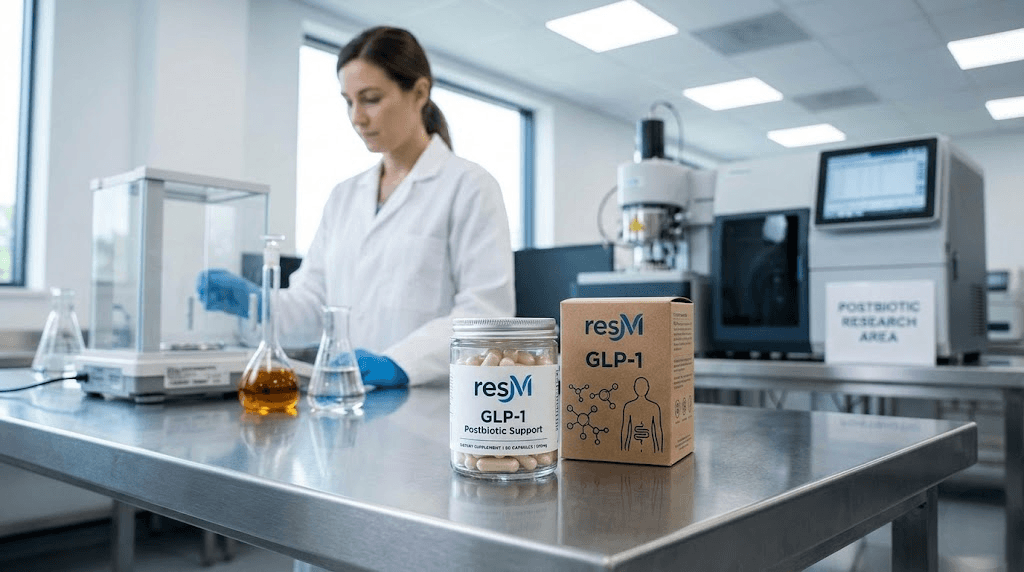
A capsule that claims to boost your GLP-1 levels by 300%. No injections. No prescription. No nausea. Just one pill a day.
That is the promise behind resM GLP-1 Postbiotic, a supplement from resbiotic that has captured the attention of thousands searching for a natural alternative to semaglutide and tirzepatide. The product sits at the intersection of two massive trends: the GLP-1 revolution in weight management and the growing interest in gut health through postbiotics and probiotics. And with a price tag of roughly $25 per month, it sounds almost too good to be true.
Because it might be.
Here is the thing nobody in supplement marketing wants you to understand. There is a fundamental, unbridgeable gap between "supporting the natural GLP-1 production in your body" and actually receiving a GLP-1 receptor agonist that directly mimics and amplifies the hormone. That gap is the difference between nudging a system and overhauling it. Both have their place. But confusing the two can cost you months of wasted effort, false expectations, and real frustration.
This guide breaks down everything about resM GLP-1 Postbiotic, from the science behind each ingredient to how it compares against prescription GLP-1 medications, what real users report, and who should actually consider taking it. We will look at the clinical trial currently underway, examine the 300% GLP-1 increase claim, and give you a clear framework for deciding whether resM belongs in your protocol or whether your money would be better spent elsewhere. SeekPeptides has analyzed the research so you do not have to guess.
What is resM GLP-1 postbiotic?
resM is a daily supplement made by resbiotic, a company founded in 2021 by Dr. Vivek Lal, a double-board certified and university-affiliated physician based in Birmingham, Alabama. The product is marketed as a "GLP-1 postbiotic" designed to support natural production of GLP-1 hormones through a combination of a heat-inactivated probiotic strain and several botanical ingredients.
One capsule daily. That is the entire protocol.
The product does not contain synthetic GLP-1. It is not a GLP-1 receptor agonist. It is not a prescription drug. resbiotic makes this distinction clear on their packaging and marketing materials, though the name "GLP-1 Postbiotic" understandably creates confusion for people who associate GLP-1 with medications like compounded semaglutide or compounded tirzepatide.
So what exactly is a postbiotic? Think of it this way. Probiotics are live beneficial bacteria. Prebiotics feed those bacteria. Postbiotics are the metabolic byproducts and components of bacteria, including heat-inactivated bacterial cells, that deliver health benefits without requiring the organisms to be alive. Research suggests postbiotics can support gut barrier function, reduce inflammation, and improve metabolic health through several mechanisms.
resM positions itself in three distinct use cases. First, as a standalone supplement for people who want natural metabolic support without prescriptions. Second, as a companion to GLP-1 injections to help reduce common side effects like bloating and constipation. Third, as a transitional product for people coming off GLP-1 medications who want to maintain some level of metabolic support.
The resbiotic company behind resM
resbiotic launched in 2021 with their first product, resB, a lung support supplement that combined probiotics with herbal ingredients. The company operates on what they call the "Gut-X Axis" concept, which describes how the gut communicates with other bodily systems through specific biological pathways. resM targets the gut-metabolic axis. Their other product, resG, targets different pathways.
The company is LegitScript certified, manufactures in the USA, and their products are available through Amazon, Walmart, Vitacost, and their own website. Dr. Lal brings medical credentials to the brand, which distinguishes resbiotic from many supplement companies that lack physician involvement in formulation.
That said, physician-founded does not automatically mean clinically proven. It means the formulation had medical input. The actual clinical evidence for resM specifically is still developing, with a randomized, placebo-controlled trial currently in progress at ClinicalTrials.gov.
resM ingredients breakdown: what is actually in the capsule
Understanding what resM can and cannot do requires examining each ingredient individually. Marketing claims are one thing. Published research on specific compounds at specific doses is another. Let us look at what you are actually swallowing.
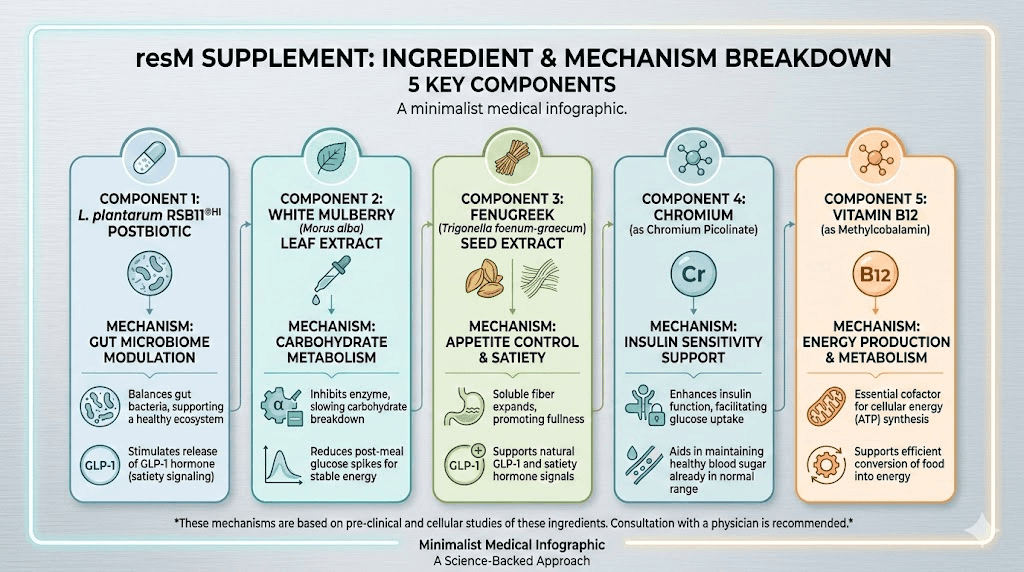
L. plantarum RSB11 (the postbiotic)
This is the star ingredient, a heat-inactivated strain of Lactobacillus plantarum designated RSB11. Heat inactivation means the bacteria are dead. They cannot colonize your gut or reproduce. Instead, the theory is that bacterial cell components, including cell wall fragments and metabolites, interact with your gut lining and immune cells to produce beneficial effects.
Research on L. plantarum strains broadly shows promise for gut health. A study published in Frontiers in Nutrition found that L. plantarum supplementation altered gut microbiota composition and reduced body weight in high-fat diet mice. The mechanisms involved changes in short-chain fatty acid production, particularly acetic acid, which has been shown to promote circulating levels of GLP-1 and PYY (peptide YY, another satiety hormone).
But here is the critical distinction. The research on L. plantarum and GLP-1 production uses live strains in animal models. RSB11 specifically is a proprietary heat-inactivated form. The company claims it supports GLP-1 production, but published peer-reviewed research on RSB11 specifically is limited. The ongoing clinical trial should provide clearer data, but results are not yet available.
Does that mean it does nothing? Not necessarily. Postbiotics, including heat-inactivated bacteria, have demonstrated real biological activity in multiple studies. The question is whether RSB11 at the dose included in resM produces meaningful changes in human GLP-1 levels. We do not have a definitive answer yet.
Chromium picolinate
Chromium is a trace mineral that has been studied extensively for its role in glucose metabolism and insulin sensitivity. It enhances insulin signaling by upregulating receptor kinase activity, which means your cells respond better to the insulin your body already produces.
The evidence here is actually decent, though the effects are modest. A systematic review and meta-analysis of randomized controlled trials found that chromium supplementation significantly improved glycemic control in patients with type 2 diabetes. Specifically, doses above 200 micrograms daily showed improvements in HbA1c and fasting plasma glucose. Another meta-analysis of 21 trials in overweight and obese individuals found small but significant reductions in body weight (approximately 0.75 kg), BMI, and body fat percentage compared to placebo.
In a placebo-controlled trial of overweight women, 1 mg per day of chromium picolinate for 8 weeks reduced daily food intake, hunger levels, and cravings for fats. That is real, measurable appetite suppression from a supplement ingredient, even if the magnitude is far smaller than what you would see with semaglutide appetite suppression or tirzepatide appetite suppression.
Chromium picolinate is one of the better-researched ingredients in resM. It will not transform your body composition on its own. But combined with dietary changes and exercise, it may provide a small, legitimate metabolic edge.
Fenugreek extract
This is where the GLP-1 connection gets interesting. Fenugreek (Trigonella foenum-graecum) contains bioactive compounds, including 4-hydroxyisoleucine, that have demonstrated the ability to increase glucose-dependent insulin secretion in human beta-islet cells. But the connection goes deeper than insulin.
A study published in the Journal of Medicinal Chemistry identified a compound from fenugreek seeds, designated N55, that binds to GLP-1 and enhances the potency of GLP-1 in stimulating GLP-1 receptor signaling. Read that again. Fenugreek does not just "support" GLP-1 in vague marketing language. A specific compound from fenugreek actually binds to GLP-1 and makes it more effective at activating its receptor.
That is genuinely interesting science. It does not mean fenugreek extract is equivalent to a semaglutide prescription. The magnitude of effect is completely different. But it suggests that fenugreek may offer a legitimate, if modest, mechanism for supporting the existing GLP-1 pathways in your body, which aligns with what people exploring GLP-1 vitamins and supplements are hoping to find.
Fenugreek also has well-documented blood sugar management properties. Multiple human trials show reductions in fasting blood glucose and improvements in glucose tolerance when fenugreek is taken regularly.
White mulberry leaf extract
White mulberry leaf contains 1-deoxynojirimycin (DNJ), a compound that competitively inhibits alpha-glucosidase enzymes in your small intestine. In plain language, it slows down how quickly your body breaks down and absorbs carbohydrates from food. The result is a flatter blood sugar curve after meals rather than the dramatic spike-and-crash pattern that drives hunger, cravings, and fat storage.
The clinical evidence for white mulberry leaf is solid. A randomized, double-blind, placebo-controlled trial found that mulberry extract decreased total glucose and insulin rises without significant side effects. Another study demonstrated a remarkable 42% reduction in glucose area under the curve and a 40% reduction in insulin area under the curve compared to placebo. A dose-dependent response has been observed with half (125 mg), normal (250 mg), and double (500 mg) doses, with higher doses producing greater blood sugar blunting effects.
Perhaps most relevant to the resM formulation, one study found that incorporating 3% mulberry leaf extract into the diet for 8 weeks improved glycemic control, insulin sensitivity, and serum GLP-1 levels. That last finding directly supports the GLP-1-boosting claims of resM.
White mulberry leaf is generally well-tolerated, with possible side effects including bloating, constipation, gas, and loose stools in some people. It has been studied safely for up to 12 weeks at doses of 0.8 to 1 gram three times daily.
Vitamin D3 and vitamin B12
These are supporting players in the formulation. Vitamin D3 deficiency is extremely common and associated with insulin resistance, increased inflammation, and poor metabolic outcomes. Supplementation makes sense for most people regardless of whether they take resM. Vitamin B12 supports energy metabolism, neurological function, and is commonly depleted in people taking metformin or following restrictive diets.
Neither vitamin is likely to produce dramatic metabolic effects on its own in someone who is not deficient. But correcting deficiencies in either can meaningfully improve energy levels, insulin sensitivity, and overall metabolic function, which aligns with what users taking tirzepatide with B12 or semaglutide with methylcobalamin also experience.
The 300% GLP-1 increase claim: what does it actually mean?
resbiotic markets resM with a bold claim: a 300% increase in GLP-1 hormone production. That sounds extraordinary. If your body tripled its GLP-1 output, you would expect dramatic appetite suppression, improved blood sugar control, and meaningful weight loss. So what is actually behind this number?
First, context matters enormously. A 300% increase from a very low baseline is still a very low number. If your postprandial GLP-1 level is 10 pmol/L and it increases to 30 pmol/L, that is technically a 300% increase. But a person on semaglutide is experiencing GLP-1 receptor activation at levels that dwarf anything your body naturally produces, because synthetic GLP-1 receptor agonists are designed to be resistant to the DPP-4 enzyme that rapidly degrades natural GLP-1.
Natural GLP-1 produced by your body has a half-life of about 1 to 2 minutes. Semaglutide has a half-life of approximately 168 hours. That is not a typo. The synthetic version lasts roughly 5,000 times longer in your bloodstream than the natural hormone. So even if resM tripled your natural GLP-1 production, the cumulative receptor activation would still be a fraction of what a standard tirzepatide dose achieves.
Second, the source of the 300% claim is not clearly attributed to a published, peer-reviewed study on resM specifically. The company references "clinical data" but the randomized, placebo-controlled trial is still ongoing. This does not mean the claim is fabricated. It may come from preclinical data, in vitro studies, or preliminary results. But until the full clinical trial data is published, we cannot independently verify the magnitude or clinical significance of this number.
Third, even if the GLP-1 increase is real, the downstream effects depend on duration, receptor binding affinity, and overall systemic exposure. A brief spike in GLP-1 after taking a supplement is fundamentally different from the sustained, 24/7 receptor activation provided by weekly semaglutide injections.
None of this means resM is worthless. It means you need to calibrate your expectations. If you are expecting semaglutide-level appetite suppression and weight loss from a $25 supplement, you will be disappointed. If you are looking for gentle, incremental metabolic support, the ingredients in resM have legitimate research backing individual benefits.
resM vs. prescription GLP-1 medications: the honest comparison
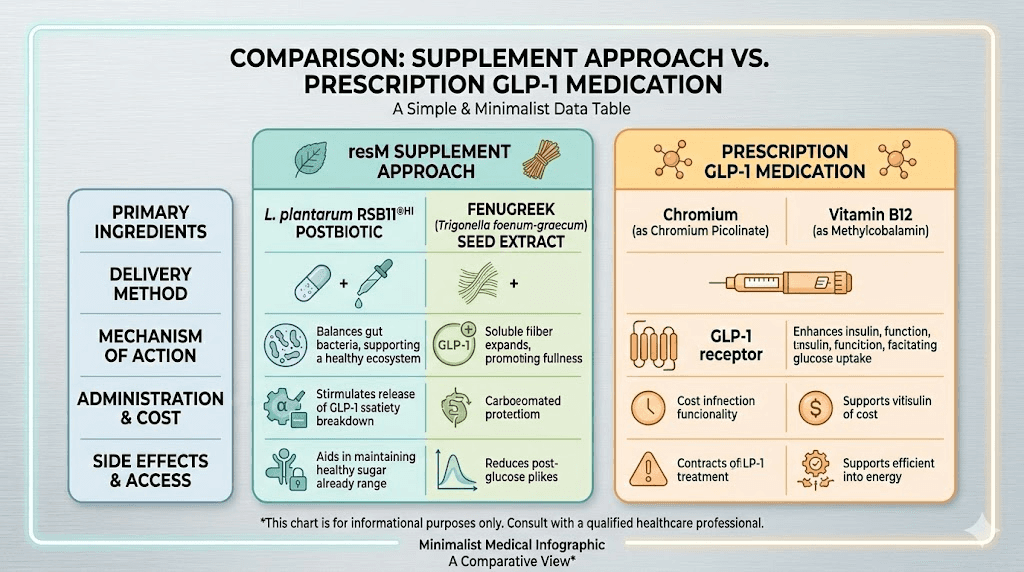
Let us be direct about this because it matters. resM GLP-1 Postbiotic and prescription GLP-1 receptor agonists like semaglutide and tirzepatide are not variations of the same thing. They are fundamentally different interventions operating through entirely distinct mechanisms. Comparing them requires understanding what each actually does in your body.
Mechanism of action
Prescription GLP-1 receptor agonists are synthetic peptides that directly bind to and activate GLP-1 receptors throughout your body. They do not rely on your body producing more GLP-1. They ARE the GLP-1 signal, engineered to resist enzymatic degradation and provide continuous receptor activation for days or weeks at a time. Tirzepatide goes even further by simultaneously activating both GLP-1 and GIP receptors, creating a dual-agonist effect that no supplement can replicate.
resM contains ingredients that may support the natural GLP-1 production in your body through gut microbiome modulation and botanical compounds that enhance GLP-1 signaling. It does not provide exogenous GLP-1. It does not directly activate GLP-1 receptors. It works indirectly, through existing metabolic machinery.
Weight loss efficacy
The STEP trial showed that semaglutide produced an average 15% body weight loss over 68 weeks. The SURMOUNT trial demonstrated that tirzepatide achieved an average 20.2% body weight loss over 72 weeks. A head-to-head study published in the New England Journal of Medicine confirmed tirzepatide was superior to semaglutide for both weight reduction and waist circumference reduction.
resM has no published weight loss data from completed clinical trials. The ongoing trial will evaluate changes in weight, BMI, and blood biomarkers, but results are pending. User reviews on Amazon and the resbiotic website show mixed results, with some reporting reduced cravings and others noticing minimal effects.
This is not a close comparison. It is not even in the same category.
Side effects
Prescription GLP-1 medications come with well-documented side effects. Nausea is the most common, particularly during dose escalation. Constipation, diarrhea, fatigue, headaches, and dizziness are all reported. More serious concerns include potential hair loss, muscle pain, and pancreatitis risk, though serious side effects are relatively rare.
resM, being a supplement with common botanical ingredients, is unlikely to cause significant side effects beyond mild digestive discomfort. This is genuinely one of its advantages. If you cannot tolerate GLP-1 medication side effects, a supplement with no nausea risk has obvious appeal.
Cost comparison
resM costs approximately $25 per month at retail pricing, with subscription discounts available. A three-month supply runs about $73.
Compounded tirzepatide typically ranges from $150 to $500 per month depending on the pharmacy and dose. Brand-name Zepbound or Mounjaro can run over $1,000 per month without insurance. Compounded semaglutide is generally less expensive but still significantly more than resM.
The cost advantage of resM is undeniable. Whether that cost advantage translates to value depends entirely on whether the product delivers meaningful results for your specific situation.
Factor | resM GLP-1 Postbiotic | Prescription GLP-1 (semaglutide/tirzepatide) |
|---|---|---|
Type | Supplement (postbiotic + botanicals) | Prescription medication (synthetic peptide) |
GLP-1 mechanism | Indirect support of natural production | Direct receptor activation |
Weight loss evidence | Pending clinical trial | 15-20% body weight in major trials |
Appetite suppression | Mild to moderate (user-reported) | Significant (clinically proven) |
Side effects | Minimal (mild GI possible) | Nausea, constipation, fatigue common |
Cost | ~$25/month | $150-$1,000+/month |
Requires prescription | No | Yes |
Administration | 1 capsule daily | Weekly injection or daily oral |
FDA approved for weight loss | No | Yes (specific formulations) |
Who is resM actually designed for?
Not everyone needs a prescription GLP-1 agonist. Not everyone qualifies. Not everyone wants to inject. Understanding where resM fits requires being honest about what it can and cannot replace.
People who may benefit from resM
Those who do not qualify for prescription GLP-1 medications. Most prescribers require a BMI of 30+ or 27+ with comorbidities for GLP-1 prescriptions. If you have 15 to 20 pounds to lose and do not meet BMI thresholds for GLP-1, resM offers a legal, accessible option for gentle metabolic support.
People who cannot tolerate GLP-1 injections. Some people experience severe nausea, vomiting, or other side effects that make GLP-1 injections intolerable even at low doses. For these individuals, a supplement that works through different, gentler mechanisms may be worth trying.
Those transitioning off prescription GLP-1 medications. Weight regain after stopping semaglutide or tirzepatide is a real concern. Researchers who have completed a course of GLP-1 therapy and want to maintain some metabolic support during the transition may find resM useful as part of a broader maintenance strategy that includes proper nutrition and exercise.
People currently on GLP-1 medications who want gut support. resbiotic actually markets resM as a complement to existing GLP-1 prescriptions. The postbiotic and botanical ingredients may help with GLP-1-related bloating and digestive issues, though this specific use case needs more research. Many people already take supplements alongside tirzepatide to manage side effects and support nutritional needs.
Anyone interested in blood sugar management through natural means. The chromium picolinate, fenugreek, and white mulberry leaf combination has individually researched benefits for glucose metabolism. If blood sugar management is your primary goal rather than dramatic weight loss, this ingredient profile is reasonable.
People who should look elsewhere
Anyone expecting semaglutide-level results. If you need to lose 50 or more pounds, resM is not the answer. The clinical evidence for significant weight loss from supplement ingredients simply does not compare to semaglutide before and after results or tirzepatide transformations.
People with type 2 diabetes relying on this for glucose control. While the ingredients show modest blood sugar benefits, type 2 diabetes management requires proper medical supervision. Do not replace prescribed medications with supplements without discussing it with your healthcare provider.
Anyone looking for a quick fix. Even if resM works as intended, the effects are gradual. The company itself recommends pairing it with exercise, a higher-protein diet, adequate fiber, and healthy sleep. If you are not willing to make lifestyle changes, no supplement will move the needle.
resM GLP-1 postbiotic: real user reviews and experiences
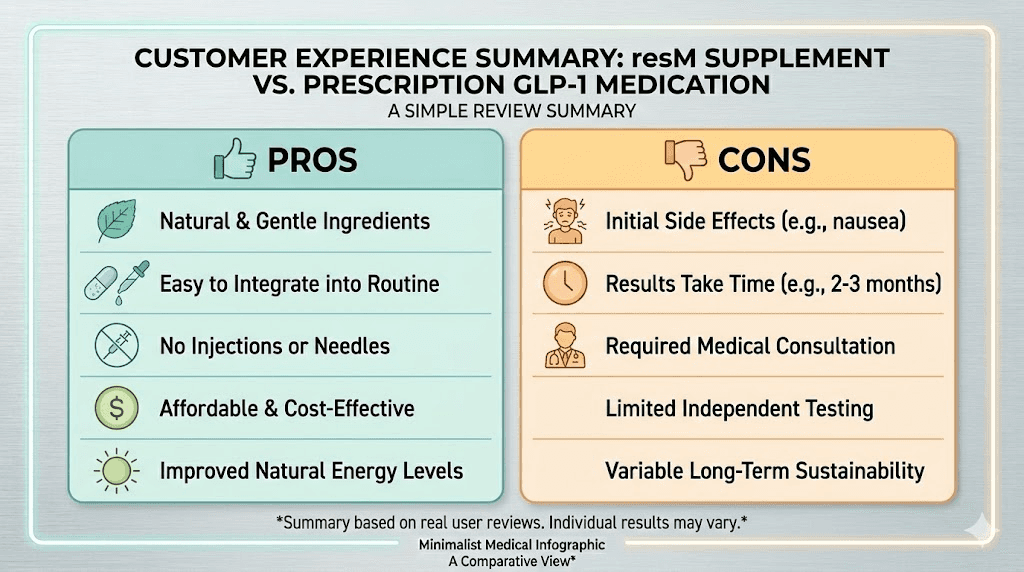
The product currently holds a 4.8-star rating across roughly 1,286 reviews, which is strong by any supplement standard. But averages hide important nuances. Let us break down what actual users report.
What users consistently praise
Clean ingredient profile is the most commonly cited positive. Users appreciate the non-GMO, sugar-free, gluten-free, vegan formulation with no artificial additives. For people who scrutinize supplement labels, resM checks a lot of boxes.
Consistent energy throughout the day, without caffeine jitters or crashes, appears frequently in reviews. This likely relates to the B12 and D3 components along with improved blood sugar stability from the chromium and mulberry leaf.
Reduced cravings is mentioned by many users, particularly cravings for sugary and fatty foods. One reviewer described a noticeable "reduction in food noise," borrowing the phrase that has become synonymous with GLP-1 medication experiences.
Mild taste with little to no aftertaste. The capsule format avoids the flavor issues that plague some oral GLP-1 products.
What users report less favorably
Inconsistent hunger management is the most common complaint among those who gave lower ratings. Some users felt almost no difference in appetite after weeks of use. This variability is typical for supplements, where individual gut microbiome composition, diet, and baseline metabolic health all influence outcomes.
Slow results. Users who expected rapid changes in weight or appetite were often disappointed. Most positive reviewers note that meaningful changes took 4 to 8 weeks of consistent use, and even then, the effects were subtle compared to what prescription GLP-1 medications deliver in the first week.
Unclear weight loss results. While some users report modest weight loss (a few pounds over months), others saw no change on the scale despite feeling slightly less hungry. This aligns with what the research on individual ingredients suggests: modest metabolic support, not dramatic body composition changes.
The companion use case
An interesting subset of reviewers are people who take resM alongside their GLP-1 medications. Several report improved gut comfort, less constipation, and better overall digestive function when adding resM to their protocol. This is anecdotal, but it aligns with what we know about postbiotics supporting gut barrier function and reducing inflammation.
How postbiotics actually interact with GLP-1 pathways
To understand whether resM can meaningfully affect your GLP-1 levels, you need to understand the basic biology of how your gut produces this hormone and how postbiotics might influence that process.
The gut-brain axis and GLP-1 production
GLP-1 (glucagon-like peptide-1) is produced primarily by L-cells in your small intestine and colon. When you eat, nutrients in your gut stimulate these L-cells to release GLP-1. The hormone then signals to your brain to reduce appetite, tells your pancreas to release insulin, and slows gastric emptying (how fast food leaves your stomach). This is why you feel full after eating. It is a natural feedback loop that has kept humans from overeating for millennia.
The problem is that this system can become dysregulated. Chronic high-carbohydrate diets, gut dysbiosis, inflammation, aging, and metabolic dysfunction can all impair L-cell function and reduce GLP-1 secretion. People with insulin resistance often have blunted GLP-1 responses to meals, which partially explains why they struggle with persistent hunger even after eating adequate calories.
How postbiotics may support GLP-1
Your gut microbiome influences GLP-1 production through several mechanisms. Beneficial bacteria produce short-chain fatty acids (SCFAs) like butyrate, acetate, and propionate when they ferment dietary fiber. These SCFAs do several important things.
They strengthen the gut barrier, reducing the "leaky gut" that allows inflammatory compounds to enter your bloodstream and impair metabolic function. They directly stimulate L-cells to produce more GLP-1. They improve insulin sensitivity in peripheral tissues. And they reduce systemic inflammation, which itself impairs GLP-1 signaling.
Postbiotics, including heat-inactivated bacteria like L. plantarum RSB11, may support these pathways even without being alive. The bacterial cell components interact with toll-like receptors and other immune sensors in your gut lining, triggering anti-inflammatory responses and potentially supporting the environment in which L-cells function optimally.
This is legitimate science. The question is always one of magnitude. How much GLP-1 support can you realistically get from a postbiotic compared to what your body needs for meaningful appetite control and metabolic improvement? The honest answer is that we need the clinical trial data to know.
The role of fiber and diet
Here is something resbiotic mentions but does not emphasize enough. The single most effective way to naturally boost your GLP-1 production is through dietary fiber. Fiber feeds your gut bacteria, which produce the SCFAs that stimulate L-cells. Multiple studies show that high-fiber diets significantly increase postprandial GLP-1 levels.
If you are taking resM but eating a low-fiber, highly processed diet, you are limiting what the supplement can do. The postbiotic needs a healthy gut environment to work with. People on GLP-1-supportive diets with adequate protein and fiber will likely see better results from any gut health supplement than those who eat poorly and expect a capsule to fix everything.
resM dosage, timing, and how to use it
The protocol is straightforward. One capsule daily, taken with food in the morning. That is it. No complex timing, no cycling, no loading phase.
Optimal use guidelines
resbiotic recommends taking your capsule with breakfast. This makes physiological sense because the blood-sugar-regulating ingredients (chromium, mulberry leaf, fenugreek) work best when there are incoming carbohydrates to modulate. Taking resM on an empty stomach is unlikely to cause harm but may reduce the immediate blood sugar benefits.
For best results, the company suggests pairing resM with daily exercise, a balanced diet emphasizing higher protein and fiber intake, and healthy sleep habits. This is sound advice that would improve metabolic health with or without the supplement.
How long before you notice effects? Most users who report positive changes describe a gradual onset over 2 to 6 weeks. Energy improvements tend to appear first. Appetite effects, if they occur, typically emerge around weeks 3 to 4. Any weight-related changes require consistent use for at least 8 to 12 weeks, combined with appropriate diet and exercise, which mirrors the patience required when starting GLP-1 medications and waiting for results to materialize.
Can you combine resM with GLP-1 medications?
resbiotic specifically markets this combination. They sell a "GLP-1 Weight System" bundle that includes both resM (the postbiotic) and a prebiotic companion product. The idea is that the supplement supports gut health and may reduce common GLP-1 medication side effects while enhancing metabolic outcomes.
There are no known dangerous interactions between resM ingredients and injectable GLP-1 medications. However, chromium supplementation may enhance insulin sensitivity, which could theoretically amplify the blood-sugar-lowering effects of GLP-1 agonists. If you are on a GLP-1 medication and considering adding resM, discuss it with your prescriber, especially if you are also taking metformin or other diabetes medications.
People who combine berberine with semaglutide or take other supplements alongside their GLP-1 therapy should be aware that stacking multiple blood-sugar-lowering compounds increases the risk of hypoglycemia. Monitor your blood sugar if you combine resM with any glucose-lowering medication.
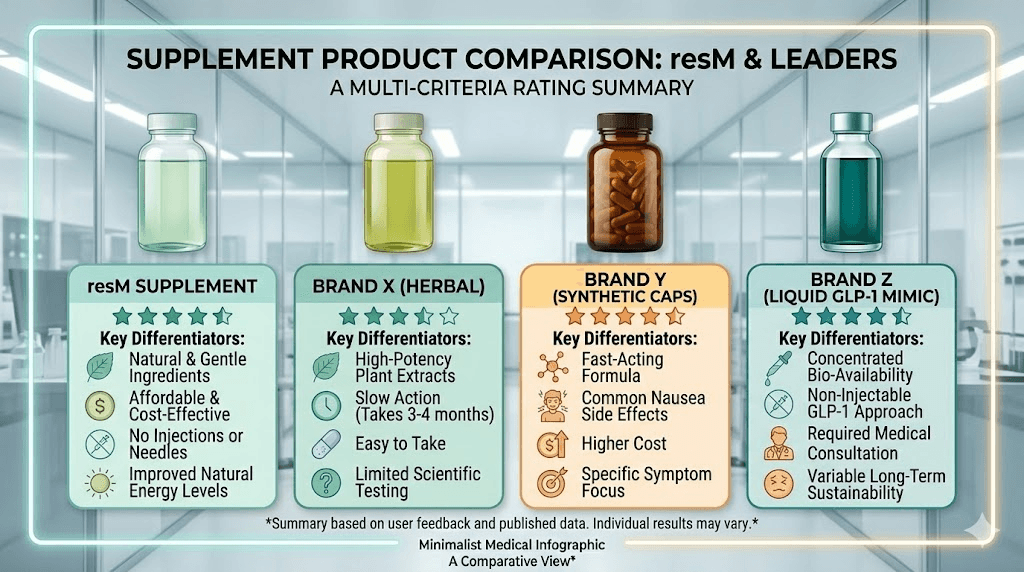
resM compared to other GLP-1 supplements on the market
resM is not the only supplement claiming to support GLP-1 pathways. The GLP-1 medication boom has spawned an entire category of supplements attempting to ride the trend. Understanding how resM compares to alternatives helps you make a more informed decision.
Pendulum GLP-1 Probiotic
Pendulum GLP-1 Probiotic uses live bacterial strains, including Akkermansia muciniphila, which has more published research supporting its role in metabolic health and GLP-1 modulation than the RSB11 strain in resM. Pendulum is significantly more expensive (roughly $165 per month for their medical-grade product) but has published clinical data showing improvements in A1C levels in diabetic patients.
resM uses heat-inactivated bacteria (postbiotic) while Pendulum uses live strains (probiotic). Both approaches have scientific rationale, but the research base for live Akkermansia is currently stronger than for heat-inactivated L. plantarum RSB11.
Advanced Bionutritionals GLP-1 Plus
Advanced Bionutritionals GLP-1 Plus takes a different approach, focusing on botanical extracts that may support GLP-1 secretion. The formulation differs from resM, and the price point varies. Like resM, it lacks major published clinical trial data specific to the product formulation.
Evolv GLP-1 and similar branded supplements
The market includes numerous branded GLP-1 supplements like Evolv, LifeVantage MindBody, Tranont, and Thrive. Most use various combinations of probiotics, prebiotics, botanical extracts, and vitamins. Few have product-specific clinical data.
What distinguishes resM from most competitors is the postbiotic approach (heat-inactivated rather than live bacteria), the specific inclusion of fenugreek for GLP-1 receptor potentiation, and the ongoing registered clinical trial. The physician-founded aspect also provides more credibility than many supplement brands in this space.
Product | Type | Key ingredient | Monthly cost | Clinical data | Best for |
|---|---|---|---|---|---|
resM | Postbiotic + botanicals | L. plantarum RSB11 | ~$25 | Trial in progress | Budget-friendly metabolic support |
Pendulum GLP-1 | Live probiotic | Akkermansia muciniphila | ~$165 | Published data | Evidence-based probiotic approach |
Advanced Bionutritionals | Botanical extract | Various herbals | ~$40-60 | Limited | Herbal metabolic support |
Evolv GLP-1 | Probiotic blend | Multi-strain probiotic | ~$50-70 | Limited | MLM probiotic approach |
The clinical trial: what we know and what we are waiting for
One thing that separates resbiotic from many supplement companies is that they registered a clinical trial for resM with ClinicalTrials.gov (NCT06911073). This is a randomized, placebo-controlled study designed to evaluate the role of a postbiotic in supporting weight loss.
Trial details
The study evaluates changes in weight, BMI, and blood biomarkers relevant to metabolism. It spans approximately 1 to 2 months. While the full protocol details are not publicly available in their entirety, the registration demonstrates a commitment to generating real clinical evidence, something most supplement companies never do.
What this trial could tell us
If results are positive, we would expect to see statistically significant differences between the resM group and placebo group in body weight, BMI, and relevant biomarkers like fasting glucose, insulin, and possibly GLP-1 levels. Positive results would not prove that resM is equivalent to prescription medications. They would prove that it offers measurable benefits beyond placebo.
If results are negative or mixed, it does not necessarily mean the individual ingredients are ineffective. It might mean the specific formulation, dose, or duration was insufficient. Clinical trial design matters enormously.
The publication timeline
As of early 2026, the trial results have not been published. If the study enrolled on schedule and data collection is complete, publication could come within the next several months. Until then, the efficacy claims rest on ingredient-level research and preclinical data rather than product-specific human trial outcomes.
SeekPeptides will update this guide when the trial results become available, providing an independent analysis of whether the data supports the product claims.
Safety considerations and potential interactions
resM is generally well-tolerated based on user reports and the safety profiles of its individual ingredients. However, a few considerations are worth noting.
Chromium supplementation cautions
Chromium picolinate can affect blood sugar levels. People taking diabetes medications, including metformin, sulfonylureas, or insulin, should be aware that adding chromium could potentially lower blood sugar further. While clinically significant hypoglycemia from chromium supplementation alone is rare, the combination with other glucose-lowering agents warrants monitoring.
People with impaired renal function should exercise caution with higher doses of B12 and chromium. A physician review of the resM formulation noted that the specific doses of these nutrients warrant consideration in patients with underlying kidney conditions.
Fenugreek considerations
Fenugreek can interact with blood thinners and may affect blood clotting. If you take anticoagulant medications, consult your healthcare provider before adding fenugreek-containing supplements. Fenugreek is also not recommended during pregnancy due to potential uterine-stimulating effects.
Drug interactions
The blood-sugar-lowering effects of chromium, fenugreek, and white mulberry leaf could theoretically interact with other medications that affect blood sugar. If you are currently on any prescription GLP-1 therapy, diabetes medication, or blood pressure medication, discuss adding resM with your prescriber first.
What about long-term use?
The individual ingredients in resM have been studied for durations of 8 to 12 weeks in most clinical trials. Long-term safety data for the specific combination at the specific doses in resM is not available. This is true of most supplements, not just resM. The ingredients are generally recognized as safe (GRAS) and have long histories of dietary use, but the specific formulation is relatively new.
Common mistakes people make with GLP-1 supplements
The GLP-1 supplement category is booming, and with that boom comes a predictable wave of misunderstandings, wasted money, and missed opportunities. Whether you try resM or any other product in this space, avoiding these common mistakes will save you frustration and give you a clearer picture of what supplements can and cannot deliver.
Mistake 1: Treating supplements as medication replacements
This is the biggest and most dangerous mistake. When someone with a BMI of 35 and metabolic syndrome chooses resM over a conversation with their doctor about prescription GLP-1 options, they are potentially delaying effective treatment. Supplements operate in the realm of optimization and support. Medications operate in the realm of therapeutic intervention. These are different categories entirely.
The clinical evidence is unambiguous. No supplement, including resM, has demonstrated weight loss results anywhere near the 15-20% body weight reductions achieved by tirzepatide and semaglutide in large randomized trials. If you have a serious metabolic condition that warrants medical treatment, get medical treatment. Use supplements as additions, not alternatives.
Mistake 2: Ignoring the lifestyle foundation
No metabolic supplement works in a vacuum. The single most important factor in your GLP-1 production, insulin sensitivity, and metabolic health is what you eat, how you move, and how you sleep. Taking resM while consuming a high-sugar, low-fiber, ultra-processed diet is like putting premium fuel in a car with flat tires. The fuel quality is irrelevant to the real problem.
The fenugreek, chromium, and mulberry leaf in resM work by modulating metabolic responses to food. If the food you are eating is metabolically destructive, modulating the response to it offers marginal benefit. People who get the most from metabolic supplements are those who have already addressed the fundamentals: adequate protein intake, sufficient fiber, regular exercise, consistent sleep, and stress management.
Mistake 3: Unrealistic timelines
Supplements work slowly. Not in days, not always in weeks. The metabolic changes supported by postbiotics, chromium, and botanical extracts take time to accumulate. Gut microbiome shifts require weeks of consistent intervention. Insulin sensitivity improvements build gradually. If you try resM for two weeks and declare it worthless, you have not given it a fair trial.
Compare this to prescription medications. Even semaglutide, despite being dramatically more potent, takes 4-5 weeks of dose escalation before most users reach therapeutic levels. And full results in clinical trials are measured at 68-72 weeks, not 68-72 days. A supplement that needs 90 days to show modest effects is not failing. It is operating on supplement timelines.
Mistake 4: Stacking too many supplements without tracking
Some people take resM, a separate probiotic, a standalone chromium supplement, a fiber supplement, berberine, and three other products simultaneously. When they feel better (or worse), they have no idea which supplement contributed. Worse, stacking multiple blood-sugar-lowering compounds without monitoring can lead to unexpected drops in glucose.
If you want to try resM, try it in isolation from other new supplements for at least 4 weeks. Track your metrics. Then assess. If you want to add something else, add one thing at a time. This is the same systematic approach that smart researchers use with peptides: change one variable, measure, adjust.
Mistake 5: Falling for "natural GLP-1" marketing language
The phrase "natural GLP-1" has become a marketing weapon. It implies that supplements can achieve what GLP-1 medications do, just through "natural" means. This is misleading. Your body naturally produces GLP-1. Supplements may modestly support that production. But the amount of GLP-1 receptor activation from natural production versus synthetic agonists is not even in the same universe.
When evaluating any GLP-1 supplement, look for specific claims backed by specific studies. "Supports GLP-1 production" with a citation to a peer-reviewed study on a specific ingredient is reasonable. "Natural GLP-1 alternative" without clinical data is marketing, not science. resM falls somewhere in between, with individual ingredients that have research support but a final product that still needs its own clinical validation.
The science of gut microbiome and metabolic health: why this matters
To truly evaluate whether a postbiotic supplement like resM can influence your metabolism, you need to understand the rapidly evolving science connecting your gut bacteria to your metabolic function. This is not fringe science. It is one of the most active areas of medical research globally.
Your gut produces most of the GLP-1 in your body
The L-cells that produce GLP-1 live in your intestinal lining, with the highest concentrations in the ileum (the last section of your small intestine) and the colon. These cells are not passive. They actively sense the nutrient content of food passing through your gut and release GLP-1 in response. Certain nutrients trigger more GLP-1 release than others. Protein and fiber are the strongest stimulants. Simple sugars, ironically, trigger a quick spike followed by rapid decline, contributing to the hunger cycles that plague people eating processed diets.
Your gut bacteria directly influence L-cell function. Specific bacterial metabolites, particularly short-chain fatty acids like butyrate, bind to receptors on L-cells (specifically GPR41 and GPR43) and stimulate GLP-1 release. People with healthy, diverse gut microbiomes tend to produce more GLP-1 after meals than people with dysbiotic (imbalanced) gut bacteria. This is one mechanism through which the gut microbiome influences body weight and metabolic health.
How dysbiosis impairs GLP-1 signaling
Gut dysbiosis, characterized by low bacterial diversity, overgrowth of inflammatory species, and reduced populations of beneficial bacteria, creates a cascade of metabolic problems. Reduced SCFA production means less GLP-1 stimulation from L-cells. Increased intestinal permeability ("leaky gut") allows bacterial lipopolysaccharides (LPS) to enter the bloodstream, triggering systemic inflammation that impairs insulin signaling. Chronic low-grade inflammation also damages L-cells directly, further reducing GLP-1 output.
This creates a vicious cycle. Poor metabolic health impairs gut bacteria. Impaired gut bacteria worsen metabolic health. Breaking this cycle is where interventions like gut health support, dietary changes, and potentially postbiotic supplementation may play a role.
What postbiotics bring to the table
Live probiotics face several challenges. They must survive stomach acid, compete with existing gut bacteria, and establish viable colonies. Many commercial probiotic strains pass through the gut without colonizing. Postbiotics sidestep these challenges entirely because they do not need to be alive to function.
Heat-inactivated bacteria retain their cell wall components, including peptidoglycan, lipoteichoic acid, and other structural molecules that interact with pattern recognition receptors in your gut lining. These interactions can modulate immune responses, reduce inflammatory signaling, strengthen tight junctions between intestinal cells (reducing permeability), and potentially support the environment in which L-cells function optimally.
Research published in several peer-reviewed journals demonstrates that postbiotics can reduce intestinal inflammation, improve barrier function, and influence metabolic parameters. The question, as always with resM, is whether the specific strain (RSB11) at the specific dose in the specific product produces clinically meaningful effects in humans. That answer is coming, but it is not here yet.
The fiber connection that most supplement users ignore
Here is a fact that should reshape how you think about any gut health or GLP-1 supplement. The average American consumes approximately 15 grams of fiber daily. The recommended minimum is 25-35 grams. Many researchers believe 40-50 grams is optimal for gut health and metabolic function.
That fiber deficit represents a massive missed opportunity for natural GLP-1 support. Every gram of additional fiber feeds beneficial gut bacteria, which produce SCFAs, which stimulate L-cells, which release GLP-1. Closing the fiber gap from 15 grams to 35 grams daily could produce more significant metabolic effects than any supplement, including resM.
This does not mean resM is pointless. It means resM works best as part of a comprehensive approach that includes adequate fiber. The postbiotic may support gut health in ways that fiber alone does not, particularly for people with existing dysbiosis where the bacterial populations needed to ferment fiber are depleted. Think of it as a team effort. Fiber provides the raw material. The postbiotic supports the machinery. Together, they may produce more than either alone.
For practical guidance on building a gut-supportive diet, explore our guides on GLP-1 breakfast ideas, foods to eat on semaglutide, and what to eat on tirzepatide. The dietary principles apply regardless of whether you are on prescription medications or supplements.
resM and the regulatory landscape: what supplement buyers need to know
Supplements operate in a fundamentally different regulatory environment than prescription drugs, and understanding this context is essential for making informed decisions about resM or any similar product.
How supplements are regulated (and how they are not)
In the United States, dietary supplements are regulated under the Dietary Supplement Health and Education Act (DSHEA) of 1994. This means supplement manufacturers do not need FDA approval before selling their products. They must ensure their products are safe and that label claims are not misleading, but the burden of proving a product is unsafe falls on the FDA, not the manufacturer.
This does not mean supplements are unregulated. The FDA requires accurate labeling, good manufacturing practices (GMP), and truthful marketing claims. But the practical reality is that supplements face far less scrutiny than prescription drugs before reaching consumers. A prescription GLP-1 medication requires years of clinical trials, FDA review, and post-market surveillance. A GLP-1 supplement needs a label, a manufacturer, and a website.
What "structure/function claims" mean
resbiotic uses structure/function claims on their marketing, such as "supports metabolic health" and "helps maintain GLP-1 results." These claims are permitted for supplements as long as they do not claim to diagnose, treat, cure, or prevent a disease. The distinction matters. resM can say it "supports metabolism." It cannot say it "treats obesity" or "prevents diabetes." This is why you see careful language on the product page and why the product carries the standard disclaimer that it has not been evaluated by the FDA.
Third-party testing and quality
One area where resM performs well is quality assurance. The product is manufactured in the USA under GMP conditions, and the company states it uses tested ingredients. LegitScript certification adds another layer of credibility. However, independent third-party testing results (such as NSF, USP, or ConsumerLab verification) are not prominently displayed. If you are concerned about supplement quality, look for products with independent third-party verification.
For context, the same quality concerns apply when choosing a compounding pharmacy for GLP-1 medications. Whether you are buying a supplement or a compounded medication, verifying quality standards at the source is essential. Look for pharmaceutical-grade standards and transparent testing protocols.
Practical protocols: integrating resM into a metabolic health strategy
If you decide to try resM, here are specific protocols based on different starting points.
Protocol 1: Standalone use for mild metabolic support
Goal: Gentle appetite management and blood sugar optimization without prescription medications.
Daily routine:
Morning: 1 resM capsule with a breakfast containing protein, fiber, and healthy fats
Throughout the day: 25-35g dietary fiber from vegetables, legumes, and whole grains
Exercise: 150+ minutes moderate activity per week plus 2-3 resistance training sessions
Sleep: 7-9 hours consistent schedule
Timeline: Commit to 90 days minimum before evaluating results.
Track: Weekly weight, bi-weekly waist measurement, daily hunger and energy ratings (1-10 scale).
Expected outcome: Modest reductions in cravings and improved energy. Possible small weight loss (2-5 pounds over 3 months) when combined with lifestyle changes. Blood sugar improvements most likely to be measurable in people with elevated baseline levels.
Protocol 2: Companion to GLP-1 medication
Goal: Reduce GLP-1 medication side effects and support gut health during treatment.
Daily routine:
Morning: 1 resM capsule with breakfast
Continue your prescribed GLP-1 injection on schedule
Follow your prescribed diet plan
Adequate hydration (aim for half your body weight in ounces daily)
Timeline: Start resM at least 2 weeks after stabilizing on your current GLP-1 dose so you can isolate any new effects.
Track: GI symptoms (nausea, bloating, constipation) rated daily, energy levels, and any changes in appetite beyond what your medication provides.
Expected outcome: Potentially improved digestive comfort. The postbiotic component may support gut health during the GI adjustment period common with GLP-1 medications.
Protocol 3: Post-GLP-1 transition support
Goal: Maintain metabolic momentum after completing a course of semaglutide or tirzepatide therapy.
Daily routine:
Start resM 1-2 weeks before your final GLP-1 injection
Morning: 1 capsule with fiber-rich breakfast
Increase dietary fiber by 5-10g from pre-medication levels
Increase protein to 1g per pound of body weight to protect lean mass
Maintain or increase exercise volume
Timeline: Continue for at least 6 months post-medication to establish new habits.
Track: Weight (weekly), hunger levels (daily), and exercise adherence. Expect some appetite rebound after stopping GLP-1 medication regardless of supplementation. The goal is to minimize the rebound, not eliminate it entirely.
Expected outcome: Some metabolic support during transition, though weight regain is common regardless of supplementation after stopping GLP-1 medications. The lifestyle factors (diet, exercise, sleep) will determine outcomes far more than the supplement. For comprehensive strategies, explore maintaining weight loss after tirzepatide and understand that semaglutide withdrawal is a real phenomenon that supplements alone cannot fully address.
resM GLP-1 postbiotic pricing and where to buy
Availability is broad and pricing is competitive.
Official pricing
1 bottle (30 capsules, 1-month supply): $24.96 on resbiotic.com
3 bottles (90 capsules, 3-month supply): $72.99 on resbiotic.com
Subscription: 20% discount on recurring deliveries
GLP-1 Weight System bundle: Includes resM postbiotic + prebiotic companion (pricing varies)
Where to buy
resM is available through multiple retailers including Amazon, Walmart, Vitacost, Fullscript (for practitioner orders), and the official resbiotic website. Amazon pricing may vary from the official site. Third-party retailers occasionally run promotions.
For comparison, here is what other metabolic health investments cost monthly. Peptide cost calculators can help you understand the full financial picture. Compounded tirzepatide ranges from $150 to $500 per month. Compounded semaglutide typically runs $100 to $300 per month. Brand-name GLP-1 medications without insurance can exceed $1,000 per month. Even the most affordable semaglutide providers charge significantly more than resM. At $25 per month, resM is the most accessible option in the GLP-1-related product space, though you get what you pay for in terms of effect magnitude.
Frequently asked questions
Does resM GLP-1 postbiotic actually contain GLP-1?
No. resM does not contain synthetic GLP-1 or any GLP-1 receptor agonist. It contains ingredients, including a postbiotic strain and botanical extracts, that may support natural production of GLP-1. This is fundamentally different from prescription GLP-1 medications that directly activate GLP-1 receptors.
Can resM replace semaglutide or tirzepatide?
No. The weight loss efficacy of prescription semaglutide (15% average body weight loss) and tirzepatide (20% average body weight loss) in clinical trials is not achievable through any currently available supplement. resM may provide modest metabolic support but is not a substitute for prescription GLP-1 therapy when significant weight loss is needed.
Is resM safe to take with tirzepatide or semaglutide injections?
There are no known dangerous interactions, but the blood-sugar-lowering effects of chromium, fenugreek, and white mulberry leaf could theoretically enhance the glucose-lowering effects of GLP-1 medications. Consult your prescriber before combining, especially if you also take metformin or other diabetes medications.
How long does resM take to work?
Users report energy improvements within 1-2 weeks. Appetite effects typically emerge around weeks 3-4. Meaningful metabolic changes require 8-12 weeks of consistent use combined with diet and exercise modifications. This is slower than prescription GLP-1 medications, which many users notice within the first week.
What is the difference between a postbiotic and a probiotic for GLP-1 support?
Probiotics are live beneficial bacteria that colonize your gut. Postbiotics are heat-inactivated bacteria or their metabolic byproducts. Both can influence gut health, but through different mechanisms. Pendulum GLP-1 Probiotic uses live strains, while resM uses heat-inactivated L. plantarum RSB11. Postbiotics do not require refrigeration and have a longer shelf life, but the research on live Akkermansia strains for metabolic health is currently more established.
Does resM help with GLP-1 medication side effects?
resbiotic markets resM as a companion to GLP-1 injections that may help reduce bloating and constipation. Anecdotal user reports support this, and the postbiotic mechanism for gut barrier support is plausible. However, this specific use has not been validated in clinical trials.
Is the 300% GLP-1 increase claim legitimate?
The source of this claim has not been published in a peer-reviewed journal. It may come from preclinical or in vitro data. The ongoing clinical trial should provide clearer evidence. Even if accurate, a 300% increase in natural GLP-1 production does not approach the receptor activation levels achieved by prescription semaglutide because natural GLP-1 has a half-life of 1-2 minutes versus 168 hours for the synthetic version.
Can I take resM while pregnant or breastfeeding?
Fenugreek is not recommended during pregnancy due to potential uterine-stimulating effects. If you are pregnant or breastfeeding, consult your healthcare provider before taking resM or any supplement.
Does resM need to be refrigerated?
No. Because resM uses heat-inactivated bacteria (postbiotics) rather than live probiotic strains, it does not require refrigeration. Store it in a cool, dry place away from direct sunlight. This is an advantage over some live probiotic supplements that require cold storage. It also makes resM convenient for travel, unlike injectable GLP-1 medications that have strict temperature requirements.
What happens if I stop taking resM?
Unlike prescription GLP-1 medications where discontinuation can trigger noticeable withdrawal symptoms and appetite rebound, stopping resM is unlikely to produce dramatic changes. Any benefits from the supplement are generally subtle and accumulate gradually. Stopping should produce a gradual return to baseline rather than an abrupt shift. This is both good news (no withdrawal concerns) and a reflection of the modest magnitude of effects compared to prescription therapies.
Can I take resM with other supplements like berberine or fiber supplements?
Generally yes, but exercise caution with stacking multiple blood-sugar-lowering compounds. Berberine, chromium picolinate (already in resM), and white mulberry leaf all affect glucose metabolism. Adding berberine on top of resM concentrates the blood sugar effects. If you choose to combine them, monitor blood glucose levels and start with lower doses. Fiber supplements are generally safe and complementary to the postbiotic mechanism in resM.
Is resM worth the money compared to buying the ingredients separately?
You could theoretically purchase chromium picolinate, fenugreek extract, white mulberry leaf, vitamin D3, vitamin B12, and a L. plantarum probiotic separately. The individual ingredients would likely cost $40-60 per month for comparable doses. resM at $25 per month (or less with subscription) actually represents reasonable value for the convenience of a single capsule, assuming the proprietary RSB11 strain offers benefits comparable to generic L. plantarum products. The unknown is whether RSB11 specifically provides advantages over standard L. plantarum strains, which is what the clinical trial should clarify.
External resources
The GLP-1 supplement space will continue evolving rapidly. New products will launch. New clinical data will emerge. Some of what we know today will be refined or corrected by future research. The key is maintaining a balanced perspective, being skeptical enough to demand evidence but open enough to recognize when supplements genuinely offer value within their appropriate scope.
For researchers serious about understanding and optimizing their metabolic health, SeekPeptides provides evidence-based analysis of supplements, prescription GLP-1 medications, and natural approaches to metabolic optimization. Members access detailed protocol guides, dosage calculators, comprehensive comparison tools, and a community of thousands navigating these exact decisions about peptides, GLP-1 medications, and the supplements that surround them.
In case I do not see you, good afternoon, good evening, and good night. May your gut health stay balanced, your metabolic pathways stay optimized, and your supplement decisions stay informed.