Feb 24, 2026
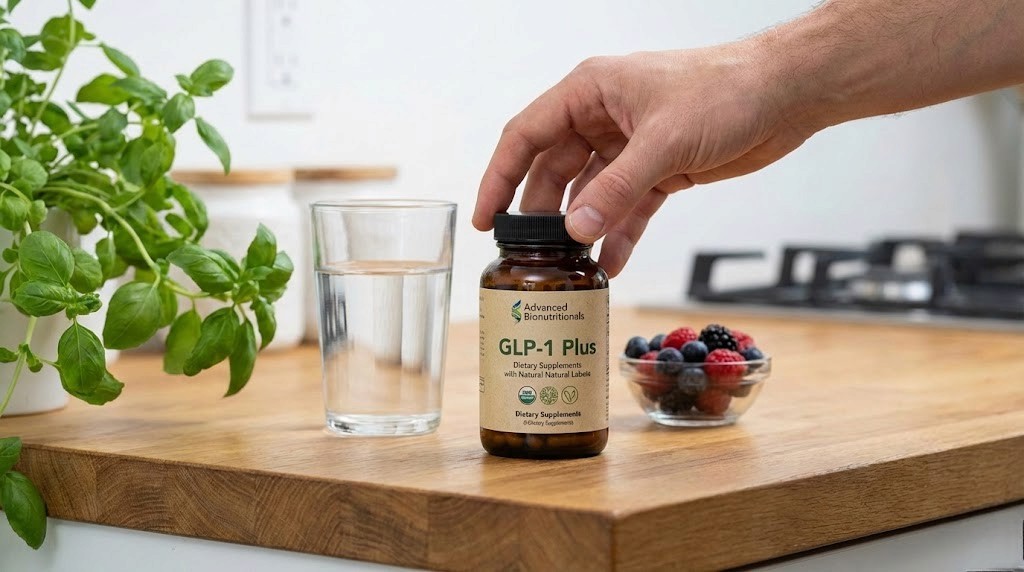
Every week brings a new supplement claiming to replicate what prescription GLP-1 medications do. The bottles look professional. The marketing uses the right scientific terms. And the reviews, depending on where you look, range from miraculous to completely dismissive. Advanced Bionutritionals GLP-1 Plus sits at the center of this controversy, generating thousands of searches from people who want appetite control without injections, without prescriptions, and without the side effects that come with semaglutide or tirzepatide.
That desire makes sense. Prescription GLP-1 drugs are expensive. They require injections. They cause nausea, fatigue, and gastrointestinal distress in a significant percentage of users. So when a company promises similar appetite-suppressing results from a capsule containing natural ingredients, people pay attention.
But attention is not the same as evidence.
This guide breaks down every ingredient in Advanced Bionutritionals GLP-1 Plus against the actual published research. Not the marketing copy. Not the affiliate reviews written to earn commissions. The peer-reviewed studies, the clinical trial data, and the honest limitations that most reviews conveniently skip. SeekPeptides exists to provide exactly this kind of analysis, cutting through supplement marketing to help you understand what the science actually supports, what remains unproven, and what you should realistically expect from products like this one.
Whether GLP-1 Plus deserves a spot in your protocol depends on understanding the gap between what the ingredients can do individually and what the product promises as a whole. Understanding how GLP-1 works and how supplements interact with that pathway requires a deeper look than any product page provides.
How GLP-1 actually works in the body
Before evaluating any GLP-1 supplement, you need to understand what GLP-1 does and how the body produces it. This context separates informed consumers from people who fall for marketing claims.
GLP-1 stands for glucagon-like peptide-1. The body produces it in specialized intestinal cells called L-cells, primarily located in the lower small intestine and colon. When food enters the digestive tract, these L-cells detect nutrients and release GLP-1 into the bloodstream.
The hormone then does several things simultaneously. It signals the brain to reduce appetite. It slows gastric emptying, keeping food in the stomach longer so you feel full for extended periods. It stimulates insulin secretion from the pancreas, helping clear glucose from the blood. And it suppresses glucagon, the hormone that tells the liver to release stored sugar.
Here is the critical detail that supplement marketing glosses over. Natural GLP-1 has an extremely short half-life. Approximately two minutes. The enzyme dipeptidyl peptidase-4 (DPP-4) destroys GLP-1 almost as fast as the body produces it. This means any GLP-1 produced in response to food or supplements provides a brief signal that fades quickly.
Prescription GLP-1 receptor agonists solve this problem through molecular engineering. Semaglutide, for example, is structurally modified to resist DPP-4 degradation and bind to albumin in the blood, extending its half-life to approximately 7 days. A single weekly injection of semaglutide provides continuous receptor activation for an entire week. That is 5,040 minutes of activity versus the 2 minutes of natural GLP-1.
This is not a small difference. It is the fundamental reason why no supplement can replicate what prescription GLP-1 medications do.
A supplement might increase the amount of GLP-1 your L-cells produce. It might even increase it substantially. But that additional GLP-1 still gets destroyed within minutes by DPP-4. The net effect on sustained receptor activation is a tiny fraction of what a prescription drug achieves. Some researchers have explored whether combining GLP-1 stimulation with DPP-4 inhibition could amplify supplement effects, and that theoretical approach has merit, but no GLP-1 supplement currently on the market takes this combined approach in a clinically validated way.
Does this mean GLP-1 supplements are useless? Not necessarily. Even brief increases in GLP-1 around mealtimes can influence acute appetite and blood sugar responses. The effects just operate on a fundamentally different scale than pharmaceutical interventions. People researching how semaglutide suppresses appetite are looking at a drug that maintains constant receptor pressure. People taking GLP-1 supplements are looking at brief, pulsatile signals that may nudge appetite at mealtimes.
Understanding this distinction is essential for evaluating whether Advanced Bionutritionals GLP-1 Plus or any GLP-1 supplement can deliver on its promises. Anyone serious about GLP-1-based weight management should first understand the biology before investing in any product. The difference between supplements that nudge a pathway and medications that dominate it is the difference between turning up the thermostat by one degree and moving to a warmer climate.
What is Advanced Bionutritionals GLP-1 Plus
Advanced Bionutritionals GLP-1 Plus is an oral dietary supplement marketed as a natural way to support GLP-1 hormone levels, reduce appetite, and manage weight without prescription medications. The product comes in capsule form with a recommended dose of two capsules daily, taken with the largest meal of the day.
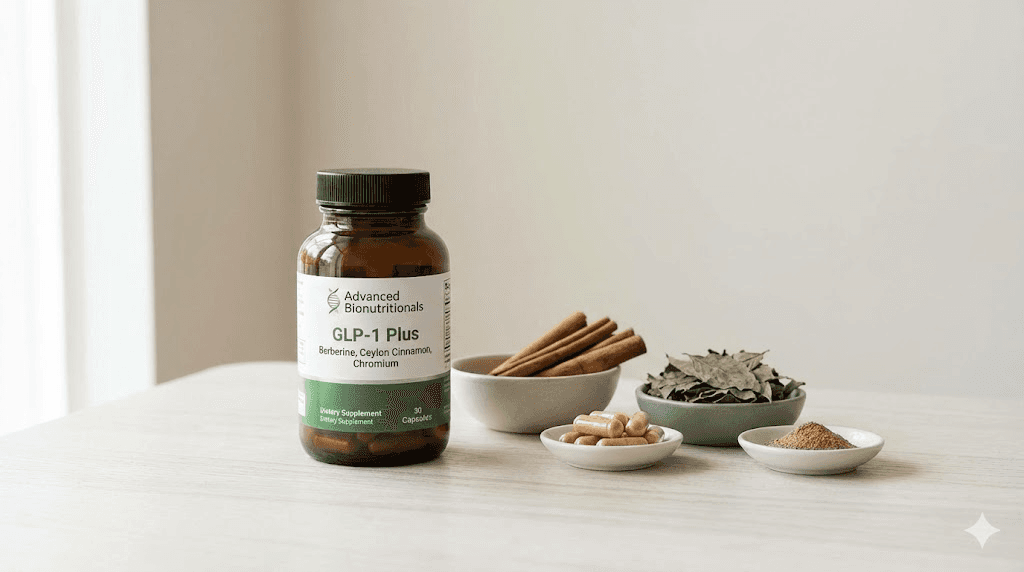
The formula contains four active ingredients. GlucoVantage dihydroberberine at 200mg serves as the flagship component. Gymnema sylvestre provides sugar-craving reduction. Ceylon cinnamon bark at 100mg contributes blood sugar support. And chromium picolinate at 100mcg rounds out the formula as a trace mineral for insulin function.
The central marketing claim revolves around a 95% increase in GLP-1 hormone levels. This number comes from preclinical research on dihydroberberine, the active form of berberine used in the product. The claim requires careful examination, which we will get to shortly.
GLP-1, or glucagon-like peptide-1, is a hormone produced in the intestinal L-cells after eating. It signals fullness to the brain, slows stomach emptying, and helps regulate blood sugar. This is the same hormone that prescription medications like semaglutide and tirzepatide target, though pharmaceutical GLP-1 receptor agonists work through a fundamentally different mechanism than any supplement can replicate. Understanding how long GLP-1 takes to work in the prescription context helps frame what supplements might realistically achieve.
The product targets people who want appetite suppression and weight management support but do not want or cannot access prescription GLP-1 medications. That audience is enormous. The cost of semaglutide and tirzepatide puts these drugs out of reach for many people, and insurance coverage remains inconsistent. A supplement offering even partial benefits at a fraction of the cost has obvious appeal.
But appeal and efficacy are different things. The question is not whether the ingredients in GLP-1 Plus have any biological activity. They do. The question is whether that activity translates to meaningful appetite suppression and weight loss at the doses included in this formula.
Who makes Advanced Bionutritionals
Advanced Bionutritionals operates under the guidance of Dr. Frank Shallenberger, MD, a physician with over 41 years of medical practice. Dr. Shallenberger earned his medical degree from the University of Maryland School of Medicine and completed post-graduate training at Mt. Zion Hospital in San Francisco. He holds certifications in both conventional medicine and anti-aging medicine through the American Board of Anti-Aging Medicine.
The company positions itself in the integrative medicine space, producing supplements formulated by physicians rather than supplement marketers. Products are manufactured in the United States in GMP-certified facilities using globally sourced raw materials. This is a legitimate manufacturing standard, though it speaks to production quality rather than product efficacy.
Advanced Bionutritionals has a mixed but generally positive reputation among consumers. Reviews across platforms average around 3.9 out of 5 stars. Common praise includes product quality and customer service. Common criticisms focus on pricing and occasional shipping delays.
The company offers a 90-day money-back guarantee on GLP-1 Plus, which does provide some consumer protection. However, a money-back guarantee says nothing about whether the product works. It says the company is confident enough in its return rate to offer refunds. Many supplement companies with ineffective products still offer guarantees because return rates on supplements tend to be low regardless of efficacy.
Context matters here. Advanced Bionutritionals is a legitimate supplement company with physician involvement and proper manufacturing. It is not a fly-by-night operation. But legitimate manufacturing does not automatically mean the product delivers on its marketing promises. The ingredients themselves need to stand on their own evidence, separate from company credentials. Just as you would evaluate a compounded semaglutide source based on the compound itself rather than just the pharmacy reputation, you should evaluate GLP-1 Plus based on its ingredient evidence.
Every ingredient in GLP-1 Plus analyzed
The formula contains four ingredients. Each one has research behind it, but the devil lives in the details. Doses matter. Study populations matter. The difference between preclinical and human data matters enormously. Let us examine each ingredient against the best available evidence.
GlucoVantage dihydroberberine (200mg)
GlucoVantage is the trademarked name for dihydroberberine (DHB), manufactured by NNB Nutrition. Dihydroberberine is the reduced form of berberine, a plant alkaloid found in goldenseal, Oregon grape, and barberry. The key selling point of dihydroberberine over standard berberine is dramatically improved bioavailability.
Standard berberine has notoriously poor absorption. Only about 5% of an oral dose reaches systemic circulation. This means high doses (typically 1,000-1,500mg daily, split across multiple servings) are needed to achieve therapeutic effects. Most of the berberine passes through the digestive tract without being absorbed.
Dihydroberberine addresses this problem. A randomized, double-blind, crossover pilot trial published in the journal Nutrients found that 100-200mg of dihydroberberine achieved plasma berberine levels approximately 5 times higher than 500mg of standard berberine (measured by area under the curve). The peak concentration was more than 3 times greater. One study reported that 200mg of GlucoVantage achieved a 20-fold higher AUC compared to 500mg of standard berberine.
That is a genuine advantage. Better absorption means lower doses can potentially achieve the same effects. For people who experience the gastrointestinal side effects common with high-dose berberine (nausea, cramping, diarrhea), a lower effective dose through improved bioavailability is meaningful.
Now for the GLP-1 connection. Berberine has established mechanisms for influencing GLP-1 secretion. Multiple pathways are involved. Berberine metabolites like berberrubine and palmatine increase GLP-1 production in intestinal L-cells by alleviating oxidative stress and mitochondrial dysfunction. Berberine also activates the beta-catenin/TCF4 signaling pathway by downregulating miR-106b, which promotes GLP-1 production. And berberine modifies the gut microbiome in ways that support GLP-1 secretion, upregulating Bacteroidetes/Firmicutes ratios and short-chain fatty acid production.
These mechanisms are real and documented in peer-reviewed research. The question is magnitude. How much GLP-1 increase does berberine actually produce in humans? The studies showing significant GLP-1 modulation come primarily from animal models and cell culture experiments. Human pharmacokinetic data on GlucoVantage specifically comes from a small pilot study involving just five healthy males.
A meta-analysis of 12 randomized controlled trials on standard berberine found that supplementation leads to approximately 4.5 pounds of weight loss and a 1-centimeter reduction in waist circumference. These are real but modest results, especially compared to semaglutide results showing 15-20% body weight reduction.
The honest assessment: GlucoVantage dihydroberberine is a genuinely improved form of berberine with better absorption. Berberine does interact with GLP-1 pathways. But the magnitude of effect in humans is modest compared to prescription GLP-1 medications. Expecting supplement-level berberine to produce drug-level appetite suppression is not supported by the current evidence.
One additional consideration worth noting. Berberine has broader metabolic effects beyond GLP-1. It activates AMPK (AMP-activated protein kinase), an enzyme sometimes called the body metabolic master switch. AMPK activation increases fat oxidation, improves insulin sensitivity, and supports cellular energy regulation. These effects contribute to berberine weight management benefits independently of any GLP-1 modulation. People exploring metabolic enhancement options should understand that berberine effects extend beyond what the GLP-1 marketing highlights.
Berberine also influences the gut microbiome composition. It shifts bacterial populations toward species associated with better metabolic health, increasing Bacteroidetes relative to Firmicutes. This microbiome modulation supports the body natural GLP-1 production capacity over time, potentially creating cumulative benefits that acute supplementation studies do not fully capture. Whether these microbiome effects occur at the 200mg GlucoVantage dose has not been specifically studied.
Gymnema sylvestre
Gymnema sylvestre is an herb used in traditional Ayurvedic medicine for centuries. Known as the "sugar destroyer" in Hindi (gurmar), it contains active compounds called gymnemic acids that have a remarkable property. They temporarily block sweet taste receptors on the tongue.
The mechanism is straightforward. Gymnemic acid molecules have a structure similar to sugar molecules. When you consume gymnema, these molecules bind to sweet taste receptors, preventing actual sugar from activating them. The effect is temporary, lasting roughly 30-60 minutes, but during that window, sweet foods taste bland or unpleasant.
A 14-day intervention study published in Nutrients found that gymnema sylvestre supplementation reduced sugar cravings in adults who self-identified as having a sweet tooth. Participants who received the supplement consumed less sweet food at subsequent meals and were more likely to limit overall food intake compared to the control group.
Beyond taste modification, gymnema has additional metabolic effects. A meta-analysis of 10 studies with 419 total participants found that gymnema supplementation significantly reduces fasting blood glucose, postprandial blood glucose, and HbA1c compared to baseline. Gymnemic acid also appears to reduce sugar absorption in the small intestine, contributing to more stable blood sugar levels after meals.
For people whose dietary challenges center around sugar cravings, gymnema has legitimate supporting evidence. It will not produce appetite suppression comparable to GLP-1 medications, but it may help reduce the specific pull toward sweet foods.
The limitation is that gymnema addresses a narrow aspect of appetite. Sugar cravings are one piece of the puzzle, but many people struggling with weight management have issues beyond sugar. Portion control, emotional eating, late-night snacking on savory foods, and metabolic dysfunction all fall outside what gymnema can meaningfully influence. Knowing what to eat for appetite management involves far more than just reducing sugar intake.
The dose in GLP-1 Plus is not specified on available labeling information. Research studies have used varying amounts, from 4mg of concentrated gymnemic acids up to 600mg of whole extract daily. Without knowing the exact dose and concentration in this product, evaluating whether it matches the doses used in positive studies is difficult.
Ceylon cinnamon bark (100mg)
Ceylon cinnamon (Cinnamomum zeylanicum) is the "true cinnamon" species, distinct from the more common cassia cinnamon found in most grocery stores. The distinction matters because cassia cinnamon contains higher levels of coumarin, a compound that can cause liver damage at high doses. Ceylon cinnamon has negligible coumarin content, making it safer for regular supplementation.
The research on cinnamon and blood sugar is interesting but complicated by dose. A randomized crossover trial found that consuming 3 grams of cinnamon with a meal reduced postprandial insulin levels and increased GLP-1 concentrations in healthy subjects. The change in GLP-1 response was statistically significant at the 3-gram dose but not at the 1-gram dose.
That dose-response relationship is critical. GLP-1 Plus contains 100mg of Ceylon cinnamon bark. The studies showing GLP-1 effects used 3,000mg (3 grams). That is 30 times the dose in this product.
A 2025 randomized, double-blind, controlled trial published in PLOS ONE found that Ceylon cinnamon extract significantly reduced fasting blood sugar by approximately 8.59mg/dL compared to placebo. This used a more concentrated extract, but the effect was modest.
Additional research shows cinnamon has mimetic effects on intestinal L-cells and K-cells, activating GLP-1 production and release. Cinnamon polyphenols also slow carbohydrate breakdown, reducing the speed at which sugar enters the bloodstream. Both mechanisms support blood sugar management.
The honest assessment: Ceylon cinnamon has documented effects on blood sugar and GLP-1 at adequate doses. Whether 100mg provides enough active compounds to meaningfully affect these pathways is questionable based on the dose-response data. At best, the cinnamon in GLP-1 Plus provides mild complementary support. At the studied effective doses, cinnamon shows genuine metabolic benefits, but those doses are 10-30 times higher than what this product contains.
Chromium picolinate (100mcg)
Chromium is an essential trace mineral involved in insulin signaling. Chromium picolinate is one of the most bioavailable forms, making it a common choice in blood sugar support supplements.
The theory behind chromium supplementation is that it enhances insulin receptor sensitivity, helping the body respond more effectively to insulin. Better insulin function theoretically supports more stable blood sugar, which can reduce the energy crashes and hunger spikes that drive overeating.
The evidence is mixed. Some studies have shown that chromium supplementation reduces HbA1c levels in people with type 2 diabetes. However, a comprehensive review found no significant effect on fasting blood glucose or lipid levels. The benefits appear limited to people with genuine chromium deficiency or pre-existing blood sugar dysregulation.
For healthy individuals with normal blood sugar, supplemental chromium is unlikely to produce meaningful changes in appetite or weight. The 100mcg dose in GLP-1 Plus meets the adequate intake level recommended by the National Institutes of Health, but this is a nutritional maintenance dose rather than a therapeutic one.
Chromium is not going to produce appetite suppression. It is not going to noticeably affect GLP-1 levels. At best, it provides nutritional insurance for a mineral that some people do not get enough of through diet. At worst, it is filler that adds perceived complexity to the supplement label without contributing meaningful weight management effects.
People using tools like the semaglutide dosage calculator or peptide calculator are working with compounds that have clear dose-response relationships. Chromium at 100mcg does not fall into that category for weight management purposes.
The 95% GLP-1 claim examined
The headline number driving GLP-1 Plus marketing is a 95% increase in GLP-1 hormone levels. This number demands scrutiny because it determines whether the product is a genuine GLP-1 support tool or a cleverly marketed supplement with modest effects.
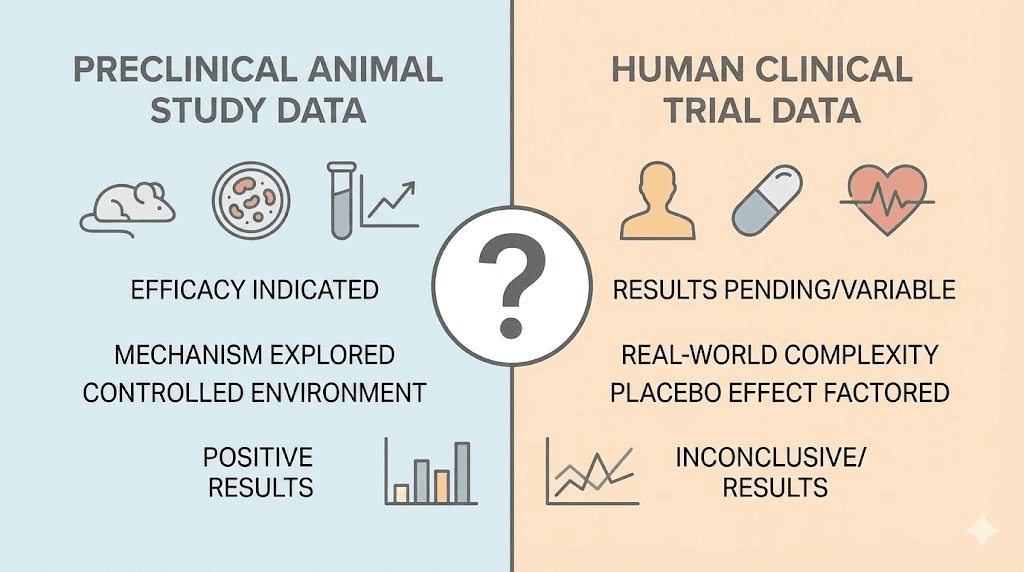
The 95% figure comes from research on GlucoVantage dihydroberberine. A preclinical study reported that dihydroberberine increased GLP-1 levels by 95% in animal models. A separate 14-week preclinical trial showed even more dramatic results, with a 165% GLP-1 increase and 33% weight reduction.
Here is where the distinction between preclinical and clinical data becomes critical.
Preclinical means animal studies. Mice and rats. Not humans. The history of pharmaceutical and supplement research is filled with compounds that showed extraordinary results in animal models and then failed to translate those results to humans. Animal metabolism, GLP-1 regulation, and body composition differ from human physiology in ways that make direct extrapolation unreliable.
The human data on GlucoVantage specifically is limited. A pharmacokinetic study involved just five healthy males and focused on absorption rates rather than GLP-1 effects. Larger human clinical trials examining GLP-1 outcomes appear to be registered but not yet completed or published.
This does not mean the product does nothing. It means the 95% claim rests on animal data, not human proof. That is a significant distinction that the marketing does not adequately communicate. People reading "95% increase in GLP-1" naturally assume this was demonstrated in humans. It was not.
The broader berberine research in humans tells a more moderate story. The meta-analysis of 12 human trials showed approximately 4.5 pounds of weight loss over study periods. That is real weight loss, but it is not the dramatic transformation that a 95% GLP-1 increase might imply. Compare this to semaglutide before and after results showing 15-20% body weight reduction, or tirzepatide before and after results showing similar or greater losses.
Why the disconnect? Several possible explanations exist. Animal models may overestimate the GLP-1 response because rodent intestinal physiology differs from human physiology. The doses used in animal studies, when adjusted for body weight, may not correspond to the human dose in the supplement. And GLP-1 levels in the blood are just one variable. Even if GLP-1 increases, the downstream effects on appetite and weight depend on receptor sensitivity, metabolic rate, caloric intake, and dozens of other factors.
An honest interpretation would be: "GlucoVantage dihydroberberine shows promising GLP-1 modulation in preclinical models, with modest weight management benefits supported by broader berberine research in humans." That is less exciting than "95% GLP-1 increase" but far more accurate.
People who have experienced genuine GLP-1 medication effects, whether dealing with semaglutide plateaus or tracking their tirzepatide weight loss results, understand the magnitude of true GLP-1 receptor agonism. The appetite suppression from prescription GLP-1 drugs is profound and unmistakable. Supplements operate in a different order of magnitude entirely.
SeekPeptides provides detailed analysis of both prescription GLP-1 protocols and supplement alternatives so members can make informed decisions based on evidence rather than marketing. Understanding the difference between a 95% preclinical GLP-1 increase and what actually happens in the human body is exactly the kind of distinction that matters for real-world results.
How GLP-1 supplements compare to GLP-1 medications
This comparison is not close. But it needs to be made because the marketing around GLP-1 supplements deliberately blurs the line between supplements and prescription drugs. Understanding why they are fundamentally different helps set appropriate expectations.
The mechanism gap
Prescription GLP-1 receptor agonists like semaglutide and tirzepatide are synthetic peptides that directly bind to and activate GLP-1 receptors. They do not rely on the body to produce more GLP-1. They ARE the signal. And they are engineered to resist the enzymes that normally break down natural GLP-1 within minutes, allowing the drug to maintain receptor activation for days rather than minutes.
Natural GLP-1 has a half-life of approximately 2 minutes. The body produces it, it signals briefly, and enzymes destroy it. Semaglutide has a half-life of approximately 7 days. That is not a small difference. It is the difference between a candle flame and a bonfire.
Supplements like GLP-1 Plus work upstream. They may stimulate the body to produce slightly more GLP-1 through their effects on intestinal L-cells. But that additional GLP-1 still gets destroyed within minutes by the same enzymatic processes. The net effect on GLP-1 receptor activation is a fraction of what prescription drugs achieve.
The results gap
In head-to-head clinical trials, prescription GLP-1 medications produce dramatic results. Semaglutide at therapeutic doses produces 13-16% body weight reduction. Tirzepatide achieves 15-22% reduction. The newest compounds like retatrutide show even more pronounced effects in trials.
The berberine meta-analysis showed approximately 4.5 pounds of weight loss. For someone weighing 200 pounds, that represents roughly 2.25% body weight loss. Compare that to 13-22% from prescription GLP-1 drugs.
This does not mean 4.5 pounds is worthless. For some people, any weight loss is meaningful. But the marketing that positions supplements alongside GLP-1 medications misleads consumers about the expected magnitude of results.
The safety trade-off
One area where supplements have a legitimate advantage is side effects. Prescription GLP-1 medications cause significant gastrointestinal symptoms in many users. Nausea affects 20-44% of semaglutide users. Side effect profiles for tirzepatide are similar. Fatigue, constipation, dizziness, and hair loss are all documented concerns.
GLP-1 Plus has a milder side effect profile. Berberine can cause gastrointestinal symptoms at higher doses, but the GlucoVantage formulation uses a lower dose with better absorption, potentially reducing this issue. The other ingredients in the formula have well-established safety profiles at the included doses.
For people who cannot tolerate GLP-1 medications, who do not qualify for prescriptions, or who prefer a gentler approach, this safety advantage is real. The trade-off is dramatically reduced efficacy.
The cost comparison
Prescription GLP-1 medications without insurance coverage can cost $800-1,500 or more per month. Even compounded versions, while more affordable, still represent a significant ongoing expense. Compounded tirzepatide options have reduced costs but remain far above supplement pricing.
GLP-1 Plus costs substantially less per month. For budget-constrained individuals, the lower price point is appealing. But cost per result matters more than absolute cost. If a supplement produces minimal weight loss at $40-60 per month while a medication produces significant weight loss at $200-400 per month (compounded), the medication delivers better value per pound lost.
The access factor
Perhaps the strongest argument for GLP-1 supplements is access. Not everyone can get a prescription. Not everyone has insurance that covers these medications. Not everyone meets the BMI criteria for GLP-1 prescriptions. Supplements are available without gatekeepers.
For people in this category, a supplement that provides modest metabolic support is better than nothing. The key is approaching it with realistic expectations rather than believing the marketing promises of prescription-level results.
It is also worth noting that the GLP-1 medication landscape is evolving. Oral tirzepatide formulations are in development. Oral semaglutide options already exist. And compounded versions of both medications have expanded access at lower price points. What feels inaccessible today may become available within months. Before committing to a long-term supplement approach, research whether prescription options have become more accessible since you last checked.
What the experts say
Medical professionals have been largely critical of GLP-1 supplements. Dr. Pamela Tambini, an internal medicine physician, stated that "these products are unregulated, and little to no scientific evidence supports their effectiveness." Bariatric surgeon Hans Schmidt noted that supplements "do not come anywhere near the strength of the injectable." Dr. Johanna Finkle, board-certified in obesity medicine, cautioned against supplements because "there is no research behind their effectiveness."
Harvard researchers have flagged the broader trend of GLP-1 supplements as potentially misleading, noting that they "do not work on the same receptor pathways" as prescription medications and "are not regulated or proven to have the same impact."
These expert opinions do not mean supplements have zero effect. They mean the effects are not comparable to medications, and the marketing often implies otherwise. Understanding the options available, from oral GLP-1 medications in development to next-generation combinations, helps contextualize where supplements actually fit.
How GLP-1 Plus compares to other GLP-1 supplements
Advanced Bionutritionals GLP-1 Plus enters a crowded market. Dozens of supplements now claim GLP-1 support. The approaches vary significantly, from berberine-based formulas to probiotic blends to herbal combinations. Here is how GLP-1 Plus stacks up against the notable competitors.
GLP-1 Plus versus Pendulum GLP-1 Probiotic
Pendulum GLP-1 Probiotic takes a completely different approach. Instead of plant extracts that stimulate GLP-1 production, Pendulum uses specific probiotic strains (Akkermansia muciniphila, Clostridium butyricum, and Bifidobacterium infantis) that modulate the gut microbiome to support natural GLP-1 secretion.
The logic behind the probiotic approach has scientific support. Gut bacteria produce short-chain fatty acids that activate receptors on intestinal L-cells, stimulating GLP-1 release. Akkermansia muciniphila in particular has been associated with improved metabolic health in multiple studies.
The advantage of the probiotic approach is that it addresses a root cause, gut microbiome composition, rather than providing a temporary stimulus. The disadvantage is that microbiome changes take time, and individual responses vary dramatically based on existing gut ecology.
GLP-1 Plus works faster in theory (berberine effects on GLP-1 can occur within hours) but may not address underlying microbiome issues. Pendulum works slower but potentially creates more sustainable changes. Neither approach produces results comparable to prescription medications.
GLP-1 Plus versus Evolv GLP-1
Evolv GLP-1 positions itself in a similar space but with different formulation strategies. The overlap in marketing claims is significant, with both products targeting the growing audience seeking natural GLP-1 support. The key differentiator often comes down to specific ingredient forms and doses rather than fundamentally different mechanisms.
GLP-1 Plus has the advantage of using GlucoVantage dihydroberberine, which has more specific bioavailability data than standard berberine forms. Whether this translates to meaningfully better outcomes depends on the complete formulations being compared.
GLP-1 Plus versus Lifevantage GLP-1
The Lifevantage GLP-1 MindBody System uses a multi-product approach combining different supplements and protocols. This complexity makes direct comparison difficult but does highlight how the supplement industry is developing increasingly sophisticated (and expensive) programs around the GLP-1 concept.
GLP-1 Plus versus Thrive GLP-1
Thrive GLP-1 represents another entry in the berberine-based GLP-1 supplement category. Similar ingredients, similar claims, similar limitations. The GLP-1 supplement market has become crowded enough that most products in this tier offer comparable ingredient profiles with slight variations in form, dose, or complementary ingredients.
GLP-1 Plus versus MMIT GLP-1
MMIT GLP-1 targets a similar demographic with its own formulation strategy. The proliferation of these products reflects the enormous consumer demand for accessible weight management solutions rather than breakthrough ingredient science. Most GLP-1 supplements draw from the same pool of researched ingredients, including berberine, chromium, fiber, probiotics, and various botanicals.
GLP-1 Plus versus Willow GLP-1
Willow GLP-1 has attracted attention in the telehealth-adjacent GLP-1 supplement space. Like GLP-1 Plus, it targets consumers who want alternatives to prescription injectable medications. The comparison between these products often comes down to trust in the brand, pricing structure, and individual ingredient preferences rather than clear efficacy differences.
GLP-1 Plus versus GLP-1 Companion
The GLP-1 Companion product takes a different positioning angle, marketing itself as a complement to prescription GLP-1 medications rather than a replacement. This approach is more honest about the role supplements can play and may provide genuine value by addressing nutritional gaps that GLP-1 medications can create.
GLP-1 Plus versus oral GLP-1 formulations
Beyond capsule supplements, the market includes liquid formulations like GLP-1 six-in-one oral liquid and even topical approaches like GLP-1 patches. These represent different delivery methods for similar classes of ingredients. Liquid formulations may offer faster absorption for some compounds, while patches attempt to bypass digestive breakdown entirely.
The bottom line on supplement comparisons
Among GLP-1 supplements, Advanced Bionutritionals GLP-1 Plus is a reasonable option with a well-formulated flagship ingredient (GlucoVantage dihydroberberine) from a relatively reputable company. It is not clearly superior or inferior to most competing products in its category. The differences between GLP-1 supplements are generally smaller than the gap between any supplement and prescription GLP-1 medications.
For comprehensive guidance navigating these options, SeekPeptides members access detailed comparison tools, evidence-based reviews, and community insights from people who have tried multiple approaches to GLP-1 support.
Potential side effects and safety considerations
GLP-1 Plus has a favorable safety profile compared to prescription GLP-1 medications, which is one of its genuine advantages. However, no supplement is completely without risk, and certain populations should exercise caution.
Berberine and dihydroberberine side effects
Standard berberine commonly causes gastrointestinal symptoms including nausea, abdominal pain, bloating, and diarrhea. These effects are dose-dependent and typically occur at the higher doses (1,000-1,500mg daily) used in most berberine research.
GlucoVantage dihydroberberine at 200mg may produce fewer GI symptoms than standard berberine because of its improved bioavailability. The lower dose needed to achieve comparable blood levels means less unabsorbed berberine irritating the digestive tract. However, individual responses vary, and some people are sensitive to any berberine form.
The more significant concern with berberine involves drug interactions. Berberine can increase the potency of diabetes medications, potentially causing dangerous hypoglycemia. It may interact with blood pressure medications, blood thinners, and certain antibiotics. Anyone taking prescription medications should consult a healthcare provider before adding berberine-containing supplements.
Berberine is also not recommended during pregnancy or breastfeeding. Animal studies have raised concerns about potential effects on fetal development, though human data is limited. People who are considering GLP-1 options while breastfeeding should be aware of this caution.
Gymnema sylvestre side effects
Gymnema is generally well-tolerated. The most common effect is the intended one: temporary alteration of sweet taste perception. Some people find this unpleasant rather than helpful.
Rare side effects include mild digestive discomfort. People with diabetes taking gymnema alongside insulin or oral diabetes medications should monitor blood sugar carefully, as the combination could cause blood sugar to drop too low.
Cinnamon safety
Ceylon cinnamon at 100mg poses minimal safety concerns. Unlike cassia cinnamon, Ceylon cinnamon contains negligible coumarin levels, eliminating the liver toxicity risk associated with high-dose cassia cinnamon supplementation. The dose in GLP-1 Plus is well within safe consumption levels.
Chromium safety
Chromium picolinate at 100mcg is a standard nutritional dose with an excellent safety profile. Long-term chromium supplementation at this level has not shown adverse effects in healthy individuals.
Interactions with GLP-1 medications
People already taking prescription GLP-1 medications should exercise particular caution with GLP-1 supplements. The combination could theoretically amplify blood sugar-lowering effects, increasing the risk of hypoglycemia. More importantly, the berberine in GLP-1 Plus can affect how the body processes other medications.
If you are currently using semaglutide or tirzepatide and considering adding GLP-1 Plus, discuss it with your prescribing physician first. The potential for medication complications outweighs the modest additional benefits a supplement might provide.
Who should avoid GLP-1 Plus
The following groups should not take GLP-1 Plus without medical supervision. People with diabetes on insulin or oral hypoglycemic medications, due to additive blood sugar lowering effects. Pregnant or breastfeeding women, due to insufficient safety data for berberine. People taking blood thinners, as berberine may affect clotting. People with liver disease, as berberine is metabolized by the liver. And anyone taking medications that interact with cytochrome P450 enzymes, which berberine can inhibit.
Who might benefit from Advanced Bionutritionals GLP-1 Plus
Despite the limitations outlined above, certain groups may find genuine value in GLP-1 Plus. The key is matching the product to realistic expectations rather than marketing promises.
People who cannot access prescription GLP-1 medications
If prescription GLP-1 drugs are not available to you, whether due to cost, insurance limitations, BMI criteria, or geographic access, a supplement providing modest metabolic support is better than no support at all. GLP-1 Plus offers a combination of ingredients with individually documented benefits for blood sugar management and appetite modulation.
This does not mean it will produce results comparable to semaglutide for weight loss. But combined with dietary changes and exercise, the berberine component in particular may provide an incremental benefit.
People with mild blood sugar concerns
The combination of dihydroberberine, gymnema, cinnamon, and chromium targets blood sugar regulation from multiple angles. For people with prediabetes or mildly elevated blood sugar who are not yet on medication, this multi-pathway approach has reasonable supporting evidence.
Berberine specifically has demonstrated modest but statistically significant effects on fasting blood sugar, HbA1c, and lipid profiles in multiple human trials. These metabolic improvements have value independent of weight loss.
People with sugar-specific cravings
The gymnema sylvestre component directly targets sweet taste perception. If your primary dietary challenge is sugar cravings, this ingredient has supporting evidence. Combining gymnema with a structured dietary plan and attention to food choices could amplify its modest effects.
People seeking gentle metabolic support
Not everyone wants or needs aggressive pharmaceutical intervention. For people with 10-15 pounds to lose who want gentle nutritional support alongside lifestyle changes, a supplement with individually researched ingredients is a reasonable choice. The side effect profile is favorable, and the risk is primarily financial (the cost of the supplement) rather than medical.
People bridging between GLP-1 medication use
Some people use supplements during transitions between GLP-1 medication courses. During breaks from semaglutide or while switching between medications, a supplement providing mild metabolic support could theoretically help maintain some momentum. This use case lacks specific research but has logical appeal.
Who should consider alternatives
GLP-1 Plus is not the right choice for everyone seeking weight management support. Several situations call for different approaches, and recognizing when a supplement is not the answer saves both money and time. The following categories of people should look elsewhere for solutions that match the scale of their goals.
If you need significant weight loss (30+ pounds), supplements are unlikely to deliver meaningful results. The magnitude of effect from berberine and complementary ingredients simply does not match the scale of the challenge. Prescription GLP-1 medications, even compounded options, offer dramatically better efficacy for substantial weight loss goals.
If you have type 2 diabetes, your blood sugar management should be directed by a physician, not by supplement marketing. While berberine has demonstrated blood sugar effects in research settings, adding it to an existing diabetes regimen without medical oversight creates unnecessary risk. Berberine can potentiate the effects of metformin, sulfonylureas, and insulin, potentially causing dangerous hypoglycemia. The interaction between berberine and diabetes medications is not hypothetical. It is documented in pharmacological research and represents a genuine safety concern.
If you are already taking prescription GLP-1 medications and experiencing side effects like constipation, diarrhea, fatigue, or insomnia, address those issues directly rather than adding supplements to the mix. Side effect management through dosing adjustments, dietary changes, and appropriate supplementation targeted at specific symptoms is more effective than a general GLP-1 supplement.
If you want clear, measurable appetite suppression, prescription GLP-1 medications are the evidence-backed option. The difference in efficacy between supplements and medications is not marginal. It is substantial. People who have experienced the effects of prescription GLP-1 drugs consistently describe a profound shift in appetite that supplements cannot replicate.
What to realistically expect from GLP-1 Plus
Setting accurate expectations prevents disappointment and helps you evaluate whether the product is actually working for you. Too many people abandon effective strategies too early or persist with ineffective ones too long because they lack clear benchmarks. Here is what the evidence supports at each timeframe, so you can make an informed decision about continuing or stopping.
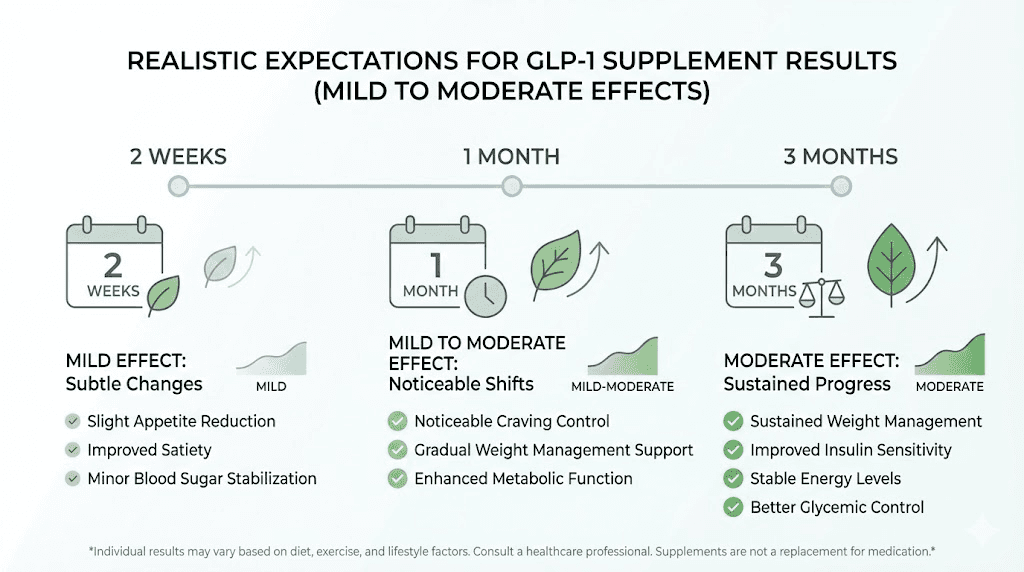
First two weeks
The gymnema sylvestre component can produce noticeable effects quickly. Sweet taste modification occurs within the first few doses. If sugar cravings are a significant part of your eating pattern, you may notice reduced desire for sweet foods early on.
Berberine begins affecting blood sugar within days. Subtle changes in post-meal energy levels and hunger patterns might emerge. These effects are mild compared to how quickly GLP-1 medications work, but they can be perceptible for attentive users.
Weight changes in the first two weeks are unlikely to be meaningful. Any scale movement during this period probably reflects water weight fluctuations rather than fat loss.
Weeks two through four
This is when berberine effects on metabolism begin to establish. Blood sugar patterns should show more consistency. Energy crashes after meals may diminish. Some users report modest appetite changes during this period.
The product marketing claims most users notice changes within 2-4 weeks. This is plausible for subjective symptoms like cravings and energy stability. Measurable weight changes remain modest, consistent with the 4.5-pound average from berberine research (which was typically measured over 8+ weeks).
One to three months
If GLP-1 Plus is going to produce measurable benefits for you, they should be apparent by this point. Berberine research suggests cumulative effects on metabolic markers over 8-12 weeks. Blood sugar improvements, if they are going to occur, will be measurable.
Weight loss, if any, will be gradual. Expect 2-5 pounds over 2-3 months if the product is working for you and you are maintaining a reasonable diet. Compare this to prescription GLP-1 medication timelines where tirzepatide produces visible changes within weeks and significant weight loss within months.
Beyond three months
Long-term berberine supplementation has been studied for metabolic parameters. Benefits for blood sugar and lipid levels appear sustainable with continued use. However, weight loss effects may plateau, similar to how semaglutide users experience plateaus at certain points.
If you have not seen meaningful changes after three months of consistent use, the product is likely not going to suddenly start working. Evaluate whether the cost is justified by the results you have experienced, and consider whether alternative approaches might serve you better.
The honest bottom line
GLP-1 Plus is not a bad product. It contains ingredients with individual research support, formulated at reasonable (if sometimes below-studied) doses, from a legitimate company. The GlucoVantage dihydroberberine is a genuinely improved form of berberine with better bioavailability.
But it is not a replacement for prescription GLP-1 medications. It is not going to produce dramatic weight loss on its own. And the 95% GLP-1 increase claim, while based on real preclinical data, has not been demonstrated in human clinical trials.
Think of it as one tool in a larger toolkit. Combined with proper diet, regular exercise, adequate sleep, and stress management, GLP-1 Plus may provide a modest metabolic edge. On its own, it is unlikely to transform your body composition.
SeekPeptides members who want to understand the full spectrum of GLP-1 options, from natural supplements to prescription protocols, access comprehensive guides, dosing calculators, and community support that help them make evidence-based decisions about their health journey.
Natural ways to boost GLP-1 without supplements
Before spending money on any supplement, it helps to know what you can do for free. Several lifestyle and dietary strategies have demonstrated effects on GLP-1 production, and some of them outperform supplements in controlled studies.
High-protein meals
Protein is the most potent macronutrient stimulator of GLP-1 secretion. When protein reaches intestinal L-cells, it triggers significantly more GLP-1 release than carbohydrates or fat. This is one reason high-protein diets tend to reduce appetite even when total calories are not restricted.
Research shows that meals containing 25-30 grams of protein produce meaningful GLP-1 responses. For people already managing their weight with strategic food choices, prioritizing protein at every meal provides a natural GLP-1 boost that supplements attempt to replicate through other mechanisms. Protein shakes offer a convenient way to increase protein intake for those struggling to hit targets through whole foods alone.
The effect is immediate and measurable. Within 15-30 minutes of consuming a high-protein meal, GLP-1 levels rise substantially. This is the same pathway that supplements like GLP-1 Plus attempt to activate through berberine and gymnema. Eating adequate protein essentially does what the supplement promises, using the mechanism the body already has in place.
Soluble fiber
Soluble fiber, found in oats, beans, lentils, and many vegetables, undergoes fermentation by gut bacteria in the colon. This fermentation produces short-chain fatty acids (SCFAs) including butyrate, propionate, and acetate. These SCFAs activate free fatty acid receptors (FFAR2 and FFAR3) on intestinal L-cells, directly stimulating GLP-1 secretion.
The fiber-GLP-1 connection is well-established in research. Diets high in fermentable fiber consistently show increased GLP-1 levels and improved satiety. This is also why prebiotic supplements have entered the GLP-1 space, as they feed the gut bacteria that produce the SCFAs that stimulate GLP-1.
For someone comparing the cost of GLP-1 Plus to simply adding more fiber-rich foods to their diet, the food approach is both cheaper and supported by stronger evidence. A bowl of oatmeal with berries provides fiber, protein, and natural GLP-1 stimulation for pennies per serving.
Exercise
Physical activity increases GLP-1 secretion both acutely and chronically. A single bout of moderate-intensity exercise raises GLP-1 levels. Regular exercise training improves the GLP-1 response to meals over time, effectively making the body more responsive to food-triggered satiety signals.
Both aerobic exercise and resistance training show benefits. The mechanism involves improved intestinal L-cell function, better gut microbiome composition, and enhanced insulin sensitivity that supports the entire GLP-1 signaling cascade. People who manage weight without exercise miss this natural GLP-1 amplifier.
Sleep and stress management
Poor sleep disrupts hormonal balance in ways that reduce GLP-1 sensitivity. Chronic sleep deprivation increases ghrelin (the hunger hormone), decreases leptin (the satiety hormone), and impairs the GLP-1 response to meals. Getting 7-9 hours of quality sleep supports the hormonal environment that makes GLP-1 signaling effective.
Chronic stress elevates cortisol, which opposes insulin function and can blunt GLP-1 effects. People experiencing sleep disruption or high stress may find that addressing these root causes produces more appetite control than any supplement.
Specific foods that stimulate GLP-1
Beyond macronutrient composition, certain foods contain compounds that specifically enhance GLP-1 secretion. Green tea catechins, olive oil polyphenols, turmeric (curcumin), and ginger all show GLP-1-stimulating effects in research. Building a structured meal plan around these foods provides ongoing GLP-1 support throughout the day.
Fermented foods like yogurt, kefir, kimchi, and sauerkraut support gut microbiome health, which in turn supports GLP-1 production. The probiotic species found in fermented foods can enhance the same gut-mediated GLP-1 pathways that probiotic supplements target.
The point is not that supplements are unnecessary for everyone. The point is that foundations matter more than add-ons. A person eating a high-protein, fiber-rich diet with regular exercise and adequate sleep already has multiple GLP-1-boosting mechanisms working in their favor. Adding a supplement on top of poor foundations is like putting premium gasoline in a car with flat tires.
For people already using GLP-1 medications, nutritional support takes a different form. The focus shifts to managing side effects and ensuring adequate nutrition during rapid weight loss. Detailed guides on foods to avoid on tirzepatide, foods to avoid on semaglutide, and vitamin supplementation during GLP-1 use provide more targeted value than a general GLP-1-boosting supplement. The right companion supplements for someone on prescription GLP-1 drugs look very different from a standalone product like GLP-1 Plus.
Red flags in GLP-1 supplement marketing
The GLP-1 supplement market is growing rapidly, and not all products or marketing claims deserve trust. Learning to spot common red flags helps protect your wallet and your health.
Preclinical data presented as human results
This is the most common and most misleading tactic. A supplement cites a percentage increase in GLP-1 levels without clearly stating the data comes from mouse or rat studies. Animal physiology differs substantially from human physiology. A compound that triples GLP-1 in mice might produce a 10% increase in humans, or no measurable increase at all.
Always ask: was this demonstrated in human clinical trials? If the answer is no, or if the marketing is vague about study type, treat the claim with appropriate skepticism. Advanced Bionutritionals GLP-1 Plus falls partially into this category with its 95% claim derived from preclinical models.
Comparing supplement effects to drug effects
Any marketing that implies supplement results comparable to semaglutide or tirzepatide results is misleading. Prescription GLP-1 drugs work through direct receptor agonism with engineered half-lives measured in days. No supplement replicates this mechanism. When marketing uses phrases like "natural Ozempic" or positions products alongside prescription drug imagery, it is exploiting consumer confusion.
Cherry-picked ingredient studies at different doses
A supplement might contain 100mg of an ingredient studied at 3,000mg. The marketing cites the 3,000mg study results while the product delivers a fraction of that dose. This is technically not lying, as the ingredient WAS studied and DID produce results. But those results came from a dose 30 times higher than what you are actually taking.
Check whether the doses in the product match the doses in the cited research. As we discussed, the cinnamon component of GLP-1 Plus illustrates this issue perfectly.
Review sites that are actually affiliate marketing
Many "review" sites for supplements like GLP-1 Plus are affiliate marketing operations. They earn commissions when readers click through and purchase. These reviews tend to emphasize positives, minimize limitations, and include prominent "buy now" buttons. The 4.9/5 star ratings and glowing testimonials should be evaluated with this financial incentive in mind.
Genuine product reviews include limitations, discuss what the research does NOT support, and do not earn money from your purchase. The analysis you are reading right now on SeekPeptides falls into this category.
Proprietary blends that hide doses
Some GLP-1 supplements list ingredients as part of a "proprietary blend" without disclosing individual doses. This makes it impossible to evaluate whether each ingredient is present at a research-supported amount. GLP-1 Plus does disclose at least some individual ingredient amounts (200mg GlucoVantage, 100mg cinnamon, 100mcg chromium), which is better than many competitors. However, the gymnema sylvestre dose is not clearly available in public labeling information.
Testimonials without context
Individual testimonials mean very little in evaluating supplement efficacy. People lose weight for many reasons, and attributing that loss to a supplement without controlling for diet, exercise, and other lifestyle changes is unreliable. Clinical trials with control groups exist specifically because individual anecdotes cannot distinguish between supplement effects and placebo effects, lifestyle changes, or normal weight fluctuation.
Frequently asked questions
Does Advanced Bionutritionals GLP-1 Plus actually boost GLP-1 levels?
The primary ingredient, GlucoVantage dihydroberberine, has demonstrated GLP-1-increasing effects in preclinical (animal) studies. The 95% increase cited in marketing comes from these preclinical models, not human clinical trials. Berberine does interact with GLP-1 pathways in human intestinal L-cells through multiple mechanisms, but the magnitude of GLP-1 activation in humans taking this supplement has not been quantified in published research.
Can GLP-1 Plus replace semaglutide or tirzepatide?
No. Prescription GLP-1 receptor agonists work through fundamentally different mechanisms than supplements. Semaglutide and tirzepatide directly bind to GLP-1 receptors with half-lives measured in days. Supplements may mildly stimulate natural GLP-1 production, but that GLP-1 gets destroyed within minutes. The efficacy gap is enormous. Prescription drugs produce 13-22% body weight loss while berberine supplementation averages approximately 4.5 pounds.
Is GLP-1 Plus safe to take with prescription medications?
Berberine can interact with several medication classes including diabetes drugs, blood pressure medications, and blood thinners. It inhibits certain cytochrome P450 enzymes involved in drug metabolism, potentially increasing the blood levels and effects of medications processed through these pathways. Always consult a healthcare provider before combining GLP-1 Plus with any prescription medication, especially other weight management drugs.
How long does it take for GLP-1 Plus to work?
The gymnema component can modify sweet taste perception within the first few doses. Berberine effects on blood sugar begin within days but may take 2-4 weeks to produce noticeable metabolic changes. Weight-related effects, if they occur, typically require 8-12 weeks of consistent use. This timeline is substantially longer than how quickly prescription GLP-1 medications work.
Is 200mg of GlucoVantage enough to be effective?
GlucoVantage dihydroberberine has approximately 5 times the bioavailability of standard berberine. The 200mg dose is designed to deliver comparable blood levels to 500-1,000mg of standard berberine. While standard berberine studies typically use 1,000-1,500mg daily, the improved absorption of dihydroberberine means a lower dose may achieve similar metabolic effects. However, whether 200mg produces the same GLP-1 effects as the higher preclinical doses used in animal studies remains unconfirmed.
How does GLP-1 Plus compare to other GLP-1 supplements?
Among GLP-1 supplements, GLP-1 Plus is a mid-tier to upper-tier option. The GlucoVantage ingredient provides genuine bioavailability advantages over products using standard berberine. The multi-ingredient formula targets multiple metabolic pathways. Compared to probiotic-based options like Pendulum GLP-1 Probiotic, it works through different mechanisms. Among berberine-based products, it has the advantage of a superior berberine form.
Should I take GLP-1 Plus with food?
The recommended usage is two capsules with your largest meal of the day. This timing makes sense pharmacologically. Berberine effects on blood sugar and GLP-1 are most relevant when taken alongside food. The gymnema component works best when consumed before or with meals to modify taste perception and reduce sugar absorption. Taking GLP-1 Plus on an empty stomach may increase the likelihood of mild gastrointestinal symptoms.
What are the best natural alternatives to GLP-1 medications?
No natural supplement matches prescription GLP-1 medication efficacy. The most evidence-backed natural approaches include berberine (modest metabolic benefits), soluble fiber (promotes GLP-1 secretion through gut bacteria), specific probiotic strains (Akkermansia muciniphila), and lifestyle factors like high-protein meals, regular exercise, and adequate sleep. Combining multiple approaches produces better results than any single supplement. Protein-rich nutrition paired with regular physical activity remains the most effective non-pharmaceutical weight management strategy, with or without supplements.
Can I take GLP-1 Plus while using other weight loss strategies?
GLP-1 Plus can be used alongside most dietary and exercise programs. In fact, the modest effects of the supplement are most likely to be noticeable when combined with an intentional structured eating plan and consistent physical activity. The berberine component may provide a slight metabolic edge, and the gymnema may reduce sugar temptation during diet adherence. Just avoid combining it with prescription diabetes medications or other blood sugar-lowering supplements without medical supervision.
Why do some reviews rate GLP-1 Plus so highly?
The product claims an average rating of 4.9 out of 5 stars from 26,000 reviews. Several factors could explain this. Placebo effect is powerful in weight management supplements, as believing you are taking something effective can actually change eating behavior. Selection bias plays a role, as satisfied customers are more likely to leave reviews. Some review platforms may be curated. And people who combine the supplement with genuine lifestyle changes may attribute their results to the product rather than the behavioral changes. This does not mean the reviews are fraudulent, but they should not be interpreted as clinical evidence of efficacy.
Is GLP-1 Plus worth the money?
Value depends entirely on expectations. If you expect prescription-level appetite suppression and significant weight loss, GLP-1 Plus will disappoint. If you expect modest metabolic support from a combination of individually researched ingredients, and you combine it with proper diet and exercise, the product may provide incremental value. The 90-day money-back guarantee reduces financial risk. For people who want to evaluate whether berberine-based supplementation works for their individual physiology, trying GLP-1 Plus for 90 days with clear before-and-after measurements is a reasonable approach. Track weight, waist circumference, energy levels, and appetite patterns objectively rather than relying on subjective impressions.
External resources
PubMed: Berberine-induced GLP-1 and its mechanism for controlling type 2 diabetes
PMC: The effect of gymnema sylvestre intervention to reduce sugar cravings in adults
PMC: Absorption kinetics of berberine and dihydroberberine, impact on glycemia
For researchers serious about understanding the full landscape of GLP-1 support, from supplements to prescription protocols, SeekPeptides offers the most comprehensive evidence-based resource available. Members access detailed protocol guides, community insights from experienced users, and the kind of honest analysis that separates real results from marketing promises.
In case I do not see you, good afternoon, good evening, and good night. May your supplement choices stay evidence-based, your appetite management stay sustainable, and your metabolic health stay on the right trajectory.