Apr 2, 2026
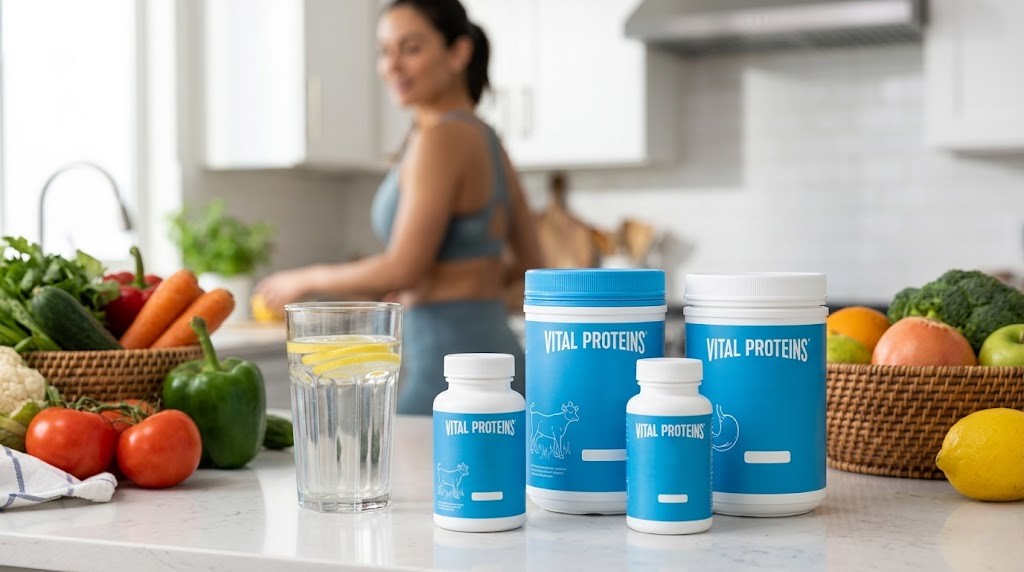
If you searched for Vital Proteins GLP-1 expecting to find a weight management supplement from the collagen company, you are about to discover that the product you are looking for does not exist. At least not from Vital Proteins. The supplement market has created a tangled web of brand names, product lines, and marketing claims that blur together when you are searching for answers about GLP-1 and fat loss. Three separate companies with "Vital" in the name each touch the GLP-1 conversation in different ways, and understanding which is which matters more than most people realize.
Here is what happened. Vital Proteins became a household name in the collagen supplement space. Then GLP-1 medications like semaglutide and its brand counterparts exploded in popularity. Suddenly everyone wanted a piece of the GLP-1 market. A different company called Vital Nutrients released a product called GLP-1 Complete. Meanwhile, Nestle, which owns Vital Proteins, launched a completely separate brand called Vital Pursuit targeting people already on GLP-1 medications. The confusion was inevitable.
This guide sorts through all of it. You will learn exactly what Vital Proteins makes, what Vital Nutrients GLP-1 Complete actually contains, whether the ingredients have scientific backing, and how these natural GLP-1 support supplements compare to prescription GLP-1 medications like semaglutide. No brand confusion. No misleading claims. Just the complete picture so you can make an informed decision about your weight management approach.
Three brands, three different products
The root of this confusion sits with three distinct companies that share a word in their names. Vital Proteins is a collagen supplement brand owned by Nestle. They make collagen peptides, collagen creamers, collagen bars, and marine collagen products. They do not make a GLP-1 supplement. They have never made a GLP-1 supplement. Their entire product line revolves around collagen protein for skin, hair, nails, joints, and gut health.
Vital Nutrients is a professional-grade supplement company that has been around for decades. They manufacture practitioner-recommended supplements across dozens of health categories. Their product GLP-1 Complete is a capsule designed to support natural GLP-1 production through prebiotics, postbiotics, and botanical extracts. This is the product most people are actually looking for when they search "vital proteins glp-1."
Then there is Vital Pursuit. This is a food brand created by Nestle specifically for people taking GLP-1 medications. Their products are high-protein, portion-controlled frozen meals and snacks designed to help medication users meet their nutritional needs while eating less. Vital Pursuit is not a supplement. It is a food line.
Why search engines mix them together
Search algorithms associate "Vital Proteins" with supplements because that is what the brand sells. When you add "GLP-1" to the query, search engines try to connect two concepts: a supplement brand and a weight loss mechanism. The result is a confusing mix of Vital Proteins collagen products, Vital Nutrients GLP-1 Complete listings, news articles about Vital Pursuit foods, and general GLP-1 information all jumbled together. The GLP-1 supplement market has grown so fast that brand confusion is now one of the biggest barriers for consumers trying to find accurate product information.
There is also an interesting personnel connection that feeds the confusion. The former CEO of Vital Proteins left the collagen company to join Supergut, a company that makes GLP-1 booster products. That executive transition created headlines linking "Vital Proteins" and "GLP-1" in news articles, further muddying search results for anyone trying to find the actual product.
What Vital Proteins actually makes
Vital Proteins is a collagen company. Full stop.
Founded in Chicago, the brand built its reputation on collagen peptides sourced from grass-fed, pasture-raised bovine hides. Their flagship product, Collagen Peptides powder, became one of the best-selling supplements in the United States. Nestle acquired the company, and since then Vital Proteins has expanded into flavored collagen products, collagen creamers for coffee, collagen-infused energy drinks, beauty supplements with collagen and hyaluronic acid, and marine collagen sourced from wild-caught fish. Every product in their lineup connects back to collagen protein in some form.
What they do not make is anything specifically designed to activate GLP-1 receptors, support GLP-1 production, or function as a weight management supplement targeting the GLP-1 pathway. If you go to the Vital Proteins website and search for GLP-1, you will find nothing. Their collagen products serve a completely different purpose in the body, supporting gut health, joint function, skin elasticity, and connective tissue repair.
That said, there is a fascinating scientific connection between collagen and GLP-1 that we need to explore. Because while Vital Proteins does not market their products for GLP-1 activation, the collagen peptides they sell may actually influence GLP-1 levels through an indirect biological pathway. This connection is real, it is supported by research, and it explains part of why people associate the two concepts.
The collagen and GLP-1 connection that research reveals
Here is where the science gets genuinely interesting.
Collagen peptides, the type of protein found in Vital Proteins products, may stimulate the release of GLP-1 from intestinal L-cells. This is not marketing speculation. Research has demonstrated that protein-rich meals, particularly those containing gelatin and collagen-derived amino acids, trigger incretin hormone responses that include GLP-1 secretion. The mechanism involves collagen peptides interacting with nutrient-sensing receptors in the gut lining, which then signal L-cells to release GLP-1 into the bloodstream.
One study examined how a gelatin-based breakfast compared to other protein sources for satiety hormone release. The results showed that participants who consumed a gelatin breakfast ate approximately 20% fewer calories at lunch compared to those who ate other protein sources. The researchers attributed this partly to enhanced GLP-1 and CCK (cholecystokinin) release triggered by the unique amino acid profile of collagen-derived proteins. Glycine and proline, the dominant amino acids in collagen, appear to be particularly effective at stimulating these gut hormone responses.
Why collagen is not a GLP-1 supplement
Before anyone rushes to buy Vital Proteins collagen as a GLP-1 hack, context matters enormously. The GLP-1 response from collagen consumption is modest compared to what pharmaceutical GLP-1 receptor agonists produce. Semaglutide, for example, activates GLP-1 receptors directly and continuously for days. Collagen peptides produce a brief, meal-related spike in GLP-1 that lasts perhaps an hour or two. The difference in magnitude and duration is enormous.
Think of it this way. Eating collagen protein for GLP-1 activation is like using a garden hose to fill a swimming pool. It technically adds water. But compared to the firehose of pharmaceutical GLP-1 agonists, or even the steady stream of dedicated GLP-1 support supplements, the effect is minimal in terms of meaningful weight management outcomes. Collagen remains primarily valuable for its structural protein benefits, supporting skin, joints, hair, nails, and gut lining repair. Any GLP-1 stimulation is a secondary, incidental effect rather than a primary therapeutic mechanism.
People taking supplements alongside GLP-1 medications should understand this distinction clearly. Collagen can complement a GLP-1 protocol for its protein content and gut-supportive properties, but it is not a substitute for targeted GLP-1 activation.
What the amino acid profile tells us
Collagen contains unusually high concentrations of glycine (roughly 33% of its amino acid content), proline (about 10-12%), and hydroxyproline (about 10-12%). These three amino acids are relatively rare in most dietary proteins, which is why collagen has such unique biological effects. Glycine in particular has been studied for its role in metabolic regulation, showing effects on blood sugar management, sleep quality, and gut barrier function. When glycine reaches the small intestine in large quantities, as it does after consuming collagen peptides, it triggers nutrient-sensing cascades that include incretin hormone release.
But the quantity matters. A typical serving of Vital Proteins Collagen Peptides provides about 20 grams of collagen protein, delivering roughly 6-7 grams of glycine. Studies showing meaningful GLP-1 responses from amino acid stimulation often use higher doses or more targeted delivery methods. The real-world GLP-1 boost from a morning collagen smoothie, while biochemically real, likely falls well below the threshold needed for clinically significant appetite suppression or weight loss outcomes.
What is Vital Nutrients GLP-1 Complete
Now we arrive at the product most people are actually searching for.
Vital Nutrients GLP-1 Complete is a dietary supplement specifically formulated to support the body natural GLP-1 production through a combination of prebiotics, postbiotics, probiotics, and botanical extracts. It comes in a bottle of 60 capsules with a recommended dose of two capsules daily. The retail price sits at $64.99, with a subscription option at $58.49 per month. Unlike Vital Proteins collagen products, this supplement was designed from the ground up to target the GLP-1 pathway for metabolic support and weight management.
The product claims to reduce cravings, promote feelings of fullness, and support metabolic balance. Vital Nutrients markets it as working across three receptor locations in the body: the brain for satiety signaling, the pancreas for insulin response, and the gut for gastric emptying regulation. This three-target approach distinguishes it from simpler GLP-1 support supplements that focus on only one mechanism. Whether the formula actually delivers on these claims requires examining each ingredient individually, which we will do in the next section.
For researchers comparing this against other options in the GLP-1 supplement landscape, understanding the specific ingredients, their clinical backing, and their dosages relative to what research supports is essential. Many GLP-1 supplements on the market use similar ingredient categories but at wildly different doses, and those dose differences often determine whether a product works or falls flat.
GLP-1 Complete ingredients breakdown
Four core ingredients drive the Vital Nutrients GLP-1 Complete formula. Each targets a different aspect of the GLP-1 production and signaling cascade. Let us examine what the research says about each one, what doses appear in the formula versus what studies used, and where the gaps might be.
Resistant potato starch (Solnul) at 1.3 grams
The headline ingredient is Solnul, a branded form of resistant potato starch that functions as a prebiotic fiber. Resistant starch passes through the upper digestive tract undigested, reaching the large intestine where gut bacteria ferment it into short-chain fatty acids including butyrate, propionate, and acetate. These short-chain fatty acids serve as fuel for colonocytes and create an environment that favors the growth of beneficial bacteria, particularly Akkermansia muciniphila.
Why does Akkermansia matter for GLP-1? This bacterium plays a critical role in maintaining the gut mucus layer, and its metabolic byproducts stimulate intestinal L-cells to produce GLP-1. A randomized, placebo-controlled trial examining Solnul showed that participants consuming the resistant starch experienced a 238% increase in Akkermansia populations after four weeks. The same study showed significant increases in Bifidobacterium, another beneficial genus associated with metabolic health.
Here is the catch. That study used 3.5 grams of resistant potato starch per day. GLP-1 Complete contains only 1.3 grams. That is roughly 37% of the studied dose. Whether 1.3 grams produces a proportional effect or falls below some minimum threshold for meaningful microbiome changes remains an open question. Prebiotic effects often demonstrate dose-response relationships where inadequate doses produce negligible results. This underdosing concern is something anyone evaluating probiotic and prebiotic GLP-1 supplements should understand.
Resistant starch also has a broader metabolic effect beyond Akkermansia. It slows glucose absorption, reduces post-meal blood sugar spikes, and increases insulin sensitivity over time. These effects complement GLP-1 activation because GLP-1 itself modulates insulin secretion from pancreatic beta cells. For people managing their diet alongside GLP-1 support, resistant starch adds a layer of blood sugar stability that amplifies the overall metabolic benefit.
Keystone Postbiotic blend at 150 milligrams
The second ingredient is a postbiotic blend containing heat-inactivated Lactobacillus plantarum 276 and Lactobacillus rhamnosus GG. Postbiotics differ from probiotics in an important way. Probiotics are live organisms that colonize the gut. Postbiotics are the metabolic byproducts or inactivated forms of beneficial bacteria that provide health benefits without requiring the organisms to be alive.
Heat-inactivated L. rhamnosus GG has been studied extensively. Research shows it modulates immune responses in the gut, strengthens intestinal barrier function, and influences the signaling environment around enteroendocrine cells, which include the L-cells that produce GLP-1. The proposed mechanism suggests that postbiotic cell wall components interact with toll-like receptors on intestinal cells, triggering downstream signaling cascades that support GLP-1 secretion.
L. plantarum 276 adds anti-inflammatory activity. Chronic low-grade gut inflammation impairs L-cell function and reduces GLP-1 output. By reducing this inflammatory burden, the postbiotic may create conditions where L-cells function more effectively, producing more GLP-1 in response to meals. For anyone dealing with digestive issues while exploring GLP-1 support, the gut barrier repair function of these postbiotics adds a secondary benefit beyond direct GLP-1 stimulation.
The 150 milligram dose is difficult to evaluate in isolation because postbiotic research uses various measurement standards. Some studies measure by colony-forming unit equivalents, others by weight, and strain-specific research may use proprietary preparation methods that make direct comparison challenging.
LP815 probiotic at 10 milligrams (1 billion CFU)
This live probiotic strain produces gamma-aminobutyric acid, commonly known as GABA. The inclusion targets the brain-gut axis, which is the communication pathway between the central nervous system and the enteric nervous system of the gut. GABA is an inhibitory neurotransmitter that reduces neuronal excitability, promoting calm and reducing anxiety-driven eating behaviors.
The connection to GLP-1 is indirect but logical. Stress and anxiety trigger cortisol release, which disrupts gut hormone signaling and often leads to increased food intake, particularly cravings for high-calorie comfort foods. By producing GABA locally in the gut, LP815 may help modulate the stress response that undermines appetite regulation. This targets the brain receptor site that Vital Nutrients claims their product addresses.
One billion CFU is a modest dose compared to many probiotic supplements that provide 10-50 billion CFU or more. However, specific strains can be effective at lower doses if they colonize efficiently and produce their target metabolites consistently. The LP815 strain appears to be selected specifically for its GABA production capacity rather than its general probiotic effects. Whether 1 billion CFU produces enough GABA to meaningfully influence eating behavior is a question the available research does not definitively answer.
For people already exploring the best probiotics alongside GLP-1 protocols, understanding what each strain actually does helps separate marketing from mechanism.
Xanthohumol from hops extract at 6 milligrams
The final active ingredient is xanthohumol, a prenylated flavonoid extracted from hops flowers. This compound has generated significant research interest for its metabolic effects, including appetite modulation, blood sugar regulation, and lipid metabolism support. The mechanism relevant to GLP-1 involves xanthohumol interaction with bitter taste receptors in the gut, specifically TAS2R receptors, which trigger the release of several satiety hormones including GLP-1, CCK, and PYY.
Clinical studies on bitter hops extract have produced notable results. One trial found that participants consuming hops-derived bitter compounds experienced approximately 30% reduction in appetite ratings compared to placebo. The same research showed an 18% reduction in calorie intake at subsequent meals. These effects were attributed to the activation of the GLP-1, CCK, and PYY hormone cascade triggered by bitter receptor stimulation in the gastrointestinal tract.
Six milligrams is a small absolute dose, but xanthohumol is a potent compound. The bitter taste receptor activation pathway requires relatively small amounts of the triggering compound because the receptors are highly sensitive.
Think of how a tiny amount of bitter substance on your tongue produces a strong taste sensation. The same principle applies in the gut, where even small quantities of bitter compounds can trigger meaningful hormonal responses.
The combination of xanthohumol with the prebiotic and postbiotic ingredients creates what Vital Nutrients describes as a multi-pathway approach. The hops extract provides rapid, meal-related GLP-1 stimulation through bitter receptor activation. The resistant starch and postbiotic blend work over weeks to reshape the gut microbiome environment in ways that support sustained GLP-1 production. Whether this theoretical synergy translates to real-world results depends on individual gut health, diet, and other factors that vary enormously between people.
How Vital Nutrients GLP-1 Complete works
The three-receptor-site model that Vital Nutrients uses to explain their product mechanism deserves closer examination. Understanding how the supplement claims to work at each location helps evaluate whether the approach is scientifically grounded or primarily a marketing framework.
Brain: satiety signaling
At the brain level, GLP-1 Complete targets appetite through two mechanisms. First, any GLP-1 produced by intestinal L-cells travels through the bloodstream to the hypothalamus, where it activates GLP-1 receptors that reduce hunger signaling. This is the same pathway that pharmaceutical GLP-1 receptor agonists like semaglutide use, though at dramatically different intensities. Second, the GABA-producing LP815 probiotic targets the brain-gut axis to reduce stress-related eating patterns. Emotional eating and stress-driven cravings represent a significant portion of excess calorie consumption for many people, and addressing this pathway adds a behavioral component to the purely hormonal GLP-1 approach.
The brain response to natural GLP-1 stimulation is subtle compared to medications. People taking semaglutide or tirzepatide often report a dramatic and almost immediate reduction in food thoughts and cravings. Natural GLP-1 support supplements typically produce a gentler, more gradual shift in appetite patterns that some users notice clearly while others barely perceive.
Pancreas: insulin response
GLP-1 receptors in the pancreas regulate insulin secretion in a glucose-dependent manner. When blood sugar rises after a meal, GLP-1 signals pancreatic beta cells to release insulin more efficiently. This "incretin effect" is one of the primary reasons GLP-1 medications were originally developed for type 2 diabetes before their weight loss applications became apparent.
The resistant potato starch in GLP-1 Complete supports this pancreatic pathway through two routes. It slows glucose absorption directly, reducing the sharp blood sugar spikes that challenge insulin response. And it supports GLP-1 production through the Akkermansia pathway, which then enhances the incretin effect at the pancreas. For people tracking their dietary choices alongside GLP-1 support, the blood sugar stabilization from resistant starch adds a practical daily benefit.
Improved insulin response does not just affect blood sugar management. It also influences fat storage and mobilization, energy levels, and the body ability to access stored fat for fuel. These downstream effects of better insulin sensitivity contribute to the metabolic balance that Vital Nutrients claims their product supports.
Gut: gastric emptying and microbiome
The gut is where most of the action happens with this supplement. GLP-1 slows gastric emptying, meaning food stays in the stomach longer, which extends feelings of fullness after meals. This mechanism is actually the primary driver of reduced calorie intake for many GLP-1 medication users, though it also contributes to common side effects like bloating, constipation, and sulfur burps.
The microbiome-remodeling approach of GLP-1 Complete targets this gut site over a longer timeframe. By increasing Akkermansia and Bifidobacterium populations through resistant starch feeding, and by supporting gut barrier integrity through postbiotics, the supplement aims to create a gut environment that consistently produces more GLP-1 in response to meals. This is a fundamentally different approach than pharmaceutical GLP-1 agonists, which bypass the gut entirely and activate receptors directly.
The advantage of the gut-based approach is that it works with the body existing hormone production machinery rather than overriding it. The disadvantage is that it depends entirely on individual gut health starting conditions, dietary habits, and microbiome composition, all of which vary dramatically between people. Someone with an already healthy Akkermansia population may see minimal additional benefit from the prebiotic component, while someone with severely depleted gut bacteria may need months before meaningful changes occur.
What to expect from GLP-1 Complete
Setting realistic expectations is critical with any GLP-1 support supplement. The gap between what people hope for and what supplements actually deliver is often the biggest source of disappointment and negative reviews. Understanding the likely timeline for GLP-1 products to start working helps calibrate expectations before spending money.
Timeline of effects
Vital Nutrients suggests a timeline of 4-6 weeks for initial effects, with 12 weeks needed for the full benefit to manifest. This aligns with what we know about microbiome-based interventions. Prebiotic fibers like resistant starch need time to shift bacterial populations. The Akkermansia increase seen in the Solnul study occurred over four weeks, but that was at a higher dose than what GLP-1 Complete contains. At 37% of the studied dose, the timeline for meaningful microbiome changes could extend considerably beyond four weeks.
The hops extract component may produce faster effects. Bitter receptor activation is an acute response that can occur within hours of ingestion. Some users report feeling slightly less hungry within the first week or two of use, which may reflect the xanthohumol component rather than the slower-acting prebiotic mechanism.
Compare this to pharmaceutical GLP-1 medications. Semaglutide typically shows noticeable appetite suppression within the first week and measurable weight loss within the first month. Tirzepatide follows a similar rapid timeline. The supplement approach operates on an entirely different speed scale.
Realistic weight management expectations
Vital Nutrients suggests a possible 6-12% body weight change over time with consistent use. That is a significant claim for a supplement. For context, semaglutide clinical trials showed approximately 15-17% body weight loss on average, and tirzepatide achieved 20-22% in some studies. A 6-12% result from a supplement would be remarkable if achievable.
The reality is likely more nuanced. Some users may achieve results in that range, particularly if they combine the supplement with dietary changes and exercise. Others may see minimal change. The mixed reviews for GLP-1 Complete reflect this variability. Some reviewers report genuinely reduced hunger and gradual weight loss. Others report taking the full bottle with no noticeable effect whatsoever.
Individual factors that influence results include baseline gut microbiome composition, current diet quality, physical activity level, stress and sleep patterns, hormonal status, and starting body composition. A supplement that works through the microbiome is inherently more variable in its effects than a medication that directly activates receptors regardless of individual gut conditions.
User experiences and reviews
Published reviews for GLP-1 Complete paint a mixed picture. Positive reviews commonly mention reduced snacking urges, feeling satisfied with smaller portions, and gradual weight changes over several months. The most enthusiastic reviewers tend to be those who combined the supplement with other lifestyle modifications, making it difficult to isolate the supplement effect from the overall lifestyle change.
Negative reviews cluster around two complaints. First, some users report zero noticeable effect after completing one or two bottles. Second, some find the cost difficult to justify at $64.99 per month, especially when results are uncertain. A few reviewers mention mild digestive changes during the first week or two, which is expected with any prebiotic supplement as the gut adjusts to increased fiber and bacterial shifts.
This pattern mirrors what SeekPeptides has observed across the entire category of GLP-1 support supplements. Results vary widely, the best outcomes come from combining supplements with lifestyle changes, and the most disappointed users are typically those who expected medication-level results from a supplement-level intervention.
How GLP-1 supplements compare to GLP-1 medications
This comparison matters because many people discover GLP-1 supplements while researching GLP-1 medications. They want to know if a supplement can deliver similar results without the prescription, the injections, and the side effects. The honest answer requires examining several dimensions of the comparison.
Mechanism differences
GLP-1 medications like semaglutide and tirzepatide are modified versions of the GLP-1 molecule itself. They bind directly to GLP-1 receptors throughout the body and activate them powerfully and continuously. Semaglutide has a half-life of approximately seven days, meaning a single weekly injection maintains receptor activation around the clock. The drug does not care what your gut bacteria look like. It does not depend on your diet. It activates the receptors directly.
GLP-1 support supplements like Vital Nutrients GLP-1 Complete take an entirely different approach. They attempt to increase the body own GLP-1 production by creating favorable conditions in the gut. The gut bacteria make more GLP-1, which then activates the same receptors that medications target. But the amount of GLP-1 produced naturally, even under optimal gut conditions, is a fraction of what pharmaceutical agonists deliver.
This is not a subtle difference. It is an order-of-magnitude difference in GLP-1 receptor activation intensity.
Results comparison
The numbers tell a clear story. Clinical trials for semaglutide at the 2.4mg weight management dose show average weight loss of 15-17% of body weight. Tirzepatide clinical trials at the highest dose show 20-22%. These are averages, meaning some participants lost more. GLP-1 Complete suggests a possible 6-12% range, though this is not backed by the same level of rigorous clinical trial evidence.
Speed also differs dramatically. Medication users often see noticeable weight changes within the first month. Supplement users typically need three to four months before any meaningful change becomes apparent. For someone who needs significant weight loss for health reasons, this speed difference matters.
Side effect profiles
Where supplements have a genuine advantage is in the side effect department. GLP-1 medications commonly cause nausea, vomiting, diarrhea, constipation, and other gastrointestinal symptoms, particularly during the dose titration phase. More serious concerns include fatigue, hair loss, headaches, and the potential for withdrawal symptoms when discontinuing.
GLP-1 support supplements generally produce mild side effects, if any. The most common complaint is temporary digestive changes from the prebiotic components, mild bloating or increased gas that typically resolves within one to two weeks. For people who cannot tolerate GLP-1 medications or prefer to avoid pharmaceutical interventions, the gentler side effect profile of supplements represents a meaningful advantage even if the results are more modest.
People dealing with specific conditions like Hashimoto thyroiditis, lipedema, or endometriosis may find that supplements provide a safer starting point for GLP-1 support before considering more aggressive pharmaceutical options.
Cost comparison
GLP-1 Complete costs $58.49-$64.99 per month. GLP-1 medications without insurance can cost $800-$1,500 per month for brand-name versions, though compounded semaglutide options have brought costs down significantly. Some insurance plans cover GLP-1 medications for weight management, though coverage varies widely and many plans still exclude weight loss indications.
On a cost-per-result basis, the comparison becomes more complex. If a supplement produces modest results, the cost per pound lost may actually exceed that of medications that produce larger, faster results. Conversely, if medication side effects force someone to discontinue treatment, the money spent during that period produces no lasting benefit either. The value equation depends entirely on individual response and circumstances.
When supplements make more sense than medications
Supplements are a reasonable starting point for people who want mild appetite support without medical intervention, those who do not qualify for GLP-1 medications based on BMI requirements, individuals who tried medications but could not tolerate the side effects, people who prefer a natural approach before considering pharmaceuticals, and those who have already achieved their target weight with medications and want gentler support during the maintenance phase.
Medications make more sense for people with significant weight to lose for health reasons, those with type 2 diabetes or prediabetes where GLP-1 receptor agonists address both conditions simultaneously, individuals who have tried lifestyle changes and supplements without adequate results, and anyone whose healthcare provider recommends pharmaceutical intervention based on risk assessment.
Other GLP-1 support supplements worth knowing
Vital Nutrients GLP-1 Complete does not exist in isolation. The GLP-1 supplement market has expanded rapidly, with dozens of products targeting the same biological pathways through different formulations and approaches. Understanding the broader landscape helps contextualize where GLP-1 Complete fits and whether alternatives might better suit specific needs.
Probiotic-based approaches
Pendulum GLP-1 Probiotic takes a direct microbiome approach by providing live Akkermansia muciniphila bacteria rather than prebiotics that feed existing populations. This is a fundamentally different strategy. Instead of hoping your gut environment supports Akkermansia growth, Pendulum delivers the bacteria directly. Their clinical data shows measurable increases in GLP-1 levels, though the product carries a higher price point.
ReSM GLP-1 Postbiotic uses a postbiotic approach similar to one component of GLP-1 Complete but as the primary mechanism rather than one of four ingredients. The product focuses on heat-inactivated bacterial metabolites that support GLP-1 signaling without requiring live organisms to colonize the gut.
Multi-ingredient blends
Several companies have released multi-ingredient GLP-1 support formulas that combine various approaches. Advanced Bionutritionals GLP-1 Plus uses a different combination of prebiotics and botanical extracts. LifeVantage GLP-1 MindBody System takes a comprehensive multi-product approach that addresses the brain-gut axis through separate formulations for mental and physical pathways.
Thrive GLP-1 and Evolv GLP-1 represent the network marketing segment of this market, where products are sold through independent distributors. Tranont GLP-1 and Ellie GLP-1 also fall into this category. The formulations vary, and the distribution model often adds cost that does not reflect ingredient quality.
Specialized delivery formats
Not all GLP-1 supplements come in capsule form. Onmorlo GLP-1 patches and Gentle Patches GLP-1 use transdermal delivery to bypass the digestive system entirely. GLP-1 oral liquid formulations offer another alternative for people who dislike swallowing capsules. The drops format provides yet another delivery option, though absorption rates and effectiveness vary by format.
Other notable products in this space include Pure GLP-1, Replenza GLP-1, MMIT GLP-1, CrazyLeaf SMGT GLP-1, Gut Response GLP-1 Support, Pomegranate GLP-1, GLP-1 Companion, and GLP-1 Reset. Each takes a slightly different approach to supporting the same biological pathway, and comparing ingredient lists, doses, and prices across multiple products is the most reliable way to identify which offers genuine value.
SeekPeptides has reviewed many of these products in detail, breaking down their ingredients, mechanisms, and clinical evidence so members can make informed comparisons without spending months researching each option independently.
What to look for in any GLP-1 supplement
Regardless of which brand catches your attention, certain quality markers separate effective GLP-1 support supplements from expensive placebos. Look for specific, named strains of probiotics or postbiotics rather than generic "probiotic blend" listings. Check whether ingredient doses match or at least approach the amounts used in published research studies. Verify that the company provides third-party testing certificates for purity and potency. And examine whether the product targets multiple mechanisms or relies on a single pathway.
Single-mechanism products are not necessarily inferior. A product that delivers one well-dosed, clinically supported ingredient may outperform a product that includes four underdosed ingredients. The dose-per-ingredient question is arguably more important than the total number of ingredients. GLP-1 Complete includes four distinct mechanisms, which sounds comprehensive on paper, but if the resistant starch dose falls short of what research supports, that comprehensiveness may be more theoretical than practical.
Who should consider GLP-1 supplements
Not everyone needs a GLP-1 supplement. And not everyone who wants one will benefit from one. Identifying the right candidates for this category of products helps prevent both wasted money and unrealistic expectations.
Good candidates for GLP-1 supplements
People who want to take the edge off appetite without pharmaceutical intervention represent the ideal audience. If your goal is modest, perhaps you want to reduce mindless snacking, feel more satisfied after meals, or support a dietary change that you are already committed to making, then a GLP-1 support supplement can provide a helpful nudge. It will not transform your body composition overnight, but it may make healthy eating habits feel more sustainable.
People transitioning off GLP-1 medications also represent strong candidates. The withdrawal period after stopping semaglutide or tirzepatide often brings appetite rebound, and a GLP-1 support supplement may help smooth that transition. Similarly, those in a maintenance phase after achieving their target weight may find supplements adequate for ongoing appetite management without continuing prescription medications.
Individuals who cannot access GLP-1 medications due to cost, insurance limitations, or coverage denials may turn to supplements as a more accessible alternative. While the results will be more modest, some support is better than none for people genuinely struggling with appetite regulation.
Who should skip GLP-1 supplements
People with significant weight-related health risks, including type 2 diabetes, cardiovascular disease, or obesity-related complications, should not rely on supplements when pharmaceutical options exist that produce faster, stronger, better-documented results. Time matters when health is at stake, and spending months on a supplement that may or may not work when proven medications are available is a risk assessment that healthcare providers can help navigate.
Anyone expecting medication-level results from a supplement will be disappointed. If you are hoping to lose 15-20% of your body weight from a $60 monthly capsule, adjust your expectations or consider pharmaceutical options that have clinical trial data supporting those outcomes. Supplements work best when expectations match their realistic capabilities.
People who are not willing to make dietary and lifestyle changes alongside supplementation should also temper their expectations. GLP-1 support supplements amplify the effects of healthy habits. They do not replace them. Taking GLP-1 Complete while continuing to eat highly processed foods in large quantities is unlikely to produce meaningful results regardless of what the gut microbiome does.
The role of diet and lifestyle
Any GLP-1 support strategy, whether pharmaceutical or supplemental, works best within the context of overall lifestyle optimization. For supplement users especially, diet plays a critical role because the gut microbiome is directly influenced by what you eat. Consuming plenty of fiber-rich whole foods, fermented products, and diverse plant matter supports the same gut bacteria populations that GLP-1 supplements try to cultivate.
Breakfast choices can amplify supplement effects when they include prebiotic fibers, resistant starches from cooled potatoes or rice, and adequate protein. Dinner planning that emphasizes foods supporting gut health creates a dietary foundation where supplements have the best chance of making a noticeable difference. Some people follow structured GLP-1 supportive meal plans alongside their supplement protocol for a comprehensive approach.
Physical activity, sleep quality, and stress management round out the lifestyle factors that influence how well GLP-1 supplements perform. The gut-brain axis is sensitive to all of these inputs, and optimizing them creates conditions where a supplement has the best chance of producing its intended effects.
Making an informed decision about Vital Proteins and GLP-1
Let us bring this back to the original search query and the question that likely brought you here.
If you searched for "Vital Proteins GLP-1" because you wanted a GLP-1 supplement from the collagen company, that product does not exist. Vital Proteins makes collagen supplements that may have a minor, incidental effect on GLP-1 levels through amino acid stimulation of gut hormone release, but they do not market or formulate any product specifically for GLP-1 activation or weight management through the GLP-1 pathway.
If you are looking for the actual supplement, it is Vital Nutrients GLP-1 Complete. The product uses a multi-mechanism approach combining resistant potato starch, postbiotics, a GABA-producing probiotic, and hops-derived xanthohumol to support natural GLP-1 production. The scientific rationale behind each ingredient is sound, though the resistant starch dose falls below what clinical studies used, and the overall evidence base is limited compared to pharmaceutical GLP-1 agonists.
If you want to compare GLP-1 support against other weight management approaches, the landscape includes everything from prescription medications to over-the-counter supplements to lifestyle interventions. Each occupies a different position on the spectrum of intensity, cost, and expected results. Using a GLP-1 tracking tool can help monitor progress regardless of which approach you choose.
Questions to ask before purchasing
Before buying GLP-1 Complete or any GLP-1 support supplement, work through these questions honestly. What is your specific goal? How much weight do you want to manage, and over what timeframe? Have you already optimized your diet and exercise habits? Are you willing to commit to at least 12 weeks before evaluating results? Can you afford $60 per month for something that may or may not produce noticeable effects?
Also consider whether you have discussed GLP-1 support with a healthcare provider. While supplements do not require a prescription, a medical professional can help assess whether your appetite and weight management concerns point toward a supplement-level intervention or something more robust. People with underlying metabolic conditions, thyroid disorders, or hormonal imbalances may need targeted medical treatment rather than general supplement support.
The bigger picture on GLP-1 support
The explosion of GLP-1 supplements reflects genuine demand from people seeking alternatives to expensive, injectable medications. That demand is legitimate. Not everyone can access or tolerate pharmaceutical GLP-1 agonists, and many people prefer to start with gentler approaches before considering prescription options. The challenge is navigating a market where marketing claims often outpace clinical evidence and where brand confusion, as this entire article demonstrates, makes it difficult to even find the right product.
Resources like SeekPeptides exist specifically to help people cut through this noise. With detailed reviews of individual GLP-1 supplements, comparisons between products, and evidence-based information about mechanisms and realistic expectations, SeekPeptides members access the research and analysis needed to make informed decisions without spending weeks doing their own investigation.
Whether you ultimately choose Vital Nutrients GLP-1 Complete, a different GLP-1 supplement, a pharmaceutical approach, or a lifestyle-only strategy, the most important thing is starting with accurate information. And if your starting point was "Vital Proteins GLP-1," you now know that the collagen company has no GLP-1 product, the supplement you probably want is from Vital Nutrients, and the science behind natural GLP-1 support, while promising, operates on a fundamentally different level than pharmaceutical GLP-1 receptor agonists.
Understanding the injection alternative
For those who decide that supplements do not provide adequate GLP-1 support, the pharmaceutical pathway involves learning proper injection technique. This is a significant step up in commitment, complexity, and cost, but it also represents a significant step up in effectiveness.
GLP-1 medications are administered via subcutaneous injection, typically once weekly. The injection site selection matters for absorption consistency, and understanding which injection sites optimize results is part of the learning curve. Some users experience injection site reactions that require rotating locations or adjusting technique.
The proper equipment matters too. Using the correct syringe type and size affects both comfort and dose accuracy. People transitioning from supplement-based GLP-1 support to injectable medications should work with a healthcare provider to determine appropriate starting doses and titration schedules rather than self-directing their protocol.
Oral GLP-1 medication options also exist and are expanding. For people who prefer to avoid injections entirely, oral GLP-1 formulations represent a middle ground between supplements and injectables. The effectiveness of oral versions varies by specific product and formulation, and understanding the differences between injectable and oral delivery helps inform this decision.
The dose titration journey
Anyone considering the jump from supplements to medications should understand that pharmaceutical GLP-1 treatment involves a gradual dose escalation process. Semaglutide starts at 0.25mg weekly and increases over 16-20 weeks to the therapeutic dose. This slow ramp-up minimizes gastrointestinal side effects but means that the full weight loss effect does not kick in immediately. Some users feel frustrated during the early weeks when doses are low and results are minimal, which parallels the patience required with supplements, just on a compressed timeline.
Tirzepatide follows a similar titration schedule, starting at 2.5mg and increasing to 5mg, 10mg, or 15mg depending on response and tolerance. The first month on either medication often involves adjustment symptoms, including nausea, reduced appetite that feels uncomfortable rather than liberating, and changes in digestive patterns. These symptoms typically improve as the body adapts, but they represent a very different experience from the gentle, barely-noticeable effects of supplements.
For some people, starting with a supplement like GLP-1 Complete for several months provides a psychological and physiological on-ramp to the GLP-1 concept before committing to pharmaceutical treatment. Others prefer to skip directly to medications when their health situation warrants faster intervention. Neither approach is wrong. The key is matching the intervention intensity to the urgency and severity of the situation.
What happens when you stop
One critical consideration that applies to both supplements and medications is what happens when you discontinue use. Semaglutide withdrawal can bring significant appetite rebound, with many users regaining a substantial portion of lost weight within months of stopping. The medication suppresses appetite through direct receptor activation, and when that activation stops, appetite returns, often stronger than baseline due to metabolic adaptation.
Supplement discontinuation tends to be gentler. Because supplements like GLP-1 Complete work through microbiome modification rather than direct receptor activation, some of the gut health improvements may persist after stopping the supplement, particularly if dietary habits that support those beneficial bacteria continue. However, without the ongoing prebiotic input, bacterial populations will gradually shift back toward their pre-supplement state, and any appetite-modulating effects will fade accordingly.
Learning how to maintain weight loss after discontinuing GLP-1 support requires building sustainable habits during the treatment period rather than relying solely on the supplement or medication to do the work. This is perhaps the most important lesson in the entire GLP-1 conversation, whether pharmaceutical or supplemental.
Monitoring your progress with any GLP-1 approach
Whether you choose GLP-1 Complete, another supplement, or a pharmaceutical option, tracking your response systematically produces better outcomes than guessing. The GLP-1 plotter tool helps visualize progress over time, and combining it with a dosage calculator ensures that any pharmaceutical protocols stay on track.
Key metrics to monitor include body weight trends over weeks rather than daily fluctuations, subjective appetite ratings before and after meals, frequency and intensity of cravings throughout the day, energy levels and any changes in fatigue patterns, and digestive symptoms that might indicate the supplement or medication is affecting gut function. Keeping a simple daily log of these factors for at least 12 weeks provides enough data to determine whether your chosen approach is working.
For people using supplements specifically, tracking dietary changes alongside supplementation is essential. If you started eating better and taking GLP-1 Complete simultaneously, a 12-week log helps tease apart how much benefit comes from the supplement versus the dietary improvements. This is particularly important if you need to decide whether to continue spending on the supplement after an initial trial period.
The peptide calculator at SeekPeptides provides additional tools for anyone exploring the broader peptide landscape beyond just GLP-1 support. Understanding proper dosing, reconstitution, and protocol planning applies across the entire peptide research space, and having reliable calculation tools prevents the costly mistakes that come from guesswork.
Side effects and safety considerations
GLP-1 Complete carries a relatively benign safety profile compared to pharmaceutical alternatives. The most common side effects are digestive in nature, reflecting the gut-level activity of the prebiotic and postbiotic ingredients.
Common supplement side effects
Resistant starch can cause increased gas production and mild bloating during the first one to two weeks of use. This occurs because gut bacteria are actively fermenting the prebiotic fiber, and the resulting gas production peaks before the microbiome stabilizes around its new bacterial balance. Starting with one capsule daily instead of the recommended two and gradually increasing over a week can minimize this adjustment period.
The postbiotic and probiotic components rarely cause issues beyond mild digestive changes. Some users report slightly altered stool consistency during the first few days, which typically normalizes quickly. The hops extract can cause mild drowsiness in sensitive individuals due to the calming properties of hops compounds, which is worth noting for people who take their dose in the morning and prefer to avoid any sedating effects.
Interactions and contraindications
Anyone taking medications for diabetes, including insulin or sulfonylureas, should consult their healthcare provider before adding a GLP-1 support supplement. The blood sugar-lowering effects of the resistant starch and any additional GLP-1 production could theoretically amplify the effects of diabetes medications, increasing the risk of hypoglycemia. This concern is more theoretical than frequently observed with supplements, but it warrants medical awareness.
People currently taking supplements alongside GLP-1 medications should be especially careful about stacking a GLP-1 support supplement on top of pharmaceutical GLP-1 agonists. The combined effect on gastric emptying could increase gastrointestinal side effects, and there is no clinical data on the safety of combining GLP-1 Complete specifically with semaglutide or tirzepatide.
Pregnant or nursing individuals should avoid GLP-1 support supplements, as with most supplements targeting metabolic pathways, due to insufficient safety data in these populations. Anyone with a diagnosed gut condition, including inflammatory bowel disease, should consult a gastroenterologist before starting a supplement that actively modifies the gut microbiome.
Comparison to medication side effects
For context, the side effects associated with pharmaceutical GLP-1 receptor agonists are considerably more extensive. Semaglutide constipation affects a large percentage of users. Acid reflux is another common complaint. More concerning side effects include persistent fatigue and hair loss that some users experience on higher doses. The legal landscape around GLP-1 medications has also expanded, with some users pursuing legal action related to GLP-1 medication side effects.
The safety advantage of supplements like GLP-1 Complete is real and meaningful. For risk-averse individuals who want to explore GLP-1 support without the side effect burden of medications, this gentler profile represents a legitimate reason to start with the supplement approach.
Optimizing results if you choose GLP-1 Complete
For those who decide to try Vital Nutrients GLP-1 Complete, several strategies can maximize the chances of seeing meaningful results.
Timing and dosing protocol
Take the two capsules with your largest meal of the day, typically lunch or dinner. The resistant starch and hops extract both work best when consumed alongside food because they interact with meal-related digestive processes. Taking the supplement on an empty stomach reduces the effectiveness of the bitter receptor activation mechanism and may increase the likelihood of digestive discomfort from the prebiotic component.
Consistency matters more than timing precision. Taking GLP-1 Complete at roughly the same time each day, with roughly the same type of meal, gives the gut microbiome a predictable prebiotic input that supports stable bacterial populations. Sporadic use, taking it some days and skipping others, undermines the microbiome-remodeling mechanism that represents the primary long-term benefit of the product.
Dietary synergies
The resistant potato starch in GLP-1 Complete provides 1.3 grams of prebiotic fiber. You can amplify this by including additional resistant starch sources in your diet. Cooled cooked potatoes, green bananas, cooked and cooled rice, and legumes all contain resistant starch that feeds the same Akkermansia and Bifidobacterium populations the supplement targets. Adding even 5-10 grams of dietary resistant starch daily effectively compensates for the lower dose in the supplement and brings your total closer to the 3.5 grams used in the clinical study.
Fermented foods like yogurt, kefir, sauerkraut, and kimchi provide additional probiotic organisms that complement the LP815 strain in the supplement. A diverse gut microbiome produces more varied short-chain fatty acids and supports more robust GLP-1 signaling than a microbiome dominated by just a few bacterial species.
Following structured GLP-1 supportive recipes alongside the supplement creates a dietary environment where the prebiotic and postbiotic ingredients have maximum impact. The combination of targeted supplementation and supportive nutrition gives natural GLP-1 production the best possible conditions.
Complementary supplements
Some people stack GLP-1 Complete with other supplements that support metabolic health. Berberine, chromium, and alpha-lipoic acid all have evidence for blood sugar management that complements GLP-1 support. Omega-3 fatty acids reduce the gut inflammation that impairs L-cell function. Magnesium supports insulin sensitivity and has calming effects that align with the stress-reduction component of the GLP-1 Complete formula.
However, stacking multiple supplements adds cost quickly and introduces variables that make it impossible to determine what is actually working. A more strategic approach is to try GLP-1 Complete alone for at least 8-12 weeks before adding other supplements, then introduce one additional supplement at a time with at least four weeks between additions to observe its individual effect.
The Vital Pursuit connection
Before closing, the third brand in this confusion triangle deserves a brief explanation. Vital Pursuit is Nestle food brand designed specifically for people taking GLP-1 medications. The products include high-protein frozen meals, protein-rich snacks, and portion-controlled options formulated to help GLP-1 medication users meet their nutritional needs while eating significantly less food.
This brand exists because GLP-1 medications suppress appetite so effectively that many users struggle to consume adequate nutrition. Finding the right foods while on semaglutide or other GLP-1 medications is a genuine challenge, and Vital Pursuit positions itself as a convenient solution for that problem. The products are not supplements. They do not contain GLP-1 or GLP-1 activating ingredients. They are simply nutrient-dense foods marketed toward a specific consumer group.
The connection to Vital Proteins is corporate, both fall under the Nestle umbrella, but the products serve entirely different purposes. Vital Proteins provides collagen for structural health. Vital Pursuit provides nutrition for GLP-1 medication users. Neither makes a GLP-1 activation supplement. Only Vital Nutrients fills that specific role with GLP-1 Complete.
Managing expectations with natural GLP-1 support
The most important takeaway from this entire analysis is that natural GLP-1 support operates in a fundamentally different category than pharmaceutical GLP-1 activation. This is not a negative statement. It is a calibration statement.
Supplements like GLP-1 Complete provide a gentle nudge toward better appetite regulation. They support the body existing hormone production systems. They work gradually, subtly, and variably depending on individual biology. For some people, that nudge is exactly enough to make their healthy eating habits stick. For others, it barely registers above baseline.
Medications like semaglutide and tirzepatide provide a powerful override of the appetite system. They work quickly, dramatically, and consistently across most users. They also carry more side effects, higher costs, and require ongoing medical supervision.
Neither approach is universally right or wrong. The right choice depends on your starting point, your goals, your risk tolerance, your budget, and your health status. What matters is making that choice based on accurate information rather than brand confusion or marketing claims that blur the line between supplements and medications.
For anyone navigating this decision, SeekPeptides provides the most comprehensive resource available for understanding GLP-1 support options, comparing products, and accessing evidence-based protocols. Members get detailed supplement reviews, medication guides, cost comparison tools, and community support from thousands of others who have navigated these exact questions.
Frequently asked questions
Does Vital Proteins make a GLP-1 supplement?
No. Vital Proteins is a collagen supplement company owned by Nestle. They make collagen peptides, collagen creamers, and collagen-based products for skin, hair, and joint health. They do not manufacture any product designed for GLP-1 activation or weight management. The GLP-1 supplement you are likely looking for is Vital Nutrients GLP-1 Complete, made by a completely different company.
What is the difference between Vital Proteins, Vital Nutrients, and Vital Pursuit?
Vital Proteins makes collagen supplements. Vital Nutrients makes professional-grade dietary supplements including GLP-1 Complete. Vital Pursuit is a Nestle food brand creating meals and snacks for people taking GLP-1 medications. Despite sharing the word "Vital" in their names, these are three separate brands with completely different product categories and purposes.
Does collagen actually stimulate GLP-1 production?
Research shows that collagen peptides can trigger modest GLP-1 release from intestinal L-cells due to their unique amino acid profile, particularly high glycine content. However, this effect is brief, meal-related, and far less potent than dedicated GLP-1 supplements or medications. Collagen remains primarily valuable for its structural protein benefits, not as a GLP-1 support supplement.
How long does Vital Nutrients GLP-1 Complete take to work?
The manufacturer suggests 4-6 weeks for initial effects and 12 weeks for full benefits. The prebiotic component requires time to shift gut bacterial populations, while the hops extract may produce subtle appetite effects within the first two weeks. Compare this to pharmaceutical GLP-1 medications that typically show noticeable effects within the first week.
Can I take GLP-1 Complete alongside semaglutide or tirzepatide?
There is no clinical data on combining GLP-1 Complete with pharmaceutical GLP-1 receptor agonists. The combination could theoretically increase gastrointestinal side effects by amplifying the impact on gastric emptying. Consult your healthcare provider before combining any GLP-1 supplement with GLP-1 medications.
Is GLP-1 Complete worth the price?
At $58.49-$64.99 per month, the value depends on your response. Some users report meaningful appetite reduction and gradual weight management benefits. Others notice nothing after completing multiple bottles. Compared to GLP-1 medications costing $800-$1,500 per month without insurance, the supplement is significantly cheaper but also produces significantly more modest and variable results. A 12-week trial period is the minimum needed to evaluate whether it works for you.
What is the best GLP-1 supplement available?
No single GLP-1 supplement is universally "best" because individual responses vary based on gut microbiome composition, diet, and other factors. Products like Pendulum GLP-1 Probiotic take a direct Akkermansia delivery approach, while GLP-1 Complete uses a prebiotic-based strategy to cultivate Akkermansia growth. Advanced Bionutritionals GLP-1 Plus uses yet another formulation. Comparing ingredients, doses, and mechanisms across products is the most reliable way to find the right fit.
Why did the Vital Proteins CEO join a GLP-1 company?
The former CEO of Vital Proteins transitioned to Supergut, a company making GLP-1 booster products. This career move reflects the broader industry trend of consumer health executives pivoting toward the rapidly growing GLP-1 market. The move does not indicate any partnership between Vital Proteins and Supergut, nor does it mean Vital Proteins plans to enter the GLP-1 supplement space.
External resources
National Institutes of Health - GLP-1 Physiology and Pharmacology
FDA Consumer Update on Products Marketed as GLP-1 Alternatives
Nature Reviews Gastroenterology - Gut Microbiome and Incretin Hormones
In case I do not see you, good afternoon, good evening, and good night. May your supplement choices stay informed, your GLP-1 pathways stay supported, and your health goals stay within reach.