Jan 24, 2026

Something is happening in the world of health optimization. Researchers are talking about it. Longevity enthusiasts are experimenting with it. Skincare formulators are building entire product lines around it. And yet, when you search for information about bio peptides, you find a confusing mix of scientific jargon, marketing claims, and incomplete explanations that leave you more puzzled than when you started.
Here is the problem. The term bio peptide gets thrown around in contexts ranging from copper peptide serums to muscle-building injections to collagen supplements. Each application has different mechanisms, different sources, and different implications for your health. Without understanding these distinctions, you cannot make informed decisions about which bio peptides might benefit you, or whether they are worth pursuing at all.
This guide exists to clear that confusion. We will break down what bio peptides actually are at the molecular level, explore the four major categories and their mechanisms of action, examine the science behind their health benefits, identify the best food and supplemental sources, discuss proper usage protocols, and address safety considerations that most resources conveniently ignore. By the end, you will understand bio peptides well enough to have informed conversations with healthcare providers and make educated decisions about incorporating them into your wellness approach. SeekPeptides has compiled this comprehensive resource to help researchers and health enthusiasts navigate the complex landscape of bioactive peptides with confidence and clarity.
What exactly is a bio peptide and why does it matter
The confusion around bio peptides starts with terminology. People use the term interchangeably with bioactive peptides, therapeutic peptides, and functional peptides. While these terms overlap significantly, understanding the precise definition helps you evaluate claims and research more critically.
A bio peptide is a short chain of amino acids, typically containing between 2 and 50 amino acid residues, that exerts a measurable biological effect on living cells or organisms. The key word here is biological effect. Regular peptides might simply serve as building blocks for proteins. Bio peptides go further. They actively influence cellular processes, signaling pathways, or physiological functions.
Think about the distinction this way. Your body contains countless peptide sequences as part of larger proteins. Most of these sequences just provide structural support or enzymatic function. But certain specific sequences, when isolated or released through digestion, can trigger biological responses like reducing inflammation, promoting fat metabolism, or accelerating tissue repair.
These biologically active sequences are what we call bio peptides.
The size matters significantly. Proteins typically contain hundreds or thousands of amino acids. Bio peptides stay small, usually under 50 residues. This smaller size gives them distinct advantages. They can be absorbed more easily through the intestinal wall or skin. They can reach target tissues faster. They tend to have fewer immunogenic reactions because the body recognizes them as similar to naturally occurring compounds.
Research published in the journal Frontiers in Nutrition confirms that bioactive peptides are normally buried within the structure of parent proteins and become active only after the proteins are cleaved through digestion, fermentation, or enzymatic processing. This means many bio peptides you consume in food only become bioactive after your digestive system breaks down the parent proteins.
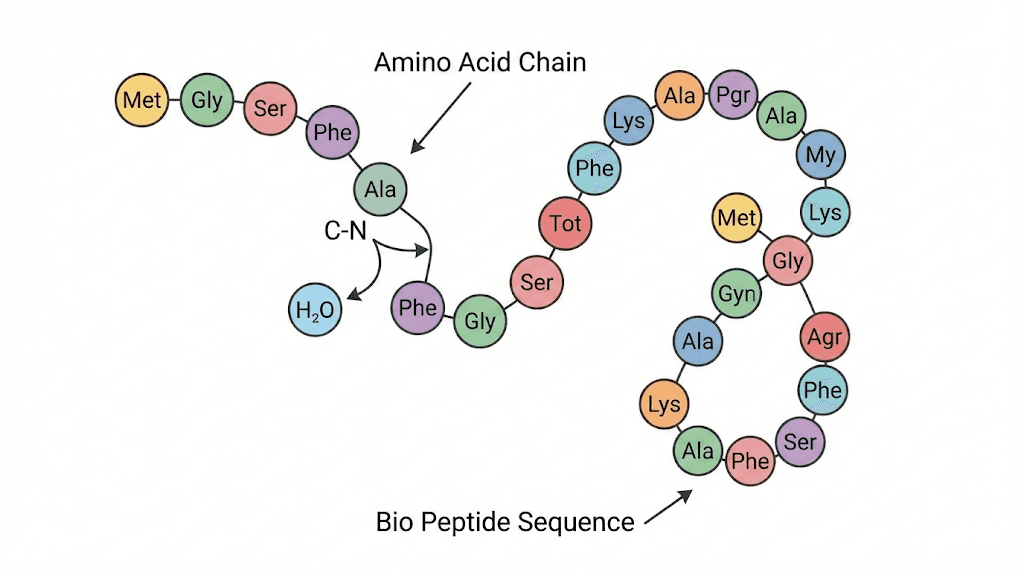
The difference between peptides and bio peptides
Not all peptides qualify as bio peptides. This distinction confuses many people new to the field. Regular peptides are simply short amino acid chains. They might have no biological activity whatsoever. They might serve purely structural roles. Bio peptides are the subset of peptides that actively influence biological processes.
Consider what peptides actually are at the most fundamental level. They are chains of amino acids linked by peptide bonds. When a peptide contains 2 amino acids, we call it a dipeptide. Three amino acids make a tripeptide. Chains of 10 or more amino acids are called polypeptides. Once you exceed roughly 50 amino acids, most scientists start calling the molecule a protein instead.
But these are just size classifications.
Bio peptides are classified by function, not size. A dipeptide could be bioactive if it triggers a specific cellular response. A polypeptide of 40 amino acids might have no biological activity at all. The determining factor is whether the sequence interacts with cellular receptors, enzymes, or signaling molecules to produce a measurable effect.
The peptides used in peptide therapy are almost universally bio peptides. They are selected specifically because they produce therapeutic effects. Similarly, the peptides used in advanced skincare are chosen for their ability to influence collagen production, reduce inflammation, or modulate neurotransmitter activity in facial muscles.
How bio peptides work in the body
Bio peptides produce their effects through several mechanisms. Understanding these mechanisms helps you evaluate which bio peptides might address your specific health concerns and which claims are plausible versus exaggerated.
The first mechanism involves receptor binding. Many bio peptides work by attaching to specific receptors on cell surfaces. When they bind, they trigger intracellular signaling cascades that change cell behavior. This is how many peptides work at the molecular level, mimicking or modulating natural signaling molecules.
Enzyme inhibition represents another common mechanism. Certain bio peptides interfere with enzymes that would otherwise break down beneficial compounds or accelerate harmful processes. For example, some milk-derived peptides inhibit angiotensin-converting enzyme, which helps reduce blood pressure and support cardiovascular health.
A third mechanism involves antioxidant activity. Many bio peptides can neutralize free radicals directly. Others increase the body's production of endogenous antioxidants like glutathione. This antioxidant capacity contributes to their longevity and anti-aging benefits.
Some bio peptides work as carrier molecules. They transport essential minerals like copper, zinc, or iron into cells more effectively than the minerals could enter on their own. Copper peptides like GHK-Cu exemplify this mechanism, delivering copper to tissues where it supports wound healing and collagen synthesis.
Finally, certain bio peptides influence gene expression. They can upregulate genes that code for beneficial proteins like collagen or downregulate genes associated with inflammation and tissue breakdown. This transcriptional regulation explains how some bio peptides produce effects that persist beyond their presence in the body.
The four major categories of bio peptides
Scientists classify bio peptides based on their primary mechanism of action. This classification system helps researchers, formulators, and clinicians select appropriate peptides for specific applications. Understanding these categories also helps you evaluate products and protocols more critically.
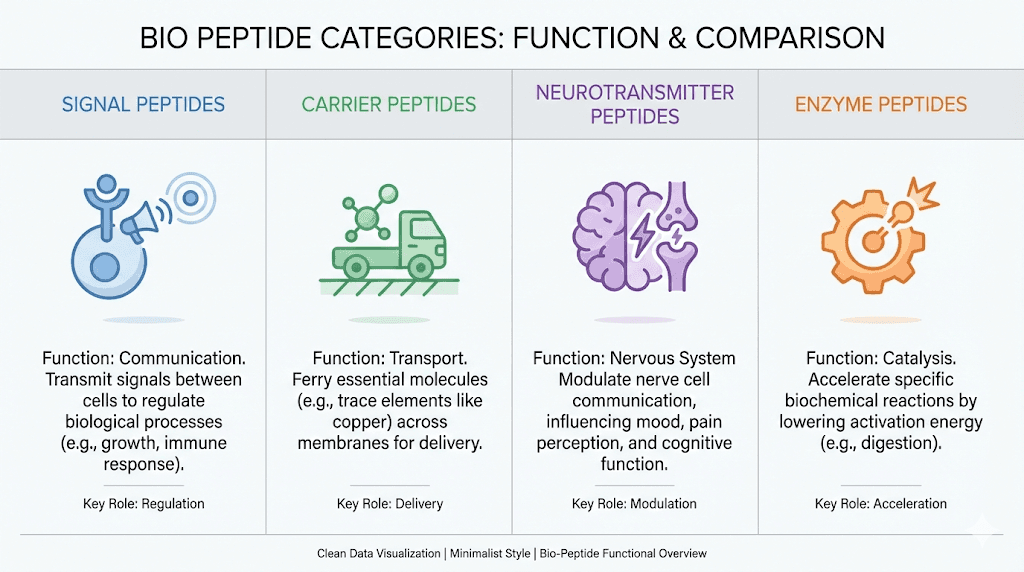
The four major categories are signal peptides, carrier peptides, neurotransmitter-inhibiting peptides, and enzyme-inhibitory peptides. Each category works through distinct mechanisms and offers different therapeutic possibilities.
Signal peptides and their role in tissue regeneration
Signal peptides communicate with cells. They deliver chemical messages that instruct cells to increase or decrease production of specific proteins. In skincare and wound healing applications, the most important signal peptides tell fibroblasts to produce more collagen, elastin, and other extracellular matrix proteins.
Palmitoyl pentapeptide-4, commercially known as Matrixyl, is perhaps the most researched signal peptide. Studies show it can increase collagen synthesis by up to 300% in laboratory conditions. When applied topically, it penetrates the skin and signals fibroblasts to ramp up collagen production. This mechanism underlies many anti-wrinkle peptide formulations.
Beyond skincare, signal peptides play crucial roles in injury recovery. When tissues are damaged, the body releases signal peptides that recruit repair cells, stimulate blood vessel formation, and coordinate the rebuilding process. Therapeutic applications attempt to amplify these natural signaling processes to accelerate healing.
BPC-157 exemplifies a signal peptide used in therapeutic contexts. Research indicates it promotes angiogenesis, increases growth factor expression, and accelerates the healing of tendons, ligaments, and gastrointestinal tissues. Its signaling effects extend across multiple tissue types, explaining its broad therapeutic applications.
The growth hormone releasing peptides represent another important signal peptide category. Compounds like ipamorelin and CJC-1295 signal the pituitary gland to release more growth hormone. This signaling cascade affects metabolism, body composition, recovery, and numerous other physiological processes.
Carrier peptides and mineral transport
Carrier peptides serve as transport vehicles. They stabilize and deliver essential trace elements into cells where those elements are needed for biological processes. Without carrier peptides, many minerals would struggle to cross cell membranes effectively.
GHK-Cu (copper tripeptide-1) is the most extensively studied carrier peptide. This tripeptide naturally occurs in human plasma and decreases with age. It carries copper ions to tissues where copper is essential for collagen synthesis, antioxidant enzyme function, and wound healing processes.
The carrier function extends beyond simple transport. GHK-Cu does not just deliver copper. It also influences gene expression related to tissue repair, reduces inflammation, and modulates the immune response. These effects combine to make it one of the most versatile bio peptides for skin repair, hair regrowth, and anti-aging applications.
Iron-binding peptides represent another carrier peptide category. Certain sequences from milk proteins can bind iron and enhance its absorption in the intestines. This improves bioavailability compared to standard iron supplements, which often cause digestive discomfort.
Zinc-carrying peptides follow similar principles. They improve zinc delivery to cells where the mineral supports immune function, protein synthesis, and DNA repair. Some research suggests zinc-peptide complexes absorb more efficiently than zinc salts alone.
Neurotransmitter-inhibiting peptides for muscle relaxation
Neurotransmitter-inhibiting peptides interfere with the chemical signals that cause muscles to contract. By blocking or reducing these signals, they allow muscles to relax. This mechanism underlies their use in cosmetic applications similar to Botox but with less dramatic effects.
Acetyl hexapeptide-3, marketed as Argireline, is the most well-known neurotransmitter-inhibiting peptide. It works by inhibiting the formation of the SNARE complex, which is necessary for acetylcholine release at neuromuscular junctions. Without adequate acetylcholine release, facial muscles cannot contract as forcefully, reducing the appearance of expression lines.
A clinical study of 20 subjects found that hexapeptide-3 reduced wrinkle depth by 59% on dry skin and 71% on oily skin after 30 days of topical application. These results, while not as dramatic as injectable neurotoxins, demonstrate meaningful cosmetic benefits without injections.
SNAP-8 extends this mechanism by targeting additional components of the neurotransmitter release process. Some formulations combine multiple neurotransmitter-inhibiting peptides for synergistic effects on expression lines around the eyes, forehead, and mouth.
Beyond cosmetics, neurotransmitter-modulating peptides have potential therapeutic applications. Researchers are exploring them for conditions involving excessive muscle contraction, including certain types of chronic pain and movement disorders.
Enzyme-inhibitory peptides and their protective effects
Enzyme-inhibitory peptides block enzymes that would otherwise break down beneficial compounds or accelerate tissue degradation. By inhibiting these enzymes, they preserve structural proteins and maintain tissue integrity.
Matrix metalloproteinase inhibitors represent the most important category for skin and joint health. MMPs are enzymes that break down collagen and other extracellular matrix proteins. While MMP activity is necessary for normal tissue remodeling, excessive MMP activity accelerates skin aging and contributes to joint deterioration.
Peptides derived from soy, rice, and silk fibroin can inhibit MMP activity. These plant-derived bio peptides are commonly used in anti-aging skincare formulations to slow collagen breakdown alongside signal peptides that increase collagen synthesis.
ACE-inhibitory peptides block angiotensin-converting enzyme, which plays a central role in blood pressure regulation. When ACE is inhibited, blood vessels relax and blood pressure decreases. Numerous peptides derived from milk, fish, and other food proteins demonstrate ACE-inhibitory activity in research studies.
The therapeutic potential of ACE-inhibitory food peptides has attracted significant interest because they might offer blood pressure benefits without the side effects of pharmaceutical ACE inhibitors. However, clinical evidence remains limited, and food-derived peptides typically show weaker effects than medications.
Tyrosinase-inhibiting peptides block the enzyme responsible for melanin production. By reducing tyrosinase activity, they can help fade hyperpigmentation and even skin tone. These peptides appear in brightening serums and products targeting dark circles and age spots.
Where bio peptides come from: natural sources and production methods
Bio peptides originate from two main pathways. Some are extracted from natural sources like food proteins. Others are synthesized in laboratories to replicate natural sequences or create novel structures with enhanced properties. Understanding these sources helps you evaluate product quality and potential allergen concerns.
Food sources of bio peptides
Most bio peptides in supplements and functional foods derive from protein-rich foods. The parent proteins are broken down through enzymatic hydrolysis, fermentation, or controlled digestion to release bioactive sequences.
Milk proteins represent one of the richest sources of bio peptides. Both casein and whey proteins contain numerous bioactive sequences that become available through digestion or processing. Fermented dairy products like yogurt, kefir, and aged cheeses naturally contain bio peptides released during fermentation.
The specific peptides released depend on the enzymes involved and the processing conditions. Different bacterial strains in fermented dairy produce different peptide profiles. This explains why traditional fermented foods from various cultures may have distinct health properties despite starting from similar raw materials.
Collagen sources provide another major category of food-derived bio peptides. Bovine, porcine, and marine collagen can all be hydrolyzed to produce collagen peptides with benefits for skin, joints, and connective tissues. Marine collagen from fish skin and scales has gained popularity due to its high bioavailability and suitability for people avoiding mammalian products.
Meat and meat byproducts contain bioactive peptides with antioxidant, antimicrobial, and antihypertensive properties. Research has identified functional peptides from beef, chicken, pork, duck, and various processed meat products including fermented and dry-cured items.
Plant sources are increasingly recognized as viable bio peptide sources. Soy, rice, wheat, and various legumes contain protein sequences that become bioactive after appropriate processing. These options serve vegetarian and vegan consumers seeking peptide benefits without animal products.
Laboratory synthesis and production
Many therapeutic peptides are synthesized rather than extracted from food sources. Synthesis offers several advantages. Manufacturers can produce consistent sequences without batch-to-batch variation. They can create novel peptides not found in nature. They can achieve higher purity than extraction typically allows.
Solid-phase peptide synthesis is the most common production method. Amino acids are added one at a time to a growing chain attached to a solid support. After the sequence is complete, the peptide is cleaved from the support and purified. This method can produce peptides up to about 50 amino acids in length.
Recombinant production using bacteria, yeast, or mammalian cells can produce longer peptides and proteins more cost-effectively than chemical synthesis. However, this method requires more complex purification and may introduce contaminants that need careful removal.
Quality varies dramatically among synthesized peptides. Research-grade peptides typically achieve 95% or higher purity. Commercial supplements may contain significantly lower purity with more impurities and degradation products. This quality variation partially explains why some users experience inconsistent results with peptide research products.
SeekPeptides provides detailed information about peptide testing and quality verification to help researchers evaluate product quality before use.
Health benefits supported by research
The health benefits attributed to bio peptides span an impressive range. Some claims have substantial research support. Others remain speculative. Understanding the evidence hierarchy helps you separate validated benefits from marketing hype.
Cardiovascular and metabolic benefits
ACE-inhibitory peptides from milk, fish, and other food sources have demonstrated blood pressure lowering effects in clinical trials. The effects are generally modest compared to pharmaceutical interventions but may benefit people seeking natural blood pressure support.
Research published in the Journal of Agricultural and Food Chemistry confirms that bioactive peptides derived from fish, milk, meat, and plants have shown significant antihypertensive and lipid-lowering activity in clinical trials. However, the magnitude of effects varies considerably between studies and may depend on individual factors.
Some bio peptides influence glucose metabolism. Certain sequences stimulate insulin release or improve insulin sensitivity. Others slow carbohydrate digestion, reducing post-meal blood sugar spikes. These mechanisms suggest potential applications for metabolic health optimization.
The antioxidant properties of many bio peptides may protect cardiovascular tissues from oxidative damage. By neutralizing free radicals and supporting endogenous antioxidant systems, they could theoretically reduce long-term cardiovascular risk. However, clinical evidence for this benefit remains limited.
Skin health and anti-aging effects
The skincare industry has embraced bio peptides enthusiastically, and the research support for this application is relatively strong. Multiple mechanisms contribute to anti-aging effects.
Signal peptides stimulate fibroblasts to increase collagen and elastin production. Studies show measurable improvements in skin firmness and reduction in wrinkle depth after consistent use of well-formulated peptide products. Copper peptide serums demonstrate particularly robust evidence for skin rejuvenation.
Neurotransmitter-inhibiting peptides reduce muscle contraction that creates expression lines. While effects are less dramatic than injectable neurotoxins, studies demonstrate meaningful wrinkle reduction with topical application over several weeks.
Wound healing represents another well-documented application. Bio peptides accelerate tissue repair through multiple mechanisms including enhanced cell migration, increased collagen deposition, and improved angiogenesis. Scar reduction benefits follow from optimized wound healing processes.
Before and after documentation from peptide skincare users shows visible improvements in skin texture, firmness, and overall appearance, though results vary based on product quality, application consistency, and individual skin characteristics.
Muscle building and recovery support
Several bio peptide categories support muscle growth and recovery. The mechanisms differ, but the combined effects explain why peptides have gained popularity in athletic and fitness communities.
Growth hormone releasing peptides like ipamorelin stimulate natural growth hormone production. Elevated growth hormone supports muscle protein synthesis, fat metabolism, and recovery from exercise. Unlike exogenous growth hormone, these peptides work through the body's natural regulatory mechanisms, potentially reducing risks associated with direct hormone supplementation.
BPC-157 and TB-500 support tissue healing rather than directly building muscle. By accelerating recovery from training-induced damage, they may allow more frequent or intense training, which indirectly supports muscle development. These peptides are particularly popular among athletes dealing with tendon injuries or chronic overuse conditions.
Collagen peptides support the connective tissues that anchor muscles to bones. Research indicates collagen supplementation may reduce exercise-related joint pain and support the structural integrity of tendons and ligaments. Safe approaches to peptide-supported muscle building typically combine multiple peptide types for synergistic effects.
Creatine peptides represent a specialized category designed to improve creatine delivery and utilization. By binding creatine to peptide carriers, these compounds may enhance absorption and muscular uptake compared to standard creatine monohydrate.
Immune system and inflammation modulation
Antimicrobial peptides represent a promising area of bio peptide research. Certain sequences can directly kill bacteria, viruses, or fungi by disrupting their cell membranes. Others modulate immune responses to improve pathogen clearance without excessive inflammation.
Immune-supporting peptides work through various mechanisms. Some stimulate immune cell proliferation. Others enhance the function of natural killer cells or macrophages. Still others modulate cytokine production to optimize inflammatory responses.
Thymus-derived peptides like thymalin support immune function by promoting T-cell maturation and function. These peptides are particularly studied in contexts of immune decline associated with aging or illness.
KPV peptide demonstrates potent anti-inflammatory effects relevant to gut health and inflammatory conditions. By modulating inflammatory signaling pathways, it may help manage conditions characterized by excessive inflammation.
The anti-inflammatory properties of bio peptides extend beyond immune applications. Reducing chronic low-grade inflammation may benefit cardiovascular health, metabolic function, cognitive performance, and longevity, though clinical evidence for these broader benefits remains limited.
Gut health and digestive benefits
The gastrointestinal tract is a primary site of action for many bio peptides. Some work by directly healing damaged gut lining. Others modulate gut bacteria or influence gut hormone release.
BPC-157 shows remarkable effects on gut healing in preclinical research. It accelerates the healing of ulcers, protects against gastric damage from NSAIDs and alcohol, and may help repair intestinal permeability issues. These effects make it one of the most studied peptides for gut health applications.
Collagen peptides may support gut barrier integrity by providing amino acids needed for intestinal lining repair. The glycine and proline in collagen are particularly important for maintaining tight junctions between intestinal cells.
Certain food-derived bio peptides influence gut hormone release. They can stimulate satiety hormones that reduce appetite or modulate motility hormones that affect digestive transit time. These effects may contribute to weight management benefits associated with some bio peptides.
Prebiotic effects represent another mechanism. Some bio peptides serve as fuel for beneficial gut bacteria, promoting a healthier microbiome composition. This microbial modulation can have far-reaching effects on digestion, immunity, metabolism, and even mood.
How to use bio peptides effectively
The effectiveness of bio peptides depends heavily on proper usage. Administration method, timing, dosing, and storage all influence whether you will see benefits. Understanding these factors helps you optimize outcomes and avoid common mistakes.
Administration methods and their implications
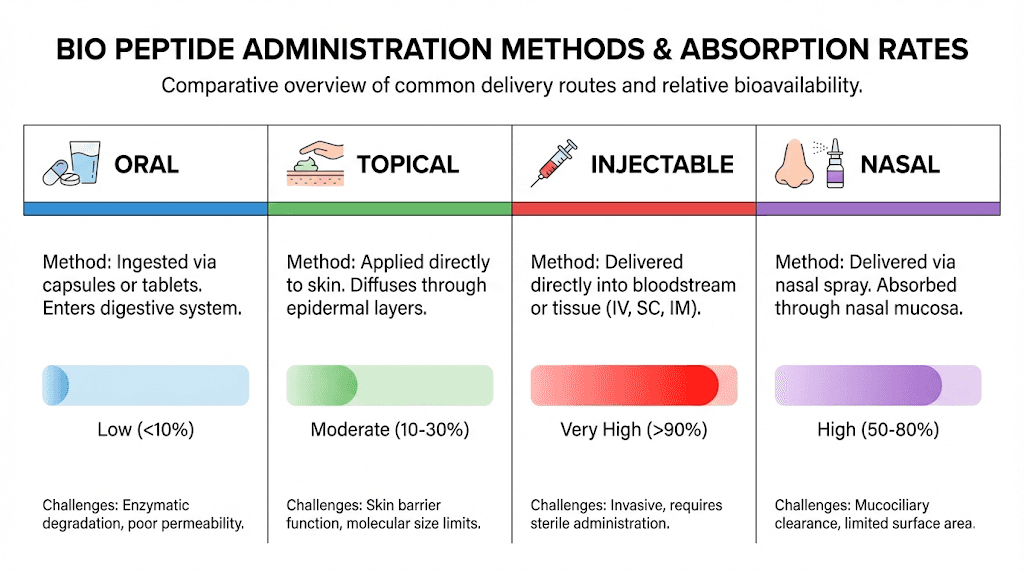
Bio peptides can be administered through various routes. The appropriate method depends on the specific peptide, intended effect, and practical considerations.
Oral administration is the simplest approach. Collagen peptides, ACE-inhibitory peptides from food sources, and many supplement peptides are taken by mouth. The peptides must survive gastric digestion and be absorbed through the intestinal wall to exert systemic effects.
Some peptides are specifically designed for oral stability. Others would be destroyed in the stomach if swallowed. Peptide capsules may include enteric coatings or other technologies to protect sensitive sequences until they reach the small intestine.
Topical application works for peptides intended for skin effects. The peptide must be formulated appropriately to penetrate the skin barrier and reach target cells. Proper application of copper peptides and other topical peptides involves clean skin, appropriate concentration, and consistent use.
Injectable administration provides the highest bioavailability for most therapeutic peptides. Subcutaneous injection delivers peptides directly into tissues, bypassing digestive degradation. Peptide injections require proper technique to minimize discomfort and infection risk.
Nasal spray administration offers a non-injectable option for certain peptides. The nasal mucosa allows rapid absorption into the bloodstream. This route works particularly well for small peptides targeting the brain or requiring quick onset of action.
Dosing principles and protocols
Bio peptide dosing varies dramatically depending on the specific compound, administration route, and intended effect. There is no universal dosing guideline that applies across all bio peptides.
For injectable therapeutic peptides, doses typically range from micrograms to a few milligrams. BPC-157 dosing commonly falls between 200 and 500 micrograms per injection. Growth hormone releasing peptides like ipamorelin typically use 100 to 300 micrograms per dose.
Oral collagen peptides require much higher doses because absorption is less efficient. Studies showing benefits typically use 5 to 15 grams daily. Some protocols go higher, though benefits may plateau at certain intake levels.
Topical peptide concentrations vary by formulation. Most commercial products contain 0.001% to 0.1% active peptide. Higher concentrations do not necessarily produce better results and may cause irritation. Concentration guides help optimize topical peptide use.
Timing matters for many bio peptides. Growth hormone releasing peptides are typically taken before bed to align with natural growth hormone release patterns. Copper peptide application timing may influence results based on skin repair cycles.
Peptide calculators help determine appropriate doses based on body weight, peptide concentration, and intended protocol. Using these tools prevents the common mistake of under or overdosing.
Reconstitution and preparation
Many bio peptides come as lyophilized (freeze-dried) powders that must be reconstituted before use. Proper reconstitution technique affects peptide stability and effectiveness.
Reconstitution procedures generally involve adding bacteriostatic water or sterile water to the peptide vial. The water should be directed against the vial wall and allowed to run down slowly rather than squirted directly onto the peptide cake.
Shaking damages peptide structures. Always swirl gently or simply allow the peptide to dissolve over time. Most peptides dissolve within a few minutes with gentle swirling. Some may require longer or slight refrigeration to fully dissolve.
Bacteriostatic water contains a small amount of benzyl alcohol that inhibits bacterial growth. This extends the usable life of reconstituted peptides compared to sterile water. However, some peptides may be sensitive to benzyl alcohol and require sterile water instead.
The peptide reconstitution calculator helps determine how much water to add based on desired concentration. This calculation depends on the total peptide content and the per-dose volume you want to use.
Storage requirements and stability
Bio peptides are sensitive molecules that degrade under improper storage conditions. Understanding storage requirements protects your investment and ensures consistent results.
Lyophilized peptides are the most stable form. When stored properly in a freezer, they can remain viable for years. Avoid repeated freeze-thaw cycles, which accelerate degradation. Proper peptide storage extends useful life significantly.
Reconstituted peptides are much less stable. They must be refrigerated and typically used within 30 days. Some peptides degrade faster and should be used within 14 days. Reconstituted peptide shelf life varies by compound and storage conditions.
Light exposure degrades many peptides. Store vials in dark containers or wrap them in foil. Even brief light exposure can reduce potency, particularly for more sensitive sequences.
Temperature excursions during shipping can damage peptides before you receive them. Room temperature stability varies by peptide, but most require cold shipping for optimal quality.
Copper peptide storage requirements differ somewhat from other peptides due to their unique chemical structure. Following product-specific guidelines prevents unnecessary degradation.
Combining bio peptides: stacking strategies
Many users combine multiple bio peptides to address different aspects of their health goals. Strategic combinations can produce synergistic effects greater than individual peptides alone. However, combining requires understanding how different peptides interact.
Synergistic combinations for specific goals
Healing and recovery stacks often combine BPC-157 and TB-500. These peptides work through complementary mechanisms. BPC-157 promotes angiogenesis and growth factor expression. TB-500 enhances cell migration and actin regulation. Together, they address multiple aspects of the healing process.
Anti-aging stacks might combine growth hormone releasing peptides with tissue-specific peptides. Ipamorelin and CJC-1295 work synergistically to elevate growth hormone, while copper peptides address skin-specific aging concerns.
Weight loss stacks may combine metabolic peptides with compounds that preserve muscle during caloric restriction. The goal is to maximize fat loss while minimizing muscle catabolism and maintaining energy levels.
The peptide stack calculator helps plan combinations based on individual goals and experience level. Starting with fewer compounds and adding gradually allows you to assess individual responses before combining multiple peptides.
Timing and cycling considerations
Peptide cycling prevents receptor desensitization and maintains effectiveness over time. Some peptides can be used continuously, while others require periodic breaks.
Growth hormone releasing peptides typically require cycling to prevent pituitary desensitization. Common protocols involve 8 to 12 weeks of use followed by 4 to 8 weeks off. Cycle planning optimizes results while minimizing tolerance development.
Healing peptides like BPC-157 and TB-500 are often used for defined periods corresponding to injury recovery timelines rather than continuously. Once healing is complete, ongoing use may not provide additional benefit.
Topical peptides can generally be used continuously as part of a skincare routine. The skin does not appear to develop tolerance to signal peptides or carrier peptides in the same way that systemic receptors might.
Combining multiple peptides simultaneously is common but requires careful planning. Overlapping mechanisms may produce redundant effects, wasting money without additional benefit. Complementary mechanisms produce the most value from combination protocols.
Safety considerations and potential risks
Bio peptides are generally well tolerated, but they are not without risks. Understanding potential side effects and contraindications helps you use them safely and recognize problems early.
Common side effects and how to manage them
Injection site reactions are the most common side effect of injectable peptides. Redness, swelling, or irritation at injection sites typically resolves within hours to days. Rotating injection sites and using proper technique minimizes these reactions.
Water retention occurs with some peptides, particularly those that affect growth hormone pathways. This effect is usually temporary and resolves as the body adjusts. Reducing sodium intake and staying well hydrated can help manage fluid retention.
Headaches may occur during initial use of some peptides. These often diminish with continued use as the body adjusts. Starting with lower doses and gradually increasing can reduce headache incidence.
Nausea and digestive discomfort can occur with oral peptides, particularly at higher doses. Taking peptides with food may help, though some peptides work better on an empty stomach. Finding the right balance requires individual experimentation.
Fatigue or drowsiness affects some users, particularly with peptides taken before bed. While this is often desirable for sleep-related protocols, it can be problematic if it persists into waking hours. Adjusting timing or dosing usually resolves this issue.
Common mistakes include starting with doses that are too high, using poor quality products, and failing to follow proper storage protocols. These errors account for many negative experiences attributed to peptides themselves.
Contraindications and precautions
People with active cancer should avoid growth hormone stimulating peptides. Growth hormone can potentially accelerate tumor growth. This contraindication extends to anyone with a history of cancer until cleared by an oncologist.
Pregnancy and breastfeeding represent absolute contraindications for most therapeutic peptides. Insufficient safety data exists to determine fetal or infant effects. Women who are pregnant, planning pregnancy, or breastfeeding should avoid peptides except under direct medical supervision.
Autoimmune conditions may be worsened by immune-modulating peptides. While some peptides might theoretically benefit autoimmune conditions, others could exacerbate them. Anyone with autoimmune disease should consult specialists before using bio peptides.
Allergies to source proteins present risks with food-derived peptides. Someone allergic to fish should avoid marine-derived collagen peptides. Milk allergies contraindicate casein or whey-derived peptides. Even highly purified peptides may contain trace allergens from source materials.
Drug interactions remain poorly studied for most bio peptides. Peptides that affect blood pressure, blood sugar, or blood clotting could interact with medications targeting these parameters. Disclosing peptide use to healthcare providers enables appropriate monitoring.
Quality and sourcing concerns
Product quality varies dramatically in the peptide market. Unlike pharmaceuticals, peptide supplements and research compounds face limited regulatory oversight. This creates quality and safety risks that users must navigate.
Purity is the primary quality concern. Research grade peptides should be 95% or higher purity. Lower purity means more impurities, degradation products, and potentially harmful contaminants. Third party testing verifies purity claims.
Contamination can include heavy metals, endotoxins, residual solvents, or bacterial byproducts depending on production methods. Reputable suppliers provide certificates of analysis documenting testing for common contaminants.
Mislabeling represents another significant concern. Some products contain different peptides than claimed or lower concentrations than stated. Without independent testing, users cannot verify that they are receiving what they paid for.
Vendor evaluation is essential for anyone purchasing peptides. Look for suppliers who provide third party testing, transparent sourcing information, and responsive customer service. The cheapest option is often not the best value when quality is factored in.
SeekPeptides provides guidance on navigating the peptide market and evaluating product quality to help researchers make informed purchasing decisions.
Bio peptides in skincare: what you need to know
The skincare industry has embraced bio peptides more enthusiastically than perhaps any other sector. Understanding how peptides function in skincare helps you evaluate products and set realistic expectations.
How peptides penetrate the skin
The skin barrier exists to keep things out. This protective function challenges topical peptide delivery. For peptides to work, they must penetrate the stratum corneum and reach living cells in deeper skin layers.
Peptide size affects penetration. Smaller peptides, generally those under 500 Daltons, can potentially pass through the skin barrier. Larger peptides require delivery technologies to assist penetration.
Lipid modification enhances penetration for many peptides. Adding a fatty acid chain to a peptide increases its lipophilicity, helping it pass through the lipid-rich stratum corneum. Palmitoylated peptides like palmitoyl pentapeptide-4 use this approach.
Formulation matters enormously. The same peptide in different formulations can have dramatically different penetration and efficacy. Emulsions, liposomes, and other delivery systems can enhance or impair peptide delivery to target tissues.
Microneedle patches physically create pathways through the skin barrier, dramatically improving peptide delivery. This technology is increasingly popular for targeted peptide treatments.
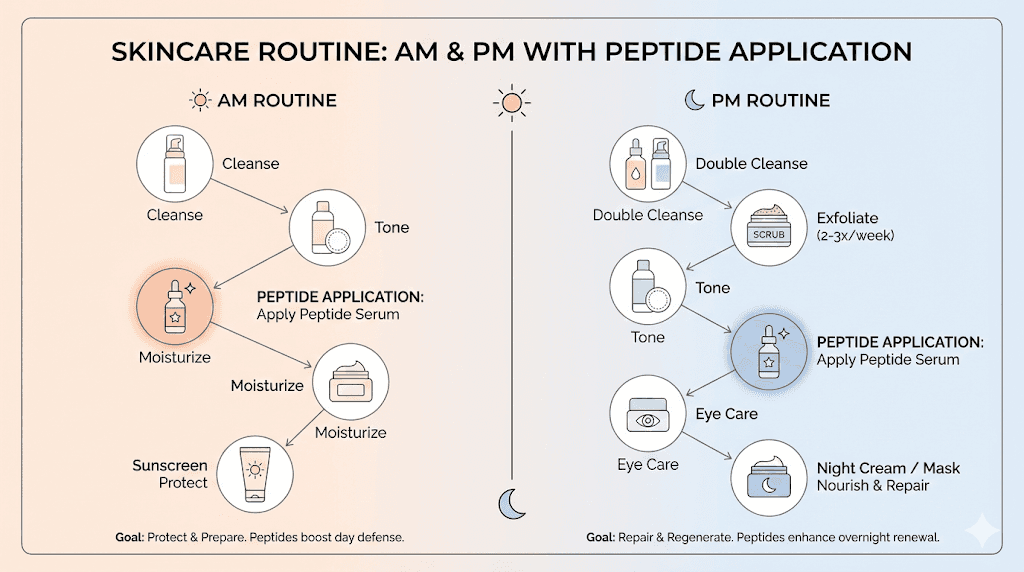
Building an effective peptide skincare routine
Incorporating peptides into skincare requires understanding how they interact with other active ingredients. Some combinations enhance results. Others cause problems.
Copper peptide routines require careful planning around potentially incompatible ingredients. Copper peptides should not be mixed with direct acids, high-concentration vitamin C, or retinoids in the same application. These ingredients can destabilize the copper-peptide complex or cause skin irritation.
Combining peptides with retinol is possible but requires separation. Use retinol at night and peptides in the morning, or alternate nights between them. Some newer formulations claim compatibility, but separation remains the safest approach.
Vitamin C and copper peptides present similar compatibility concerns. The ascorbic acid form of vitamin C can interfere with copper peptides. Using vitamin C derivatives or separating application times addresses this issue.
Hyaluronic acid pairs well with most peptides. Peptide and hyaluronic acid combinations provide both the signaling benefits of peptides and the hydrating benefits of hyaluronic acid without compatibility concerns.
Consistency matters more than concentration for skincare peptides. Daily application over weeks to months produces visible results. Occasional use or constantly switching products prevents the cumulative effects that drive meaningful improvements.
Managing expectations and realistic timelines
Topical peptides work gradually. Anyone expecting overnight transformation will be disappointed. Understanding realistic timelines helps set appropriate expectations.
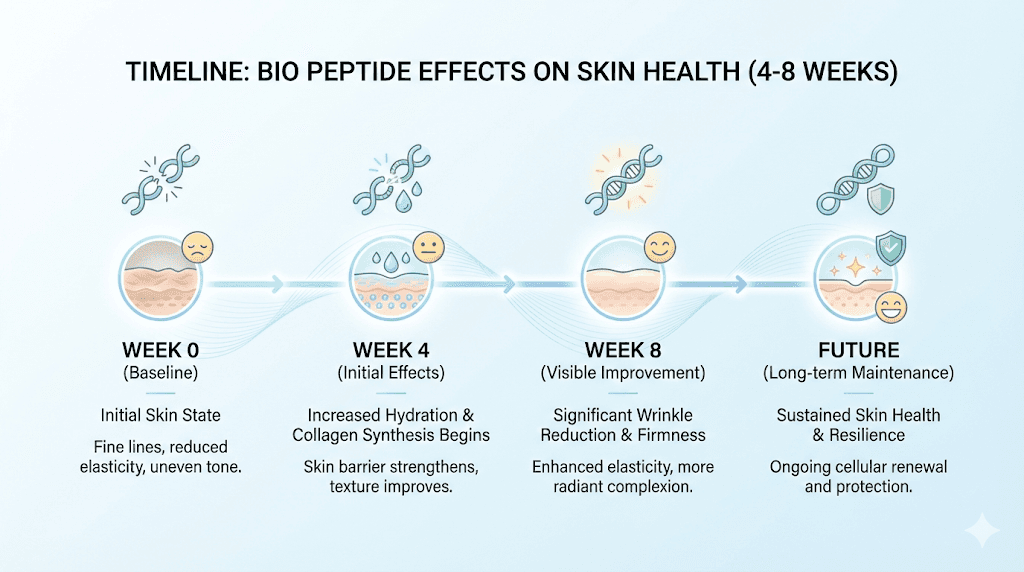
Initial improvements in hydration and skin texture may appear within one to two weeks of consistent use. These early changes reflect surface-level effects rather than deep structural changes.
Collagen synthesis takes time. Even after signal peptides reach fibroblasts and stimulate production, new collagen must be synthesized, processed, and incorporated into the extracellular matrix. This process takes weeks to months.
Visible reduction in fine lines typically requires 8 to 12 weeks of consistent use. More significant wrinkle reduction may take 6 months or longer. Deep wrinkles formed over decades will not disappear entirely regardless of treatment duration.
Timeline expectations should account for individual variation. Skin age, sun damage history, overall health, and concurrent treatments all influence response rates and final outcomes.
Photographing your skin under consistent lighting at monthly intervals provides objective documentation of progress. This approach reveals gradual improvements that might otherwise go unnoticed in daily observation.
Bio peptides for specific health goals
Different bio peptides address different health concerns. Matching peptides to your specific goals maximizes effectiveness and value. This section outlines which peptides best address common objectives.
Weight management and fat loss
Several bio peptide categories support weight management through different mechanisms. Some directly influence fat metabolism. Others support muscle preservation during caloric restriction. Still others affect appetite and satiety signaling.
AOD-9604 is a fragment of human growth hormone specifically isolated for its fat-burning properties without the growth-promoting effects of full-length GH. Research suggests it stimulates lipolysis and inhibits lipogenesis.
Weight loss peptides work best as part of comprehensive approaches including appropriate nutrition and exercise. They are not magic solutions that overcome poor lifestyle choices, but they can enhance results from proper efforts.
GLP-1 agonists like semaglutide and tirzepatide have revolutionized medical weight loss. These peptides dramatically reduce appetite and improve metabolic parameters. While originally developed as diabetes medications, their weight loss applications have become predominant.
Peptides for women focused on weight management require consideration of hormonal differences. Some peptides interact with female hormone systems in ways that require adjusted protocols or monitoring.
Performance and recovery optimization
Athletes and fitness enthusiasts represent a major bio peptide user demographic. The appeal is understandable. Peptides can potentially accelerate recovery, reduce injury downtime, and support training adaptations.
Performance peptides address various aspects of athletic optimization. Some enhance recovery between training sessions. Others support connective tissue health to prevent injuries. Still others may influence body composition or endurance capacity.
Endurance-supporting peptides work through mechanisms including improved oxygen delivery, enhanced mitochondrial function, and optimized energy substrate utilization. These effects can translate to meaningful performance improvements in endurance activities.
Injury recovery represents one of the most validated peptide applications for athletes. Tendon healing peptides and joint-supporting compounds can reduce time lost to injuries and improve healing quality.
The wolverine stack combines multiple healing peptides for comprehensive injury recovery support. This combination approach addresses multiple aspects of tissue repair simultaneously.
Cognitive enhancement and neuroprotection
Brain health applications represent a growing area of bio peptide research. Several peptides show promise for cognitive enhancement, neuroprotection, or recovery from brain injury.
Nootropic peptides include compounds like semax and selank that modulate neurotransmitter systems, support neuroplasticity, and may improve various aspects of cognitive function.
Semax is a synthetic peptide derived from ACTH that demonstrates neurotrophic effects. Research suggests it supports memory formation, attention, and recovery from stroke or brain injury.
Brain-supporting peptides work through various mechanisms including increased BDNF expression, modulated serotonin and dopamine activity, and enhanced cerebral blood flow. These effects may benefit both acute cognitive performance and long-term brain health.
Memory-enhancing peptides are particularly relevant for aging populations concerned about cognitive decline. While no peptide can reverse established dementia, some may support memory function and potentially slow age-related cognitive changes.
Anti-aging and longevity support
The longevity applications of bio peptides range from well-supported to highly speculative. Understanding the evidence hierarchy helps separate validated approaches from experimental ones.
Longevity peptides work through mechanisms including antioxidant activity, telomere protection, mitochondrial support, and modulation of aging-related gene expression. Epitalon is perhaps the most discussed longevity peptide, with research suggesting effects on telomerase activity and pineal function.
SS-31 targets mitochondria specifically, potentially improving cellular energy production and reducing oxidative damage at the mitochondrial level. This mechanism is particularly relevant given mitochondrial dysfunction's role in aging.
Bioregulator peptides represent a specialized category derived from organ tissues. Bioregulators like thymalin (thymus), cardiogen (heart), and ovagen (liver) are theorized to support function of their respective source organs.
Growth hormone optimization through GHRH and GHRP peptides may support multiple anti-aging parameters including body composition, skin quality, energy levels, and recovery capacity. However, safety considerations require careful attention when manipulating hormonal systems.
The science: clinical trials and research status
Understanding the research landscape helps you evaluate bio peptide claims critically. Some applications have robust clinical support. Others rely primarily on preclinical or anecdotal evidence.
What clinical trials tell us
Between 2016 and 2022, the FDA approved 26 peptide drugs, with over 200 peptides in clinical development and another 600 in preclinical studies. This robust pipeline indicates significant scientific and commercial confidence in peptide therapeutics.
However, most approved peptide drugs target specific diseases with rigorous regulatory pathways. The supplements and research compounds commonly used for wellness applications face less stringent evaluation. Their evidence base often comes from preclinical studies, small trials, or observational data rather than large randomized controlled trials.
Collagen peptides have perhaps the most robust clinical evidence among supplements. Multiple trials demonstrate benefits for skin hydration, elasticity, and wrinkle reduction. Joint health benefits also have reasonable clinical support.
ACE-inhibitory peptides from food sources have shown blood pressure benefits in clinical trials, though effects are typically modest compared to pharmaceutical interventions. The clinical relevance for people with normal blood pressure remains uncertain.
Therapeutic peptides like BPC-157 have extensive preclinical data but limited human trial data. Most human evidence comes from clinical experience and case reports rather than controlled trials. This does not mean they do not work, but it means efficacy claims should be viewed with appropriate caution.
Ongoing peptide research continues to expand our understanding. The field evolves rapidly, and today's experimental compounds may become tomorrow's validated therapies.
Gaps in current knowledge
Despite promising research, significant knowledge gaps remain in the bio peptide field. Understanding these gaps helps set realistic expectations and identify areas requiring caution.
Long-term safety data is lacking for many peptides. Most studies measure effects over weeks to months. Decades-long safety profiles remain unknown for compounds that have only been available for years.
Optimal dosing protocols are often extrapolated from preclinical research rather than established through dose-finding human studies. The commonly used doses may not be optimal for all individuals or applications.
Drug interactions remain poorly characterized. Few studies examine how peptides interact with common medications. People taking multiple medications face uncertainty about potential interactions.
Individual variation in response is substantial but poorly understood. Why some people respond dramatically to certain peptides while others see minimal effects is not fully explained by current science.
The regulatory landscape continues to evolve as authorities attempt to address the growing peptide market. Changes in regulations could affect availability and legality of certain compounds.
Frequently asked questions
Are bio peptides the same as proteins?
No, bio peptides are shorter chains of amino acids, typically containing 2 to 50 residues, while proteins contain hundreds or thousands of amino acids. This smaller size gives bio peptides different absorption, stability, and biological activity profiles compared to full proteins. Many bio peptides are actually derived from larger proteins through digestion or enzymatic processing.
Can I get enough bio peptides from food alone?
Food provides bio peptides through digestion of protein-rich foods, particularly bone broth, fermented dairy, and high-protein foods. However, the specific peptides released and their quantities vary unpredictably. Supplementation provides consistent, targeted doses of specific bioactive sequences that may be difficult to obtain reliably from food alone.
How long does it take for bio peptides to work?
Response timelines vary dramatically by peptide type and application. Some effects, like growth hormone release from secretagogue peptides, occur within minutes. Tissue healing effects typically become noticeable within 1 to 2 weeks. Skin improvements from topical peptides often require 8 to 12 weeks of consistent use for visible results.
Are bio peptides legal?
Peptide legality varies by jurisdiction and specific compound. Dietary supplements containing collagen peptides and similar compounds are generally legal for purchase and use. Research peptides exist in a gray area in many jurisdictions. Prescription peptide medications require appropriate prescriptions. Athletes should note that many peptides are banned by sporting organizations.
Can bio peptides replace traditional medications?
Bio peptides should not be viewed as replacements for prescribed medications without medical guidance. While some peptides may provide complementary benefits, stopping prescribed treatments to substitute peptides could be dangerous. Anyone considering peptides as part of their health approach should work with healthcare providers to integrate them appropriately with existing treatments.
What is the difference between collagen peptides and other bio peptides?
Collagen peptides are specifically derived from collagen protein and primarily support skin, joint, and connective tissue health. Other bio peptides come from various sources and serve diverse functions including hormone modulation, wound healing, immune support, or cognitive enhancement. Collagen peptides are among the most extensively studied and widely available bio peptides.
Do bio peptides have any side effects?
Most bio peptides are well tolerated, but potential side effects exist. Injectable peptides may cause injection site reactions. Oral peptides can cause digestive discomfort in some users. Growth hormone modulating peptides may cause water retention, joint pain, or blood sugar changes. Starting with lower doses and monitoring response helps identify and manage side effects.
Can I use multiple bio peptides together?
Combining peptides is common and can produce synergistic effects when done strategically. However, combining requires understanding of potential interactions and appropriate dosing adjustments. Starting with single peptides before adding others allows you to assess individual responses. The peptide stacking calculator can help plan combinations.
External resources
National Center for Biotechnology Information: Bioactive Peptides Review
Oregon State University Linus Pauling Institute: Peptides and Skin Health
For researchers serious about optimizing their understanding and use of bio peptides, SeekPeptides offers the most comprehensive resource available. Members access evidence-based guides, detailed dosing protocols, calculation tools, and a community of thousands who have navigated these exact questions with success.
In case I do not see you, good afternoon, good evening, and good night. Join us.