Jan 9, 2026
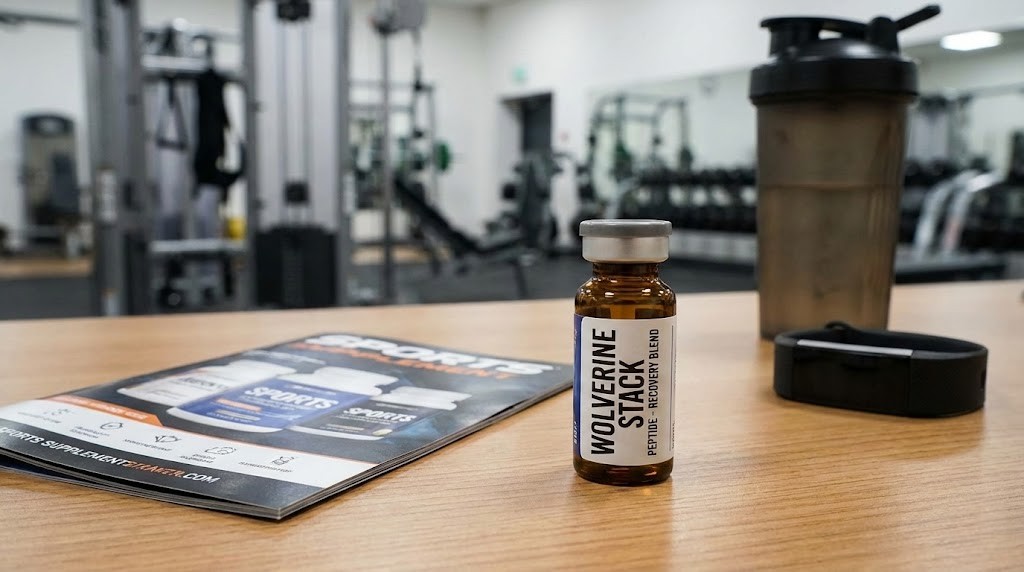
The wolverine stack peptide combination has earned its reputation through documented healing acceleration that rivals the fictional mutant's regenerative abilities. BPC-157 and TB-500 together create synergistic effects that exceed what either peptide achieves alone, targeting tissue repair through complementary mechanisms that address both local injury sites and systemic healing processes. Research demonstrates BPC-157 promotes angiogenesis and growth factor expression while TB-500 upregulates actin and enhances cellular migration to wound sites, creating a comprehensive repair environment that athletes and researchers have come to rely upon for stubborn injuries.
The stack's nickname comes from Joe Rogan's famous description of BPC-157 as "Wolverine shit" during podcast discussions about his rapid tendonitis recovery, and the addition of TB-500 only amplifies these regenerative effects. This guide covers everything about the wolverine stack including mechanism science, optimal dosing protocols, timing strategies, stacking considerations, expected results timelines, and how SeekPeptides can help you navigate this powerful healing combination with personalized guidance.
What is the wolverine stack?
The wolverine stack refers specifically to the combination of BPC-157 (Body Protection Compound-157) and TB-500 (Thymosin Beta-4) used together for accelerated tissue healing and injury recovery. This pairing has become one of the most popular peptide stacks in the research community due to the complementary ways these compounds support repair processes.
The name itself emerged from popular culture references to Wolverine's superhuman healing abilities in X-Men comics and films. When Joe Rogan described BPC-157 as "Wolverine shit" on his podcast after experiencing rapid tendonitis recovery, the nickname stuck. Adding TB-500 to create a more comprehensive healing stack only reinforced the comparison.
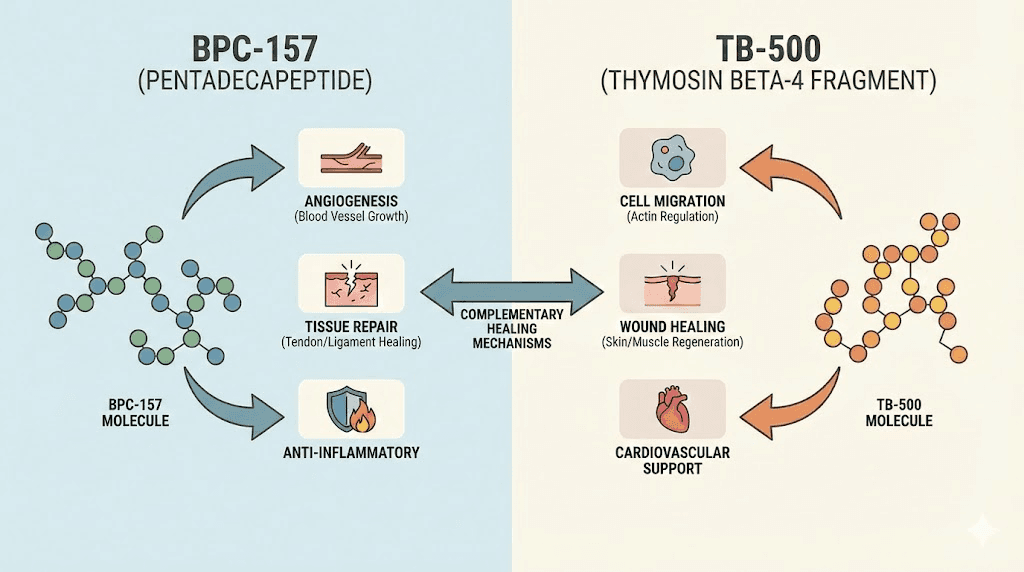
Unlike single-peptide approaches, the wolverine stack targets multiple healing pathways simultaneously. BPC-157 works primarily through angiogenesis promotion, nitric oxide modulation, and growth factor expression. TB-500 operates through actin regulation, cellular migration enhancement, and anti-inflammatory cytokine modulation. Together, they address both the structural repair needs and the inflammatory environment that often impedes healing.
Origins of BPC-157
BPC-157 is a pentadecapeptide, meaning it consists of 15 amino acids. It was originally isolated from human gastric juice, where it appears to play protective roles in the digestive tract. The "body protection compound" name reflects this protective function discovered in early research.
The peptide demonstrates remarkable stability compared to other gastric-derived compounds. It remains active across wide pH ranges and doesn't require carrier proteins for activity. This stability contributes to its practical utility in research settings where consistent dosing matters.
Research on BPC-157 spans decades, with studies examining effects on tendons, ligaments, muscles, the gut, and even the brain. The breadth of tissue types that respond to BPC-157 suggests fundamental roles in healing processes that transcend any single organ system.
Origins of TB-500
TB-500 is a synthetic version of Thymosin Beta-4, a naturally occurring peptide found in virtually all human cells. Unlike BPC-157's gastric origins, TB-500 relates to thymus-derived peptides involved in immune function and tissue repair.
Thymosin Beta-4 was first isolated in the 1960s from thymus extracts. Researchers initially studied it for immune-modulating properties before discovering its profound effects on wound healing and tissue regeneration. The synthetic version, TB-500, replicates the active region of the larger protein.
The peptide's presence in nearly every cell type hints at its fundamental biological importance. High concentrations appear in wound fluid, blood platelets, and areas of active tissue remodeling. This distribution pattern suggests TB-500 plays essential roles in the body's natural repair mechanisms.
Why combine them?
The rationale for combining BPC-157 and TB-500 stems from their distinct but complementary mechanisms. Where BPC-157 excels at local tissue repair and vascularization, TB-500 provides broader systemic support and enhanced cellular mobility. The combination covers more healing bases than either alone.
BPC-157 tends to work more locally when injected near injury sites. Its effects concentrate in the area of administration, making it ideal for targeting specific tendons, ligaments, or muscle injuries. TB-500, with its smaller molecular weight, distributes more systemically and supports healing throughout the body.
This local plus systemic approach explains why the wolverine stack outperforms single-peptide protocols in many anecdotal reports. The BPC-157 vs TB-500 comparison highlights these differences in mechanism and application.
How the wolverine stack works
Understanding how peptides work at the molecular level illuminates why the wolverine stack proves so effective. Both compounds interact with fundamental healing processes, but through different pathways that create additive or synergistic effects when combined.
BPC-157 mechanisms
BPC-157 operates through several well-documented pathways that collectively accelerate tissue repair and protect against damage.
Angiogenesis promotion: BPC-157 upregulates vascular endothelial growth factor (VEGF) and other pro-angiogenic factors. New blood vessel formation brings oxygen, nutrients, and immune cells to injured tissues, addressing the fundamental bottleneck in tendon and ligament healing where poor vascularization slows repair.
Nitric oxide system modulation: The peptide interacts with the nitric oxide pathway, which regulates blood flow, inflammation, and cellular signaling. This interaction may explain BPC-157's cardiovascular protective effects and its ability to enhance healing in tissues dependent on adequate blood supply.
Growth factor expression: Beyond VEGF, BPC-157 influences epidermal growth factor (EGF), fibroblast growth factor (FGF), and various cytokines involved in tissue repair. This broad growth factor modulation creates an environment conducive to healing across multiple tissue types.
Anti-inflammatory modulation: Rather than broadly suppressing inflammation, BPC-157 appears to redirect inflammatory processes toward resolution and healing. This targeted modulation allows beneficial aspects of inflammation to proceed while limiting chronic inflammation that impedes repair.
Gut-brain axis effects: Research suggests BPC-157 influences the gut-brain axis, potentially explaining reported cognitive and mood benefits alongside physical healing. The peptide's gastric origins connect to broader systemic effects through this communication pathway.
TB-500 mechanisms
TB-500 works through mechanisms distinct from BPC-157, creating the complementary effects that make the wolverine stack effective.
Actin regulation: TB-500's primary mechanism involves upregulating actin, a key structural protein in cells. Enhanced actin expression increases cell motility, allowing repair cells to migrate more efficiently to injury sites. This cellular mobility proves crucial for wound healing and tissue regeneration.
Matrix metalloproteinase regulation: These enzymes break down damaged extracellular matrix to allow new tissue formation. TB-500 helps balance this process, ensuring adequate breakdown of damaged tissue while preventing excessive degradation that could impair healing.
Anti-inflammatory cytokine expression: The peptide shifts cytokine profiles toward anti-inflammatory patterns, reducing chronic inflammation that delays healing. Unlike immunosuppressive drugs, TB-500 modulates rather than eliminates inflammatory responses.
Stem cell recruitment: Some research suggests TB-500 helps recruit progenitor cells to injured areas, potentially enhancing regenerative capacity beyond simple repair. This stem cell involvement may explain reports of tissue regeneration rather than just scar formation.
Cardiac protection: TB-500 shows particular promise for heart tissue repair, with studies demonstrating improved outcomes after cardiac injury. While the wolverine stack typically targets musculoskeletal healing, this cardiac benefit adds another dimension to TB-500's utility.
Synergistic effects
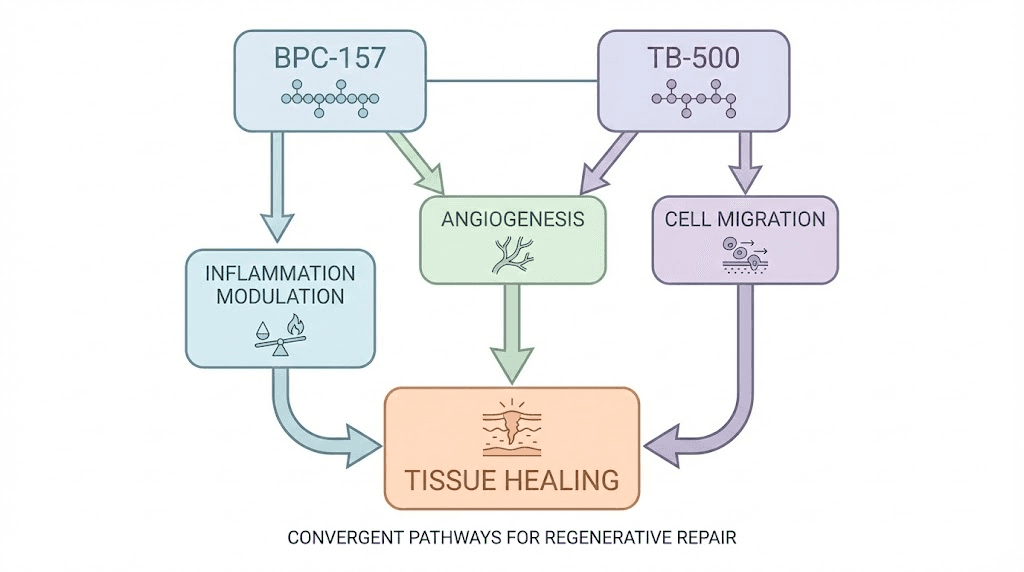
The wolverine stack's power comes from how BPC-157 and TB-500 mechanisms interact rather than simply adding together. Several points of synergy amplify the combined effect.
Vascularization meets migration: BPC-157 creates new blood vessels while TB-500 enhances the ability of repair cells to reach injury sites. Better vascularization means more cells can arrive, and enhanced migration means those cells reach their destination faster.
Local plus systemic coverage: BPC-157's tendency toward local action combines with TB-500's systemic distribution to address injuries at multiple scales simultaneously. A tendon injury might receive direct BPC-157 support while TB-500 enhances overall healing capacity.
Multiple inflammation pathways: Both peptides modulate inflammation, but through different mechanisms. This dual approach provides more comprehensive inflammatory control than either alone, potentially reducing healing time further.
Growth factor amplification: The growth factors influenced by each peptide overlap partially, creating potential amplification effects. When both peptides upregulate VEGF through different pathways, the combined effect may exceed simple addition.
Who uses the wolverine stack?
The wolverine stack has found adoption across diverse populations seeking accelerated healing or recovery support. Understanding who uses this combination and why provides context for its potential applications.
Athletes and fitness enthusiasts
Athletes represent the largest user group for the wolverine stack. The demands of training create ongoing injury risk, and downtime from injuries directly impacts performance and career progression. Peptides for athletic performance have become increasingly popular as competitors seek legal recovery advantages.
The types of injuries athletes commonly address with the wolverine stack include tendonitis and tendinopathy from repetitive stress, ligament strains from acute trauma, muscle tears from overexertion, and joint issues from cumulative wear. The best peptides for tendon repair often feature both BPC-157 and TB-500 for these reasons.
It bears noting that most peptides, including BPC-157 and TB-500, are prohibited by WADA and similar anti-doping organizations. Competitive athletes subject to testing cannot use these compounds legally in competition. The wolverine stack's popularity exists primarily among recreational athletes and those not subject to testing protocols.
Older adults managing age-related decline
Aging brings slower healing, increased injury susceptibility, and accumulated damage from decades of activity. Older adults interested in maintaining function and recovering from injuries have found the wolverine stack appealing for these reasons.
The healing slowdown that accompanies aging relates partly to declining growth hormone levels, reduced blood flow, and less efficient inflammatory responses. The wolverine stack's mechanisms address several of these age-related deficits, potentially restoring more youthful healing capacity.
Peptides for women over 40 and similar demographics often include the wolverine stack for managing the accumulated injuries and slower recovery that come with time.
Post-surgical recovery
Surgery creates controlled injury that still requires healing. Some individuals explore the wolverine stack to accelerate post-surgical recovery, though any such use should involve the surgical team and medical supervision.
The logic behind post-surgical use mirrors general injury recovery. Enhanced angiogenesis, cellular migration, and inflammation modulation could theoretically accelerate surgical site healing. However, the lack of clinical trials specifically examining peptide use after surgery means this application remains theoretical.
Chronic injury management
Chronic injuries that haven't responded to conventional treatment represent another common use case. Tennis elbow lasting years despite physical therapy, plantar fasciitis resistant to standard interventions, or rotator cuff issues that never fully resolve might prompt exploration of the wolverine stack.
Joe Rogan's famous testimonial involved exactly this scenario. His elbow tendonitis persisted despite conventional treatment until BPC-157 resolved it within two weeks. Adding TB-500 to such protocols provides additional healing support for stubborn conditions.
Wolverine stack dosing protocols
Proper dosing determines wolverine stack effectiveness. Both BPC-157 and TB-500 have established research protocols, and combining them requires understanding how each compound's dosing contributes to overall stack performance.
BPC-157 dosing
The BPC-157 dosage calculator helps determine appropriate amounts based on individual factors. Standard research protocols typically use the following ranges.
Standard dosing: 250-500mcg once or twice daily represents the most common protocol. This range balances effectiveness with peptide conservation and cost considerations.
Higher dosing: Some protocols use 500-750mcg twice daily for more severe injuries or faster results. Higher doses increase peptide consumption and cost without guaranteed proportional benefit increases.
Lower dosing: Maintenance protocols or mild injury support might use 150-250mcg daily. This approach conserves peptide while maintaining baseline healing support.
The BPC-157 5mg dosing guide provides detailed protocols for common vial sizes. Most BPC-157 comes in 5mg or 10mg vials, requiring reconstitution before use.
TB-500 dosing
The TB-500 dosage calculator assists with TB-500 protocol planning. This peptide typically requires higher absolute doses than BPC-157 due to its different pharmacokinetics.
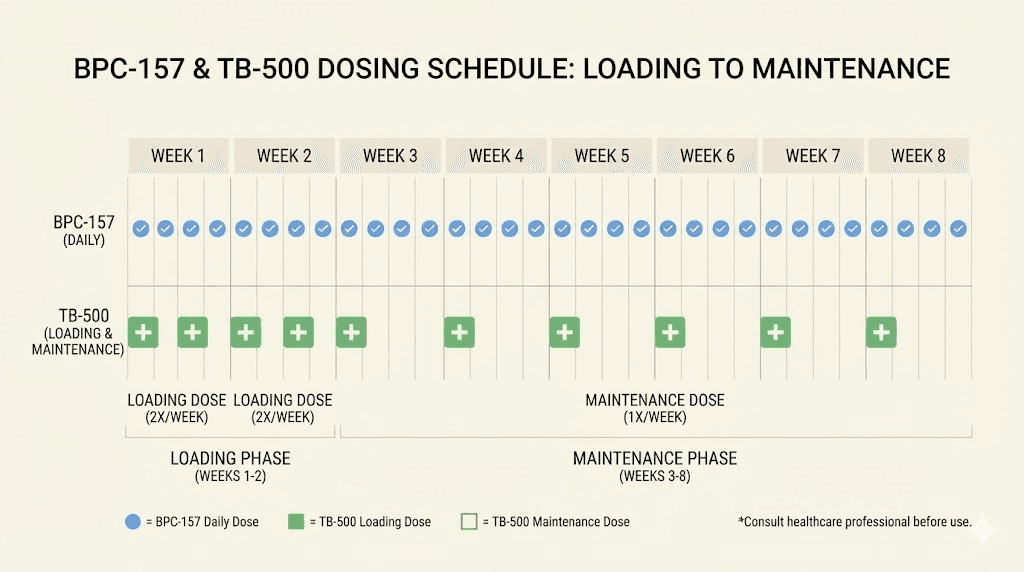
Loading phase: Initial protocols often use 2-2.5mg twice weekly for 4-6 weeks. This loading phase establishes tissue saturation and jump-starts healing processes.
Maintenance phase: After loading, protocols typically reduce to 2-2.5mg once weekly or 2mg twice monthly. Maintenance dosing sustains healing support while reducing peptide consumption.
Intensive protocols: Severe injuries might warrant 5mg twice weekly during acute phases, though this significantly increases cost and peptide use.
Combined wolverine stack protocol
When combining both peptides, typical wolverine stack protocols look something like this.
Standard wolverine stack:
BPC-157: 250-500mcg daily (can split into two doses)
TB-500: 2-2.5mg twice weekly during loading, then weekly maintenance
Intensive wolverine stack:
BPC-157: 500mcg twice daily
TB-500: 2.5mg twice weekly
Maintenance wolverine stack:
BPC-157: 250mcg daily
TB-500: 2mg weekly
The peptide stack calculator helps design custom protocols based on specific goals and available peptide quantities.
Injection sites and technique
Administration method affects wolverine stack results. Proper injection technique ensures consistent dosing and optimal peptide delivery.
BPC-157 injection: Many protocols inject BPC-157 subcutaneously near the injury site. For a knee tendon issue, injection in the tissue surrounding the knee may provide localized benefit. Some prefer abdominal subcutaneous injection for convenience, relying on systemic distribution.
TB-500 injection: Given TB-500's systemic distribution regardless of injection site, most protocols use simple subcutaneous abdominal injection. The peptide spreads throughout the body, so precise injection location matters less than with BPC-157.
Combined approach: A common wolverine stack approach involves injecting BPC-157 near injury sites while injecting TB-500 in the abdomen. This maximizes BPC-157's local effects while ensuring TB-500's systemic benefits reach all tissues.
Reconstitution and storage
Both wolverine stack peptides require proper handling to maintain potency. Understanding reconstitution ensures you're getting full benefit from your peptides.
Reconstituting BPC-157 and TB-500
Both peptides arrive as lyophilized (freeze-dried) powders requiring reconstitution with bacteriostatic water before use.
Step 1: Gather supplies including bacteriostatic water, alcohol swabs, and insulin syringes.
Step 2: Clean vial stoppers with alcohol swabs.
Step 3: Draw the appropriate amount of bacteriostatic water into a syringe.
Step 4: Insert needle through vial stopper and SLOWLY add water, directing it down the vial wall rather than directly onto the peptide powder.
Step 5: Gently swirl (don't shake) until powder dissolves completely.
The peptide reconstitution calculator determines exact water amounts for desired concentrations. The free peptide reconstitution calculator makes this math simple.
Storage requirements
Proper peptide storage maintains potency throughout use.
Unreconstituted peptides: Store lyophilized powders in freezer for long-term storage or refrigerator for shorter periods. Unreconstituted peptides remain stable for months to years under proper conditions.
Reconstituted peptides: Store in refrigerator at 2-8°C (36-46°F). Refrigerated peptides typically remain stable for 3-4 weeks after reconstitution.
Room temperature exposure: Peptides at room temperature degrade more quickly. Minimize time outside refrigeration and never leave reconstituted peptides at room temperature for extended periods.
Reconstituted peptide shelf life depends on storage conditions and bacteriostatic water use. Sterile water without preservatives reduces shelf life compared to bacteriostatic water.
Peptide expiration depends on these storage factors. Properly stored peptides maintain potency much longer than those exposed to heat, light, or contamination.
Wolverine stack results timeline
How long peptides take to work varies by individual, injury type, and protocol. However, general patterns emerge across wolverine stack users.
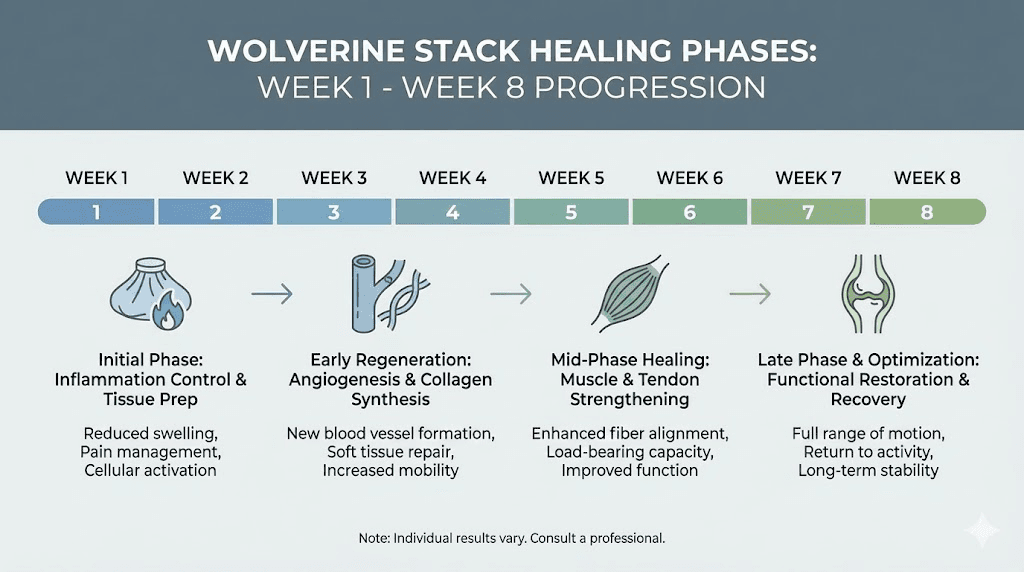
Week 1-2: Initial response
Early wolverine stack effects typically include reduced inflammation and pain at injury sites, improved sense of overall recovery, potentially enhanced sleep quality from healing processes, and subtle increases in injury site comfort.
Some users report dramatic early results, like Rogan's two-week tendonitis resolution. Others notice gradual improvement over longer periods. Individual variation in response timing is normal and expected.
Week 3-4: Accelerated healing
Mid-protocol effects often include noticeable functional improvement at injury sites, increased range of motion, reduced reliance on pain management, and visible changes in chronic injury conditions.
This phase often shows the most dramatic improvement as accumulated healing effects become apparent. Injuries that had plateaued for months sometimes show rapid progress during this period.
Week 5-8: Consolidation
Later protocol phases involve continued healing progression, transition capability from intensive to maintenance protocols, functional testing of formerly injured areas, and assessment of need for continued support.
By week 6-8, many users either resolve their primary injury concern or establish maintenance protocols for ongoing support. The decision to continue, reduce, or discontinue the wolverine stack typically happens during this phase.
Factors affecting results
Multiple factors influence wolverine stack outcomes.
Injury severity: Minor strains resolve faster than chronic degenerative conditions.
Injury location: Well-vascularized areas like muscles heal faster than poorly vascularized tendons or ligaments.
Overall health: Sleep quality, nutrition, stress levels, and age all affect healing capacity.
Protocol compliance: Consistent dosing and proper storage maximize results.
Concurrent treatment: Physical therapy and appropriate activity modification support peptide effects.
Peptide before and after documentation helps track individual progress objectively.
Common injuries addressed with the wolverine stack
The wolverine stack addresses diverse injury types, with certain conditions responding particularly well to this combination approach.
Tendon injuries
Tendons represent the wolverine stack's sweet spot. These connective tissues suffer from poor blood supply, which slows natural healing. BPC-157's angiogenic effects directly address this limitation while TB-500 enhances cellular migration to the injury site.
Common tendon injuries addressed include tennis elbow (lateral epicondylitis), golfer's elbow (medial epicondylitis), Achilles tendonitis, patellar tendonitis (jumper's knee), and rotator cuff tendinopathy. The best peptides for tendon repair guide covers these applications in detail.
Ligament injuries
Ligaments share tendons' poor vascularization challenge. Sprains and partial tears often linger for months due to slow healing. The wolverine stack's combination of local and systemic healing support helps address this limitation.
Ankle sprains, knee ligament injuries (ACL, MCL strains), and wrist ligament issues respond to wolverine stack protocols. Severe tears requiring surgery represent a different situation where peptides might support post-surgical healing rather than replacing surgical intervention.
Muscle injuries
While muscles heal better than tendons due to better blood supply, severe strains can still benefit from accelerated recovery. Athletes facing time-sensitive competition schedules particularly value the wolverine stack's potential to reduce muscle injury recovery time.
Hamstring strains, quadriceps tears, calf muscle injuries, and back muscle strains represent common muscle injury applications. Peptides for muscle growth and recovery overlap significantly with healing applications.
Joint issues
Joint problems involving multiple tissue types often benefit from the wolverine stack's comprehensive approach. When cartilage, tendons, ligaments, and surrounding tissues all need support, the combined peptide approach addresses multiple components simultaneously.
Peptides for joint pain cover this application area. Shoulder, knee, hip, and spinal joint issues all potentially benefit from wolverine stack protocols.
Gut healing applications
BPC-157's gastric origins make the wolverine stack relevant for gut health applications as well. Inflammatory bowel conditions, leaky gut syndrome, and other gastrointestinal issues may respond to BPC-157's protective and healing effects.
TB-500's systemic anti-inflammatory effects support gut healing alongside BPC-157's more direct gastric benefits. This combination addresses both local gut tissue repair and overall inflammatory burden.
Wolverine stack safety considerations
Understanding peptide safety and risks ensures informed decision-making about wolverine stack use.
Known side effects
Both BPC-157 and TB-500 show relatively favorable side effect profiles in reported use. Common side effects include injection site reactions such as redness, swelling, or discomfort, temporary nausea, occasional headaches, and fatigue in some users.
These side effects typically resolve on their own and rarely require protocol discontinuation. Most users tolerate the wolverine stack without significant adverse effects.
Research limitations
The most significant safety consideration involves research limitations. As Dr. Andrew Huberman noted on Rogan's podcast, "There isn't any clinical data for BPC-157. It's all animals." This applies to TB-500 as well.
Animal research provides valuable mechanistic understanding but doesn't guarantee identical effects or safety in humans. The thousands of anecdotal human reports suggest similar effects to animal studies, but formal human clinical trials remain lacking.
This evidence gap means using the wolverine stack involves accepting some uncertainty about long-term effects or rare adverse events that might only appear in larger human studies.
Medical supervision importance
Medical supervision provides crucial risk mitigation. Peptide therapy clinics specialize in supervising peptide use with appropriate monitoring.
Benefits of medical supervision include baseline health assessment before starting protocols, appropriate bloodwork monitoring, professional guidance on dosing and duration, recognition of potential adverse effects, and integration with other health treatments.
The peptide therapy near me guide helps locate appropriate providers. Regional guides cover Houston, Austin, Atlanta, Scottsdale, Las Vegas, and Miami Beach.
Contraindications and interactions
Certain situations warrant caution or avoidance of the wolverine stack.
Cancer history: Growth-promoting peptides raise theoretical concerns for those with cancer history. The angiogenesis promotion that helps healing could theoretically support tumor blood supply. Anyone with cancer history should discuss peptide use with their oncologist.
Pregnancy and nursing: Insufficient data exists on peptide effects during pregnancy or nursing. These populations should avoid the wolverine stack.
Autoimmune conditions: TB-500's immune-modulating effects might interact unpredictably with autoimmune conditions or immunosuppressive medications.
Medication interactions: Anyone on prescription medications should discuss potential interactions with healthcare providers before starting peptide protocols.
Sourcing quality peptides
Peptide quality varies significantly across sources. Finding reliable peptide vendors proves essential for wolverine stack effectiveness and safety.
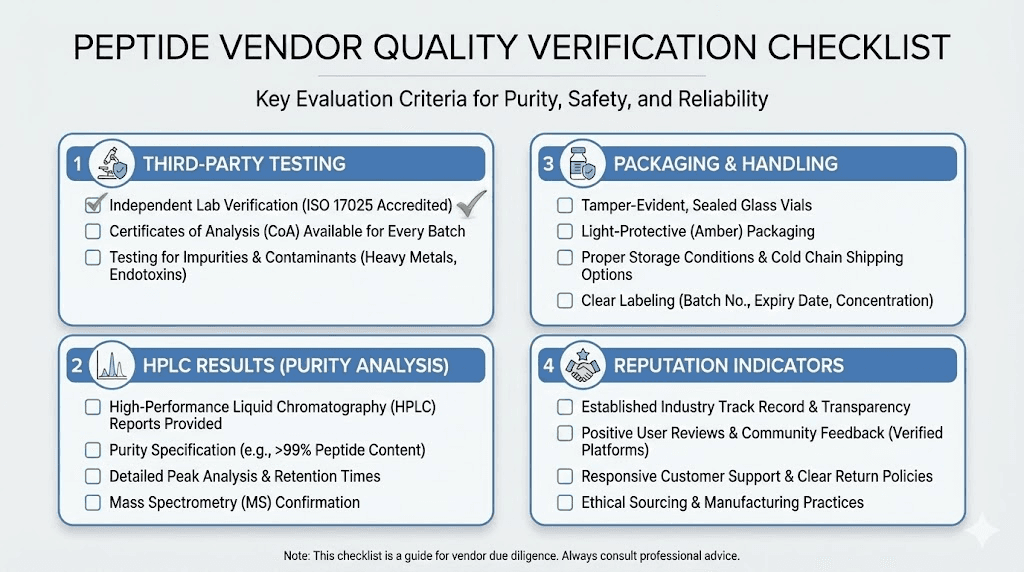
Quality indicators
Several factors indicate vendor quality.
Third-party testing: Reputable vendors provide certificates of analysis from independent laboratories verifying purity, identity, and absence of contaminants.
HPLC testing: High-performance liquid chromatography confirms peptide identity and purity. Understanding HPLC results helps verify vendor claims.
Mass spectrometry: This testing method confirms molecular weight matches the expected peptide structure.
Proper packaging: Quality peptides arrive in sealed vials with appropriate labeling, not loose containers or unclear markings.
Reputation: Vendor reputation within research communities provides social proof of quality and reliability.
Red flags
Warning signs suggesting vendor problems include no available testing documentation, prices dramatically below market rates, poor packaging or unprofessional presentation, no customer service response, and claims that seem too good to be true.
Research vs pharmaceutical peptides explains quality differences across market segments.
Vendor verification resources
Vendor analysis helps identify reliable sources. Reviews of specific vendors like Prime Peptides, Integrity Research Peptides, Profound Peptides, NextGen Peptides, Elite Research Peptides, and others provide community feedback on specific sources.
Alternatives and comparisons
The wolverine stack represents one approach among many for healing and recovery support. Understanding alternatives helps contextualize when this combination makes sense.
BPC-157 alone
Many users start with BPC-157 alone before considering stacking. For localized injuries with clear single tissue involvement, BPC-157 alone often provides sufficient healing support at lower cost than the full wolverine stack.
BPC-157 alternatives exist for those seeking similar effects through different compounds. However, BPC-157's unique mechanism and track record make it difficult to replace entirely.
TB-500 alone
TB-500 alone suits those wanting systemic healing support without targeting specific injury sites. Its broader distribution makes it appropriate for general recovery enhancement or multiple simultaneous minor injuries.
TB-500 alternatives include other peptides with systemic healing properties, though none replicate TB-500's exact mechanism.
Growth hormone peptides
Growth hormone plays important roles in healing and recovery. GH secretagogues like Ipamorelin or CJC-1295 may complement the wolverine stack by supporting overall anabolic environment and tissue repair capacity.
Some protocols add GH peptides to the wolverine stack for comprehensive healing support. The CJC-1295 dosage calculator and HGH fragment calculator help design such expanded protocols.
Peptides vs other interventions
Peptides compete with various other healing interventions. Peptides vs steroids examines differences in approach, effects, and risk profiles.
Peptides vs SARMs compares these two popular categories. The detailed peptides vs SARMs analysis covers distinctions in mechanism, application, and safety.
Traditional healing approaches like physical therapy, rest, and conventional medicine remain important. Peptides work best as adjuncts to comprehensive healing protocols rather than replacements for established treatments.
Advanced wolverine stack strategies
Experienced users often modify basic wolverine stack protocols for specific situations or enhanced results.
Extended stacking
Beyond the basic two-peptide wolverine stack, some protocols add additional compounds. Using multiple peptides simultaneously requires understanding interactions and appropriate dosing adjustments.
Common additions to the wolverine stack include GH secretagogues like Ipamorelin or CJC-1295 for anabolic support, GHK-Cu for skin and connective tissue support, and KPV for additional anti-inflammatory effects.
The best peptide stack for weight loss differs from healing stacks but shows how multiple peptides can work together for specific goals.
Cycling strategies
Peptide cycling prevents receptor desensitization and maintains effectiveness over time. Cycling different peptides offers one approach to maintaining sensitivity.
Common wolverine stack cycling approaches include 5 days on and 2 days off weekly, 4-6 weeks on and 2-4 weeks off monthly, and seasonal cycles with intensive healing phases followed by maintenance periods.
Localized vs systemic protocols
Some users emphasize local injection of BPC-157 at multiple injury sites while maintaining systemic TB-500 administration. This approach maximizes BPC-157's local effects while ensuring TB-500's systemic benefits reach all tissues.
For multiple injury locations, this might mean injecting BPC-157 near each injury daily while injecting TB-500 abdominally twice weekly. Total BPC-157 dose increases with more injection sites.
Post-protocol maintenance
After resolving primary injury concerns, some users transition to long-term maintenance protocols. Low-dose BPC-157 (150-250mcg daily) with occasional TB-500 (2mg monthly) provides ongoing healing support without intensive resource use.
This maintenance approach suits those with chronic injury tendencies or those wanting ongoing recovery support for demanding training schedules.
Wolverine stack for specific populations
Different populations may approach the wolverine stack with specific considerations based on their unique circumstances.
Athletes and fitness enthusiasts
For athletic use, the wolverine stack integrates with training periodization. Intensive protocols during injury recovery transition to maintenance during regular training. Competition athletes must verify peptide legality for their sport's governing body.
Athletic performance peptides and the safest peptides for muscle growth provide context for athletic applications.
Older adults
Age-related considerations include potentially slower response times requiring longer protocols, importance of medical supervision given likely concurrent health conditions, possible interactions with age-related medications, and conservative dosing approaches initially.
The benefits often prove particularly valuable for older adults dealing with accumulated injuries and slower natural healing. Anti-aging peptide applications overlap with wolverine stack goals.
Women
Peptides for women include wolverine stack components with some specific considerations. Best peptides for women and safe peptides for women guides cover female-specific factors.
Hormonal considerations, pregnancy planning, and potentially different response profiles warrant attention. Women exploring the wolverine stack benefit from female-focused resources and providers experienced with women's peptide therapy.
Men
Peptides for men often include the wolverine stack as a foundational healing protocol. Men's higher average muscle mass and common athletic pursuits create frequent injury scenarios where the wolverine stack proves valuable.
Integration with testosterone optimization protocols represents another consideration for men. Those on TRT or considering hormone optimization can combine these approaches with medical guidance.
Cost analysis
The peptide cost calculator helps estimate wolverine stack expenses. Understanding costs enables realistic protocol planning.
Component costs
BPC-157: Typically $30-60 per 5mg vial from quality vendors. A standard protocol using 500mcg daily requires 3-4 vials monthly, costing approximately $100-200 monthly.
TB-500: Typically $35-65 per 5mg vial. Loading phases requiring 5mg weekly need 4 vials monthly (approximately $140-260). Maintenance at 2mg weekly reduces costs to roughly $60-130 monthly.
Total wolverine stack costs
Loading phase: $240-460 monthly for full-intensity wolverine stack protocols.
Maintenance phase: $160-330 monthly for reduced-intensity ongoing support.
Conservative protocols: $100-200 monthly using lower doses and less frequent administration.
Cost optimization strategies
Approaches to reduce wolverine stack costs include bulk purchasing with volume discounts, sharing orders with research partners, cycling to reduce continuous use periods, and starting with single peptides before adding the second.
Quality should not be sacrificed for cost savings. Low-quality peptides waste money entirely while potentially introducing safety risks.
Frequently asked questions
Can I use the wolverine stack for prevention rather than treatment?
Some users employ low-dose wolverine stack protocols preventively during high-risk training periods. The rationale involves maintaining optimal healing capacity before injuries occur rather than responding after damage happens. However, this represents an off-label use without established protocols or evidence base.
How long should I run a wolverine stack protocol?
Standard protocols run 6-12 weeks for specific injury resolution. Some users extend to longer periods for chronic conditions or transition to indefinite low-dose maintenance. Protocol duration depends on individual response and injury characteristics.
Can I inject BPC-157 and TB-500 in the same syringe?
Some users combine both peptides in single injections for convenience. This practice appears common without reported problems, though no formal stability data exists for the combined solution. Conservative approaches use separate injections.
What if I don't see results from the wolverine stack?
Non-response might indicate product quality issues, dosing inadequacy, injury severity beyond peptide help, or individual variation in response. Troubleshooting involves verifying vendor quality, adjusting doses, extending protocol duration, and considering medical evaluation for underlying issues.
Is the wolverine stack safe for long-term use?
Long-term safety data doesn't exist for either component. Anecdotal reports suggest tolerance over extended periods, but unknown risks remain. Cycling and medical supervision provide risk mitigation for those choosing longer-term use.
Can I take the wolverine stack orally?
Most peptides degrade in the digestive system, making injectable administration standard. BPC-157 shows unusual oral stability and may provide some benefit orally, but TB-500 requires injection. Injectable administration remains the standard wolverine stack approach.
How SeekPeptides supports wolverine stack research
SeekPeptides provides comprehensive resources for those researching the wolverine stack and other peptide protocols.
The platform offers peptide calculators including the BPC-157 calculator, TB-500 calculator, reconstitution calculator, and stack calculator for precise protocol planning.
Educational resources cover getting started with peptides, what peptides are, how they work, and what peptides are used for.
Personalized protocol guidance helps navigate the complexities of wolverine stack optimization based on individual circumstances and goals. The SeekPeptides community provides peer support and shared experience for those on peptide research journeys.
Vendor analysis and quality verification resources help ensure research involves genuine, properly manufactured peptides rather than substandard products that waste resources and compromise results.
Helpful resources
In case I don't see you, good afternoon, good evening, and good night. May your injuries heal rapidly, your peptides stay potent, and your recovery stay accelerated. Join SeekPeptides.