Dec 22, 2025
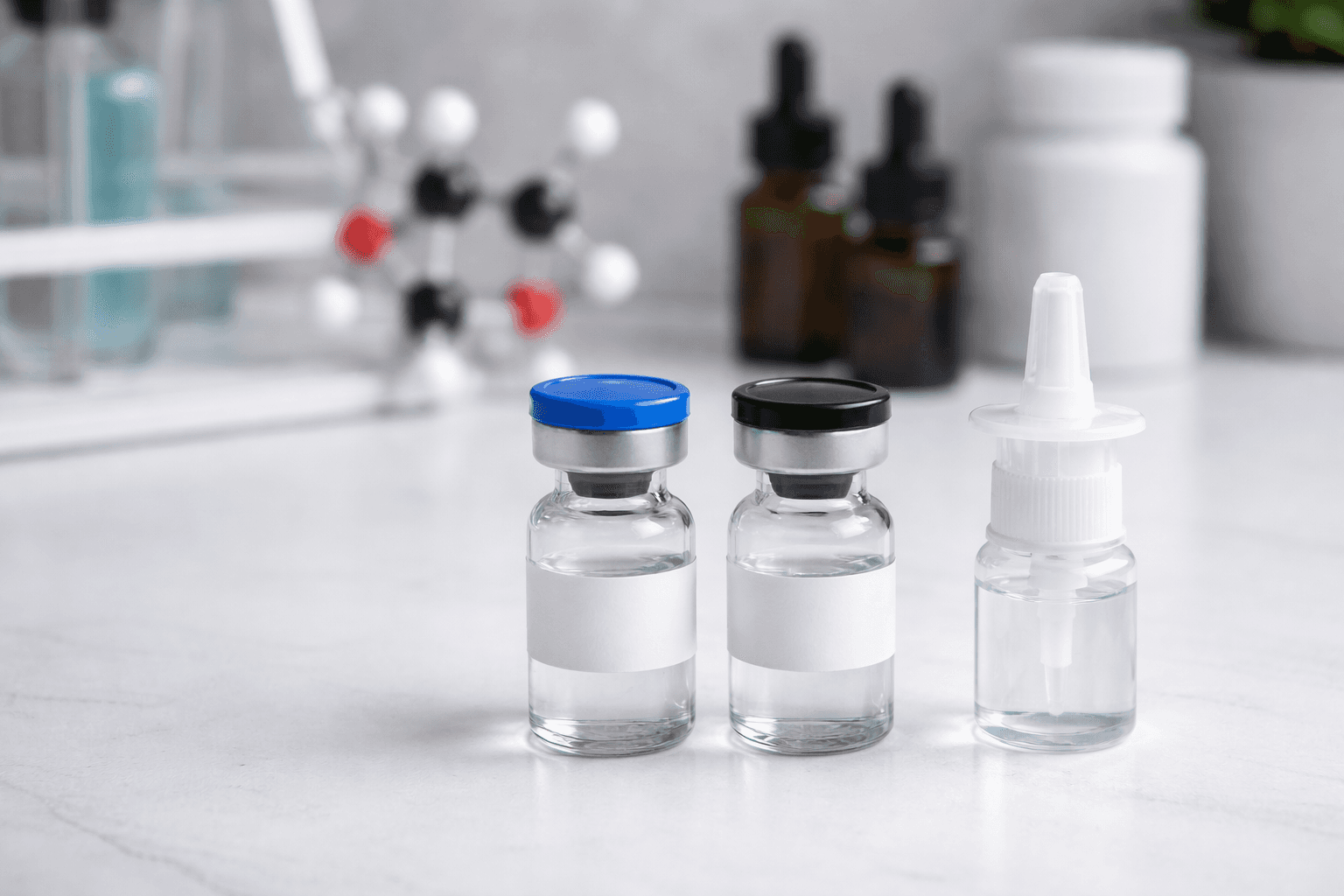
Your brain already knows how to learn faster, focus deeper, and recover from stress, it just needs the right signal.
That's the thinking behind Semax, a synthetic peptide developed by Russian neuroscientists that's been used clinically for over three decades to treat everything from stroke recovery to cognitive decline.
Unlike stimulants that simply rev up your nervous system, Semax works at the foundational level, increasing brain-derived neurotrophic factor (BDNF) and supporting the actual growth and protection of neurons.
The challenge with Semax isn't whether it works. Russian clinical data is remarkably consistent.
The challenge is finding accurate dosing information outside of Eastern Europe, where most of the research has been conducted and published in Russian-language journals.
This guide consolidates the available clinical protocols, translates them into practical terms, and provides dosing recommendations for different goals—whether you're looking for a cognitive edge during demanding work periods, neuroprotective support, or recovery from neurological stress.
What is Semax
Semax is a synthetic heptapeptide derived from a fragment of adrenocorticotropic hormone (ACTH). Its amino acid sequence is Met-Glu-His-Phe-Pro-Gly-Pro, often abbreviated as MEHFPGP.
The key distinction: Unlike full ACTH, which triggers cortisol release and hormonal cascades, Semax isolates the cognitive and neuroprotective effects without affecting cortisol levels. You get the brain benefits without the stress hormone consequences.
Development history: Semax was developed in the 1980s at the Institute of Molecular Genetics of the Russian Academy of Sciences. It gained official approval in Russia and has been included on the Russian List of Vital & Essential Drugs since 2011. It's prescribed for conditions including stroke recovery, traumatic brain injury, cognitive impairment, and optic nerve disease.
How it differs from other nootropics: Most cognitive enhancers work by modulating neurotransmitters like dopamine or acetylcholine directly. Semax works upstream—by increasing BDNF and supporting neuroplasticity, it enhances the brain's fundamental capacity to learn, adapt, and recover. This produces more sustainable cognitive improvements rather than temporary stimulation.
Legal status: Semax is a registered pharmaceutical in Russia and CIS countries. In the United States and most Western countries, it's sold as a research chemical and is not FDA-approved for human use. It's not currently on the WADA prohibited list, though this could change.
How Semax works
Understanding Semax's mechanisms helps explain why different dosing protocols exist for different goals.
BDNF upregulation
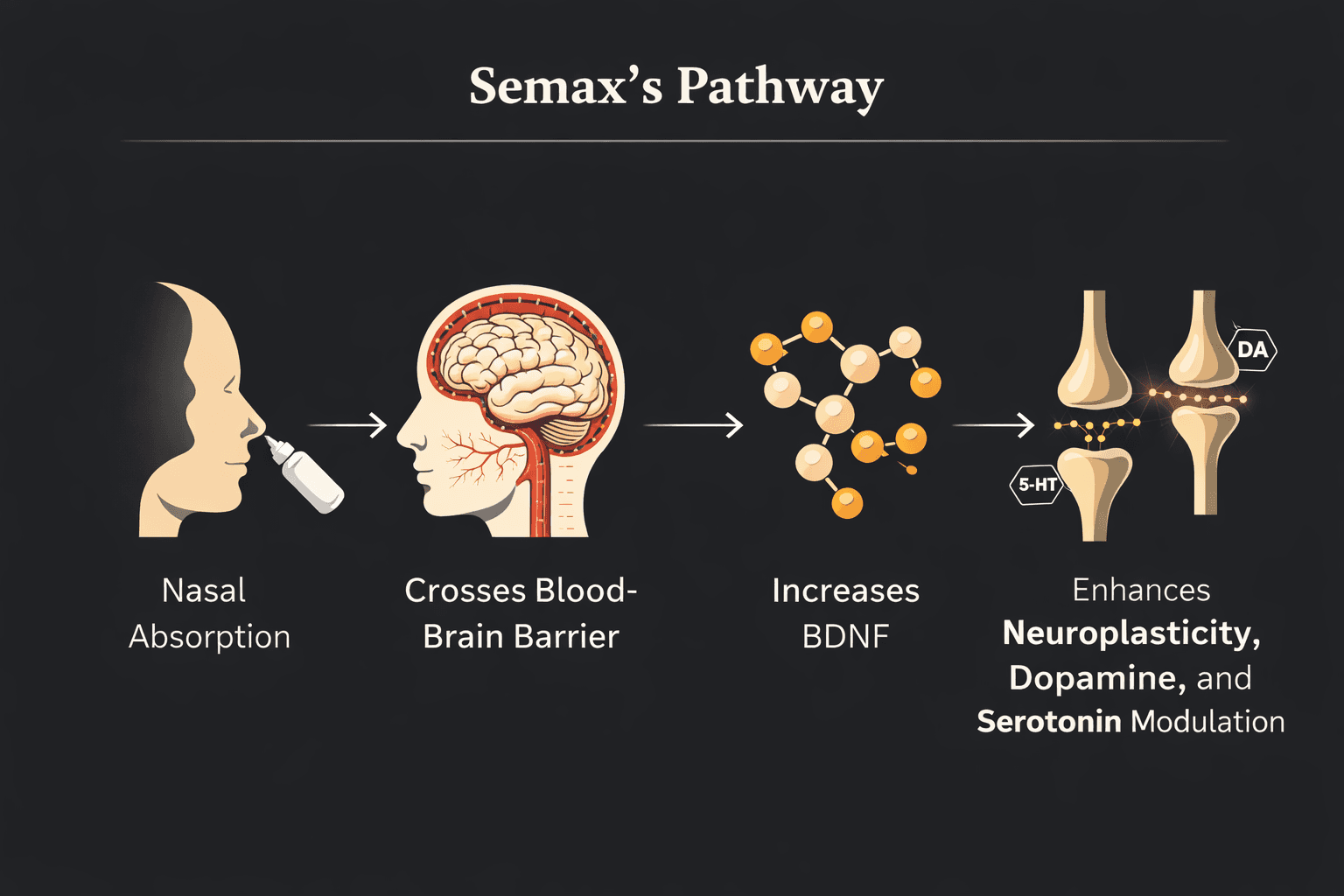
The primary mechanism behind Semax's effects is its ability to increase brain-derived neurotrophic factor (BDNF) expression.
BDNF is often called "fertilizer for the brain." It's a protein that supports the survival of existing neurons, encourages the growth of new neurons and synapses, and plays a critical role in learning, memory, and neuroplasticity.
Research shows Semax produces approximately a 1.4-fold increase in BDNF levels in the hippocampus within hours of administration. It also increases TrkB receptor expression (the receptor BDNF binds to), amplifying the effect.
Why this matters: Low BDNF is associated with depression, cognitive decline, and impaired learning. By boosting BDNF, Semax addresses cognitive enhancement at a foundational level rather than just masking symptoms.
Neurotransmitter modulation
Semax influences several neurotransmitter systems without being a direct agonist:
Dopamine: Semax activates dopaminergic pathways, increasing motivation, focus, and the sense of reward from accomplishment. This contributes to its ability to enhance attention and reduce mental fatigue.
Serotonin: Studies show intranasal Semax increases serotonin levels in the brain, contributing to mood stability and emotional resilience. Unlike SSRIs, this occurs without suppressing the natural cycling of serotonin.
Enkephalins: Semax inhibits enzymes that break down enkephalins—endogenous peptides involved in pain modulation, mood, and cognitive function. This may contribute to its mild mood-enhancing and potentially anxiolytic effects.
Neuroprotection
Beyond enhancement, Semax protects brain cells from various forms of damage:
Anti-inflammatory: Semax reduces pro-inflammatory cytokines in the brain, protecting against neuroinflammation.
Antioxidant: It reduces oxidative stress that can damage neurons.
Ischemic protection: In stroke models, Semax reduces infarct size and accelerates recovery by protecting neurons during and after oxygen deprivation.
Improved cerebral circulation: Semax enhances blood flow and oxygenation to brain tissue, improving nutrient delivery and waste removal.
This neuroprotective profile makes Semax valuable not just for enhancement but for recovery from brain injuries, chronic stress, and age-related cognitive decline.
What Semax is used for
Semax has both clinical applications (in Russia) and off-label uses in the nootropic community.
Cognitive enhancement
The most common use for Semax outside of clinical settings is improving cognitive performance:
Focus and concentration: Users report sustained attention without the jitteriness of stimulants. Effects are often described as "clean focus"—alert and engaged without feeling wired.
Memory and learning: Semax enhances both short-term and long-term memory formation. This makes it popular among students, researchers, and anyone in intensive learning periods.
Mental stamina: Reduced mental fatigue during extended work sessions. Users can maintain cognitive performance longer without the typical afternoon crash.
Creative work: Some users report improved ability to make connections and think flexibly—potentially related to enhanced neuroplasticity.
For those exploring peptides for energy and mental performance, Semax offers a unique mechanism that doesn't rely on stimulation.
Neuroprotection and recovery
Semax's clinical applications in Russia center on neurological recovery:
Stroke recovery: Used alongside standard treatment to accelerate restoration of cognitive and motor function after ischemic stroke.
Traumatic brain injury: Supports neuronal survival and recovery following physical brain trauma.
Cognitive decline: Used in patients with memory and attention disorders, including age-related cognitive impairment.
Optic nerve disease: Approved for treating glaucoma-related optic nerve damage, with protocols showing improved visual function.
Stress resilience
Semax enhances the brain's ability to cope with various stressors:
Cognitive performance under pressure: Maintains mental clarity during high-stress situations. Russian cosmonauts and military personnel have reportedly used Semax for this purpose.
Recovery from overtraining: Athletes experiencing mental exhaustion from intense training periods may benefit from Semax's neuroreparative effects.
Burnout support: By supporting neuroplasticity and neurotransmitter function, Semax may help reverse cognitive symptoms of chronic stress and burnout.
Mood support
While not primarily an anxiolytic, Semax can positively impact mood:
Reduced depressive symptoms: Via serotonin and dopamine modulation plus BDNF upregulation (low BDNF correlates strongly with depression).
Improved motivation: The dopaminergic effects contribute to drive and initiative.
Emotional stability: Users often report feeling more resilient and less reactive to daily stressors.
Note on anxiety: Some research suggests Semax may have anxiogenic (anxiety-increasing) effects in certain individuals, particularly those with pre-existing anxiety disorders. If anxiety is your primary concern, Selank may be a better choice.
Semax formulations
Understanding the different formulations helps you choose the right product and dose correctly.
Concentration percentages
In Russia, Semax is available in two standard concentrations:
0.1% Semax: The standard formulation used for cognitive enhancement, mental fatigue, and mild neuroprotection. Most nootropic users start here.
1% Semax: A ten-times stronger concentration reserved for clinical conditions like stroke recovery and serious neurological conditions. Not typically needed for cognitive enhancement.
Delivery format
Nasal drops (traditional Russian format): The original formulation comes as nose drops. One drop of 0.1% solution contains approximately 50 mcg of Semax.
Nasal spray: More common in Western markets. A standard 0.1% spray delivers approximately 100-300 mcg per pump, depending on the product. A 1% spray typically delivers 500 mcg per pump.
Lyophilized powder (for injection): Some users prefer subcutaneous injection, which provides more systemic effects and potentially stronger pain-relieving properties. Requires reconstitution.
Modified versions
N-Acetyl Semax: An acetylated version claimed to have improved stability and bioavailability. May require lower doses for equivalent effects.
N-Acetyl Semax Amidate (NASA): Further modified with amidation for even greater stability and potency. Users report it as more intense, requiring approximately 60-70% of the standard Semax dose.
Semax Amidate: Amidate modification without acetylation.
For those new to Semax, starting with standard Semax (not the modified versions) is recommended until you understand your individual response.
Semax dosing protocols
Dosing varies significantly based on your goals, the formulation, and administration route.
Intranasal dosing (most common)
Intranasal administration is the standard route for Semax, providing rapid absorption through the nasal mucosa directly to brain tissues.
General cognitive enhancement:
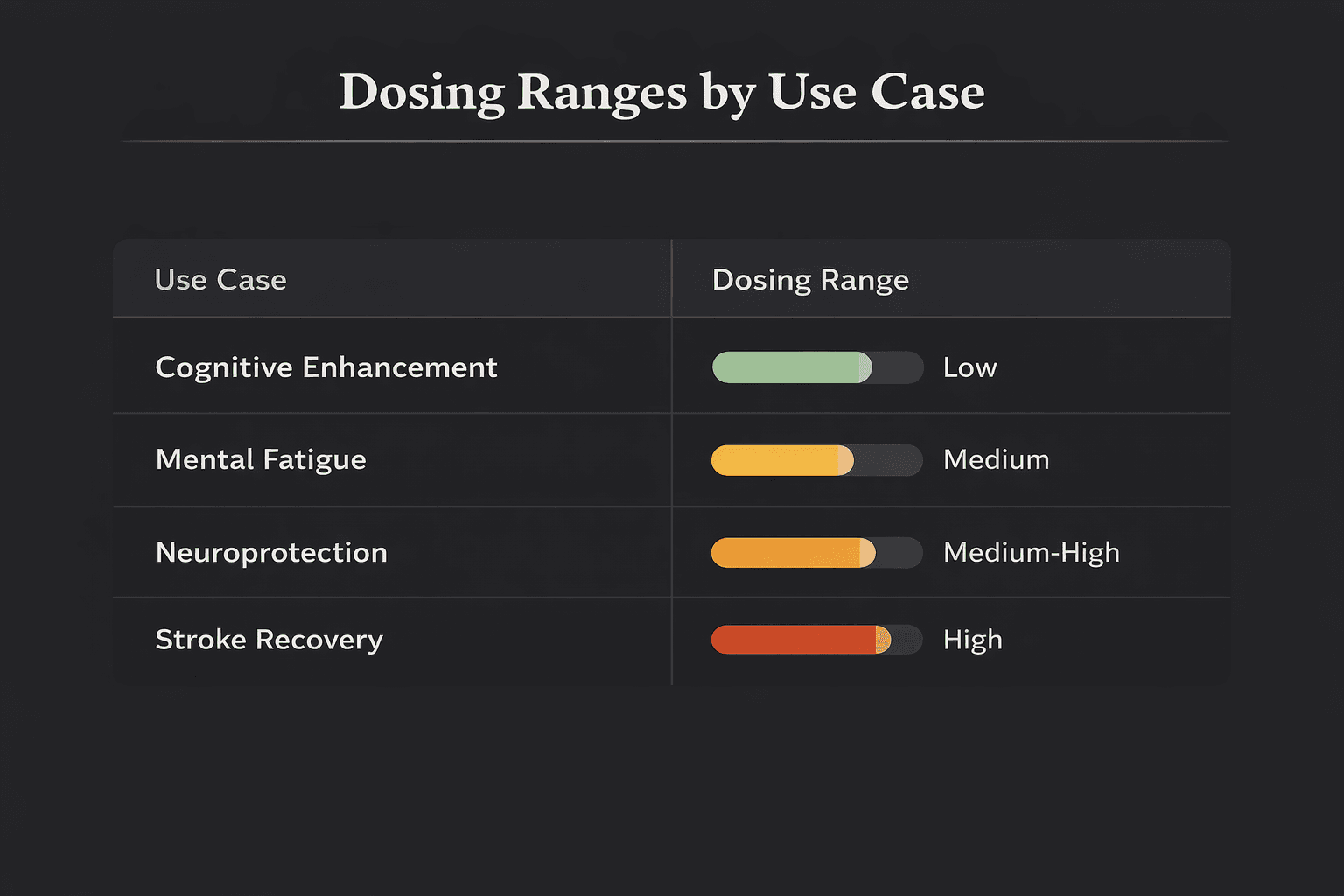
Daily dose: 300-600 mcg Timing: 1-2 administrations, morning and early afternoon Cycle length: 10-14 days Rest period: 1-3 months between cycles
Mental fatigue and high-demand periods:
Daily dose: 400-900 mcg Timing: Divided into 2-3 doses throughout the day Cycle length: 3-5 days (short-term) or up to 14 days (extended) Rest period: Equal to cycle length minimum
Russian clinical protocols (0.1% solution):
Mild cognitive issues: 200-400 mcg daily (2-3 drops per nostril, twice daily) for 30 days Memory impairment: 300 mcg daily (3 drops per nostril, twice daily) for 10 days Mental exhaustion: 400-900 mcg daily for 3-5 days Optic nerve disease: 600-900 mcg daily for 7-10 days
Russian clinical protocols (1% solution - for serious conditions):
Stroke recovery: 12,000 mcg (12mg) daily, divided into multiple doses, for 10 days Severe neurological conditions: Up to 18,000 mcg (18mg) daily
Conversion reference:
0.1% solution: 1 drop ≈ 50 mcg 0.1% spray: 1 pump ≈ 100-300 mcg (product-dependent) 1% spray: 1 pump ≈ 500 mcg
Subcutaneous injection dosing
Some users prefer subcutaneous injection, which provides more systemic absorption and potentially different effect profiles.
Cognitive enhancement:
Daily dose: 300-800 mcg once daily Timing: Morning, preferably fasted Cycle length: 4-8 weeks Rest period: Equal to cycle length
Reconstitution (for 10mg vial):
Add 3 mL bacteriostatic water Concentration: ~3.33 mg/mL At this concentration: 1 unit on insulin syringe ≈ 33 mcg
Example doses:
300 mcg = 9 units 500 mcg = 15 units 800 mcg = 24 units
Note: Injectable protocols are less well-established than intranasal. Research shows intranasal may be more effective specifically for nootropic benefits, while injection may provide better systemic effects.
Weight-based dosing
Some Russian research uses weight-based dosing:
Standard range: 0.015-0.050 mg/kg body weight
Examples:
70 kg person: 1,050-3,500 mcg (1-3.5 mg) daily 80 kg person: 1,200-4,000 mcg (1.2-4 mg) daily 90 kg person: 1,350-4,500 mcg (1.35-4.5 mg) daily
Weight-based dosing is more commonly used in clinical settings. For nootropic use, standard doses (300-900 mcg) work well regardless of body weight for most individuals.
Administration technique
For nasal spray:
Clear nasal passages gently before administration
Tilt head slightly back
Insert spray nozzle just inside nostril
Spray while gently inhaling
Avoid sniffing hard (can cause drainage to throat)
Alternate nostrils if using multiple sprays
Clean spray tip with alcohol wipe between uses
For drops:
Tilt head back
Apply drops directly to nasal mucosa (not down the nostril)
Remain tilted for 30-60 seconds
Avoid blowing nose for several minutes
Timing considerations:
Best taken in morning or early afternoon (can interfere with sleep if taken late) Can be taken with or without food Effects typically begin within 15-30 minutes Full cognitive effects may develop over several days of use
Semax cycle guidelines
Unlike many compounds, Semax is designed for cyclical use rather than continuous daily administration.
Why cycling matters
Semax works by upregulating BDNF and modulating neurotrophic signaling. With constant stimulation, these pathways can adapt and reduce responsiveness. Cycling prevents this adaptation and maintains Semax's effectiveness.
Recommended cycle structures
Short cycles (cognitive boost):
On: 5-10 days Off: 7-14 days Use: High-demand periods (exams, projects, deadlines)
Standard cycles (cognitive enhancement):
On: 10-14 days Off: 1-3 months Use: General nootropic benefit
Extended cycles (neuroprotection/recovery):
On: Up to 30 days Off: Equal to cycle length Use: Recovery from injury or chronic cognitive issues
Neurological conditions (clinical):
Multiple courses of 5-16 days 20-day intervals between courses Repeated as needed under medical supervision
Signs you need a break
Diminishing effects despite consistent dosing Increased side effects (headaches, irritability) Disrupted sleep patterns Feeling dependent on Semax for normal function
If you notice these signs, extend your off-period before resuming.
Stacking Semax with other compounds
Semax can be combined with other nootropics and peptides for enhanced or complementary effects.
Semax + Selank (most popular stack)
This combination is considered the gold standard for peptide-based cognitive optimization.
Rationale: Semax provides cognitive activation and focus while Selank provides calm stability and anxiety relief. Together, they create "calm focus"—alert and sharp without feeling wound up.
Protocol:
Semax: 300-600 mcg in the morning Selank: 300-600 mcg in the afternoon or when stress peaks Alternatively: Both can be taken together once familiar with individual responses
Why it works: Semax modulates dopamine and BDNF; Selank modulates GABA and reduces anxiety. Different mechanisms mean complementary rather than overlapping effects.
Considerations: Some products combine both peptides in a single spray. While convenient, this reduces dosing flexibility.
Semax + BPC-157
Rationale: BPC-157 provides systemic neuroprotection and anti-inflammatory effects that complement Semax's direct neurotropic actions.
Use case: Recovery from brain injury, chronic neuroinflammation, or overtraining syndrome.
Protocol:
Semax: Standard cognitive dosing (300-600 mcg intranasal) BPC-157: 250-500 mcg subcutaneously, twice daily
For detailed BPC-157 dosing, see our dedicated guide.
Semax + DSIP (Delta Sleep-Inducing Peptide)
Rationale: Semax can occasionally interfere with sleep. DSIP helps optimize sleep architecture, supporting memory consolidation that occurs during rest.
Use case: High-performance cognitive stacks where sleep quality is paramount.
Protocol:
Semax: Morning only DSIP: 30-60 minutes before bed
Semax + Lion's Mane
Rationale: Lion's mane mushroom also increases NGF and BDNF through different mechanisms. The combination may provide enhanced neurotropic effects.
Protocol:
Semax: Standard dosing Lion's mane: 500-1000 mg daily (standardized extract)
Combinations to approach carefully
Semax + stimulants (caffeine, modafinil, amphetamines): Semax already modulates dopamine. Adding stimulants can lead to overstimulation, anxiety, or sleep disruption. If combining with caffeine, reduce your normal caffeine intake.
Semax + other dopaminergic compounds: Stacking multiple dopamine-affecting substances increases risk of side effects. Avoid combining Semax with high-dose L-tyrosine, mucuna pruriens, or similar compounds.
Semax + MAOIs: Theoretical interaction risk due to serotonergic and dopaminergic effects. Use caution and medical supervision.
For more combination strategies, see our peptide stacking guide.
Side effects and safety
Semax has an excellent safety profile in clinical studies, but side effects can occur.
Common side effects
Nasal irritation: The most frequently reported issue with intranasal administration. Symptoms include burning sensation, dryness, congestion, or runny nose. Usually mild and decreases with continued use.
Headaches: More common at higher doses or with dehydration. Often resolves with dose reduction and adequate water intake.
Sleep disturbance: If taken too late in the day, Semax can interfere with sleep. Avoid evening dosing.
Less common side effects
Increased anxiety or restlessness: Some individuals, particularly those with pre-existing anxiety, report worsened anxiety with Semax. If this occurs, reduce dose or discontinue.
Mood fluctuations: Brief emotional swings can occur as neurotransmitter systems adjust.
Blood pressure changes: Temporary increases reported at high doses. Monitor if you have hypertension.
Dizziness: Typically transient and related to initial adjustment.
Safety data
Clinical trials consistently report Semax as well-tolerated:
A 30-day trial in 36 glaucoma patients reported no adverse effects Multiple stroke recovery trials (up to 12mg daily) showed no serious adverse effects Long-term tolerability studies show no evidence of tolerance, dependence, or withdrawal
Important note: Most clinical data comes from Russian studies, some of which are only available in abstract form. While consistently positive, the total body of English-language safety data is smaller than for many Western pharmaceuticals.
Contraindications
Do not use Semax if you:
Are pregnant or breastfeeding (insufficient safety data) Have uncontrolled hypertension Have severe psychiatric conditions (particularly acute psychosis) Have known allergy to Semax or its components
Use with caution if you:
Have diabetes (Semax may increase blood glucose—monitor levels) Have anxiety disorders (may worsen anxiety in some individuals) Are taking psychiatric medications (potential interactions) Have a history of seizures
Drug interactions
Semax affects multiple neurotransmitter systems, creating potential for interactions:
SSRIs/SNRIs: Combined serotonergic effects—monitor for symptoms of serotonin syndrome
MAOIs: Avoid combination due to catecholamine and serotonin interactions
Antipsychotics: May reduce Semax effectiveness or vice versa
Other nasal medications with vasoconstrictive effects: Avoid concurrent use
For a broader overview of peptide safety, see our peptide safety and risks guide.
Semax vs Selank comparison
These two Russian-developed peptides are often mentioned together but serve different purposes.
Factor | Semax | Selank |
|---|---|---|
Primary effect | Cognitive enhancement | Anxiety relief |
Classification | Nootropic | Anxiolytic |
BDNF effect | Strong upregulation | Moderate upregulation |
Dopamine | Increases | Minimal effect |
GABA | Minimal effect | Primary modulation |
Serotonin | Increases | Modulates |
Feel | Sharp, focused, alert | Calm, stable, clear |
Best for | Memory, learning, focus | Stress, anxiety, mood |
Energy impact | Mildly stimulating | Neutral (no sedation) |
Anxiety impact | May increase in some | Decreases |
Cycle length | 5-14 days typical | 10-21 days typical |
When to choose Semax:
You need enhanced focus and learning capacity Mental fatigue is your primary issue You don't have significant anxiety You want cognitive enhancement under pressure
When to choose Selank:
Anxiety or stress is affecting your performance You need calm mental clarity (not activation) Sleep quality is important You want mood stability
When to stack both:
You want calm focus without overstimulation High-pressure situations requiring both clarity and composure Balancing cognitive enhancement with stress management
Storage and handling
Proper storage maintains Semax's effectiveness.
Storage requirements
Lyophilized powder (before reconstitution):
Store frozen at -20°C (-4°F) for long-term storage Stable at refrigerator temperature (2-8°C) for several months Avoid freeze-thaw cycles
Reconstituted solution or nasal spray:
Refrigerate at 2-8°C (35-46°F) Protect from light Do not freeze reconstituted solution Shelf life: approximately 28 days after reconstitution
Commercial nasal sprays:
Follow manufacturer instructions Most require refrigeration after opening Typical shelf life: 30-60 days after opening
Signs of degradation
Cloudiness or particulate matter Color change Reduced effectiveness Unusual odor
If any of these occur, discard the product.
For comprehensive storage guidance, see our peptide storage guide.
Expected results timeline
Results vary by individual and dosing protocol, but general patterns emerge.
Acute effects (within hours)
Some users notice effects within 15-30 minutes of administration:
Increased mental clarity Improved focus and attention Subtle mood elevation Reduced mental fog
These acute effects peak around 1-3 hours and can last 6-8 hours or longer.
Short-term effects
With consistent use over 5-14 days:
Significant improvement in focus and concentration Enhanced memory formation and recall Better learning capacity Increased mental stamina Improved mood stability
Cumulative effects
Benefits that develop with repeated cycles:
Increased stress resilience Better baseline cognitive function Improved neuroplasticity Faster recovery from mental fatigue
What to expect realistically
Semax isn't a limitless pill. You won't suddenly develop genius-level abilities. What most users report:
10-30% improvement in focus and sustained attention Noticeably easier time learning new information Less mental fatigue during demanding periods Better mood and motivation Clearer thinking under stress
These benefits are meaningful but not miraculous. Semax works best as part of an optimized lifestyle that includes good sleep, nutrition, and cognitive engagement.
Frequently asked
How quickly does Semax work?
Initial effects can be noticed within 15-30 minutes of intranasal administration. Full cognitive benefits typically develop over several days of consistent use.
Can I use Semax long-term?
Semax is designed for cyclical use, not continuous long-term use. Most protocols recommend 10-14 days on, followed by 1-3 months off. Extended continuous use may reduce effectiveness.
Is Semax safe with caffeine?
Yes, but reduce your normal caffeine intake. Semax already has mild stimulating properties. Combining with high caffeine can lead to overstimulation or anxiety.
Which is better, nasal spray or injection?
For cognitive enhancement, research suggests intranasal is optimal because it delivers Semax directly to brain tissue. Injection provides more systemic effects but may have different cognitive benefits.
Does Semax cause dependency?
No. Clinical data shows no evidence of tolerance, dependence, or withdrawal symptoms with Semax, even with extended use.
Can I use Semax every day?
During a cycle (typically 10-14 days), daily use is standard. However, indefinite daily use is not recommended due to potential adaptation of neurotropic pathways.
Why doesn't Semax affect cortisol like ACTH?
Semax is derived from ACTH(4-10), a fragment that retains cognitive and neuroprotective effects but not the hormonal signaling portion (ACTH 1-3) that triggers cortisol release.
Is N-Acetyl Semax better than regular Semax?
N-Acetyl versions may have improved stability and potency, but standard Semax has more clinical research behind it. Start with standard Semax before trying modified versions.
Does Semax help with ADHD?
Some research suggests potential benefits for attention and focus that could help with ADHD symptoms. However, it's not an approved treatment, and anyone with ADHD should discuss peptide use with their healthcare provider.
Can Semax help with depression?
Semax's BDNF-increasing and serotonin-modulating effects could theoretically help with depression, and some users report mood benefits. However, it's not a substitute for proper depression treatment.
The bottom line on Semax dosing
Semax is one of the most research-backed nootropic peptides available, with decades of clinical use in Russia supporting its cognitive and neuroprotective effects.
Key dosing takeaways:
Start low: 300 mcg daily for first-time users Standard range: 300-600 mcg daily for cognitive enhancement Higher doses: 600-900 mcg daily for mental fatigue or intensive cognitive demands Cycle: 10-14 days on, 1-3 months off Administration: Intranasal is standard and most effective for cognitive benefits Timing: Morning or early afternoon to avoid sleep disruption
Best practices:
Use cyclically, not continuously Start with standard Semax before trying modified versions Stack with Selank for balanced cognitive enhancement Avoid evening dosing Stay hydrated to minimize headaches Take breaks if effects diminish
Semax works best for:
Students during intensive study periods Professionals with demanding cognitive work Those recovering from mental fatigue or burnout Anyone seeking neuroprotection alongside enhancement High-performers needing sustained focus under pressure
Calculate your complete peptide protocol with our peptide calculator.
Related guides
Best peptide for energy – Energy-boosting peptide options
Peptide stacks guide – How to combine peptides safely
Peptide safety and risks – Understanding peptide safety
BPC-157 dosing guide – Complete BPC-157 protocols
In case I don’t see you, good afternoon, good evening, and good night. Take care of yourself.