Feb 11, 2026
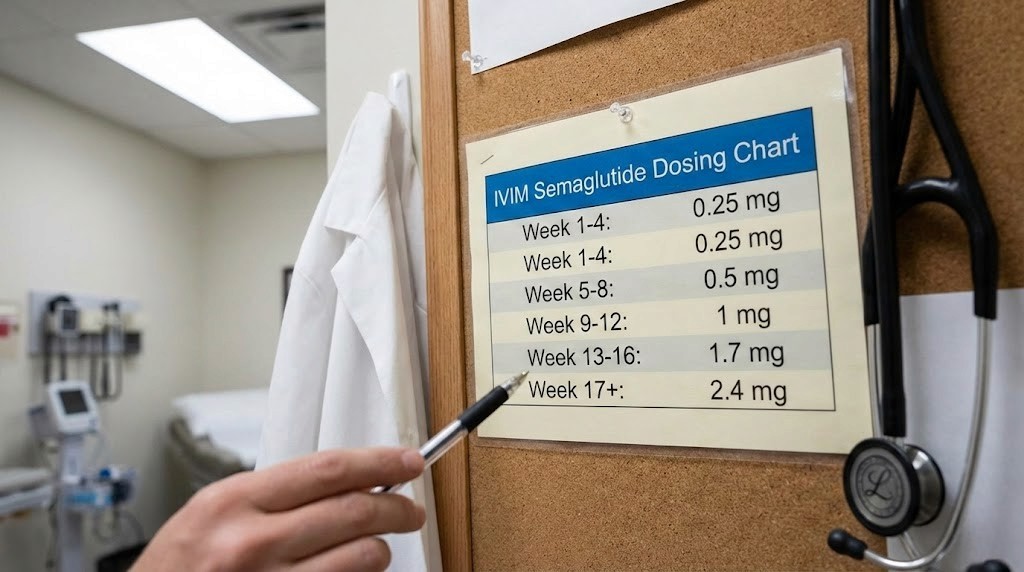
Experienced researchers know something beginners do not about IVIM Health dosing protocols. The standard semaglutide titration chart looks simple enough on paper. Five dose tiers. A weekly injection. Gradual increases over four to five months. But the real difference between mediocre results and the 21.8% total body weight loss demonstrated in IVIM clinical data comes down to how you navigate each tier, when you hold at a dose, and how you manage the side effects that trip up nearly a third of all patients during escalation.
That distinction matters more than most people realize.
IVIM Health, founded by Dr. Taylor Kantor, has built one of the largest telehealth semaglutide programs in the country, with over 25,000 five-star Trustpilot reviews and a peer-reviewed clinical study involving 1,131 patients tracked over 68 weeks. Their dosing chart follows the familiar GLP-1 receptor agonist titration model, but the way they implement it through individualized virtual integrative medicine adds layers of personalization that generic charts simply cannot replicate. If you are considering their program, already enrolled, or simply trying to understand how their protocol compares to other compounded semaglutide dosing charts, this guide breaks down every detail you need.
We will walk through each dose tier in the IVIM protocol, examine the clinical evidence behind their results, compare compounded versus branded semaglutide outcomes, explain injection preparation and administration, cover side effect management during escalation, and provide the unit-to-milligram conversions that make compounded vials less confusing. SeekPeptides has compiled this resource from published research data, patient-reported outcomes, and the actual IVIM titration framework to give you the most complete reference available. Whether you are converting doses from milligrams to milliliters or trying to understand how fast semaglutide works within this specific program, everything is here.
What is IVIM Health and how does their semaglutide program work
IVIM stands for Individualized Virtual Integrative Medicine. The company was founded in 2021 by Dr. Taylor Kantor with a specific mission: make GLP-1 receptor agonist therapy accessible through telehealth while maintaining the clinical rigor of in-person weight management programs. That vision has scaled into one of the largest virtual semaglutide providers operating in the United States, serving patients across multiple states through licensed physicians who specialize in metabolic health and obesity medicine.
The program structure is straightforward. Patients pay a monthly membership fee of $74.99, which covers provider consultations, ongoing medical oversight, and access to what IVIM calls their GLP-1 ID program for precision dosing. Medication costs are separate, starting at $99 per month for compounded semaglutide sourced from FDA-inspected compounding pharmacies. This pricing model makes the therapy substantially more accessible than branded alternatives like Wegovy, which typically run between $900 and $1,500 per month without insurance coverage.
Here is what the program actually includes.
When you enroll, a licensed provider reviews your medical history, current medications, and weight loss goals. They order baseline labs if necessary and determine whether semaglutide is appropriate for your situation. If approved, you receive a prescription for compounded semaglutide, which ships directly to your home. The medication arrives as a multi-dose vial with syringes, requiring you to draw up each dose manually rather than using a pre-filled pen like you would with branded Wegovy. Understanding semaglutide mixing charts and proper reconstitution techniques becomes essential for anyone using compounded formulations through IVIM or any other provider.
Monthly check-ins with your provider allow for dose adjustments based on your response, side effect profile, and weight loss trajectory. This is where the "individualized" part of IVIM comes in. Rather than rigidly following a one-size-fits-all chart, providers can hold you at a dose that is working, slow the titration if side effects are problematic, or accelerate the schedule if you are tolerating the medication well without adequate weight loss. The semaglutide dosage calculator at SeekPeptides can help you understand how different dose levels translate to actual injection volumes based on your specific vial concentration.
The clinical legitimacy of the IVIM program is backed by something most telehealth weight loss providers cannot claim: a peer-reviewed study. Published research on 1,131 IVIM patients tracked over 68 weeks showed an average total body weight loss of 21.8%, with 99.2% of participants achieving at least 5% weight loss by week 52. These are numbers that rival, and in some cases exceed, the results seen in the landmark STEP trials for branded semaglutide. We will examine that data in detail later in this guide.
The complete IVIM semaglutide dosing chart
The IVIM semaglutide titration protocol follows a five-tier escalation schedule designed to minimize gastrointestinal side effects while gradually building toward the therapeutic maintenance dose. Each tier lasts approximately four weeks, though your provider may adjust timing based on individual tolerability and response. This is the standard framework that most IVIM patients follow, though your actual experience may differ based on medical guidance.
Phase | Weeks | Weekly dose | Purpose | Common experience |
|---|---|---|---|---|
Tier 1 | 1-4 | 0.25 mg | Initial tolerance assessment | Mild appetite reduction, minimal side effects |
Tier 2 | 5-8 | 0.5 mg | Early therapeutic range | Noticeable appetite suppression, possible nausea |
Tier 3 | 9-12 | 1.0 mg | Mid-range therapeutic dose | Significant appetite changes, accelerated weight loss |
Tier 4 | 13-16 | 1.7 mg | Advanced therapeutic range | Strong appetite suppression, potential GI adjustment |
Tier 5 | 17+ | 2.4 mg | Full maintenance dose | Maximum therapeutic effect, stabilized side effects |
This chart represents the standard escalation. Not every patient reaches the 2.4 mg maintenance dose. Some patients achieve their desired results at 1.0 mg or 1.7 mg and stay there. Others need the full 2.4 mg to see meaningful appetite suppression and weight loss. The IVIM provider model is designed to make these decisions collaboratively, adjusting based on your specific response rather than forcing you through a rigid schedule.
For anyone working with compounded semaglutide vials, understanding how these milligram doses translate to actual injection volumes is critical. The conversion depends entirely on your vial concentration. A 5 mg vial reconstituted with 2 mL of bacteriostatic water produces a different concentration than a 10 mg vial mixed with the same volume. We cover the full conversion math later in this guide, but the key takeaway is this: always verify your concentration before drawing up any dose, and use a unit conversion chart specific to your vial strength.
Week-by-week breakdown of the titration schedule
Weeks one through four at 0.25 mg per week serve as the body introduction phase. You are not expected to see dramatic weight loss during this period. The purpose is to let your GLP-1 receptors begin adapting to exogenous stimulation while giving your gastrointestinal system time to adjust. Most patients report mild appetite changes, occasional nausea, and sometimes a slight decrease in food noise, that persistent background chatter about what to eat next.
Weeks five through eight at 0.5 mg is where most people start feeling the medication work. Appetite suppression becomes more noticeable. Portion sizes naturally decrease. Some patients report feeling full after just a few bites of a meal, something they have not experienced since childhood. The IVIM clinical data shows that by week 12, patients had already lost an average of 14.9 pounds, which represents 6.5% of their starting body weight. Much of that early loss happens during this second tier as the therapeutic dose begins taking effect. If you are curious about how long semaglutide takes to suppress appetite, most IVIM patients notice meaningful changes somewhere in this five-to-eight-week window.
Weeks nine through twelve at 1.0 mg mark the entry into the mid-range therapeutic zone. This is where the weight loss curve steepens for most patients. The semaglutide dosing chart in units becomes particularly important at this stage because the jump from 0.5 mg to 1.0 mg represents a doubling of the dose, the largest relative increase in the entire titration schedule. Side effects may resurface temporarily as your body adjusts to the higher concentration. Nausea, constipation, and fatigue are the most commonly reported symptoms during this transition.
Weeks thirteen through sixteen at 1.7 mg push into the advanced therapeutic range. Many patients find their sweet spot here. The appetite suppression is substantial, weight loss is consistent, and side effects have often stabilized. Some IVIM providers recommend staying at 1.7 mg if the patient is meeting weight loss goals and tolerating the medication well. There is no clinical mandate to escalate to the maximum dose if a lower dose is achieving the desired outcome.
Week seventeen and beyond at 2.4 mg represents the full maintenance dose. This is the same dose used in the STEP clinical trials for branded semaglutide (Wegovy), and it is where maximum GLP-1 receptor activation occurs. The IVIM data shows continued weight loss beyond week 17, with patients averaging 45.95 pounds lost by week 52 and 46.9 pounds by week 68. That continued loss even after reaching maintenance suggests that the metabolic benefits of semaglutide compound over time, particularly when combined with comprehensive weight management strategies.
Understanding each dose tier in the IVIM protocol
Each dose level in the IVIM semaglutide protocol serves a distinct physiological purpose. Understanding what is happening in your body at each tier helps you set realistic expectations, recognize normal versus concerning side effects, and communicate more effectively with your provider about whether to hold, escalate, or adjust. Let us break down each tier in detail, covering the pharmacology, the typical patient experience, and the clinical rationale for the specific dose.
Tier 1: the 0.25 mg introduction phase
At 0.25 mg per week, semaglutide is operating below its full therapeutic threshold. Think of this as a handshake between the medication and your GLP-1 receptors. The drug is binding, activating pathways, and beginning to influence insulin secretion, gastric emptying, and appetite signaling, but at a level designed primarily for tolerance assessment rather than aggressive weight loss.
Most patients notice subtle changes. Food does not occupy as much mental space. You might push your plate away slightly sooner at dinner. Cravings for hyperpalatable foods, the salty, sweet, and fatty combinations that drive overeating, start losing some of their pull. But these changes are gentle. If you are expecting a dramatic transformation in week one, recalibrate. The IVIM protocol intentionally starts low because the safety profile of GLP-1 agonists improves significantly when the body has time to adapt.
Side effects during tier 1 are typically minimal. Some patients report mild nausea, particularly in the 24 to 48 hours following their injection. Others notice slight constipation or fatigue. These symptoms usually resolve within the first two weeks as receptor sensitivity normalizes. If you experience severe nausea or vomiting at this dose, it is important to contact your IVIM provider because strong reactions at the lowest tier may indicate a need for a modified titration approach.
Tier 2: the 0.5 mg early therapeutic phase
Doubling from 0.25 mg to 0.5 mg is the first significant step up. This is where semaglutide enters the early therapeutic range, meaning the dose is now high enough to produce measurable clinical effects in most patients. GLP-1 receptor activation reaches a level that meaningfully slows gastric emptying, amplifies insulin response to food intake, and strengthens the satiety signals reaching your hypothalamus.
The practical experience at 0.5 mg varies widely. Some patients describe it as a revelation. Suddenly, they can sit through a meal without thinking about seconds. They walk past the kitchen at night without opening the refrigerator. Food is still enjoyable, but the compulsive urgency around eating fades. Other patients notice the change is more gradual, a slow dimming of food noise rather than a sudden switch being flipped.
Weight loss typically accelerates during this phase. The IVIM clinical study demonstrated average weight loss of 14.9 pounds (6.5% of body weight) by week 12, and much of that trajectory is established during the tier 2 period. Patients using the semaglutide dosage calculator at this stage can track their progress against expected milestones to determine whether the current dose is sufficient or whether escalation is likely needed.
Nausea is more common at 0.5 mg than at 0.25 mg. The IVIM data shows 27.2% of their total patient cohort reported side effects, with nausea and constipation being the most frequent complaints. Eating smaller, more frequent meals, avoiding high-fat foods, and staying hydrated can significantly reduce GI discomfort during this transition. For detailed strategies, our guide on semaglutide with B12 covers how the addition of vitamin B12, which many compounded formulations include, may help with energy levels and nausea management.
Tier 3: the 1.0 mg mid-range breakthrough
One milligram weekly is where many IVIM patients hit their stride. The dose provides robust GLP-1 receptor activation, producing strong appetite suppression, meaningful changes in food preferences, and consistent weekly weight loss in the 1.5 to 3 pound range for most patients. This is often considered the minimum effective therapeutic dose for significant weight management.
The transition from 0.5 mg to 1.0 mg deserves special attention because it represents a 100% increase, the largest relative jump in the entire protocol. Your body is suddenly receiving twice the medication it was processing the previous week. For this reason, the four-week period at each tier is not arbitrary. It gives hepatic enzymes, receptor density, and gastrointestinal motility time to calibrate to the new level before escalating further.
At 1.0 mg, many patients begin noticing effects beyond appetite. Food preferences shift. Previously irresistible foods start seeming less appealing. Alcohol tolerance may decrease. Energy levels often improve as body weight drops and metabolic efficiency increases. These changes reflect the systemic nature of GLP-1 receptor activation, which extends well beyond the gut to influence reward circuitry in the brain, hepatic glucose output, and cardiovascular function.
For patients using compounded semaglutide through IVIM, the 1.0 mg dose requires careful attention to injection volumes. Depending on your vial concentration, this might mean drawing up a different volume than you have been using. Cross-referencing a semaglutide syringe dosage chart with your specific vial strength ensures accuracy. Even small measurement errors at this dose level can result in under-dosing or over-dosing, both of which affect your results and side effect profile.
Tier 4: the 1.7 mg advanced range
The jump to 1.7 mg is smaller in relative terms than the previous escalation, going from 1.0 to 1.7 rather than doubling. But clinically, this dose pushes into territory where appetite suppression becomes quite pronounced. Patients at this level frequently describe eating as more of a task than a pleasure, sometimes needing to remind themselves to eat rather than battling cravings.
This shift in relationship with food is both the benefit and the challenge of higher-dose semaglutide. The benefit is obvious: reduced caloric intake drives continued weight loss. The challenge is ensuring adequate nutrition. Patients at 1.7 mg and above need to prioritize protein intake, typically aiming for 1.0 to 1.2 grams per kilogram of target body weight daily, to preserve lean muscle mass during rapid weight loss. Our guide on peptides for weight loss and muscle gain explores this balance in more detail.
Many IVIM providers consider 1.7 mg a natural holding point for patients who are responding well. If you are losing 1 to 2 pounds per week consistently and tolerating the medication without significant side effects, there may be no reason to escalate to the full 2.4 mg dose. The principle of minimum effective dose applies here. Higher is not always better with GLP-1 agonists, because each dose increase brings incrementally higher side effect risk alongside incrementally higher efficacy.
Tier 5: the 2.4 mg maintenance dose
The 2.4 mg weekly dose represents maximum approved therapeutic dosing for semaglutide in weight management. This is the dose studied in the STEP trials and the dose at which the most dramatic weight loss outcomes have been documented. In the IVIM study, patients who reached full maintenance doses and remained compliant through week 68 achieved an average of 21.8% total body weight loss, translating to roughly 46.9 pounds from an average starting weight of 228 pounds.
At 2.4 mg, GLP-1 receptor activation is near maximum. Gastric emptying is significantly delayed, satiety signals are powerful, and the neurological effects on food reward pathways are fully engaged. Some patients describe food as becoming almost irrelevant, a neutral necessity rather than a source of emotional comfort or compulsive behavior. For individuals who have struggled with obesity driven by food addiction or binge eating patterns, this pharmacological reset can be transformative.
Not everyone needs or tolerates 2.4 mg. The IVIM model accounts for this by allowing flexible dosing. If 1.7 mg is producing adequate weight loss and you are experiencing significant side effects at 2.4 mg, stepping back to the lower dose is a perfectly valid clinical decision. Weight management is a marathon, not a sprint, and sustainability matters more than hitting the highest possible dose. The question of how long you stay on semaglutide depends heavily on finding the dose that balances efficacy with quality of life.
IVIM clinical results and what the research shows
What separates IVIM from most telehealth weight loss programs is data. Real, published, peer-reviewed data from their actual patient population, not cherry-picked testimonials or theoretical projections based on other provider research. The IVIM clinical study represents one of the largest real-world analyses of compounded semaglutide outcomes ever conducted, and the results are genuinely impressive.
Study design and patient demographics
The study followed 1,131 IVIM patients over 68 weeks. This is a substantial sample size for a real-world clinical analysis, providing statistical power that single-provider case series simply cannot match. The patient population reflected the typical profile of individuals seeking medical weight management: average starting weight of 228.25 pounds, average BMI of 37.25, 89.5% female, and 10.5% male.
One important detail: 95.4% of the study participants used compounded semaglutide, while only 4.6% used branded formulations. This makes the IVIM study particularly relevant for the compounded semaglutide market, where outcome data has historically been limited. Most of the clinical evidence for semaglutide weight loss comes from the STEP trials, which exclusively used branded Wegovy (and its clinical trial predecessor Ozempic at varying doses). The IVIM study provides crucial real-world evidence that compounded formulations can deliver comparable results, a finding with significant implications for anyone exploring compounded semaglutide dosing.
Weight loss milestones by timeframe
The data tells a compelling story of progressive weight loss that accelerates during the first six months and then gradually decelerates as patients approach their nadir weight. Here are the milestone averages from the IVIM cohort.
Timepoint | Average weight loss (lbs) | Percentage of body weight | Cumulative trajectory |
|---|---|---|---|
12 weeks | 14.9 lbs | 6.5% | Rapid initial response |
24 weeks | 28.6 lbs | 12.6% | Accelerating loss phase |
36 weeks | 36.8 lbs | 16.4% | Sustained momentum |
52 weeks | 45.95 lbs | 19.5% | Approaching plateau |
68 weeks | 46.9 lbs | 21.8% | Near maximum response |
Several things stand out. First, the 12-week result of 14.9 pounds lost means patients are seeing meaningful results while still in the earlier dose tiers, before most have even reached the 1.7 mg or 2.4 mg maintenance range. This suggests that even lower doses of semaglutide produce clinically significant outcomes when combined with the kind of provider oversight IVIM offers. For perspective on early response timelines, our analysis of how fast semaglutide works provides additional context.
Second, the 24-week mark at 28.6 pounds (12.6%) represents the inflection point where weight loss is most rapid. This corresponds to patients being in the 1.0 to 1.7 mg dose range, suggesting these mid-tier doses may offer the best efficiency ratio between weight loss velocity and side effect burden.
Third, the gap between week 52 (45.95 lbs) and week 68 (46.9 lbs) is small, less than one additional pound. This does not mean the medication stops working. Rather, it reflects the natural deceleration that occurs as patients approach a new metabolic equilibrium. The body adapts. Metabolic rate adjusts to lower body weight. The caloric deficit narrows. This is normal physiology, not treatment failure.
Achievement thresholds and success rates
The IVIM study also reported the percentage of patients achieving specific weight loss thresholds at 52 weeks, and these numbers are remarkable.
99.2% of patients achieved at least 5% total body weight loss. That is near-universal response. 93.9% achieved 10% or more. 73.5% hit the 15% threshold. And 47.8%, nearly half the entire cohort, lost 20% or more of their starting body weight. These success rates compare favorably to the STEP 1 trial results for branded semaglutide, where 86.4% achieved 5% loss and 50.5% achieved 15% loss at 68 weeks.
The fact that a real-world telehealth cohort using primarily compounded semaglutide achieved success rates on par with, or exceeding, controlled clinical trials is significant. It suggests that the combination of effective medication, regular provider oversight, and patient accountability through virtual check-ins creates a treatment framework that works in clinical practice, not just in tightly controlled research settings.
Safety and side effect profile
The safety data from the IVIM study is reassuring but worth examining in detail. Overall, 27.2% of the cohort reported side effects. The most common were constipation (203 patients), nausea (176 patients), and fatigue (135 patients). These are the same gastrointestinal side effects documented in every major semaglutide trial, and they are consistent with the mechanism of action. GLP-1 agonists slow gastric emptying and alter gut motility. Digestive adjustments are expected.
What is more notable is the adverse event rate: only 1.7% of the entire cohort experienced adverse events significant enough to be specifically documented. This extremely low rate speaks to the value of the gradual titration protocol. By starting at 0.25 mg and escalating slowly over 16+ weeks, the body has adequate time to adapt at each dose level, reducing the likelihood of severe reactions that can occur with rapid escalation. Understanding peptide safety and risk profiles across different compounds provides helpful context for evaluating these numbers.
Compounded semaglutide through IVIM versus branded alternatives
One of the most important questions facing anyone considering the IVIM program is whether compounded semaglutide delivers results comparable to branded formulations like Wegovy. This is not an academic question. The price difference is enormous. Branded semaglutide runs $900 to $1,500 per month without insurance, while compounded versions through IVIM start at $99 per month. If the outcomes are similar, the value proposition of compounded semaglutide becomes overwhelming.
What the IVIM data shows about compounded versus branded outcomes
The IVIM clinical study directly addressed this question by comparing outcomes between the 95.4% of patients using compounded semaglutide and the 4.6% using branded formulations. The result: no statistically significant difference in weight loss outcomes between the two groups (p=0.39). This means that at the standard threshold for statistical significance (p less than 0.05), the study could not detect a meaningful difference in efficacy between compounded and branded semaglutide.
This finding is consistent with what pharmacology would predict. Compounded semaglutide contains the same active molecule as branded Wegovy. The amino acid sequence is identical. The mechanism of action is identical. What differs is the manufacturing process, the delivery format (vial versus pre-filled pen), and the regulatory pathway. Compounded medications are prepared by licensed compounding pharmacies under federal and state regulations, while branded medications go through the full FDA approval process with large-scale Phase III trials.
For patients weighing the compounded semaglutide with B12 option against branded alternatives, the IVIM data provides the strongest real-world evidence yet that outcomes are comparable. The caveat is that compounded formulations require manual dose preparation, meaning patients need to understand semaglutide reconstitution and proper injection technique, topics we cover in the next section.
The regulatory landscape for compounded semaglutide
Compounded semaglutide occupies a specific regulatory niche. It is not FDA-approved as a product, but it is legal under federal law when prepared by registered compounding pharmacies for patients with valid prescriptions. The FDA declared the semaglutide shortage officially ended in February of 2025, which has implications for the compounding market that are still evolving.
IVIM sources their compounded semaglutide from FDA-inspected compounding pharmacies, which means these facilities undergo regulatory oversight even though the specific compounded product has not gone through the FDA approval process. This distinction matters. An FDA-inspected compounding pharmacy operates under enforceable quality standards, including sterility testing, potency verification, and environmental controls that mirror many aspects of commercial pharmaceutical manufacturing.
The practical difference for patients comes down to format and convenience. Branded Wegovy arrives as a pre-filled pen with preset doses, requiring no measurement or calculation. Compounded semaglutide arrives as a vial with separate syringes, requiring patients to calculate and draw up each dose manually. This is where resources like the semaglutide 5 mg 2 mL dosage chart and the syringe conversion chart become essential tools for accurate dosing.
Cost comparison breakdown
The financial reality of semaglutide therapy cannot be ignored. Weight management with GLP-1 agonists is a long-term commitment, often extending 12 months or longer, and the cumulative cost difference between compounded and branded formulations is substantial.
Factor | IVIM compounded semaglutide | Branded Wegovy |
|---|---|---|
Monthly medication cost | Starting at $99/month | $900-$1,500/month |
Membership/provider fee | $74.99/month | Varies by provider |
12-month total (estimated) | ~$2,088-$2,700 | $10,800-$18,000 |
Delivery format | Vial + syringe | Pre-filled pen |
Dose customization | Any increment possible | Fixed dose steps only |
Clinical outcomes (IVIM study) | 21.8% weight loss at 68 weeks | No significant difference (p=0.39) |
The potential savings of $8,000 to $15,000 annually make compounded semaglutide through programs like IVIM a practical option for patients who lack insurance coverage for weight management medications. For those exploring all available options in the GLP-1 space, our comprehensive review of Ozempic alternatives covers the full landscape of branded and compounded options, pricing structures, and clinical evidence.
The peptide cost calculator at SeekPeptides helps estimate long-term therapy costs based on dosage, frequency, and duration, giving you a clearer picture of the financial commitment before you begin.
How to prepare and administer your IVIM semaglutide injection
If you are using compounded semaglutide through IVIM, you will need to prepare your own injections. This process is straightforward once you have done it a few times, but the first time can feel intimidating. Accuracy matters. A measurement error with compounded semaglutide can mean the difference between receiving your prescribed dose and receiving something significantly higher or lower. Here is exactly how the process works.
Understanding your vial concentration
Before you can draw up any dose, you need to know your vial concentration. Compounded semaglutide vials come in different strengths, commonly 2 mg, 5 mg, or 10 mg of semaglutide. The concentration depends on both the total semaglutide content and the volume of liquid in the vial.
For a 5 mg vial reconstituted or prepared with 2 mL of liquid, the concentration is 2.5 mg per mL. For a 10 mg vial with 2 mL, the concentration is 5 mg per mL. These different concentrations mean that the same milligram dose requires vastly different injection volumes depending on which vial you have. Drawing 0.25 mg from a 5 mg/2 mL vial requires 0.1 mL (10 units on a standard insulin syringe), while drawing 0.25 mg from a 10 mg/2 mL vial requires only 0.05 mL (5 units). Getting this wrong is one of the most common mistakes with compounded semaglutide. The semaglutide mixing chart for 5 mg vials and the 10 mg mixing chart provide detailed concentration tables for each common preparation.
Our guide on how much bacteriostatic water to mix with 10 mg semaglutide walks through the reconstitution process for anyone receiving lyophilized powder that requires mixing. The peptide reconstitution calculator automates this math, reducing the risk of errors.
Step-by-step injection preparation
Gather your supplies first. You will need your semaglutide vial, an alcohol swab, a clean insulin syringe (typically 0.5 mL or 1 mL with fine gauge needle), and a sharps disposal container. Wash your hands thoroughly with soap and warm water.
Clean the rubber stopper on your vial with an alcohol swab. Let it air dry for a few seconds. Do not blow on it. Pull back the plunger on your syringe to draw in air equal to the volume you plan to withdraw. Insert the needle through the rubber stopper and inject the air into the vial. This equalizes pressure and makes withdrawing the medication smoother.
With the needle still in the vial, invert the vial so the needle tip is submerged in the liquid. Slowly pull the plunger back to your target volume. Check for air bubbles. If you see them, gently tap the syringe barrel to move bubbles to the top and push them back into the vial. Then withdraw your dose again. Accurate measurement is essential, so take your time and double-check against your semaglutide dosage chart in mL before proceeding.
For anyone who finds the manual measurement process challenging, our comprehensive guide to calculating peptide dosages breaks down the math into simple formulas. The conversion from units to milligrams and the 40 units to milligrams conversion are among the most commonly searched questions, and we have dedicated resources for each.
Proper injection technique
Semaglutide is administered as a subcutaneous injection, meaning the needle goes into the fatty tissue just beneath the skin. You are not injecting into muscle. The three recommended injection sites are the abdomen (at least two inches away from the navel), the front of the thigh, and the upper outer area of the arm. Most patients find the abdomen easiest for self-administration because it provides the most accessible fatty tissue and consistent absorption.
Choose your injection site and clean it with a fresh alcohol swab. Let the skin air dry completely. Pinch approximately one inch of skin between your thumb and forefinger. With your other hand, insert the needle at a 90-degree angle in a smooth, deliberate motion. You should feel the needle pass through the skin and into the soft tissue beneath.
Push the plunger slowly and steadily until all the medication has been injected. Hold the needle in place for five to ten seconds after the plunger is fully depressed. This ensures the full dose is delivered and reduces the chance of medication leaking back out through the injection site. Withdraw the needle at the same angle you inserted it and apply gentle pressure with a clean cotton ball or gauze if there is any bleeding.
Rotate your injection sites weekly. Do not inject into the same exact spot more than once per month. Rotating between the left abdomen, right abdomen, left thigh, and right thigh gives each site adequate recovery time and reduces the risk of developing lipohypertrophy, which is a thickening of the fatty tissue that can impair medication absorption. For more detailed injection guidance, our complete peptide injection guide covers technique, site selection, and troubleshooting common problems.
Managing side effects during IVIM dose escalation
Side effects are the most common reason patients struggle with semaglutide dose escalation. They are also the most manageable, provided you understand what to expect, when they are normal, and how to address them effectively. The IVIM clinical study reported side effects in 27.2% of their cohort, but the vast majority were mild to moderate and transient, resolving within days to weeks of each dose increase.
Gastrointestinal side effects and what to do about them
Nausea is the headline side effect. In the broader semaglutide clinical trial literature, nausea affects approximately 43.9% of patients at some point during treatment. It is most common during dose escalation, typically appearing within 24 to 72 hours of an injection at a new dose level, and gradually improving as the body adjusts over one to three weeks.
Here is what actually helps.
Eat smaller, more frequent meals rather than two or three large ones. Semaglutide slows gastric emptying, which means food sits in your stomach longer. A large meal on a stomach that is already processing slowly creates the sensation of extreme fullness that triggers nausea. Five small meals spaced throughout the day is typically better tolerated than three standard-sized meals.
Avoid high-fat and greasy foods, especially during the first week at a new dose. Fat is the slowest macronutrient to digest, and adding it to an already sluggish digestive system compounds the problem. Lean proteins, complex carbohydrates, and vegetables are generally better tolerated. Bland foods like toast, rice, bananas, and applesauce can serve as safe options when nausea is at its worst.
Stay hydrated. Dehydration worsens nausea and is independently problematic because some patients forget to drink water when their appetite is suppressed. Aim for at least 64 ounces of water daily, more if you are active or in a warm climate. Ginger tea, ginger ale (flat, not carbonated), and ginger supplements have evidence supporting their anti-nausea effects and are worth trying.
Constipation was the most commonly reported side effect in the IVIM study (203 patients). GLP-1 agonists reduce gut motility, which can slow bowel transit time significantly. Increasing fiber intake, drinking adequate water, and staying physically active are the first-line interventions. If those are insufficient, over-the-counter remedies like polyethylene glycol (Miralax) or docusate sodium (Colace) are generally safe for GLP-1 agonist users. Discuss persistent constipation with your IVIM provider.
If side effects become severe enough to interfere with daily functioning or eating, the appropriate response is to contact your provider about stepping back to the previous dose. The IVIM model specifically accommodates this. You can return to the lower dose, stabilize, and attempt the escalation again after two to four weeks. This is not failure. It is proper titration management. Forcing through severe side effects risks dehydration, nutritional deficiency, and treatment discontinuation, all worse outcomes than a slightly slower titration schedule.
When to contact your IVIM provider urgently
Most side effects are manageable at home. However, certain symptoms warrant immediate medical attention. Severe abdominal pain that does not resolve with rest and does not feel like typical nausea could indicate pancreatitis, a rare but serious potential complication of GLP-1 agonist therapy. Persistent vomiting lasting more than 24 hours requires evaluation to rule out dehydration and other complications. Significant changes in urination patterns, severe constipation lasting more than a week despite intervention, or any symptoms suggesting an allergic reaction (swelling, difficulty breathing, severe rash) should all prompt urgent contact with your provider.
The IVIM adverse event rate of 1.7% is very low, but it is not zero. Taking side effects seriously while maintaining perspective on their typical mildness is the right balance. For broader context on GLP-1 side effects and safety considerations, our semaglutide withdrawal symptoms guide and GLP-1 hair loss guide address additional concerns that patients frequently raise.
Breaking through weight loss plateaus on semaglutide
Plateaus happen. They happen to almost every semaglutide patient at some point, regardless of whether they are on the IVIM protocol or any other program. Understanding why they occur and what to do about them is essential for long-term success.
Why weight loss stalls during treatment
The most common cause is metabolic adaptation. As you lose weight, your body requires fewer calories to maintain its new mass. The caloric deficit that was producing steady weight loss at 230 pounds is significantly smaller at 195 pounds, even if your food intake has not changed. Your basal metabolic rate drops. Your body becomes more efficient. The same dose of semaglutide that was driving robust appetite suppression may produce less dramatic caloric restriction as your caloric needs decrease.
This is not the medication failing. It is basic thermodynamics meeting adaptive physiology.
Another contributor is behavioral adaptation. Many patients unconsciously increase their food intake over time as they become accustomed to the medication effects. The initial dramatic reduction in appetite may moderate, and portion sizes can creep back up without conscious awareness. Food logging, even temporarily, can reveal whether caloric intake has gradually increased.
Sleep quality also plays a role that many patients underestimate. Poor sleep disrupts leptin and ghrelin regulation, the hormones that control hunger and satiety independent of GLP-1 signaling. Chronic sleep deprivation (less than seven hours nightly) can partially offset the appetite-suppressive effects of semaglutide and impair metabolic function. Our resource on why you might not be losing weight on semaglutide covers this and other plateau contributors in extensive detail.
Strategies for breaking through the plateau
Dose adjustment is the first lever your IVIM provider will consider. If you plateaued at 1.0 mg, escalating to 1.7 mg may restart weight loss by increasing GLP-1 receptor stimulation. If you are already at 2.4 mg, dose increases are no longer an option within the semaglutide framework, but other strategies exist.
Resistance training is arguably the most impactful behavioral intervention for breaking plateaus. Building or maintaining lean muscle mass increases your basal metabolic rate, partially counteracting the metabolic adaptation that caused the stall. Two to three sessions per week focusing on compound movements (squats, deadlifts, rows, presses) can make a meaningful difference. You do not need to become a bodybuilder. You just need to give your body a reason to maintain metabolically active tissue.
Protein intake optimization works synergistically with resistance training. Aim for 1.0 to 1.2 grams of protein per kilogram of your target body weight daily. Protein is the most thermogenic macronutrient (requiring more energy to digest than fat or carbohydrates), supports muscle preservation during caloric restriction, and enhances satiety independent of GLP-1 signaling. Many semaglutide patients undereat protein because appetite suppression reduces overall food intake, and protein-rich foods are often the first to feel unappetizing.
Sleep optimization should not be treated as optional. Target seven to nine hours nightly. Establish a consistent sleep schedule. Limit caffeine after noon. Create a dark, cool sleeping environment. The hormonal benefits of adequate sleep, including proper cortisol regulation, growth hormone secretion, and appetite hormone balance, support weight loss in ways that no medication can fully compensate for when sleep is chronically disrupted.
If you have maximized all behavioral and dose interventions on semaglutide and still hit a sustained plateau, your IVIM provider may discuss switching to tirzepatide, the dual GIP/GLP-1 receptor agonist that activates an additional incretin pathway. Our semaglutide to tirzepatide conversion chart and the detailed switching dosage guide cover how to make this transition safely.
Converting IVIM semaglutide doses between units and milligrams
This is where compounded semaglutide gets confusing for many patients. Unlike branded Wegovy with its pre-set doses, compounded vials require you to understand the relationship between milligrams (the prescribed dose), milliliters (the injection volume), and units (what your syringe markings show). Get this conversion wrong and you could be injecting half your prescribed dose or double it. Neither is acceptable.
The fundamental conversion formula
The math is simple once you understand the principle. Volume to inject (mL) equals prescribed dose (mg) divided by vial concentration (mg/mL). That is the entire formula. Everything else is just plugging in numbers specific to your vial.
For a 5 mg vial prepared with 2 mL of solution, the concentration is 2.5 mg/mL. If your prescribed dose is 0.25 mg, you need: 0.25 / 2.5 = 0.1 mL = 10 units on a standard U-100 insulin syringe. For 0.5 mg: 0.5 / 2.5 = 0.2 mL = 20 units. For 1.0 mg: 1.0 / 2.5 = 0.4 mL = 40 units.
For a 10 mg vial prepared with 2 mL, the concentration is 5 mg/mL. The same prescribed doses require exactly half the injection volume: 0.25 mg = 0.05 mL = 5 units. 0.5 mg = 0.1 mL = 10 units. 1.0 mg = 0.2 mL = 20 units.
See how the concentration changes everything? The 20 units to milligrams conversion depends entirely on your vial concentration. Twenty units from a 5 mg/2 mL vial delivers 0.5 mg, but twenty units from a 10 mg/2 mL vial delivers 1.0 mg, double the dose. This is exactly why conversion charts specific to your vial strength are not just helpful, they are mandatory.
Complete IVIM dose conversion reference tables
The following tables cover the two most common compounded semaglutide concentrations for every dose in the IVIM protocol.
5 mg vial with 2 mL solution (2.5 mg/mL concentration)
IVIM dose tier | Prescribed dose (mg) | Volume to inject (mL) | Syringe units (U-100) | Doses per vial |
|---|---|---|---|---|
Tier 1 | 0.25 mg | 0.10 mL | 10 units | 20 doses |
Tier 2 | 0.50 mg | 0.20 mL | 20 units | 10 doses |
Tier 3 | 1.00 mg | 0.40 mL | 40 units | 5 doses |
Tier 4 | 1.70 mg | 0.68 mL | 68 units | ~2.9 doses |
Tier 5 | 2.40 mg | 0.96 mL | 96 units | ~2.1 doses |
10 mg vial with 2 mL solution (5 mg/mL concentration)
IVIM dose tier | Prescribed dose (mg) | Volume to inject (mL) | Syringe units (U-100) | Doses per vial |
|---|---|---|---|---|
Tier 1 | 0.25 mg | 0.05 mL | 5 units | 40 doses |
Tier 2 | 0.50 mg | 0.10 mL | 10 units | 20 doses |
Tier 3 | 1.00 mg | 0.20 mL | 20 units | 10 doses |
Tier 4 | 1.70 mg | 0.34 mL | 34 units | ~5.9 doses |
Tier 5 | 2.40 mg | 0.48 mL | 48 units | ~4.2 doses |
Notice how the 10 mg vial provides significantly more doses at each tier. At the lower tiers, a single 10 mg vial can last months, which affects how you should think about storage duration and refrigeration requirements. A vial that lasts 10 weeks needs to remain sterile and potent throughout that entire period.
For more conversion scenarios, including common questions like how many mg is 50 units of semaglutide, our complete semaglutide unit conversion chart covers every common scenario. The semaglutide dosage calculator automates the math if you prefer to just plug in your numbers and get an answer.
Reading your syringe correctly
Standard insulin syringes used for compounded semaglutide are calibrated in "units" where 100 units equals 1 mL. Each small line on a 1 mL syringe represents 2 units (0.02 mL). On a 0.5 mL syringe, each small line represents 1 unit (0.01 mL). This level of granularity matters because some IVIM dose conversions fall at odd unit counts, like 34 units for 1.7 mg from a 10 mg/2 mL vial, which sits between graduation marks.
If your prescribed volume falls between syringe markings, get as close as possible. The clinical difference between 33 and 35 units is minimal. What matters is consistency, drawing the same volume each week so your body receives a steady dose. Our semaglutide syringe dosage chart includes visual guides for reading common syringe types accurately.
Comparing IVIM semaglutide to tirzepatide programs
Semaglutide is not the only GLP-1 based weight loss medication available. Tirzepatide, marketed as Mounjaro for diabetes and Zepbound for weight management, works through a dual mechanism that activates both GLP-1 and GIP receptors. Understanding how these two medications compare helps you evaluate whether the IVIM semaglutide protocol is your best option or whether a tirzepatide program might be more appropriate for your situation.
Mechanism differences
Semaglutide is a pure GLP-1 receptor agonist. It activates one incretin pathway. Tirzepatide is a dual GIP/GLP-1 receptor agonist that activates two incretin pathways simultaneously. This dual mechanism produces some differences in clinical outcomes, particularly at higher doses where the additive effects of GIP receptor activation become more pronounced.
In head-to-head clinical trials (the SURMOUNT program), tirzepatide at its highest dose (15 mg weekly) produced greater average weight loss than semaglutide at its highest dose (2.4 mg weekly). However, the IVIM clinical data specifically for their semaglutide program shows results competitive with published tirzepatide trials, likely reflecting the value of individualized medical oversight. Our detailed semaglutide vs tirzepatide comparison breaks down the clinical trial data side by side, including efficacy, side effect profiles, and cost differences.
Dose equivalency considerations
There is no perfect one-to-one conversion between semaglutide and tirzepatide doses because the two drugs have different potencies, different receptor binding profiles, and different pharmacokinetic properties. However, approximate therapeutic equivalency suggests that semaglutide 0.5 mg corresponds roughly to tirzepatide 2.5 mg, semaglutide 1.0 mg to tirzepatide 5 mg, and semaglutide 2.4 mg to tirzepatide 10-15 mg.
If you are considering transitioning from the IVIM semaglutide protocol to a tirzepatide program, these conversions provide a starting framework, but your provider should determine the actual starting dose based on your individual response history. The semaglutide to tirzepatide dose conversion chart offers more granular mapping. For patients going the other direction, our switching from tirzepatide to semaglutide dosage chart covers that scenario as well.
When switching might make sense
Several scenarios warrant considering a switch from semaglutide to tirzepatide. The most common is a sustained plateau at the maximum semaglutide dose (2.4 mg) despite optimizing diet, exercise, and sleep. If you have been at 2.4 mg for eight or more weeks without additional weight loss and you have addressed all modifiable lifestyle factors, the dual receptor activation of tirzepatide may provide the additional metabolic stimulus needed to restart progress.
Tolerability is another consideration. Some patients experience persistent GI side effects on semaglutide that do not resolve even after adequate adjustment periods. Because tirzepatide works through a partially different mechanism, some of these patients tolerate it better. The reverse is also true, some patients do better on semaglutide than tirzepatide.
Cost plays a role as well. Compounded tirzepatide is available through some providers at price points similar to compounded semaglutide. If the cost barrier that made IVIM attractive applies equally to tirzepatide options, then efficacy rather than affordability becomes the deciding factor. Resources like the tirzepatide dosage chart in units, tirzepatide dosage chart in mL, and tirzepatide reconstitution chart can help you prepare if a switch is recommended.
For a comprehensive overview of how fast tirzepatide works compared to semaglutide, and what the before and after results look like, those dedicated guides provide the depth this comparison section cannot cover in full. The tirzepatide vs semaglutide dosage chart remains one of the most referenced resources for patients evaluating both options.
Storage and handling for IVIM compounded semaglutide
Proper storage is not optional. It directly affects whether your medication works. Semaglutide is a peptide, and peptides are proteins that degrade when exposed to heat, light, or bacterial contamination. Compounded formulations, which lack the preservative systems and specialized packaging of branded products, require even more careful handling to maintain potency throughout their use period.
Refrigeration requirements
Store your IVIM compounded semaglutide in the refrigerator at 36 to 46 degrees Fahrenheit (2 to 8 degrees Celsius). This applies to both unopened and in-use vials. Do not freeze it. Freezing can damage the peptide structure and reduce potency. Do not store it on the refrigerator door where temperature fluctuates each time the door opens. Place it toward the back of a middle shelf where the temperature remains most consistent.
After opening (first needle puncture), most compounded semaglutide vials remain usable for 28 to 56 days when kept refrigerated, though the specific beyond-use date should be indicated on your vial label or accompanying documentation. Track the date you first puncture the vial and adhere to the expiration guidance from your compounding pharmacy. Using medication past its beyond-use date risks reduced potency and potential bacterial contamination.
Our detailed guide on how long compounded semaglutide lasts in the fridge covers storage timelines for different vial configurations. For general peptide storage principles, including optimal storage conditions, post-reconstitution handling, and shelf life expectations, SeekPeptides has comprehensive resources for every scenario.
Traveling with compounded semaglutide
Travel introduces storage challenges that require planning. You cannot just toss a vial in your checked luggage and hope for the best. Temperature excursions during travel can degrade the medication, and TSA regulations have specific requirements for traveling with injectable medications.
Use an insulated travel case with ice packs designed for medication transport. These cases maintain refrigerator-range temperatures for 12 to 24 hours depending on ambient conditions. For longer trips, portable medication coolers with USB-powered cooling elements can maintain proper temperatures for days. Always carry your medication in your carry-on bag, never in checked luggage where cargo hold temperatures are unpredictable.
Carry a copy of your prescription or a letter from your provider. While TSA permits injectable medications with proper documentation, having proof of your prescription eliminates potential delays at security. Needles and syringes should be in their original packaging alongside the prescription documentation. Knowing whether expired semaglutide is still usable and understanding refrigeration requirements are especially important for anyone who travels frequently while on the IVIM program.
Signs of degradation
Visually inspect your vial before each use. Properly stored compounded semaglutide should be clear and colorless. If you notice cloudiness, discoloration, floating particles, or a change in consistency, do not use it. These changes indicate protein aggregation or bacterial contamination, either of which renders the medication unsafe and potentially ineffective.
Temperature exposure history also matters. If your vial was accidentally left out of the refrigerator overnight in a cool room (below 77 degrees Fahrenheit), it is likely still usable, though you should use it within a shorter timeframe. If it was exposed to temperatures above 80 degrees for more than a few hours, discard it. When in doubt, contact your compounding pharmacy or IVIM provider for guidance. Our resource on peptide expiration covers degradation signs across different peptide types.
Building an effective lifestyle protocol alongside IVIM semaglutide
Semaglutide is not a magic solution. It is a powerful tool, arguably the most effective pharmacological tool for weight management ever developed, but it works best within a comprehensive lifestyle framework. The patients in the IVIM study who achieved 20%+ weight loss were not just taking their weekly injection and continuing everything else the same. They were making complementary changes that amplified the medication effects.
Nutritional optimization during treatment
Protein is your priority. When semaglutide suppresses your appetite and reduces your total caloric intake, you risk losing muscle mass alongside fat unless you actively protect it through adequate protein consumption. Aim for a minimum of 100 grams of protein daily, or roughly 1.0 to 1.2 grams per kilogram of your target body weight if you prefer a more individualized approach.
Focus each meal around a protein source first, then add vegetables and complex carbohydrates to fill remaining appetite. High-protein foods that many semaglutide patients tolerate well include Greek yogurt, eggs, chicken breast, fish, cottage cheese, and protein shakes. If solid protein foods trigger nausea, especially early in your titration, liquid protein sources like shakes and smoothies are often better tolerated.
Hydration remains critical throughout treatment. Many patients find their thirst signals are dampened alongside appetite. Set reminders to drink water throughout the day. Minimum intake should be 64 ounces, but 80 to 100 ounces is better for most adults, particularly those experiencing constipation as a side effect. Understanding alcohol consumption on semaglutide is important too, as many patients find their alcohol tolerance decreases significantly while on GLP-1 therapy.
Exercise programming for semaglutide users
The combination of semaglutide with regular exercise produces better outcomes than either intervention alone. But the type of exercise matters. Resistance training (strength training) should be the foundation of your exercise program while on semaglutide, not just cardio.
Why? Because caloric restriction, whether pharmacologically induced or dietary, causes the body to break down both fat and muscle tissue. Resistance training sends a strong signal to preserve muscle mass, directing more of the weight loss toward fat stores. This preserves metabolic rate, improves body composition, and produces a more functionally capable body as you lose weight.
A reasonable starting point for patients new to resistance training is two to three sessions per week, focusing on compound movements that engage multiple muscle groups simultaneously. Squats, lunges, rows, presses, and deadlifts form the core of an effective program. You do not need expensive equipment. Bodyweight exercises, resistance bands, or basic dumbbells are sufficient for most people, especially in the beginning.
Add moderate cardiovascular exercise (walking, swimming, cycling) on non-resistance-training days. The combination of strength and cardiovascular training supports both metabolic health and cardiovascular fitness, two areas where GLP-1 therapy has demonstrated additional benefits beyond weight loss. Resources on peptides for muscle growth and weight loss and muscle gain strategies provide additional context for patients looking to optimize body composition during GLP-1 therapy.
The IVIM GLP-1 ID program and precision dosing
One of the features that distinguishes IVIM from generic telehealth weight loss providers is their GLP-1 ID program. This proprietary approach goes beyond the standard titration chart by incorporating individualized assessments to optimize dosing for each patient. While the specific methodology is not publicly detailed in full, the concept aligns with the emerging trend toward precision medicine in obesity treatment.
Precision dosing considers factors that a one-size-fits-all chart cannot. Your metabolic rate, body composition, genetic factors influencing GLP-1 receptor sensitivity, medication metabolism speed (fast versus slow metabolizers), and even psychological response patterns all influence what dose produces optimal results for you specifically.
This approach helps explain why the IVIM clinical results are so strong. Rather than mechanically marching every patient through the same titration schedule regardless of response, IVIM providers adjust based on real-time data from each patient, holding at doses that work, slowing escalation when side effects warrant it, and sometimes accelerating for patients who tolerate but do not respond at lower doses.
The practical takeaway for IVIM patients is that your dosing chart is a framework, not a mandate. Your actual progression through the tiers should be guided by your provider based on your weight loss trajectory, side effect profile, and overall health metrics. This collaborative approach is what IVIM means by "individualized" in their name, and it represents a meaningful upgrade over programs that simply prescribe the medication and send you on your way.
For patients who want to actively track their own dosing data and responses between provider visits, the semaglutide dosage calculator and peptide calculator tools at SeekPeptides provide helpful reference points for understanding how your dose compares to standard protocols. These tools are especially valuable for patients on compounded formulations who need to verify their injection volumes match their prescribed milligram doses.
Common mistakes IVIM patients make and how to avoid them
After reviewing thousands of patient experiences with semaglutide programs, certain patterns emerge. Knowing these common pitfalls before you encounter them can save you weeks of frustration and potentially help you achieve better outcomes overall.
Mistake one: rushing through the titration
Impatience is understandable. You want results. But skipping dose tiers or spending less than the recommended four weeks at each level is counterproductive. The gradual escalation exists to minimize side effects that can derail treatment entirely. A patient who forces through to 2.4 mg in eight weeks instead of sixteen is far more likely to experience severe nausea, stop eating adequately, become dehydrated, and ultimately discontinue treatment than a patient who titrates slowly and maintains compliance for 12+ months.
Slow and steady wins this particular race.
Mistake two: not eating enough protein
We covered this in the nutrition section, but it deserves repeating because it is that common. Semaglutide suppresses appetite effectively, which means patients eat less of everything, including protein. The consequence is accelerated muscle loss during weight reduction, which lowers metabolic rate, weakens functional capacity, and can produce the "skinny fat" appearance that many patients fear. Track your protein intake for at least the first few months. Most patients are shocked by how little they are actually consuming.
Mistake three: incorrect dose measurement
Compounded semaglutide requires manual dose preparation, and measurement errors are more common than people admit. Using the wrong concentration assumption, reading the syringe at the wrong graduation, or failing to account for air bubbles all produce dosing inaccuracies. Always verify your vial concentration before drawing any dose. Use a reconstitution chart specific to your vial strength. When in doubt, use the reconstitution calculator to confirm your math.
Mistake four: ignoring side effects until they become severe
Mild nausea is expected. Persistent vomiting is not. Many patients try to push through escalating side effects without communicating with their provider, either because they do not want to seem difficult or because they assume the symptoms will resolve on their own. Sometimes they do. But sometimes they escalate into dehydration, malnutrition, or other complications that could have been avoided by stepping back to a lower dose for a few extra weeks.
Communicate with your IVIM provider early and honestly about your side effect experience. That is what you are paying the membership fee for.
Mistake five: treating semaglutide as a standalone solution
The medication is powerful, but it is not sufficient on its own for long-term weight management success. Patients who achieve the best outcomes combine semaglutide with behavioral changes: improved nutrition, regular exercise, adequate sleep, and stress management. Those who rely solely on the appetite-suppressive effects of the medication without building sustainable habits are more vulnerable to weight regain if they ever discontinue treatment.
The best peptide stack for weight loss and weight loss peptide calculator resources can help patients explore complementary approaches that support their overall metabolic health goals alongside semaglutide therapy.
Understanding the broader GLP-1 landscape beyond IVIM
IVIM is one provider in a rapidly expanding GLP-1 telehealth market. Understanding where their offering fits within the broader landscape helps you make an informed decision about whether their program is the right choice for your situation.
How IVIM compares to other telehealth semaglutide providers
The telehealth GLP-1 market has exploded, with dozens of providers offering compounded semaglutide programs at various price points. What distinguishes IVIM is the combination of their published clinical data, their precision dosing approach, and their scale (over 25,000 positive Trustpilot reviews suggest a large, generally satisfied patient base). Many competitors lack published outcome data entirely, making it difficult to evaluate their clinical effectiveness objectively.
Other providers to research include Strive Pharmacy-partnered programs (our Strive Pharmacy semaglutide dosage chart covers their protocol), Direct Meds programs (covered in our Direct Meds semaglutide guide), and various Empower Pharmacy-sourced programs. Each has slightly different pricing structures, titration protocols, and levels of provider involvement.
Emerging alternatives in the GLP-1 space
The GLP-1 medication category is evolving rapidly. Beyond semaglutide and tirzepatide, newer compounds are entering clinical development. Retatrutide, a triple receptor agonist targeting GLP-1, GIP, and glucagon receptors simultaneously, has shown even greater weight loss potential in early trials. Our retatrutide dosage chart and retatrutide vs semaglutide comparison cover what we know so far about this next-generation compound.
Oral formulations represent another frontier. While current GLP-1 programs rely on weekly injections, oral versions are in development that could eliminate the injection barrier entirely. The oral tirzepatide guide covers the current state of development for oral GLP-1 formulations and what they might mean for patients who prefer not to self-inject.
Additionally, mazdutide is another dual agonist compound generating interest. Our mazdutide vs tirzepatide comparison covers how this emerging option compares to the established dual agonist already on the market.
Long-term considerations for IVIM semaglutide patients
Weight management with semaglutide is not a short-term intervention. The clinical evidence consistently shows that weight regain occurs when treatment is discontinued, which means most patients need to plan for long-term or potentially indefinite use. Understanding the long-term implications helps you make informed decisions about your treatment journey.
What happens when you stop semaglutide
The STEP 1 extension trial data showed that patients who discontinued semaglutide after 68 weeks regained approximately two-thirds of their lost weight within a year. This is not unique to semaglutide. It reflects the fundamental biology of obesity, where the body actively works to restore its previous weight setpoint through hormonal, metabolic, and neurological mechanisms.
This reality has important implications for IVIM patients. The $174+ monthly cost (membership plus medication) is not a temporary expense. It is potentially a long-term commitment. Some patients work with their providers to find a lower maintenance dose that preserves most of the weight loss at reduced cost and side effect burden. Others transition to less frequent dosing (every 10-14 days rather than weekly) to extend their medication supply. These are conversations to have with your IVIM provider as you approach your goal weight.
Our guide on how long to stay on semaglutide for weight loss and the semaglutide withdrawal symptoms resource cover the discontinuation experience in detail, including strategies for minimizing weight regain if you do decide to stop.
Monitoring your health during long-term use
Regular lab work is important for any patient on long-term GLP-1 therapy. Blood glucose monitoring helps assess whether the metabolic improvements are sustained. Kidney function tests, liver enzymes, and thyroid markers should be checked periodically because long-term GLP-1 agonist use has theoretical concerns related to some of these systems. Your IVIM provider should be ordering these labs at regular intervals as part of your ongoing care.
Nutritional status also deserves monitoring. Chronic appetite suppression can lead to subtle deficiencies, particularly in vitamins and minerals that require adequate food intake for absorption. B12 supplementation (which many compounded semaglutide formulations include) addresses one common concern, but iron, vitamin D, and other micronutrients should also be assessed. The semaglutide B12 dosage chart provides specific guidance on B12 supplementation during GLP-1 therapy.
Frequently asked questions
What makes IVIM semaglutide dosing different from other providers?
IVIM uses an individualized approach through their GLP-1 ID program for precision dosing, meaning your provider adjusts the titration schedule based on your specific response rather than following a rigid one-size-fits-all chart. Their published clinical study of 1,131 patients over 68 weeks gives them an evidence base that most telehealth providers lack. The standard compounded semaglutide dosing chart may look similar across providers, but the clinical oversight and adjustment frequency can vary significantly.
How do I convert my IVIM semaglutide dose from milligrams to units?
The conversion depends entirely on your vial concentration. Divide your prescribed dose in milligrams by your concentration in mg/mL, then multiply by 100 to get syringe units. For example, 1.0 mg from a 5 mg/mL concentration equals 0.2 mL, which is 20 units on a U-100 insulin syringe. Use the semaglutide dosing chart in units or the semaglutide dosage calculator to verify your specific conversion.
Can I stay at a lower IVIM dose if it is working well?
Absolutely. The IVIM model explicitly supports staying at a dose that achieves your goals without escalating further. Many patients find their sweet spot at 1.0 mg or 1.7 mg and never advance to 2.4 mg. The principle of minimum effective dose reduces side effect burden while maintaining therapeutic benefit. Discuss this with your provider during your monthly check-in to determine whether your current dose is optimal.
Is IVIM compounded semaglutide as effective as branded Wegovy?
According to IVIM published clinical data, there was no statistically significant difference in weight loss outcomes between compounded and branded semaglutide users in their cohort (p=0.39). The study showed 21.8% average total body weight loss at 68 weeks with 95.4% of patients using compounded formulations. This represents one of the strongest real-world evidence points for compounded semaglutide efficacy available, and it aligns with what pharmacology would predict given the identical active molecule.
What should I do if I experience severe nausea during IVIM dose escalation?
First, try dietary modifications: smaller meals, avoiding high-fat foods, staying hydrated, and using ginger-based remedies. If nausea persists beyond a few days or interferes with your ability to eat and drink, contact your IVIM provider about stepping back to the previous dose. You can attempt the escalation again after two to four weeks of stabilization. Some providers may prescribe ondansetron (Zofran) for nausea management during dose transitions. Our peptide safety guide covers broader side effect management strategies.
How long does a vial of IVIM compounded semaglutide last?
It depends on your dose tier and vial strength. At the lowest tier (0.25 mg weekly) with a 10 mg/2 mL vial, a single vial could theoretically last 40 weeks. At the highest tier (2.4 mg weekly) with a 5 mg/2 mL vial, it lasts about two weeks. However, most compounded vials have a beyond-use date of 28 to 56 days after first puncture regardless of remaining volume. See our guide on compounded semaglutide shelf life for detailed storage timelines.
Can I switch from IVIM semaglutide to tirzepatide if I hit a plateau?
Switching from semaglutide to tirzepatide is a common clinical decision when patients plateau at maximum semaglutide doses. Tirzepatide dual GIP/GLP-1 mechanism provides additional metabolic stimulation beyond what semaglutide offers alone. The semaglutide to tirzepatide conversion chart provides approximate dose equivalencies. Whether IVIM specifically offers tirzepatide or whether you would need to transition to a different provider depends on their current formulary. Discuss this option with your provider if you are experiencing a sustained plateau.
What happens if I miss a week of my IVIM semaglutide injection?
If you miss a dose by one to two days, take it as soon as you remember and resume your normal schedule. If more than five days have passed since your missed dose, skip that week and take your next dose on schedule. Do not double up. If you have missed two or more consecutive weeks, contact your IVIM provider before resuming because you may need to restart at a lower dose to avoid severe side effects from reintroducing the full dose after a washout period. The semaglutide timeline guide provides context on how drug levels change with dosing interruptions.
External resources
FDA information on semaglutide medications for diabetes and obesity
NIH National Institute of Diabetes and Digestive and Kidney Diseases weight management information
For researchers serious about understanding GLP-1 receptor agonist dosing protocols, SeekPeptides offers the most comprehensive resource available, with evidence-based guides, detailed dosing calculators, and conversion charts covering every major semaglutide and tirzepatide formulation on the market. From complete peptide dosage charts to getting started guides, the platform covers every stage of the learning journey for anyone navigating the GLP-1 medication landscape.
In case I do not see you, good afternoon, good evening, and good night. May your titration stay smooth, your measurements stay accurate, and your progress stay consistent. Join here.