Feb 11, 2026
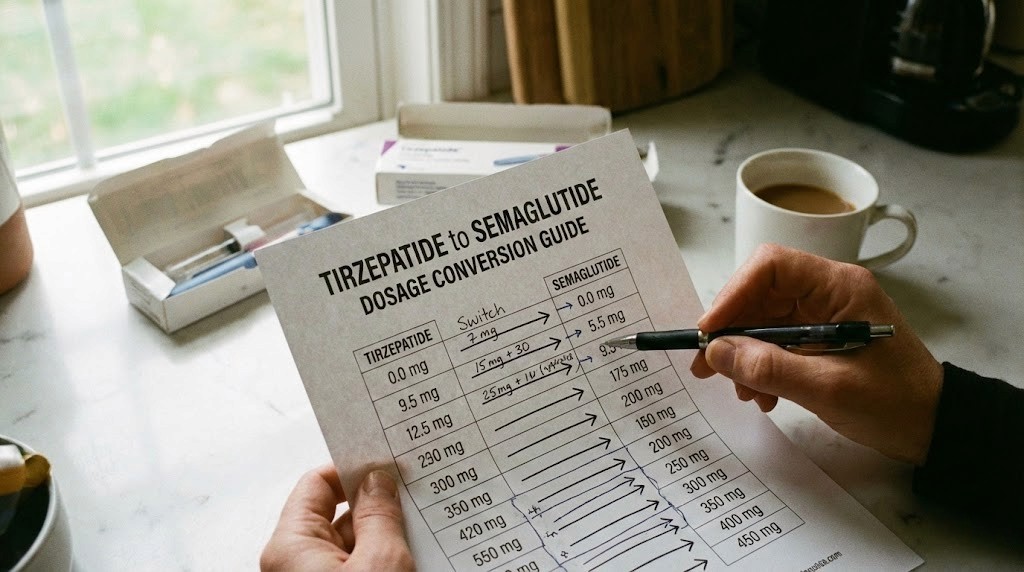
You were losing weight on tirzepatide. The scale moved. Your clothes fit differently. Then something changed. Maybe the side effects became unbearable. Maybe insurance stopped covering it. Maybe the supply dried up and you spent weeks calling pharmacies with no luck. Whatever brought you here, you need answers. Not vague reassurance. Not a paragraph telling you to "consult your doctor." You need a clear, practical dosage chart for switching from tirzepatide to semaglutide, and you need to understand exactly what happens to your body during this transition.
This is not a simple milligram-to-milligram swap. Tirzepatide and semaglutide work through different mechanisms, have different half-lives, and produce different physiological responses. Getting the conversion wrong means weeks of unnecessary side effects, potential weight regain, or a dose so low it barely registers. Getting it right means a smooth transition that preserves your progress and keeps your momentum going. The difference between the two outcomes often comes down to understanding a few critical details that most switching guides completely skip over.
This guide covers every angle of the tirzepatide-to-semaglutide switch. You will find the complete dosage conversion chart, week-by-week titration schedules, pharmacokinetic timing, side effect management, and the specific protocols that help researchers maintain their results through the transition. Whether you were on 2.5 mg or 15 mg of tirzepatide, your conversion path is mapped out below.
Why people switch from tirzepatide to semaglutide
The switch from tirzepatide to semaglutide happens more often than most people realize. And the reasons behind it reveal important differences between these two GLP-1 medications that affect how you approach the transition.
Insurance and access issues
Coverage changes drive a significant number of switches. Tirzepatide, marketed as Mounjaro and Zepbound, carries a higher price point than semaglutide options like Ozempic and Wegovy. When insurance formularies shift, patients who were stable on tirzepatide suddenly find themselves facing out-of-pocket costs exceeding $1,000 per month. Semaglutide often has broader insurance acceptance and more affordable compounding options, making it the practical choice for long-term treatment. Access to semaglutide dosage calculators and established compounding networks also makes the transition more accessible for many researchers.
Side effect intolerance
Tirzepatide activates both GLP-1 and GIP receptors simultaneously. That dual mechanism produces powerful metabolic effects, but it also amplifies gastrointestinal side effects in some individuals. Nausea, vomiting, diarrhea, and severe appetite suppression can become unbearable at higher tirzepatide doses, particularly at 10 mg, 12.5 mg, and 15 mg. Some people tolerate GLP-1-only stimulation from semaglutide much better than the dual agonist approach. The gastrointestinal profile tends to be milder with semaglutide, though individual responses vary considerably.
Others experience specific issues with tirzepatide that do not occur with semaglutide. Injection site reactions, persistent heartburn, and severe constipation affect a subset of tirzepatide users disproportionately. When these symptoms do not resolve with dose adjustments or supportive measures, switching to a different mechanism becomes the most logical path forward.
Weight loss plateau on tirzepatide
Plateaus happen with every weight loss medication. Some researchers find that their response to tirzepatide diminishes after months of use, even at the maximum 15 mg dose. The body adapts. Metabolic rate adjusts. Progress stalls. While switching to semaglutide might seem counterintuitive, since tirzepatide is generally considered more potent, the change in receptor stimulation pattern can sometimes restart progress. A fresh pharmacological approach resets some of the adaptive mechanisms that cause plateaus.
Supply shortages and availability
Both tirzepatide and semaglutide have experienced supply disruptions, but at different times. When tirzepatide shortages hit, patients face the choice between missing doses entirely or transitioning to an available alternative. Missing multiple doses of a GLP-1 medication leads to rapid return of appetite, potential weight regain, and loss of metabolic benefits. Switching to semaglutide during a tirzepatide shortage preserves continuity of treatment even if the specific medication changes.
Personal preference and simplified dosing
Some researchers simply prefer semaglutide. The longer clinical track record, the established safety profile spanning years of real-world data, and the availability of oral semaglutide (Rybelsus) all factor into personal treatment decisions. The proven cardiovascular benefits of semaglutide, particularly the reduction in major adverse cardiovascular events demonstrated in the SELECT trial, also influence the decision for those with heart disease risk factors.
Understanding the pharmacological differences
Before looking at the conversion chart, you need to understand why a direct milligram-to-milligram comparison between tirzepatide and semaglutide does not work. These are fundamentally different molecules with different receptor profiles.
Tirzepatide: dual GIP/GLP-1 agonist
Tirzepatide simultaneously activates two incretin hormone receptors. The GLP-1 receptor controls appetite, gastric emptying, and insulin secretion. The GIP receptor adds complementary effects on fat metabolism, insulin sensitivity, and energy balance. This dual action is why tirzepatide generally produces greater weight loss and HbA1c reduction compared to GLP-1-only medications. In the SURPASS-2 trial published in the New England Journal of Medicine, tirzepatide at 15 mg produced an average weight loss of 11.2 kg compared to 5.7 kg with semaglutide 1 mg over 40 weeks.
The tirzepatide mechanism also means the body adjusts to stimulation at two receptor sites. When you remove that dual stimulation during a switch, the transition period requires careful dose management to prevent rebound effects.
Semaglutide: selective GLP-1 agonist
Semaglutide targets only the GLP-1 receptor. It does this with exceptional potency and a long half-life of approximately 7 days, which enables once-weekly dosing. The semaglutide mechanism of action slows gastric emptying, reduces appetite through hypothalamic signaling, and enhances insulin secretion in a glucose-dependent manner. Without the GIP component, the side effect profile tends to be somewhat different, though gastrointestinal effects remain the most common adverse events.
Semaglutide has a longer elimination half-life than tirzepatide. Tirzepatide clears the body in approximately 5 days per half-life (about 25 days total clearance), while semaglutide takes approximately 7 days per half-life (about 35 days total clearance). This pharmacokinetic difference matters when timing your switch.
Why dose conversion is not straightforward
There is no FDA-approved conversion formula between tirzepatide and semaglutide. No head-to-head trials specifically studied the switching protocol. The dose relationships used in clinical practice come from indirect comparisons, primarily the SURPASS-2 trial data and accumulated clinical experience. The approximate equivalencies reflect similar levels of HbA1c reduction and weight loss effect, not molecular potency. This distinction matters because your experience during the transition depends on multiple individual factors beyond the numbers on a chart.
Complete tirzepatide to semaglutide dosage conversion chart
This conversion chart represents the consensus approach from clinical practice and indirect trial comparisons. No formally validated dose-equivalence ratios exist, so these recommendations reflect the best available evidence combined with practical clinical experience. Always work with a healthcare provider when implementing any medication transition.
Primary conversion table
Current tirzepatide dose | Recommended semaglutide starting dose | Target semaglutide maintenance dose | Titration timeline |
|---|---|---|---|
2.5 mg weekly | 0.25 mg weekly | 0.5 mg weekly | 4-8 weeks |
5 mg weekly | 0.25 - 0.5 mg weekly | 0.5 - 1 mg weekly | 8-12 weeks |
7.5 mg weekly | 0.5 mg weekly | 1 mg weekly | 8-12 weeks |
10 mg weekly | 0.5 - 1 mg weekly | 1 - 1.7 mg weekly | 12-16 weeks |
12.5 mg weekly | 1 mg weekly | 1.7 - 2 mg weekly | 12-16 weeks |
15 mg weekly | 1 - 1.7 mg weekly | 2 - 2.4 mg weekly | 16-20 weeks |
Several important notes about this chart. Starting above 0.25 mg is technically off-label but is commonly used in specialist obesity and endocrinology practice for patients transitioning from another GLP-1 medication. The "target maintenance dose" represents the dose likely needed to maintain similar metabolic effects. Your actual maintenance dose may differ based on individual response, tolerability, and treatment goals.
Researchers using the semaglutide dosage calculator at SeekPeptides can determine exact unit measurements based on their vial concentration and target dose. This becomes particularly important when working with compounded semaglutide formulations where concentrations vary between pharmacies.
Detailed dose equivalence explanation
The lowest dose of tirzepatide (5 mg) produced similar HbA1c reductions and body weight changes compared to the highest approved dose of semaglutide for diabetes (2 mg) in the SURPASS-2 trial. That comparison anchors the entire conversion approach. Tirzepatide 5 mg approximates semaglutide 1 to 2 mg in clinical effect. From there, lower tirzepatide doses (2.5 mg) map to lower semaglutide doses, and higher tirzepatide doses (10 to 15 mg) exceed what semaglutide can match at any single dose.
This means patients switching from higher tirzepatide doses may not achieve exactly equivalent metabolic effects with semaglutide alone. The maximum semaglutide dose for weight management is 2.4 mg weekly (Wegovy dosing). Even at this maximum, the metabolic impact falls below what tirzepatide 12.5 mg or 15 mg delivers. This reality must factor into your expectations and treatment planning.
Conversion for compounded formulations
Many researchers use compounded versions of these medications. Compounded tirzepatide comes in various concentrations, commonly 10 mg/mL, 20 mg/mL, or higher. Compounded semaglutide typically comes in 5 mg/mL or 10 mg/mL concentrations.
When switching between compounded formulations, the conversion follows the same dose equivalencies above. The difference lies in calculating injection volumes. A researcher transitioning from compounded tirzepatide 10 mg weekly (using a 20 mg/mL vial) to semaglutide 1 mg weekly (using a 5 mg/mL vial) goes from injecting 0.5 mL of tirzepatide to 0.2 mL of semaglutide. The reconstitution calculator helps determine exact volumes when working with lyophilized peptides that require mixing.
Semaglutide concentration | 0.25 mg dose volume | 0.5 mg dose volume | 1 mg dose volume | 1.7 mg dose volume | 2.4 mg dose volume |
|---|---|---|---|---|---|
2 mg/mL | 0.125 mL (12.5 units) | 0.25 mL (25 units) | 0.5 mL (50 units) | 0.85 mL (85 units) | 1.2 mL (120 units) |
5 mg/mL | 0.05 mL (5 units) | 0.1 mL (10 units) | 0.2 mL (20 units) | 0.34 mL (34 units) | 0.48 mL (48 units) |
10 mg/mL | 0.025 mL (2.5 units) | 0.05 mL (5 units) | 0.1 mL (10 units) | 0.17 mL (17 units) | 0.24 mL (24 units) |
For detailed syringe measurement guidance, see the semaglutide syringe dosage conversion chart and the semaglutide dosing chart in units.
Week-by-week transition protocol
The transition from tirzepatide to semaglutide requires careful timing. Rush it and you stack two potent GLP-1 medications on top of each other, amplifying side effects. Wait too long and you lose the metabolic benefits you have been building, potentially triggering weight regain and appetite rebound.
Timing the switch: when to start semaglutide
Tirzepatide has a half-life of approximately 5 days. After your final tirzepatide injection, the drug level drops by half every 5 days. By day 7, roughly 40% of the active medication remains in your system. By day 14, about 13% remains. By day 25, trace amounts persist but functional activity is minimal.
The standard clinical approach is to start semaglutide one week after your last tirzepatide dose. Take your final tirzepatide injection on your regular injection day, then begin semaglutide the following week on the same day. This one-week gap provides adequate separation without leaving a significant treatment gap. There is no formal "washout period" required because both medications target overlapping receptor pathways.
Some protocols recommend waiting longer, up to 2 weeks, particularly for patients transitioning from high tirzepatide doses (12.5 mg or 15 mg) to reduce the overlap of active drug and minimize initial side effects. The right timing depends on your current dose, side effect history, and how sensitive you are to gastrointestinal symptoms. For more on semaglutide dosing specifics, the milliliter chart breaks down exact volumes for every target dose.
Protocol for switching from low-dose tirzepatide (2.5 to 5 mg)
If you were on tirzepatide 2.5 mg or 5 mg, your switch is the most straightforward. These are the introductory and early therapeutic doses of tirzepatide, and their metabolic effect approximates the lower to middle range of semaglutide dosing.
Week | Semaglutide dose | What to expect |
|---|---|---|
Week 1-4 | 0.25 mg weekly | Mild appetite return, minimal side effects, adjustment period |
Week 5-8 | 0.5 mg weekly | Appetite suppression returning, possible mild nausea |
Week 9-12 | 1 mg weekly (if needed) | Full therapeutic effect for most at this dose range |
Most researchers transitioning from tirzepatide 2.5 to 5 mg find that semaglutide 0.5 to 1 mg provides comparable appetite suppression and metabolic benefit. The 5 mg semaglutide dosage chart and the 5 mg/2 mL formulation guide cover the specific measurement details for these dose ranges.
Protocol for switching from mid-dose tirzepatide (7.5 to 10 mg)
Mid-range tirzepatide doses present the most common switching scenario. Many patients stabilize at 7.5 mg or 10 mg for months before needing to switch. These doses produce meaningful metabolic effects that require higher semaglutide doses to approximate.
Week | Semaglutide dose | What to expect |
|---|---|---|
Week 1-4 | 0.5 mg weekly | Noticeable appetite increase compared to tirzepatide, mild GI adjustment |
Week 5-8 | 1 mg weekly | Appetite suppression improving, metabolic effects building |
Week 9-12 | 1.7 mg weekly | Near-equivalent appetite control for most individuals |
Week 13-16 | 2 mg weekly (if needed) | Full therapeutic parity for metabolic effects |
The titration from 0.5 mg to 1 mg at week 5 often produces the most noticeable gastrointestinal adjustment. Your body is simultaneously adapting to losing the GIP receptor stimulation from tirzepatide while increasing GLP-1 stimulation from semaglutide. This is the phase where semaglutide side effects are most likely to appear. Knowing what to expect and having management strategies ready makes this period much more manageable.
Protocol for switching from high-dose tirzepatide (12.5 to 15 mg)
This is the most challenging transition. High-dose tirzepatide produces metabolic effects that semaglutide cannot fully replicate at any approved dose. You should expect some reduction in overall effect intensity when switching from 12.5 mg or 15 mg tirzepatide to maximum semaglutide. The goal becomes preserving as much progress as possible while managing expectations realistically.
Week | Semaglutide dose | What to expect |
|---|---|---|
Week 1-4 | 1 mg weekly | Significant appetite return, possible 1-2 lb regain, adjustment period |
Week 5-8 | 1.7 mg weekly | Appetite suppression building, GI adjustment at higher starting dose |
Week 9-12 | 2 mg weekly | Approaching maximum semaglutide effect |
Week 13-16 | 2.4 mg weekly | Maximum approved dose, best achievable appetite control with semaglutide |
Week 17-20 | 2.4 mg weekly (maintenance) | Steady state achieved, evaluate long-term response |
Starting at 1 mg rather than the standard 0.25 mg is off-label but widely practiced for patients transitioning from high-dose GLP-1 therapy. The rationale is simple. Someone who has been on 15 mg tirzepatide for months has fully adapted gastrointestinal tolerance to potent incretin stimulation. Starting at 0.25 mg provides almost no therapeutic benefit for this patient and wastes 16 weeks of gradual titration that is unnecessary given their existing tolerance.
However, some clinicians prefer a more conservative approach even from high tirzepatide doses, starting semaglutide at 0.5 mg and titrating up every 4 weeks. This approach takes longer but carries less risk of amplifying GI side effects during the overlap period when residual tirzepatide is still active. Discuss both approaches with your healthcare provider based on your specific situation. For those working with compounded semaglutide, the flexibility to choose precise intermediate doses (0.75 mg, 1.25 mg, 1.5 mg) makes the titration smoother.
Pharmacokinetic timing and drug overlap
Understanding the pharmacokinetics of both medications helps you predict exactly what is happening in your body during the switch. This is not academic trivia. It directly affects how you feel during the first few weeks and explains why certain side effects appear when they do.
Tirzepatide clearance timeline
After your last tirzepatide injection, the drug does not disappear instantly. With a half-life of approximately 5 days, the elimination follows a predictable curve.
Days after last tirzepatide dose | Approximate drug remaining | What you may notice |
|---|---|---|
Day 1-3 | 75-100% | Full effect still active, normal appetite suppression |
Day 5 | ~50% | First half-life, subtle appetite changes beginning |
Day 7 | ~40% | Appetite starting to return, GI effects diminishing |
Day 10 | ~25% | Noticeable appetite increase, reduced nausea |
Day 14 | ~13% | Minimal active effect, hunger returning significantly |
Day 21 | ~5% | Trace levels, essentially cleared |
Day 25-30 | <3% | Complete clearance, no functional activity |
When you start semaglutide on day 7 (one week after your last tirzepatide dose), roughly 40% of the tirzepatide remains active. This overlap actually helps bridge the transition period, preventing a complete loss of appetite suppression while the semaglutide builds to therapeutic levels. Think of it as a pharmacological handoff rather than an abrupt swap.
Semaglutide buildup timeline
Semaglutide reaches steady-state concentrations after approximately 4 to 5 weeks of consistent weekly dosing. During those first weeks, the drug is still accumulating in your system. Each weekly dose adds to the building concentration until a plateau is reached where elimination matches intake.
After your first semaglutide injection, peak plasma concentration occurs within 1 to 3 days. But the therapeutic effect is not just about peak levels. It depends on sustained receptor activation throughout the week. During the first 4 weeks at any given dose, the trough levels (lowest point before the next injection) are still climbing. This explains why appetite suppression feels inconsistent during early semaglutide treatment, strong for 2 to 3 days after injection, then fading before the next dose.
For researchers tracking their dosing in units, maintaining consistent injection timing each week optimizes the pharmacokinetic profile. Irregular dosing schedules disrupt the steady-state buildup and prolong the adjustment period.
The overlap window
The first 2 to 3 weeks of the switch represent the overlap window. Residual tirzepatide and building semaglutide are both present. During this time, you are effectively receiving partial stimulation from both medications. This is usually when side effects are most likely, not because semaglutide itself is problematic, but because the combined receptor activity from overlapping drugs can temporarily amplify gastrointestinal effects.
If you experience significant nausea or GI distress during weeks 1 to 3, this overlap explains it. The solution is patience, not dose reduction. As tirzepatide clears, the symptoms resolve. By week 4 of semaglutide treatment, the overlap has ended, and your side effect profile reflects semaglutide alone.
What to expect during the transition
Every medication switch comes with an adjustment period. Knowing exactly what to expect week by week eliminates the anxiety and second-guessing that derails many transitions. Here is the realistic timeline most people experience when moving from tirzepatide to semaglutide.
Week 1-2: the bridge period
Residual tirzepatide still provides significant activity. You may barely notice the switch during these first days. Appetite suppression continues from the remaining tirzepatide while the first semaglutide doses begin accumulating. Some people feel perfectly fine. Others notice mild nausea from the pharmacological overlap, particularly if they were on high tirzepatide doses.
Common experiences during week 1-2 include slight changes in appetite patterns, mild nausea that differs from what tirzepatide caused (more constant and less meal-related), and subtle shifts in bowel habits. Keep eating regularly during this period. The temptation is to cut calories aggressively because the medication change triggers anxiety about weight regain. Resist it. Adequate nutrition supports the metabolic transition and reduces GI side effects.
Week 3-4: the adjustment valley
This is the hardest period for most people. The tirzepatide has substantially cleared, but the semaglutide has not yet reached full steady-state concentration. You are in a pharmacological valley where neither medication provides its maximum effect. Appetite increases noticeably. Food cravings may return for the first time in months. The scale might tick up 1 to 3 pounds from increased food intake and water retention changes.
Do not panic. This is temporary.
The weight fluctuation during weeks 3 to 4 is not fat regain. It reflects changes in gastric emptying speed, water balance, and glycogen stores as your body adjusts to different receptor stimulation patterns. The semaglutide weight loss timeline shows that meaningful weight loss effects typically establish by weeks 8 to 12 at therapeutic doses.
Week 5-8: building momentum
By week 5, semaglutide reaches steady-state at your current dose. If you titrated to 0.5 mg or 1 mg, appetite suppression should be noticeably improving. The GI adjustment from the overlap period has resolved. Most people describe this phase as "it clicked," where the semaglutide starts feeling like it is actually working rather than just being something they inject weekly.
This is also when you typically increase the dose according to your titration schedule. Moving from 0.5 mg to 1 mg, or from 1 mg to 1.7 mg, may bring a new round of mild GI effects. These are usually less intense than the initial overlap period and resolve within days rather than weeks. Each dose increase follows the same pattern: brief adjustment, then improved appetite control.
Week 9-16: reaching therapeutic parity
The final phase of the transition depends entirely on your target dose and titration speed. Most people who were on moderate tirzepatide doses (5 to 10 mg) reach a semaglutide dose that provides equivalent appetite control somewhere between weeks 9 and 16. Those who were on high tirzepatide doses (12.5 to 15 mg) may take the full 16 to 20 weeks to reach maximum semaglutide dosing and evaluate their response.
By the end of this phase, you should have a clear picture of how semaglutide works for you compared to tirzepatide. Some researchers find it equally effective. Others notice somewhat less appetite suppression but appreciate the different side effect profile. A small percentage decide the switch was not beneficial and explore alternative options. All three outcomes are valid, and all three require giving semaglutide adequate time at therapeutic doses before drawing conclusions.
Managing side effects during the switch
Gastrointestinal side effects are the primary concern during any GLP-1 medication transition. Over 40% of GLP-1 users experience nausea at some point, and switching between medications can trigger a new round of GI adjustment even in people who had fully adapted to their previous medication. Here is how to manage every common side effect during the tirzepatide to semaglutide switch.
Nausea management
Nausea during the switch typically peaks during the overlap period (weeks 1 to 3) and again at each dose escalation. It differs from the nausea you may have experienced when first starting tirzepatide. Semaglutide nausea tends to be more constant and less tied to eating, while tirzepatide nausea often intensifies after meals.
Practical strategies that work include eating smaller meals more frequently throughout the day rather than 2 to 3 large meals. Bland foods like rice, crackers, bananas, and toast tend to sit better during the adjustment. Avoid greasy, spicy, and overly sweet foods during the first 4 weeks. Ginger, whether as tea, candies, or supplements, has demonstrated antiemetic effects that complement GLP-1 medications. Stay hydrated, as dehydration worsens nausea significantly. Cold beverages are often better tolerated than warm ones during episodes of active nausea.
If nausea persists beyond 2 to 3 weeks at a given dose or becomes severe enough to prevent adequate nutrition, contact your healthcare provider. They may recommend a slower titration schedule, temporary anti-nausea medication, or a brief hold at your current dose before continuing the increase.
Appetite changes and food noise
The most disorienting aspect of the switch is the temporary return of "food noise," the constant background chatter about food that GLP-1 medications quiet. During weeks 3 to 4, when tirzepatide has cleared but semaglutide has not yet reached full effect, many people report that food noise comes roaring back. Cravings reappear. The kitchen starts calling at odd hours. Portions feel insufficient.
This is not a sign that semaglutide will not work for you. It is a pharmacological gap that closes as semaglutide builds to steady state. Strategies for managing this period include meal prepping in advance so healthy options are immediately available, maintaining the eating patterns you developed on tirzepatide, adding protein to every meal and snack for sustained satiety, and staying busy during traditionally difficult times (evenings and weekends). The semaglutide weight loss guide covers additional behavioral strategies that support the medication transition.
Injection site reactions
Some people experience injection site differences when switching formulations. Tirzepatide and semaglutide have different carrier formulations, excipients, and pH levels. If you noticed injection site redness, swelling, or itching with tirzepatide but not with semaglutide (or vice versa), this is normal and reflects the different formulation chemistry rather than an allergy.
Rotate injection sites consistently. Abdomen, thigh, and upper arm are all approved locations. Allow at least 1 inch between injection sites from week to week. If you are transitioning between subcutaneous injection formulations with different volumes, note that larger volumes may produce more local irritation. The semaglutide injection volumes are typically smaller than tirzepatide volumes at equivalent therapeutic doses, which some people find more comfortable.
Constipation and digestive changes
Both tirzepatide and semaglutide slow gastric emptying, but they do so through somewhat different mechanisms. The GIP receptor stimulation from tirzepatide influences gut motility differently than pure GLP-1 stimulation. Some people who had well-managed bowel function on tirzepatide experience temporary constipation or diarrhea during the switch as their digestive system adjusts to the new pattern of gut motility signals.
Fiber intake, adequate hydration, and physical activity are the foundations of digestive management during the transition. If constipation becomes problematic, over-the-counter options like polyethylene glycol (MiraLAX) or docusate sodium can provide relief without interfering with semaglutide absorption. Probiotics may also support digestive regularity during the adjustment. For comprehensive guidance on managing these effects, the peptide side effects management guide covers strategies specific to GLP-1 medications.
Semaglutide formulation options after the switch
When switching from tirzepatide, you have multiple semaglutide formulation options. Each has advantages depending on your situation, insurance coverage, and personal preferences.
Brand-name injectable options
Ozempic (semaglutide for type 2 diabetes)
Available doses: 0.25 mg, 0.5 mg, 1 mg, 2 mg weekly. Delivered via prefilled pen with premeasured doses. Approved for type 2 diabetes management. Maximum dose: 2 mg weekly. This is the most commonly prescribed semaglutide for patients switching from tirzepatide who have a diabetes diagnosis. The pen delivery system makes dosing simple, eliminating the need for manual syringe measurements.
Wegovy (semaglutide for weight management)
Available doses: 0.25 mg, 0.5 mg, 1 mg, 1.7 mg, 2.4 mg weekly. Delivered via prefilled pen. Approved for chronic weight management in adults with BMI of 30 or greater, or 27 or greater with at least one weight-related comorbidity. Maximum dose: 2.4 mg weekly. Wegovy offers the highest approved semaglutide dose and the built-in titration schedule designed specifically for weight management. For patients whose primary reason for medication is weight loss rather than diabetes, Wegovy is typically the target formulation. The semaglutide weight loss pathway details how the Wegovy titration integrates with a comprehensive weight management approach.
Rybelsus (oral semaglutide)
Available doses: 3 mg, 7 mg, 14 mg daily. Oral tablet taken once daily on an empty stomach with 4 ounces of water. Currently approved for type 2 diabetes. Some people switching from tirzepatide prefer oral semaglutide to avoid injections entirely. The trade-off is lower bioavailability (oral semaglutide absorbs less efficiently than injectable) and daily dosing instead of weekly. The 14 mg oral dose provides roughly equivalent effects to 0.5 mg to 1 mg injectable semaglutide, meaning it may not match the effect of moderate to high tirzepatide doses.
Compounded semaglutide
Compounded semaglutide formulations offer several advantages for people switching from tirzepatide. The primary benefit is dose flexibility. While brand-name pens come in fixed increments, compounded semaglutide allows precise dose customization. You can titrate in 0.125 mg increments rather than jumping from 0.25 mg to 0.5 mg or from 1 mg to 1.7 mg. This fine-grained control makes the transition smoother and reduces the GI impact of each dose increase.
Compounded formulations come in various concentrations. The semaglutide mixing chart provides reconstitution guidance for common vial sizes, while the 10 mg mixing chart covers higher concentration preparations. Some compounding pharmacies also offer semaglutide combined with B12, which provides additional energy support during the transition period when metabolic changes can temporarily affect energy levels.
Important considerations for compounded semaglutide include verifying that your compounding pharmacy is 503B registered and FDA compliant, understanding that compounded formulations are not FDA-approved products, and ensuring proper storage and handling. The 5 mg reconstitution chart and 10 mg reconstitution chart cover the technical preparation details.
Realistic expectations: what semaglutide can and cannot match
Honesty matters here. Switching from tirzepatide to semaglutide involves trade-offs, and understanding them upfront prevents frustration later.
What semaglutide matches well
For people who were on lower tirzepatide doses (2.5 to 7.5 mg), semaglutide at appropriate doses can provide nearly equivalent appetite suppression and metabolic benefit. The appetite-reducing effects of GLP-1 receptor activation are potent on their own, and semaglutide is among the most effective GLP-1-only medications available. Blood sugar control, particularly HbA1c reduction, can be maintained or nearly maintained when switching from low to moderate tirzepatide doses to therapeutic semaglutide doses.
The cardiovascular benefits are also comparable, and in some respects superior. Semaglutide has the strongest cardiovascular outcome data of any GLP-1 medication, with the SELECT trial demonstrating a 20% reduction in major adverse cardiovascular events in adults with obesity and established cardiovascular disease but without diabetes.
Where semaglutide falls short
High-dose tirzepatide (10 to 15 mg) produces weight loss and metabolic effects that exceed what semaglutide can deliver at any approved dose. In clinical trials, tirzepatide 15 mg produced roughly twice the weight loss of semaglutide 1 mg, and the SURMOUNT-5 trial directly compared tirzepatide to semaglutide 2.4 mg for obesity, showing tirzepatide superiority.
The GIP receptor stimulation that tirzepatide provides contributes additional metabolic benefits that semaglutide simply cannot replicate. These include enhanced fat oxidation, improved insulin sensitivity through GIP-mediated pathways, and potentially greater preservation of lean mass during weight loss. If you were experiencing significant benefits from these GIP-specific effects, you may notice a difference after switching.
The practical impact varies enormously between individuals. Some people notice little difference after switching. Others feel a distinct reduction in overall medication effect. Tracking your response objectively, through weight measurements, appetite scores, and blood glucose monitoring, helps separate real pharmacological differences from the anxiety of change.
Strategies to optimize semaglutide results
Several approaches can help maximize semaglutide effectiveness after switching from tirzepatide. Exercise becomes more important when you lose the GIP-mediated metabolic boost. Regular resistance training preserves lean mass and supports insulin sensitivity through mechanical pathways that complement GLP-1 activation. The peptides for fat loss resource covers how exercise synergizes with GLP-1 medications.
Protein intake should increase to at least 1 gram per pound of lean body mass. Higher protein intake enhances satiety, supports muscle preservation, and provides a thermic effect that partially compensates for the loss of GIP-mediated energy expenditure. Researchers at SeekPeptides access detailed nutritional protocols designed to complement GLP-1 therapy, including macronutrient targets calibrated for different medication doses.
Sleep quality directly impacts GLP-1 medication effectiveness. Poor sleep increases ghrelin (hunger hormone) levels and reduces the appetite-suppressing effects of GLP-1 receptor activation. Prioritize 7 to 9 hours of quality sleep during the transition period. Stress management also matters, as cortisol elevation can counteract some of the metabolic benefits of semaglutide.
Conversion chart for specific clinical scenarios
Different reasons for switching require different conversion strategies. A blanket approach ignores the nuances that determine whether your transition succeeds or fails. Here are targeted protocols for the most common switching scenarios.
Switching due to side effect intolerance
If you are leaving tirzepatide because of unbearable side effects, the worst thing you can do is jump to an aggressive semaglutide dose. Your body needs a reset. Start at the lowest possible semaglutide dose regardless of your previous tirzepatide dose, and titrate more slowly than the standard schedule suggests.
Previous tirzepatide dose | Recommended semaglutide start | Titration speed | Notes |
|---|---|---|---|
Any dose | 0.25 mg | Every 6-8 weeks (slower) | Prioritize tolerability over speed |
The goal here is not rapid dose equivalence. The goal is finding a semaglutide dose that provides meaningful benefit without recreating the side effects that drove you from tirzepatide. Many people in this category discover that moderate semaglutide doses (0.5 to 1 mg) provide adequate appetite suppression with much better tolerability than their previous tirzepatide experience.
Switching due to insurance or access changes
When the switch is forced by external factors rather than clinical need, speed matters more because you had a good response to tirzepatide and want to maintain it. The conversion chart at the top of this guide applies directly. Match your tirzepatide dose to the recommended semaglutide starting dose and follow the standard titration schedule.
For this scenario, consider requesting your healthcare provider start you at a higher initial semaglutide dose (off-label) to minimize the gap in therapeutic coverage. Someone who was stable on tirzepatide 10 mg with excellent tolerability can reasonably start semaglutide at 0.5 to 1 mg rather than 0.25 mg. The dose conversion chart and conversion guide cover both directions of the switch if you need to return to tirzepatide in the future when access is restored.
Switching due to plateau
Plateau-driven switches benefit from a different philosophy. Rather than trying to match your tirzepatide dose, start lower and titrate based on response. The metabolic reset from changing receptor stimulation patterns is part of the strategy. Starting at a moderate dose (0.5 mg) and evaluating appetite response at each level gives you valuable data about your dose-response relationship with semaglutide.
Keep detailed records during this transition. Track weekly weight, daily appetite on a 1 to 10 scale, food intake, and exercise. This data helps determine your optimal semaglutide dose rather than automatically climbing to the maximum. Some researchers who plateaued at tirzepatide 15 mg find that semaglutide 1 to 1.7 mg produces renewed weight loss. The change in receptor profile, not the absolute dose potency, drives the result.
Switching for cardiovascular protection
If the cardiovascular outcome data from the SELECT trial influenced your switch decision, the target formulation is typically Wegovy at 2.4 mg weekly. The cardiovascular benefit was demonstrated at this specific dose. The titration schedule follows the standard Wegovy protocol, reaching 2.4 mg by week 17.
For patients with established cardiovascular disease, the switch timing may need coordination with your cardiologist and endocrinologist. Abrupt changes in metabolic medication can temporarily affect blood pressure, heart rate, and lipid profiles. Monitoring these parameters more frequently during the first 8 to 12 weeks of the transition provides safety data and early detection of any issues that need adjustment. The comprehensive semaglutide benefits guide covers the cardiovascular evidence in detail.
Blood sugar management during the transition
For researchers using these medications for type 2 diabetes management, the switch requires careful blood sugar monitoring. Both tirzepatide and semaglutide lower blood glucose through multiple mechanisms, and the transition period creates temporary fluctuations that need active management.
Expected blood sugar changes
During weeks 1 to 2, residual tirzepatide maintains blood sugar control. The overlap with starting semaglutide doses may even cause slightly lower blood glucose than usual. Watch for hypoglycemia symptoms, especially if you also take sulfonylureas or insulin. Weeks 3 to 4 represent the highest risk for blood sugar elevation as tirzepatide clears before semaglutide reaches full effect. Fasting glucose readings may rise 10 to 30 mg/dL above your typical range temporarily. Postmeal spikes may increase as the gastric emptying rate changes during the medication transition.
By weeks 8 to 12 at therapeutic semaglutide doses, blood sugar control should approach your previous tirzepatide levels, though some patients on high-dose tirzepatide may not achieve identical HbA1c results with semaglutide alone.
Monitoring recommendations
Increase glucose monitoring frequency during the first 8 weeks of the transition. If you use a continuous glucose monitor (CGM), set tighter alert ranges during weeks 3 to 6 to catch unexpected spikes early. If you monitor with fingerstick testing, add a bedtime check to your usual morning and pre-meal schedule. Keep detailed logs that your healthcare provider can review at follow-up appointments.
Researchers managing their diabetes protocols can find detailed tracking frameworks through SeekPeptides membership resources, including glucose monitoring templates designed specifically for medication transitions.
Medication adjustments
If you take other diabetes medications alongside your GLP-1 therapy, they may need temporary adjustment during the switch. Metformin typically continues unchanged. SGLT2 inhibitors usually continue unchanged. Sulfonylureas may need dose reduction during weeks 1 to 2 when overlapping drug levels increase hypoglycemia risk. Insulin may need temporary dose increases during weeks 3 to 6 to cover the gap period, then reduction as semaglutide reaches full effect.
Never adjust diabetes medications without guidance from your healthcare provider. The interactions between GLP-1 medications and other glucose-lowering agents are complex, and incorrect adjustments can cause dangerous hypoglycemia or hyperglycemia.
Weight management strategies during the switch
The fear of weight regain drives more anxiety during this transition than any other factor. Here is a realistic framework for maintaining your progress.
Expected weight fluctuations
Most people experience 1 to 4 pounds of weight fluctuation during the transition. This is not fat regain. It reflects changes in water retention, gastric content, and glycogen stores as the medication profile shifts. True fat regain requires a sustained caloric surplus over weeks, which the bridging effect of overlapping medications helps prevent during the critical first 2 weeks.
The weight loss timeline for semaglutide shows that most people resume losing weight once they reach therapeutic doses, typically by weeks 8 to 12. The temporary plateau or minor regain during weeks 3 to 6 does not predict long-term outcomes. Focus on the trend over months, not the daily number.
Nutrition protocol during transition
Maintain the eating patterns you established on tirzepatide, even when appetite increases temporarily. This is not the time for extreme calorie restriction or dietary overhauls. Consistency provides stability during a period of pharmacological change.
Key nutritional priorities during the switch include maintaining protein intake at 1 gram per pound of lean body mass (this is critical for preserving muscle), keeping fiber intake above 25 grams daily for gut health and satiety, staying hydrated with at least 64 ounces of water daily (more if you experience GI symptoms), and avoiding alcohol during the first 4 weeks as it amplifies both nausea and blood sugar instability.
Pre-portioning meals and snacks during the gap period (weeks 3 to 4) removes decision fatigue when appetite control is reduced. Having grab-and-go options ready prevents impulsive high-calorie choices when hunger spikes unexpectedly.
Exercise recommendations
Continue your current exercise routine. If you were not exercising on tirzepatide, this is actually a good time to start. Exercise provides independent appetite-suppressing effects through PYY and GLP-1 release, partially compensating for the medication gap. Resistance training 3 to 4 times weekly preserves lean mass during the transition. Walking 8,000 or more steps daily supports metabolic rate and insulin sensitivity. High-intensity interval training boosts endogenous GLP-1 secretion, complementing the exogenous semaglutide. The peptides for muscle growth resource covers how exercise protocols interact with metabolic peptide therapy.
Comparing tirzepatide and semaglutide side by side
Understanding the differences between what you are leaving and what you are moving to helps set realistic expectations and identify advantages you might not have considered.
Mechanism comparison
Feature | Tirzepatide | Semaglutide |
|---|---|---|
Receptor targets | GLP-1 + GIP (dual agonist) | GLP-1 only (selective agonist) |
FDA approvals | Type 2 diabetes (Mounjaro), obesity (Zepbound) | Type 2 diabetes (Ozempic), obesity (Wegovy), oral (Rybelsus) |
Half-life | ~5 days | ~7 days |
Dose range | 2.5 mg to 15 mg weekly | 0.25 mg to 2.4 mg weekly |
Average weight loss (clinical trials) | 15-22% body weight | 10-15% body weight |
HbA1c reduction | Up to 2.4% | Up to 1.8% |
Cardiovascular outcome trial | SURPASS-CVOT (ongoing) | SELECT (completed, positive) |
Oral option available | No | Yes (Rybelsus) |
Time on market | Since 2022 | Since 2017 |
For a more detailed comparison, the semaglutide vs tirzepatide comparison page at SeekPeptides breaks down every clinical difference. The tirzepatide vs semaglutide dosage chart provides dose-by-dose comparisons from the other direction.
Side effect profile comparison
Side effect | Tirzepatide frequency | Semaglutide frequency | Notes |
|---|---|---|---|
Nausea | 20-30% | 15-25% | Usually transient with both |
Diarrhea | 15-20% | 10-15% | More common at dose escalation |
Constipation | 10-15% | 8-12% | Can be managed with fiber and hydration |
Vomiting | 8-12% | 5-10% | Peak during first 4 weeks |
Injection site reactions | 5-8% | 2-5% | Less common with semaglutide |
Decreased appetite | Common | Common | Therapeutic effect, not truly a side effect |
Pancreatitis risk | Rare (<1%) | Rare (<1%) | Monitor for persistent severe abdominal pain |
In general, semaglutide has a slightly milder GI side effect profile compared to tirzepatide. This difference is one reason people switch, and many are pleasantly surprised by the improvement in tolerability after transitioning. For detailed side effect management protocols, the side effects management guide covers both medications comprehensively.
Efficacy comparison by clinical trial data
The most relevant head-to-head data comes from the SURPASS-2 trial (tirzepatide vs semaglutide 1 mg for type 2 diabetes) and the SURMOUNT-5 trial (tirzepatide vs semaglutide 2.4 mg for obesity).
SURPASS-2 results (40 weeks, type 2 diabetes):
Tirzepatide 5 mg: -7.6 kg weight loss, -2.01% HbA1c reduction
Tirzepatide 10 mg: -9.3 kg weight loss, -2.24% HbA1c reduction
Tirzepatide 15 mg: -11.2 kg weight loss, -2.30% HbA1c reduction
Semaglutide 1 mg: -5.7 kg weight loss, -1.86% HbA1c reduction
SURMOUNT-5 results (72 weeks, obesity):
Tirzepatide demonstrated statistically superior weight loss compared to semaglutide 2.4 mg. While exact published numbers from SURMOUNT-5 continue to influence clinical practice, the general pattern confirms that tirzepatide at all doses produces greater weight reduction than even maximum-dose semaglutide.
These numbers represent averages across large trial populations. Individual responses vary enormously. Some people lose more weight on semaglutide than others do on tirzepatide. Your personal response depends on genetics, diet, exercise, sleep, stress, and dozens of other variables that clinical trial averages cannot capture. The tirzepatide dosing for weight loss conversion chart helps translate these trial findings into practical dosing decisions.
Long-term considerations after switching
The transition does not end when you reach your target semaglutide dose. Long-term medication management involves ongoing monitoring, periodic reassessment, and awareness of factors that could affect your continued response.
Monitoring schedule
After completing the switch, the following monitoring schedule helps ensure optimal outcomes.
Timepoint | What to monitor | Purpose |
|---|---|---|
Week 4 | Weight, appetite score, GI symptoms | Early response assessment |
Week 8 | Weight, blood glucose, side effects | Dose adjustment decision point |
Week 12 | Weight, HbA1c, lipids, liver function | Metabolic response evaluation |
Week 16-20 | Comprehensive metabolic panel | Long-term semaglutide response baseline |
Every 3 months | Weight, HbA1c, side effect review | Ongoing management |
Every 6 months | Full metabolic panel, body composition if available | Comprehensive reassessment |
When to consider switching back
Give semaglutide at least 16 weeks at your target dose before evaluating whether the switch was successful. The adjustment period, titration timeline, and steady-state achievement all require time. Premature conclusions lead to unnecessary medication changes and prolonged instability.
Objective markers for considering a return to tirzepatide include sustained weight regain exceeding 5% of your body weight over 3 or more months at maximum semaglutide dose, HbA1c increase exceeding 0.5% above your tirzepatide baseline after 6 months on semaglutide, and persistent side effects that do not resolve after 12 weeks at a stable semaglutide dose. If any of these apply, the semaglutide to tirzepatide switching guide covers the reverse transition. The dose conversion chart for switching back maps semaglutide doses to appropriate tirzepatide starting points.
Dose optimization over time
Your optimal semaglutide dose may not be the dose you initially targeted based on the conversion chart. Some people do better at moderate doses (1 to 1.7 mg) with excellent tolerability than at maximum dose (2.4 mg) with persistent side effects. The "highest tolerated dose" philosophy that dominates much of GLP-1 prescribing does not always produce the best outcomes. Sometimes a lower dose with better adherence, fewer side effects, and consistent use outperforms a higher dose that patients take inconsistently due to adverse effects.
Work with your healthcare provider to find your personal sweet spot. The semaglutide dosage chart in mL provides the measurement precision needed for dose fine-tuning, while the dosage chart in units helps translate milligrams to syringe markings.
Special populations and considerations
Certain groups need modified switching approaches based on their specific health circumstances.
People with type 2 diabetes
The switch carries higher stakes for diabetic patients because blood sugar control directly affects daily health and long-term complications. The monitoring recommendations above become especially critical. Coordinate the switch with your endocrinologist rather than managing it through a primary care provider alone. The interaction between GLP-1 medications, other diabetes drugs, and dietary factors creates a complex optimization problem that benefits from specialist oversight.
Diabetic patients should also be aware that the HbA1c impact of semaglutide, while substantial, may not fully match what they achieved on tirzepatide, particularly at higher tirzepatide doses. The semaglutide for type 2 diabetes guide covers diabetes-specific protocols in depth.
People with kidney impairment
Neither tirzepatide nor semaglutide requires dose adjustment for mild to moderate kidney impairment. However, the GI side effects during the transition (particularly vomiting and diarrhea) can cause dehydration, which disproportionately affects people with compromised kidney function. Extra attention to hydration, electrolyte balance, and monitoring renal function during the transition is warranted. If estimated GFR drops during the switch, contact your healthcare provider immediately.
People taking other medications
Both tirzepatide and semaglutide slow gastric emptying, which can affect absorption of oral medications. When switching between the two, the change in gastric emptying pattern may temporarily alter how other medications absorb. Medications most commonly affected include oral contraceptives, thyroid medications (levothyroxine), blood pressure medications, and some psychiatric medications. If you take any of these, discuss timing adjustments with your prescriber during the transition.
Older adults
People over 65 generally tolerate GLP-1 medications well, but the transition period carries higher risk for dehydration, hypotension, and falls related to GI side effects. Start at the lowest semaglutide dose regardless of previous tirzepatide dose, and titrate more slowly (every 6 to 8 weeks rather than 4 weeks). The peptide safety guide covers age-specific considerations for metabolic peptide therapy.
Frequently asked questions
Can I switch from tirzepatide to semaglutide in one day?
Technically, you can start semaglutide the day after your last tirzepatide dose, but this is not recommended. Starting semaglutide while tirzepatide is still at nearly full concentration increases the risk of amplified GI side effects. The standard recommendation is to wait one week (7 days) between your last tirzepatide injection and your first semaglutide injection. This allows tirzepatide levels to drop to roughly 40%, providing a bridge effect without excessive overlap. For detailed timing guidance, the tirzepatide conversion chart covers the pharmacokinetic considerations.
Will I gain weight when switching from tirzepatide to semaglutide?
Most people experience 1 to 4 pounds of weight fluctuation during the first 4 to 6 weeks of the transition. This is primarily water weight and glycogen changes, not fat regain. Significant weight regain during the switch is unlikely because the overlapping pharmacokinetics of both medications prevent a complete gap in appetite suppression. However, if you were on high-dose tirzepatide and switch to semaglutide, the reduced overall potency may result in somewhat less weight suppression long-term. The semaglutide weight loss timeline provides realistic expectations for weight trajectory.
Is there a direct milligram conversion between tirzepatide and semaglutide?
No. Because tirzepatide and semaglutide have different receptor profiles, half-lives, and dose-response curves, there is no direct milligram-to-milligram conversion. The conversion chart in this guide is based on approximate clinical equivalence, meaning doses that produce similar levels of blood sugar reduction and weight loss in clinical trials. These are the best available estimates, but individual responses vary. The tirzepatide to semaglutide conversion chart provides the most detailed dose mapping available.
What happens if I miss a dose during the transition?
If you miss a semaglutide dose during the early transition (within the first 4 weeks), the impact is greater than missing a dose after reaching steady state because the drug has not yet accumulated to therapeutic levels. If you miss by 1 to 2 days, take the dose as soon as you remember. If more than 5 days have passed since your missed dose, skip it and resume on your next scheduled injection day. Do not double up doses. Missing doses during the transition period extends the time to reach therapeutic steady state, so consistency is especially important during these first weeks.
Can I use oral semaglutide (Rybelsus) instead of injectable when switching from tirzepatide?
Yes, but the conversion is more complex. Oral semaglutide has significantly lower bioavailability than injectable semaglutide, so the dose numbers are not comparable. Oral semaglutide 14 mg provides roughly similar effects to injectable semaglutide 0.5 to 1 mg. If you were on moderate to high tirzepatide doses, oral semaglutide alone may not provide equivalent therapeutic effect. Some researchers use oral semaglutide as a maintenance option after reaching their target weight on injectable formulations rather than as a direct replacement for high-dose tirzepatide.
Should I change my diet when switching medications?
Maintain your current dietary approach during the switch. The transition period is not the time for major dietary changes, as it introduces too many variables to evaluate how well the new medication is working. The one adjustment worth making is increasing protein intake to at least 1 gram per pound of lean body mass, which supports muscle preservation during the metabolic shift. After you have stabilized on semaglutide (typically 12 or more weeks at your target dose), you can reassess and adjust your dietary approach based on your new appetite patterns.
How long should I try semaglutide before deciding it does not work?
Give semaglutide at least 16 weeks at your target therapeutic dose before concluding that it is insufficient. This means 16 weeks AFTER completing titration, not 16 weeks from your first 0.25 mg dose. Many people who feel underwhelmed during the titration phase are surprised by how effective semaglutide becomes once they reach steady state at their optimal dose. Evaluating the medication during the titration phase produces misleading conclusions because the drug has not yet reached full therapeutic concentration.
Can I switch from compounded tirzepatide to compounded semaglutide?
Yes, the same conversion principles apply regardless of whether you use brand-name or compounded formulations. The doses and titration schedules remain the same. The primary difference is that compounded formulations allow more precise dose customization. For example, you can titrate in 0.125 mg or 0.25 mg increments rather than being limited to the fixed pen doses of brand-name products. The compounded semaglutide dose chart provides specific measurement guidance for various compounded concentrations.
External resources
For researchers serious about optimizing their transition protocols and maintaining long-term results, SeekPeptides offers the most comprehensive resource available, with evidence-based guides, proven switching protocols, and a community of thousands who have navigated these exact questions. Members access personalized dosing calculators, detailed tirzepatide dosage charts, semaglutide B12 combination protocols, and expert guidance tailored to their specific transition needs.
In case I do not see you, good afternoon, good evening, and good night. May your transition stay smooth, your dosing stay precise, and your progress stay consistent.