Jan 22, 2026
Something remarkable happens when you first discover peptides. The complexity hits you. Hundreds of different compounds. Contradicting information everywhere. Forums filled with jargon that makes no sense. Studies that seem to contradict each other. And underneath it all, a nagging question that keeps surfacing: where do you even begin?
Most people stumble into peptides sideways. Maybe a friend mentioned BPC-157 for an injury that would not heal. Perhaps a podcaster talked about growth hormone secretagogues for anti-aging. Or maybe you encountered weight loss peptides while researching metabolic health. Whatever the entry point, the rabbit hole runs deep. And without a map, you can spend months wandering in circles, gathering fragments of information that never quite form a coherent picture.
This guide exists because the world of peptides deserves better navigation than what currently exists online. Not just another surface-level overview that tells you peptides are chains of amino acids. Not another sales pitch disguised as education. What you need is genuine understanding, the kind that lets you evaluate claims, recognize quality information, and make informed decisions about your own research. That requires covering the fundamentals first. Then building toward complexity. Then showing you how all the pieces connect into a framework you can actually use. SeekPeptides was built specifically for this purpose, to cut through confusion and provide clarity in a space desperately needing it.
What peptides actually are and why they matter
Strip away the marketing language and peptides are beautifully simple. They are short chains of amino acids. That is the definition. Two amino acids linked together form a dipeptide. Three make a tripeptide. String together somewhere between 2 and 50 amino acids and you have what scientists call a peptide.
But definitions only get you so far.
What makes peptides fascinating, and what separates them from the proteins they resemble, is their size. Proteins can contain hundreds or thousands of amino acids folded into complex three-dimensional structures. Peptides stay small. And that smallness gives them unique properties that larger molecules cannot match, including the ability to interact with cellular receptors in precise ways.
Your body already produces thousands of peptides naturally. They serve as signaling molecules, telling cells what to do, when to do it, and how intensely to respond. Some peptides act as hormones, traveling through the bloodstream to reach distant targets. Others work locally, affecting only nearby cells. The diversity is staggering, and understanding what peptides are at this fundamental level opens doors to everything that follows.
The amino acid foundation
Twenty standard amino acids form the building blocks of life. Each one has a unique side chain that determines its chemical properties. Some amino acids are hydrophobic, repelling water. Others are hydrophilic, attracted to aqueous environments. Some carry positive charges. Some carry negative charges. These differences matter enormously because the sequence of amino acids in a peptide determines everything about how that peptide behaves.
Consider this: even a short peptide of just five amino acids can exist in 3.2 million different possible combinations. The mathematics are almost absurd. And each unique sequence creates a molecule with distinct properties, distinct functions, and distinct interactions with biological systems. This combinatorial explosion explains both the incredible diversity of natural peptides and the vast potential for synthetic peptide development.
The bond connecting amino acids, called a peptide bond, forms through a condensation reaction that releases water. This bond has unusual properties. It is partially rigid, more like a double bond than a flexible single bond, which constrains how the peptide chain can twist and fold. These constraints ultimately determine the three-dimensional shape of the peptide, and shape determines function.
How peptides differ from proteins
The line between peptides and proteins gets blurry. Different sources draw it at different points. Some say anything under 50 amino acids qualifies as a peptide. Others put the cutoff at 100. What matters more than arbitrary numbers is understanding the functional differences.
Peptides generally do not fold into complex tertiary structures the way proteins do. They remain relatively flexible, able to adopt multiple conformations. This flexibility allows them to bind to receptors and enzymes in ways that proteins cannot. It also makes them more susceptible to enzymatic degradation, which is why peptide stability becomes such an important consideration.
Proteins often serve structural roles, forming the architecture of cells and tissues. Peptides rarely do this. Instead, they excel at signaling, at carrying messages between cells, at triggering specific biological responses. Think of proteins as the buildings and peptides as the phone calls between them.
The major categories of peptides
Organizing peptides into categories helps make sense of the vast landscape. Several classification systems exist, but the most useful for practical purposes groups peptides by their primary function or mechanism of action.
Growth hormone secretagogues
Perhaps no category generates more interest than growth hormone secretagogues, compounds that stimulate the body to produce more of its own growth hormone. The appeal is obvious. Growth hormone influences virtually every system in the body, from muscle protein synthesis to fat metabolism to cellular repair.
The key players in this category include CJC-1295, which acts as a growth hormone releasing hormone analog, and Ipamorelin, which stimulates growth hormone through a different pathway. Together, they form the foundation of many peptide stacks designed for body composition improvement.
What distinguishes these compounds from synthetic growth hormone itself is the mechanism. Rather than introducing exogenous hormone directly, secretagogues prompt your pituitary gland to release its own stores. This preserves natural pulsatile release patterns and tends to produce fewer side effects than direct hormone replacement. The body maintains its feedback systems, adjusting production based on physiological need.
Sermorelin deserves mention as well, having been used clinically for decades. It represents one of the earliest therapeutic applications of growth hormone releasing peptides and paved the way for newer compounds with improved characteristics.
Healing and recovery peptides
Injury changes everything. A torn tendon, an inflamed gut, damaged tissue anywhere in the body, these disruptions demand attention and often resist conventional treatment. This is where healing peptides have carved out their niche.
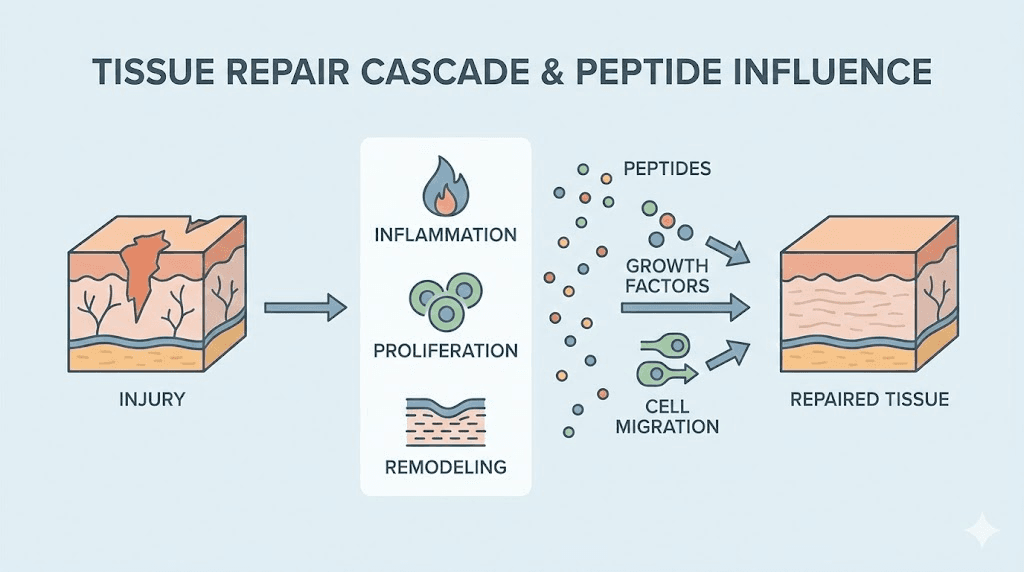
BPC-157 stands at the center of this category. Derived from a protective compound found in gastric juice, it has demonstrated remarkable healing properties across multiple tissue types in animal studies. Tendons, ligaments, muscles, and gut lining all appear to respond to its presence. The mechanism involves upregulation of growth factors and enhanced blood flow to damaged areas. Researchers exploring injury recovery often encounter BPC-157 first.
TB-500, a fragment of the naturally occurring thymosin beta-4 protein, complements BPC-157 beautifully. Where BPC-157 excels at local tissue repair, TB-500 demonstrates systemic effects, promoting healing throughout the body. It increases cell migration to injury sites, reduces inflammation, and supports the formation of new blood vessels. Many protocols combine these two peptides for synergistic healing effects.
The BPC-157 and TB-500 stack has become something of a standard approach for addressing stubborn injuries, particularly among athletes and active individuals who cannot afford prolonged downtime.
Metabolic and weight management peptides
The metabolic peptide landscape has transformed dramatically in recent years. GLP-1 receptor agonists, once obscure research compounds, have become household names. Semaglutide and tirzepatide have demonstrated unprecedented efficacy for weight management, fundamentally changing how medicine approaches obesity.
These peptides work by mimicking or enhancing the activity of glucagon-like peptide-1, a hormone that regulates appetite, slows gastric emptying, and influences insulin secretion. The effects compound over time, with many users experiencing substantial weight loss that was previously achievable only through bariatric surgery.
Beyond the GLP-1 class, other peptides influence metabolism through different pathways. Cagrilintide targets amylin receptors, providing complementary appetite suppression. AOD-9604, derived from a fragment of human growth hormone, specifically targets fat metabolism without the broader effects of full growth hormone. Tesofensine works through neurotransmitter modulation, offering yet another mechanism for metabolic intervention.
The dosing considerations for these peptides require careful attention, as the therapeutic window can be narrow and side effects significant at higher doses.
Anti-aging and longevity peptides
Aging is not a disease, but many of its manifestations can be addressed through targeted intervention. Longevity peptides aim to slow, halt, or even reverse specific aspects of biological aging.
Epitalon has attracted considerable attention for its effects on telomerase, the enzyme that maintains telomeres. Telomeres shorten with each cell division, serving as a kind of biological clock. By activating telomerase, epitalon may help preserve telomere length and extend cellular lifespan. The implications for longevity remain under investigation, but early research is promising.
GHK-Cu, a copper-binding peptide, demonstrates broad regenerative properties. Originally studied for wound healing, research has revealed its involvement in gene expression patterns associated with youth. It promotes collagen synthesis, reduces inflammation, increases antioxidant capacity, and appears to reset certain cellular processes to more youthful states. The dosing protocols vary widely depending on the intended application.
SS-31, also known as elamipretide, targets mitochondria directly. Mitochondrial dysfunction contributes to numerous age-related conditions, and SS-31 appears to restore mitochondrial function in aged cells. This peptide represents a newer frontier in longevity research, addressing aging at its cellular power source.
Cognitive and neuroprotective peptides
The brain responds to peptide signals just as other organs do. Several peptides have demonstrated cognitive enhancement or neuroprotective properties, opening possibilities for mental performance optimization and neurodegenerative disease treatment.
Semax, developed in Russia for stroke recovery, has found wider application as a nootropic. It modulates BDNF (brain-derived neurotrophic factor) and demonstrates neuroprotective effects against various insults. Users report improvements in focus, memory, and mental clarity, though individual responses vary considerably.
Selank, related to semax but with distinct properties, primarily affects the GABAergic system and reduces anxiety while maintaining cognitive clarity. Unlike benzodiazepines, it does not produce sedation or dependence, making it an attractive option for those seeking anxiolytic effects without cognitive impairment.
Pinealon, one of the bioregulator peptides, targets the pineal gland and influences circadian rhythm regulation. Sleep quality improvement often accompanies its use, with downstream effects on cognitive function and overall wellbeing.
Immune modulating peptides
The immune system operates through an intricate network of chemical signals, many of which are peptides. Modulating this system offers therapeutic potential for autoimmune conditions, chronic infections, and general immune optimization.
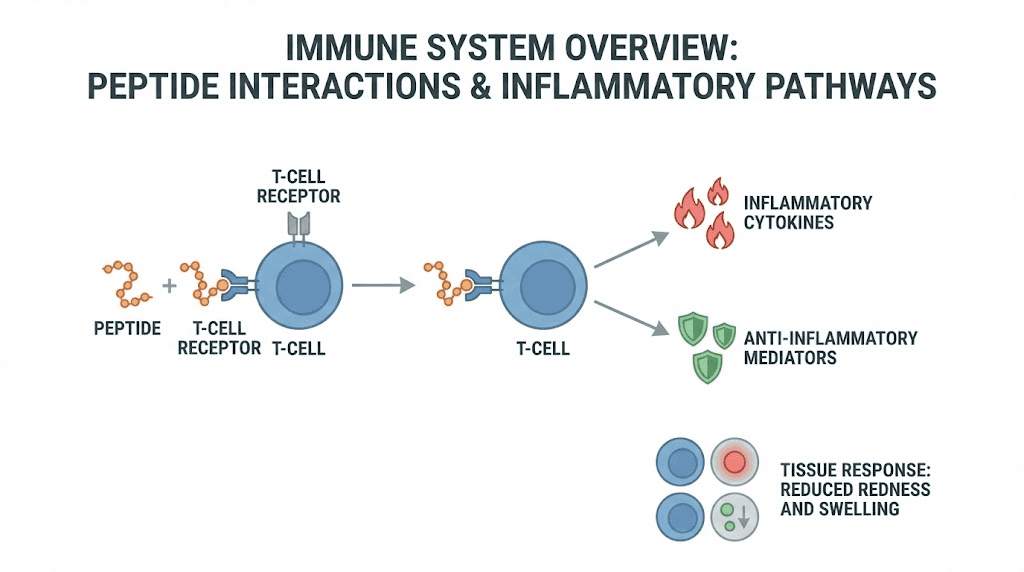
Thymosin alpha-1 has the most established track record in this category. It enhances T-cell function and has been used clinically for hepatitis, immunodeficiency syndromes, and as an adjunct to cancer treatment. Its safety profile after decades of use provides confidence lacking with newer compounds.
KPV, derived from alpha-melanocyte stimulating hormone, offers potent anti-inflammatory effects without immunosuppression. It has shown particular promise for gut inflammation, making it relevant for inflammatory bowel conditions. The dosing approach differs based on whether systemic or localized effects are desired.
The bioregulator peptides, including Vesugen for blood vessels, Chonluten for respiratory function, and Cardiogen for cardiac tissue, represent a Russian school of peptide therapy focused on organ-specific regeneration. Each targets its respective tissue through mechanisms that remain partially understood but consistently produce clinical observations.
Sexual health peptides
Sexual function involves complex interplay between hormones, neurotransmitters, and vascular factors. Peptides targeting these systems have shown remarkable efficacy for dysfunction that resists other interventions.
PT-141, also known as bremelanotide, works through central nervous system pathways rather than vascular mechanisms like traditional erectile dysfunction medications. It activates melanocortin receptors in the brain, producing arousal independent of the vascular changes required for physical response. This mechanism makes it effective for women as well as men and addresses desire deficits that phosphodiesterase inhibitors cannot touch. The nasal spray formulation offers convenience for many users.
Kisspeptin, a peptide crucial for reproductive function, has emerged as another option for addressing sexual dysfunction, particularly when hormonal disruption underlies the problem. It sits upstream of testosterone and estrogen production, making it a master regulator of reproductive endocrinology.
Skin and cosmetic peptides
The cosmetics industry embraced peptides early, incorporating them into serums, creams, and specialized treatments. Beyond marketing hype, genuine science supports certain applications.
Copper peptides for skin have accumulated the most evidence. GHK-Cu promotes collagen synthesis, reduces fine lines, and improves overall skin texture. The copper peptide serums available commercially vary enormously in quality and concentration, making source selection important.
Signal peptides like Matrixyl stimulate fibroblasts to produce more collagen and other extracellular matrix components. Neurotransmitter inhibiting peptides like Argireline relax facial muscles, reducing dynamic wrinkles in a mechanism similar to botulinum toxin. Enzyme inhibiting peptides protect existing collagen from degradation. Each category addresses skin aging through distinct pathways, and combination approaches often produce superior results. Understanding how to incorporate peptides into a skincare routine maximizes their benefits.
The relationship between peptides and retinol often confuses people, as both offer anti-aging benefits through different mechanisms that can complement each other when used properly.
How peptides work in the body
Understanding mechanism transforms peptide use from blind experimentation into informed practice. Each peptide category operates through specific pathways that determine appropriate applications, timing, and dosing strategies.
Receptor binding and signal transduction
Most peptides exert their effects by binding to specific receptors on cell surfaces. This binding initiates a cascade of intracellular events, similar to a key turning a lock and triggering the machinery inside. The receptor determines what happens next, whether that involves gene transcription, enzyme activation, ion channel opening, or other cellular responses.
Specificity matters enormously here. A peptide designed to bind growth hormone releasing hormone receptors will not activate melanocortin receptors. This specificity provides both targeted effects and safety margins, as unintended receptor activation becomes less likely than with less selective compounds.
However, many peptides interact with multiple receptor subtypes, creating complex pharmacological profiles. Understanding these interactions explains why the same peptide can produce different effects at different doses or in different tissues.
Gene expression modulation
Some peptides influence which genes cells express. GHK-Cu provides an excellent example, upregulating numerous genes associated with youthful tissue function while downregulating genes linked to inflammation and tissue destruction. These expression changes persist beyond the immediate presence of the peptide, producing effects that outlast the compound itself.
This gene modulation represents one of the most powerful mechanisms in peptide therapy. Rather than simply forcing a temporary response, certain peptides can reprogram cellular behavior in lasting ways.
Enzymatic targets
Other peptides work by inhibiting or activating enzymes. Enzyme inhibition can preserve beneficial molecules from degradation or block harmful metabolic pathways. Enzyme activation can accelerate healing, metabolic, or signaling processes.
Understanding these mechanisms helps explain why certain peptides require specific conditions to function optimally and why combining peptides requires attention to potential interactions.
Practical considerations for peptide research
Theory only goes so far. The practical aspects of working with peptides determine whether research yields meaningful results or frustrating failure.
Sourcing and quality
The peptide market remains largely unregulated, which creates both opportunity and risk. Quality varies dramatically between suppliers. Some products contain exactly what the label claims at stated purity. Others contain impurities, incorrect quantities, or even completely different compounds than advertised.
Several factors indicate quality. Third-party testing with publicly available certificates of analysis provides independent verification. Consistent batch-to-batch purity suggests reliable manufacturing processes. Reputation among experienced users, while subjective, correlates with quality over time. Vendor selection becomes a critical decision point for any peptide research.
Understanding the difference between research and pharmaceutical grade peptides helps set appropriate expectations for quality and purity.
Storage and handling
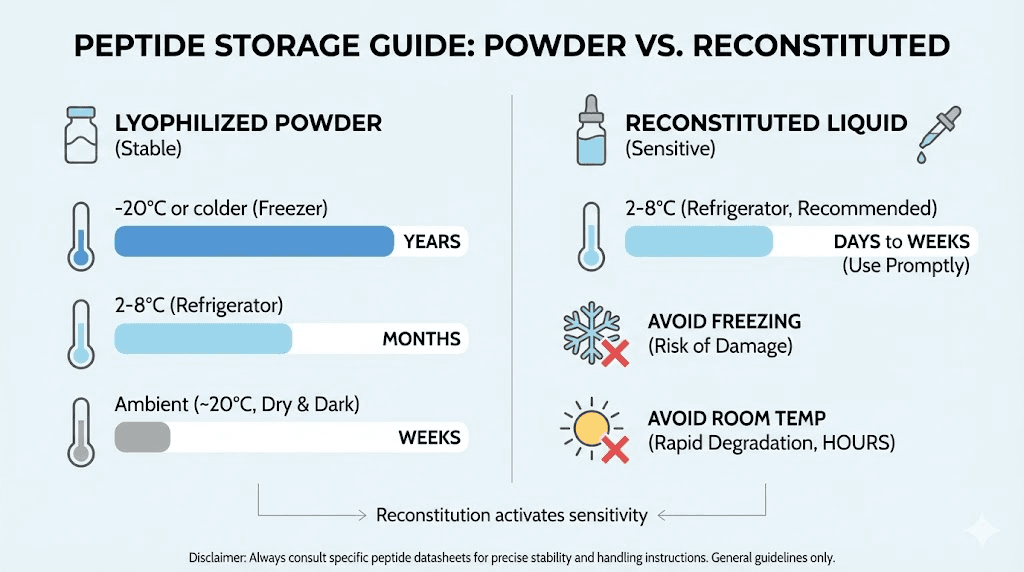
Peptides are delicate molecules. Improper storage degrades them quickly, wasting money and producing inconsistent results. Most peptides in powder form remain stable at room temperature for reasonable periods but last much longer refrigerated or frozen. Once reconstituted, refrigeration becomes essential, and even then, reconstituted peptide stability varies by compound.
The storage requirements for each peptide should be understood before beginning any protocol. Light, heat, and repeated freeze-thaw cycles all damage peptide integrity.
Reconstitution itself requires attention. Most peptides dissolve best in bacteriostatic water, which contains a preservative that prevents bacterial growth.
Sterile technique during reconstitution prevents contamination that could cause infection or peptide degradation.
Reconstitution and dosing
Converting lyophilized peptide powder into injectable solution requires basic math skills and attention to detail.
The concentration depends on how much diluent you add to a known amount of peptide. Proper reconstitution ensures accurate dosing and minimizes waste.
A peptide calculator simplifies these calculations enormously. You input the peptide amount and diluent volume, and it tells you the concentration per unit volume. From there, determining how much to draw for a specific dose becomes straightforward. SeekPeptides provides several specialized calculators for this purpose, including options for reconstitution calculations and dose determination.
The dosing guide principles vary by peptide, but general approaches include starting low, titrating gradually, and monitoring response before increasing. What works for one peptide may not apply to another.
Administration routes
Most research peptides require injection because oral administration subjects them to digestive enzymes that destroy their structure before absorption. Subcutaneous injection into the fatty layer beneath the skin provides the most common route. Proper injection technique minimizes discomfort and ensures consistent absorption.
Some peptides work through alternative routes. Nasal sprays deliver certain compounds effectively, bypassing digestion while avoiding injection entirely. Topical application works for skin-targeted peptides like GHK-Cu. Oral peptides remain challenging, though emerging technologies are making progress in protecting peptides through the digestive tract.
The comparison between injectable and oral options becomes relevant for specific peptides where both exist.
Building peptide protocols
Individual peptides produce individual effects. Combining them strategically can produce synergistic outcomes greater than the sum of parts.
But stacking without understanding creates potential for waste, reduced efficacy, or adverse interactions.
Principles of peptide stacking
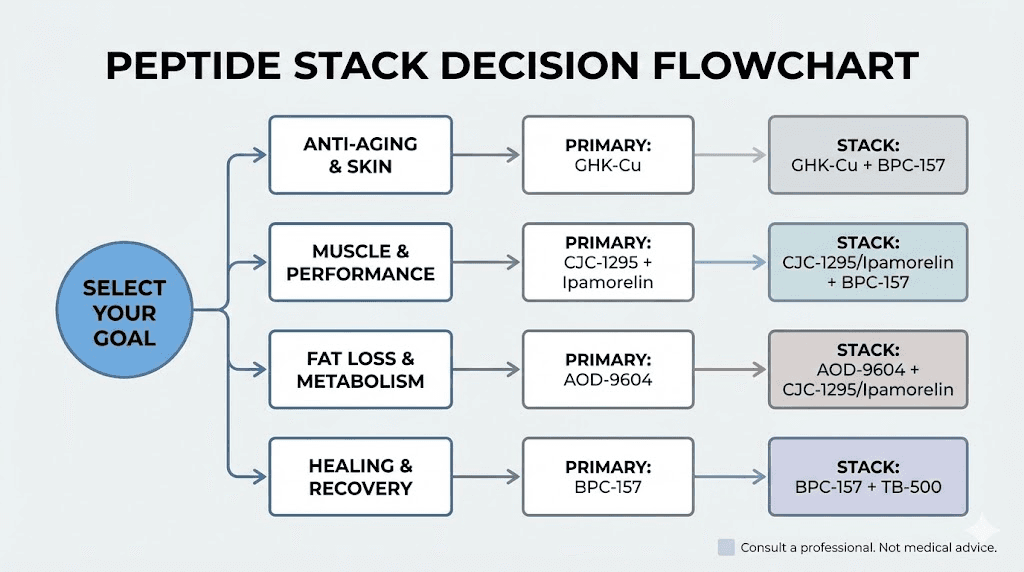
Effective stacks combine peptides with complementary mechanisms. Using two growth hormone secretagogues that work through the same pathway offers little advantage over using one. Combining a GHRH analog like CJC-1295 with a ghrelin mimetic like ipamorelin, however, produces enhanced growth hormone release through synergistic pathways.
Similarly, pairing BPC-157 with TB-500 for healing makes sense because they address tissue repair through different mechanisms that complement each other. The local effects of BPC-157 combine with the systemic effects of TB-500 to create comprehensive healing support.
The stack calculator helps plan combinations, but understanding the rationale behind each pairing matters more than following recipes blindly.
Timing and cycling
Receptor desensitization occurs with prolonged exposure to most signaling molecules. The body adapts to chronic stimulation by reducing receptor sensitivity or number. This means continuous peptide use often produces diminishing returns over time.
Cycling, alternating periods of use with periods of rest, allows receptor sensitivity to recover. The optimal cycle length varies by peptide and individual, but many protocols follow an 8-12 week on, 4-6 week off pattern. Cycle planning requires considering the specific peptides involved and individual response patterns.
Daily timing matters as well. Growth hormone secretagogues typically perform best when administered on an empty stomach, often before sleep to align with natural growth hormone pulsatility. Other peptides may have different optimal timing based on their mechanisms.
Understanding how to cycle different peptides together adds another layer of complexity to protocol design.
Goal-specific stacks
Different goals call for different combinations. A stack optimized for fat loss looks quite different from one designed for injury recovery or cognitive enhancement.
For body composition, combining growth hormone secretagogues with peptides targeting specific fat metabolism pathways often produces superior results to either alone. Protocols addressing both fat loss and muscle gain require balancing multiple factors simultaneously.
For healing, the BPC-157/TB-500 combination provides a foundation that can be supplemented with additional compounds depending on the specific injury type and location. Tendon injuries may benefit from different additions than joint problems.
For longevity, the picture becomes more complex. Multiple pathways contribute to aging, and effective anti-aging stacks often address several simultaneously, from growth hormone optimization to mitochondrial support to telomere maintenance.
Safety considerations in peptide research
No compound is completely without risk. Peptides generally demonstrate excellent safety profiles compared to many pharmaceutical agents, but responsible research requires acknowledging and minimizing potential hazards.
Common side effects
Injection site reactions top the list of reported side effects. Redness, swelling, itching, or minor pain at injection sites occurs frequently but usually resolves quickly. Proper injection technique and site rotation minimize these issues.
Water retention sometimes accompanies growth hormone secretagogue use, particularly early in protocols. This typically resolves as the body adapts, though dose adjustment may help in persistent cases.
Appetite changes, both increases and decreases, occur with various peptides. GLP-1 agonists famously suppress appetite, while some growth hormone secretagogues increase hunger, especially initially.
Fatigue or energy fluctuations affect some users, particularly when protocols influence sleep patterns or metabolic rate. Understanding general peptide safety helps set appropriate expectations.
Serious risks
More significant risks exist but occur less frequently. Hormonal disruption can result from prolonged use of peptides affecting the endocrine system. This makes periodic blood work valuable for monitoring hormone levels and catching problems early.
Hypoglycemia becomes possible with peptides affecting insulin sensitivity or glucose metabolism. Users of metabolic peptides should be aware of low blood sugar symptoms and how to respond.
Theoretical cancer risks exist for any compound that promotes cell proliferation. While no clear evidence links approved peptides to cancer in humans, those with active malignancies or high cancer risk should approach growth-promoting peptides with extra caution.
Contamination and sterility failures create infection risk with any injectable. Proper technique and quality sourcing minimize but cannot eliminate this possibility.
Contraindications and precautions
Certain conditions warrant extra caution or avoidance of specific peptides. Active cancer generally contraindicates growth-promoting peptides. Pregnancy and lactation preclude most peptide use due to insufficient safety data.
Autoimmune conditions may worsen with immune-stimulating peptides or improve with immune-modulating ones, depending on the specific situation.
Medication interactions occur less frequently with peptides than with conventional pharmaceuticals, but they exist. Diabetics using insulin or oral hypoglycemics need particular attention when adding peptides that affect glucose metabolism.
The research landscape
Peptide science advances rapidly, with new compounds emerging regularly and existing ones finding novel applications.
What the evidence shows
Evidence quality varies enormously across the peptide landscape. Some compounds, like insulin and other peptide hormones used medically for decades, have extensive human data supporting specific applications. Others, like BPC-157, have compelling animal data but limited controlled human trials.
The research foundation for any peptide should inform expectations. Extensive human trials provide confidence. Animal studies suggest potential but require extrapolation. In vitro studies offer mechanistic insight but limited practical prediction.
User reports and anecdotal evidence fill gaps where formal research is lacking but carry obvious limitations. Selection bias, placebo effects, and confounding variables all distort community reports.
Regulatory status
The regulatory environment for peptides remains complex and jurisdiction-dependent. Some peptides are approved pharmaceuticals requiring prescriptions. Others exist in gray areas as research chemicals not approved for human use but not explicitly prohibited for purchase. Still others face increasing regulatory scrutiny as their popularity grows.
Understanding legal considerations in your jurisdiction helps navigate this landscape responsibly.
Recent years have seen increased regulatory attention to certain peptide categories, particularly compounded versions of approved drugs and peptides with clear performance-enhancing applications. Regulatory developments continue to evolve and bear watching.
Emerging research directions
Several areas show particular promise for future development. Oral delivery systems that protect peptides through digestion could transform administration convenience. Novel peptide sequences designed through computational methods may offer improved selectivity and efficacy.
Combination therapies incorporating peptides with other modalities could unlock synergies not achievable alone.
The integration of artificial intelligence into peptide design represents a frontier with enormous potential. Machine learning algorithms can predict peptide properties from sequence data, accelerating the discovery of compounds with desired characteristics.
Specific applications and use cases
Abstract categories become concrete when applied to specific goals. Understanding how peptides address particular concerns helps researchers select appropriate compounds for their interests.
Athletic performance and recovery
Athletes drove much early interest in peptides, seeking advantages in recovery, endurance, and body composition. While many peptides appear on banned substance lists for competitive sports, their effects on performance parameters remain subjects of intense research interest.
Recovery acceleration through healing peptides allows more frequent intense training by reducing downtime between sessions. Endurance enhancement through various mechanisms can extend performance capacity. Body composition optimization through growth hormone secretagogues and metabolic peptides improves power-to-weight ratios.
The comparison with anabolic steroids comes up frequently, and understanding the differences in mechanism, efficacy, and risk profile helps contextualize what peptides can and cannot accomplish.
For pain management during training and competition, analgesic peptide options offer alternatives to conventional pain medications.
Women-specific considerations
Female physiology differs from male in ways that affect peptide selection and response. Hormonal fluctuations throughout the menstrual cycle may influence optimal timing and dosing. Pregnancy potential creates additional safety considerations.
Peptide selection for women often emphasizes different goals than male-oriented protocols. Fat loss without excessive muscle gain, skin quality improvement, and hormonal balance take priority for many female researchers.
The perimenopause and menopause transition creates specific opportunities for peptide support. Targeting perimenopausal symptoms and age-related changes in women over 40 represents a growing area of interest.
Men-specific applications
Male hormone optimization drives significant peptide interest. Testosterone support through testosterone-related peptides offers alternatives or adjuncts to direct hormone replacement. Sexual function enhancement through PT-141 and other compounds addresses concerns resistant to conventional treatment.
The comprehensive guide to peptides for men addresses these applications in detail, including considerations for different age groups and goals.
TRT-related peptide protocols have gained attention for maintaining endogenous hormone production while supporting optimal levels.
Gut health applications
The gut contains more peptide receptors than perhaps any other organ system. Multiple peptides influence digestive function, gut barrier integrity, and inflammatory processes in the gastrointestinal tract.
BPC-157 originated from gastric protective factors and demonstrates particular affinity for gut tissue. Gut health protocols often feature this peptide prominently, sometimes combined with KPV for its anti-inflammatory effects on intestinal tissue.
Understanding KPV mechanisms for inflammation helps explain its applications beyond the gut as well.
Skin and aesthetic applications
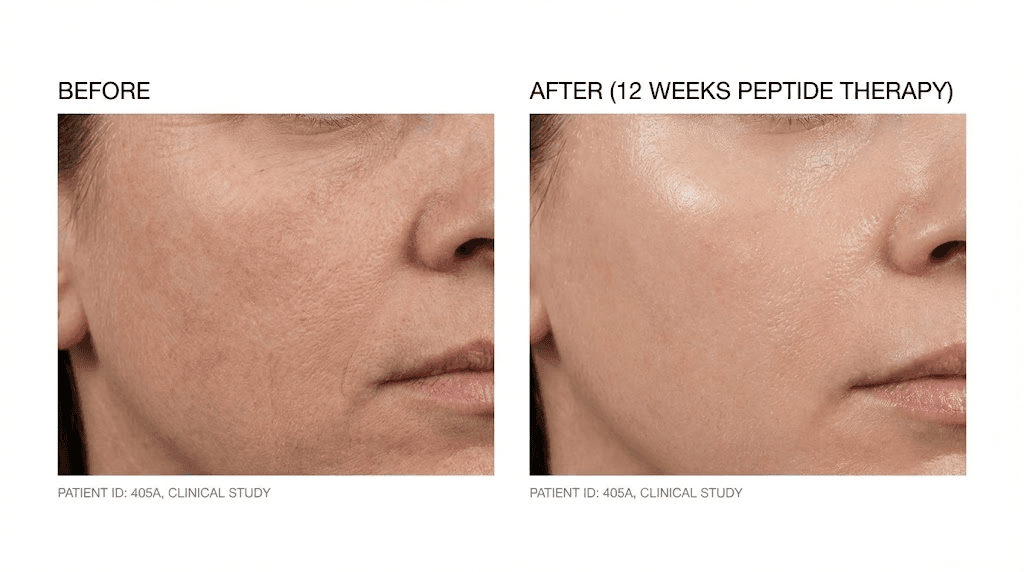
Beyond the topical peptides in cosmetic products, injectable peptides can produce dramatic improvements in skin quality. Growth hormone secretagogues improve skin thickness and hydration. GHK-Cu accelerates skin regeneration and reduces inflammation. The combination of internal and external peptide therapy often exceeds results achievable through either alone.
Skin tightening applications, wrinkle reduction, and dark circle treatment all have peptide options worth exploring.
Hair growth represents another aesthetic application, with several peptides showing promise for follicle stimulation and hair quality improvement. GHK-Cu for hair has accumulated particular attention in this regard.
Sleep and stress management
Sleep quality underlies virtually every aspect of health and performance. Peptides affecting sleep architecture can produce benefits extending far beyond the bedroom.
DSIP (delta sleep-inducing peptide) promotes deeper sleep stages and improved sleep efficiency. The dosing protocols require careful attention to timing for optimal results.
Stress reduction through anxiolytic peptides like selank can improve sleep indirectly while providing daytime cognitive benefits. Anxiety management peptides offer alternatives to conventional anxiolytics with different side effect profiles.
Energy and focus enhancement complements sleep optimization for comprehensive vitality support.
Common mistakes and how to avoid them
Experience teaches lessons that books cannot. The collective wisdom of the peptide research community highlights pitfalls that trip up newcomers repeatedly.
Starting too high
Enthusiasm leads many to begin with doses higher than necessary. This wastes peptide, risks unnecessary side effects, and provides no additional benefit in most cases. Starting at the lower end of suggested ranges and titrating upward based on response produces better outcomes with less risk.
Neglecting storage
Peptides degraded by improper storage produce unpredictable and disappointing results. Investing in quality storage solutions, including proper refrigeration and protection from light, preserves peptide integrity and ensures consistent dosing.
Ignoring timing
Many peptides perform optimally at specific times relative to meals, sleep, or other factors. Administering growth hormone secretagogues immediately after a high-carbohydrate meal, for example, blunts their effects. Understanding and respecting timing requirements maximizes results.
Expecting immediate results
Peptides are not magic. Most produce gradual effects that accumulate over weeks to months. Patience serves researchers well. Understanding realistic timelines prevents premature abandonment of effective protocols.
Failing to document
Memory distorts over time. Keeping detailed records of doses, timing, side effects, and results provides invaluable data for optimizing protocols. What worked, what did not, what changed, all become clearer with documentation.
Understanding common beginner mistakes helps avoid repeating them.
Getting started with peptides
The journey into peptide research begins with education and proceeds through careful experimentation. A systematic approach yields better results than random exploration.
Education first
Understanding mechanisms, protocols, and safety considerations before purchasing any peptide prevents costly mistakes. Resources like SeekPeptides exist specifically to support this educational phase, providing structured learning paths for newcomers.
The practical applications of peptides become clearer with foundational understanding in place.
Goal clarification
What specifically do you hope to achieve? Vague goals produce vague results. Specific, measurable objectives guide compound selection, protocol design, and progress assessment. Weight loss? How much? Injury recovery? What specific tissue? Cognitive enhancement? Which aspects of cognition?
Compound selection
Goals inform compound selection. The comprehensive peptide listing provides options for virtually any research direction. Understanding the evidence base, mechanism, and practical considerations for candidate peptides enables informed choices.
For fat loss specifically, the visceral fat targeting options differ from those addressing subcutaneous fat.
Protocol design
Dosing, timing, duration, and cycling all require specification before beginning. Generic protocols provide starting points that individual response may require adjusting. The dosage reference charts offer guidance for common peptides.
Progress monitoring
Tracking relevant metrics before, during, and after protocols enables objective assessment of results. Body composition measurements, performance metrics, subjective wellbeing scores, and periodic bloodwork all contribute useful data. Before and after documentation provides valuable feedback.
Resources for continued learning
Peptide science advances continuously. Staying current requires ongoing engagement with emerging research and community knowledge.
SeekPeptides provides comprehensive resources including clinic directories, community forums, and regularly updated protocol guides. Members access personalized guidance, protocol builders, and expert support for navigating this complex landscape.
The specialized calculators, including the main peptide calculator, BPC-157 dosage calculator, semaglutide dosage calculator, TB-500 dosage calculator, and reconstitution calculator, simplify the practical aspects of peptide research.
Understanding the cost considerations helps plan sustainable long-term research.
For those serious about optimizing their peptide research, SeekPeptides membership provides the most comprehensive resource available, with evidence-based guides, proven protocols, and a community of thousands who have navigated these exact questions.
Frequently asked questions
What are peptides and how do they differ from proteins?
Peptides are short chains of amino acids, typically containing 2-50 amino acids linked by peptide bonds. Proteins are longer chains, often hundreds or thousands of amino acids, that fold into complex three-dimensional structures. Peptides remain more flexible and excel at signaling functions, while proteins often serve structural roles. Learn more about the fundamentals of peptides in our detailed guide.
Are peptides safe to use?
Peptides generally demonstrate good safety profiles, but risk varies by compound, dose, and individual factors. Common side effects include injection site reactions and temporary water retention. More serious risks exist with improper use or certain pre-existing conditions. Working with knowledgeable guidance and quality sources minimizes risk.
Our safety guide covers this topic comprehensively.
How long does it take for peptides to work?
Timeline varies dramatically by peptide and goal. Some effects, like appetite suppression from GLP-1 agonists, occur within days. Others, like body composition changes from growth hormone secretagogues, require weeks to months to become apparent. Healing peptides may show effects within 1-2 weeks for some injuries. Setting realistic expectations based on typical timelines prevents premature discouragement.
Can I combine multiple peptides?
Yes, peptide stacking is common and can produce synergistic effects when done thoughtfully. Combining peptides with complementary mechanisms often outperforms single-peptide approaches. However, random combination risks waste, diminished efficacy, or adverse interactions. Understanding stacking principles and combination limits guides effective protocol design.
Do peptides need to be refrigerated?
Storage requirements vary. Most peptides in powder form remain stable at room temperature short-term but last longer refrigerated or frozen. Reconstituted peptides require refrigeration and have limited stability, typically 2-4 weeks depending on the compound. Our storage guide provides specific recommendations for common peptides.
What is the best peptide for beginners?
The best starting peptide depends on goals. For general introduction to injectable peptides with healing benefits, BPC-157 offers a forgiving entry point with good safety profile. For body composition without injection, collagen peptides provide accessible benefits. For weight management under medical supervision, GLP-1 agonists produce reliable results. Our beginner guide helps match starting points to individual situations.
How do I know if my peptides are real?
Quality verification relies on multiple factors: third-party testing with available certificates of analysis, consistent appearance and behavior across batches, expected effects at reasonable doses, and vendor reputation among experienced users.
The testing lab guide explains verification options, and our vendor assessment helps identify reliable sources.
External resources
In case I do not see you, good afternoon, good evening, and good night. Join us.