Jan 20, 2026
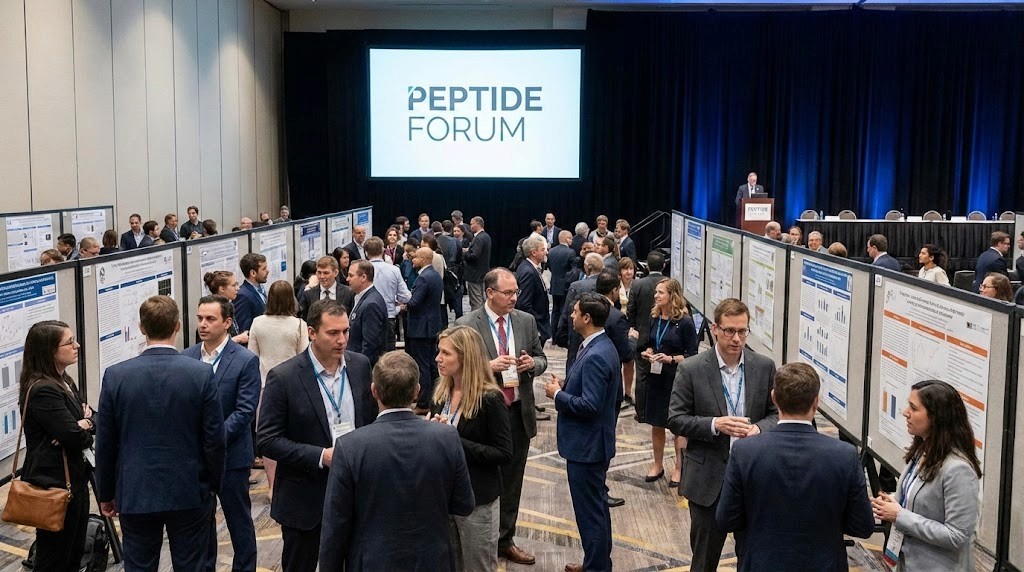
You've done your research. You've read the studies. You've watched the videos. And yet, you still have questions that Google can't answer. Questions about real-world experiences. About what actually happens when theory meets practice. About the nuances that only someone who's been there can explain.
This is where peptide forums become invaluable.
A peptide forum is more than a website. It's a gathering place for researchers, practitioners, and curious minds who share knowledge that exists nowhere else. The discussions happening in these communities fill gaps that scientific papers leave behind. They provide context that clinical data cannot capture. And they offer something increasingly rare in the peptide world: honest, experience-based conversation from people who have nothing to sell you.
But here's the challenge. Not all forums are created equal. Some provide genuine value backed by evidence and thoughtful moderation. Others spread dangerous misinformation dressed up as expertise.
The difference between a helpful community and a harmful echo chamber can mean the difference between successful research and costly, potentially dangerous mistakes.
Understanding what peptides are is just the beginning. Knowing where to discuss them safely is equally important.
This guide explores everything you need to know about peptide forums. You'll discover which communities offer the most reliable information, how to evaluate the quality of advice you encounter, what red flags signal dangerous misinformation, and how to participate effectively without putting yourself at risk. Whether you're new to getting started with peptides or an experienced researcher looking for deeper discussion, this resource will help you navigate the complex landscape of online peptide communities.
What is a peptide forum and why does it matter
A peptide forum is an online discussion platform where people interested in peptide research gather to share information, ask questions, and exchange experiences. Think of it as a specialized community center dedicated entirely to peptide-related topics. These platforms range from highly scientific discussion boards focused on peer-reviewed research to more casual communities where everyday users share practical observations.
The value of these communities cannot be overstated.
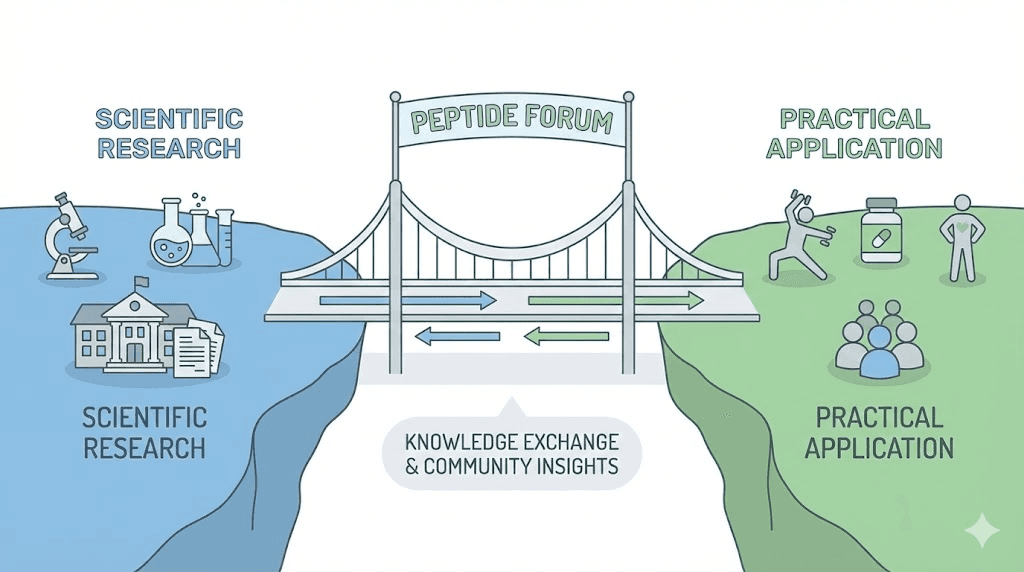
Scientific literature tells you what happens in controlled laboratory conditions. It describes mechanisms, reports statistical outcomes, and draws conclusions based on carefully designed studies. This information is essential. But it rarely tells you what happens when someone actually uses a peptide in real conditions. It doesn't capture the subtle variations in individual response. It doesn't address the practical questions that arise during actual use.
Forums fill this gap by providing something studies cannot: lived experience from diverse individuals encountering the same compounds under varying conditions. When someone asks about how long peptides take to work, they get answers from people who've tracked their own timelines. When someone wonders about common peptide mistakes beginners make, veterans share lessons learned through trial and error.
This experiential knowledge has real value.
It helps researchers anticipate challenges before they encounter them. It provides protocols refined through collective experience. It offers troubleshooting guidance for situations that studies never address. And it creates a support network for people navigating complex decisions in an often confusing field. Understanding how peptides work scientifically is important, but understanding how they work practically in real scenarios is equally valuable.
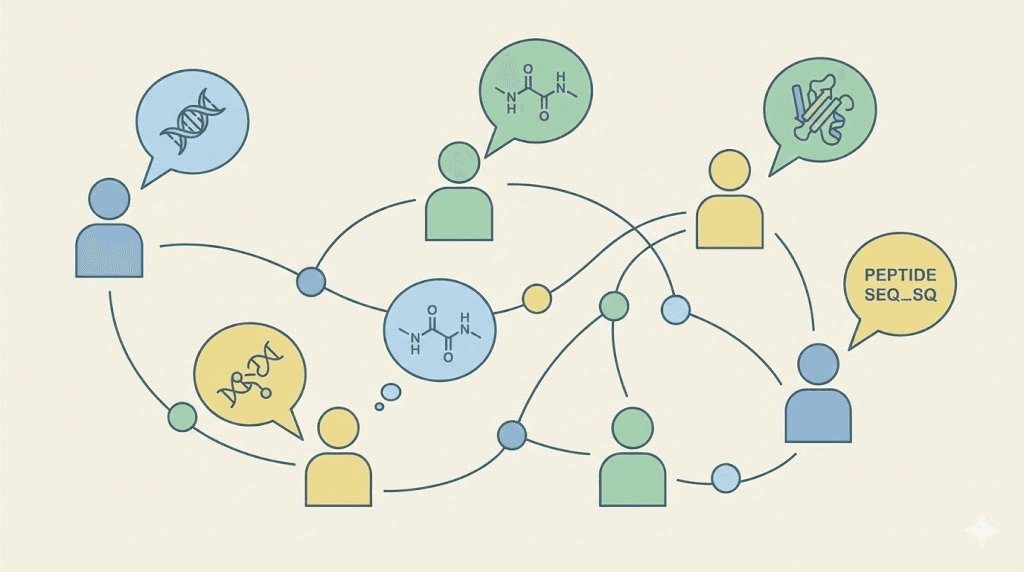
The major peptide forums and communities you should know
Not all peptide communities serve the same purpose. Some focus on scientific research and peer-reviewed discussion. Others emphasize practical application and user experiences. Some cater to medical professionals while others welcome anyone interested in learning. Understanding the landscape helps you find the right community for your specific needs.
PeptideForum.org
This platform positions itself as a scientific, research-only peptide and biomolecular discussion forum. The emphasis on evidence-based discussion sets it apart from more casual communities. Members focus on dosing protocols, scientific studies, and peer-reviewed research rather than anecdotal claims.
The community attracts researchers and enthusiasts committed to rigorous standards. Discussions often reference specific studies, and members expect claims to be supported by evidence rather than personal opinion. This makes it valuable for anyone seeking information grounded in science rather than speculation. Topics frequently covered include peptide research and studies with detailed analysis of emerging data.
The International Peptide Society
This members-only forum serves practitioners and healthcare professionals. It provides a space for clinical discussions, best practices sharing, and patient outcome documentation. The exclusive nature ensures conversations remain professional and clinically relevant.
For practitioners, this community offers something rare: direct peer-to-peer communication about real clinical experiences. Members discuss protocols, share outcomes, and learn from colleagues working in similar contexts.
The focus on legitimate medical practice distinguishes it from consumer-oriented forums. Professionals interested in peptide therapy clinics often find valuable insights here.
Peptide Affect Forum
This community offers practical guidance for people actively researching specific peptides. Members discuss protocols, timing, cycling strategies, and stacking combinations. The emphasis on practical application makes it useful for those seeking implementation guidance.
Discussion threads often address specific compounds in detail. You'll find conversations about BPC-157 protocols, TB-500 experiences, and various peptide stacks. The community also provides step-by-step guidance for how to reconstitute peptides properly, addressing common concerns about proper handling.
GLP-1 Forum
As interest in GLP-1 agonists has exploded, specialized communities have emerged to serve this specific niche. GLP-1 Forum focuses on medications and compounds like semaglutide, tirzepatide, and retatrutide.
The platform covers compounding, research chemicals, and related peptides.
Given the massive popularity of semaglutide and tirzepatide for weight management, communities dedicated to these specific compounds provide concentrated expertise. Members discuss tirzepatide dosing, retatrutide dosage charts, and comparative experiences across different compounds.
AnabolicMinds peptide and research section
This established forum includes a dedicated section for peptide and research discussions. The broader fitness community context means conversations often connect peptides to specific performance and physique goals. Topics regularly include peptides for muscle growth, injury recovery peptides, and fat burning peptides.
The community's longevity provides valuable archives of historical discussions.
You can trace the evolution of protocols over time, seeing how collective understanding has developed through years of shared experience.
Reddit peptide communities
Reddit hosts several peptide-related communities with varying levels of quality and moderation. The platform's upvote system theoretically surfaces helpful content, but this doesn't guarantee accuracy. Popular peptide subreddits see significant traffic, with discussions covering everything from basic peptide dosing guides to specific compound experiences.
The accessibility of Reddit makes it a common starting point for people new to peptides. However, the open nature also means misinformation spreads easily.
Anecdotal claims receive the same platform as evidence-based information, making critical evaluation essential.
Excel Male Health Forum peptide section
This forum focuses on men's health with dedicated sections for peptides, particularly growth hormone secretagogues. Discussions cover sermorelin benefits, ipamorelin, and related compounds used for hormone optimization.
The health-focused context attracts members interested in therapeutic applications rather than performance enhancement alone. Conversations often address peptides for men specifically, with attention to safety considerations and long-term protocols.
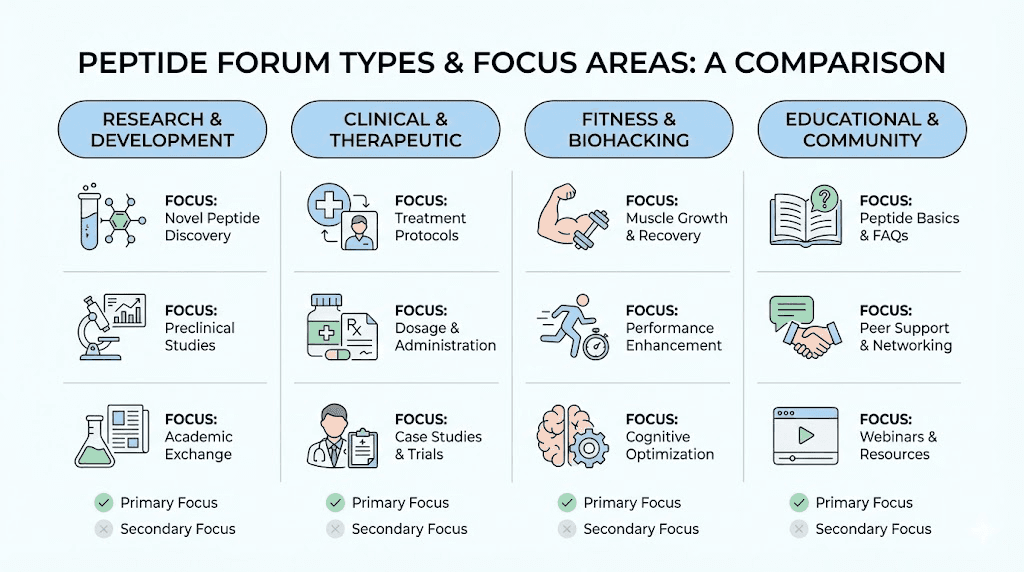
What people actually discuss on peptide forums
Understanding what topics dominate forum conversations helps you know what to expect and how to participate effectively. The discussions span a predictable range of subjects, each offering different value to members.
Dosing protocols and schedules
This topic generates perhaps the most discussion across all peptide forums. People want to know exactly how much to use, how often to administer, and how long to continue. They want to understand the relationship between dose and effect. They want protocols they can follow.
Forum discussions often provide more nuanced guidance than generic charts. Members discuss how they've adjusted standard protocols based on individual response. They share timing strategies, explaining why they chose morning versus evening administration or how they sequence multiple compounds. Resources like the peptide dosage chart provide starting points, but forum discussions add the practical refinements that experience reveals.
Common dosing topics include:
GHK-Cu dosage protocols for various applications
Semax dosing for cognitive purposes
Selank injection dosage considerations
KPV peptide dosing for inflammation
MOTS-c dosage charts for metabolic support
The peptide calculator tools help with the math, but forums help with the strategy behind the numbers.
Reconstitution and storage questions
Practical handling questions generate constant discussion. New researchers especially seek guidance on proper bacteriostatic water use, reconstitution techniques, and storage practices. Experienced members share tips refined through practice.
These discussions often address questions like how long peptides last in the fridge, how long they last at room temperature, and how long reconstituted peptides remain stable. The peptide storage guide provides foundational knowledge, but forum discussions add real-world nuances about maintaining potency. Tools like the peptide reconstitution calculator simplify the math once you understand the principles.
Vendor experiences and quality concerns
Discussion of peptide sources represents a significant portion of forum content. Members share experiences with various suppliers, discuss quality indicators, and report problems encountered. Understanding best peptide vendors requires more than marketing claims. It requires community feedback.
These conversations help researchers identify reliable sources while avoiding problematic ones. Members discuss certificate of analysis interpretation, third-party testing results, and red flags that suggest quality issues.
This collective intelligence about sourcing proves invaluable for anyone navigating the fragmented peptide marketplace.
Stacking and combination protocols
Many researchers use multiple peptides simultaneously, raising questions about optimal combinations. Forum discussions explore synergistic stacks, timing considerations, and potential interactions. The BPC-157 versus TB-500 comparison is a perennial topic, as is discussion of their combined use.
Members share complete stack protocols for specific goals. Want to know about the wolverine stack? Forums have extensive discussions. Curious about glow peptides and their dosing? You'll find detailed protocols. The peptide stack calculator helps plan combinations, but forum wisdom guides what to combine and why.
Before and after experiences
Real-world results documentation drives significant forum activity. Members share peptide before and after results, describing their starting conditions, protocols followed, and outcomes observed.
The peptide transformation discussions help set realistic expectations. Seeing documented timelines helps new researchers understand that results require patience. Progress markers at various intervals provide benchmarks for comparison.
Side effects and troubleshooting
Forums provide essential space for discussing problems encountered. Members describe side effects, seek advice about concerns, and share solutions discovered. The peptide safety and risks topic generates ongoing discussion as people navigate individual responses.
Troubleshooting threads address common issues: what to do when expected results don't materialize, how to manage unwanted effects, when to adjust protocols, and when to stop entirely. This problem-solving discussion represents some of the most practically valuable forum content.
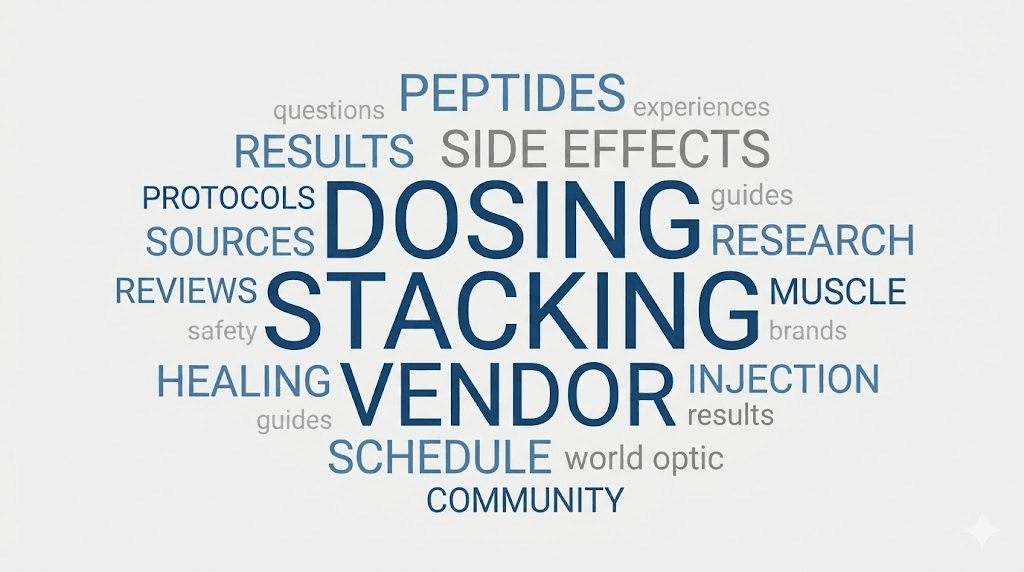
How to evaluate peptide forum information quality
Not all forum advice deserves equal consideration. Learning to evaluate information quality protects you from misinformation while helping you identify genuinely valuable contributions. Several factors distinguish reliable forum content from dubious claims.
Check for evidence-based reasoning
Trustworthy contributors cite sources. They reference studies, link to research, or at minimum explain the reasoning behind their claims. Statements like "studies show" without specific citations warrant skepticism. Quality contributors understand the difference between peer-reviewed evidence and personal speculation.
Look for posts that connect claims to actual peptide research. When someone recommends a dosing protocol, do they explain why? When they suggest a combination, do they reference any supporting evidence? The presence or absence of reasoning reveals a lot about information quality.
Evaluate contributor history
Most forums allow you to view a member's posting history.
This context matters enormously.
A recommendation from someone with hundreds of thoughtful, consistent posts over years carries more weight than advice from a new account with minimal history.
Look for consistency in their contributions. Do they acknowledge uncertainty appropriately? Do they update their views when presented with new information? Do they admit when they don't know something? These markers suggest intellectual honesty that correlates with reliable information.
Watch for commercial motivation
Some forum participants have financial interests in promoting specific products or vendors. This doesn't automatically invalidate their contributions, but it should inform your interpretation. Be especially cautious when vendor recommendations come from accounts that seem to exist primarily for promotion.
Legitimate community members discuss multiple sources, acknowledge trade-offs, and don't present any single vendor as universally superior.
Promotional content often sounds too uniformly positive to be genuine user experience.
Consider the consensus
When multiple experienced members converge on similar conclusions, that consensus carries weight. When one person makes dramatic claims that others dispute or ignore, skepticism is warranted. Collective wisdom, while imperfect, often filters out extreme positions over time.
This doesn't mean majority opinion is always correct. But outlier claims require proportionally stronger evidence. Extraordinary claims require extraordinary support, whether in science or in forum discussion.
Distinguish experience from expertise
Personal experience has value, but it's not the same as expertise.
Someone who has used a peptide can describe their experience authentically.
That doesn't make them qualified to explain mechanisms, predict outcomes for others, or provide medical guidance.
The best forum contributors clearly label their statements. They say "in my experience" when sharing personal observations and "research suggests" when citing evidence. This clarity helps readers properly weight different types of information.
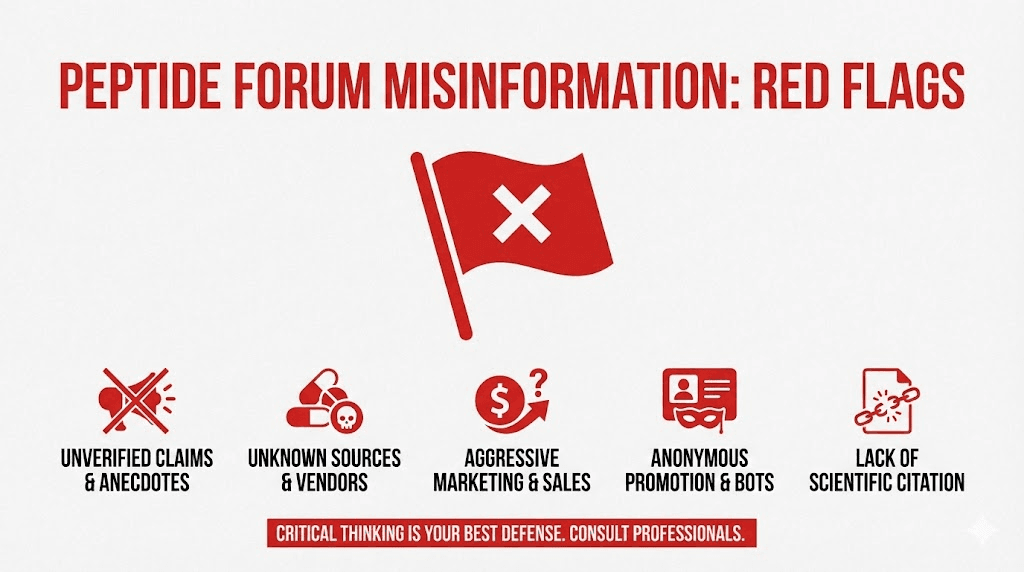
Red flags that signal dangerous peptide forum misinformation
Certain patterns consistently indicate unreliable or dangerous information. Learning to recognize these red flags protects you from advice that could lead to harm. The stakes are real. Bad information in peptide forums has led to real injuries.
Miraculous claims without evidence
Be wary of claims that sound too good to be true. Peptides offer real benefits, but they're not magic. Posts promising guaranteed results, rapid transformations, or cure-all effects usually indicate either ignorance or deception.
Legitimate contributors acknowledge complexity. They discuss varied responses among users. They mention limitations alongside benefits. They present realistic timelines based on actual observation. The realistic timeline for peptides to work involves patience, not overnight transformation.
"Research use only" code language
Many forums use coded language to discuss human use while maintaining plausible deniability. Members might refer to themselves as "lab rats" or discuss their "research." This linguistic dance exists for legal reasons, but it also creates confusion and enables misinformation.
The "research use only" framing allows people to share dangerous advice without accountability. When someone says they're "researching" a peptide, they're describing human self-experimentation. Recognizing this helps you understand that the risks discussed are real human risks, not abstract laboratory concerns.
Dismissal of safety concerns
Dangerous forum cultures minimize risk. They dismiss side effects as rare or unimportant. They suggest that concerns about safety reflect ignorance or weakness. This attitude puts people at risk.
Trustworthy communities take peptide safety seriously. They discuss potential problems openly. They encourage caution, especially for newer researchers.
They don't shame people for expressing concern or choosing conservative approaches.
Vendor shilling
Some forum accounts exist primarily to promote specific vendors. They praise one source consistently while dismissing competitors without substantive criticism. Their posting history reveals a pattern of promotion rather than genuine participation.
These shill accounts damage community trust and can direct people toward unreliable sources. When vendor recommendations feel like advertisements rather than honest reviews, treat them accordingly.
Medical advice from unqualified sources
Forums sometimes attract people who provide medical advice without appropriate qualifications. They diagnose conditions, recommend treatment protocols, and suggest that professional medical consultation is unnecessary.
This advice can cause serious harm.
Legitimate forum discussion provides information and shares experience. It doesn't replace professional medical guidance. Contributors who acknowledge the limits of forum advice demonstrate the appropriate humility. Those who position themselves as authorities on health decisions they're not qualified to make represent a significant risk.
Pressure to ignore concerns
Some forum cultures pressure members to proceed despite reservations. They frame hesitation as weakness, questions as paranoia, and caution as missing opportunities. This peer pressure can push people into decisions they're not ready for.
Healthy communities support informed decision-making, including the decision to wait, proceed slowly, or abstain entirely.
Anyone pressuring you to act against your better judgment does not have your best interests at heart.
How to participate in peptide forums effectively
Getting value from peptide forums requires more than passive reading. Active participation, done thoughtfully, enhances both your learning and the community's collective knowledge. These strategies help you engage productively.
Start by reading extensively
Before posting, spend significant time reading. Review existing threads on topics that interest you. Understand the community's norms and culture. Learn who the respected contributors are and how discussions typically unfold.
This investment pays dividends. You'll avoid asking questions already answered repeatedly. You'll understand context that makes discussions more meaningful.
You'll recognize the difference between typical community opinion and outlier positions.
Use the search function first
Most questions new members have were asked before. Forum search functions, while sometimes imperfect, can locate previous discussions on almost any topic. Searching before asking shows respect for community time and often provides faster answers than waiting for responses.
When searches reveal multiple threads on your topic, you benefit from diverse perspectives accumulated over time. This often provides richer information than any single response to a new post could offer.
Be specific in your questions
Vague questions generate vague answers. "What's a good peptide for healing?" prompts different responses than "I'm comparing BPC-157 and TB-500 for a rotator cuff issue, what factors should I consider?" Specific questions invite specific, useful responses.
Provide relevant context when asking questions. Your goals, current knowledge level, relevant health considerations, and what you've already tried help responders provide targeted assistance rather than generic information.
Contribute your own experiences
Forums thrive on participation. As you gain experience, sharing your observations benefits others following similar paths.
Document your protocols, describe your results, discuss challenges encountered. This contribution makes the community more valuable for everyone.
Be honest in your reporting. Acknowledge when results fall short of expectations or when you made mistakes. Authentic accounts of real experience, including disappointments, provide more value than curated success stories.
Maintain appropriate skepticism
Even in helpful communities, not all advice deserves acceptance. Cross-reference significant claims against other sources. Consult actual research when possible. Recognize that forum consensus, while valuable, can sometimes be collectively wrong.
SeekPeptides provides evidence-based resources that can help verify forum claims. When forum advice conflicts with well-documented information, investigate the discrepancy before proceeding.
Protect your privacy
Forum participation creates a record.
Consider what information you share and how it might be used. Many experienced members participate under pseudonyms that don't connect to their real identities. This prudence makes sense given the regulatory and professional sensitivities around peptide use.
Be especially careful about sharing location information, employment details, or other identifying data. Your forum participation should enhance your knowledge without creating unnecessary exposure.
The role of peptide forums in the broader research landscape
Peptide forums occupy a unique position in how knowledge develops and spreads. Understanding this context helps you appreciate both their value and their limitations.
Filling the information gap
Formal peptide research often lags behind practical use.
Studies take years to design, conduct, and publish. Meanwhile, people experiment with compounds, observe results, and share findings informally. Forums capture this informal knowledge that would otherwise remain scattered and inaccessible.
This doesn't make forum information equivalent to peer-reviewed research. It does make it valuable for questions that research hasn't yet addressed. The gap between laboratory science and practical application is where forum communities provide their greatest contribution.
Real-world protocol development
Many peptide protocols in common use emerged through community refinement rather than formal research. Members tried various approaches, shared results, and collectively converged on practices that seemed to work. This crowd-sourced protocol development has produced guidelines that researchers worldwide now follow.
The peptide dosing guide principles used today reflect this collective wisdom. Specific protocols for BPC-157 and TB-500, timing recommendations for muscle growth peptides, and cycling approaches for various compounds all evolved through community discussion.
Early warning system
Forum communities often identify problems before they become widely recognized. When a vendor's quality declines, forum members typically notice and report it before broader awareness develops. When unexpected side effects emerge from a compound, community discussion often captures these observations early.
This early warning function provides real protection for community members. Collective vigilance catches problems that isolated individuals might miss or dismiss as unique to their situation.
Support network
Beyond information exchange, forums provide emotional support for people navigating complex decisions. The isolation of researching peptides alone, especially given social stigma and professional sensitivities, can be significant. Communities offer connection with others on similar journeys.
This support aspect shouldn't be undervalued. Having a place to discuss concerns, ask questions without judgment, and connect with experienced others makes the research process less daunting and more sustainable.
Specific peptide topics commonly discussed in forums
Certain peptides and applications generate disproportionate forum discussion. Understanding these popular topics helps you find relevant conversations and appreciate what drives community interest.
Healing and recovery peptides
The best peptides for injury recovery generate enormous discussion. BPC-157 threads number in the thousands across various forums. TB-500 discussions are similarly extensive. The combination protocol for these two compounds represents one of the most discussed topics in the peptide forum world.
Discussion covers applications for joint pain, tendon repair, and general injury healing. Members share experiences with various conditions, discuss optimal protocols, and troubleshoot when expected results don't materialize.
Weight loss and metabolic peptides
Interest in peptides for weight loss has exploded in recent years. Forum discussions cover semaglutide, tirzepatide, and related compounds extensively.
The comparison between semaglutide and tirzepatide generates particularly heated discussion.
Related topics include best peptides for fat loss, fat burning protocols, and cagrilintide for weight management. The AOD-9604 also receives significant attention in weight loss contexts.
Growth hormone secretagogues
Peptides that stimulate natural growth hormone release attract substantial forum interest.
Discussions cover ipamorelin, sermorelin, and various combinations.
Applications discussed include muscle growth, recovery enhancement, sleep quality, and anti-aging effects. The anti-aging potential of growth hormone secretagogues drives significant community interest.
Cognitive and nootropic peptides
Brain-focused peptides generate dedicated discussion. Semax threads cover cognitive enhancement applications extensively. Selank discussions often focus on anxiety-related applications. The best nootropic peptides topic attracts researchers interested in cognitive optimization.
Related discussions address peptides for brain function and peptides for anxiety. The intersection of peptides and cognitive performance represents a growing forum topic area.
Skin and aesthetic peptides
Cosmetic applications drive substantial forum interest. GHK-Cu copper peptides receive extensive discussion for skin applications. Topics include peptides for wrinkles, skin tightening, scar treatment, and dark circle reduction.
The peptides for hair loss and hair growth discussions attract significant attention as well. These aesthetic applications often bring newer members to peptide communities.
Sexual health and performance peptides
Peptides affecting sexual function generate consistent discussion. PT-141 receives extensive attention, with threads covering dosing, administration routes including nasal spray options, and user experiences. Discussions of peptides for libido and erectile dysfunction appear frequently.
Anti-aging and longevity peptides
The longevity-focused peptide discussion has grown significantly. Epitalon discussions center on telomerase activation claims. SS-31 threads address mitochondrial function. The broader question of peptides for anti-aging generates extensive philosophical and practical discussion.
Inflammation and immune peptides
Peptides targeting inflammation attract growing interest. KPV peptide discussions often focus on gut health applications. The best peptides for immune function topic attracts those interested in immune modulation.
Special considerations for women in peptide forums
Most peptide forum content assumes male users, reflecting the historical demographics of these communities. Women seeking peptide information face unique challenges and considerations that warrant specific attention.
Finding female-specific discussions
Threads specifically addressing peptides for women exist but may require searching. Safe peptide options for women receive less comprehensive coverage than general protocols. Discussions of peptides for women over 40 address age-specific considerations.
Hormonal considerations receive particular attention in female-focused threads. Topics like peptides for menopause and peptides for perimenopause generate dedicated discussion among women navigating these life stages.
Dosing differences
Standard forum protocols often require adjustment for women. Body weight differences affect dosing calculations. Hormonal interactions may differ. What works for a 200-pound male may not translate directly to female application. The peptide calculator helps with weight-based adjustments.
Pregnancy and fertility considerations
Women must consider reproductive implications that forum discussions may not adequately address. Most peptides lack adequate safety data for pregnancy or conception attempts. Forum advice rarely acknowledges these considerations appropriately.
Peptide forums and vendor verification
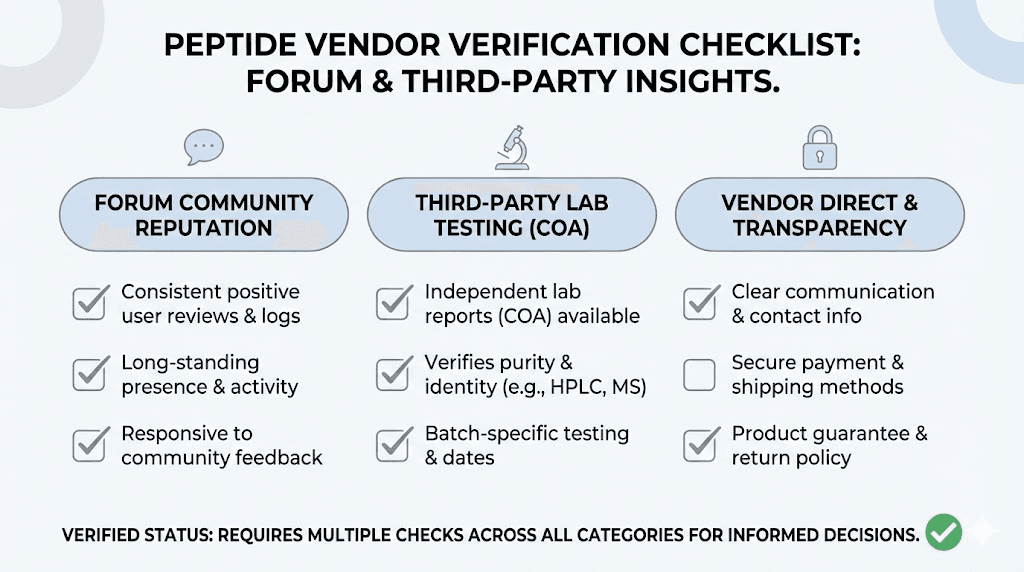
One of the most valuable functions peptide forums serve is collective vendor assessment. Understanding how to use forum information for source verification helps protect your research quality and safety.
How forum vendor discussions work
Members share experiences with various peptide vendors, discussing product quality, shipping reliability, customer service, and pricing. Over time, consensus emerges about which sources consistently deliver quality and which present problems.
These discussions often reference objective markers like third-party testing results, certificate of analysis quality, and packaging standards. Subjective factors like effect consistency also contribute to vendor reputation.
Limitations of forum vendor assessment
Forum vendor information has significant limitations.
The peptide industry changes rapidly. A vendor highly regarded last year may have declined this year. New companies emerge while established ones change ownership or practices.
Forum discussions also reflect sample sizes. A vendor with ten positive reviews might serve thousands of customers. You're seeing a small, potentially non-representative sample. Negative experiences often prompt more posting than positive ones, which can skew perception.
Using forums alongside other verification
Forum reputation provides one data point among several. Third-party testing services like Finnrick offer independent verification. Certificate of analysis review provides technical validation. Forum reputation adds collective experience to this verification picture but shouldn't serve as the sole basis for vendor selection.
How to use peptide forums for troubleshooting
When peptide research doesn't go as expected, forums provide valuable troubleshooting resources. Knowing how to leverage community knowledge for problem-solving enhances research effectiveness.
Describing your situation effectively
Troubleshooting threads that get helpful responses share common characteristics. They provide specific details: the exact peptide used, dosage protocol, administration method, timeline followed, and symptoms or concerns observed. Vague problem descriptions generate vague responses.
Include relevant context: your storage conditions, reconstitution method, injection technique, and any other compounds used simultaneously. The more information you provide, the better community members can diagnose potential issues.
Common troubleshooting patterns
Forum archives reveal recurring troubleshooting patterns.
Many problems trace to handling issues: improper storage affecting potency, reconstitution errors, or technique problems. Understanding proper storage and reconstitution prevents many common issues.
Dosing problems also appear frequently. Underdosing produces suboptimal results. Calculation errors lead to inconsistent outcomes. The peptide dosage calculation guides and calculators help prevent these issues.
When to seek help beyond forums
Certain situations require professional medical attention rather than forum troubleshooting. Serious adverse reactions, unexpected symptoms, or concerns about health impacts warrant medical consultation. Forums cannot substitute for professional medical judgment.
Experienced forum members typically encourage professional consultation for concerning symptoms. This appropriate boundary separates helpful communities from dangerous ones.
The future of peptide forums and communities
Peptide forums continue evolving as the field develops, regulations shift, and technology changes. Understanding these trends helps you anticipate how community resources may change.
Regulatory pressures
Increasing regulatory attention on peptides affects forum operation. The peptide regulation landscape continues evolving, with implications for how communities discuss and share information. Forums may face pressure to modify content or access as regulatory frameworks tighten.
Platform changes
Traditional forum platforms compete with newer communication channels. Discord servers, Telegram groups, and other platforms offer alternatives to traditional forum structures. These newer platforms provide different advantages but also different limitations.
Quality information access
As peptide interest grows, demand for quality information increases. Resources like SeekPeptides provide evidence-based guidance that complements community discussion. The combination of curated expert resources and community experience offers the most comprehensive information access.
Building your peptide knowledge beyond forums
While forums provide valuable community knowledge, comprehensive peptide education requires multiple resources. Combining forum participation with structured learning creates the strongest foundation.
Structured educational resources
SeekPeptides offers comprehensive guides that systematically cover peptide topics. The complete peptide list provides reference material. Topic-specific guides like peptide injections offer detailed instruction.
These structured resources complement forum discussion by providing organized, vetted information. Forum wisdom adds nuance and experience, while educational resources provide foundational knowledge.
Calculation and planning tools
Beyond information, practical tools support peptide research. The peptide calculator, BPC-157 calculator, TB-500 calculator, and semaglutide calculator handle specific compound calculations. The reconstitution calculator supports proper preparation.
These tools, combined with forum protocol discussions and educational guides, create comprehensive support for peptide research.
Staying current
The peptide field evolves rapidly. Staying current requires ongoing engagement with multiple information sources. Forums provide real-time community updates. Structured resources offer curated summaries of developments. Together, they keep researchers informed as the field advances.
Frequently asked questions
What is the best peptide forum for beginners?
For beginners, PeptideForum.org offers a science-focused environment with evidence-based discussion that helps new researchers build sound foundational knowledge. Complementing forum participation with structured resources like the getting started with peptides guide accelerates learning while maintaining quality standards.
Are peptide forums legal to participate in?
Participating in discussion forums is legal in most jurisdictions. Forums facilitate information exchange, which is protected activity. However, forum discussions often involve compounds with complex legal status.
The discussion itself is typically legal even when the substances discussed may have regulatory restrictions.
How do I find reliable information on peptide forums?
Look for contributors with long posting histories who cite evidence for their claims. Check whether community consensus supports their positions.
Cross-reference significant claims against structured resources.
Be especially skeptical of dramatic claims, vendor promotions, and medical advice from unqualified sources. The peptide research section can help verify scientific claims.
Can I trust peptide dosing advice from forums?
Forum dosing discussions provide valuable starting points and community-refined protocols, but individual responses vary significantly. Use forum protocols as reference points while starting conservatively and adjusting based on your response. The peptide dosage chart and calculator tools help translate forum protocols into specific doses.
What should I do if I receive conflicting advice on a peptide forum?
Conflicting advice is common and often reflects genuine uncertainty or individual variation. Consider the evidence behind each position. Look at contributor credibility. Consult multiple sources including structured SeekPeptides resources. When uncertainty remains, choose conservative approaches and gather your own observational data.
Are peptide forums safe from scammers?
No online community is completely safe from scammers. Vendor shills, product promoters, and bad actors exist in peptide communities as elsewhere.
Protect yourself by verifying claims independently, being skeptical of too-good-to-be-true offers, and using established vendors with documented track records rather than relying solely on forum recommendations.
How often should I check peptide forums?
Regular engagement provides most value when you're actively researching. Weekly check-ins keep you current on vendor updates and emerging information. More frequent engagement makes sense when troubleshooting specific issues or planning new protocols. Less frequent checking suffices when protocols are established and working well.
Can peptide forums replace professional medical advice?
No. Forums provide information and experience sharing, not medical guidance. For health concerns, treatment decisions, or adverse reaction management, professional medical consultation is essential. Responsible forum communities emphasize this boundary consistently. The peptide safety resources discuss when professional guidance is particularly important.
External resources
PubMed - National Library of Medicine database for peer-reviewed peptide research
U.S. Food and Drug Administration - Regulatory information on peptide compound status
Finnrick - Independent peptide testing and vendor verification platform
For researchers serious about navigating the peptide landscape effectively, SeekPeptides provides the most comprehensive resource available: evidence-based guides, proven protocols, and a community of thousands who've navigated these exact questions.
In case I don't see you, good afternoon, good evening, and good night. Join SeekPeptides.