Jan 8, 2026
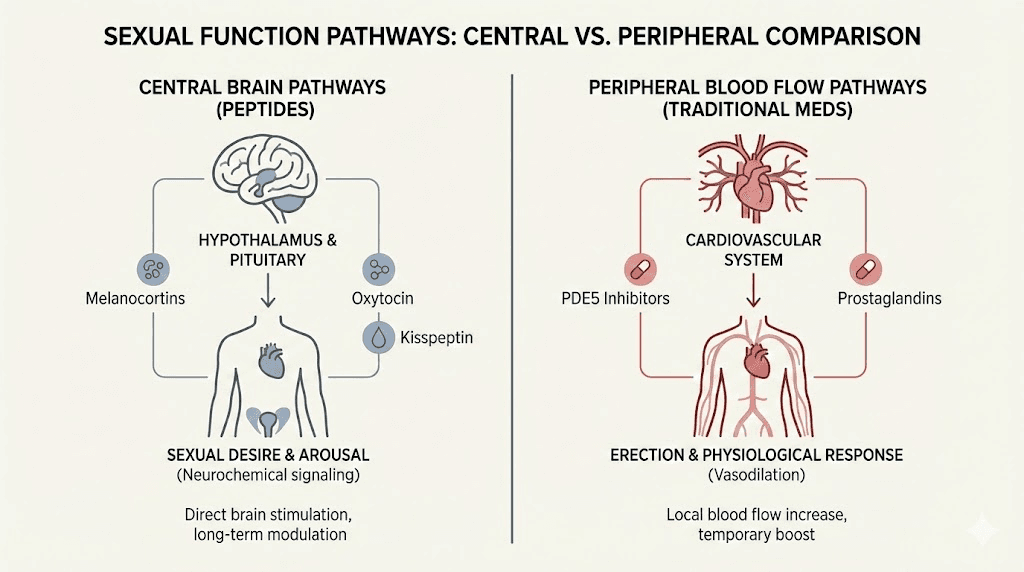
Sexual desire operates through complex neurological pathways that traditional medications often fail to address directly. Viagra and similar drugs work on blood flow mechanics, helping with erectile function but doing nothing for actual desire or arousal.
Peptides targeting libido work differently, activating melanocortin receptors in the brain that directly stimulate sexual desire at its neurological source. This fundamental difference explains why peptide therapy often succeeds where conventional treatments disappoint, particularly for individuals whose primary issue involves wanting rather than mechanics.
PT-141, also known as Bremelanotide, became the first FDA-approved treatment specifically targeting hypoactive sexual desire disorder in women, validating decades of research into melanocortin-based sexual function modulation. Unlike testosterone replacement or PDE5 inhibitors, PT-141 crosses the blood-brain barrier and activates MC3R and MC4R receptors in hypothalamic regions controlling sexual motivation. This mechanism produces genuine desire enhancement rather than simply enabling physical response. Men and women both report increased spontaneous sexual thoughts, heightened sensitivity to erotic stimuli, and stronger arousal responses.
This comprehensive guide examines the most effective peptides for libido enhancement based on mechanism of action, clinical evidence, and practical protocols.
We cover PT-141 as the primary libido peptide, emerging options like Kisspeptin, supporting peptides that enhance sexual function indirectly, protocols for both men and women, and realistic expectations for results.
SeekPeptides provides personalized guidance for navigating these intimate therapeutic decisions with confidence and privacy.
How peptides enhance libido differently than other treatments
Understanding how peptides work for libido requires distinguishing between desire, arousal, and physical function. Most conventional treatments target only one aspect while ignoring others.
The desire versus function distinction
Sexual response involves multiple components. Desire represents the psychological wanting, the motivation to seek sexual activity. Arousal involves physiological responses to sexual stimuli. Function encompasses the mechanical aspects like erection or lubrication. Many people experiencing sexual difficulties have intact function but diminished desire, or desire without adequate physical response.
PDE5 inhibitors like Viagra and Cialis work exclusively on function. They enhance blood flow to erectile tissue, making physical response possible. But they do nothing for desire. Someone taking Viagra who lacks desire will achieve an erection but may feel no motivation to use it. This disconnect frustrates many users who expected the pill to make them want sex, not just enable it.
Testosterone affects desire more directly but comes with significant considerations. Hormone replacement requires ongoing monitoring, can affect fertility, and produces systemic effects beyond sexual function. Many individuals prefer targeted approaches that enhance libido without broader hormonal changes.
The melanocortin pathway
Peptides like PT-141 work through the melanocortin system, a network of receptors and signaling molecules involved in numerous functions including sexual behavior. MC3R and MC4R receptors in hypothalamic regions directly modulate sexual motivation and arousal. Activating these receptors produces genuine desire enhancement at the neurological level.
This mechanism explains why PT-141 works differently than anything else. Users report actually wanting sex more, not just being able to perform. Sexual thoughts occur more frequently and feel more compelling. Sensitivity to erotic stimuli increases. The experience resembles natural high-libido states rather than artificially enabled function.
Learn more about how peptides work for foundational understanding of peptide mechanisms.
Central versus peripheral effects
Traditional erectile medications work peripherally, affecting blood vessels in genital tissue. Peptide libido enhancers work centrally, affecting brain regions controlling sexual behavior. This central action produces qualitatively different effects, influencing desire and arousal rather than just blood flow.
Central action also means effects apply to both men and women. Peripheral vasodilators help with erections but offer minimal benefit for female sexual dysfunction. Melanocortin-activating peptides enhance desire regardless of sex, explaining why PT-141 received FDA approval specifically for female hypoactive sexual desire disorder, an indication where traditional drugs failed.
Best peptides for libido ranked by effectiveness
Based on mechanism of action, clinical evidence, and practical experience, these peptides offer the most promise for libido enhancement.
PT-141 (Bremelanotide): the gold standard
PT-141 stands as the most effective and well-researched peptide for libido enhancement. FDA approval for hypoactive sexual desire disorder in women validates its efficacy, while extensive off-label use demonstrates benefits for men as well.
Mechanism of action:
PT-141 activates melanocortin receptors MC3R and MC4R in the hypothalamus and limbic system. These receptors directly modulate sexual motivation, arousal, and reward. The peptide crosses the blood-brain barrier to reach these central targets. Unlike peripheral vasodilators, PT-141 produces genuine desire enhancement rather than just physical enablement.
Effects for men:
Men using PT-141 report increased spontaneous sexual thoughts, stronger arousal responses to erotic stimuli, enhanced erection quality, and more satisfying sexual experiences overall. The peptide works independently of PDE5 inhibitors and can help when Viagra or Cialis prove insufficient. Many men find the psychological enhancement, actually wanting sex more, as valuable as any physical effects.
Effects for women:
Women represent the FDA-approved indication for PT-141. Clinical trials demonstrated significant improvement in sexual desire, arousal, and overall sexual satisfaction. Women report thinking about sex more frequently, feeling more responsive to partners, and experiencing stronger arousal. The peptide addresses the specific challenge of female desire disorders where mechanical function is rarely the issue.
Dosing protocols:
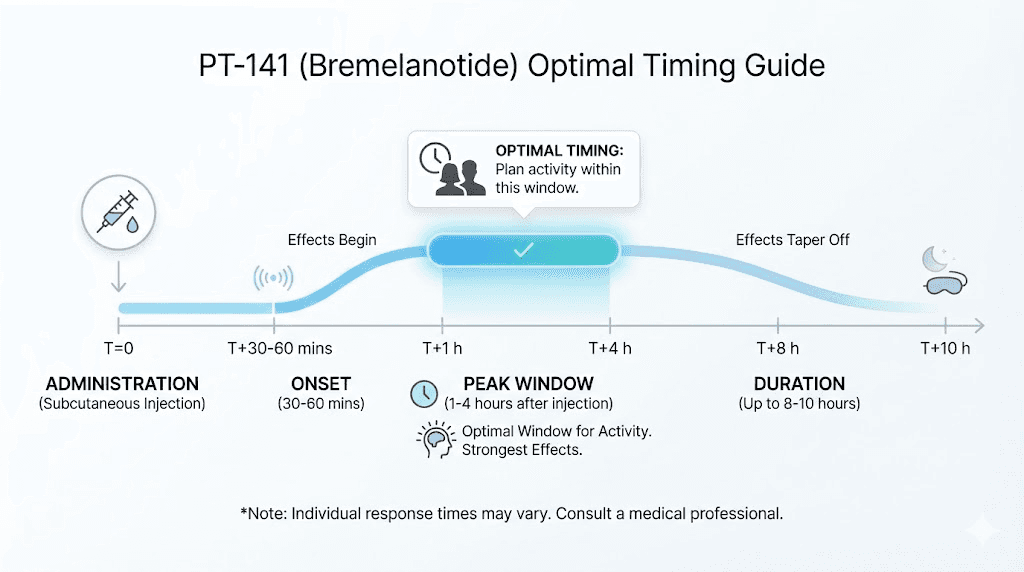
Standard dosing involves 1-2mg administered subcutaneously 45-60 minutes before anticipated sexual activity. Effects typically last 6-12 hours, sometimes longer. Most users start at 1mg to assess tolerance, increasing to 1.5-2mg if needed. The peptide should not be used more than once in 24 hours or more than 8 times per month per FDA guidelines.
Detailed protocols appear in the PT-141 how to use guide and PT-141 nasal spray guide.
Side effects:
Common side effects include nausea (most frequent), facial flushing, headache, and injection site reactions. Nausea typically occurs within the first hour and usually resolves within a few hours. Some users find that starting with lower doses reduces nausea. Blood pressure elevation can occur transiently. Those with uncontrolled hypertension or cardiovascular disease should avoid PT-141.
What to expect:
Effects begin within 30-60 minutes of administration. Peak effects occur around 2-4 hours. Many users report a subtle shift in awareness, noticing more sexual thoughts and feeling more receptive to erotic stimuli. Physical arousal comes more easily. The experience differs from artificially forced arousal, feeling more natural and desire-driven.
Explore PT-141 nasal spray for men for alternative administration options.
Kisspeptin: emerging research peptide
Kisspeptin represents an emerging option for libido enhancement with a mechanism distinct from PT-141. Research continues, but early findings suggest significant potential for sexual desire modulation.
Mechanism of action:
Kisspeptin activates the hypothalamic-pituitary-gonadal axis through KiSS1R receptors. It plays a fundamental role in puberty initiation and reproductive function. Research demonstrates effects on sexual and emotional brain processing, with activation of limbic regions during exposure to sexual stimuli.
Research findings:
Studies show kisspeptin administration enhances brain responses to sexual images and romantic scenarios. Participants report increased attraction and improved mood. The peptide appears to integrate sexual desire with emotional bonding, potentially offering benefits for relationship-based sexuality that pure libido enhancers might not provide.
Current status:
Kisspeptin remains primarily a research compound without established clinical protocols for libido enhancement. Dosing, timing, and optimal administration routes continue under investigation. Those interested in kisspeptin should understand its experimental status compared to PT-141's established track record.
Considerations:
Kisspeptin may particularly interest individuals whose libido issues involve emotional connection as well as pure desire. The peptide's effects on romantic and emotional brain regions suggest applications beyond simple sexual motivation. However, limited practical experience makes protocol optimization challenging.
Melanotan II: tanning peptide with libido effects
Melanotan II developed for tanning enhancement but produces notable libido effects through melanocortin receptor activation. It represents a dual-purpose option for those seeking both cosmetic and sexual benefits.
Mechanism of action:
Melanotan II activates multiple melanocortin receptors including MC1R (tanning), MC3R, and MC4R (sexual function). The same central melanocortin activation that produces PT-141's effects occurs with Melanotan II, though the peptide also strongly activates tanning pathways.
Libido effects:
Users frequently report enhanced libido as a side effect of Melanotan II use for tanning. Spontaneous erections in men occur commonly, sometimes inconveniently. Women report increased desire and arousal. The effects mirror PT-141 since both work through overlapping receptor pathways.
Considerations:
Melanotan II produces permanent skin darkening that some users find undesirable. The tanning effect continues with ongoing use and takes months to fade after discontinuation. Those seeking only libido enhancement without skin color changes should choose PT-141 instead. Melanotan II also carries additional side effects including nausea, facial flushing, and potential effects on existing moles that require monitoring.
Protocol considerations:
Melanotan II typically involves loading and maintenance phases for tanning purposes. Libido effects begin early in the loading phase and persist with ongoing use. Those using Melanotan II primarily for libido might use lower doses than standard tanning protocols.
Growth hormone peptides: indirect libido support
Growth hormone releasing peptides do not directly enhance libido but can support sexual function through improved body composition, energy, and overall vitality.
How GH peptides support sexual function:
Growth hormone influences body composition, energy levels, sleep quality, and overall vitality. Improved sleep enhances testosterone production. Better body composition increases confidence and physical capacity. Enhanced recovery supports the energy demands of an active sex life. These indirect effects can meaningfully impact sexual satisfaction.
Relevant peptides:
The CJC-1295 and Ipamorelin combination represents the most common GH-releasing stack. Ipamorelin benefits include improved sleep, which supports healthy testosterone levels. The CJC-1295 dosage calculator helps determine appropriate protocols.
Expectations:
GH peptides will not produce the direct desire enhancement of PT-141. They support overall function that can indirectly benefit sexual health. Those with primary libido concerns should focus on melanocortin-active peptides while potentially adding GH peptides for general health optimization.
Learn about best peptide for energy and focus and best peptide for energy for vitality support.
Peptide comparison table for libido enhancement
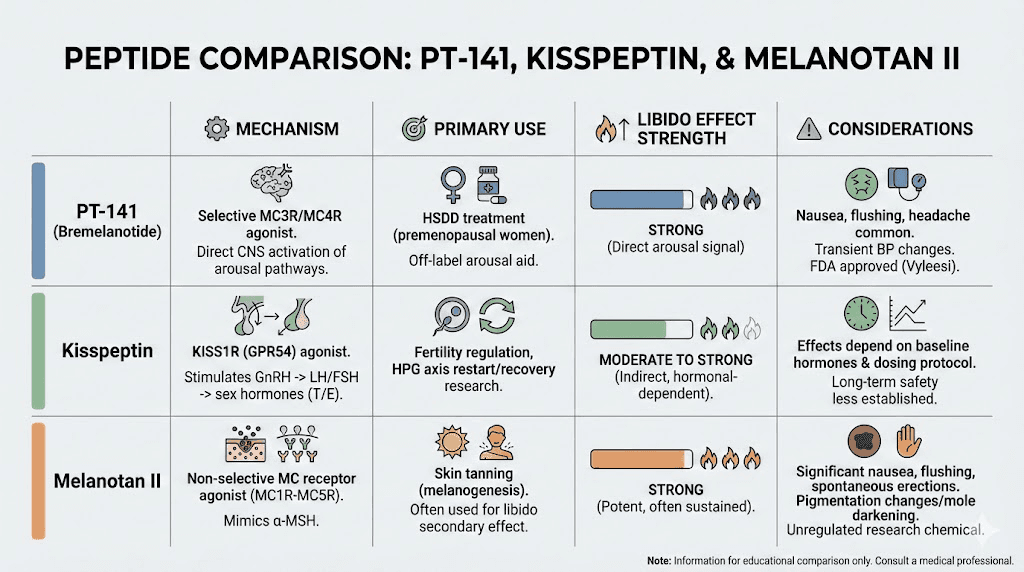
This table compares key peptides for libido across important factors:
Peptide | Primary Mechanism | Libido Effect | Dose Range | Onset | Duration | Best For |
|---|---|---|---|---|---|---|
PT-141 | MC3R/MC4R activation | Strong, direct | 1-2mg | 30-60 min | 6-12 hours | Primary libido enhancement |
Kisspeptin | KiSS1R, HPG axis | Moderate, emotional | Research varies | Variable | Hours | Desire + emotional connection |
Melanotan II | MC1R/MC3R/MC4R | Strong, with tanning | 0.25-0.5mg | 1-2 hours | Ongoing | Dual tanning + libido |
CJC/Ipamorelin | GH release | Indirect, supportive | 100-200mcg each | Weeks | Ongoing | Overall vitality support |
PT-141 remains the clear choice for primary libido enhancement due to direct mechanism, established protocols, and FDA validation. Other options serve specific niches or provide supporting benefits.
Use the peptide calculator for dosing guidance and the peptide cost calculator for budgeting.
PT-141 protocols for men and women
Detailed protocols help optimize PT-141 use for different populations and goals.
Protocol for men: on-demand use
Goal: Enhanced sexual desire and function for specific occasions
Dosing:
Start with 1mg subcutaneous injection 45-60 minutes before anticipated activity. Assess response over 2-3 uses. Increase to 1.5-2mg if effects insufficient. Most men find optimal effects at 1.5-2mg. Do not exceed 2mg per dose.
Timing:
Administer 45-60 minutes before desired effect onset. Effects peak around 2-4 hours. Duration typically 6-12 hours, sometimes longer. Plan activities within this window for optimal experience.
Frequency limits:
Do not use more than once in 24 hours. Limit to 8 doses per month to prevent receptor desensitization. Many men use PT-141 once or twice weekly for enhanced encounters rather than daily.
What men typically experience:
Increased awareness of sexual thoughts within 1-2 hours. Enhanced response to visual and physical erotic stimuli. Erections occur more easily and feel firmer. Orgasms often feel more intense. Overall experience feels more desire-driven rather than mechanically enabled.
Combining with PDE5 inhibitors:
PT-141 can combine with Viagra or Cialis for men who benefit from both desire enhancement and physical function support. Use standard doses of each. The combination addresses both psychological and physical aspects of sexual response. Monitor blood pressure as both can affect cardiovascular parameters.
See the complete PT-141 guide for men for detailed information.
Protocol for women: addressing desire disorders
Goal: Treatment of hypoactive sexual desire or general libido enhancement
Dosing:
The FDA-approved dose is 1.75mg administered subcutaneously. Many researchers start lower at 1mg to assess tolerance, particularly regarding nausea. Increase as tolerated if initial response insufficient.
Timing:
Administer at least 45 minutes before anticipated sexual activity. Effects can last through the following day for many women. Some prefer evening dosing to minimize nausea impact during daily activities.
Frequency limits:
Same as men: no more than once in 24 hours, no more than 8 times monthly. Women with chronic desire disorders might use PT-141 strategically for important encounters rather than attempting daily enhancement.
What women typically experience:
Gradual increase in sexual thoughts over 1-2 hours. Heightened sensitivity to touch and erotic stimuli. Easier arousal and stronger physical response. Many women describe feeling more present and engaged during sexual activity. Emotional as well as physical enhancement commonly reported.
Addressing nausea:
Nausea represents the most common side effect, affecting many women. Strategies include starting with lower doses, eating lightly before administration, having anti-nausea remedies available, and timing doses to minimize impact on activities. Nausea typically resolves within a few hours and often decreases with repeated use.
Special considerations:
PT-141 should not be used during pregnancy. Women with cardiovascular conditions should consult healthcare providers before use. Those taking blood pressure medications need monitoring when starting PT-141.
Protocol for couples: synchronized use
Goal: Enhanced mutual desire for shared experiences
Some couples choose to use PT-141 together for special occasions. Both partners administer appropriate doses with similar timing. Synchronized enhancement can create powerful shared experiences. Communication about effects and timing optimizes mutual benefit.
Considerations:
Individual responses vary. One partner may need different dosing than the other. Side effects like nausea might affect one partner more. Planning and communication help navigate these variables. The shared commitment to enhancement can itself strengthen intimacy.
Combining libido peptides with other approaches
Peptide libido enhancement works within the context of overall sexual health. Combining peptides with other approaches optimizes outcomes.
Peptides plus lifestyle optimization
Sexual function depends on overall health. Sleep deprivation tanks libido regardless of peptide use. Chronic stress elevates cortisol, suppressing sexual hormones. Poor fitness limits physical capacity for sexual activity. Addressing these fundamentals amplifies peptide benefits.
Sleep optimization:
Quality sleep supports healthy testosterone production and overall hormonal balance. GH peptides like the CJC-1295 and Ipamorelin combination often improve sleep as a side benefit. Prioritizing 7-9 hours of quality sleep creates a foundation for healthy libido.
Stress management:
Chronic stress directly suppresses libido through cortisol elevation and hypothalamic-pituitary-gonadal axis disruption. Peptides cannot fully overcome severe chronic stress. Addressing stress through appropriate interventions creates conditions where peptide enhancement works optimally.
Physical fitness:
Exercise supports testosterone levels, body confidence, and physical capacity for sexual activity. Peptides for muscle growth and peptides for fat loss can support body composition goals that enhance sexual confidence and function.
Peptides plus hormone optimization
For individuals with hormonal deficiencies, peptides complement rather than replace appropriate hormone therapy.
Testosterone considerations:
Low testosterone directly impairs libido in both men and women. PT-141 works best when baseline hormones fall within healthy ranges. Those with clinically low testosterone may need hormone optimization alongside peptide use. The testosterone boosters vs peptides comparison provides relevant context.
Thyroid function:
Hypothyroidism commonly causes low libido. Peptides cannot overcome thyroid deficiency. Appropriate thyroid assessment and treatment create conditions for peptide effectiveness.
Other hormonal factors:
Estrogen, progesterone, and other hormones influence sexual function. Comprehensive hormonal assessment identifies deficiencies that peptides alone cannot address. Peptides for menopause and best peptide for perimenopause cover relevant considerations for women.
Peptides plus relationship factors
Sexual desire exists within relational contexts that peptides cannot directly address.
Relationship quality:
Relationship conflict, resentment, or emotional disconnection suppress libido regardless of neurochemistry. PT-141 increases desire but cannot create desire for a specific partner if relationship issues exist. Addressing relationship factors alongside peptide use optimizes outcomes.
Communication:
Open communication about sexual needs and peptide use strengthens intimacy. Partners aware of each other's enhancement strategies can better coordinate timing and expectations. Shared investment in sexual health often benefits the relationship beyond physical effects.
Novelty and variety:
Sexual desire naturally fluctuates with relationship duration. Peptides can enhance baseline desire, but relationship novelty and variety provide additional stimulation. Combining peptide enhancement with relationship enrichment produces optimal results.
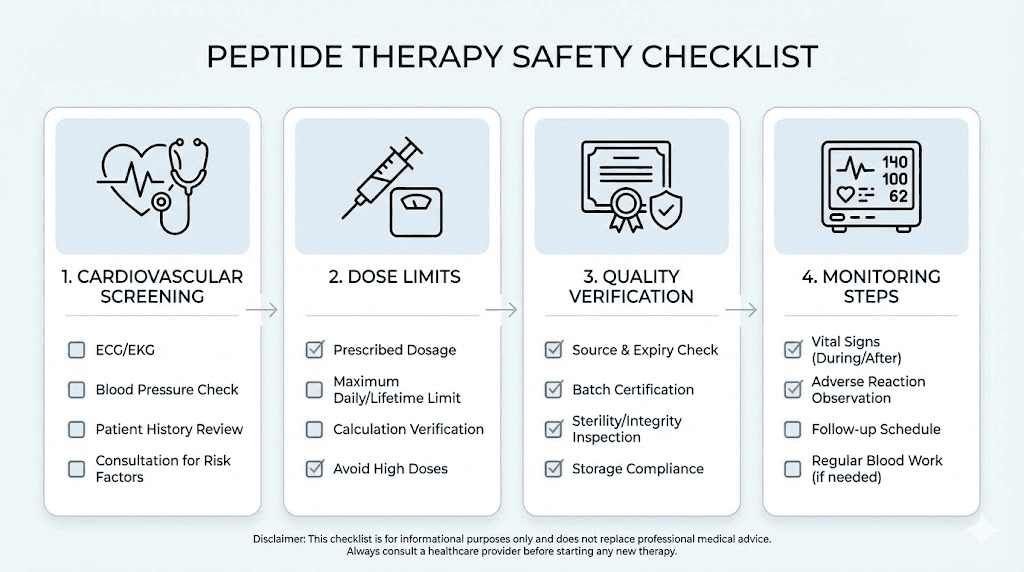
Safety considerations for libido peptides
Understanding safety parameters ensures responsible use of libido-enhancing peptides.
Cardiovascular considerations
PT-141 can transiently increase blood pressure. This effect typically remains mild and temporary but creates concern for those with cardiovascular conditions.
Who should avoid PT-141:
Those with uncontrolled hypertension should not use PT-141. Individuals with significant cardiovascular disease require medical consultation before use. Those taking multiple blood pressure medications need careful evaluation. Recent cardiovascular events contraindicate use.
Monitoring recommendations:
Check blood pressure before first use to establish baseline. Monitor after initial doses to assess individual response. Report significant blood pressure elevation to healthcare providers. Those with borderline hypertension should monitor regularly during PT-141 use.
Nausea management
Nausea represents the most common PT-141 side effect, affecting a significant percentage of users.
Prevention strategies:
Start with lower doses, 1mg rather than full 2mg. Eat lightly before administration rather than using on empty stomach. Have anti-nausea remedies available. Time doses to minimize impact on important activities. Nausea often decreases with repeated use as tolerance develops.
Managing acute nausea:
Rest in comfortable position if nausea occurs. Ginger supplements or tea may help. Over-the-counter anti-nausea medications can provide relief. Symptoms typically resolve within 2-3 hours. Severe or prolonged nausea warrants dose reduction for future use.
Frequency and receptor sensitivity
Overuse of melanocortin-active peptides can lead to receptor desensitization, reducing effectiveness over time.
Guidelines:
Limit PT-141 to once per 24 hours maximum. Do not exceed 8 doses per month per FDA recommendations. Take breaks if effectiveness seems to decrease. Strategic use for important occasions rather than daily enhancement preserves sensitivity.
Signs of receptor desensitization:
Decreasing effectiveness at previously adequate doses. Need for higher doses to achieve same effects. Loss of spontaneous effects that previously occurred. Response to these signs involves reducing frequency and taking extended breaks.
Quality and sourcing
Peptide quality significantly impacts safety and effectiveness. The best peptide vendors guide helps identify reliable sources.
Quality indicators:
Third-party testing documentation. HPLC purity analysis showing greater than 98% purity. Proper storage and handling. Transparent business practices. The guide to reading peptide testing results helps evaluate quality claims.
Review peptide safety and risks for comprehensive safety information and peptide legality for regulatory context.
Timeline expectations for libido enhancement
Understanding realistic timelines helps set appropriate expectations for peptide-based libido enhancement.
Acute effects (PT-141)
PT-141 produces relatively rapid effects compared to other sexual health interventions.
0-30 minutes: Peptide absorbing, minimal noticeable effects yet.
30-60 minutes: Initial effects beginning. Subtle shift in awareness. Some users notice increased warmth or flushing.
1-2 hours: Effects developing. Sexual thoughts occurring more frequently. Increased receptivity to erotic stimuli becoming apparent.
2-4 hours: Peak effects. Strongest enhancement of desire and arousal response. Optimal window for sexual activity.
4-12 hours: Gradual decrease in intensity. Effects remain noticeable but less pronounced. Some users report residual enhancement into the following day.
Cumulative effects with ongoing use
Some users report cumulative benefits with regular PT-141 use beyond acute effects.
First few uses: Learning individual dose response. Understanding timing and side effect patterns. Optimizing protocols for personal situation.
After several weeks: Some report improved baseline desire even without active dosing. Possible psychological benefits from successful sexual experiences. Relationship improvements from enhanced intimacy potentially persisting.
Long-term considerations:
Sustainable use requires respecting frequency limits to maintain receptor sensitivity. Strategic enhancement for important occasions rather than constant use preserves effectiveness. Integrating peptide use with broader sexual health optimization produces best long-term outcomes.
Supporting peptide timelines
GH peptides and other supporting compounds work over longer timeframes.
GH peptides (CJC-1295, Ipamorelin):
Week 1-4: Improved sleep often noticed early. Subtle energy improvements developing.
Week 4-8: Body composition changes beginning. Overall vitality improving.
Week 8-12: Full effects on energy, recovery, and indirect sexual function support apparent.
These indirect benefits create conditions supporting healthy libido rather than directly enhancing desire like PT-141.
Special populations and considerations
Different populations may have unique considerations for libido peptide use.
Peptides for women over 40
Hormonal changes during perimenopause and menopause commonly affect libido. PT-141 can help but works within the context of changing hormonal landscapes.
Relevant considerations:
Estrogen decline affects genital tissue health, potentially impacting physical comfort during sex. PT-141 enhances desire but does not address vaginal dryness or atrophy. Comprehensive approaches may include hormone therapy, lubricants, and peptides together. Peptides for women over 40 covers age-specific considerations.
Hot flashes can worsen with PT-141 due to flushing effects. Women experiencing significant vasomotor symptoms should start with lower doses. Timing around fewer symptom periods may help.
Men with erectile dysfunction
PT-141 can complement but may not replace treatments for physical erectile dysfunction.
Understanding the distinction:
ED from vascular issues requires treatments addressing blood flow. PT-141 primarily enhances desire and psychological arousal. Men with ED often benefit from combining PT-141 for desire with PDE5 inhibitors for function. This combination addresses both the wanting and the mechanics.
Some men find PT-141 alone sufficient, particularly if ED relates more to psychological factors than vascular pathology. Others need the combination approach. Individual response guides optimal protocols.
The peptides for men complete guide provides comprehensive male-focused information.
Individuals on antidepressants
Antidepressant-induced sexual dysfunction represents a common challenge that peptides may help address.
Considerations:
SSRIs and other antidepressants commonly cause libido reduction, delayed orgasm, or anorgasmia. PT-141 can help with the desire component by working through different pathways than affected by antidepressants. It will not fully overcome all antidepressant sexual side effects but may provide meaningful improvement.
Communication with prescribing providers about sexual side effects enables comprehensive treatment planning. Sometimes medication adjustments combined with peptide use optimizes outcomes.
Frequently asked questions
Can PT-141 work if I have no libido at all?
PT-141 can enhance desire even from very low baselines, but results depend on underlying causes. If low libido stems from addressable factors like low testosterone, chronic illness, or severe relationship issues, treating those factors improves PT-141 response. The peptide works best when foundational health allows its neurological effects to manifest.
How does PT-141 feel different from Viagra?
Viagra enables erection without affecting desire. You can have a physical response without wanting sex. PT-141 makes you want sex more, with physical response following naturally from genuine arousal. Users describe PT-141 as creating authentic desire rather than artificially enabled mechanics. The psychological experience differs fundamentally.
Can I use PT-141 regularly or is it only for special occasions?
PT-141 can be used up to 8 times monthly per FDA guidelines. Some use it only for special occasions to preserve receptor sensitivity and reduce costs. Others use it more regularly within limits. Frequency decisions depend on individual needs, response patterns, and preference for strategic versus regular enhancement.
Will PT-141 work for both partners if we use it together?
Yes, PT-141 works for both men and women through the same melanocortin mechanism. Couples can use it simultaneously for mutual enhancement. Individual responses and optimal doses may vary. Communication about effects helps coordinate timing for shared experiences.
How SeekPeptides supports sexual health research
SeekPeptides provides discreet, comprehensive resources for individuals exploring peptide approaches to sexual health and libido enhancement.
The peptide dosage calculator helps determine appropriate starting doses for various peptides including those affecting sexual function. Educational resources cover everything from basic getting started with peptides guidance to advanced protocol optimization.
The PT-141 usage guide, nasal spray instructions, and men's specific guide provide detailed protocol information. Quality vendor recommendations help ensure sourcing reliable products.
SeekPeptides remains committed to providing evidence-based, discreet guidance for peptide research across applications including sexual health, muscle growth, anti-aging, and injury healing.
Helpful resources
In case I don't see you, good afternoon, good evening, and good night. May your desire stay strong, your intimacy stay fulfilling, and your confidence stay unwavering. Join SeekPeptides for personalized protocol guidance and comprehensive peptide education.