Jan 10, 2026

The peptide market for metabolic enhancement has expanded dramatically as researchers identify compounds capable of directly stimulating fat oxidation pathways rather than simply suppressing appetite or creating caloric deficits through other mechanisms. Fat burning peptides represent a distinct category within the broader weight management landscape, specifically targeting adipose tissue metabolism through thermogenic activation, lipolysis enhancement, and mitochondrial efficiency optimization.
Peptides working through these fat burning mechanisms offer approaches fundamentally different from GLP-1 agonists like semaglutide that primarily reduce food intake, instead actively mobilizing and oxidizing stored triglycerides for energy production.
The distinction between fat loss and fat burning proves critical for understanding peptide selection, with true fat burning peptides increasing metabolic rate and fat oxidation rather than simply facilitating weight reduction through appetite control. This guide examines the complete landscape of thermogenic peptides including AOD-9604, HGH Fragment 176-191, and growth hormone secretagogues, analyzing mechanisms, comparing effectiveness, and providing protocol frameworks for metabolic optimization.
SeekPeptides provides comprehensive resources for understanding these metabolically active compounds and developing personalized fat burning protocols.
Understanding fat burning versus fat loss peptides
The terminology distinction between fat burning and fat loss represents more than semantic preference, reflecting fundamentally different physiological mechanisms with distinct implications for body composition outcomes. Fat loss encompasses any process reducing adipose tissue mass, including caloric restriction, appetite suppression, and metabolic enhancement. Fat burning specifically refers to increased oxidation of fatty acids for energy, an active metabolic process distinct from passive weight reduction.
Weight loss peptides span both categories, with some primarily reducing caloric intake while others actively enhance fat metabolism. Understanding this distinction enables strategic peptide selection aligned with specific goals and physiological preferences.
True fat burning involves several coordinated metabolic processes.
Lipolysis breaks down stored triglycerides into free fatty acids and glycerol, releasing them from adipocytes into circulation. This process requires hormonal signaling, primarily through catecholamines and growth hormone, to activate hormone-sensitive lipase within fat cells. Without adequate lipolytic signaling, stored fat remains locked within adipocytes regardless of energy demands.
Beta-oxidation processes the released fatty acids within mitochondria, breaking them down through sequential enzymatic reactions that generate acetyl-CoA for energy production. This pathway represents actual fat burning, converting stored lipids into usable cellular energy. Peptide mechanisms targeting this pathway enhance the body's capacity to utilize fat as fuel.
Thermogenesis increases metabolic heat production, often through uncoupling protein activation in brown adipose tissue or skeletal muscle. This process burns calories without productive work output, directly reducing stored energy through heat dissipation. Some fat burning peptides enhance thermogenic capacity through growth hormone pathway activation.
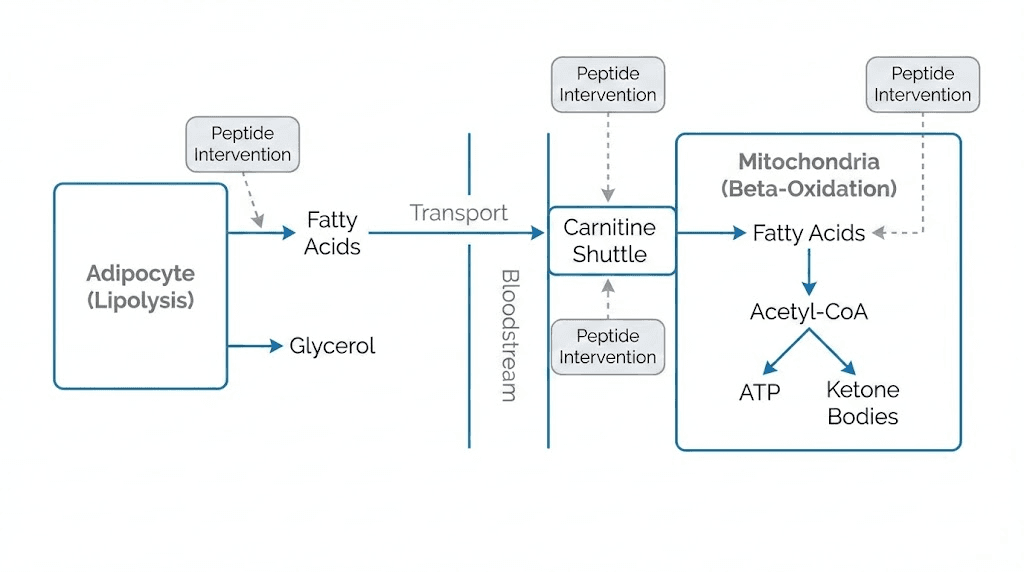
Top fat burning peptides ranked by mechanism
Several peptides demonstrate documented fat burning effects through various mechanisms, with selection depending on individual goals, tolerance profiles, and protocol preferences. Peptide research continues identifying optimal applications for each compound.
HGH Fragment 176-191: the dedicated fat burner
HGH Fragment 176-191 represents the most specifically targeted fat burning peptide available, consisting of the portion of growth hormone molecule directly responsible for lipolytic activity without the broader metabolic effects of complete GH. This selectivity makes Fragment 176-191 particularly valuable for researchers focused specifically on fat oxidation without growth hormone's effects on blood glucose or cellular proliferation.
Mechanism specificity:
The fragment retains growth hormone's fat burning properties while lacking the diabetogenic effects associated with full GH administration. This occurs because the 176-191 amino acid sequence interacts with fat cell receptors triggering lipolysis without the portions affecting glucose metabolism. HGH Fragment calculator tools help determine appropriate research doses.
Studies demonstrate Fragment 176-191 stimulates lipolysis at rates comparable to or exceeding full growth hormone while showing no effect on blood glucose or IGF-1 levels. This selectivity profile makes it particularly suitable for individuals concerned about metabolic side effects or those specifically targeting fat loss without broader hormonal modulation.
Dosing frameworks:
Typical research protocols utilize 250-500 mcg administered 1-2 times daily, often timed around fasted states or exercise to maximize lipolytic effects. The fragment's short half-life necessitates multiple daily administrations for sustained effect. Morning fasted administration capitalizes on naturally elevated cortisol and catecholamines supporting lipolysis.
Some protocols combine Fragment 176-191 with exercise timing, administering doses 30-60 minutes before cardiovascular activity to enhance fat oxidation during the session. This approach leverages the fragment's rapid onset while exercise provides the metabolic demand for mobilized fatty acids.
AOD-9604: the modified fat loss peptide
AOD-9604 represents a modified version of Fragment 176-191, incorporating a tyrosine residue that potentially enhances stability and effectiveness. Originally developed for obesity treatment, AOD-9604 demonstrates significant fat reduction without the appetite suppression mechanisms characterizing GLP-1 agonists.
Clinical development history:
AOD-9604 progressed through Phase 2 clinical trials demonstrating statistically significant fat loss compared to placebo without serious adverse effects. While not ultimately approved as a pharmaceutical, this clinical data provides more rigorous human evidence than available for many peptides. The compound received FDA GRAS status for use in food products, indicating favorable safety assessment.
Mechanism of action:
Like Fragment 176-191, AOD-9604 stimulates lipolysis through fat cell receptor activation while avoiding growth hormone's effects on glucose metabolism. Some research suggests additional mechanisms including reduced lipogenesis, meaning decreased new fat storage alongside increased existing fat mobilization. This dual action potentially enhances net fat reduction.
AOD-9604 may also influence cartilage regeneration through mechanisms distinct from its metabolic effects, providing potential joint health benefits alongside fat burning. Joint support peptides sometimes include AOD-9604 for this secondary benefit.
Protocol considerations:
Standard research doses range from 250-500 mcg daily, administered subcutaneously. Some protocols utilize split dosing while others employ single daily administration. The compound's stability may allow slightly less frequent dosing compared to Fragment 176-191.
Growth hormone secretagogues: indirect fat burning
Growth hormone secretagogues stimulate natural GH release from the pituitary, indirectly promoting fat burning through elevated endogenous growth hormone levels. While less targeted than Fragment 176-191, these peptides offer benefits beyond pure fat oxidation including muscle preservation, sleep enhancement, and recovery optimization.
Ipamorelin represents perhaps the cleanest GH secretagogue, stimulating growth hormone release with minimal effects on cortisol, prolactin, or appetite. This selectivity makes Ipamorelin particularly suitable for protocols prioritizing fat burning without hunger stimulation or stress hormone elevation. Ipamorelin vs CJC-1295 comparisons help determine optimal secretagogue selection.
CJC-1295 extends growth hormone release duration through modified GHRH activity, creating sustained GH elevation supporting ongoing lipolysis. The combination with Ipamorelin creates complementary pulsatile and sustained GH patterns potentially optimizing fat burning while preserving natural hormone rhythms.
Tesamorelin represents a GHRH analog specifically studied for visceral fat reduction in HIV lipodystrophy patients, demonstrating significant abdominal fat loss in clinical trials. While prescribed for specific medical conditions, tesamorelin research informs understanding of GHRH-based fat burning mechanisms.
Fat burning through GH elevation:
Elevated growth hormone promotes fat burning through multiple pathways including direct lipolytic signaling, increased fatty acid oxidation, and enhanced metabolic rate. GH shifts substrate utilization toward fat while preserving glucose and protein, explaining its ability to reduce fat while maintaining or building muscle mass. Muscle growth peptides often overlap with fat burning compounds for this reason.
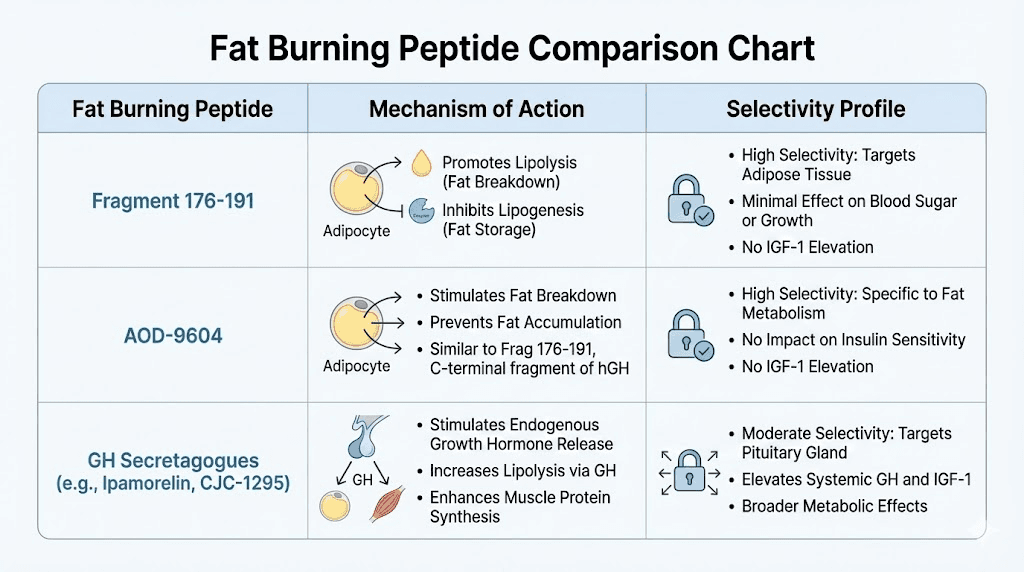
Thermogenic mechanisms in fat burning peptides
Understanding thermogenic mechanisms enables strategic protocol design maximizing fat oxidation through multiple complementary pathways. Peptide safety considerations apply alongside mechanism optimization.
Brown adipose tissue activation
Brown fat differs fundamentally from white adipose tissue, containing numerous mitochondria that can uncouple oxidative phosphorylation to generate heat directly rather than producing ATP. This thermogenic capacity evolved for temperature regulation but can be leveraged for fat burning when appropriately activated.
Growth hormone and related peptides influence brown fat activity through several mechanisms. GH may increase brown fat mass, enhance uncoupling protein expression, and improve mitochondrial density within brown adipocytes. These effects contribute to elevated basal metabolic rate and enhanced capacity for diet-induced thermogenesis.
Cold exposure synergizes with peptide-based brown fat activation, with some protocols incorporating cold therapy alongside fat burning peptides to maximize thermogenic capacity. This combination approach leverages both environmental and hormonal brown fat stimulation.
Mitochondrial efficiency and fat oxidation
Peptides affecting mitochondrial function can enhance fat burning by increasing the capacity for beta-oxidation within these cellular powerhouses. SS-31 peptide specifically targets mitochondrial membranes, potentially enhancing fatty acid processing efficiency.
Growth hormone elevation increases mitochondrial biogenesis in multiple tissues, creating greater cellular capacity for fat oxidation. This adaptation develops over weeks of elevated GH, explaining why fat burning effects from secretagogues often strengthen with continued administration.
Substrate preference shifts toward fatty acids with adequate GH signaling, meaning cells preferentially burn fat rather than glucose when growth hormone levels are optimized. This metabolic shift underlies much of the body composition improvement associated with GH-enhancing peptides.
Metabolic rate enhancement
Basal metabolic rate represents the largest component of daily energy expenditure for most individuals, making even modest increases significant for long-term fat burning. Growth hormone and its fragments elevate metabolic rate through multiple mechanisms including increased protein turnover, enhanced thermogenesis, and elevated organ function.
The thyroid axis interacts with growth hormone signaling, with adequate GH supporting optimal T3 production and activity. Some researchers combine thyroid support with fat burning peptides to ensure metabolic rate optimization, though this requires careful monitoring given thyroid hormone's potency.
Fat burning peptide protocols
Peptide dosing for fat burning requires attention to timing, combinations, and lifestyle factors influencing effectiveness. Peptide calculator tools support accurate protocol implementation.
Fragment 176-191 protocol
Basic fat burning protocol:
Morning fasted administration of 250-500 mcg provides initial daily lipolytic stimulus, capitalizing on overnight fasting physiology that favors fat mobilization. Administration at least 30 minutes before any food intake maximizes the fasted fat burning window.
Pre-exercise dosing of 250-500 mcg 30-60 minutes before cardiovascular activity enhances fat oxidation during the session. The fragment's rapid onset aligns with exercise timing for synergistic effects. Low to moderate intensity cardio maximizes fat oxidation compared to high intensity where glucose becomes the preferred fuel.
Evening administration remains optional, with some protocols adding a third dose while others find twice daily sufficient. Total daily doses typically range from 500-1500 mcg depending on individual response and protocol aggressiveness.
Duration and cycling:
Fragment protocols typically run 8-12 weeks for meaningful fat reduction, with some researchers continuing longer for extensive recomposition goals. Cycle planning helps structure protocol duration and recovery periods.
AOD-9604 protocol
Standard research protocol:
Once or twice daily administration of 300-500 mcg subcutaneously, with morning fasted dosing preferred for maximizing fat burning window. Some protocols use evening administration alternatively or additionally, though morning remains most common.
AOD-9604 may demonstrate slightly longer activity duration than Fragment 176-191, potentially allowing single daily dosing for some individuals. Response varies, with some researchers preferring split dosing for more consistent effects.
Combination approaches:
AOD-9604 combines effectively with GH secretagogues for enhanced fat burning through complementary mechanisms. The fragment provides direct lipolytic action while secretagogues elevate overall GH for systemic metabolic enhancement.
Secretagogue fat burning protocol
Ipamorelin plus CJC-1295 combination:
Bedtime administration of 100-300 mcg each leverages natural nocturnal GH release patterns, amplifying the sleep-associated GH pulse for enhanced overnight fat burning and recovery. This timing also minimizes any potential interference with daytime cortisol rhythms.
Some protocols add morning fasted dosing to create multiple daily GH pulses, though bedtime-only administration proves sufficient for many researchers. Peptide stacking guides help optimize combination approaches.
Duration considerations:
Secretagogue fat burning effects develop gradually as GH elevations induce metabolic adaptations. Protocols typically extend 3-6 months for full fat burning benefit development, longer than fragment-based approaches where effects appear more immediately.
Combined fragment and secretagogue protocol
Maximum fat burning protocols combine Fragment 176-191 or AOD-9604 with GH secretagogues, leveraging both direct lipolytic stimulation and enhanced endogenous GH production. This approach requires more complex administration schedules but potentially delivers superior results for aggressive recomposition goals.
Sample advanced protocol:
Morning fasted: Fragment 176-191 or AOD-9604 at 300-500 mcg provides direct lipolytic stimulus during the optimal fat burning window. Pre-exercise: Additional fragment dose if training fasted for enhanced fat oxidation. Bedtime: Ipamorelin 100-200 mcg plus CJC-1295 100-200 mcg for overnight GH optimization.
Stack calculator tools help determine appropriate combination doses.
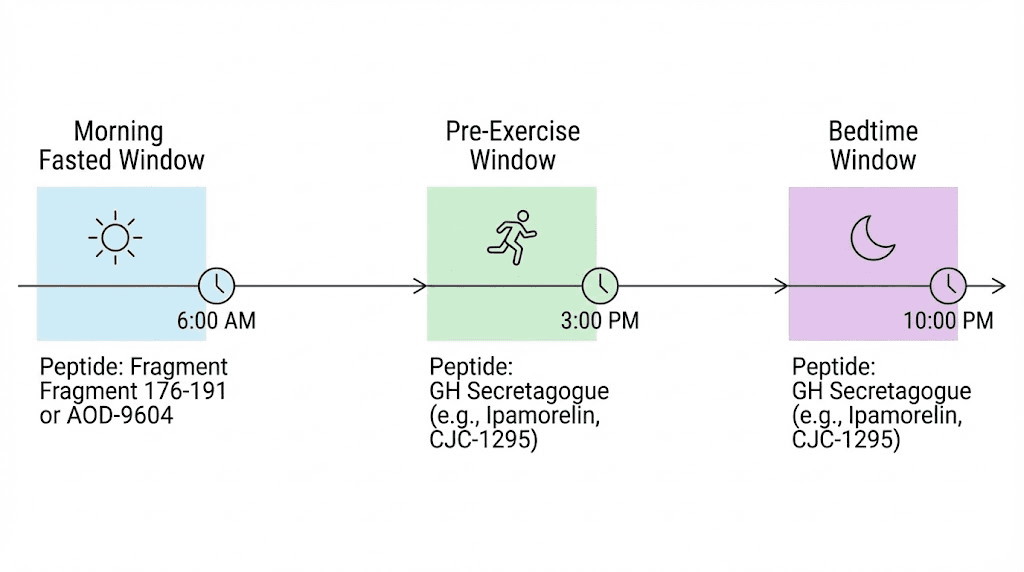
Comparing fat burning peptides to alternatives
Fat burning peptides exist within a broader landscape of metabolic interventions, with understanding alternatives enabling informed selection based on individual goals and preferences.
GLP-1 agonists versus fat burning peptides
GLP-1 receptor agonists like semaglutide and tirzepatide produce dramatic weight loss primarily through appetite suppression and delayed gastric emptying rather than enhanced fat oxidation. While highly effective for weight reduction, these mechanisms differ fundamentally from fat burning peptides.
Semaglutide vs tirzepatide comparisons highlight differences within this category. GLP-1 alternatives including fat burning peptides offer different mechanism profiles.
Key differences:
GLP-1 agonists reduce caloric intake through appetite control, potentially leading to muscle loss alongside fat reduction if protein intake and resistance training aren't prioritized. Fat burning peptides enhance metabolic rate and fat oxidation, often preserving or building muscle while reducing fat.
Side effect profiles differ substantially. GLP-1 agonists commonly cause nausea, particularly during dose escalation. Fat burning peptides like Fragment 176-191 typically show minimal side effects at standard research doses.
Some researchers combine approaches, using GLP-1 agonists for appetite control while adding fat burning peptides for enhanced metabolic rate and body composition optimization. Peptide combinations with GLP-1s represent emerging protocol approaches.
Growth hormone therapy comparison
Full growth hormone administration produces fat burning effects but includes broader metabolic impacts including potential glucose metabolism disruption, fluid retention, and other side effects absent from fragment peptides. HGH alternatives including fragments offer more targeted approaches.
Fragments provide the fat burning benefits of GH without the complete hormone's complexity, cost, and regulatory considerations. For researchers specifically targeting fat oxidation, fragments often represent more practical options than full GH administration.
Secretagogues stimulate natural GH production, creating more physiological hormone patterns than exogenous GH injection. This approach maintains feedback mechanisms that regulate GH levels, potentially offering safety advantages for extended use.
Natural alternatives
Caffeine, green tea extract, and other thermogenic supplements provide modest fat burning enhancement through catecholamine and metabolic pathways. These effects prove substantially milder than peptide interventions but require no injection and carry minimal regulatory concerns.
Fasting protocols enhance fat oxidation through hormonal shifts including elevated GH and catecholamines. Combining intermittent fasting with fat burning peptides potentially creates synergistic effects, with fasting physiology amplifying peptide mechanisms.
Exercise remains the most accessible fat burning intervention, with cardiovascular activity directly oxidizing fatty acids for fuel. Peptides enhance the metabolic response to exercise rather than replacing physical activity requirements.
Lifestyle factors affecting peptide fat burning
Peptide effectiveness depends substantially on lifestyle factors creating appropriate physiological conditions for fat oxidation. Optimal results require attention to nutrition, exercise, sleep, and stress management alongside peptide administration.
Nutritional optimization
Caloric considerations:
Fat burning peptides enhance metabolic rate and fat oxidation but cannot overcome significant caloric surplus. Moderate caloric deficit or maintenance intake provides conditions where enhanced fat burning translates to actual fat loss. Severe restriction may impair metabolic function, potentially blunting peptide effectiveness.
Protein intake supports muscle preservation during fat loss phases, critical for maintaining metabolic rate and achieving body recomposition rather than simple weight loss. Research suggests 0.7-1 gram per pound of body weight during active fat loss phases.
Timing and fasting:
Fragment peptides show enhanced effectiveness during fasted states when lipolytic hormones are naturally elevated and insulin levels are low. Morning fasted administration capitalizes on overnight fasting physiology. Extended fasting windows may further enhance fat burning peptide effects.
Carbohydrate timing influences insulin levels affecting lipolysis. Some researchers time carbohydrate intake away from peptide administration to maintain low insulin conditions favorable for fat mobilization.
Exercise integration
Cardiovascular training:
Low to moderate intensity cardio maximizes fat oxidation percentage, making this intensity range ideal when combined with fat burning peptides. High intensity training shifts toward glucose utilization, potentially reducing the fat burning benefit of peptide administration.
Fasted cardio following morning peptide administration creates optimal conditions for fat oxidation, combining hormonal enhancement with exercise-induced metabolic demand. This approach has become standard in many fat burning protocols.
Resistance training:
Weight training supports muscle preservation and growth, critical for maintaining metabolic rate during fat loss. Muscle building peptides including GH secretagogues support both fat burning and muscle preservation goals.
Athletic performance peptides often overlap with fat burning compounds, supporting comprehensive body composition optimization.
Sleep and recovery
Sleep quality profoundly impacts fat burning through multiple pathways including growth hormone release, cortisol regulation, and metabolic recovery. Poor sleep impairs GH secretion, potentially blunting secretagogue effectiveness and reducing natural fat burning capacity.
Bedtime secretagogue administration amplifies sleep-associated GH release, potentially enhancing both fat burning and sleep quality through interconnected mechanisms. Energy peptides may support daytime function while nighttime protocols optimize recovery.
Stress management
Chronic stress elevates cortisol, which promotes visceral fat accumulation and impairs fat burning through multiple mechanisms. Stress management supports peptide effectiveness by maintaining hormonal conditions favorable for fat oxidation.
Some peptides including Semax and Selank provide anxiolytic effects potentially supporting stress-related fat loss challenges. Anxiety peptides may complement fat burning protocols for individuals with stress-related weight concerns.
Fat burning peptides for different goals
Individual goals influence optimal fat burning peptide selection, with different compounds and protocols suiting various objectives and situations.
Body recomposition focus
Recomposition involves simultaneous fat loss and muscle gain, requiring peptides supporting both objectives. GH secretagogues excel for recomposition by elevating growth hormone which promotes both fat burning and muscle protein synthesis.
Combining secretagogues with fragments provides comprehensive recomposition support, with direct lipolytic action from fragments and anabolic environment from elevated GH. This combination approach has become standard for advanced recomposition protocols.
Muscle growth peptides and safe muscle peptides overlap substantially with fat burning compounds for recomposition applications.
Visceral fat targeting
Visceral fat surrounding organs poses greater health risks than subcutaneous fat and responds distinctly to various interventions. Growth hormone and its derivatives preferentially reduce visceral fat, making GH-based peptides particularly valuable for this goal.
Visceral fat peptides often include tesamorelin-related research given its clinical development specifically for visceral adiposity. Fragment peptides also demonstrate visceral fat reduction in available research.
Athletic performance
Athletes seeking fat loss while maintaining performance require peptides supporting recovery and maintaining training capacity. Secretagogues provide recovery benefits alongside fat burning, potentially more suitable than fragments alone for competitive athletes.
Regulatory considerations affect athletic peptide use, with many sports organizations prohibiting growth hormone and related compounds regardless of therapeutic intent. Understanding applicable rules remains essential for competitive athletes.
Age-related metabolic support
Declining growth hormone with age contributes to increased fat accumulation and reduced metabolic rate, making GH-based fat burning particularly relevant for older individuals. Peptides for women over 40 and similar age-related guides address these considerations.
Secretagogues may prove particularly valuable for age-related metabolic decline by addressing the hormonal deficits underlying fat accumulation rather than simply stimulating lipolysis. Anti-aging peptides often overlap with fat burning compounds.
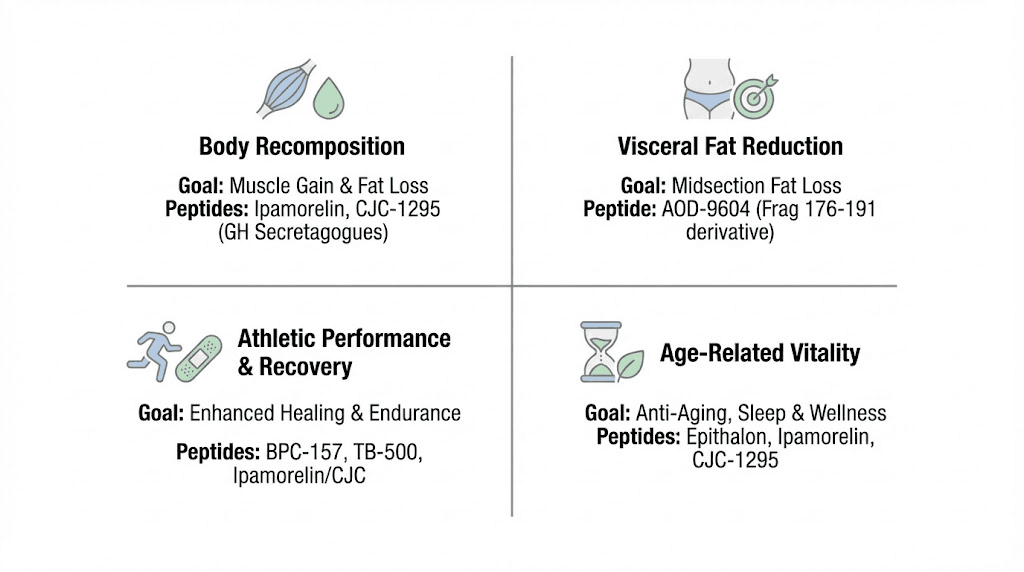
Practical implementation guide
Getting started with peptides requires attention to sourcing, storage, reconstitution, and administration fundamentals applicable to fat burning protocols.
Sourcing quality peptides
Peptide vendor selection significantly impacts protocol effectiveness, with quality variations affecting potency and purity. Third-party testing documentation provides verification of vendor claims.
Analytical report interpretation enables verification of peptide identity and purity. Certificate of analysis documentation should accompany quality peptide purchases.
Research versus pharmaceutical grade peptides differ in documentation and testing requirements, with most fat burning peptides available only as research materials.
Storage and handling
Proper peptide storage maintains potency throughout protocol duration. Lyophilized peptides store frozen for extended periods while reconstituted solutions require refrigeration with limited stability windows.
Reconstituted stability varies by peptide type, with Fragment 176-191 demonstrating reasonable refrigerated stability for typical protocol durations. Peptide expiration considerations apply to both powder and solution forms.
Reconstitution procedures
Reconstitution technique affects peptide stability and dosing accuracy. Bacteriostatic water enables multi-dose vial use through antimicrobial preservation.
Reconstitution calculator tools determine appropriate water volumes for target concentrations. The free reconstitution calculator provides accessible calculation support.
Reconstitution water selection between bacteriostatic and sterile water depends on intended use duration and protocol requirements.
Administration techniques
Injection fundamentals ensure consistent delivery and minimize complications. Subcutaneous injection remains standard for fat burning peptides, with abdominal injection sites common for convenience.
Injection site rotation prevents localized reactions and ensures consistent absorption. Injectable peptide guides provide comprehensive administration information.
Injectable versus oral peptides comparisons highlight bioavailability differences, with injection providing reliable absorption for fat burning peptides.
Safety considerations and side effects
Peptide safety profiles for fat burning compounds generally appear favorable, though individual responses vary and monitoring remains prudent during any protocol.
Fragment peptide safety
Fragment 176-191 and AOD-9604 demonstrate favorable safety profiles in available research, lacking the concerning side effects associated with full growth hormone administration. The absence of effects on glucose metabolism represents a significant safety advantage over complete GH.
Clinical trial data for AOD-9604 provides additional safety information, with no serious adverse events identified during Phase 2 studies. The compound's FDA GRAS status for food use indicates favorable regulatory safety assessment.
Minor injection site reactions occasionally occur but typically resolve quickly with proper technique and site rotation.
Secretagogue considerations
GH secretagogues may produce more varied effects than fragments given their broader hormonal influence. Water retention, joint discomfort, and numbness or tingling can occur with elevated GH levels, though these effects typically remain mild with secretagogue-induced GH elevations compared to exogenous GH administration.
Individual variation in GH response means some individuals experience stronger effects requiring dose adjustment. Starting with conservative doses and titrating based on response provides prudent protocol initiation.
Monitoring recommendations
Blood glucose monitoring may prove valuable during fat burning peptide protocols, particularly for individuals with metabolic concerns. While fragments typically lack effects on glucose, individual responses vary and monitoring provides reassurance.
Body composition tracking documents protocol effectiveness and guides duration decisions. Regular measurements provide objective assessment beyond subjective impressions.
Common peptide mistakes including quality sourcing issues and dosing errors create avoidable problems separate from inherent peptide effects.
Timeline expectations and progress tracking
Peptide timing expectations vary by compound type and individual factors, with realistic timelines supporting appropriate protocol assessment.
Fragment peptide timelines
Fragment 176-191 and AOD-9604 effects on fat mobilization begin rapidly, with enhanced lipolysis occurring within days of protocol initiation. However, visible fat loss develops over weeks as accumulated fat burning creates measurable changes.
Most researchers report noticeable changes within 4-6 weeks of consistent fragment administration, with continued improvement through 8-12 week protocols. Before and after documentation helps track progress objectively.
Secretagogue timelines
GH secretagogue fat burning effects develop more gradually as elevated growth hormone induces metabolic adaptations. Sleep and recovery benefits often appear within days, while body composition changes typically require 8-12 weeks for meaningful development.
Extended protocols of 3-6 months allow full adaptation to enhanced GH levels, with continued fat burning improvement throughout this period. Patient assessment over adequate timeframes prevents premature protocol abandonment.
Progress assessment strategies
Body composition measurements including circumferences, skinfold calipers, or DEXA scanning provide objective progress tracking beyond scale weight. Fat burning peptides may improve body composition while scale changes remain modest due to muscle preservation or gain.
Progress photos under consistent conditions document visible changes that daily observation may miss. Weekly or biweekly comparison photos provide perspective on cumulative changes.
Transformation tracking methodologies help assess protocol effectiveness systematically.
Frequently asked questions
What is the single best fat burning peptide?
HGH Fragment 176-191 represents the most specifically targeted fat burning peptide, directly stimulating lipolysis without broader hormonal effects. AOD-9604 offers similar benefits with potentially enhanced stability. For comprehensive body composition goals including muscle preservation, GH secretagogues may prove more suitable despite less targeted mechanisms.
How quickly do fat burning peptides work?
Metabolic effects begin within days of administration, but visible fat loss typically requires 4-8 weeks of consistent use. Fragment peptides may show earlier results than secretagogues, which require time for metabolic adaptations to develop from elevated GH levels.
Can fat burning peptides replace diet and exercise?
Peptides enhance fat burning but cannot overcome significant caloric surplus or replace exercise benefits. Optimal results require peptides as part of comprehensive lifestyle approaches including appropriate nutrition and physical activity. Peptides amplify rather than replace fundamental fat loss requirements.
Are fat burning peptides safe for long-term use?
Available research suggests favorable safety profiles for fragment peptides over typical protocol durations. Long-term data remains limited, and most researchers cycle protocols rather than continuous indefinite use. Secretagogues stimulating natural GH production may offer advantages for extended use compared to exogenous hormone administration.
Do fat burning peptides affect muscle mass?
GH secretagogues support muscle preservation and potentially growth alongside fat burning. Fragment peptides focus specifically on lipolysis without direct anabolic effects, though fat loss while maintaining muscle creates effective body recomposition. Adequate protein intake and resistance training remain important for muscle preservation during any fat loss protocol.
How SeekPeptides supports fat burning research
SeekPeptides provides comprehensive resources for understanding fat burning peptides and developing effective metabolic protocols.
Educational content covering peptide fundamentals through advanced fat burning protocol design helps researchers at all knowledge levels. The complete peptide database provides reference information across compound categories.
Calculator tools including the peptide calculator, HGH Fragment calculator, and stack calculator enable accurate protocol planning for fat burning applications.
Specialized resources including fat loss peptide guides and weight loss stack information support targeted fat burning research.
SeekPeptides remains committed to providing evidence-based peptide education supporting informed research decisions.
Helpful resources
In case I don't see you, good afternoon, good evening, and good night. May your metabolism stay elevated, your fat oxidation stay optimized, and your body composition stay improving. Join SeekPeptides.