Feb 3, 2026
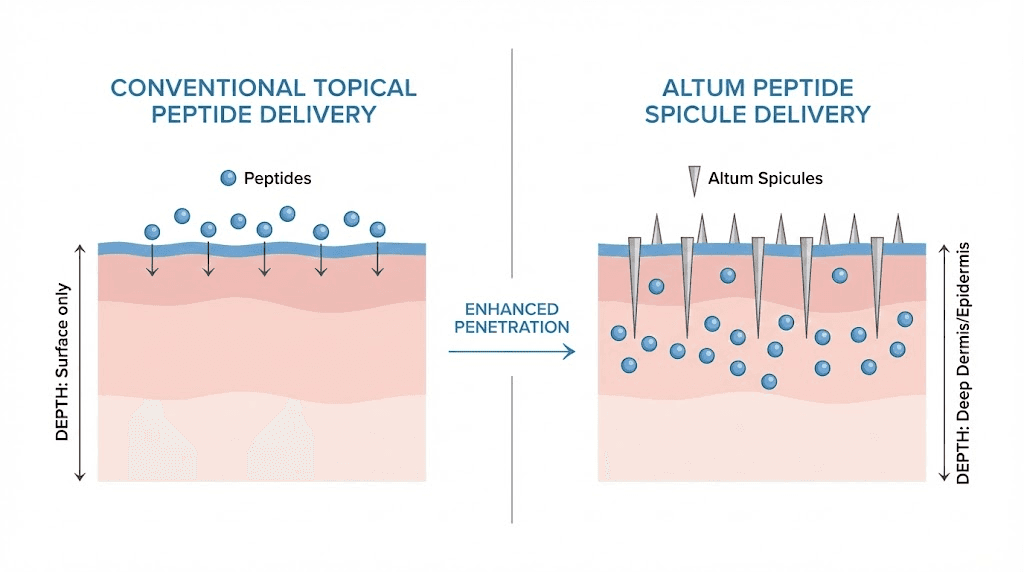
At the cellular level, a microscopic ocean sponge spicule triggers a cascade that no ordinary serum can replicate. It pierces the epidermis. It carries peptides deep into the basal layer. And then something remarkable happens, something that took over a decade of research to perfect. The enzyme glutathione, already present in human skin, breaks a chemical bond and releases those peptides exactly where they need to be, not on the surface where most skincare ingredients sit and evaporate, but deep within the living tissue where collagen production actually begins. This is the core innovation behind Idenel Altum peptide, a patented ingredient that merges marine biotechnology with copper tripeptide science to achieve a 60-fold increase in skin penetration compared to standard topical peptides.
That number is not marketing language. It comes from third-party testing at the Korea Research Institute of Dermatology. Sixty times deeper penetration changes everything about how peptides interact with skin. It transforms a surface-level cosmetic experience into something closer to a clinical treatment, delivered without needles, without machines, and without the trauma that traditional microneedling methods require.
The word "Altum" means "deep" in Latin. That name was chosen deliberately. IDENEL, the Korean biotech company behind this technology, spent more than ten years developing what they call 7th generation spicule technology. Their ingredient, RAPHITOX, consists of purified sea sponge spicules that are 200 to 300 microns long, close to 99% pure, and capable of reaching skin layers that topical products simply cannot touch. When these spicules are chemically bonded with GHK-Cu, the copper tripeptide celebrated for its role in tissue repair and anti-aging, the result is a delivery system that outperforms conventional spicule-plus-peptide combinations by nearly four to one in skin density improvement. This guide covers everything you need to know about this technology, from the science behind it to the clinical data supporting it, the full product line, treatment protocols, aftercare instructions, and how it compares to other anti-wrinkle peptide approaches on the market.
What makes Altum peptide different from conventional peptide skincare
Most peptide skincare products share a fundamental limitation. They sit on the surface.
Even the most sophisticated copper peptide serums struggle with the skin barrier. The stratum corneum, that outermost layer of dead skin cells, exists specifically to keep foreign substances out. It does not care whether those substances are harmful bacteria or beneficial peptides. The barrier treats them the same way. This is why so many people invest in premium peptide products and see only modest results. The active ingredients never reach the fibroblasts deep in the dermis where collagen synthesis actually occurs.
Altum peptide solves this with a completely different approach.
Instead of trying to push peptides through the barrier using chemical penetration enhancers or liposomal encapsulation, IDENEL physically delivers them past it. The RAPHITOX spicules, microscopic needle-like structures harvested from deep sea sponges, create microchannels through the epidermis. But here is the critical distinction from standard spicule treatments. In conventional bio-microneedling, spicules and peptides are separate components mixed together. The spicules create pathways and the peptides are supposed to follow. Some do. Most do not. They disperse, degrade, or simply fail to reach meaningful depth.
IDENEL chemically bonds the peptide directly to the spicule.
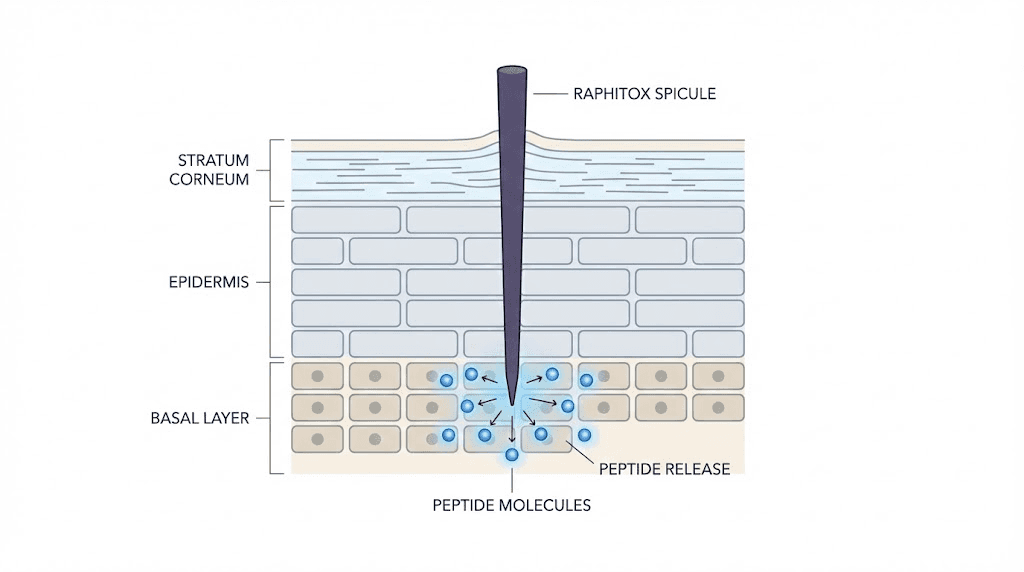
This bonding is the entire breakthrough. When a RAPHITOX spicule enters the skin, it carries the tripeptide with it as a single unit. The spicule reaches the basal layer, 200 to 300 microns deep, where the body own glutathione enzyme recognizes the chemical bond and cleaves it. The peptide releases at the target depth. Not at the surface. Not halfway. At the exact location where peptide signaling can activate fibroblasts and stimulate real structural change. The spicule itself is then naturally expelled through the skin keratin elimination cycle over the following days, while the released peptide remains active in the tissue, continuing to supply nutrients to fibroblasts and promote collagen and elastin production.
The comparison data tells the story clearly. When the Korea Research Institute of Dermatology tested Altum peptide at 0.5% concentration against a conventional spicule-plus-peptide combination at 5% peptide concentration, Altum achieved a 9.25% improvement in skin density compared to just 2.39% for the conventional formula. For fine lines, Altum showed 8.66% improvement versus 4.98%. Even with ten times less peptide concentration, the bonded delivery system dramatically outperformed the conventional approach. That is what targeted delivery accomplishes when the mechanism actually works.
The science of RAPHITOX spicules
Understanding why Altum peptide works requires understanding spicules themselves.
Spicules are structural elements found in marine sponges. They function as the skeletal framework that gives sponges their shape and rigidity. In the ocean, they serve a purely structural purpose. In skincare, their needle-like morphology makes them uniquely suited for transdermal delivery. Academic research published in the journal Pharmaceutics has demonstrated that sponge spicules can dramatically enhance skin penetration of therapeutic peptides, with one study showing a 6.1-fold increase in antimicrobial peptide delivery using Haliclona sp. spicules.
RAPHITOX represents the 7th generation of spicule refinement technology.
Each generation improved purity, consistency, and safety. The current RAPHITOX formulation achieves close to 99% purity in a single-component white powder form. This matters enormously. Lower purity spicule products can contain organic debris, inconsistent particle sizes, and contaminants that cause unpredictable skin reactions. RAPHITOX spicules are essentially intact structural elements, typically 200 to 300 microns in length, with a consistent aspect ratio that determines their penetration characteristics. Research has shown a direct correlation between spicule aspect ratio and skin permeability enhancement, meaning the shape and proportions of each spicule directly affect how effectively it creates microchannels.
A single gram of RAPHITOX contains up to 8 million natural bio spicules. Each one is a microscopic delivery vehicle.
When applied to the skin and massaged in, these millions of spicules embed themselves in the upper layers of the epidermis, creating microchannels that remain open for approximately 48 to 72 hours. This extended channel duration is one of the key advantages over traditional microneedling approaches, where puncture wounds begin closing almost immediately after the needles are withdrawn. With spicules, the channels stay open long enough for ongoing product absorption during the days following treatment, which is why the aftercare products in the IDENEL line are formulated specifically to take advantage of this enhanced penetration window.
The spicules are patented in more than 20 countries. IDENEL manufacturing facilities hold CGMP and ISO certifications. This is not a boutique ingredient mixed in someone garage. It is an industrially validated, clinically tested bioactive material with a documented chain of quality control from ocean harvest to finished product.
GHK-Cu: the peptide that Altum delivers
The spicule is the vehicle. GHK-Cu is the payload.
GHK-Cu, or copper tripeptide-1, is a naturally occurring peptide-copper complex found in human plasma, saliva, and urine. The body produces it. It consists of three amino acids, glycine, histidine, and lysine, bound to a copper ion. This small molecule has been the subject of extensive research spanning decades, with studies demonstrating its involvement in wound healing, anti-inflammatory processes, collagen synthesis, and skin remodeling. One clinical study found that topical GHK-Cu use was associated with improved collagen production in approximately 70% of women over a 12-week period.
The challenge has always been delivery.
GHK-Cu is effective. Researchers know this. Clinicians know this. The peer-reviewed literature supports it. But getting the molecule past the skin barrier in sufficient concentrations to activate fibroblasts at meaningful depth has remained the persistent obstacle. A 2024 PubMed review noted that while GHK-Cu demonstrates relatively good skin permeability compared to many peptides, its penetration could be "successfully increased using permeation enhancement methodologies." IDENEL approach of chemically bonding GHK-Cu to RAPHITOX spicules is precisely such a methodology, and arguably the most dramatic enhancement documented to date, delivering 60 times more peptide to target tissue than unassisted topical application.
For anyone familiar with copper peptide skincare, this delivery advantage addresses the single biggest frustration with the ingredient category. People buy copper peptide creams and serums, use them consistently, and often wonder why results are subtle or slow. The peptide works. The delivery fails. Altum peptide flips that equation. By ensuring GHK-Cu reaches the basal layer in concentrated form, it allows the peptide to do what the research has always suggested it can do, stimulate fibroblasts, promote collagen production, support elastin synthesis, and trigger the skin remodeling cascade that leads to measurable improvements in density, elasticity, and wrinkle depth.
This is also why Altum peptide pairs well with the broader understanding of copper peptides for wrinkles. The mechanism is the same. The delivery is what changes everything.
Clinical results from the Korea Research Institute of Dermatology
Claims are easy. Data is harder. IDENEL submitted Altum peptide to third-party clinical testing at the Korea Research Institute of Dermatology, and the results span multiple skin parameters across seven human trials.
Here is what the testing showed.
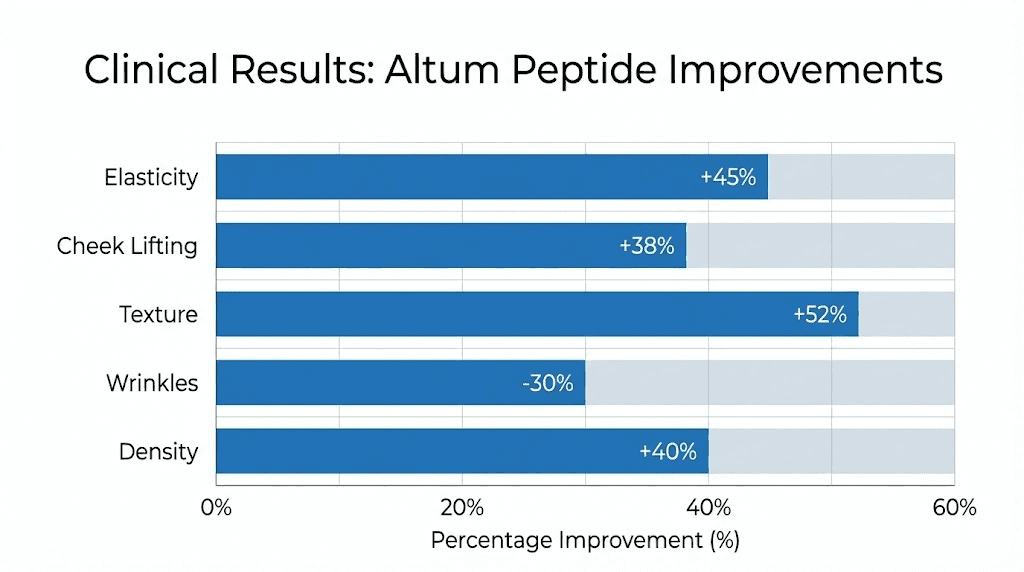
Elasticity improved by 9.83%. This represents a measurable increase in the skin ability to snap back after deformation, the kind of improvement that translates directly to a firmer, more youthful appearance. Separate testing showed an even higher elasticity increase of 36%, depending on the specific protocol and measurement methodology used.
Cheek lifting showed a 36.80% decrease in depressed volume. This is one of the most striking numbers in the dataset. Depressed volume in the cheek area is a primary marker of facial aging, caused by collagen loss, fat pad descent, and tissue thinning. A 36.80% reduction in depressed volume suggests meaningful structural restoration, not just surface-level improvement.
Skin texture improved by 8.53%. Texture refers to the overall smoothness and uniformity of the skin surface. Improvements here indicate refinement of pore appearance, reduction of rough patches, and a more even surface quality that affects how light reflects off the face.
Deep wrinkles decreased by 17.30%. Deep wrinkles are the hardest to address with any topical intervention because they involve structural changes in the dermis, not just superficial lines. A 17.30% improvement in deep wrinkles represents genuine dermal remodeling, the kind of change that typically requires injectable treatments or neurotoxins to achieve.
Fine wrinkles showed a 13.10% improvement. Fine lines respond more readily to peptide-based interventions, and this result is consistent with what the copper peptide literature would predict when GHK-Cu actually reaches its target tissue in adequate concentrations.
Skin density increased by 15.88% after six weeks. Density is perhaps the most important metric for long-term skin health, as it reflects the actual thickness and structural integrity of the dermis. Higher density means more collagen, more elastin, and more resilient tissue overall.
The comparative data deserves special attention. When Altum peptide at 0.5% concentration was tested against a conventional spicule-plus-peptide combination at 5% concentration, Altum delivered a 9.25% improvement in skin density versus only 2.39% for the conventional approach. That is nearly a four-to-one advantage with one-tenth the peptide concentration. For fine lines, the gap was 8.66% versus 4.98%. These numbers demonstrate that the bonded delivery mechanism is not just incrementally better. It is fundamentally more efficient at getting peptides where they need to go.
For context, these kinds of results put Altum peptide in a different category from standard peptide skincare products. Most over-the-counter copper peptide formulations produce improvements measured in single-digit percentages over 8 to 12 weeks. Altum is achieving double-digit improvements in wrinkle depth, density, and volume restoration through a mechanism that bypasses the delivery bottleneck entirely.
Safety testing and certification
Effective ingredients mean nothing if they are not safe.
IDENEL subjected Altum peptide to a comprehensive battery of safety assessments, each designed to evaluate a different dimension of potential risk. The Human Repeat Insult Patch Test, known as HRIPT, is the gold standard for evaluating whether a cosmetic ingredient causes sensitization or allergic reactions with repeated exposure. Subjects are exposed to the ingredient multiple times over several weeks, with the skin monitored for signs of irritation or immune response. Altum peptide passed this test.
The EpiOcular Eye Irritation Test evaluates whether a product or ingredient would cause irritation if it comes into contact with the eyes. This is particularly relevant for a facial treatment that will be applied near the eye area. Passing the EIT indicates that the formulation does not pose a significant ocular irritation risk.
The AMES test evaluates genotoxicity, the potential for a substance to damage DNA or cause mutations. This is a critical safety threshold. Any ingredient that fails the AMES test raises serious concerns about long-term safety. Altum peptide passed, indicating no evidence of genotoxic potential.
Beyond these specific tests, all clinical evaluations were conducted by the Korea Research Institute of Dermatology, providing third-party validation independent of IDENEL own quality claims. The manufacturing facilities hold CGMP certification, which stands for Current Good Manufacturing Practice, along with ISO certification. These certifications mean that every batch of RAPHITOX and every Altum peptide product is manufactured under standardized, audited conditions that meet international quality benchmarks.
The patent portfolio spanning more than 20 countries adds another layer of credibility. Patents require disclosure of methodology, composition, and evidence. They are reviewed by patent examiners who evaluate the novelty and utility of the claimed innovation. A global patent portfolio of this scope indicates that the technology has been scrutinized and validated across multiple jurisdictions with different regulatory standards.
For anyone who has experienced side effects from copper peptides or worried about purging reactions, the safety profile of Altum peptide should provide meaningful reassurance. The spicule delivery mechanism bypasses many of the surface irritation issues that high-concentration topical copper peptide formulations can cause, because the active ingredient is released at depth rather than sitting on the surface at potentially irritating concentrations.
The complete IDENEL product line
Altum peptide is not a single product. It is the core ingredient in a comprehensive treatment system designed by IDENEL. Understanding which product does what helps determine the right approach for different skin concerns and treatment contexts.
Peptaxel Intensive Solution (purple vial powder + orange vial liquid)
This is the flagship professional treatment. The purple vial contains the RAPHITOX spicule powder with bonded Altum peptide. The orange vial contains the regenerative concentrate liquid. They are mixed fresh immediately before each treatment, which ensures maximum potency and prevents degradation that would occur in a pre-mixed formula. This is the product used in clinical and spa settings for intensive anti-aging protocols. It targets wrinkles, sagging, loss of elasticity, and overall skin density.
Think of it as the heavy hitter. Professional application. Significant results. A recovery period of several days.
Peptaxel Trouble Solution (green vial)
Formulated specifically for acne-prone and troubled skin. The spicule delivery mechanism carries active ingredients designed to address breakouts, excess sebum, and the kind of chronic skin congestion that drives people to try increasingly aggressive treatments. For anyone who has explored peptides for acne, this represents a fundamentally different approach, delivering actives directly into the skin rather than relying on surface-level treatments that the compromised barrier of acne-prone skin often resists.
Peptaxel Brightening Solution (yellow vial)
Targets hyperpigmentation, uneven skin tone, and dullness. The spicule delivery system carries brightening actives past the surface where most brightening products fail to achieve meaningful results. Pigmentation occurs in the basal layer where melanocytes reside, which is exactly where RAPHITOX spicules can deliver their payload. This makes the brightening formulation potentially more effective than surface-level approaches to dark circles and uneven tone.
Altum Peptide Solution Cream 20ml
This is the daily home-use product. It contains Altum peptide in a cream format designed for morning and evening application. While it will not deliver the same intensity as a professional Peptaxel treatment, it provides ongoing peptide delivery between professional sessions. For people who want to incorporate Altum technology into their daily skincare routine, this is the entry point. Consistent daily use maintains the peptide supply to fibroblasts and supports the collagen remodeling process initiated by professional treatments.
Supporting products
GlutaGen Skin Booster is a glutathione booster designed to enhance the Altum peptide release mechanism. Since glutathione is the enzyme that breaks the chemical bond between spicule and peptide, supporting glutathione levels in the skin could theoretically improve the efficiency of peptide release. This is a clever synergistic addition to the product line.
Intensive Locking Cream is the post-treatment recovery product. After a Peptaxel session, the skin has millions of open microchannels. This cream is formulated to provide barrier support, hydration, and active ingredients that take advantage of the enhanced penetration window. It locks in the treatment benefits while supporting the healing process.
Intensive Essential Sheet Mask with PDRN combines sheet mask convenience with PDRN, polydeoxyribonucleotide, a salmon-derived ingredient used in Korean skincare for its tissue regeneration properties. Used post-treatment, it supports the skin repair cascade while the microchannels are still open.
Purifying Enzyme Powder Cleanser provides gentle enzymatic cleansing that removes dead skin cells without the mechanical abrasion that could disrupt healing microchannels. This is the recommended cleanser during the post-treatment period.
7-Day Beginner Kit packages the essential products for a first-time Altum peptide experience, including everything needed for a single treatment cycle and the aftercare period that follows.
Regenerating Eye Cream targets the delicate periorbital area. The skin around the eyes is thinner, more prone to fine lines, and requires specialized formulation. This cream addresses dark circles and crow feet using Altum peptide technology adapted for the sensitive eye area.
Treatment protocol: what to expect from a Peptaxel session
Walking into a Peptaxel treatment for the first time can feel uncertain. Knowing exactly what happens, step by step, eliminates the anxiety and helps you prepare properly.
Before the treatment
Preparation starts days before the actual session. Avoid retinoid products for at least one week prior. This includes prescription tretinoin, over-the-counter retinol, and any products containing retinaldehyde or retinyl palmitate. The reason is straightforward. Retinoids thin the stratum corneum and increase skin sensitivity, which could amplify the spicule sensation beyond comfortable levels and potentially cause excessive irritation. If you have been using copper peptides alongside retinol or exploring peptide-retinol combinations, pause the retinol component before treatment.
Arrive with clean skin. No makeup. No heavy moisturizers. The treatment surface needs to be bare.
During the treatment
The practitioner opens fresh vials for each session. The powder and liquid are mixed immediately before application, ensuring maximum potency. Nothing is pre-mixed or stored. This fresh preparation is a deliberate quality control measure.
The mixture is applied to the face and massaged in using specific techniques. During the massage phase, the spicules are worked into the skin surface. You will feel a sensation. People describe it differently. Some call it a slight prickling. Others describe a warmth or tingling. It is not painful in the way traditional microneedling can be. There is no numbing cream required. No blood. No wounds. The sensation comes from millions of microscopic spicules embedding in the upper epidermis, which is objectively happening, but most people find it tolerable and even comfortable.
The treatment takes approximately 30 to 45 minutes depending on the area covered and the specific protocol. Practitioners typically check in throughout the process to monitor comfort levels.
Immediately after
Redness is normal. Some swelling is possible. Your skin has just absorbed millions of microscopic spicules and it is responding appropriately. This is not damage. It is the beginning of a controlled regeneration process. The redness typically looks similar to a mild sunburn and subsides within hours to a day.
Do not wash your face on the treatment day. This is critical. The spicules need time to settle into position and begin their journey through the epidermis. Washing too soon can dislodge spicules and reduce treatment effectiveness.
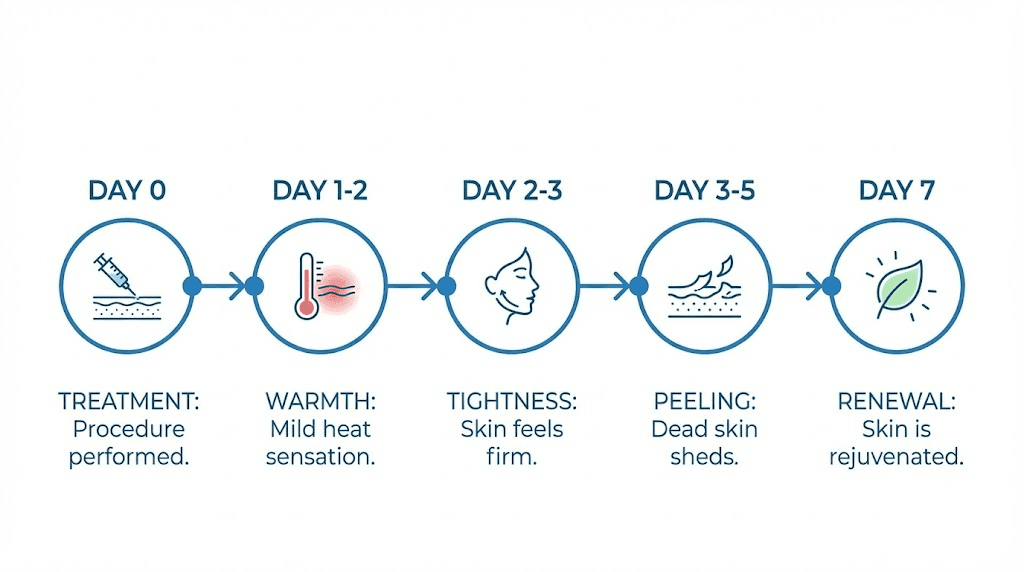
Day 1 to 2: the warming phase
You may experience a continued warming sensation. Some people describe it as a subtle heat radiating from the skin. Mild swelling can persist, particularly in areas where the skin is thinner. This is all normal. The spicules are embedded and beginning to create their microchannels while the peptide bonds are being cleaved by glutathione in the skin.
Avoid heavy makeup during this period. Light mineral powder is acceptable for most people if absolutely necessary, but the ideal approach is to let the skin breathe. Avoid strenuous exercise that causes heavy sweating, as perspiration can irritate the sensitized skin.
Day 2 to 3: the dry and tight phase
The skin begins to feel dry. Tight. Rough to the touch.
This is the transition phase. The old skin is beginning to separate as the regeneration process accelerates underneath. The tightness feels unusual if you have never experienced it before, but it is a positive sign. It means the treatment is working. The spicules have triggered the skin renewal cascade, and the upper layers are preparing to shed.
Use the recommended aftercare products during this phase. The Intensive Locking Cream and gentle cleanser help manage the dryness without disrupting the regeneration process. Avoid the temptation to exfoliate or use active serums. Let the skin do its work.
Day 3 to 5: the peeling phase
Fine peeling begins. Flaking. Shedding.
This is the visible evidence of skin renewal. Dead cells are coming off and new skin is emerging underneath. The peeling can range from subtle flaking to more noticeable sheets depending on the treatment intensity, your skin type, and individual healing response. Not everyone peels dramatically, and the absence of visible peeling does not mean the treatment failed. It means the skin is regenerating at a faster rate, incorporating new cells without the dramatic shedding phase.
Do not pick at peeling skin. Do not scrub. Do not try to speed the process. Let gravity and gentle cleansing handle the removal of dead tissue. Picking can cause scarring, hyperpigmentation, and infection in the microchannels that are still open. This is the hardest part of the aftercare protocol for many people, and it is also the most important rule to follow.
Day 5 to 7: renewal
New skin emerges. The peeling subsides. And what you see in the mirror is different from what was there a week ago. Smoother texture. Improved tone. A subtle glow that comes from genuinely renewed tissue, not from a product sitting on the surface creating an optical illusion of radiance.
By day seven, most people can resume their normal skincare routine with some modifications. Continue avoiding retinoids for the full week post-treatment. Sun protection is essential, with SPF 30 to 50 recommended whenever going outdoors.
The new skin is more sensitive to UV exposure, and unprotected sun exposure during this window can cause hyperpigmentation that defeats the purpose of the entire treatment.
Treatment frequency
IDENEL recommends resting at least two months between intensive Peptaxel treatments. This interval allows the collagen remodeling process to complete fully. Collagen synthesis is not instantaneous. The fibroblasts stimulated during treatment continue producing new collagen for weeks after the spicules have been expelled. Treating too frequently can disrupt this process and lead to chronic inflammation rather than controlled regeneration.
Between professional treatments, daily use of the Altum Peptide Solution Cream maintains peptide delivery and supports the ongoing remodeling process. This creates a treatment rhythm: intensive professional session, two months of daily maintenance, next intensive session.
How Altum peptide compares to traditional microneedling
The comparison is inevitable. Traditional microneedling has become one of the most popular professional skin rejuvenation treatments worldwide. So where does bio-microneedling with Altum peptide fit?
Traditional microneedling uses metal or silicone needles, typically 0.25mm to 2.5mm in length, mounted on a pen-like device or roller. The needles puncture the skin to create controlled injuries. These injuries trigger the wound healing response, which includes collagen production. It works. The evidence base is substantial. But the mechanism is fundamentally traumatic. You are creating thousands of tiny wounds and relying on the healing response to produce cosmetic improvement.
Altum peptide bio-microneedling operates on a different principle entirely.
The spicules do penetrate the skin, yes. But they are 200 to 300 microns, far smaller than typical microneedling needles. They do not create wounds in the traditional sense. There is no bleeding. No significant tissue trauma. The mechanism of action is not the wound healing response. It is the direct delivery of bioactive peptides to target tissue depth. The cosmetic improvement comes from peptide-driven collagen synthesis and fibroblast activation, not from wound repair.
This distinction matters for several reasons. Recovery time with traditional microneedling can range from two to seven days of significant redness, swelling, and sensitivity, depending on needle depth. Altum peptide recovery involves a different kind of downtime, the peeling phase, but without the wound care concerns. There is no risk of infection from open puncture wounds. No need for strict sterile protocol during recovery. The microchannels created by spicules are microscopically small and close naturally as the spicules are expelled.
For people who have avoided microneedling due to needle anxiety, pain concerns, or fear of complications, Altum peptide offers a pathway to similar or superior results through a fundamentally less traumatic mechanism. This is particularly relevant for women over 40 whose skin heals more slowly and may not tolerate aggressive traditional microneedling as well as younger patients.
The flip side is that traditional microneedling at deeper settings (1.5mm to 2.5mm) can address severe scarring, deep acne scars, and structural skin damage that surface-level interventions cannot reach. Altum peptide spicules at 200 to 300 microns are working in the epidermal and upper dermal range. For someone seeking treatment for deep scarring or acne scars, the two approaches might serve different purposes or complement each other in a comprehensive treatment plan.
Altum peptide and the broader copper peptide landscape
Copper peptides have been a fixture in advanced skincare for decades. GHK-Cu was first identified by Dr. Loren Pickart in the 1970s, and the research has only deepened since then. The peptide demonstrates involvement in wound healing, collagen synthesis, anti-inflammatory processes, antioxidant defense, and even hair follicle stimulation. It is one of the most well-studied peptides in dermatological research.
But the commercial copper peptide landscape is confusing.
There are serums, creams, hair treatments, and injectable formulations, each with different concentrations, delivery mechanisms, and intended use cases. The concentration of copper peptide in a product matters, but as Altum peptide demonstrates, delivery mechanism matters even more. A 5% topical copper peptide serum that cannot penetrate the stratum corneum effectively delivers less active ingredient to target tissue than a 0.5% Altum peptide formulation that reaches the basal layer.
This is the context that makes Altum peptide so significant in the copper peptide space. It is not a new peptide. GHK-Cu is well-established. It is a new way to make that peptide do what it was always capable of doing, by solving the delivery problem that has limited topical copper peptide efficacy for decades.
For skincare enthusiasts who have been exploring AHK-Cu, different copper peptide variants, or wondering about the optimal timing for copper peptide application, Altum peptide represents a paradigm shift. Instead of optimizing surface application techniques, it fundamentally changes where the peptide goes and how much of it gets there.
The relationship between Altum peptide and other biomimetic peptide technologies is also worth understanding. Biomimetic peptides are designed to mimic natural biological signals. GHK-Cu is arguably one of the original biomimetic peptides, as it replicates a signaling molecule the body naturally produces. Combining this biomimetic approach with a physical delivery mechanism that mimics the body own processes, using natural ocean sponge structures to create temporary microchannels, creates a treatment that works with the skin biology rather than against it.
Who should consider Altum peptide treatments
Not every skincare innovation is right for every person. Understanding who benefits most from Altum peptide helps set appropriate expectations.
Ideal candidates
People experiencing early to moderate signs of aging, including fine lines, loss of elasticity, thinning skin, and reduced density, are the primary beneficiaries. The clinical data specifically addresses these concerns with measurable improvements. If your mirror shows the beginnings of sagging, a texture that has lost its former smoothness, or wrinkles that were not there a few years ago, Altum peptide targets exactly these changes.
People who are needle-averse represent another ideal group. Traditional injectable treatments and deep microneedling procedures involve needles that many people cannot tolerate, psychologically or physically. Altum peptide provides a non-needle pathway to results that approach injectable-grade improvements for certain skin parameters.
Estheticians and skincare professionals limited to using 0.25mm needles by their licensing restrictions find particular value in Peptaxel. The treatment achieves deeper effective penetration than 0.25mm microneedling while remaining within the scope of practice for estheticians in most jurisdictions. This makes it a powerful addition to the professional toolkit.
Women seeking safe peptide options will appreciate the comprehensive safety testing. The HRIPT, EIT, and AMES testing provide documented safety data that many peptide skincare products simply do not have. For anyone who has experienced problems with copper peptides in the past, the controlled delivery mechanism of Altum may avoid the surface irritation issues that conventional topical copper peptides can cause.
Less ideal candidates
People with shellfish allergies should discuss this treatment thoroughly with their practitioner. While RAPHITOX spicules come from sea sponges, not shellfish, the marine origin warrants caution and professional consultation for anyone with known marine allergies.
Anyone with active skin infections, open wounds, or acute inflammatory conditions in the treatment area should wait until those resolve. The spicules create microchannels that could potentially allow pathogens to enter if the skin surface is compromised.
People with a history of keloid scarring, vitiligo, or lupus should consult their dermatologist before treatment. These conditions affect wound healing and skin response in ways that could alter the safety profile of any treatment involving skin penetration, even at the microscopic level.
If you cannot resist scratching itchy skin, be honest with yourself before booking. The peeling phase can be itchy. Scratching can cause scarring and hyperpigmentation. This is not a minor concern. If impulse control around skin picking is something you struggle with, discuss strategies with your practitioner beforehand.
Combining Altum peptide with other skincare ingredients
Understanding what works alongside Altum peptide and what should be avoided is essential for maximizing results and preventing adverse reactions.
Compatible combinations
Hyaluronic acid pairs well with Altum peptide treatments. The hydrating properties of hyaluronic acid support the skin during the recovery phase, maintaining moisture levels while the regeneration process unfolds. Many post-treatment protocols include hyaluronic acid-based products specifically for this reason.
PDRN (polydeoxyribonucleotide) is included in IDENEL own product line via the Intensive Essential Sheet Mask, suggesting excellent compatibility. PDRN supports tissue regeneration through a different mechanism than GHK-Cu, creating a synergistic effect where both ingredients contribute to repair and renewal through complementary pathways.
Ceramides support barrier repair during the recovery phase. Understanding the relationship between ceramides and peptides helps you choose appropriate aftercare products. Ceramides do not interfere with peptide activity and provide the lipid support that healing skin needs.
Gentle antioxidants like niacinamide can be used during the recovery phase to support skin repair. However, wait until the initial sensitivity period (first 48 hours) has passed before introducing any additional actives.
Ingredients to avoid
Retinoids should be avoided for at least one week before and one week after treatment. The combination of retinoid-thinned skin and spicule penetration can lead to excessive irritation, prolonged redness, and potentially compromised barrier function. If you have been using peptides and retinol together in your routine, pause the retinol component well before your Peptaxel appointment.
AHA and BHA acids should be avoided for at least two weeks after the peeling process completes. These chemical exfoliants could over-thin the newly formed skin and cause irritation or sensitivity.
Vitamin C at high concentrations can be irritating on sensitized skin. While vitamin C and peptides can work well together under normal circumstances, the post-treatment window is not the time for potent ascorbic acid serums. Wait until the skin has fully healed. Similarly, the combination of copper peptides and vitamin C requires careful timing even under normal conditions, and this caution is amplified during the post-treatment period.
Physical scrubs and harsh cleansers are absolutely contraindicated during the peeling phase. Mechanical exfoliation will tear away skin that is not ready to come off and can damage the regenerating tissue underneath.
How Altum peptide compares to other peptide delivery systems
The skincare industry has developed numerous approaches to improving peptide delivery. Understanding where Altum fits in this landscape helps you evaluate its advantages and limitations in context.
Liposomal encapsulation
Liposomes are tiny lipid bubbles that encapsulate active ingredients and theoretically merge with cell membranes to deliver their payload. Many peptide skincare products use liposomal delivery. The technology works to some degree, improving penetration compared to unencapsulated peptides. But liposomes still rely on passive diffusion through the skin barrier. They cannot physically breach it. Altum peptide physically bypasses the barrier entirely, which is why the penetration differential is 60-fold, not 2-fold or 5-fold.
Microneedle patches
Microneedle peptide patches use dissolving needle tips made of peptide-containing materials. The needles penetrate the skin surface and dissolve, releasing their payload. This approach has merit. The needles are typically 100 to 800 microns in length, putting them in a similar penetration range to RAPHITOX spicules. However, patches deliver a fixed dose to a small area covered by the patch. Altum peptide treatment covers the entire face with millions of delivery vehicles, providing comprehensive coverage rather than localized spot treatment.
Nanoparticle delivery
Various nanoparticle systems have been developed for peptide delivery, including gold nanoparticles, polymeric nanoparticles, and solid lipid nanoparticles. These technologies show promise in laboratory settings but face challenges in commercial skincare, including stability, cost, and regulatory classification. Altum peptide uses a naturally derived delivery vehicle that avoids the regulatory complexity and safety questions that synthetic nanoparticle systems face.
Injectable peptides
For those who use GHK-Cu injections, the delivery is unquestionable. Subcutaneous or intradermal injection places the peptide exactly where it needs to be. But injections require medical oversight, carry infection risk, involve pain, and are not accessible to everyone. Understanding how to use GHK-Cu injections properly requires knowledge of reconstitution, dosing, and storage. Altum peptide offers a non-injectable pathway to deep peptide delivery, bridging the gap between topical skincare and injectable treatments.
The positioning of Altum peptide in this landscape is clear. It sits between conventional topical peptides and injectable peptides in terms of delivery depth and efficacy, but without the invasiveness of injections or the limitations of surface-level topicals. For the growing number of people who want more than a serum can offer but less than an injection requires, Altum peptide fills a previously empty space in the treatment spectrum.
Building an Altum peptide skincare protocol
A structured approach maximizes the benefits of Altum peptide technology. Here is how to build a comprehensive protocol that integrates professional treatments with daily maintenance.
Protocol 1: intensive anti-aging (professional setting)
Goal: Maximum wrinkle reduction, density improvement, and elasticity restoration.
Treatment: Peptaxel Intensive Solution (purple and orange vials) applied by a trained practitioner.
Frequency: One session every two months. This spacing allows complete collagen remodeling between treatments.
Day of treatment: Arrive with clean, bare skin. The practitioner mixes fresh vials and applies the treatment. Session takes 30 to 45 minutes. Do not wash face for the remainder of the day.
Days 1 to 7 aftercare:
Day 1: Apply Intensive Locking Cream only. No cleansing beyond sterile water if needed.
Day 2 to 3: Gentle cleansing with Purifying Enzyme Powder Cleanser. Intensive Locking Cream. SPF 30-50 if going outdoors.
Day 3 to 5: Continue gentle cleansing and moisturizing protocol. Do not pick at peeling skin. Sheet mask with PDRN can be used once during this phase.
Day 5 to 7: Peeling subsides. Continue SPF. Resume normal gentle skincare.
Between treatments: Altum Peptide Solution Cream morning and evening. GlutaGen Skin Booster as directed. Regenerating Eye Cream for periorbital area.
Expected results based on clinical data:
Elasticity improvement: approximately 9.83% per treatment cycle
Deep wrinkle reduction: approximately 17.30%
Skin density increase: approximately 15.88% after six weeks
Cheek volume restoration: approximately 36.80% decrease in depressed volume
Protocol 2: acne and troubled skin (professional setting)
Goal: Reduce active breakouts, improve skin clarity, address post-inflammatory concerns.
Treatment: Peptaxel Trouble Solution (green vial) mixed with regenerative concentrate.
Frequency: Treatment intervals as recommended by practitioner, typically allowing full healing between sessions.
Aftercare: Same gentle protocol as intensive treatment. Especially important not to pick at skin during peeling, as acne-prone skin is already at higher risk for post-inflammatory hyperpigmentation and scarring. Those exploring peptide approaches to acne will find this protocol particularly relevant.
Protocol 3: daily maintenance (home use)
Goal: Ongoing peptide delivery, maintenance of professional treatment results, continuous collagen support.
Morning routine:
Gentle cleanser
Altum Peptide Solution Cream
SPF 30-50
Evening routine:
Double cleanse (oil-based followed by gentle water-based)
Altum Peptide Solution Cream
Regenerating Eye Cream
This daily protocol can be maintained indefinitely. It provides lower-intensity but consistent peptide delivery that supports the structural improvements initiated by professional Peptaxel treatments. For guidance on building a comprehensive routine, the copper peptide skincare routine guide provides detailed framework information that complements Altum peptide use.
SeekPeptides members who are tracking their skincare protocols alongside their broader peptide research can access detailed guides on copper peptide usage, concentration optimization, and integration strategies that help maximize the benefits of advanced delivery systems like Altum peptide.
Understanding the peeling process in depth
The peeling phase deserves its own detailed discussion because it is the aspect of Altum peptide treatment that causes the most anxiety, the most questions, and the most protocol violations when people fail to follow aftercare instructions.
Here is what is actually happening at the cellular level.
When RAPHITOX spicules embed in the epidermis, they stimulate an accelerated cell turnover response. The skin recognizes the spicules as foreign bodies and initiates a controlled inflammatory cascade. This is not damage. This is the skin doing exactly what it is designed to do when it encounters microscopic foreign material. The keratin elimination cycle kicks in. Older surface cells are pushed outward more rapidly than normal. New cells are generated more quickly at the basal layer, fueled in part by the GHK-Cu peptides that have been released at that depth.
The peeling you see on days 3 to 5 is the visible result of this accelerated turnover. Old, damaged, UV-exposed surface cells are being shed to make way for new, undamaged cells generated under the influence of peptide-stimulated fibroblast activity. Think of it as the skin taking out the trash, quickly and thoroughly, to make room for renovations happening underneath.
Not everyone peels equally. Some people experience dramatic sheets of peeling skin. Others notice only fine flaking. A few people report almost no visible peeling at all. The intensity depends on multiple factors: skin type, treatment concentration, application technique, individual healing response, and baseline skin condition. Less peeling does not mean less effectiveness. It often means the skin is regenerating efficiently, incorporating new cells without the dramatic shedding phase.
The spicules themselves are expelled from the body through the natural keratin cycle within 48 to 72 hours. They do not accumulate in the skin. They do not migrate. They complete their delivery function and are then pushed outward and shed with the dead skin cells. By day 7, there are essentially no spicules remaining in the tissue.
For anyone accustomed to managing sensitive skin conditions or familiar with the concept of skin purging from peptide products, the Altum peeling phase is different. It is not purging in the traditional sense, where existing comedones are brought to the surface. It is controlled exfoliation driven by accelerated cell turnover. The distinction matters because purging can indicate a problem, while Altum peeling indicates the treatment is progressing as designed.
The role of glutathione in Altum peptide technology
Glutathione is the unsung hero of the Altum peptide system.
Most discussions about this technology focus on the spicules and the peptide. Fair enough. Those are the visible components. But the chemical release mechanism is what makes the entire system work, and that mechanism depends entirely on glutathione.
Glutathione is a tripeptide, three amino acids, glutamate, cysteine, and glycine, that the body produces naturally. It functions as the primary intracellular antioxidant and plays crucial roles in detoxification, immune function, and protein synthesis. In skin, glutathione is present in significant concentrations, particularly in the deeper epidermal layers and dermis.
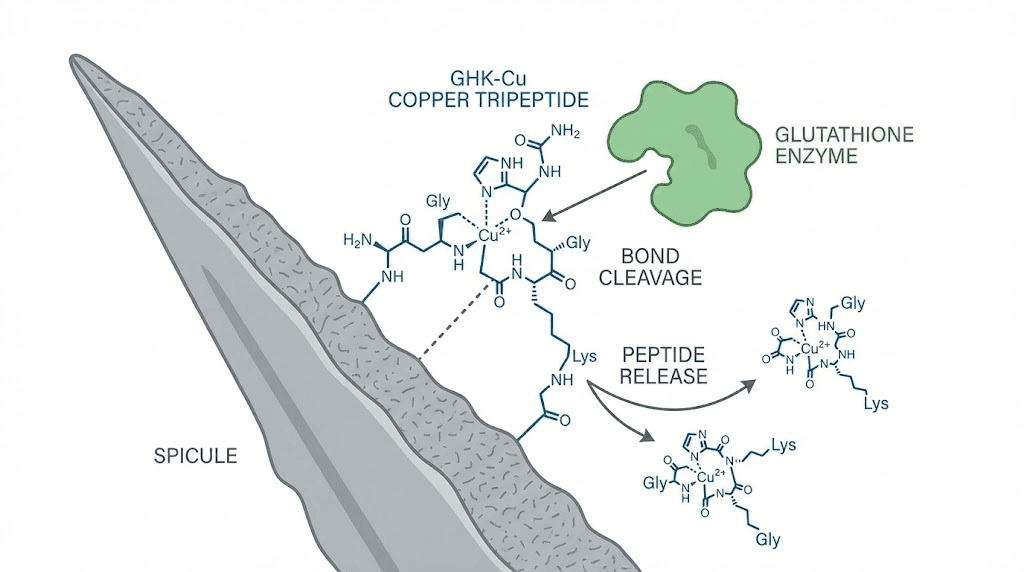
IDENEL engineered the chemical bond between RAPHITOX spicule and GHK-Cu peptide to be specifically cleaved by glutathione. This is precision biochemistry. The bond holds firm on the surface, during storage, and during the application process. It only breaks when it encounters the glutathione-rich environment inside the living skin tissue. This means the peptide remains attached to its delivery vehicle throughout the journey from vial to application to penetration, and only releases when it has arrived at the target tissue depth.
This is why IDENEL includes the GlutaGen Skin Booster in their product line. By supporting glutathione levels in the skin, the efficiency of peptide release may be enhanced. If glutathione levels are robust, the chemical bonds are cleaved more completely and more quickly, potentially increasing the amount of free GHK-Cu available to activate fibroblasts. It is a logical extension of the delivery mechanism, optimizing not just how the peptide gets there but how efficiently it is released once it arrives.
The glutathione release mechanism also has implications for who might respond best to treatment. Individuals with naturally higher glutathione levels, often those who are younger, healthier, and less exposed to oxidative stress, might experience more efficient peptide release. Conversely, individuals with depleted glutathione levels due to aging, UV damage, smoking, or chronic stress might benefit from glutathione support before and after treatment.
Understanding peptide stability in the Altum system
One of the most common questions about peptide skincare relates to stability. Do peptides expire? How long do they last at room temperature? How should they be stored? These questions are critical because degraded peptides are ineffective peptides.
The IDENEL system addresses stability through its fresh-mixing protocol. The powder and liquid components are stored separately in sealed vials. The peptide remains in its bonded, dry state until the moment of use. This dramatically extends shelf life compared to pre-mixed peptide solutions, which begin degrading from the moment of formulation. The principles of peptide storage that apply to research peptides are equally relevant here. Keeping the active ingredient in a dry, sealed state until use is the gold standard for maintaining potency.
Once mixed, the product should be used immediately. There is no storing a mixed Peptaxel treatment for later. This is not a limitation. It is a feature. Fresh preparation means full potency every time, which is a standard that peptide reconstitution protocols across all applications emphasize.
The daily-use Altum Peptide Solution Cream follows a different stability model. As a finished cosmetic product, it contains stabilizing ingredients that maintain the active components in a usable state over the product shelf life. Standard cosmetic storage guidelines apply, keeping it away from extreme heat, direct sunlight, and contamination from fingers or dirty spatulas.
Altum peptide in the context of Korean skincare innovation
South Korea has established itself as the global leader in skincare innovation. The K-beauty phenomenon is not just marketing. It is backed by genuine scientific advancement, significant R&D investment, and a consumer culture that demands results over hype.
IDENEL fits squarely within this tradition of Korean skincare innovation. The company invested over a decade in developing the spicule bonding technology. The clinical testing was conducted at the Korea Research Institute of Dermatology, one of the most respected dermatological research institutions in the country. The manufacturing meets CGMP and ISO standards. The patents span more than 20 countries.
This is not a trendy ingredient launched on Instagram and backed by nothing but influencer marketing. It is a patented technology with third-party clinical data, comprehensive safety testing, and a scientific mechanism that can be explained, tested, and verified. In an industry flooded with unsubstantiated claims, this level of documentation matters.
Korean skincare has given the world ingredients like snail mucin, propolis, and various ferment filtrates. Altum peptide represents the next evolution, not just a new ingredient but a new delivery paradigm that changes what topical skincare can achieve. The Korean peptide skincare brands that have gained international popularity demonstrate the market appetite for peptide-based solutions. Altum peptide takes this category further by solving the penetration problem that limits every other topical peptide product.
The SeekPeptides research library covers the full spectrum of peptide skincare science, from basic peptide education to advanced topics like bioregulator peptides and longevity applications. For readers who want to understand where Altum peptide fits within the broader peptide landscape, this resource provides the comprehensive context needed to make informed decisions.
Common mistakes people make with bio-microneedling treatments
Even the best technology delivers suboptimal results when the protocol is not followed. Here are the most frequent errors that undermine Altum peptide treatment outcomes.
Washing the face too soon
The temptation to cleanse immediately after treatment is understandable. The face feels different. Maybe slightly sticky. Perhaps warm. The instinct is to wash. Do not. The spicules need time to embed fully and begin their penetration. Washing too soon dislodges them, reducing the number of delivery vehicles that reach target depth and proportionally reducing the treatment effectiveness.
Using active ingredients during recovery
People with established skincare routines struggle to skip their actives. But using retinoids, AHAs, BHAs, high-concentration vitamin C, or any other potent active during the first week post-treatment is counterproductive. The microchannels are open. The skin is sensitized. Actives that are normally well-tolerated can cause burning, irritation, and potentially damage the regenerating tissue. Patience here pays dividends in outcome quality.
Picking at peeling skin
This is the cardinal sin of post-treatment care. Everyone knows they should not pick. Many people pick anyway. Every piece of skin that is torn away prematurely risks scarring, hyperpigmentation, and infection. The peeling will finish on its own. Let it.
Skipping sun protection
New skin is vulnerable skin. The freshly regenerated cells have not yet developed full UV protection. Unprotected sun exposure during the first two to four weeks after treatment can cause hyperpigmentation that is more severe and more persistent than what the treatment was trying to address in the first place. SPF 30 to 50, every day, no exceptions.
Treating too frequently
More is not always better. The two-month interval between intensive treatments exists for a reason. Collagen remodeling takes time. The fibroblasts stimulated during treatment continue producing new collagen for weeks after the spicules have been expelled. Treating again before this process completes can create chronic low-grade inflammation that undermines collagen quality rather than enhancing it. Respect the interval. Trust the process.
Ignoring the daily maintenance protocol
Professional treatments every two months with no daily support is like going to the gym once every eight weeks and expecting transformation. The Altum Peptide Solution Cream provides ongoing peptide delivery that maintains and builds upon the professional treatment results. Skipping daily maintenance leaves gaps in the collagen stimulation timeline that slow overall progress.
Real-world expectations: what results actually look like
Clinical percentages are informative. Real-world results are what people actually care about.
After a single Peptaxel treatment, most people notice improved texture and luminosity within the first week, once the peeling phase completes. The new skin surface is smoother. More even. There is often a visible glow that comes from genuinely renewed tissue rather than surface-level light diffusion. These initial improvements are real but primarily surface-level, reflecting the accelerated cell turnover rather than deep structural change.
Structural improvements take longer. The 15.88% increase in skin density documented in clinical testing represents results measured at six weeks post-treatment. Collagen synthesis is a slow process. The fibroblasts need time to produce new collagen fibers, and those fibers need time to cross-link and organize into functional tissue. Week by week, the skin becomes gradually firmer, denser, and more resilient. These changes are subtle on a daily basis but significant when comparing week one to week six.
Wrinkle reduction follows a similar timeline. The 17.30% improvement in deep wrinkles and 13.10% in fine wrinkles are not overnight transformations.
They represent cumulative structural changes that develop over weeks. Fine lines respond faster because they require less collagen filling. Deep wrinkles improve more slowly because they reflect more substantial collagen loss that takes longer to rebuild.
The cheek lifting effect, that remarkable 36.80% decrease in depressed volume, also develops progressively. Volume restoration requires significant new collagen and elastin deposition, which is the product of weeks of stimulated fibroblast activity.
Multiple treatments compound results. Each session stimulates a new round of collagen synthesis. Over a series of three to four treatments spaced two months apart, the cumulative improvements become increasingly dramatic. Most practitioners recommend a course of at least three treatments for optimal outcomes, with maintenance treatments every two to three months thereafter.
A reviewer who tried Peptaxel at Obliv Clinic in Incheon, South Korea, described the experience this way: the treatment revitalized her skin to have a glowing look. Practitioners note that clients quickly build trust with the treatment because they feel something happening, not in an aggressive way, but enough to know it is working. That quiet confidence leads to rebookings and referrals.
The future of peptide delivery technology
Altum peptide represents where the skincare industry is heading. The era of "apply and hope" topical products is giving way to targeted delivery systems that ensure active ingredients reach their biological targets.
The broader peptide research field is moving in the same direction. Whether the application is skincare, bone healing, hair growth, or systemic longevity applications, the challenge is always the same: getting the right peptide to the right tissue at the right concentration. IDENEL solution of chemically bonding the payload to a natural physical delivery vehicle is elegant in its simplicity and powerful in its results.
Future developments may include different peptides bonded to RAPHITOX spicules for different therapeutic targets. Imagine Snap-8 delivered to neuromuscular junctions for targeted expression line reduction. Or PTD-DBM delivered directly to hair follicle stem cells for hair restoration. Or specialized natural peptide complexes delivered to specific skin layers for condition-targeted treatment. The platform technology of spicule-bonded peptide delivery could theoretically be adapted to any peptide that benefits from deep tissue delivery.
For researchers and enthusiasts who follow peptide science through resources like SeekPeptides, the Altum peptide technology signals an exciting convergence of marine biotechnology, peptide science, and delivery engineering. It demonstrates that the next breakthrough in skincare may not be a new peptide at all but a better way to deliver the ones we already know work.
The complete peptide database at SeekPeptides provides comprehensive information on hundreds of peptides, including GHK-Cu, with detailed profiles covering mechanisms, research status, and practical applications. Whether you are evaluating Altum peptide technology or exploring the broader world of peptide applications, evidence-based information is essential for making sound decisions.
Frequently asked questions
Is Altum peptide the same as regular bio-microneedling?
No. Regular bio-microneedling uses loose spicules mixed with separate serums or peptides. Altum peptide uses spicules that are chemically bonded to GHK-Cu tripeptide, creating a single delivery unit. This bonded delivery achieves 60 times higher skin penetration than standard approaches and nearly four times better skin density improvement compared to conventional spicule-plus-peptide combinations.
How painful is a Peptaxel treatment?
Most people describe it as a mild prickling or tingling sensation during application. It is significantly less painful than traditional microneedling. No numbing cream is required. No blood is drawn. The sensation comes from millions of microscopic spicules embedding in the upper epidermis, which most people tolerate comfortably.
How long do results last after treatment?
The collagen and elastin produced in response to treatment are genuine structural proteins that integrate into the skin tissue. These structural improvements are long-lasting. However, normal aging processes continue, so maintenance treatments every two to three months help sustain and build upon results over time. Daily use of the Altum Peptide Solution Cream between professional sessions extends the duration of visible improvements.
Can I use my regular copper peptide serum alongside Altum peptide?
Wait at least one week after a Peptaxel treatment before reintroducing your copper peptide serum. During the active healing phase, the open microchannels can allow surface products to penetrate deeper than intended, potentially causing irritation. Once fully healed, you can resume your normal copper peptide routine.
Is the peeling phase mandatory?
Peeling is a common response but not universal. Some people peel dramatically, others minimally, and some barely at all. The absence of visible peeling does not indicate treatment failure. It often means the skin is regenerating efficiently without the dramatic shedding phase. The clinical improvements in density, elasticity, and wrinkle reduction occur regardless of peeling intensity.
What is the difference between the purple, green, and yellow Peptaxel vials?
Purple (Intensive Solution) targets anti-aging concerns including wrinkles, sagging, and density loss. Green (Trouble Solution) is formulated for acne-prone skin. Yellow (Brightening Solution) addresses hyperpigmentation and uneven tone. Each uses the same RAPHITOX spicule delivery technology but with different active formulations tailored to specific skin concerns.
Can I do this treatment at home?
The Peptaxel professional treatments are designed for trained practitioners. The Altum Peptide Solution Cream is the home-use product designed for daily application. IDENEL also offers a 7-Day Beginner Kit for those who want to experience the technology at home with appropriate guidance. Professional treatments deliver more intensive results, while home products provide ongoing maintenance.
How does Altum peptide compare to Botox for wrinkles?
They work through completely different mechanisms. Botox paralyzes muscles to prevent expression lines from forming. Altum peptide stimulates collagen production to fill and firm skin from within. Botox works immediately on dynamic wrinkles. Altum peptide works progressively on all wrinkle types through structural improvement. Many people use both in complementary fashion, with Botox for expression lines and Altum peptide for overall skin quality and density.
For researchers and skincare enthusiasts committed to evidence-based decisions, SeekPeptides offers the most comprehensive peptide education platform available, with in-depth guides on copper peptide science, getting started with peptides, and community support from experienced researchers who navigate these exact questions daily.