Feb 1, 2026
Experienced researchers know something beginners do not about biomimetic peptides. The prefix tells you everything. "Bio" means life. "Mimetic" means imitating. Put them together and you get synthetic compounds that mirror the exact amino acid sequences your body already produces, but with precision engineering that nature cannot match.
These are not approximations. They are molecular twins designed to interact with growth factor receptors, regulate gene transcription, and stimulate fibroblasts with surgical accuracy. While natural peptides decline with age and become less effective, biomimetic peptides maintain their potency because they are laboratory-crafted to resist degradation, target specific receptors, and deliver consistent results. The difference between using random peptides and using biomimetic peptides is like the difference between hoping your body fixes itself and giving it the exact tools it needs to do so.
The science behind biomimetic peptides is not theoretical. It is clinical, measurable, and repeatable. Studies demonstrate that oligopeptides of 10-15 amino acids can regulate the synthesis of Ki-67, type I procollagen, AP-1, and SIRT6 in human fibroblasts. Intradermal administration produced denser collagen fibers in the dermis after just 2 weeks. This is not incremental improvement. This is structural change at the cellular level, similar to what advanced tissue repair peptides achieve in wound healing contexts.
Understanding biomimetic peptides requires understanding what makes them different from every other compound in the peptide world. They are not simply small protein fragments. They are engineered sequences that replicate the function of naturally occurring growth factors and cytokines, binding to specific receptors and triggering cascades that natural aging diminishes. This is why SeekPeptides focuses heavily on biomimetic options for members seeking targeted, evidence-based protocols rather than generic supplementation. The precision approach mirrors what researchers use when designing peptide stacks for specific therapeutic goals.
What biomimetic peptides are and why they matter
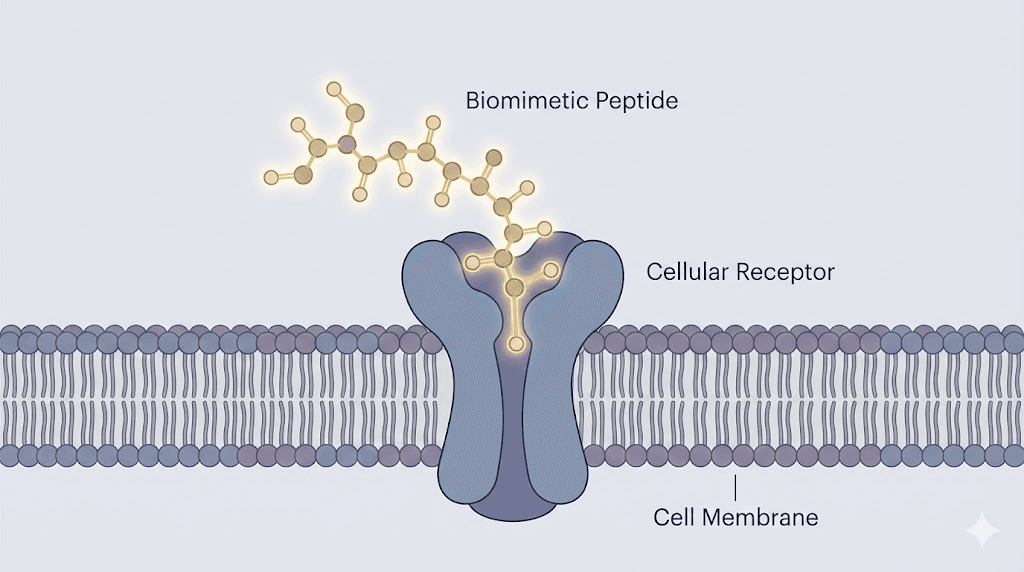
Biomimetic peptides are synthetic compounds identical to amino acid sequences synthesized by organisms, interacting with growth factor receptors to produce specific biological effects. The term "biomimetic" is precise. It does not mean similar or inspired by. It means structurally identical to sequences found in nature, but produced in controlled laboratory environments where purity, concentration, and stability can be maximized.
These peptides are oligopeptides consisting of 10-15 amino acids. Short enough to penetrate cellular membranes. Long enough to maintain the structural specificity required to bind to receptors. Their size is not arbitrary. It is optimized for bioavailability and target affinity. Researchers have identified 102 commercially available cosmetic peptides, and the biomimetic category represents the most clinically validated subset of that landscape. This is similar to how peptides in general are classified based on their structure and function.
The reason biomimetic peptides matter is simple. Your body produces peptides that regulate everything from collagen synthesis to inflammation control. As you age, production declines. Natural peptides degrade faster. Receptor sensitivity decreases. The result is visible aging, slower recovery, diminished repair capacity. Biomimetic peptides bypass this decline by providing exogenous sequences that are chemically identical to endogenous ones, but engineered for stability and potency that natural production cannot sustain. Understanding how peptides work at the cellular level reveals why biomimetic versions are superior.
Consider Matrixyl 3000, one of the most studied biomimetic peptides. It stimulates collagen synthesis by up to 350% in vitro and reduces wrinkle depth by 30-35% in vivo after 8 weeks. These are not subjective improvements. These are quantified structural changes measured through biopsy and imaging. The peptide works because it mimics the signaling molecules that fibroblasts recognize as instructions to synthesize new collagen. When those signals are absent or weak, synthesis slows. When biomimetic peptides deliver those signals at therapeutic concentrations, synthesis accelerates. This makes them essential components in anti-aging peptide protocols.
Another example is Acetyl Hexapeptide-8, commonly known as Argireline. It demonstrated up to 17% reduction in wrinkle volume within 15 days in clinical trials. The mechanism is different from Matrixyl, targeting neurotransmitter release rather than collagen synthesis, but the principle is the same. The peptide sequence mimics a fragment of SNAP-25, a protein involved in acetylcholine release at the neuromuscular junction. By competing with SNAP-25, Argireline reduces the intensity of facial muscle contractions, leading to measurable reduction in expression lines. This mechanism makes it comparable to other peptides for wrinkles that target dynamic lines.
Oligopeptide-68 offers a third mechanism entirely. It reduced melanogenesis by approximately 40% in vitro, functioning as a biomimetic inhibitor of melanocyte activity. This is not skin bleaching. This is targeted regulation of pigment production at the enzymatic level. The peptide mimics sequences that naturally regulate tyrosinase activity, the rate-limiting enzyme in melanin synthesis. By binding to melanocyte receptors, it downregulates pigment production without damaging cellular function, similar to other peptides for skin tightening that target specific cellular pathways.
These examples illustrate why biomimetic peptides matter more than generic peptide formulations. They are not random sequences hoped to have beneficial effects. They are reverse-engineered from known biological pathways, tested for receptor affinity, and validated through clinical measurement. When you use peptide calculators to determine dosing, biomimetic options allow for precision that would be impossible with less characterized compounds. The same precision applies when using peptide dosage charts to plan therapeutic protocols.
The advantages over natural peptides are measurable. Smaller molecular weight. Easier synthesis. Better pharmacokinetic profile. Increased target affinity. Lower toxicity. These are not marketing claims. These are the reasons pharmaceutical companies invest billions in biomimetic peptide development for therapeutic applications ranging from cancer treatment to HIV management. The same principles apply whether you are exploring research versus pharmaceutical peptides or selecting compounds for personal use.
How biomimetic peptides work at the cellular level
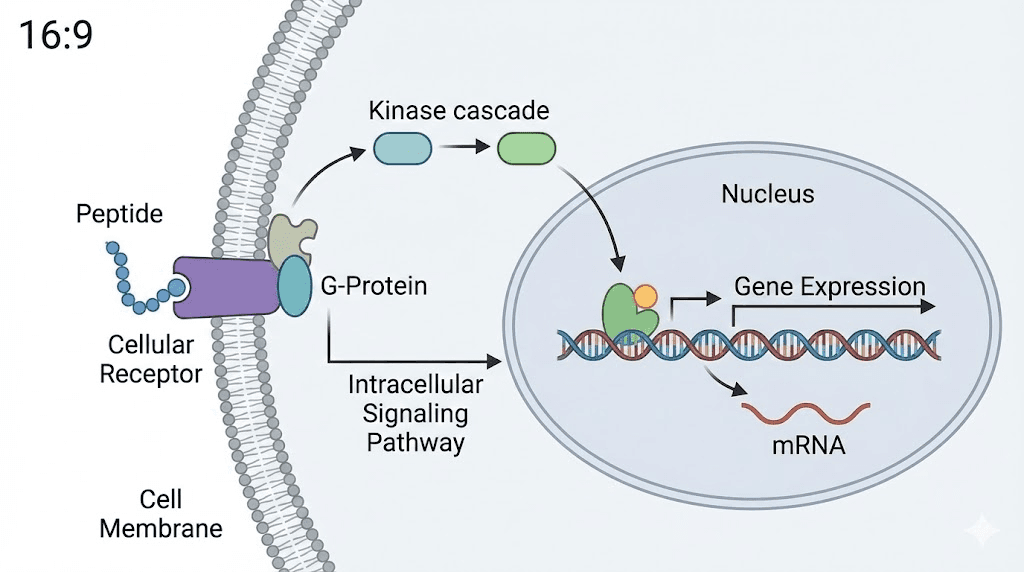
Biomimetic peptides function through receptor-mediated signaling pathways. They bind to specific receptors on cell surfaces, triggering intracellular cascades that regulate gene expression, protein synthesis, and cellular activity. The mechanism is identical to how natural growth factors and cytokines operate, because biomimetic peptides are designed to be indistinguishable from those endogenous signals at the molecular level.
When a biomimetic peptide binds to a receptor, it initiates a conformational change in the receptor protein. This change activates intracellular signaling molecules, typically through G-protein coupled receptor pathways or tyrosine kinase pathways. The activated signaling molecules then trigger phosphorylation cascades that ultimately reach the nucleus, where transcription factors are activated or inhibited. These transcription factors regulate the expression of target genes, leading to increased or decreased production of specific proteins. This is the fundamental mechanism behind how peptides work at the molecular level.
For signal peptides like Palmitoyl Tripeptide-1 and Palmitoyl Tripeptide-5, the target is collagen and elastin synthesis. These peptides mimic fragments of collagen and elastin that are released during natural degradation. When cells detect these fragments, they interpret the signal as tissue damage and upregulate repair mechanisms. The biomimetic versions deliver the same signal without requiring actual tissue damage, effectively tricking cells into activating repair pathways. This mechanism is exploited in various injury recovery peptides.
The regulation of Ki-67, type I procollagen, AP-1, and SIRT6 in human fibroblasts is particularly significant. Ki-67 is a marker of cellular proliferation. Type I procollagen is the precursor to type I collagen, the most abundant structural protein in skin. AP-1 is a transcription factor complex that regulates matrix metalloproteinases, the enzymes responsible for collagen degradation. SIRT6 is a histone deacetylase involved in DNA repair and inflammation control. By regulating all four simultaneously, biomimetic peptides address both synthesis and degradation sides of the collagen balance equation, similar to comprehensive collagen peptide serum formulations.
Neurotransmitter-inhibiting peptides work through a different mechanism entirely. They target the SNARE complex, a protein assembly required for neurotransmitter vesicle fusion with the presynaptic membrane. By mimicking portions of SNARE proteins, these peptides compete for binding sites and reduce the efficiency of vesicle fusion. Less fusion means less acetylcholine release. Less acetylcholine means reduced muscle contraction intensity. The result is a relaxation of expression muscles, similar to the mechanism of botulinum toxin but through a completely different molecular pathway. This makes them valuable alternatives explored in peptides versus botox comparisons.
Carrier peptides like GHK-Cu function by chelating metal ions and facilitating their delivery into cells. Copper is a cofactor for lysyl oxidase, the enzyme that cross-links collagen and elastin fibers. Without adequate copper, newly synthesized collagen remains weak and poorly organized. GHK naturally binds copper with high affinity, and the GHK-Cu complex can enter cells where the copper is released to participate in enzymatic reactions. The biomimetic version replicates this transport function with higher stability than the natural tripeptide. Detailed protocols are available in GHK-Cu guide resources.
Understanding these mechanisms matters when designing peptide stacks because different mechanisms can be combined for synergistic effects. A signal peptide that increases collagen synthesis pairs well with a carrier peptide that provides the cofactors needed for proper collagen cross-linking. A neurotransmitter inhibitor that reduces expression lines pairs well with a signal peptide that thickens the dermis beneath those lines. Members accessing comprehensive stacking guides learn how to combine multiple mechanisms effectively.
The intradermal administration studies showing denser collagen fiber arrangement after 2 weeks demonstrate how quickly these mechanisms produce measurable structural changes. This is not superficial moisturization. This is de novo collagen synthesis, meaning new collagen created from amino acid precursors rather than reorganization of existing collagen. Biopsy samples show increased fiber diameter, increased fiber density, and more organized dermal architecture. The timeline aligns with what researchers observe when studying how long peptides take to work across different applications.
The time course of these effects varies by mechanism. Signal peptides typically show initial effects within 2-4 weeks as new protein synthesis accumulates. Neurotransmitter inhibitors can show effects within days as muscle contraction patterns change. Carrier peptides show effects on the timeline of the processes they support, typically 4-8 weeks for collagen cross-linking to mature. This is why protocols often run 8-12 weeks, allowing sufficient time for all mechanisms to reach steady-state effects. Proper timing is crucial when planning peptide cycles for optimal results.
The five categories of biomimetic peptides
Biomimetic peptides are classified into five functional categories based on their primary mechanism of action. Understanding these categories is essential for selecting appropriate peptides for specific goals and for designing protocols that combine multiple mechanisms effectively. This classification system helps when exploring what peptides are used for in various therapeutic contexts.
Signal peptides (matrikines)
Signal peptides are the largest and most extensively studied category. They stimulate the synthesis of collagen, elastin, glycosaminoglycans, and other extracellular matrix components. The mechanism involves mimicking fragments of matrix proteins that are released during natural degradation. When fibroblasts detect these fragments, they interpret the signal as matrix damage and activate repair pathways.
Palmitoyl Tripeptide-1 (formerly Palmitoyl-GHK) is a palmitic acid-modified version of the natural tripeptide GHK. The palmitoyl group increases lipophilicity, allowing better penetration through lipid-rich cellular membranes. It stimulates collagen I, collagen III, and fibronectin synthesis in dermal fibroblasts. Clinical studies show wrinkle depth reduction of approximately 30% after 12 weeks of topical application. This makes it comparable to other copper peptides for wrinkles.
Palmitoyl Tripeptide-5 is a different sequence that mimics thrombospondin-1, a matricellular protein involved in wound healing. It binds to TGF-beta receptors, activating the SMAD signaling pathway that drives collagen synthesis. The advantage over direct TGF-beta application is that the peptide is smaller, more stable, and lacks the pro-fibrotic effects that excessive TGF-beta can cause. This targeted approach is similar to what peptides for bone and cartilage repair achieve.
Matrixyl 3000 is a proprietary combination of Palmitoyl Tripeptide-1 and Palmitoyl Tetrapeptide-7. The combination addresses both synthesis and inflammation. The tripeptide drives collagen production while the tetrapeptide inhibits IL-6 production, reducing the chronic low-grade inflammation that accelerates aging. The synergy produces the 350% collagen synthesis increase measured in vitro, far exceeding what either peptide achieves alone. Understanding inflammation peptides reveals why anti-inflammatory components matter.
Palmitoyl Tripeptide-38, marketed as Matrixyl synthe'6, stimulates six major dermal-epidermal junction proteins: collagen I, collagen III, collagen IV, fibronectin, hyaluronic acid, and laminin 5. This comprehensive matrix support makes it particularly effective for aged or photodamaged skin where multiple matrix components are depleted. The peptide sequence was designed specifically to target genes encoding these six proteins, demonstrating how biomimetic design can be tailored to precise therapeutic goals. It works synergistically with hyaluronic acid peptide combinations.
These signal peptides are commonly used in anti-aging peptide protocols because they address the fundamental structural deficit that defines aged skin: insufficient matrix protein synthesis to balance ongoing degradation. They are often combined with natural peptides for skin in comprehensive formulations.
Neurotransmitter-inhibiting peptides
These peptides reduce muscle contraction intensity by interfering with neurotransmitter release or receptor binding. They are sometimes called "topical botox alternatives" though the mechanisms are distinct from botulinum toxin.
Acetyl Hexapeptide-8 (Argireline) mimics the N-terminal end of SNAP-25, one of three SNARE complex proteins required for neurotransmitter vesicle fusion. By competing with SNAP-25 for binding sites, it reduces fusion efficiency and thus acetylcholine release. The 17% wrinkle volume reduction within 15 days makes it one of the fastest-acting cosmetic peptides. Unlike botulinum toxin which cleaves SNARE proteins irreversibly, Argireline competes reversibly, producing a milder effect with no risk of muscle paralysis. This is detailed in SNAP-8 peptide guides.
Dipeptide Diaminobutyroyl Benzylamide Diacetate, marketed as Syn-Ake, mimics a peptide from temple viper venom that blocks nicotinic acetylcholine receptors. Instead of preventing neurotransmitter release, it prevents neurotransmitter binding to muscle cells. The result is reduced contraction intensity. Studies show 52% wrinkle reduction after 28 days of twice-daily application, though this likely includes a significant moisturization component beyond the neurotransmitter effect. More details are available in Syn-Ake peptide research.
Acetyl Octapeptide-3 (SNAP-8) is an elongated version of Argireline with enhanced potency. The additional amino acids increase SNARE complex binding affinity, producing stronger effects at lower concentrations. It has become increasingly popular in peptide formulations targeting dynamic wrinkles because it addresses the mechanical cause of expression lines. The enhanced efficacy makes it valuable when exploring peptides for dark circles caused by muscle tension.
Pentapeptide-18 (Leuphasyl) works through yet another mechanism, modulating enkephalin receptors on the surface of neurons. Enkephalins are endogenous opioid peptides that regulate neurotransmitter release. By mimicking enkephalin structure, Leuphasyl activates these receptors and reduces acetylcholine release through a G-protein coupled pathway rather than direct SNARE interference.
The key advantage of neurotransmitter-inhibiting peptides is rapid visible effect on expression lines, making them useful for short-term improvement before events or for protocols where quick results are prioritized. They are often combined with signal peptides in comprehensive anti-aging stacks to address both dynamic wrinkles and structural matrix deficits. They also complement other best peptide selections for comprehensive skin improvement.
Carrier peptides
Carrier peptides bind metal ions or other molecules and facilitate their cellular delivery. The most important clinically is the GHK-Cu family, which delivers copper for enzymatic reactions involved in matrix synthesis and remodeling.
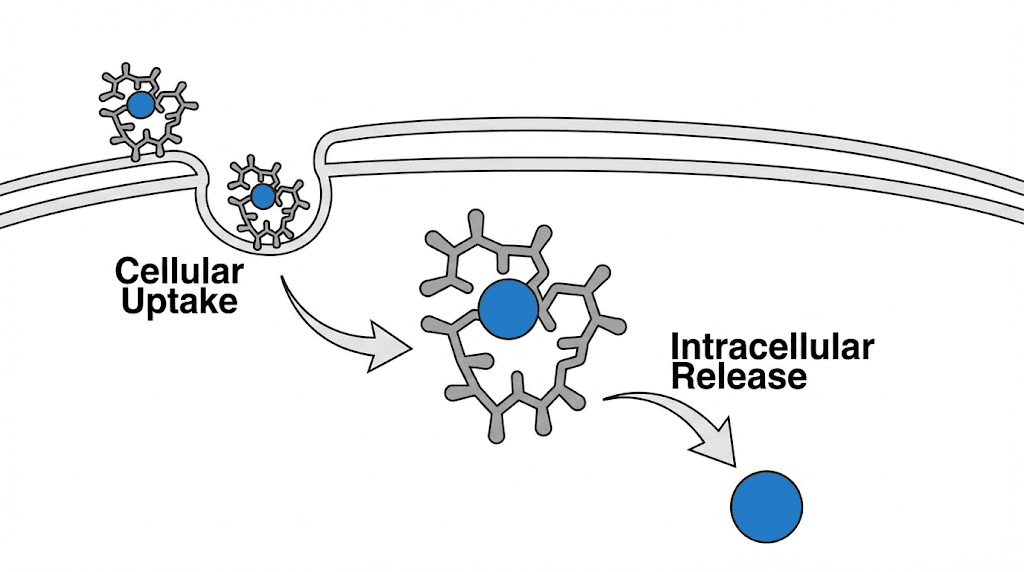
GHK-Cu is a naturally occurring tripeptide that binds copper(II) ions with extremely high affinity. The complex forms spontaneously in serum where GHK is released from albumin degradation and binds available copper. The GHK-Cu complex can enter cells via various uptake mechanisms, where the copper is released to participate in lysyl oxidase and other cuproenzyme reactions. Lysyl oxidase cross-links collagen and elastin, transforming weak newly synthesized fibers into strong, organized matrix. This is fundamental to understanding GHK-Cu peptide protocols.
The decline in GHK levels with age, from approximately 200 ng/ml in youth to 80 ng/ml by age 60, correlates with reduced wound healing capacity and increased skin fragility. Topical or injectable GHK-Cu supplementation bypasses this deficit. Studies show increased collagen production, improved wound healing, and enhanced angiogenesis. The peptide also modulates gene expression, upregulating tissue repair genes while downregulating inflammatory and fibrotic genes. Dosing information is available through GHK-Cu dosage calculators.
Biomimetic versions of GHK-Cu often include modifications to enhance stability or penetration. Palmitoyl-GHK adds a fatty acid tail to improve lipid membrane penetration. The trade-off is reduced copper binding affinity, so the optimal form depends on delivery method and target tissue. Members using copper peptide protocols through SeekPeptides get detailed guidance on which form matches their specific application. Understanding copper peptide concentrations is crucial for optimal results.
Beyond copper, other carrier peptides have been developed for manganese, zinc, and even small molecules like retinol. The general principle is the same: create a peptide sequence with high binding affinity for the cargo molecule and with properties that facilitate cellular uptake. This allows delivery of molecules that would otherwise penetrate poorly or cause irritation at therapeutic concentrations. The approach complements peptide and retinol combinations.
Enzyme inhibitor peptides
These peptides inhibit enzymes that degrade matrix proteins or produce unwanted metabolites. They work by mimicking substrate sequences, binding to the enzyme active site without being cleaved, thus blocking the enzyme from acting on its natural substrates.
Silk fibroin peptides inhibit elastase, the enzyme that degrades elastin. Elastin is synthesized primarily during childhood and adolescence, with minimal replacement in adults. Protecting existing elastin from enzymatic degradation is therefore critical for maintaining skin elasticity. Silk fibroin peptides mimic elastin sequences, competitively binding to elastase and reducing its activity on actual elastin fibers. This preservation mechanism complements skin tightening peptides.
Soy peptides inhibit several serine proteases including trypsin-like enzymes that degrade collagen. They also have antioxidant properties that protect against free radical damage to proteins. The dual mechanism makes them useful in formulations designed to protect matrix proteins from both enzymatic and oxidative degradation. They work synergistically with peptides for scars to improve healing outcomes.
Rice peptides inhibit tyrosinase, the rate-limiting enzyme in melanin synthesis. Unlike hydroquinone which can be cytotoxic at effective concentrations, tyrosinase-inhibiting peptides achieve melanogenesis reduction through competitive inhibition at the enzyme level. Oligopeptide-68 is the most potent example, reducing melanogenesis by 40% in vitro through a combination of tyrosinase inhibition and melanocyte receptor modulation.
The advantage of enzyme inhibitor peptides is that they address the degradation side of the synthesis-degradation balance. Combining them with signal peptides that increase synthesis creates a two-pronged approach that shifts the balance more effectively than either mechanism alone. This is why many skin tightening protocols include both categories. The approach mirrors strategies used in joint pain peptide protocols.
Structural peptides
Structural peptides serve as building blocks or scaffolds for tissue repair. Unlike signal peptides that stimulate cells to synthesize proteins, structural peptides directly provide those proteins in usable form.
Collagen-mimetic peptides are synthetic sequences that mimic the Gly-X-Y repeat structure of natural collagen, where X and Y are often proline and hydroxyproline. These peptides can self-assemble into triple helices similar to natural collagen, providing immediate structural support while also signaling fibroblasts to synthesize additional collagen. They are particularly useful in wound healing applications where rapid matrix formation is needed. This is explored in collagen hydrolysate comparisons.
Keratin peptides derived from wool or other sources provide building blocks for hair and nail repair. They are absorbed into damaged hair shafts where they fill gaps and strengthen the cortex structure. While not strictly biomimetic in the sense of mimicking endogenous human sequences, they function through the same structural incorporation mechanism. They complement hair growth peptides.
Elastin peptides provide similar structural support for elastic tissue. They are particularly valuable in aged skin where elastin content has declined substantially and natural elastin synthesis is minimal. The peptides cannot fully replace intact elastin fibers, but they can provide partial functional restoration and signal elastin-associated genes.
The clinical evidence for structural peptides is mixed. Direct application provides immediate but temporary effects that last only as long as the peptides remain in tissue. The signaling effects, where the structural peptides activate cellular synthesis of endogenous proteins, take weeks to develop but are more durable. Protocols using collagen peptide serums typically combine both immediate filling effects and longer-term synthesis stimulation. Understanding peptide formulations helps optimize delivery.
Biomimetic peptides for skin health and anti-aging
The dermatological applications of biomimetic peptides are the most extensively researched and clinically validated uses. Skin aging provides a clear endpoint (wrinkle depth, elasticity, texture) that can be measured objectively, making it an ideal target for peptide research.
The fundamental problem of skin aging is an imbalance between matrix protein synthesis and degradation. Collagen synthesis declines approximately 1% per year after age 20. Matrix metalloproteinase activity increases with UV exposure and chronic inflammation. The result is progressive thinning of the dermis, loss of elastic recoil, and formation of wrinkles both at rest and with expression. This process affects both men and women, as detailed in peptides for women and peptides for men guides.
Biomimetic peptides address this through multiple simultaneous mechanisms. Signal peptides increase synthesis. Enzyme inhibitors reduce degradation. Carrier peptides provide cofactors for proper cross-linking. Neurotransmitter inhibitors reduce mechanical stress from muscle contraction. Structural peptides provide immediate scaffolding while synthesis ramps up. No single mechanism is sufficient, which is why the most effective formulations combine multiple peptide categories. This comprehensive approach is detailed in stacking guides.
The Matrixyl 3000 studies demonstrate what comprehensive peptide therapy can achieve. In vitro studies on fibroblast cultures show 350% increase in collagen synthesis relative to untreated controls. This is not a 350% increase in total collagen, which would be impossible, but rather a 350% increase in the rate of new collagen production. Over time, this increased synthesis rate accumulates into measurable structural change. The kinetics are similar to what researchers observe with peptide transformation protocols.
In vivo studies on human volunteers show 30-35% wrinkle depth reduction after 8 weeks of twice-daily application. Profilometry measurements, which create three-dimensional maps of skin surface topography, show both reduced wrinkle depth and reduced wrinkle volume. Skin elasticity measurements show improved elastic recovery, indicating not just increased collagen but properly cross-linked collagen with functional elastic properties. Documentation strategies are outlined in before-and-after tracking guides.
Argireline provides a complementary mechanism targeting expression lines specifically. The 17% wrinkle volume reduction within 15 days is faster than signal peptides alone can achieve, because it addresses the mechanical cause rather than waiting for structural changes. Combining Argireline with Matrixyl 3000 produces additive effects, with total wrinkle reduction exceeding what either achieves alone. Similar synergies occur when combining peptides and retinol.
Oligopeptide-68 and other tyrosinase inhibitors address hyperpigmentation, another visible sign of aging. The 40% reduction in melanogenesis achieved in vitro translates to measurable lightening of age spots and melasma in clinical use. The mechanism is regulation rather than bleaching, so skin tone remains natural while unwanted hyperpigmentation fades. This makes it safer and more aesthetically acceptable than hydroquinone or other harsh depigmenting agents.
Palmitoyl tripeptide-8 addresses inflammation, a driver of aging that is often overlooked. In studies using sodium dodecyl sulfate (SDS) as an inflammatory challenge, palmitoyl tripeptide-8 reduced skin temperature increase by an average of 112%, meaning it brought inflamed skin back to baseline temperature. Chronic low-grade inflammation activates matrix metalloproteinases, damages DNA, and accelerates all aging processes. Peptides that reduce inflammation without immunosuppression provide a valuable complement to structural repair mechanisms. This is explored in inflammation peptide guides.
The comprehensive approach available through SeekPeptides protocols combines these mechanisms strategically. A typical anti-aging protocol might include a signal peptide for synthesis, a neurotransmitter inhibitor for expression lines, a carrier peptide for cross-linking support, and an anti-inflammatory peptide for protection. Dosing is calculated using evidence-based dosage charts that account for peptide concentration, application frequency, and treatment area. Members can also access comprehensive dosing guides for detailed protocols.
Beyond cosmetic improvement, biomimetic peptides have therapeutic applications in wound healing. GHK-Cu accelerates wound closure and improves scar quality. BPC-157, while not strictly biomimetic, demonstrates how peptides can dramatically accelerate tissue repair. The same mechanisms that reduce wrinkles also heal injuries, because both involve matrix synthesis and remodeling. This dual utility is explored in injury recovery guides and scar treatment protocols.
Biomimetic peptides beyond skincare
While dermatological applications dominate the consumer market, biomimetic peptides have significant therapeutic applications in healing, recovery, and disease management. These applications leverage the same receptor-mediated signaling mechanisms but target different tissue types and pathological processes.
ABT-510 is a 7-amino acid peptide that mimics thrombospondin-1, an endogenous anti-angiogenic protein. It showed anti-angiogenic properties in cancer trials by inhibiting new blood vessel formation that tumors require for growth and metastasis. While it did not advance to approval due to insufficient efficacy in late-stage trials, it demonstrated proof-of-concept that biomimetic peptides could modulate complex processes like angiogenesis through targeted receptor binding.
Enfuvirtide is a 36-amino acid biomimetic peptide approved for HIV treatment. It mimics a portion of the HIV envelope protein gp41, binding to the viral protein and preventing the conformational changes required for the virus to fuse with host cell membranes. This fusion inhibition prevents viral entry, effectively blocking infection at the earliest stage. The peptide requires subcutaneous injection twice daily, limiting its practical use, but it proves that biomimetic design can create therapeutics for infectious disease. Injection techniques are covered in peptide injection guides.
Ziconotide, derived from cone snail venom, is approved for severe chronic pain unresponsive to other treatments. It blocks N-type calcium channels in the spinal cord, preventing neurotransmitter release that carries pain signals. While originally isolated from a natural source, the therapeutic version is synthetic and can be considered biomimetic in that it replicates a natural signaling molecule. It must be delivered via intrathecal pump directly into cerebrospinal fluid, but it provides pain relief when nothing else works. Similar mechanisms are explored in pain management peptides.
Liraglutide is a biomimetic GLP-1 receptor agonist used for type 2 diabetes and obesity. It mimics glucagon-like peptide-1, an incretin hormone that stimulates insulin secretion, inhibits glucagon release, and slows gastric emptying. The biomimetic version has a fatty acid modification that extends its half-life from minutes to hours, allowing once-daily dosing. This demonstrates how biomimetic design can improve on natural peptides by engineering enhanced pharmacokinetics. It serves as an alternative explored in Ozempic alternatives and semaglutide comparisons.
In the research context, biomimetic peptides are being investigated for immune modulation, neuroprotection, and tissue regeneration. KPV, a tripeptide fragment of alpha-melanocyte stimulating hormone, has potent anti-inflammatory effects by modulating NF-kB and other inflammatory pathways. It is being studied for inflammatory bowel disease and other conditions where reducing inflammation without immunosuppression is desirable. Users researching KPV peptide protocols can access detailed mechanism information and dosing guidance, including inflammation-specific applications.
Thymosin peptides, including thymosin alpha-1 and thymosin beta-4, are biomimetic versions of thymus-derived peptides that modulate immune function and promote tissue repair. Thymosin alpha-1 is approved in several countries for hepatitis B and C treatment, functioning as an immune stimulator that enhances T-cell function. Thymosin beta-4, while not yet approved for human use, shows remarkable tissue repair properties in animal models, accelerating healing of cardiac, neural, and dermal injuries. These applications are detailed in immune system peptide guides for members researching immune support protocols. Additional information is available on Thymalin peptide benefits.
A particularly interesting application is the use of biomimetic peptide solutions for hair regrowth. A randomized study on 30 female patients with telogen effluvium showed significant increase in VEGF and EGF expression using biomimetic peptide solutions. Vascular endothelial growth factor (VEGF) promotes blood vessel formation in the hair follicle, improving nutrient delivery. Epidermal growth factor (EGF) stimulates follicle cell proliferation. By mimicking the natural growth factors that regulate the hair growth cycle, these peptides can shift follicles from resting phase to growth phase. The clinical results showed measurable increases in hair density and thickness after 12 weeks of treatment. This is detailed in hair growth peptide protocols and hair loss prevention guides.
The application of biomimetic peptides to tissue repair extends beyond wound healing to include tendon, ligament, and cartilage repair. BPC-157, while not derived from a human sequence, functions as a biomimetic peptide by interacting with growth factor receptors to accelerate healing. It has been extensively studied in animal models showing accelerated healing of tendons, ligaments, muscle, bone, and even neural tissue. Similar mechanisms are being explored with peptides that mimic fragments of platelet-derived growth factor, transforming growth factor beta, and bone morphogenetic proteins. Specific applications include tendon repair, back pain management, and bone healing.
The therapeutic potential of biomimetic peptides is limited primarily by delivery challenges. Oral bioavailability is poor for most peptides due to degradation by digestive enzymes. Injection provides better bioavailability but is less convenient and carries infection risk. Nasal spray delivery works for some peptides that can cross mucous membranes. Transdermal delivery with penetration enhancers is being developed. Each delivery route has trade-offs between convenience, bioavailability, and invasiveness. Members accessing injection guides learn proper technique to maximize absorption while minimizing risk. Alternative delivery methods are covered in oral versus injectable comparisons, nasal spray protocols, and peptide capsule guides.
Biomimetic versus natural peptides
The distinction between biomimetic and natural peptides is crucial for understanding their respective advantages and applications. Natural peptides are those produced by biological organisms, including humans. Biomimetic peptides are synthetic molecules designed to replicate the structure and function of natural peptides.
The amino acid sequence in biomimetic peptides is identical to sequences found in natural peptides. This is what makes them biomimetic rather than simply peptide analogs. A peptide analog has a similar but modified sequence, often designed to enhance stability or potency at the cost of perfect structural mimicry. A biomimetic peptide has the exact sequence of the natural version but is produced synthetically under controlled laboratory conditions. This distinction matters when evaluating research versus pharmaceutical peptides.
The primary advantage of biomimetic peptides is consistency. Natural peptides extracted from biological sources vary in purity, concentration, and contamination with other molecules. Synthetic biomimetic peptides can be produced at defined purity levels, typically exceeding 95% with pharmaceutical-grade synthesis. This eliminates variability that could affect results or safety. Quality assessment is covered in peptide testing lab guides.
The second advantage is stability. Natural peptides in the body are subject to rapid degradation by peptidases and proteases. Their half-lives are often measured in minutes. Biomimetic peptides can be designed with modifications that enhance stability without changing the core functional sequence. Adding a palmitoyl group to GHK creates Palmitoyl-GHK, which maintains the copper-binding and receptor-binding functions while gaining lipophilicity that enhances cellular penetration and extends tissue residence time. Storage requirements are detailed in peptide storage guides and expiration information.
The third advantage is concentration. Extracting natural peptides from biological sources yields low concentrations that must be purified and concentrated, an expensive process. Synthetic production allows creation of peptides at therapeutic concentrations directly, making treatment more cost-effective. Users calculating costs with peptide cost calculators find that biomimetic peptides often provide better value than natural extracts despite higher initial price per gram, because the effective dose is lower and purity is higher. Additional cost information is available in therapy cost guides.
The fourth advantage is target affinity. Biomimetic peptides can be engineered to enhance binding affinity for specific receptors. By optimizing the amino acid sequence around the core functional domain, researchers can create peptides that bind more tightly and activate receptors more efficiently than the natural version. This allows therapeutic effects at lower doses, reducing the risk of off-target effects. This precision is essential when using peptide calculators to determine optimal dosing.
The fifth advantage is lower toxicity. Natural peptides often exist as part of larger protein complexes with multiple biological functions. Extracting and administering the whole protein can trigger unwanted effects. Biomimetic peptides isolate the specific functional sequence responsible for the desired effect, eliminating the portions that might cause problems. This is why GHK-Cu is safer than administering whole albumin or other GHK-containing proteins. Safety considerations are detailed in peptide safety guides.
However, natural peptides have one significant advantage: they are the result of millions of years of evolutionary optimization.
The sequences that exist in nature exist because they conferred survival advantage. They are inherently biocompatible in the sense that human biology has evolved with them. Biomimetic peptides, being synthetic, have not undergone this evolutionary testing. This does not make them unsafe, but it does mean that long-term effects may not be fully characterized until they have been used clinically for decades.
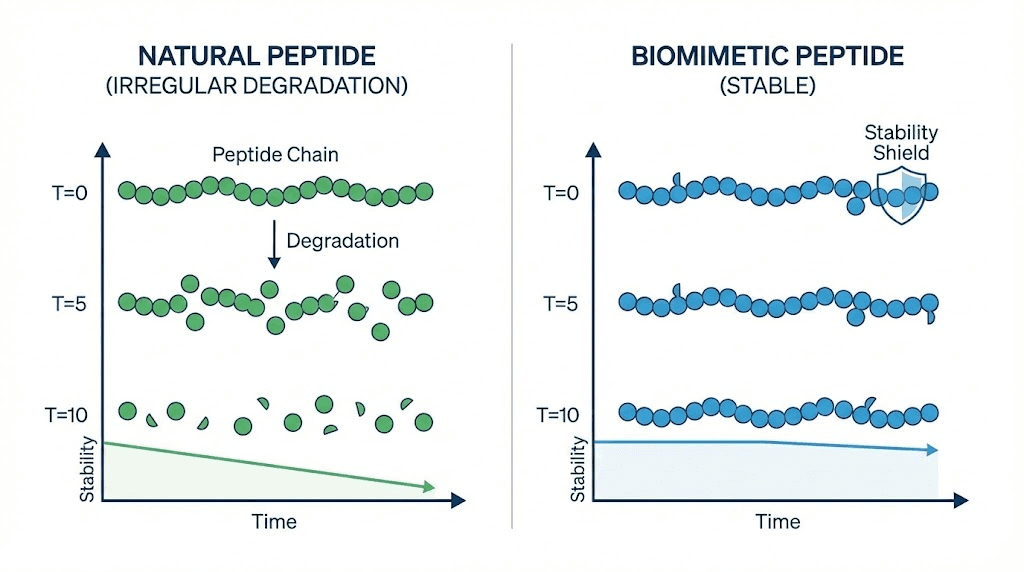
Another consideration is that biomimetic design requires knowing which natural sequence to mimic. For well-characterized pathways with known signaling molecules, this is straightforward. For complex processes involving multiple unknown factors, biomimetic design is difficult. Natural extracts, even if less pure, may contain beneficial factors that have not yet been identified and therefore cannot be mimicked. This is one reason why whole platelet-rich plasma sometimes outperforms isolated growth factors, even though the isolated factors should theoretically be more targeted and effective.
The practical reality is that biomimetic and natural peptides each have roles. For therapeutic applications requiring consistent dosing, high purity, and regulatory approval, biomimetic peptides are superior. For exploratory uses or situations where the active components are not fully characterized, natural sources may provide benefits that cannot yet be replicated synthetically. Members designing peptide cycles benefit from understanding which category each peptide in their protocol falls into and choosing accordingly. Additional guidance is available through getting started guides.
Advanced considerations for biomimetic peptide optimization
The effectiveness of biomimetic peptides depends not only on selecting the right compounds but also on optimizing delivery, timing, and combination strategies. Advanced users achieve superior results by understanding these nuances and applying them systematically.
Reconstitution technique matters significantly for injectable peptides. Using sterile bacteriostatic water at the correct ratio maintains peptide stability and prevents bacterial growth during storage. The process requires precise measurement and gentle mixing to avoid peptide degradation from shearing forces. Detailed procedures are available in reconstitution guides and mixing protocols. The reconstitution calculator ensures accurate dilution ratios.
Storage conditions dramatically affect peptide longevity. Lyophilized peptides remain stable for extended periods when stored frozen in desiccated containers. Reconstituted solutions require refrigeration and protection from light. Topical formulations vary by preservative system and packaging. Understanding proper storage prevents degradation that reduces efficacy. Specific recommendations are provided in storage guides, with stability data in expiration resources.
Delivery method selection requires matching peptide properties to target tissue. Topical delivery works for superficial targets when formulations include penetration enhancers. Injectable delivery reaches deeper tissues and achieves higher concentrations. Oral delivery faces bioavailability challenges but offers convenience for appropriate peptides. Nasal delivery provides direct access to the central nervous system for specific peptides. Each route has distinct advantages explored in delivery method comparisons.
How to choose and use biomimetic peptide products
Selecting effective biomimetic peptide products requires understanding formulation, delivery methods, and dosing considerations. The market is crowded with products making peptide claims, but quality varies dramatically.
The first consideration is peptide identity and concentration. Reputable products list specific peptides by their systematic names (Palmitoyl Tripeptide-1, Acetyl Hexapeptide-8) rather than proprietary names alone. Concentration should be stated as a percentage or as milligrams per milliliter. For topical formulations, effective concentrations typically range from 0.5% to 10% depending on the peptide. Injectable formulations require precise dosing calculated based on body weight and treatment goal, accessible through comprehensive dosing guides and dosage calculation tutorials.
The second consideration is formulation stability. Peptides degrade in the presence of certain preservatives, at extreme pH levels, and when exposed to heat or light. Quality formulations use peptide-compatible preservatives, maintain appropriate pH (typically 4.5-6.5 for topical products), and package in opaque or UV-protective containers. Products stored at room temperature should include stabilizers. Products requiring refrigeration should state this clearly. This is explored in formulation guides.
The third consideration is delivery technology. Peptides are large molecules relative to typical cosmetic ingredients, with molecular weights of 500-3000 Daltons depending on length. Skin penetration decreases sharply above 500 Daltons, meaning most peptides cannot penetrate intact stratum corneum without assistance. Effective topical formulations include penetration enhancers (propylene glycol, dimethyl isosorbide, various fatty acids) or delivery systems (liposomes, niosomes, nanoparticles) that ferry peptides through the barrier. Novel delivery systems like microneedle patches are emerging.
For injectable peptides, sterility is paramount. Pharmaceutical-grade peptides for injection should come with certificates of analysis showing purity, sterility, and endotoxin testing. Reconstitution should be performed with bacteriostatic water using proper aseptic technique. Users new to injectable peptides should review reconstitution procedures thoroughly before attempting preparation. The reconstitution calculator ensures accurate dilution to achieve target concentration. Additional guidance is in bacteriostatic water guides.
Timing of application matters differently depending on mechanism. Signal peptides work best when applied once or twice daily consistently, as they require time to accumulate effects on gene expression and protein synthesis. Neurotransmitter inhibitors can be applied before situations where expression control is needed, though consistent use produces better results. Carrier peptides should be applied when the cofactor they deliver is most needed, often in the evening when repair processes are most active. Timing strategies are detailed in cycle planning guides.
Combination with other actives requires consideration of compatibility. Peptides are generally compatible with hyaluronic acid, glycerin, niacinamide, and most moisturizing ingredients. Compatibility with retinoids is debated, with some sources claiming degradation and others showing synergy. The peptides and retinol guide reviews the evidence and provides practical recommendations for using both effectively. Specific combinations are explored in compatibility guides and vitamin C combination protocols. Comparative analyses include ceramide versus peptide evaluations.
The question of whether to use topical or injectable peptides depends on target tissue and desired effect. Topical application is appropriate for superficial targets like epidermis and upper dermis, particularly for cosmetic goals. Injectable application reaches deeper tissues and achieves higher local concentrations, making it more effective for structural repair, wound healing, or systemic effects. The injectable versus oral peptides comparison details absorption rates and bioavailability for different routes.
Quality sourcing is critical. Biomimetic peptides for research use are available from numerous suppliers with varying quality standards. Peptides intended for human use should come from suppliers providing certificates of analysis, using good manufacturing practices, and testing each batch for purity and contaminants. The peptide vendor guide evaluates suppliers based on testing standards, product quality, and customer feedback. Online access is covered in online therapy guides.
Storage requirements vary by formulation. Lyophilized (freeze-dried) peptides are stable for months to years when stored frozen or refrigerated in sealed containers protected from moisture. Reconstituted peptides in solution are stable for weeks refrigerated when using bacteriostatic water. Topical formulations vary by preservative system and packaging. The storage guide provides specific recommendations by peptide type and formulation. Understanding lyophilized versus liquid peptide differences helps with storage planning.
Finally, realistic expectations are important. Biomimetic peptides produce measurable effects, but they are not miracle compounds. The 30-35% wrinkle reduction from Matrixyl 3000 is significant but does not eliminate wrinkles entirely. The 350% increase in collagen synthesis is relative to baseline, not a 350% increase in total collagen. Effects accumulate over weeks to months. Users should commit to at least 8-12 weeks of consistent use before evaluating results, using before-and-after documentation strategies to track objective changes rather than relying on subjective impressions. Timeline information is in effect duration guides.
Combining biomimetic peptides with other peptides
The strategic combination of multiple peptides in a coordinated protocol can produce synergistic effects exceeding what any single peptide achieves. Understanding which combinations work together and which create redundancy is essential for efficient protocol design.
The most basic combination strategy pairs a signal peptide with a neurotransmitter inhibitor. Matrixyl 3000 increases dermal collagen while Argireline reduces expression line depth. These mechanisms do not overlap, so their effects are additive. A user might apply Matrixyl 3000 morning and evening for structural improvement while applying Argireline primarily to expression-prone areas like forehead and crow feet. This addresses both the structural and mechanical causes of wrinkles. Similar logic applies when combining peptides and SARMs for different outcomes.
Adding a carrier peptide like GHK-Cu to the Matrixyl and Argireline combination provides the copper needed for lysyl oxidase to cross-link the newly synthesized collagen. Without proper cross-linking, collagen remains weak and disorganized. The copper also supports superoxide dismutase, an antioxidant enzyme that protects against free radical damage. This three-peptide stack (signal plus neurotransmitter inhibitor plus carrier) addresses synthesis, expression, and maturation of matrix proteins. Guidance is in stacking guides.
Incorporating an enzyme inhibitor peptide adds protection against matrix degradation. A silk fibroin peptide that inhibits elastase preserves existing elastin while the signal peptides are stimulating new synthesis. This shifts the synthesis-degradation balance more effectively than synthesis stimulation alone. The combination is particularly valuable in aged skin where elastin content is low and natural synthesis is minimal.
For pigmentation concerns, adding Oligopeptide-68 or another tyrosinase inhibitor addresses melanin production while the structural peptides improve overall skin quality. This is relevant because hyperpigmentation often appears more prominent against aged, thin skin. Improving dermal thickness and texture makes residual pigmentation less noticeable even before the tyrosinase inhibitor fully reduces melanin production.
The combination of biomimetic peptides with BPC-157 and TB-500 is popular for injury recovery. BPC-157 accelerates healing of tendons, ligaments, muscle, and gut tissue through mechanisms involving growth factor modulation and angiogenesis. TB-500 promotes cell migration and differentiation, accelerating tissue repair. Biomimetic signal peptides can be added to stimulate collagen synthesis specifically, while the systemic healing peptides address inflammation and vascular support. The BPC-157 and TB-500 stacking guide details timing and dosing for combined protocols. Benefits are explored in TB-500 benefit guides and BPC-157 overviews. Dosing is calculated with BPC-157 calculators and TB-500 calculators. Comparisons are in head-to-head guides.
For anti-aging goals, combining biomimetic peptides with longevity peptides like Epitalon creates a comprehensive age-management protocol. Epitalon influences telomerase activity and circadian rhythm regulation, addressing aging at the cellular and systemic levels. Biomimetic peptides address aging at the tissue level through matrix repair. The combination targets multiple aging mechanisms simultaneously. Members access detailed Epitalon protocols explaining how to integrate it with biomimetic peptides for maximum effect. Related longevity approaches include MOTS-C and SS-31 peptides.
The combination of biomimetic peptides with muscle growth peptides like CJC-1295 and Ipamorelin targets both structural tissue quality and growth hormone optimization. CJC-1295 is a GHRH analog that stimulates growth hormone release. Ipamorelin is a ghrelin mimetic that stimulates growth hormone release through a different receptor. Together they produce pulsatile GH elevation that supports muscle growth, fat loss, and recovery. Adding biomimetic peptides that enhance collagen synthesis supports the connective tissue that must adapt to increased muscle mass. This prevents the tendon and ligament injuries that sometimes occur when muscle strength increases faster than connective tissue can adapt. Detailed guides include Ipamorelin benefits, CJC-1295 protocols, comparative analyses, and dosing with CJC-1295 calculators. Related approaches include Sermorelin and growth hormone alternatives.
For immune support, combining biomimetic peptides with Thymalin or other thymic peptides creates a protocol addressing both tissue repair and immune function. Thymalin is a bioregulator peptide that modulates T-cell function and supports immune system homeostasis. When combined with wound-healing peptides like GHK-Cu or tissue-repair peptides, the result is enhanced healing with reduced infection risk and better immune surveillance of the healing tissue. Broader immune approaches include immune peptide selections and bioregulator guides, including Khavinson peptides.
Important considerations when stacking multiple peptides include total injection volume, injection site rotation, and monitoring for interactions. Most peptides can be mixed in the same syringe if they are compatible (similar pH, similar diluent), reducing the number of injections needed. However, some peptides should be injected separately due to stability concerns or different optimal injection timing. The guide to using multiple peptides simultaneously provides specific recommendations for which peptides can be combined and which should be administered separately.
Timing of different peptides within a daily schedule matters for peptides with specific optimal administration windows. Growth hormone secretagogues like Ipamorelin work best on an empty stomach before sleep or before training. Wound healing peptides can be dosed multiple times daily. Thymic peptides are often dosed in the morning to align with natural circadian immune function. Planning a schedule that accommodates all peptides in a stack while respecting their individual timing requirements is part of effective protocol design available through SeekPeptides member resources. Additional performance applications include athletic performance protocols, energy optimization, and body composition improvement.
Safety considerations and what to watch for
Biomimetic peptides have favorable safety profiles compared to many pharmaceuticals, but they are not without risks. Understanding potential adverse effects, contraindications, and monitoring requirements is essential for safe use.
The most common adverse effect is injection site reactions for injectable peptides. Redness, swelling, and mild pain at the injection site occur in a minority of users and typically resolve within hours to days. Proper injection technique, site rotation, and ensuring peptides are at room temperature before injection reduce the frequency and severity of these reactions. Persistent or worsening injection site reactions may indicate infection or allergy and require discontinuation and medical evaluation. Proper technique is covered in injection guides.
Allergic reactions to peptides are rare but possible. Symptoms range from mild itching or rash to severe anaphylaxis. Users with a history of allergies to medications or cosmetic ingredients should start with low doses and monitor carefully. Topical peptides should be patch-tested on a small area before full application. Injectable peptides should be started at low doses with gradual titration. Anyone experiencing difficulty breathing, swelling of face or throat, or widespread hives should seek emergency medical attention immediately. Side effect profiles are detailed in guides like copper peptide side effects.
Contamination and impurity are risks with any injectable product. Using pharmaceutical-grade peptides with certificates of analysis showing purity above 95% and endotoxin levels below FDA limits is critical. Reconstitution should be performed with sterile bacteriostatic water using aseptic technique. Reusing needles or syringes, using non-sterile water, or failing to clean injection sites with alcohol creates infection risk. Proper technique is non-negotiable for safe use, detailed in peptide safety protocols.
Peptides do not typically show up on standard drug tests, but specialized testing can detect peptides if specifically looked for. Athletes subject to anti-doping regulations should verify whether peptides they plan to use are prohibited by their sport governing body. Many growth hormone secretagogues and some other peptides are banned in competitive sports. The drug testing guide reviews detection methods and prohibited substance lists for various organizations. Legal status is covered in legality guides and regulation updates.
Interactions with other medications are generally minimal because peptides act through specific receptors rather than broad metabolic effects. However, peptides that affect blood clotting (like BPC-157 which promotes angiogenesis) should be used cautiously with anticoagulants. Peptides that affect blood glucose (like GLP-1 analogs) should be used cautiously with diabetes medications. Anyone taking prescription medications should consult with a healthcare provider before starting peptide therapy to identify potential interactions.
Pregnancy and breastfeeding are contraindications for most peptides due to insufficient safety data. While biomimetic peptides are structurally identical to endogenous sequences, their use at pharmacological doses in pregnant or nursing women has not been studied. The theoretical risk is that altered signaling could affect fetal development or be transmitted through breast milk. Avoiding peptide use during pregnancy and lactation is the conservative and appropriate recommendation. Special population guidance includes pregnancy considerations, menopause protocols, and hormone-related applications like testosterone optimization.
Long-term safety data is limited for most biomimetic peptides. Compounds like Matrixyl 3000 and Argireline have been used cosmetically for over a decade without widespread reports of serious adverse effects, providing reassurance about long-term topical safety. Injectable peptides have less long-term human data, particularly for non-medical uses. Cycling peptides rather than using them continuously may reduce long-term risks by allowing receptor sensitivity to recover and avoiding potential downregulation.
Monitoring during peptide use should include subjective assessment of desired effects and adverse effects, along with objective measurements where practical. For cosmetic use, standardized photographs taken monthly under consistent lighting allow objective assessment of changes. For healing applications, pain scales, range of motion measurements, and functional assessments track progress. For metabolic peptides, body weight, body composition, and relevant blood markers (glucose, lipids, IGF-1) provide objective data.
Signs that warrant discontinuation include persistent or severe injection site reactions, allergic symptoms, unexpected side effects, or lack of benefit after adequate trial duration. Peptides should produce measurable effects within 2-12 weeks depending on mechanism. Continuing peptides indefinitely without clear benefit is not justified. The timeline guide for peptide effects sets realistic expectations for when results should appear.
Regulatory status varies by country and intended use. In the United States, peptides sold as cosmetic ingredients do not require FDA approval. Peptides sold as drugs require approval and prescription. The regulatory gray area is peptides sold for research purposes, which are legally available but not approved for human consumption. Users must understand the legal status in their jurisdiction and accept responsibility for off-label or research use. The peptide legality guide reviews regulations by country and use case.
Frequently asked questions about biomimetic peptides
How long do biomimetic peptides take to work?
The timeline depends on the mechanism of action. Neurotransmitter-inhibiting peptides like Argireline can produce measurable reduction in expression lines within 7-15 days because they affect muscle contraction immediately and wrinkle depth responds quickly. Signal peptides like Matrixyl 3000 require 4-8 weeks to produce visible effects because they work by increasing protein synthesis, which must accumulate over time before structural changes become apparent. Carrier peptides show effects on the timeline of the processes they support, typically 4-8 weeks for collagen cross-linking. Injectable peptides for healing like BPC-157 often produce subjective pain reduction within days but require weeks for structural tissue repair to complete. Comprehensive timelines are in effect duration guides.
Can you use biomimetic peptides with retinol?
The compatibility of peptides with retinol is debated. Some sources claim that retinol degrades peptides by lowering skin pH, while other sources show that the combination produces synergistic effects on collagen synthesis. The evidence suggests that properly formulated products can combine both effectively. Retinol stimulates collagen synthesis through retinoic acid receptor activation. Peptides stimulate synthesis through growth factor receptor activation. These are distinct pathways that should be additive. The practical recommendation is to use retinol and peptides at different times of day (retinol at night, peptides in morning) if there is concern, or to use formulations specifically designed to stabilize both ingredients together. Detailed analysis is available in the peptides and retinol compatibility guide and combination protocols.
Do biomimetic peptides expire?
Biomimetic peptides do degrade over time, but stability varies dramatically by formulation and storage. Lyophilized peptides stored frozen in sealed containers can remain stable for years. Reconstituted peptides in bacteriostatic water are typically stable for 2-4 weeks refrigerated. Topical formulations vary by preservative system, with shelf lives ranging from 6 months to 3 years unopened. After opening, oxidation and contamination accelerate degradation, shortening usable life to weeks or months depending on packaging and preservatives. Peptides that have changed color, developed odor, or formed precipitates should be discarded. The peptide expiration guide provides specific stability data by peptide type.
What is the best biomimetic peptide for wrinkles?
No single peptide is universally best because different peptides address different causes of wrinkles. For static wrinkles caused by loss of dermal collagen, signal peptides like Matrixyl 3000 or Palmitoyl Tripeptide-38 are most effective. For dynamic wrinkles caused by muscle contraction, neurotransmitter inhibitors like Argireline or SNAP-8 are most effective. For comprehensive improvement, combining both types produces superior results. GHK-Cu adds value by supporting collagen cross-linking and providing antioxidant protection. The optimal choice depends on wrinkle type, skin condition, and treatment goals. The best peptide guide provides decision frameworks for selecting peptides based on specific goals.
Can biomimetic peptides help with hair loss?
Yes, specific biomimetic peptides have demonstrated effects on hair growth through multiple mechanisms. Peptides that mimic growth factors like VEGF and EGF stimulate follicle cell proliferation and angiogenesis, supporting the growth phase of the hair cycle. Copper peptides like GHK-Cu support hair follicle health and may extend the growth phase. The study showing increased VEGF and EGF expression in telogen effluvium patients demonstrates clinical efficacy. However, hair loss has many causes (genetic, hormonal, inflammatory, nutritional), and peptides are most effective when the cause is follicle miniaturization or shortened growth phase rather than complete follicle destruction. Comprehensive protocols combine peptides with other interventions like minoxidil, finasteride, or microneedling. Detailed information is available in peptide hair growth protocols, hair loss prevention, GHK-Cu for hair, copper peptides for growth, and peptide shampoo guides.
Are biomimetic peptides safe for sensitive skin?
Biomimetic peptides are generally well-tolerated even by sensitive skin because they are small molecules that work through specific receptor pathways rather than causing non-specific irritation. However, formulation matters as much as the peptide itself. Peptides in irritating vehicles or combined with harsh preservatives can cause reactions even if the peptide is well-tolerated. Patch testing new products on a small area before full application is recommended for anyone with sensitive skin or a history of cosmetic reactions. Starting with lower concentrations and building up also reduces reaction risk. Injectable peptides have lower risk of skin sensitivity reactions because they bypass the skin barrier, but injection site reactions can still occur. Users with multiple sensitivities should work with providers experienced in peptide therapy to select appropriate formulations. Related concerns include peptides for acne-prone skin and condition-specific applications like anxiety management.
Can you combine multiple biomimetic peptides in the same routine?
Yes, combining multiple peptides is often more effective than using a single peptide because different peptides address different mechanisms. The combination of a signal peptide, neurotransmitter inhibitor, and carrier peptide addresses synthesis, expression, and maturation comprehensively. Peptides can be applied sequentially in the same routine or combined in the same formulation if they are compatible. For injectable peptides, many can be mixed in the same syringe if pH and diluent are compatible, reducing injection burden. The key is ensuring mechanisms are complementary rather than redundant. Using three different signal peptides provides minimal benefit over using one, while using a signal peptide plus a neurotransmitter inhibitor plus a carrier peptide provides additive benefits. The stacking guide provides protocols combining multiple peptides effectively. Pre-designed combinations include weight loss stacks and targeted applications.
Do you need to cycle biomimetic peptides?
Cycling is not strictly necessary for most biomimetic peptides but may be beneficial for maintaining receptor sensitivity and avoiding habituation. Continuous exposure to exogenous signaling molecules can potentially cause receptor downregulation, reducing responsiveness over time. Cycling on for 8-12 weeks followed by 4-6 weeks off allows receptors to return to baseline sensitivity. This is particularly relevant for peptides that strongly stimulate specific receptors like growth hormone secretagogues. For cosmetic peptides like Matrixyl and Argireline, continuous use appears safe and effective based on available data, but cycling remains an option for those preferring a conservative approach. The cycle planning guide provides frameworks for structuring cycles based on peptide type and goals.
External resources
Cosmeceutical product consisting of biomimetic peptides: antiaging effects in vivo and in vitro - Clinical study demonstrating effects of biomimetic peptides on dermal collagen structure
Collagen Mimetic Peptides - PMC - Review of peptides that mimic collagen structure and function
Effects of collagen-derived bioactive peptides and natural antioxidant compounds on proliferation and matrix protein synthesis by cultured normal human dermal fibroblasts - Research on peptide effects on fibroblast activity
Biomimetic peptide self-assembly for functional materials - Advanced review of peptide design and applications
What Are Biomimetic Peptides? | Dermalogica - Consumer-oriented explanation of biomimetic peptide mechanisms
In Vitro Bioactivity of a Recombinant Human Collagen Peptide in a Filler Biomimetic Skin Model - Recent research on recombinant peptide bioactivity
Understanding biomimetic peptides is understanding precision biology
The transition from hoping your body repairs itself to giving it the exact molecular signals it needs represents a fundamental shift in how we approach aging, healing, and optimization. Biomimetic peptides are not supplements in the traditional sense. They are targeted interventions at the receptor level, designed to replicate signals that biology already recognizes and responds to.
What makes them powerful is what makes them precise. The amino acid sequences are not approximations. They are exact matches to endogenous sequences, engineered for stability and delivered at concentrations that produce measurable effects. When Matrixyl 3000 produces 350% increase in collagen synthesis in vitro, that is not marketing hyperbole. That is quantified measurement of fibroblast activity in controlled conditions. When intradermal peptide administration produces denser collagen fiber arrangement in 2 weeks, that is histological evidence of structural change.
The mechanisms are understood, not speculative. Signal peptides bind to specific receptors and activate transcription of matrix protein genes. Neurotransmitter inhibitors modulate SNARE complex activity and reduce acetylcholine release. Carrier peptides chelate metal cofactors and facilitate their cellular delivery. Enzyme inhibitors compete for active sites and protect matrix proteins from degradation. Structural peptides provide scaffolding and trigger repair signaling. Each category has clinical evidence, measurable endpoints, and defined applications.
The future of biomimetic peptide research involves increasing specificity and expanding applications. Peptides are being designed for more targeted receptor activation, longer half-lives, better tissue penetration, and oral bioavailability. The same principles that make them effective for skin aging apply to wound healing, neurodegeneration, metabolic disease, and immune dysfunction. As the technology advances, the line between cosmetic peptides and therapeutic peptides will blur, with the same compounds used for different endpoints depending on dose, delivery, and clinical context. Applications continue expanding into areas like cognitive function, memory enhancement, libido optimization, sexual health, autoimmune management, and chronic pain conditions.
For individuals incorporating biomimetic peptides into protocols, the advantage lies in combining evidence-based mechanisms strategically. A protocol that includes a signal peptide for synthesis, a neurotransmitter inhibitor for expression control, a carrier peptide for cofactor support, and an enzyme inhibitor for degradation protection addresses aging or injury from multiple angles simultaneously. This is systems-level intervention rather than single-target treatment. Whether targeting weight loss, fat burning, metabolic optimization, or visceral fat reduction, the strategic combination of mechanisms produces superior outcomes.
The resources available through SeekPeptides provide members with the frameworks needed to design, implement, and monitor these protocols effectively. Understanding which peptides target which mechanisms allows for rational selection rather than random experimentation. Calculating appropriate doses ensures therapeutic effect without waste or excessive exposure. Knowing how long each peptide takes to work sets realistic expectations and prevents premature discontinuation. Combining peptides that complement rather than duplicate each other maximizes efficiency. Tools like the Semaglutide calculator and HGH Fragment calculator support precision dosing across various peptide categories.
The biomimetic approach to peptide therapy represents the current state of the art in targeted biological intervention. These are not experimental compounds with unknown mechanisms. They are reverse-engineered from known biological pathways, validated through in vitro and in vivo studies, and refined through clinical use. They work because they speak the language cells already understand. They are effective because they provide signals at amplitudes that decline with age or injury. They are safe because they are identical to sequences the body already produces, just delivered exogenously when endogenous production is insufficient.
Understanding biomimetic peptides means understanding that aging and injury are not mysterious processes but biological phenomena driven by measurable molecular changes. Those changes can be influenced through targeted intervention at the receptor level. The peptides exist. The evidence exists. The protocols exist. What remains is implementation, monitoring, and refinement based on individual response. That is the work that separates theoretical knowledge from practical results. Whether exploring cognitive enhancement, muscle optimization, strength protocols, or specialized applications like glutamine peptides, BDNF enhancement, PE-22-28, or DSIP for sleep, the biomimetic principle remains constant: precise molecular signals produce precise biological responses.
In case I do not see you, good afternoon, good evening, and good night. May your peptides stay biomimetic, your protocols stay precise, and your results stay remarkable.