Dec 22, 2025

Your body is already equipped with everything it needs to burn fat, it just forgot how to use it.
That's the premise behind Lipo-C, one of the most widely used lipotropic injections in weight loss clinics across the country. Unlike appetite suppressants that fight against your biology, Lipo-C works with your liver and metabolism to mobilize stored fat and convert it into usable energy.
If you've hit a plateau on your weight loss journey, feel constantly drained despite eating well, or want to amplify the results you're getting from semaglutide or tirzepatide, Lipo-C might be the missing piece.
This guide covers everything you need to know: what's actually in these injections, how each ingredient works, realistic expectations for results, proper dosing protocols, and whether combining Lipo-C with GLP-1 medications makes sense for your goals.
What is Lipo-C
Lipo-C is a compounded lipotropic injection containing a blend of amino acids, B vitamins, and metabolic cofactors designed to enhance your body's natural fat-burning processes.
The name comes from "lipotropic," meaning fat-attracting or fat-mobilizing.
These compounds help your liver process and export fat more efficiently, preventing accumulation and encouraging your body to use stored fat as fuel.
The simple breakdown: Lipo-C delivers nutrients that support three key functions—breaking down fat in the liver, transporting fatty acids into cells for energy production, and maintaining lean muscle tissue during weight loss.
How it differs from peptides: Technically, Lipo-C isn't a peptide in the traditional sense.
Peptides like BPC-157 or TB-500 are chains of amino acids that signal specific biological responses. Lipo-C is a nutrient complex that provides raw materials and cofactors your metabolism needs to function optimally.
Legal status: Lipo-C is a compounded medication, meaning it's mixed by pharmacies according to specific formulations rather than manufactured as a standardized pharmaceutical product. The individual ingredients (methionine, inositol, choline, B vitamins, carnitine) are generally recognized as safe by the FDA, but Lipo-C as a complete formulation hasn't undergone FDA approval for weight loss.
How it's administered: Lipo-C is given as an intramuscular (IM) or subcutaneous injection, typically once or twice weekly.
Injectable delivery bypasses the digestive system, providing significantly higher bioavailability than oral supplements containing the same ingredients.
Lipo-C ingredients breakdown
Understanding what's in your Lipo-C injection helps you appreciate how it works and whether the formulation matches your goals.
Most Lipo-C formulations contain a core set of ingredients, though exact concentrations vary between compounding pharmacies.
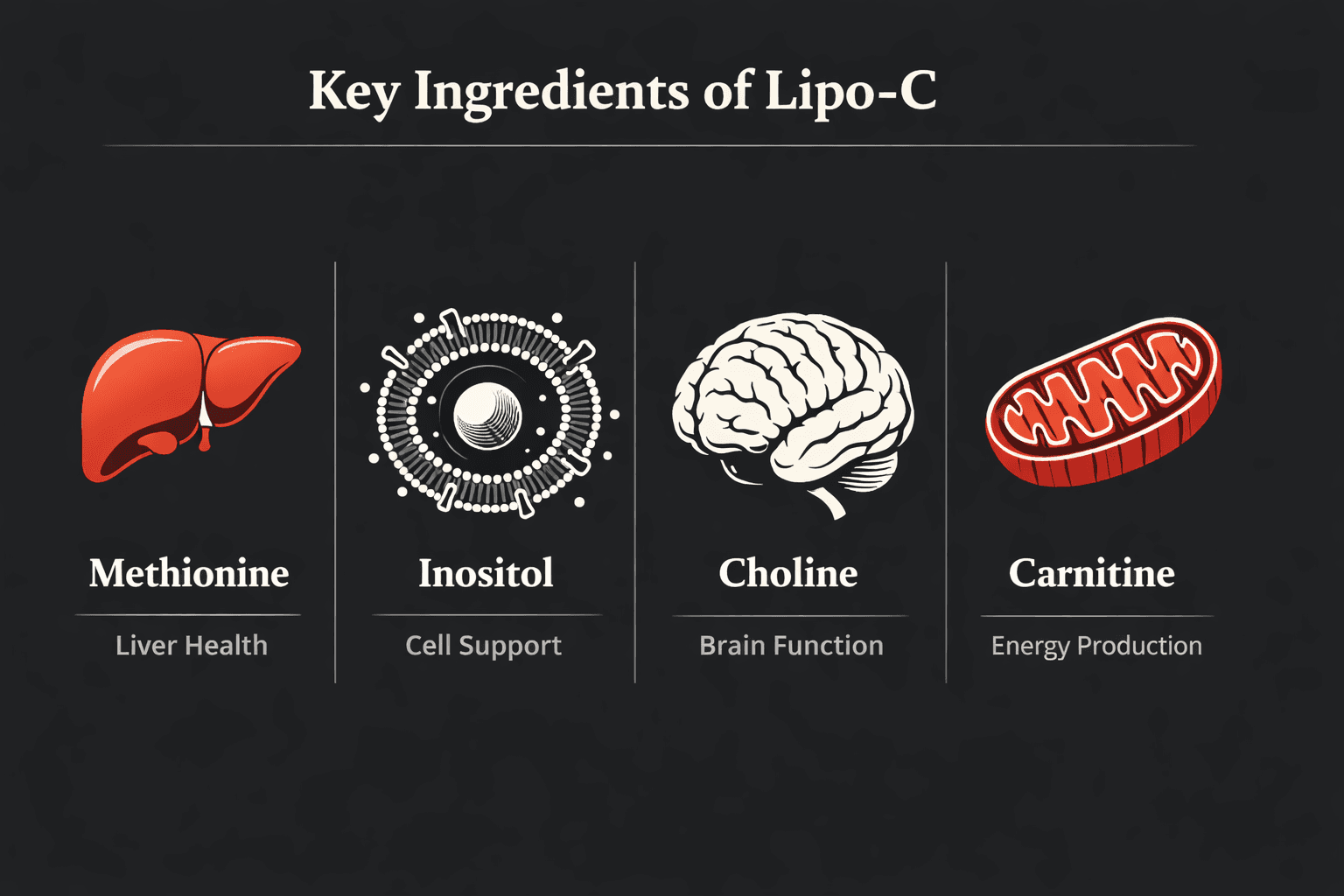
Methionine
Methionine is an essential amino acid your body cannot produce on its own. It plays a critical role in liver function and fat metabolism through several mechanisms.
What it does:
Methionine donates methyl groups for the synthesis of S-adenosyl-methionine (SAMe), which drives phosphatidylcholine production and helps assemble very-low-density lipoproteins (VLDLs). This process facilitates the export of triglycerides from liver cells, preventing fatty liver and keeping your metabolic machinery running smoothly.
Why it matters for weight loss:
When your liver becomes congested with fat, your entire metabolism slows down.
Methionine helps clear this backlog, allowing your liver to process dietary fat more efficiently and mobilize stored body fat for energy.
Methionine also helps preserve lean muscle tissue during caloric restriction.
Since muscle mass directly impacts your metabolic rate, maintaining muscle while losing fat leads to better long-term results.
Typical concentration: 15-25 mg/mL
Inositol
Inositol is a carbocyclic sugar that plays essential roles in cellular signaling and fat metabolism. Though sometimes classified as a B vitamin, it's technically a vitamin-like substance your body can produce in small amounts.
What it does:
Inositol improves insulin sensitivity, helping your cells respond better to insulin signals. When insulin sensitivity is high, your body stores less fat and accesses stored fat more readily for energy.
It also participates in the breakdown of fats and cholesterol, and supports healthy hormone balance—particularly important for women dealing with conditions like PCOS that affect weight.
Why it matters for weight loss:
Poor insulin sensitivity is one of the biggest obstacles to fat loss. When your cells resist insulin, your body compensates by producing more, and elevated insulin levels promote fat storage while inhibiting fat breakdown. Inositol helps break this cycle.
Typical concentration: 50 mg/mL
Choline
Choline is an essential nutrient that serves as a building block for cell membranes and neurotransmitters. It's particularly important for liver health and fat transport.
What it does:
Choline is required for the synthesis of phosphatidylcholine, a major component of cell membranes and lipoproteins. It enhances bile-dependent lipid emulsification (breaking down dietary fat for absorption) and maintains liver cell membrane integrity under oxidative stress.
Clinical studies show adequate choline intake lowers liver enzyme levels and improves hepatic insulin sensitivity, both markers of improved liver function and metabolic health.
Why it matters for weight loss:
Without sufficient choline, fat accumulates in the liver instead of being exported and burned. This leads to fatty liver disease and metabolic dysfunction. Choline ensures fat keeps moving through your system rather than getting stuck.
Typical concentration: 50 mg/mL
L-Carnitine
L-Carnitine is an amino acid derivative that acts as a shuttle, transporting long-chain fatty acids across the inner mitochondrial membrane where they can be burned for energy.
What it does:
Carnitine facilitates beta-oxidation (the process of breaking down fatty acids into ATP) while buffering toxic acyl-CoA accumulation. Meta-analyses of carnitine supplementation in overweight adults show increased maximal oxygen consumption and modest weight loss.
It also helps determine whether your body burns muscle, carbohydrates, or fat for energy—prioritizing fat utilization leads to better body composition.
Why it matters for weight loss:
You can mobilize all the fat you want, but if it can't get into your mitochondria to be burned, it just gets re-deposited elsewhere. Carnitine ensures the fat you're liberating actually gets used.
Why injection beats oral: Only a small fraction of oral carnitine is absorbed through digestion. Injectable carnitine delivers the full dose directly to your bloodstream, providing the equivalent of approximately 2,000mg of oral carnitine per injection.
Typical concentration: 15-50 mg/mL
B vitamins
Most Lipo-C formulations include a B vitamin complex, with specific vitamins varying by pharmacy. Common additions include:
B1 (Thiamine): Supports carbohydrate metabolism and energy production
B2 (Riboflavin): Required for fat and protein metabolism
B3 (Niacinamide): Supports over 400 enzyme reactions, including those involved in energy metabolism
B5 (Dexpanthenol): Essential for the synthesis of coenzyme A, which is required for fatty acid metabolism
B6 (Pyridoxine): Supports amino acid metabolism and neurotransmitter synthesis
B12 (Methylcobalamin/Cyanocobalamin): Critical for energy production, red blood cell formation, and methylation reactions
Why they matter: B vitamins are cofactors in virtually every metabolic process. Deficiencies—common during caloric restriction—can slow metabolism, reduce energy, and impair fat burning. The injection ensures you're not limited by vitamin availability.
Additional ingredients
Some Lipo-C formulations include:
L-Arginine: Supports nitric oxide production for improved blood flow and nutrient delivery
Chromium: Enhances insulin sensitivity and glucose metabolism
Vitamin C: Antioxidant support and collagen synthesis
Lidocaine: Local anesthetic to reduce injection discomfort (small amount)
Always ask your provider for the complete ingredient list and concentrations in your specific formulation.
How Lipo-C works in your body
Lipo-C works through multiple complementary pathways to enhance fat metabolism. Understanding these mechanisms helps set realistic expectations and optimize your protocol.
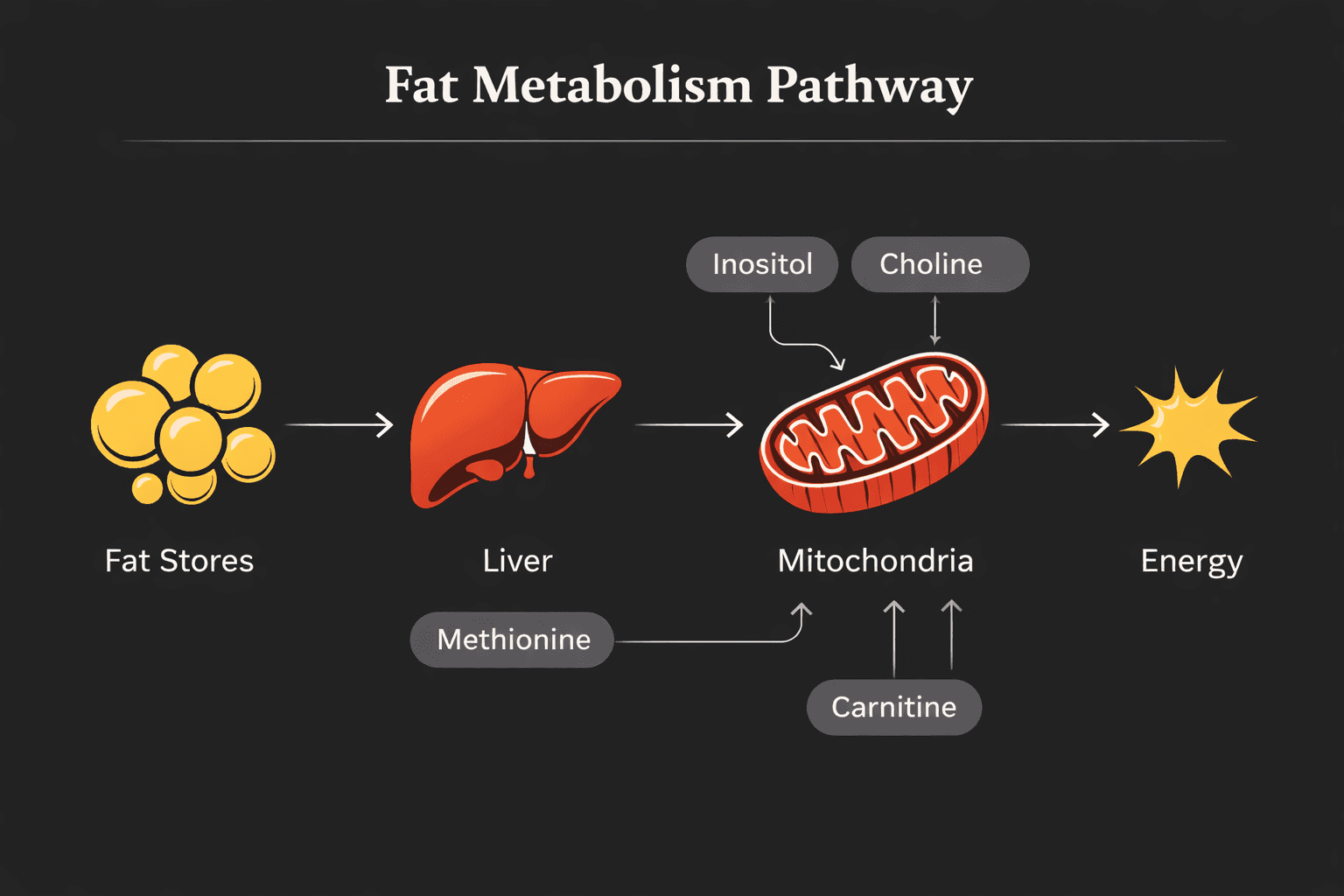
Liver optimization
Your liver is the central processing hub for fat metabolism. It receives fatty acids from your diet and from mobilized body fat, then either burns them for energy, packages them into lipoproteins for transport to other tissues, or stores them.
When liver function is compromised—by poor diet, alcohol, medications, or simply age—fat accumulates in liver cells (hepatic steatosis). This creates a metabolic bottleneck that slows everything down.
Lipo-C's MIC combination (Methionine, Inositol, Choline) specifically targets liver health:
Methionine provides methyl groups for VLDL assembly, allowing fat to be exported from the liver. Choline maintains cell membrane integrity and bile production for fat digestion. Inositol improves insulin signaling in liver cells.
Together, these ingredients help your liver process fat efficiently rather than storing it.
Fat mobilization and transport
Getting fat out of storage is only half the battle. That fat needs to be transported to tissues where it can be burned, primarily muscle and brown adipose tissue.
Choline and methionine support the production of lipoproteins that carry fatty acids through your bloodstream. L-Carnitine then shuttles those fatty acids across mitochondrial membranes, where beta-oxidation converts them into ATP (usable energy).
Without adequate carnitine, fatty acids accumulate in the cytoplasm where they can't be burned. This is why carnitine supplementation often produces noticeable increases in energy—you're finally accessing fuel that was previously unavailable.
Metabolic support
The B vitamins in Lipo-C serve as cofactors for hundreds of metabolic enzymes. Think of them as the spark plugs in your metabolic engine—without them, reactions slow down or stall completely.
During caloric restriction, B vitamin requirements often increase while intake decreases. This creates deficiencies that can manifest as fatigue, brain fog, and slowed metabolism. Lipo-C ensures you have the cofactors needed to maintain metabolic rate even while eating less.
Muscle preservation
One often-overlooked benefit of Lipo-C is its support for lean muscle tissue during weight loss.
Methionine is required for protein synthesis and nitrogen balance—both essential for maintaining muscle mass. When you're in a caloric deficit, adequate methionine availability signals your body to preserve muscle and preferentially burn fat.
This matters because muscle tissue is metabolically active. The more muscle you maintain during weight loss, the higher your resting metabolic rate, and the easier it is to keep the weight off long-term.
What Lipo-C is used for
Lipo-C has become a staple in weight management programs, but its applications extend beyond simple fat loss.
Weight loss support
The primary use case for Lipo-C is supporting a comprehensive weight loss program that includes diet modification and exercise.
What to expect: Lipo-C isn't a magic shot that melts fat while you sit on the couch. It's a metabolic support tool that helps your body respond better to the work you're already doing.
Users on structured programs report losing 2-4 pounds per week when combining Lipo-C with caloric restriction and regular physical activity. The injection appears to help break through plateaus, accelerate fat loss from stubborn areas, and maintain energy levels during dieting.
Who benefits most:
Those who've hit a weight loss plateau despite consistent effort. Individuals with sluggish metabolism or suspected liver congestion. People on GLP-1 medications who want to maximize fat loss while preserving muscle. Anyone experiencing low energy during caloric restriction.
For comprehensive weight loss peptide options, Lipo-C often serves as a foundation that other treatments build upon.
Energy enhancement
Many Lipo-C users report significant improvements in energy levels, often within the first week of treatment.
This makes biological sense. If your mitochondria have been starved of fatty acid fuel due to carnitine insufficiency, or your metabolic enzymes have been operating without adequate B vitamin cofactors, correcting these deficiencies should produce noticeable results.
The energy boost isn't like caffeine, it's not jittery or followed by a crash. Users describe it as sustained, clean energy that makes exercise feel easier and daily tasks less draining.
For those specifically seeking peptides for energy, Lipo-C provides a different mechanism than stimulating peptides, working at the metabolic level rather than through neurotransmitter modulation.
Liver health support
Lipo-C was originally developed to support liver function, and this remains one of its most well-documented benefits.
The MIC combination helps prevent and potentially reverse hepatic steatosis (fatty liver) by supporting the liver's ability to export triglycerides rather than storing them.
Signs your liver might benefit from lipotropic support:
Difficulty losing abdominal fat despite diet and exercise. Elevated liver enzymes on blood tests. Fatigue, especially after eating fatty meals. History of heavy alcohol use or medication burden. Diagnosis of non-alcoholic fatty liver disease (NAFLD).
Athletic performance support
Athletes and fitness enthusiasts use Lipo-C to support training and body composition goals.
L-Carnitine in Lipo-C may improve exercise capacity by enhancing fatty acid oxidation during activity. Some studies show improved maximal oxygen consumption with carnitine supplementation.
The injection can also help reduce muscle fatigue and support recovery by ensuring adequate nutrient availability for energy production and protein synthesis.
GLP-1 medication enhancement
One of the fastest-growing uses for Lipo-C is as a complement to semaglutide or tirzepatide treatment.
GLP-1 medications primarily work by reducing appetite and slowing gastric emptying. They're remarkably effective at creating caloric deficits but don't directly enhance fat metabolism.
Lipo-C adds a second mechanism of action, while GLP-1s help you eat less, Lipo-C helps you burn fat more efficiently. This combination may:
Accelerate fat loss beyond what either treatment achieves alone. Help preserve muscle mass during rapid weight loss. Combat the fatigue some people experience on GLP-1s. Support liver health during significant weight changes.
For detailed information on GLP-1 medications, see our semaglutide vs tirzepatide comparison.
Lipo-C dosing protocol
Dosing for Lipo-C varies based on formulation, individual factors, and treatment goals. The following represents general guidance—always defer to your healthcare provider's specific instructions.
Standard dosing
Typical dose: 1 mL per injection
Frequency: Once weekly for maintenance, twice weekly for active weight loss
Duration: 12-16 weeks initially, with reassessment before continuing
Some providers recommend starting with twice-weekly injections during the first 4-8 weeks of a weight loss program, then transitioning to weekly maintenance injections once you've reached your goal weight.
Dosing by weight loss goal
Less than 25 pounds to lose: 1 mL once weekly, combined with diet and exercise. This provides metabolic support without aggressive intervention.
25-50 pounds to lose: 1 mL twice weekly during active weight loss phase, transitioning to once weekly for maintenance.
More than 50 pounds to lose: 1 mL twice weekly, potentially increasing to 2 mL once weekly under provider supervision. Some protocols allow up to 2 mL twice weekly for short-term metabolic intensification, though this should only be done with close medical monitoring.
Administration
Injection type: Intramuscular (IM) or subcutaneous
IM injection sites: Deltoid (upper arm), gluteus (buttock), or vastus lateralis (outer thigh)
Subcutaneous sites: Abdomen, outer thigh, or back of upper arm
Needle gauge: 25-27 gauge for IM, insulin syringe for subcutaneous
Timing: Morning or early afternoon is preferred, as the energy boost may interfere with sleep if taken late in the day. Some providers recommend injecting on an empty stomach for optimal absorption.
For detailed injection technique guidance, review our how to reconstitute peptides article, which covers general injection preparation and administration.
Protocol adjustments
If experiencing GI discomfort: Reduce to 0.5 mL weekly until tolerance improves
If experiencing fishy body odor: This indicates excess trimethylamine production from choline/carnitine metabolism. Reduce dose and ensure adequate hydration.
Missed dose: Administer as soon as remembered unless within 24 hours of the next scheduled dose. Don't double up.
Timing considerations
Consistency matters: Inject at approximately the same time on your scheduled days for best results.
Around exercise: Some users prefer injecting 30-60 minutes before workouts to maximize fat utilization during training.
With GLP-1 medications: If combining with semaglutide or tirzepatide, inject Lipo-C on different days to simplify tracking any reactions.
Expected results timeline
Setting realistic expectations helps you stay motivated and recognize progress when it happens.
In week 1-2
Energy improvements: Most users notice increased energy within the first 3-7 days. This is often the first and most obvious benefit.
Subjective changes: You may feel more alert in the mornings, find exercise feels easier, or notice you're less dependent on caffeine.
Scale changes: Don't expect dramatic weight loss yet. Any early scale movement is likely water weight and should be taken with a grain of salt.
By week 2-4
Fat loss begins: With consistent diet and exercise, you should start seeing measurable fat loss. Most people lose 2-4 pounds per week during this phase.
Reduced cravings: Some users report decreased cravings, particularly for fatty and sugary foods.
Improved workout performance: Increased endurance and faster recovery between sessions.
Week 4-8
Body composition changes: Beyond scale weight, you should notice changes in how clothes fit, particularly around the midsection.
Plateau breaking: If you were stuck before starting Lipo-C, this is typically when you break through.
Sustained energy: The energy improvements should be consistent rather than fluctuating.
Week 8-12
Significant progress: Expect 10-25+ pounds of fat loss with diligent adherence to diet and exercise.
Metabolic adaptation: Your metabolism adjusts to your new weight, and progress may slow. This is normal and doesn't mean Lipo-C stopped working.
Maintenance transition: Consider reducing injection frequency to once weekly.
Realistic expectations
What Lipo-C can do:
Enhance fat burning when combined with caloric deficit, boost energy levels during weight loss, support liver function and metabolic efficiency, help preserve muscle mass during dieting, complement GLP-1 medications for enhanced results.
What Lipo-C cannot do:
Cause weight loss without dietary changes. Override poor lifestyle choices. Replace the need for exercise. Work as a standalone obesity treatment. Produce results without consistency.
Side effects and safety
Lipo-C is generally well-tolerated, with most users experiencing no significant side effects.
When they do occur, side effects are typically mild and transient.
Common side effects
Injection site reactions: Mild redness, soreness, or bruising at the injection site is the most common complaint. Rotating injection sites and proper technique minimize this.
Temporary fatigue: Some users experience mild fatigue during the first 3-5 days as their body adjusts. This typically resolves and is replaced by increased energy.
Gastrointestinal effects: Nausea, loose stools, or digestive discomfort occurs in a minority of users. Usually self-limiting within 24-48 hours after injection.
Fishy body odor: Excess trimethylamine production from choline and carnitine metabolism can cause a temporary fishy smell. Reducing dose and increasing hydration helps.
Increased urination: Excess water-soluble vitamins are excreted through urine. Stay well-hydrated to support this process.
Rare side effects
Allergic reaction: Signs include hives, swelling, difficulty breathing, or chest tightness. Seek immediate medical attention if these occur.
Dizziness or lightheadedness: Usually related to injection technique or hydration status.
Headaches: Occasionally reported, typically mild and responsive to hydration.
Sleep disturbance: If injecting late in the day, the energy boost may interfere with sleep. Switch to morning administration.
Contraindications
Do not use Lipo-C if you:
Are pregnant or breastfeeding (insufficient safety data). Have severe liver failure or hepatic encephalopathy. Have known allergy to any component. Have chronic kidney disease (carnitine clearance may be impaired). Have Leber's hereditary optic neuropathy (B12 contraindicated).
Use with caution if you:
Have a history of kidney stones (some formulations may increase risk). Take blood thinners (B vitamins can affect clotting). Have thyroid disorders (some formulations include ingredients affecting thyroid).
Drug interactions
Lipo-C's nutrient components generally don't have significant drug interactions. However:
Metformin: Long-term metformin use can deplete B12, making Lipo-C supplementation potentially beneficial.
Levodopa: B6 can reduce levodopa effectiveness in Parkinson's patients not taking carbidopa.
Seizure medications: Some anticonvulsants affect B vitamin metabolism.
Blood thinners: High-dose B vitamins may affect clotting factors.
Always disclose all medications and supplements to your healthcare provider before starting Lipo-C.
Safety in specific populations
Older adults: Generally safe, may need dose adjustment for reduced kidney function.
Diabetics: Can be beneficial due to insulin-sensitizing effects. Monitor blood sugar more closely when starting.
Athletes: Safe for use, though some governing bodies may have specific rules about injectable supplements.
For broader context on peptide safety considerations, review our peptide safety and risks guide.
Lipo-C vs other fat loss options
Understanding how Lipo-C compares to alternatives helps you make informed decisions about your weight loss strategy.
Lipo-C vs oral lipotropic supplements
Bioavailability: Injectable Lipo-C delivers significantly higher blood levels than oral supplements. Only a fraction of oral methionine, choline, and especially carnitine is absorbed through digestion.
Convenience: Oral supplements are easier to take but require much higher doses for comparable effects.
Cost: Per effective dose, injections are often more cost-effective despite higher sticker prices.
Bottom line: If you're serious about results, injectable beats oral. Oral supplements might serve as maintenance between injection cycles.
Lipo-C vs B12 injections
B12 injections contain only vitamin B12, while Lipo-C provides B12 plus methionine, inositol, choline, carnitine, and additional B vitamins.
For energy alone: B12 may be sufficient if you're primarily seeking energy support.
For fat loss: Lipo-C's comprehensive formula targets multiple aspects of fat metabolism that B12 alone doesn't address.
For cost-conscious users: B12 injections are less expensive but provide fewer benefits.
Lipo-C vs semaglutide/tirzepatide
This isn't really an either/or comparison, these treatments work through entirely different mechanisms and are often used together.
GLP-1 medications:
Reduce appetite and food intake. Slow gastric emptying for prolonged satiety. Improve blood sugar regulation. Cause significant weight loss (15-25% of body weight). Prescription required. Expensive ($400-1,500/month without insurance).
Lipo-C:
Enhances fat metabolism at the cellular level. Supports liver function. Preserves muscle mass. Boosts energy. Doesn't affect appetite directly. More affordable ($100-200/month).
Combined approach: Many clinics now offer Lipo-C alongside GLP-1 medications, using lower GLP-1 doses while maintaining robust fat loss through complementary mechanisms.
For detailed GLP-1 information, see our tirzepatide dosing guide.
Lipo-C vs fat burner supplements
Over-the-counter fat burners typically contain stimulants (caffeine, synephrine) and thermogenic compounds that increase heart rate and body temperature.
Fat burners: Work through stimulation, may cause jitteriness and cardiovascular stress, tolerance develops quickly.
Lipo-C: Works through metabolic optimization, no stimulant effects, sustainable long-term.
For health-conscious users: Lipo-C is generally safer and more sustainable than stimulant-based fat burners.
Lipo-C vs lipolysis injections (Kybella)
Kybella and similar deoxycholic acid injections physically destroy fat cells in targeted areas (typically under the chin).
Lipolysis injections: Target specific areas, permanent fat cell destruction, multiple treatments needed, significant swelling and downtime.
Lipo-C: Systemic effect, supports overall fat metabolism, no downtime, ongoing treatment required.
Different purposes: Kybella is for spot reduction of small, stubborn areas. Lipo-C supports overall fat loss and metabolic health.
Stacking Lipo-C with other treatments
Lipo-C works well as part of a comprehensive weight loss strategy. Here are evidence-informed combinations.
Lipo-C + semaglutide
The most popular combination currently in weight loss medicine.
Rationale: Semaglutide reduces appetite and caloric intake while Lipo-C enhances fat metabolism and energy production. This addresses weight loss from two complementary angles.
Protocol:
Semaglutide: Weekly injection per standard titration schedule. Lipo-C: 1 mL once or twice weekly on different days. Duration: Continue as long as both are beneficial.
Benefits:
May achieve greater fat loss than either treatment alone. Lipo-C may help combat GLP-1-related fatigue. Better muscle preservation during rapid weight loss. Supports liver health during significant weight changes.
Considerations:
No formal clinical trials exist on this combination. Monitor for any unexpected effects. Keep injection sites well separated.
Lipo-C + tirzepatide
Similar rationale to the semaglutide combination, potentially even more effective given tirzepatide's superior weight loss results in trials.
Protocol:
Tirzepatide: Weekly injection per standard titration. Lipo-C: 1 mL once weekly (tirzepatide is potent enough that twice-weekly Lipo-C may not add significant benefit).
Some clinics specifically use Lipo-C to keep tirzepatide doses lower while maintaining aggressive fat loss, potentially reducing side effects and cost.
Lipo-C + exercise program
Lipo-C appears to enhance the fat-burning effects of exercise, particularly during fasted or low-carb training.
Optimized approach:
Inject Lipo-C 30-60 minutes before morning fasted cardio. The carnitine component helps shuttle fatty acids to mitochondria when glycogen stores are depleted. B vitamins support energy production during training.
Best exercise types: Moderate-intensity steady-state cardio and resistance training both benefit from enhanced fatty acid availability.
Lipo-C + B12 injections
Some protocols alternate Lipo-C and pure B12 injections throughout the week.
Rationale: Additional B12 provides extra energy support, particularly for those with confirmed deficiency or high athletic demands.
Protocol:
Lipo-C: 1 mL Monday. B12: 1 mL Thursday. Total: 2 injections per week with complementary effects.
Combinations to avoid
Lipo-C formulations containing GLP-1 agonists: Some compounding pharmacies add semaglutide or tirzepatide directly to Lipo-C formulations. If you're already taking a GLP-1 medication separately, ensure your Lipo-C doesn't contain additional GLP-1 agonists—this could lead to overdosing.
Lipo-C + phentermine: Some Lipo-C formulations include phentermine. This stimulant has significant cardiovascular contraindications and shouldn't be combined with certain medical conditions or medications.
Multiple lipotropic products: Don't stack different lipotropic injection brands without provider guidance—you risk excessive doses of certain components.
For general guidance on combining peptides, review our peptide stacking guide.
Storage and handling
Proper storage ensures your Lipo-C remains effective throughout the treatment course.
Storage requirements
Temperature: Store at controlled room temperature, 68-77°F (20-25°C).
Light protection: Keep in original carton to protect from light, which can degrade B vitamins.
Do not freeze: Freezing damages the formulation and should be avoided.
Avoid heat: Don't leave in hot cars or near heat sources.
Shelf life
Unopened vials: Typically stable for 12-24 months from compounding date.
After first use: Most formulations remain stable for 28 days after first puncture when stored properly.
Check expiration: Always verify the beyond-use date on your vial.
Signs of degradation
Discard your Lipo-C if you notice:
Cloudiness or particulate matter. Color change (yellowing or browning). Unusual odor. Visible contamination.
For detailed peptide storage information, see our peptide storage guide.
Cost considerations
Understanding the cost structure helps you budget for your weight loss program.
Typical pricing
Per vial (30 mL): $100-200 from compounding pharmacies
Per injection (1 mL from clinic): $25-75
Monthly cost: $100-300 depending on frequency and source
Cost factors
Compounding pharmacy vs clinic: Getting your own vials and self-injecting is significantly cheaper than clinic-administered injections.
Formulation complexity: More comprehensive formulations with additional ingredients cost more.
Volume discounts: Many pharmacies offer discounts for larger orders.
Cost comparison to alternatives
Oral supplements (monthly): $30-60 for comparable ingredients, but much lower bioavailability
B12 injections alone: $15-30 per injection
Semaglutide: $400-1,500/month
Tirzepatide: $500-1,500/month
Lipo-C + GLP-1 combination: Adding Lipo-C to a GLP-1 protocol increases cost by $100-200/month but may improve results
Use our peptide cost calculator to estimate your complete protocol expenses.
Who should consider Lipo-C
Lipo-C works best for specific populations and situations.
Good candidates
Weight loss plateau breakers: If you've stalled despite consistent diet and exercise, Lipo-C may provide the metabolic boost needed to restart progress.
GLP-1 medication users: Adding Lipo-C to semaglutide or tirzepatide creates a complementary approach targeting both appetite and metabolism.
Low-energy dieters: If caloric restriction leaves you exhausted, Lipo-C's energy-supporting nutrients can help.
Those with suspected fatty liver: The liver-supporting MIC combination may help improve hepatic function.
Athletes seeking body composition changes: Lipo-C supports fat loss while preserving lean mass—ideal for competitive athletes.
Busy professionals: The convenience of weekly injections fits demanding schedules better than multiple daily supplements.
Who should look elsewhere
Those unwilling to change diet/exercise: Lipo-C amplifies your efforts but can't replace them.
Severely obese individuals (BMI > 40): GLP-1 medications provide much more significant weight loss for severe obesity. Lipo-C can complement but shouldn't be the primary intervention.
Pregnant or nursing women: Safety hasn't been established.
Those with severe liver disease: Lipo-C supports liver function but isn't appropriate for hepatic failure.
Budget-constrained individuals: If cost is a major concern, focus resources on diet, exercise, and possibly oral supplements first.
How quickly does Lipo-C work?
Most users notice energy improvements within 3-7 days. Measurable fat loss typically becomes apparent after 2-4 weeks of consistent use combined with diet and exercise.
Can I give myself Lipo-C injections at home?
Yes, many patients self-administer Lipo-C after receiving proper training from their healthcare provider. Home injection is more convenient and cost-effective than clinic visits.
Does Lipo-C hurt?
Most people describe mild discomfort similar to any intramuscular or subcutaneous injection. The pain is brief and typically well-tolerated. Some formulations include lidocaine to reduce discomfort.
How long should I use Lipo-C?
Initial treatment courses typically run 12-16 weeks. Many people continue with maintenance doses (once weekly or monthly) indefinitely to sustain results.
Will I regain weight if I stop Lipo-C?
Lipo-C supports metabolism but doesn't permanently change it. Maintaining weight loss requires continued attention to diet and exercise. Some people use maintenance doses long-term; others transition off successfully by maintaining lifestyle changes.
Can I take Lipo-C with my prescription medications?
In most cases, yes. The nutrient components of Lipo-C don't have significant drug interactions. However, always disclose all medications to your healthcare provider before starting.
Is Lipo-C FDA approved?
Lipo-C as a compounded formulation is not FDA approved. The individual ingredients are generally recognized as safe. This is common for compounded medications, which are mixed by pharmacies according to provider specifications.
Does insurance cover Lipo-C?
Generally, no. Insurance typically doesn't cover compounded lipotropic injections for weight loss. Some HSA/FSA accounts may allow reimbursement.
Can I take Lipo-C while fasting?
Yes, and some providers recommend it. Injecting before fasted exercise may enhance fat mobilization and utilization during training.
What's the difference between Lipo-C and MIC injections?
MIC refers specifically to the Methionine-Inositol-Choline combination. Lipo-C typically includes MIC plus L-Carnitine, B vitamins, and potentially other ingredients. Lipo-C is generally more comprehensive.
The bottom line on Lipo-C
Lipo-C is a well-established lipotropic injection that supports fat metabolism, liver function, and energy production. It's not a miracle weight loss solution, but it's a legitimate tool that can enhance results from diet and exercise.
Best for:
Metabolic support during active weight loss. Complementing GLP-1 medications like semaglutide or tirzepatide. Boosting energy during caloric restriction. Supporting liver health and fat metabolism. Breaking through weight loss plateaus.
Typical protocol:
1 mL injection once or twice weekly. Duration: 12-16 weeks initially, then reassess. Best combined with structured diet and regular exercise.
Expected results:
Energy improvements within 1-2 weeks. Measurable fat loss within 2-4 weeks. 10-25+ pounds over a 12-week program with proper adherence.
Lipo-C works. Not magically, not effortlessly, but measurably when used correctly as part of a comprehensive weight management approach.
Calculate your weight loss peptide options with our peptide calculator.
Related guides
Best peptides for weight loss – Compare all weight loss peptide options
Semaglutide vs tirzepatide – GLP-1 medication comparison
Tirzepatide dosing guide – Complete tirzepatide protocol
Best peptide for energy – Energy-boosting options
In case I don’t see you, good afternoon, good evening, and good night. Take care of yourself.