Jan 26, 2026
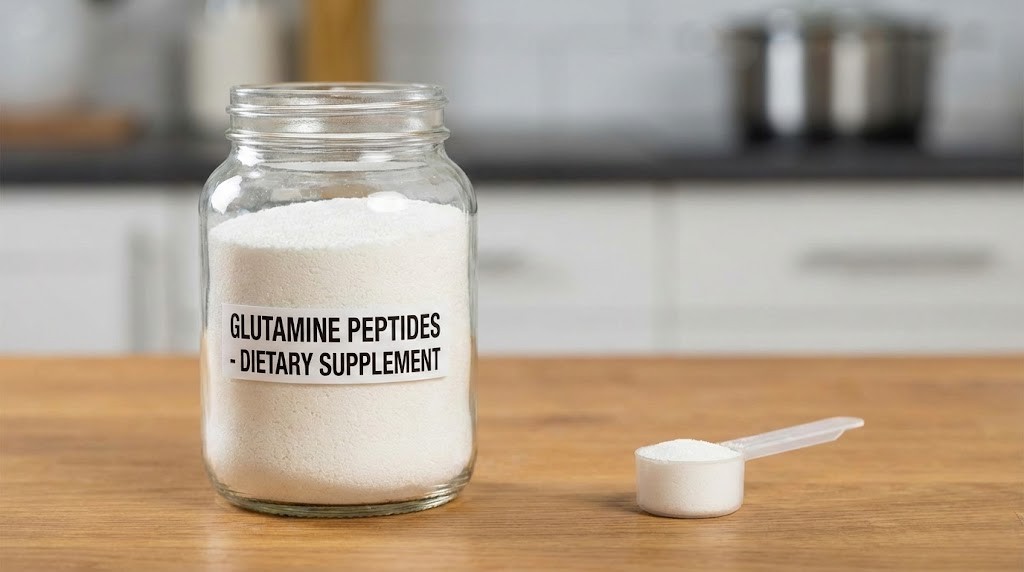
Your glutamine supplement is not working. You have been taking it consistently for weeks. Maybe months. And yet the gut issues persist. The recovery feels sluggish. The results you expected simply have not materialized.
Here is what nobody tells you about standard L-glutamine supplements. A significant portion never makes it past your intestinal cells. Some estimates suggest 60 to 70 percent gets absorbed locally in the gut, leaving only a fraction to reach your bloodstream and muscles. This is not a flaw in your approach. It is a fundamental limitation of free-form glutamine that most supplement companies conveniently ignore.
Glutamine peptides offer a different pathway.
These dipeptide forms, particularly L-alanyl-L-glutamine, bypass the absorption bottleneck that limits traditional glutamine supplements. They are more stable. They dissolve better. And research shows they deliver higher concentrations where you actually need them.
This guide covers everything you need to know about glutamine peptides, from the science behind their superior bioavailability to practical protocols for gut health, muscle recovery, and immune support. Whether you are dealing with intestinal permeability issues, optimizing athletic performance, or simply trying to understand which form of glutamine actually works, you will find answers here. SeekPeptides has compiled the research, analyzed the studies, and created actionable protocols you can implement today.
What are glutamine peptides
Glutamine itself is the most abundant amino acid in the human body. Your muscles contain it. Your blood carries it. Nearly every tissue uses it for energy, protein synthesis, and cellular repair. Under normal circumstances, your body produces enough glutamine to meet its needs, making it a conditionally essential amino acid.
The problem arises during stress. Intense exercise depletes glutamine stores. Illness increases demand beyond what your body can synthesize. Surgery, infection, trauma, and chronic disease all create glutamine deficits that diet alone struggles to correct. This is where supplementation becomes valuable.
Glutamine peptides represent an advanced form of glutamine delivery. Rather than providing free-form L-glutamine, these supplements contain glutamine bonded to other amino acids, typically alanine or glycine. The most common and well-researched form is L-alanyl-L-glutamine, a dipeptide where glutamine is attached to alanine through a peptide bond.
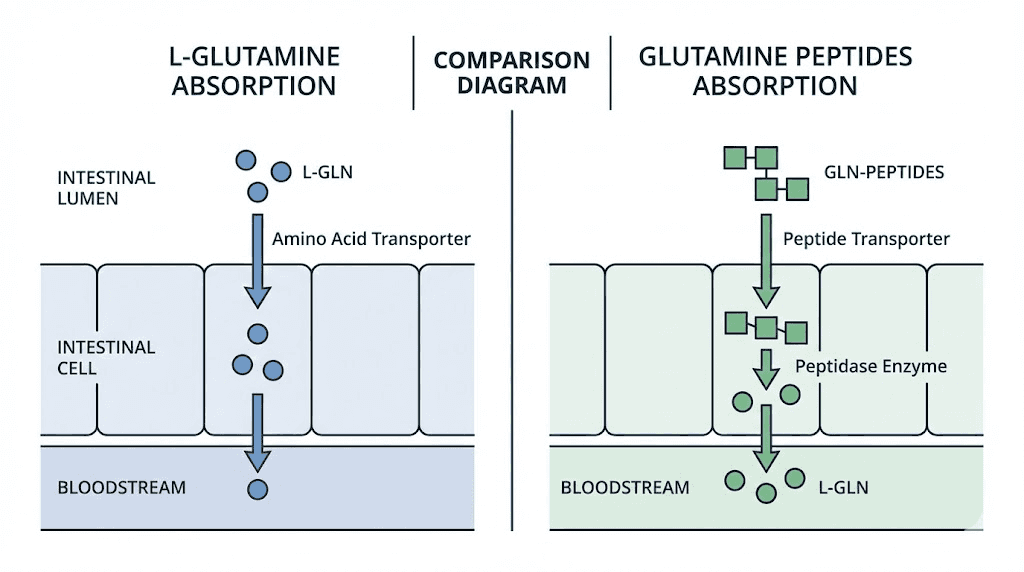
This structural difference matters enormously for absorption. Your intestinal tract has specialized transport systems for dipeptides and tripeptides that work faster and more efficiently than the systems for single amino acids. When you consume glutamine peptides, they use these rapid transport mechanisms to cross the intestinal barrier largely intact. Once inside your body, enzymes quickly break them down into their component amino acids, releasing glutamine where it can be used.
The molecular weight of L-alanyl-L-glutamine is 217.24 daltons, with glutamine comprising approximately 67 percent of the total weight. A related dipeptide, glycyl-L-glutamine, weighs 203.22 daltons with glutamine making up 72 percent. Both forms have been extensively studied in clinical nutrition, particularly in total parenteral nutrition for critically ill patients.
Key differences from free L-glutamine
Understanding why peptide forms outperform free glutamine requires examining what happens during absorption. When you take L-glutamine powder, the amino acid enters your digestive system and faces immediate challenges. Enterocytes, the cells lining your intestinal wall, consume glutamine as their primary fuel source. They absorb a substantial portion before it ever reaches your bloodstream.
Studies indicate that intestinal cells retain a high proportion of dietary glutamine, leaving only small concentrations to enter circulation. This is not inefficiency but rather biology. Your gut cells need glutamine to maintain the intestinal barrier, produce mucus, and support immune function. They take what they need first.
Glutamine peptides partially circumvent this limitation. Research shows that L-alanyl-L-glutamine supplementation is more effective at increasing plasma, muscle, and liver glutamine concentrations compared to equivalent doses of free glutamine. The dipeptide form achieves higher systemic levels because it uses different, more efficient transport mechanisms.
Stability represents another critical advantage. Free glutamine is chemically unstable, particularly in solution and at low pH levels. It degrades over time, especially in ready-to-drink products or when exposed to stomach acid. Glutamine peptides remain stable under conditions that would degrade free glutamine, making them better candidates for commercial products like sports drinks and recovery formulas.
Solubility further distinguishes these forms. L-alanyl-L-glutamine dissolves at approximately 586 grams per liter at room temperature, more than ten times the solubility of free glutamine at 35 grams per liter. This difference allows for more concentrated formulations and easier mixing.
How glutamine peptides work in the body
The journey of glutamine peptides through your body follows a specific sequence that maximizes delivery efficiency. When you consume L-alanyl-L-glutamine orally, it enters your stomach where strong acids would normally begin breaking down proteins. However, the peptide bond in dipeptides resists this acidic environment better than free amino acids resist degradation.
Moving into the small intestine, glutamine peptides encounter the intestinal epithelium. This barrier separates your gut contents from your bloodstream. Free amino acids must use specific amino acid transporters to cross this barrier, and competition among different amino acids for these transporters can limit absorption rates. Glutamine shares transporters with other amino acids, meaning high dietary protein intake can actually impair glutamine uptake.
Dipeptides and tripeptides use a different system entirely. The PepT1 transporter, also known as the peptide transporter 1, specifically moves short peptide chains across the intestinal epithelium. This system operates through proton-coupled active transport, which is both faster and more efficient than the transporters used for single amino acids. Because glutamine peptides use this alternative pathway, they face less competition and achieve better absorption.
Once inside intestinal cells, dipeptidases and other enzymes hydrolyze the peptide bond, releasing free glutamine and alanine. These amino acids then enter the bloodstream through basolateral transporters. The process happens rapidly, with the half-life of L-alanyl-L-glutamine in circulation being only about 0.26 hours, indicating prompt hydrolysis and distribution.
Pharmacokinetics and bioavailability
Clinical studies have established the pharmacokinetic profile of glutamine peptides in detail. Research examining healthy subjects who received 20 grams of L-alanyl-L-glutamine found significant increases in plasma glutamine and alanine concentrations regardless of administration method. Peak plasma glutamine concentrations reached 794 plus or minus 107 micromoles per liter after bolus intake, and 398 plus or minus 61 micromoles per liter after intermittent administration of the same total dose.
The bioavailability factor for glutamine derived from the dipeptide is essentially 1.0, meaning virtually complete absorption and utilization. This represents a significant improvement over free glutamine, where substantial amounts are consumed by intestinal tissue before reaching systemic circulation.
Distribution volume calculations indicate that L-alanyl-L-glutamine distributes beyond extracellular water, suggesting rapid tissue uptake after hydrolysis. This aligns with the understanding that released glutamine quickly enters cells throughout the body, particularly in tissues with high metabolic demand.
For researchers interested in peptide pharmacology, glutamine peptides provide an excellent model of how structural modifications can enhance nutrient delivery. The same principles apply to other peptide-based supplements and therapeutics, including various bioactive peptides used in research contexts.
Benefits of glutamine peptides
The advantages of glutamine peptides extend across multiple physiological systems. Their superior bioavailability translates into tangible benefits for gut health, immune function, athletic performance, and metabolic support. Understanding these benefits helps determine whether glutamine peptides are appropriate for your specific needs.
Intestinal barrier protection
Your intestinal lining serves as a critical barrier between gut contents and your bloodstream. Tight junction proteins hold intestinal cells together, creating a selective barrier that allows nutrients through while blocking pathogens, toxins, and undigested food particles. When this barrier becomes compromised, a condition often called increased intestinal permeability or leaky gut, problems cascade throughout the body.
Glutamine plays a central role in maintaining intestinal barrier integrity. Research demonstrates that glutamine depletion results in villus atrophy, decreased expression of tight junction proteins, and increased intestinal permeability. Conversely, glutamine supplementation can improve barrier function in various experimental conditions of intestinal injury.
Glutamine peptides appear particularly effective for this application. Studies have shown that bioactive peptides, especially those containing glutamine, can regulate tight junctions and improve physical barriers. Animal research demonstrated that alanyl-glutamine protected intestinal barrier function against damage from acute exhaustive exercise.
A systematic review and meta-analysis examining clinical trials on glutamine supplementation and gut permeability found that while overall effects were mixed, subgroup analysis revealed significant permeability reduction with doses exceeding 30 grams daily. One randomized placebo-controlled trial in 54 patients with irritable bowel syndrome found that glutamine supplementation decreased intestinal hyperpermeability after 8 weeks of treatment.
For those dealing with gut health challenges, glutamine peptides offer a more bioavailable option than standard glutamine supplements. The enhanced absorption may prove particularly valuable when intestinal function is already compromised, as damaged gut tissue may absorb free glutamine even less efficiently. Other peptides like KPV and BPC-157 also show promise for gut health through different mechanisms.
Anti-inflammatory effects
Chronic inflammation underlies numerous health conditions, from autoimmune diseases to metabolic disorders. Glutamine peptides demonstrate meaningful anti-inflammatory activity through several mechanisms.
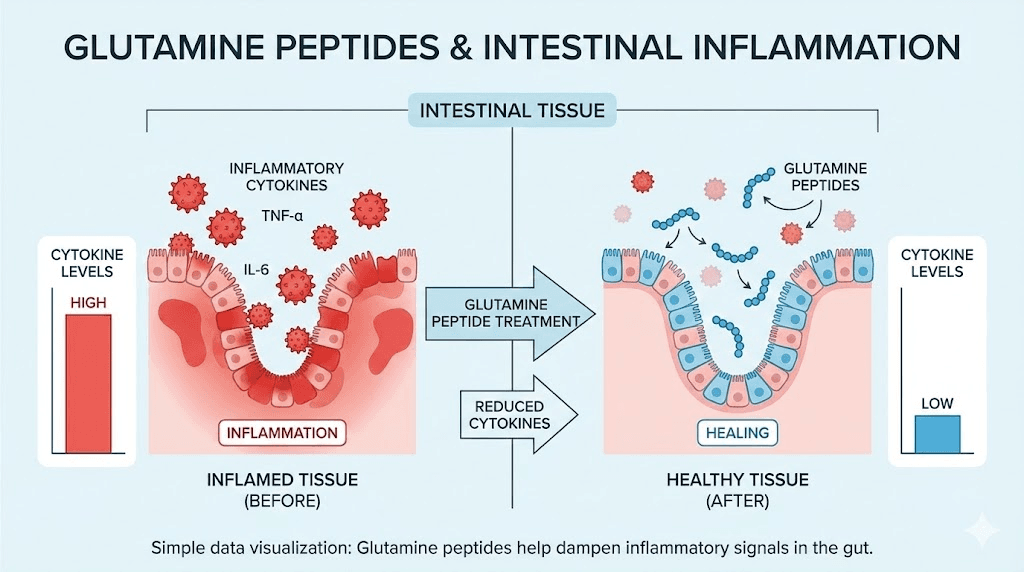
Research on peptides derived from germinated soybean protein, which are rich in glutamine-containing sequences, showed effective inhibition of cellular inflammatory responses and enhanced immune barrier function. Studies using corn protein hydrolysates with glutamine-rich peptides found effective regulation of cytokine levels, including reduced pro-inflammatory cytokines IL-1beta, IL-6, and TNF-alpha, alongside increased anti-inflammatory IL-10.
Glutamine supplementation has shown clinical benefits in inflammatory conditions. One study found that glutamine significantly reduced clinical and endoscopic scores in patients with ulcerative colitis. These anti-inflammatory effects likely contribute to gut barrier protection, creating a positive feedback loop where reduced inflammation supports barrier integrity, which in turn reduces inflammatory triggers.
The broader category of anti-inflammatory peptides includes various compounds with complementary mechanisms. Combining glutamine peptides with other anti-inflammatory approaches may provide synergistic benefits, though specific protocols require careful consideration of individual circumstances.
Immune system support
Your immune system depends heavily on glutamine. Immune cells, including lymphocytes and macrophages, use glutamine as a primary fuel source and building block for protein synthesis. During periods of immune challenge, such as infection, surgery, or intense exercise, glutamine demand increases dramatically.
When glutamine stores become depleted, immune function suffers. This explains why athletes undergoing intense training often experience increased susceptibility to infections. Their muscles release glutamine to fuel the immune response, but if demand exceeds supply, both recovery and immune defense are compromised.
Glutamine peptides help address this demand by providing more bioavailable glutamine that reaches immune cells throughout the body rather than being primarily consumed by intestinal tissue. Clinical research has explored glutamine supplementation in various contexts of immune challenge, including post-surgical patients and those with critical illness.
The only FDA-approved use of oral glutamine is for reducing serious complications of sickle cell disease, where it helps reduce oxidative stress and supports red blood cell health. While this specific application differs from general immune support, it demonstrates glutamine's recognized role in managing conditions involving cellular stress and immune dysfunction.
For those interested in immune-supporting peptides, glutamine peptides represent one evidence-based option. Other peptides like thymalin and SS-31 work through different mechanisms and may complement glutamine supplementation in comprehensive immune support protocols.
Athletic performance and recovery
Athletes have used glutamine supplements for decades, primarily targeting improved recovery and reduced muscle breakdown. The rationale is sound, as intense exercise depletes glutamine stores, and low glutamine levels correlate with overtraining symptoms and impaired recovery.
However, research on glutamine for muscle building has produced disappointing results. A 2018 meta-analysis of five studies found no benefit from glutamine supplementation on body composition. Another review concluded that glutamine supplementation during resistance training has no significant effect on muscle performance, body composition, or muscle protein degradation in young healthy adults.
Where glutamine shows more promise is in recovery from intense exercise, particularly regarding muscle soreness and strength recovery. One study found that L-glutamine supplementation resulted in faster recovery of peak torque and diminished muscle soreness following eccentric exercise. The effect on strength recovery appeared greater in men than women, though both sexes experienced significant reductions in soreness.
Glutamine peptides specifically have shown advantages for athletic applications. Research supplementing soccer players with glutamine peptide and carbohydrate observed increased time and distance performance by 21 and 22 percent respectively, along with reduced rate of perceived exertion. The combination also increased maximal and minimal power compared to placebo.
The enhanced stability and solubility of glutamine peptides make them practical for sports drinks and intra-workout formulas. Unlike free glutamine, which degrades rapidly in solution, peptide forms maintain potency in ready-to-drink formats that athletes find convenient.
For comprehensive recovery protocols, consider combining glutamine peptides with other recovery-focused supplements. Tissue repair peptides like BPC-157 and TB-500 target different aspects of recovery and may complement glutamine supplementation for athletes dealing with injuries or intense training demands. The best peptides for recovery often work through mechanisms distinct from nutritional support, making combination approaches potentially valuable.
Gut healing and mucositis support
Chemotherapy and radiation therapy frequently damage the rapidly dividing cells lining the digestive tract, causing mucositis. This painful condition affects eating, nutrition, and quality of life for cancer patients undergoing treatment. Glutamine supplementation has shown benefit in managing this side effect.
Studies demonstrate that glutamine supplements can help heal tissue after cancer treatments. Research indicates glutamine can reduce the pain associated with mucositis and may help relieve symptoms of neuropathy following chemotherapy. These findings have led to clinical use of glutamine in oncology supportive care.
Glutamine peptides may offer advantages in this context due to their enhanced absorption. When the intestinal lining is damaged, as occurs in mucositis, free glutamine absorption may be further impaired. The alternative transport mechanisms used by dipeptides could provide more reliable delivery even when gut function is compromised.
Beyond cancer treatment, glutamine supports general gut healing. The amino acid serves as fuel for enterocytes and promotes intestinal cell proliferation. For individuals recovering from gut infections, inflammatory bowel disease flares, or other intestinal insults, glutamine provides essential support for tissue regeneration.
Glutamine peptides dosage guide
Determining optimal glutamine peptide dosage requires considering your specific goals, health status, and whether you are using free glutamine or peptide forms. The research literature provides guidance, though individual responses vary.
General supplementation
A typical diet provides 3 to 6 grams of glutamine daily from protein-rich foods. For supplementation purposes, studies have used doses ranging from approximately 5 grams per day up to 45 grams daily for six weeks. The observed safe level for supplemental L-glutamine in normal healthy adults is 14 grams per day based on available safety data.
Standard recommendations suggest starting with 5 grams per serving, taken once or twice daily. Post-workout timing is popular among athletes, as exercise depletes glutamine stores and creates increased demand during recovery. However, consistent daily intake may matter more than precise timing for general health benefits.
When using glutamine peptides like L-alanyl-L-glutamine, remember that the actual glutamine content is lower than the total weight. L-alanyl-L-glutamine contains approximately 67 percent glutamine by weight, so 10 grams of the dipeptide provides about 6.7 grams of glutamine. Adjust doses accordingly when comparing to free glutamine recommendations.
Gut health protocols
For intestinal permeability and gut healing, research suggests higher doses may be necessary. The systematic review on gut permeability found significant benefits only with doses exceeding 30 grams daily. One pediatric study showing decreased intestinal permeability used 24 grams of L-glutamine daily.
These doses are substantially higher than typical supplementation ranges and should only be undertaken with appropriate guidance. High-dose glutamine protocols require attention to potential side effects and may not be appropriate for everyone. Starting at lower doses and gradually increasing while monitoring response represents a prudent approach.
Dividing doses throughout the day may improve tolerability. Rather than taking 30 grams at once, splitting into 10-gram doses three times daily spreads absorption and reduces gastrointestinal stress. Taking glutamine with meals can further improve tolerance.
Those addressing gut health with peptides often combine multiple approaches. KPV peptide targets gut inflammation through different mechanisms and may complement glutamine supplementation. BPC-157 promotes gut healing through growth factor modulation. Understanding how these different peptides work helps create comprehensive protocols. The SeekPeptides platform provides detailed guidance on combining gut health interventions effectively.
Athletic and recovery dosing
For athletic performance and recovery, research has used various protocols. The soccer player study mentioned earlier used glutamine peptide combined with carbohydrate, demonstrating performance benefits. Post-exercise supplementation at 5 grams has shown benefit for reducing muscle soreness.
Athletes engaged in intense training may benefit from consistent daily supplementation rather than only post-workout dosing. Maintaining glutamine stores throughout training cycles could prevent the depletion associated with overtraining and immune suppression.
Consider timing glutamine peptides around training sessions while maintaining baseline supplementation throughout the day. A practical approach might include:
5 grams upon waking
5 to 10 grams post-workout
5 grams before bed
This protocol provides 15 to 20 grams daily, within generally recognized safe ranges while covering key times when glutamine demand increases. Adjustments based on training intensity and individual response optimize results.
For athletes also using peptides for muscle growth or performance enhancement, glutamine peptides complement rather than replace other interventions. The nutritional support glutamine provides works alongside the signaling effects of bioactive peptides like IGF-1 or CJC-1295.
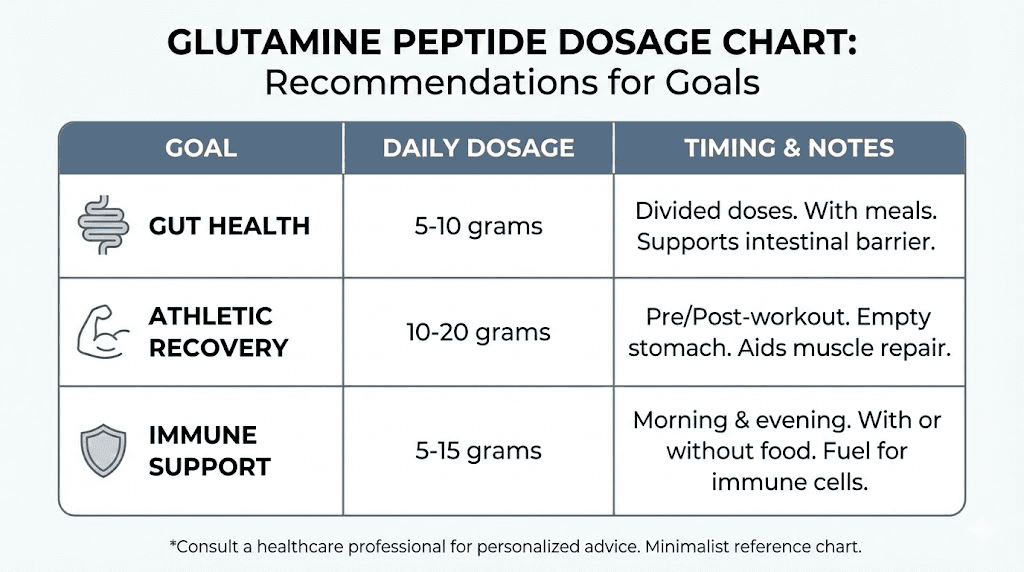
Forms of glutamine peptides available
The supplement market offers several forms of glutamine peptides, each with characteristics that affect suitability for different applications. Understanding these options helps you select the most appropriate product for your needs.
L-alanyl-L-glutamine
This is the most extensively researched glutamine peptide. Its molecular structure consists of alanine bonded to glutamine, creating a stable dipeptide with excellent solubility. L-alanyl-L-glutamine withstands sterilization procedures and remains stable in solution at room temperature, making it suitable for ready-to-drink formulations.
The pharmaceutical and clinical nutrition industries use L-alanyl-L-glutamine extensively. It appears in total parenteral nutrition solutions for critically ill patients, where its stability and bioavailability advantages are clinically important. Sports nutrition products increasingly incorporate this dipeptide as awareness of its benefits grows.
When purchasing L-alanyl-L-glutamine supplements, look for products that specify the form rather than simply listing glutamine peptides generically. Quality products provide information about purity and testing. The peptide testing labs guide offers insights into third-party verification that applies to glutamine peptides as well as other supplements.
Glycyl-L-glutamine
This alternative dipeptide bonds glycine to glutamine. Glycyl-L-glutamine contains a higher proportion of glutamine by weight, approximately 72 percent compared to 67 percent for L-alanyl-L-glutamine. However, it has been studied less extensively in sports nutrition contexts.
The choice between these dipeptides may come down to availability and cost. Both provide the enhanced absorption benefits of dipeptide transport. Some formulations use blends containing both forms.
Wheat protein hydrolysates
Peptide-bonded glutamine can be derived from hydrolyzed wheat protein and other plant proteins. These products contain glutamine-containing peptide sequences of varying lengths, not exclusively the defined dipeptides used in clinical nutrition.
Wheat-derived glutamine peptides offer a whole-food approach to peptide supplementation. However, they may not provide the same consistency as synthetic dipeptides, and those with gluten sensitivity must avoid wheat-derived products regardless of how extensively the protein is hydrolyzed.
Combination products
Many sports nutrition products combine glutamine peptides with carbohydrates, electrolytes, or other amino acids. Research on glutamine peptide plus carbohydrate combinations has shown performance benefits, supporting this formulation approach.
Evaluate combination products based on the glutamine peptide dose they provide. Some products include only token amounts of glutamine peptides while emphasizing other ingredients. Calculate the actual peptide content per serving to determine if the product delivers meaningful doses.
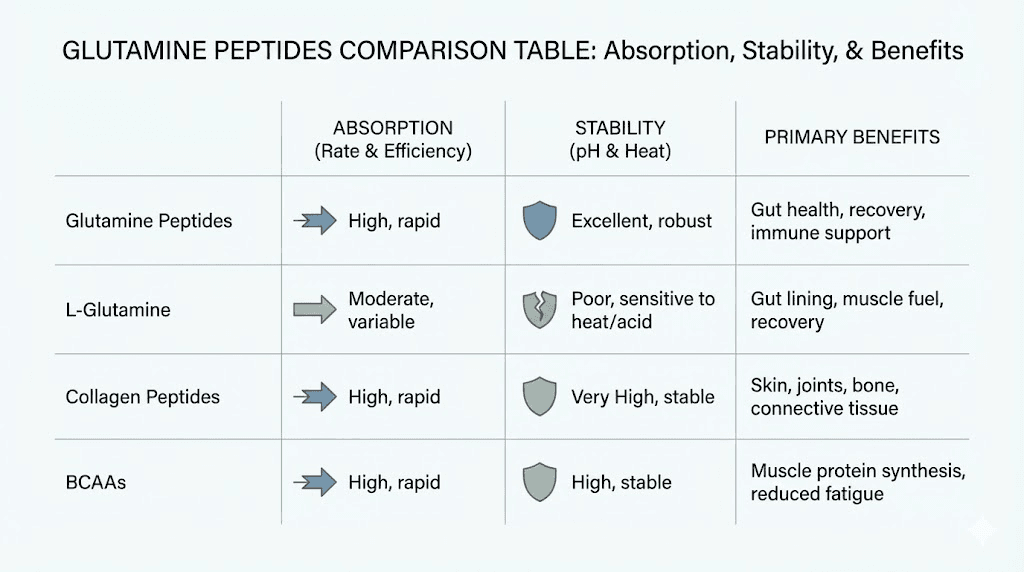
Glutamine peptides versus other supplements
Positioning glutamine peptides within the broader supplement landscape helps clarify their role and potential applications. Comparisons with related supplements illuminate when glutamine peptides represent the best choice.
Glutamine peptides vs free L-glutamine
The comparison between peptide and free forms centers on absorption efficiency and stability. Glutamine peptides offer:
Superior solubility, more than ten times that of free glutamine
Enhanced chemical stability, particularly in solution and acidic conditions
Alternative absorption pathways that may increase systemic availability
Higher gut mucosal concentrations in some research
Free L-glutamine provides:
Higher glutamine content per gram, as 100 percent is glutamine
Lower cost in many cases
Wide availability in various product forms
Extensive research supporting its benefits when adequate doses are absorbed
For applications where absorption is the limiting factor, glutamine peptides likely offer advantages. When cost sensitivity is paramount and dosing can compensate for absorption differences, free glutamine remains a reasonable option. Many users find that peptide forms work better despite similar nominal doses, suggesting the bioavailability difference matters practically.
Glutamine peptides vs collagen peptides
Both glutamine peptides and collagen peptides use peptide structures to enhance absorption, but they serve entirely different purposes. Collagen peptides provide the specific amino acids, primarily glycine, proline, and hydroxyproline, needed for collagen synthesis in skin, joints, and connective tissue.
Glutamine peptides support gut health, immune function, and general metabolic processes. They do not provide the structural amino acid profile needed for collagen production. These supplements are complementary rather than interchangeable.
Those interested in skin health might use both collagen peptides for connective tissue support and glutamine peptides for gut barrier function, as gut health affects nutrient absorption that influences skin condition. The peptides for skin tightening guide explores this connection further.
Glutamine peptides vs BCAAs
Branched-chain amino acids, specifically leucine, isoleucine, and valine, are popular supplements for muscle protein synthesis and exercise performance. They serve different primary functions than glutamine peptides.
BCAAs directly stimulate muscle protein synthesis, with leucine acting as the primary trigger. Glutamine does not directly stimulate protein synthesis to the same degree but supports recovery through other mechanisms including immune function and gut health.
For muscle building specifically, BCAAs have stronger evidence. For overall recovery, immune support, and gut health, glutamine peptides offer distinct benefits. Athletes often use both, recognizing they target different aspects of training adaptation and recovery.
Glutamine peptides vs bioactive peptides
The term peptides in the supplement world encompasses diverse compounds. Glutamine peptides are nutritional peptides, essentially enhanced amino acid delivery systems. Bioactive peptides like those used in research exert specific signaling effects beyond simple nutrition.
BPC-157, for example, consists of 15 amino acids in a specific sequence that triggers healing cascades through growth factor modulation. TB-500 promotes angiogenesis and cell migration. Ipamorelin stimulates growth hormone release. These peptides work through receptor interactions and signaling pathways rather than serving as nutritional building blocks.
Glutamine peptides and bioactive peptides can be used together. The nutritional support from glutamine peptides may even enhance the effectiveness of bioactive peptides by ensuring adequate building blocks for tissue repair and protein synthesis that bioactive peptides stimulate.
Side effects and safety considerations
Glutamine and glutamine peptides have been extensively studied for safety. Understanding potential side effects and contraindications ensures appropriate use.
Common side effects
Most people tolerate glutamine supplementation well. When side effects occur, they typically involve the digestive system:
Bloating or gas
Stomach cramps
Nausea
Constipation or diarrhea
These effects are often temporary, resolving as the body adjusts to supplementation. Starting with lower doses and gradually increasing can minimize digestive upset. Taking glutamine with food rather than on an empty stomach may also improve tolerance.
Other reported side effects include headache, dizziness, and pain in the extremities. These occur less frequently and typically do not persist. As with any supplement, discontinue use and consult a healthcare provider if significant side effects develop.
Contraindications and precautions
Certain conditions warrant caution or avoidance of glutamine supplementation:
Liver disease: Glutamine can increase the risk of hepatic encephalopathy, brain function issues caused by liver failure. The metabolism of glutamine produces ammonia, which healthy livers clear efficiently but diseased livers cannot. Those with advanced liver disease should avoid glutamine supplementation.
Bipolar disorder: Some evidence suggests glutamine might increase the risk of mania or hypomania in susceptible individuals. The mechanism relates to glutamine conversion to glutamate, an excitatory neurotransmitter. Those with bipolar disorder should consult their psychiatrist before using glutamine supplements.
Seizure disorders: Glutamine metabolism produces glutamate, which can theoretically affect seizure threshold. Those taking anticonvulsant medications should discuss glutamine use with their neurologist, as it could potentially interfere with medication effectiveness.
Cancer: Some cancer cells preferentially use glutamine for energy and growth. While the clinical significance of dietary glutamine for cancer patients remains debated, those with active cancer should consult their oncologist before supplementing. The context matters significantly, as glutamine is also used supportively during cancer treatment for mucositis and other complications.
Kidney disease: Studies show glutamine supplementation can cause temporary increases in serum creatinine, a kidney function marker. While typically transient in healthy individuals, those with kidney problems should consult a nephrologist before using glutamine.
Pregnancy and breastfeeding: Insufficient research exists on high-dose glutamine supplementation during pregnancy and breastfeeding. Dietary glutamine from food is considered safe, but therapeutic doses should be avoided or used only under medical supervision.
Ammonia concerns with high doses
Glutamine metabolism produces ammonia as a byproduct. Your body normally clears ammonia through the urea cycle, but very high glutamine doses can overwhelm this system. The lowest dose found to increase serum ammonia was 0.75 grams per kilogram of body weight, approximately 51 grams for a 150-pound individual.
This ammonia concern supports keeping supplementation within studied safe ranges. The observed safe level of 14 grams daily for healthy adults incorporates a significant margin below doses that elevate ammonia. Those using higher doses for gut health protocols should be aware of this consideration and monitor for symptoms of ammonia elevation, which include confusion, fatigue, and nausea.
Drug interactions
Glutamine has relatively few documented drug interactions, but some cautions apply:
Lactulose, used for hepatic encephalopathy, works by reducing ammonia. Glutamine could theoretically counteract this effect.
Anticonvulsant medications might interact with glutamine through effects on glutamate neurotransmission.
Chemotherapy drugs have complex relationships with glutamine, which can be both protective and potentially problematic depending on the specific cancer and treatment.
Always inform healthcare providers about glutamine supplementation, particularly before medical procedures or when starting new medications. The peptide safety guide provides broader context on supplement safety considerations that apply to glutamine peptides as well.
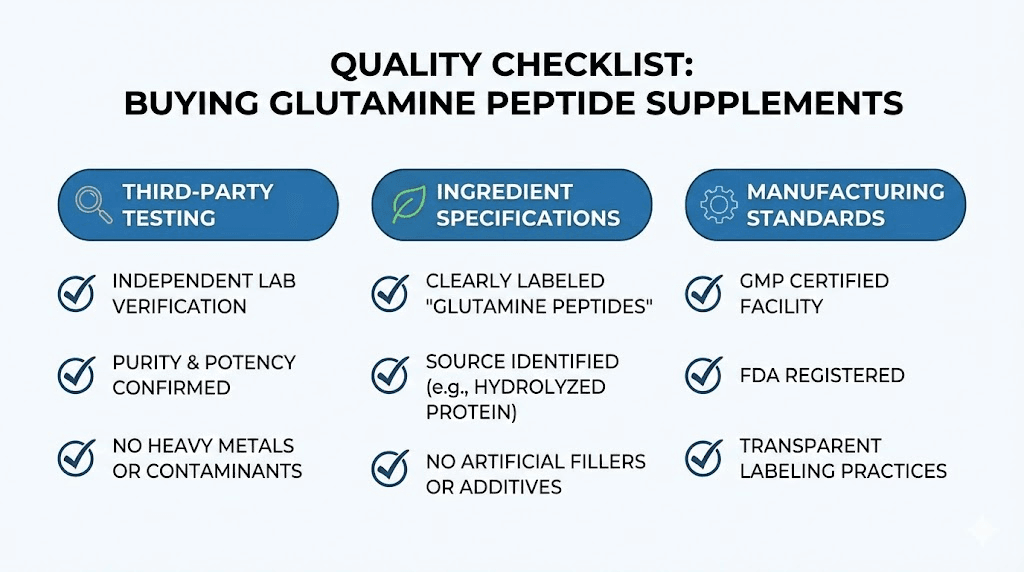
How to choose quality glutamine peptides
The supplement market includes products of varying quality. Selecting effective glutamine peptide supplements requires attention to several factors.
Ingredient specifications
Look for products that specify the type of glutamine peptide used. L-alanyl-L-glutamine has the most research support and should be clearly identified on the label. Products listing generic glutamine peptides without specifying the form may contain less consistent ingredients.
The label should indicate the glutamine peptide dose per serving, not just total protein or amino acid content. Calculate actual glutamine delivery based on the peptide type. Remember that L-alanyl-L-glutamine is approximately 67 percent glutamine by weight.
Third-party testing
Reputable manufacturers submit their products for independent testing. Certifications from organizations like NSF International, Informed Sport, or USP indicate the product has been verified for purity and accurate labeling. These certifications are particularly important for athletes subject to drug testing.
Third-party testing addresses concerns about contaminants, including heavy metals and undeclared substances. The peptide testing labs article discusses verification standards that indicate quality manufacturing.
Manufacturing quality
Good Manufacturing Practice certification indicates a facility follows standardized production procedures. Look for products manufactured in GMP-certified facilities, preferably with additional quality certifications specific to sports nutrition products.
Pharmaceutical-grade glutamine peptides, as used in clinical parenteral nutrition, represent the highest quality standard. While consumer supplements may not match pharmaceutical specifications, manufacturers emphasizing quality often approach these standards.
Formulation considerations
Single-ingredient glutamine peptide products provide flexibility in dosing. Combination products may be convenient but could provide suboptimal doses of individual components.
For sports applications, products combining glutamine peptides with carbohydrates and electrolytes have research support. Evaluate whether the formulation provides meaningful doses of each component rather than token amounts for label appeal.
Powder forms generally offer better value than capsules for ingredients requiring relatively high doses. The number of capsules needed to reach effective glutamine peptide doses can be impractical and expensive compared to powder supplementation.
Practical protocols for specific goals
Translating research into practical application requires protocols tailored to specific objectives. The following sections outline evidence-informed approaches for common glutamine peptide applications.
Gut health restoration protocol
For those addressing intestinal permeability, compromised gut barrier, or recovering from gut infections or inflammation, a systematic approach yields best results.
Foundation phase (weeks 1-2):
Start with 5 grams glutamine peptides twice daily
Take with meals to improve tolerance
Monitor for digestive response and adjust if needed
Building phase (weeks 3-4):
Increase to 5 grams three times daily, totaling 15 grams
Consider adding a fourth dose before bed if well tolerated
Maintain consistent timing to support steady glutamine availability
Therapeutic phase (weeks 5-12):
If targeting significant gut healing, consider doses up to 20-30 grams daily
Divide into 4-6 smaller doses throughout the day
Monitor for any signs of ammonia elevation or side effects
Reassess gut symptoms and adjust protocol based on response
Combine glutamine peptide supplementation with other gut-supportive interventions. KPV peptide provides anti-inflammatory support through different mechanisms. BPC-157 promotes tissue healing and may accelerate gut barrier repair. Dietary modifications removing inflammatory triggers, adequate fiber for microbiome support, and stress management all contribute to comprehensive gut restoration.
SeekPeptides members access detailed gut health protocols that integrate multiple interventions for optimal results. The complexity of gut restoration often benefits from personalized guidance based on individual symptoms and testing.
Athletic recovery protocol
Athletes seeking improved recovery, reduced muscle soreness, and immune support during intense training benefit from consistent glutamine peptide supplementation.
Daily foundation:
5 grams glutamine peptides upon waking
Mix in water or morning shake
Establishes baseline glutamine availability
Training day protocol:
5-10 grams glutamine peptides during or immediately after training
Combine with carbohydrate for enhanced performance effects
Electrolytes improve palatability and support hydration
Evening recovery:
5 grams before bed
Supports overnight recovery processes
Maintains glutamine availability during the fasting period of sleep
This protocol provides 15-20 grams daily, well within safe ranges while covering key times of glutamine demand. Adjust based on training intensity, as particularly demanding periods may warrant higher doses.
For athletes also using peptide stacks targeting performance or body composition, glutamine peptides provide complementary nutritional support. The peptide stacking guide discusses how different peptides can work together, with glutamine peptides serving as a foundational nutritional component rather than a signaling molecule.
Immune support protocol
During periods of increased immune challenge, whether from intense training, seasonal illness exposure, or stress, glutamine peptides support immune function.
Maintenance protocol:
5 grams twice daily during normal periods
Consistent supplementation maintains glutamine stores
Adequate for general immune support in healthy individuals
Acute challenge protocol:
Increase to 10 grams twice daily at first sign of illness or during high-stress periods
Continue elevated dosing for 5-7 days
Return to maintenance doses as stress resolves
Combine glutamine peptide supplementation with adequate sleep, stress management, and balanced nutrition for comprehensive immune support. Immune-supporting peptides like thymalin provide additional support through thymic function modulation.
Post-surgery recovery protocol
Surgical trauma increases glutamine demand significantly. Supplementation can support healing and reduce complications when appropriate.
Pre-operative preparation (if surgery is planned):
Begin supplementation 5-7 days before surgery
10 grams daily divided into two doses
Builds glutamine stores before surgical stress depletes them
Post-operative recovery:
Resume supplementation as soon as oral intake is permitted
10-20 grams daily based on surgical extent and recovery progress
Continue for 2-4 weeks post-operatively
Always coordinate glutamine supplementation with your surgical team. Some procedures or patient conditions may warrant modifications to this general approach. The tissue repair peptides guide discusses additional recovery support options that may complement glutamine supplementation during surgical recovery.
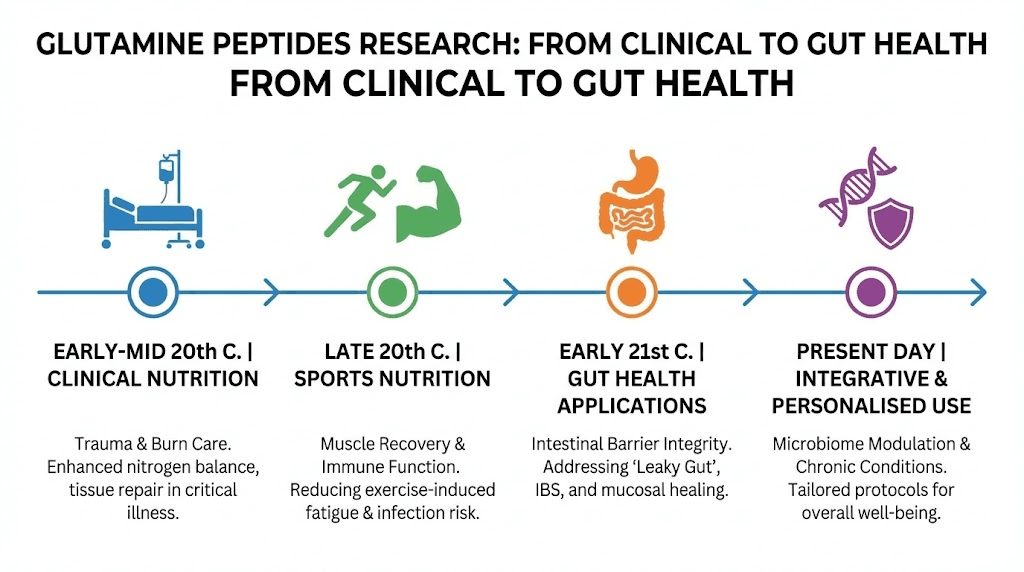
Research on glutamine peptides
The scientific literature on glutamine peptides continues to expand, providing increasingly detailed understanding of their mechanisms and applications. Examining key research areas illuminates both established benefits and emerging possibilities.
Clinical nutrition research
Glutamine peptides have been studied extensively in clinical nutrition, particularly in parenteral (IV) nutrition for critically ill patients. This research establishes the safety and efficacy of glutamine peptide delivery in demanding clinical contexts.
Studies demonstrate that glutamine dipeptide-supplemented parenteral nutrition maintains intestinal function in critically ill patients. This finding has practical implications for ICU care, where gut barrier integrity affects outcomes across multiple organ systems.
Research examining glutamine peptide pharmacokinetics in ICU patients helps establish appropriate dosing in compromised physiological states. The elimination kinetics differ from healthy subjects, informing clinical protocols.
Sports nutrition research
The athletic application research has produced mixed but generally positive results for specific outcomes. While muscle building effects remain unsupported, recovery and performance benefits have emerged from well-designed studies.
The soccer player study demonstrating 21-22 percent improvements in time and distance with glutamine peptide plus carbohydrate supplementation represents significant practical benefit. Reduced perceived exertion suggests the supplements affected not just performance metrics but subjective experience during exertion.
Research on muscle soreness reduction provides consistent support for glutamine supplementation around exercise. The mechanism likely involves reduced muscle damage, anti-inflammatory effects, and supported immune function rather than direct muscle-building effects.
Gut health research
Intestinal permeability research has expanded significantly, driven by growing recognition of gut barrier importance for systemic health. Glutamine peptides figure prominently in this research due to their established role in enterocyte nutrition and barrier function.
Animal research demonstrating that alanyl-glutamine protects barrier function during exhaustive exercise has implications for athletes experiencing exercise-induced gut permeability. Human research, while still developing, suggests similar protective effects may occur.
The systematic review and meta-analysis on glutamine and gut permeability highlighted the dose-dependent nature of effects. Finding that significant permeability benefits required doses exceeding 30 grams daily has practical implications for protocol design.
Limitations and future directions
Current research has notable limitations. Many studies used animal models or cell cultures rather than human subjects. Sample sizes in human studies are often small. The specific mechanisms by which glutamine peptides exert their benefits require further elucidation.
Future research directions include:
Larger clinical trials with standardized protocols
Direct comparisons between glutamine peptide forms
Investigation of optimal dosing for specific conditions
Understanding interactions with other supplements and medications
Long-term safety studies at various dose levels
The research base for glutamine peptides, while substantial, continues to develop. Practitioners should stay current with emerging findings that may refine recommendations. Peptide research updates cover developments across the peptide field that may inform glutamine peptide applications.
Frequently asked questions
Are glutamine peptides better than regular glutamine?
For many applications, yes. Glutamine peptides offer superior solubility, stability, and potentially better systemic absorption. The peptide form uses different intestinal transporters that may deliver more glutamine to tissues beyond the gut. However, free L-glutamine is less expensive and may work adequately at sufficient doses. The choice depends on specific goals, budget, and individual response. Those with compromised gut function may particularly benefit from peptide forms.
When should I take glutamine peptides?
Timing depends on your goals. For general gut health and immune support, consistent daily intake matters more than specific timing. Taking doses with meals improves tolerance. For athletic applications, post-workout timing has research support, though daily consistency provides the foundation. Some users take a dose upon waking and another before bed to maintain glutamine availability throughout the day.
Can glutamine peptides help with leaky gut?
Research supports glutamine for improving intestinal barrier function. Glutamine serves as the primary fuel for intestinal cells and promotes tight junction integrity. Studies show that glutamine supplementation can reduce intestinal permeability in some clinical contexts. Peptide forms may be particularly useful when gut function is compromised, as they use absorption pathways less dependent on healthy intestinal tissue. For comprehensive gut restoration, consider combining glutamine with other supportive interventions.
How long does it take for glutamine peptides to work?
Effects vary by application. Some users report improved gut symptoms within days to weeks. Athletic recovery benefits may be noticeable after several consistent training sessions. Research on mucositis healing showed benefits developing over the treatment period. Immune support builds with consistent supplementation rather than providing immediate effects. Expect gradual rather than dramatic changes for most applications.
Can I take glutamine peptides with other supplements?
Yes, glutamine peptides combine well with most supplements. They complement BCAAs for different aspects of recovery. They work alongside tissue repair peptides by providing nutritional support for the healing processes those peptides stimulate. Collagen peptides serve different functions and can be taken together. The main consideration is not overwhelming your digestive system with too many supplements at once, so spacing doses throughout the day makes sense.
Do glutamine peptides have any taste?
Glutamine peptides typically have a mild, slightly sweet taste that most people find acceptable. They dissolve well in water or other beverages without significant flavor impact. Some users mix them into protein shakes or smoothies where any taste is masked by other ingredients. The palatability of peptide forms is generally considered better than free glutamine, which has a somewhat flat, amino acid taste.
Are glutamine peptides safe for long-term use?
At doses within studied ranges, typically up to 14 grams daily, long-term use appears safe for healthy adults. However, research on very long-term supplementation is limited. Some scientists have raised theoretical concerns about sustained high-dose supplementation affecting amino acid metabolism. Most users cycle periods of higher and lower supplementation rather than maintaining maximum doses indefinitely. Those with health conditions should consult healthcare providers about long-term use.
Can athletes use glutamine peptides without doping concerns?
Glutamine peptides are not on any prohibited substance lists and are considered legal supplements for athletes. Products certified by Informed Sport or NSF Certified for Sport provide additional assurance against contamination with prohibited substances. Athletes subject to drug testing should always choose third-party tested supplements to eliminate risk from manufacturing cross-contamination.
In case I do not see you, good afternoon, good evening, and good night. Join SeekPeptides.