Mar 24, 2026
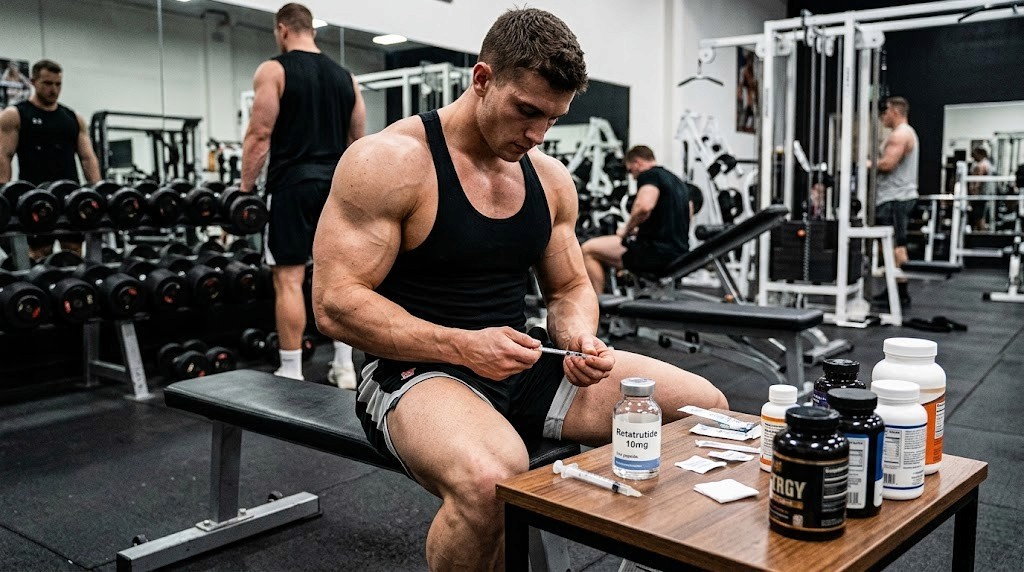
Bodybuilders have spent decades chasing the same thing. Lose the fat. Keep the muscle. And every tool that promised both delivered one at the expense of the other. Caloric deficits strip away hard-earned size. Thermogenics push metabolism but trash recovery. Even the most disciplined cutting protocols leave lifters smaller, flatter, and weaker than when they started.
Then the GLP-1 revolution changed everything about fat loss. Semaglutide showed what pharmaceutical appetite suppression could do. Tirzepatide raised the bar with dual-receptor action. But retatrutide, the triple agonist that hits GLP-1, GIP, and glucagon receptors simultaneously, introduced something the bodybuilding community had never seen before. A compound that drives aggressive fat loss through multiple metabolic pathways while clinical data suggests a more favorable lean mass preservation profile than previous options.
That last part matters. A lot.
Because the question bodybuilders actually care about is not whether retatrutide works for weight loss. Phase 2 trials already showed up to 24.2% body weight reduction at 48 weeks, making it the most potent weight loss compound in clinical development. The real question is whether you can use retatrutide strategically during a cut, preserve your muscle, maintain training performance, and come out the other side looking like a bigger, leaner version of yourself rather than a deflated one. This guide covers everything: the mechanism behind retatrutide that makes it uniquely interesting for physique athletes, the dosing protocols bodybuilders are actually running, the body composition data from clinical trials, practical strategies for protecting muscle mass while leveraging the compound for aggressive fat loss, and the real-world experiences that paint a clearer picture than any study abstract. SeekPeptides has analyzed hundreds of protocols and research papers to bring you the most comprehensive breakdown of retatrutide for bodybuilding available anywhere.
How retatrutide works and why bodybuilders care
Understanding why retatrutide stands apart from every other GLP-1 agonist requires looking at what happens when you activate three receptor systems instead of one or two. This is not a minor upgrade. It is a fundamentally different pharmacological approach to body composition, and the implications for physique athletes are significant.
The triple-receptor mechanism explained
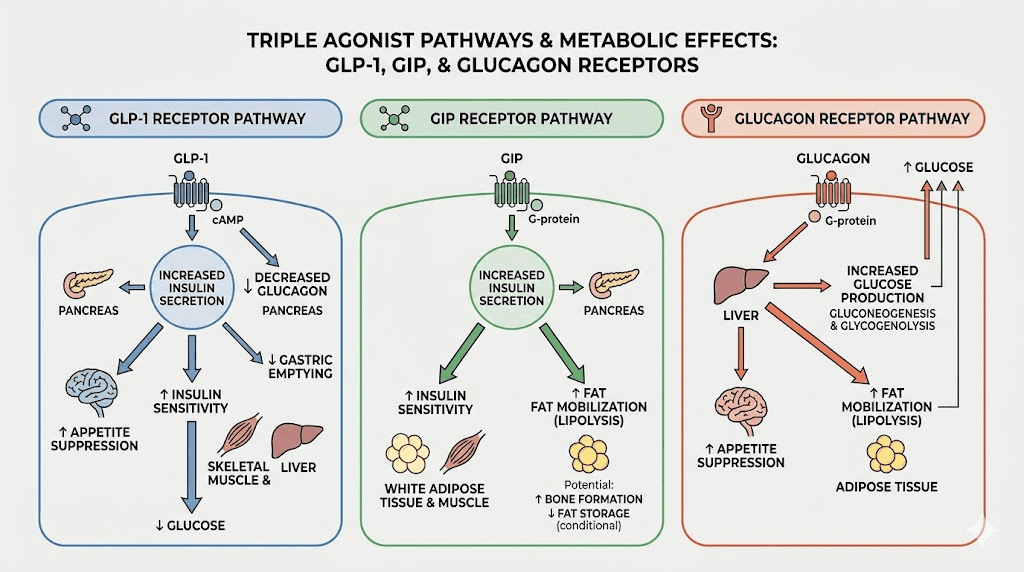
Retatrutide activates three distinct receptor pathways. Each one contributes something different to the fat loss equation, and together they create a synergistic effect that no single-receptor or dual-receptor compound can match.
GLP-1 receptor activation handles the appetite side. It slows gastric emptying, increases satiety signaling to the brain, and reduces the hedonic drive to eat. For bodybuilders in a caloric deficit, this translates to dramatically easier adherence. The psychological burden of hunger during a cut, that constant background noise telling you to eat more, gets turned down to a whisper. Appetite suppression from retatrutide typically begins within the first week and intensifies as the dose titrates upward.
GIP receptor activation adds a metabolic dimension that semaglutide simply cannot provide. GIP, glucose-dependent insulinotropic polypeptide, improves insulin sensitivity and plays a direct role in lipid metabolism. For bodybuilders, better insulin sensitivity means more efficient nutrient partitioning. The calories you do eat get directed toward muscle repair and glycogen replenishment rather than fat storage. This is the same receptor that gives tirzepatide its edge over semaglutide, and retatrutide activates it too.
Glucagon receptor activation is where retatrutide truly differentiates itself. This is the receptor neither semaglutide nor tirzepatide touches. Glucagon promotes hepatic glucose production, increases thermogenesis, and directly mobilizes stored fat for energy. Think of it as flipping the switch that tells your body to burn fat as fuel rather than simply reducing the fuel coming in. For a bodybuilder, this means retatrutide attacks fat from both sides: you eat less AND your body burns more stored fat for energy. That dual mechanism is why the weight loss numbers from trials are so dramatically higher than anything else in the pipeline.
Why three receptors beat one or two for bodybuilding
Single-receptor compounds like semaglutide work primarily through appetite suppression. You eat less. You lose weight. Simple. But the composition of that weight loss is not ideal for someone who has spent years building muscle. When you compare the three major compounds side by side, the differences in how they affect body composition become clear.
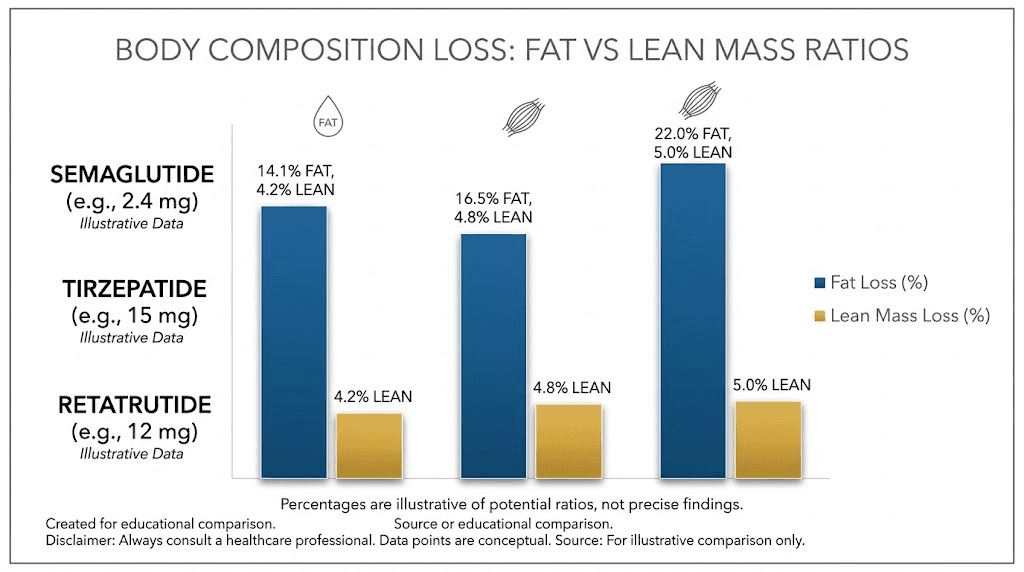
The STEP-1 trial on semaglutide showed that nearly 40% of weight lost came from lean mass. That number should alarm any bodybuilder. Losing 30 pounds on semaglutide could mean losing 12 pounds of muscle. For someone who fought for every ounce of that muscle through years of progressive overload, that trade is devastating.
Tirzepatide improved this ratio somewhat through its dual-receptor action. The GIP component helps with nutrient partitioning, directing more resources toward muscle preservation. But retatrutide adds the glucagon component, which preferentially mobilizes fat stores for energy, potentially shifting the ratio further toward fat loss and away from muscle loss.
Phase 2 body composition data from the Lancet Diabetes and Endocrinology substudy showed retatrutide achieving fat mass reductions of 15.2% at the 4mg dose, 26.1% at 8mg, and 23.2% at 12mg, while the proportion of lean mass loss relative to total weight loss remained comparable to other GLP-1 compounds. The key finding for bodybuilders: despite dramatically greater total weight loss, retatrutide did not cause disproportionately greater lean mass loss. More fat came off. Muscle loss stayed proportional.
That is a meaningful distinction.
The glucagon advantage for body recomposition
Glucagon receptor agonism does something that bodybuilders have always wanted from a cutting agent. It increases energy expenditure through thermogenesis while simultaneously mobilizing fat stores. Your body literally burns hotter and preferentially pulls from fat to fuel that increased metabolic rate.
Traditional cutting approaches reduce calories, which reduces metabolic rate, which slows fat loss, which requires further calorie reduction. It is a downward spiral that ends with a crashed metabolism and lost muscle. Retatrutide partially breaks this cycle because the glucagon component maintains elevated energy expenditure even as caloric intake drops. Your metabolism does not crash as hard. Fat continues to mobilize. And because you are burning stored fat rather than just eating less, the energy deficit feels different to your body than simple caloric restriction.
Research published in Cell Discovery examined the structural basis for retatrutide activating all three receptors, confirming that its molecular design allows potent simultaneous activation rather than weak partial agonism at any single receptor. This matters because a compound that weakly hits three targets would be less useful than one that strongly hits two. Retatrutide hits all three with significant potency.
Retatrutide body composition data that matters for bodybuilding
Numbers tell the real story. Not marketing claims. Not forum anecdotes. The clinical trial data from retatrutide studies provides the most objective look at what this compound does to body composition, and for bodybuilders, the specifics of how weight loss breaks down between fat and lean mass is everything.
Phase 2 trial results broken down
The Phase 2 trial published in the New England Journal of Medicine enrolled 338 adults with obesity or overweight. The trial tested multiple dose levels over 48 weeks, and the headline result, up to 24.2% body weight reduction at the highest dose, grabbed international attention. But bodybuilders need to look deeper than headline numbers.
At the 12mg dose, participants lost an average of 26 kg (approximately 57 pounds) over 48 weeks. The dosage escalation followed a specific titration schedule starting at lower doses and building upward every four weeks. Weight loss was progressive and sustained, with no evidence of plateauing at higher doses within the study timeframe.
For context, retatrutide typically begins showing measurable results within the first few weeks, with appetite suppression being the earliest noticeable effect. But the body composition changes, the shift from losing general weight to specifically losing fat while preserving lean tissue, become more apparent over months of consistent use.
The body composition substudy
The Lancet Diabetes and Endocrinology published a substudy specifically examining body composition changes using DXA scanning, the gold standard for measuring fat versus lean mass. Of 189 participants enrolled, 103 completed both baseline and week 36 DXA scans.
Results at 36 weeks by dose group:
Dose | Total fat mass reduction | Total weight loss | Fat as % of weight lost |
|---|---|---|---|
Placebo | Minimal | Minimal | N/A |
4mg (pooled) | 15.2% | Moderate | ~65-70% |
8mg (pooled) | 26.1% | Significant | ~65-75% |
12mg | 23.2% | Most significant | ~60-70% |
The critical finding: the proportion of lean mass loss to total weight loss was comparable to other obesity medications. This means that even though retatrutide produces dramatically more total weight loss, it does not disproportionately destroy muscle. The researchers specifically noted this finding "could provide reassurance that a greater proportion of lean mass is not lost with retatrutide despite the overall increased weight loss."
For a bodybuilder interpreting this data, the practical implication is clear. If you lose 50 pounds on retatrutide and 65-75% of that comes from fat, you are looking at 32-37 pounds of pure fat loss with 13-18 pounds of lean mass reduction. Compare that to the 60/40 split some semaglutide studies show, and the difference over a 50-pound weight loss would be an additional 2-7 pounds of preserved lean mass. Over the course of a serious cut, that could mean the difference between looking flat and depleted versus looking hard and full.
What the data does not tell us
Honesty matters more than hype. The clinical trial participants were not bodybuilders. They were individuals with obesity or overweight, many with type 2 diabetes. They were not following structured resistance training programs. They were not consuming 1g of protein per pound of bodyweight. They were not optimizing sleep, supplementation, or recovery.
This matters enormously.
A trained bodybuilder with adequate protein intake and consistent resistance training will almost certainly preserve more lean mass during retatrutide use than the average clinical trial participant. The baseline lean mass loss numbers from trials represent a worst-case scenario for someone following a bodybuilding lifestyle. Every protective factor, high protein, heavy training, adequate sleep, proper supplementation, will improve on those numbers.
The bodybuilding community needs Phase 3 data, real-world body composition studies in trained individuals, and longer-term follow-up before drawing definitive conclusions. But the preliminary data is encouraging enough that many physique athletes are already incorporating retatrutide into their cutting protocols.
Retatrutide dosing protocols for bodybuilders
Dosing retatrutide for bodybuilding requires a different mindset than dosing for general weight loss. The goals are different. The tolerances are different. The surrounding protocols (nutrition, training, supplementation) are different. And the margin for error, when preserving hard-earned muscle is the priority, is much smaller.
The standard titration protocol
Clinical trials used a gradual titration schedule, increasing the dose every four weeks to minimize gastrointestinal side effects. The standard starting dose is 0.5mg once weekly, with increases every four weeks following a structured schedule.
A typical titration looks like this:
Week | Dose | Primary effect |
|---|---|---|
Week 1-4 | 0.5mg weekly | Mild appetite suppression, tolerance building |
Week 5-8 | 2mg weekly | Noticeable appetite reduction, early fat mobilization |
Week 9-12 | 4mg weekly | Significant appetite suppression, measurable fat loss |
Week 13-16 | 8mg weekly | Strong fat mobilization, metabolic enhancement |
Week 17+ | 8-12mg weekly | Maximum fat loss potential |
For detailed dose scheduling, including timing considerations and adjustment protocols, the weekly administration pattern follows the same once-weekly injection schedule as other GLP-1 agonists. Consistency with injection day and time helps maintain stable blood levels.
Bodybuilding-specific dosing considerations
Most bodybuilders find that the sweet spot for cutting lies between 4mg and 8mg weekly. Here is why.
At lower doses (0.5-2mg), the appetite suppression is mild. For a bodybuilder already experienced with dieting, this level of suppression may not provide meaningful benefit beyond what discipline alone achieves. The fat mobilization from glucagon receptor activation is present but modest.
At moderate doses (4-8mg), the triple-receptor synergy kicks in fully. Appetite drops significantly. Fat mobilization accelerates. Thermogenesis increases measurably. Most bodybuilders report that this is where the compound becomes genuinely useful for cutting, where the deficit feels sustainable and the rate of visible fat loss exceeds what nutrition and training alone produce.
At higher doses (8-12mg), fat loss accelerates further but side effects increase proportionally. Gastrointestinal issues become more common. Nausea can interfere with training quality. And the aggressive caloric deficit that extreme appetite suppression creates may actually work against muscle preservation if protein intake drops too low.
The bodybuilder dilemma at high doses is real. If you cannot eat enough protein because your appetite is completely suppressed, you are trading faster fat loss for greater muscle loss. This is why many experienced lifters intentionally stay in the 4-8mg range rather than pushing to maximum doses.
Timing around training
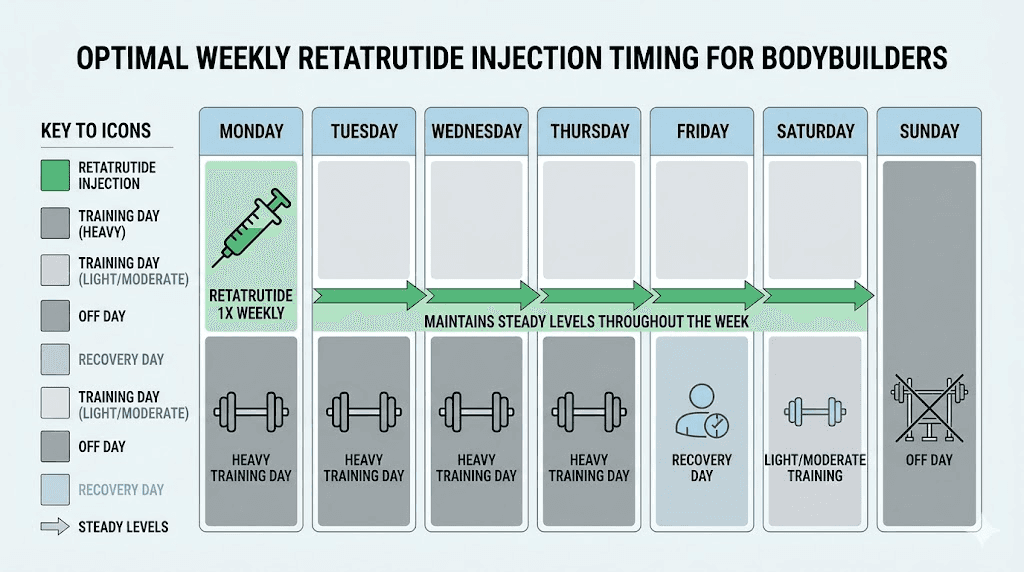
Injection timing relative to training sessions is a practical consideration that clinical trials never address. The best time to take retatrutide depends on your training schedule and how you respond to the compound.
Many bodybuilders inject the day after their hardest training session, typically post-leg day. The reasoning: retatrutide peaks in suppressive effect 24-48 hours after injection. By injecting on a lighter training day or rest day, you avoid having maximum appetite suppression coincide with the training sessions that demand the most fuel and recovery nutrition.
Others prefer injecting 2-3 days before their rest day, so the peak suppressive window falls on rest days when caloric demand is lower anyway. There is no clinically validated optimal timing for athletes, so individual experimentation within the weekly injection framework is necessary. Injection site selection follows standard subcutaneous protocols, with the abdomen and thigh being the most common locations.
Protecting muscle mass while using retatrutide
This is the section that matters most. Everything else, the mechanism, the dosing, the clinical data, is academic unless you can translate it into practical strategies that protect your muscle while retatrutide does its work on your fat stores. Muscle loss on retatrutide is not inevitable. It is manageable. And with the right approach, it is minimizable.
Protein requirements during retatrutide use
This is non-negotiable. Protein intake must remain high, higher than your typical maintenance intake, throughout your entire retatrutide cycle. The research on protein and muscle preservation during caloric deficits is unambiguous: higher protein intake preserves more lean mass.
Target 1.0 to 1.4 grams of protein per pound of lean body mass daily. Not total bodyweight. Lean body mass. A 220-pound bodybuilder at 20% body fat has approximately 176 pounds of lean mass, which means 176 to 246 grams of protein daily.
The challenge with retatrutide is that eating enough protein becomes physically difficult when appetite is suppressed. You may need to shift protein intake toward liquid sources. Protein shakes become strategic tools rather than convenient supplements. Protein shakes designed for GLP-1 users prioritize easy digestion and rapid gastric emptying, which matters when retatrutide has slowed your stomach to a crawl.
Practical protein strategies during retatrutide use:
Front-load protein early in the day when appetite is typically strongest
Use whey isolate shakes to hit protein targets without the volume of whole foods
Add collagen protein to morning coffee for an easy 15-20 grams
Choose protein-dense foods over protein-plus-carb-plus-fat meals when volume is limited
Set protein alarms, eating on a schedule rather than by hunger cues
Training modifications for the retatrutide cut
Your training during a retatrutide-assisted cut should prioritize one thing above all else: maintaining strength. Not increasing it. Not adding volume. Maintaining the strength levels you built during your last growth phase.
The signal that tells your body to keep muscle is the signal that says you still need it. Heavy compound movements at or near your established working weights provide that signal. If you can deadlift 405 for 5 reps at the start of your cut, your goal is to still deadlift 405 for 5 reps at the end of it.
What to keep:
Heavy compound movements (squat, deadlift, bench, overhead press, rows)
Working weights at 85-95% of your pre-cut levels
The same exercises that built the muscle
What to reduce:
Total volume (drop 20-30% of total weekly sets)
Isolation work (keep some, but reduce significantly)
Training frequency if recovery is compromised
What to monitor:
Strength on key lifts week over week
Recovery between sessions (retatrutide can elevate resting heart rate and reduce sleep quality)
Energy levels during training, adjust carb timing if performance drops
One user documenting a 9-week retatrutide experience noted that lifts remained stable or slightly improved during the protocol, with deadlift and squat staying at approximately 0.85x bodyweight for 3x5 reps and overhead press at 0.3x bodyweight. This was at lower doses (0.5-1mg), suggesting that muscle preservation during moderate-dose use is achievable with consistent training.
Nutrient timing and meal structure
When you can only eat two or three meals a day because your appetite has been crushed by a triple agonist, every meal needs to count. Nutrient timing becomes less about optimization and more about survival. Survival of your muscle mass, specifically.
Structure your meals around training:
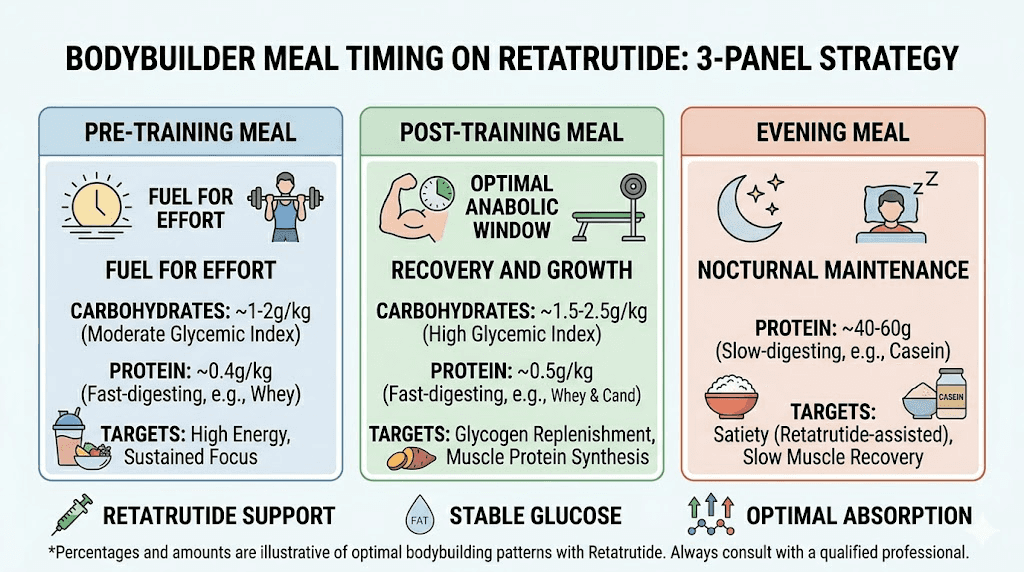
Pre-training (2-3 hours before): Your largest meal of the day. 40-50g protein, moderate carbs for training fuel, moderate fats. This is when you force-feed if necessary. Food choices that work well on GLP-1 agonists tend to be simple, easily digestible, and protein-forward.
Post-training (within 2 hours): 40-50g protein, higher carbs to replenish glycogen. This is the second priority meal. Whey protein with a carb source works well if solid food feels impossible.
Evening/remaining meals: Fill remaining protein and calorie targets. Casein protein before bed provides sustained amino acid delivery during the overnight fast, which is especially important when total daily intake is reduced.
Many bodybuilders on retatrutide report that certain foods cause significant discomfort due to slowed gastric emptying. High-fat meals sit in the stomach for hours. Fried foods can trigger severe acid reflux. Late-night eating often leads to disrupted sleep. One documented experience noted acid reflux becoming problematic when eating after 8-9pm, reinforcing the importance of early feeding windows.
Supplementation strategy
Reduced food intake means reduced micronutrient intake. Period. A bodybuilder eating 3,500 calories gets more vitamins and minerals than one eating 2,000 calories. When retatrutide pushes your intake toward the lower end, targeted supplementation fills the gaps.
Essential supplements during a retatrutide cut:
Electrolytes: Sodium, potassium, magnesium. Reduced food and water intake can lead to electrolyte imbalances that cause fatigue, cramping, and reduced training performance. The documented retatrutide experience mentioned that morning fatigue resolved with electrolyte supplementation.
Creatine monohydrate: 5g daily. Non-negotiable during a cut. Maintains intramuscular water, supports strength, and may have additional anti-catabolic properties.
Vitamin D3: 4,000-5,000 IU daily. Supports muscle protein synthesis pathways and immune function, both of which can be compromised during aggressive caloric restriction.
Omega-3 fatty acids: 2-4g EPA/DHA daily. Anti-inflammatory properties support recovery, and the caloric restriction from retatrutide means you are likely getting less dietary fat than your body needs for hormonal health.
Zinc and magnesium: Both support testosterone production and recovery. Deficiencies in either can accelerate muscle loss during a cut.
For a more comprehensive breakdown, our guide on supplementation during GLP-1 agonist use covers additional considerations including B-vitamins, probiotics, and digestive support. B12 supplementation is particularly relevant as GLP-1 agonists can affect absorption.
Retatrutide for cutting vs. recomposition vs. off-season
Bodybuilders use cutting agents differently depending on their phase. Retatrutide has potential applications across multiple phases of a bodybuilding cycle, though not all phases benefit equally.
Cutting phase (primary use case)
This is where retatrutide shines brightest for bodybuilders. During a dedicated cutting phase, the goals align perfectly with what retatrutide delivers: aggressive fat loss, appetite management, increased thermogenesis, and preferential fat mobilization.
A typical bodybuilding cut with retatrutide might run 12-20 weeks, depending on how much fat needs to come off and how aggressive the approach. The titration schedule means you spend the first 4-8 weeks ramping up to your working dose, with the most aggressive fat loss occurring in weeks 8-20 when you are at maintenance dose.
Cutting protocol considerations:
Start titration 4-8 weeks before your target cut begins so you are at working dose when the serious deficit starts
Set a caloric floor below which you will not drop regardless of how suppressed your appetite becomes. For most male bodybuilders, this floor is 1,800-2,200 calories depending on body size
Track body composition every 2 weeks via measurements, photos, and if possible, DXA or BodPod. Scale weight alone is misleading during body recomposition
Plan your exit. Do not simply stop retatrutide abruptly after your cut. The compound stays active in your system for a period after discontinuation, and appetite can rebound aggressively
Body recomposition (moderate use case)
Body recomposition, losing fat while gaining or maintaining muscle simultaneously, is the holy grail of physique development. And it is notoriously difficult to achieve without pharmaceutical assistance.
Retatrutide at lower doses (2-4mg) combined with a slight caloric deficit or maintenance calories and a structured resistance training program creates conditions favorable for recomposition. The glucagon-driven thermogenesis provides an energy expenditure boost that can create a fat-loss environment even at maintenance calories, while adequate protein and training stimulus preserve and potentially build lean tissue.
This approach works best for:
Intermediate bodybuilders with 15-25% body fat who want to lean out without a formal cut
Lifters returning from a layoff who need to lose fat gained during time off while rebuilding lost muscle
Athletes who need to make a weight class while preserving strength and performance
Recomposition is slower than dedicated cutting. Expect 0.5-1 pound of fat loss per week at most, versus 1.5-3 pounds per week during an aggressive cut. But the trade-off, maintaining or even gaining muscle while losing fat, makes it worth the patience for the right individual.
Off-season and bulking (limited use case)
Can you use retatrutide during a bulk? Technically yes, but practically it creates a contradiction. The compound suppresses appetite. Bulking requires eating in a surplus. These goals are in direct opposition.
There is one scenario where low-dose retatrutide during a gaining phase makes sense: the clean bulk. If you are trying to gain muscle with minimal fat accumulation, a very low dose (0.5-1mg) might help manage appetite enough to prevent the excessive caloric surplus that leads to unnecessary fat gain. You eat what you need for growth, not more. The glucagon component may also help partition nutrients more favorably, directing more calories toward muscle and fewer toward fat storage.
But this is experimental territory with zero clinical data supporting the approach. Most bodybuilders are better served by saving retatrutide for their cutting phase and using traditional discipline during their growth phase.
Comparing retatrutide to other GLP-1 options for bodybuilding
The bodybuilding community has been using GLP-1 agonists for cutting since compounded semaglutide became widely available. Compounded semaglutide was the first wave. Compounded tirzepatide was the second. Retatrutide represents the third wave, and understanding how it stacks up against the alternatives helps bodybuilders make informed decisions.
Retatrutide vs. semaglutide for bodybuilding
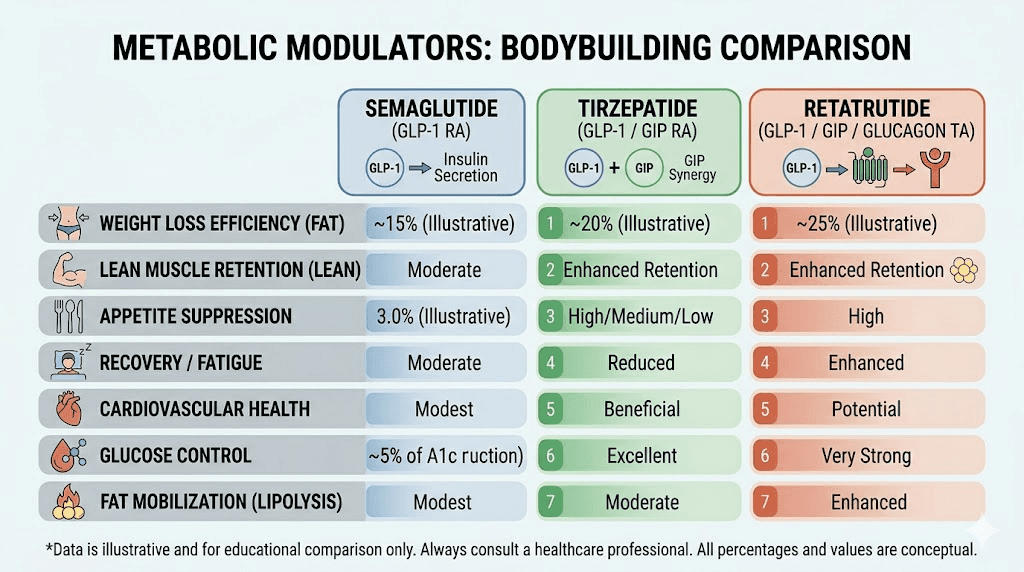
The full comparison between retatrutide and semaglutide covers mechanism, efficacy, and side effects in detail. For bodybuilding specifically, the key differences are:
Factor | Semaglutide | Retatrutide | Winner for bodybuilding |
|---|---|---|---|
Receptors targeted | 1 (GLP-1) | 3 (GLP-1, GIP, glucagon) | Retatrutide |
Total weight loss | Up to 14-15% | Up to 24% | Retatrutide |
Lean mass preservation | ~60% fat / 40% lean | ~65-75% fat / 25-35% lean | Retatrutide |
Thermogenic effect | Minimal | Significant (glucagon) | Retatrutide |
Availability | Widely available | Research/grey market only | Semaglutide |
Clinical data depth | Extensive (Phase 3+) | Limited (Phase 2/3) | Semaglutide |
Cost | Lower | Higher | Semaglutide |
Side effect profile | Well-characterized | Less characterized | Semaglutide |
Semaglutide remains the safer choice for bodybuilders who prioritize availability, cost, and known side effect profiles. Retatrutide is the more potent option for those willing to accept the additional unknowns in exchange for potentially superior body composition results.
Retatrutide vs. tirzepatide for bodybuilding
Whether retatrutide outperforms tirzepatide depends on what you prioritize. Tirzepatide has more clinical data, broader availability through compounding pharmacies, and a well-established side effect profile. The dosage comparison between the two shows different titration schedules and target doses.
For pure fat loss, retatrutide produces more total weight loss. For muscle preservation, the data is too limited for definitive conclusions, but the additional glucagon component theoretically favors retatrutide through increased thermogenesis and preferential fat mobilization. For practical accessibility, tirzepatide wins decisively. Compounding pharmacies like Empower and affordable compounded options make tirzepatide far more accessible than retatrutide at this stage.
Many bodybuilders who have used both report that retatrutide feels "cleaner" in terms of fat loss, with more noticeable visual changes in body composition per pound lost. But this is anecdotal, and selection bias, those willing to try a newer, less proven compound tend to be more experienced and disciplined, could account for better reported outcomes.
Retatrutide vs. traditional cutting agents
How does retatrutide compare to compounds bodybuilders have traditionally used for cutting? The comparison reveals why so many physique athletes are making the switch.
Traditional thermogenics (ECA stacks, clenbuterol) increase metabolic rate but do nothing for appetite. They create a jittery, stimulant-driven caloric burn that comes with cardiovascular stress and minimal muscle-sparing benefit. Retatrutide increases thermogenesis through a fundamentally different mechanism, glucagon-driven fat mobilization, without the sympathetic nervous system overstimulation.
When comparing peptides to SARMs, the risk-benefit calculus heavily favors GLP-1 agonists for cutting purposes. SARMs carry liver toxicity concerns and hormonal suppression that retatrutide does not. And while SARMs theoretically preserve muscle through direct androgenic receptor activation, the practical side effect burden makes them a less attractive option for health-conscious bodybuilders.
Real-world retatrutide bodybuilding experiences
Clinical trials tell you what happens under controlled conditions. Forum posts and documented experiences tell you what happens in the real world, where bodybuilders are stacking compounds, pushing training limits, and testing boundaries that no clinical protocol would ever approve.
What bodybuilders actually report
Across bodybuilding forums including EliteFitness, UK-Muscle, and various peptide communities, several consistent themes emerge from real-world retatrutide use.
Appetite suppression is the standout effect. Users consistently describe being able to see food, feel hungry at a low background level, but have zero compulsion to overeat. One user described it as being able to "take it or leave it" with food, with no desire for sugar or junk food and more stable energy levels throughout the day. For bodybuilders who have struggled with adherence during cuts, this alone justifies the compound.
Fat loss is visually dramatic. Users report visible changes in body composition within 3-4 weeks at working doses, with stubborn fat deposits in the lower abdomen and lower back responding noticeably. Multiple users note that retatrutide seems to pull fat from areas that traditionally resist caloric deficit alone.
Strength maintenance is achievable. Contrary to fears about muscle loss, users who maintain their training intensity and protein intake consistently report stable or near-stable strength levels. One documented 9-week protocol showed deadlift and squat performance holding steady throughout, though this was at lower doses (0.5-1mg).
Side effects are real but manageable. The most commonly reported issues include nausea (especially during dose increases), gastrointestinal disturbances, reduced sleep quality, elevated resting heart rate (one user noted a 10 bpm increase by week 4), and acid reflux when eating late in the day.
A documented 9-week retatrutide experience
One particularly detailed account provides valuable insight into the bodybuilding application. Though the user was not a competitive bodybuilder, the documented protocol offers transferable lessons.
Protocol: Started at 0.5mg weekly (weeks 1-2), increased to 1mg weekly (weeks 3+). Deliberately conservative dosing.
Appetite changes: Hunger pangs became "extremely ignorable and in the background." Reduced from normal eating patterns to roughly two meals daily. Could maintain satiety on 200-300 calorie meals.
Physical performance: Lifts remained stable or slightly improved. Heart rate elevated faster during cardio activities, with faster warm-up periods but reduced endurance. Increased sweating was notable.
Side effects: Worse sleep quality. Lower HRV (heart rate variability) and higher resting stress per smartwatch data. Morning fatigue that resolved with electrolyte supplementation. Acid reflux when eating after 8-9pm.
Unexpected benefits: Dramatically improved focus and productivity. Extended productive working hours. Reduced impulsive eating and social media use. Blood sugar remained stable on continuous glucose monitoring even with occasional high-carb meals.
The takeaway for bodybuilders: even at conservative doses, retatrutide produces meaningful appetite suppression and body composition changes while preserving training performance. Higher doses would accelerate fat loss but potentially amplify the side effects that could compromise training quality.
Common mistakes bodybuilders make with retatrutide
Learn from others rather than learning the hard way.
Mistake 1: Dosing too aggressively too fast. Bodybuilders are accustomed to pushing doses for results. With retatrutide, aggressive titration leads to severe nausea that can sideline training for days. Follow the titration schedule. The compound works. You do not need to rush it.
Mistake 2: Not eating enough protein. When appetite is suppressed, the path of least resistance is to just eat less of everything. But muscle preservation demands that protein stays high even when total calories drop. Force the protein. It is the single most important variable for preserving lean mass during a retatrutide cut.
Mistake 3: Reducing training intensity. Feeling low energy on a caloric deficit is normal. But dropping your working weights signals to your body that you no longer need the muscle you built. Maintain intensity. Reduce volume if needed, but keep the weight on the bar.
Mistake 4: Ignoring hydration and electrolytes. Reduced food intake means reduced sodium, potassium, and magnesium. These deficiencies cause fatigue, cramping, poor recovery, and reduced training performance. Supplement electrolytes proactively.
Mistake 5: Using unverified sources. Retatrutide is not yet FDA-approved and is available primarily through grey market channels. The risks of grey market peptides are real and include underdosed products, contamination, and mislabeled compounds. Research sourcing thoroughly before purchasing.
Side effects bodybuilders need to know about
Every compound has trade-offs. Retatrutide is no exception. And for bodybuilders who are pushing their bodies through intense training while simultaneously running a caloric deficit, certain side effects become more problematic than they would be for a sedentary individual losing weight.
Gastrointestinal effects and training performance
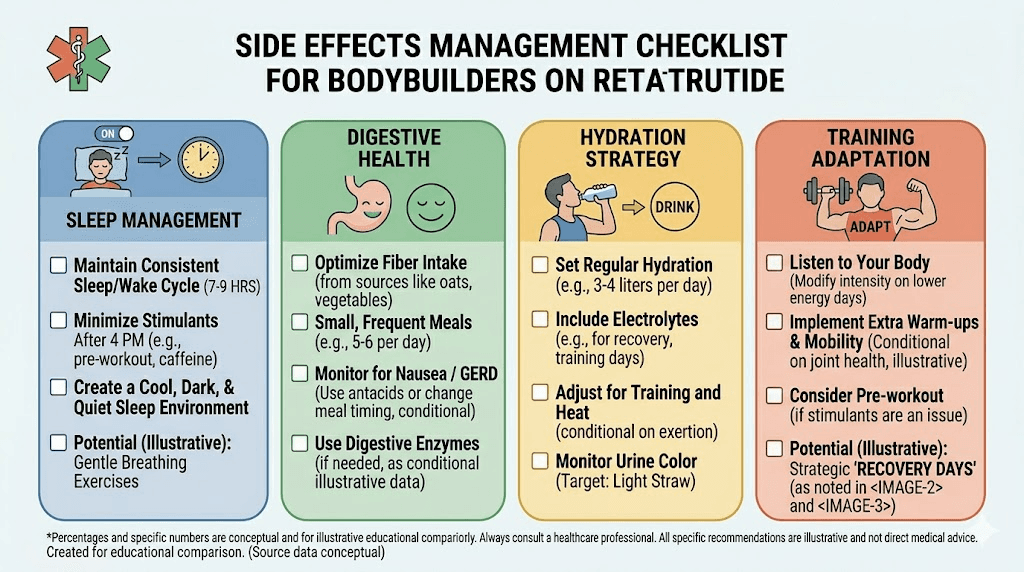
Nausea, the most common retatrutide side effect, does not pair well with heavy squats. The slowed gastric emptying that reduces appetite also means food sits in your stomach longer, and training on a full stomach becomes genuinely miserable.
Management strategies:
Time your pre-training meal 3+ hours before training (not the typical 1-2 hours)
Choose easily digestible pre-training foods (white rice, whey protein, banana)
Avoid high-fat meals before training entirely
Address constipation proactively with fiber supplementation and adequate hydration
If nausea is severe during dose increases, reduce training volume for that week rather than skipping sessions entirely
Sleep disruption and recovery
Multiple users report reduced sleep quality on retatrutide, including earlier waking, more vivid dreams, and lighter sleep overall. For a bodybuilder, sleep is when the majority of muscle repair and growth hormone release occurs. Compromised sleep directly compromises recovery and muscle preservation.
Fatigue from retatrutide is a documented concern. The mechanism is not fully understood, but it may relate to reduced caloric intake, altered glucose metabolism, or direct central nervous system effects.
Sleep optimization during retatrutide use:
Stop eating 3-4 hours before bed to prevent acid reflux from disrupting sleep
Supplement magnesium glycinate (400-600mg) before bed for both sleep quality and muscle recovery
Maintain consistent sleep and wake times
Consider melatonin (0.5-1mg) if sleep onset is delayed
Monitor sleep quality with a wearable device to quantify the impact and adjust dosing if needed
Cardiovascular considerations for athletes
The documented increase in resting heart rate (up to 10 bpm in one case) and reduced heart rate variability are concerning for athletes who rely on cardiovascular efficiency for training performance. Heart rate elevating faster during cardio means lower work capacity at any given perceived effort level.
For bodybuilders who include cardiovascular training in their cutting protocol, this means:
Steady-state cardio may feel harder at the same intensity
HIIT sessions may need longer recovery intervals
Overall cardiovascular training volume may need reduction
Monitor resting heart rate trends to identify if the elevation becomes clinically significant
Skin and appearance effects
Skin sensitivity changes have been reported by some retatrutide users. Rapid fat loss can also lead to temporary loose skin, though this is more related to the rate and amount of weight loss than to the compound itself. Hair loss concerns are less documented with retatrutide than with some other GLP-1 agonists, but the rapid weight loss itself can trigger telogen effluvium, a temporary shedding condition.
For competitive bodybuilders, skin quality on stage matters. Rapid fat loss can temporarily worsen skin appearance before it improves, so timing the end of a retatrutide protocol well before a competition allows skin to settle and tighten.
Stacking retatrutide with other compounds
Bodybuilders rarely use a single compound in isolation. The question of what to stack with retatrutide for optimal body composition results is one of the most common in the community, and one with the least clinical data to guide decisions.
Retatrutide and growth hormone
Growth hormone is the most commonly discussed stacking partner for retatrutide in bodybuilding circles. The rationale: GH promotes lipolysis and muscle preservation independently of caloric intake. Combined with retatrutide driven fat loss, the theory is that GH would further shift the fat-to-lean mass loss ratio in favor of preserving muscle.
One EliteFitness log documents a user running testosterone, EQ (equipoise), HGH, and retatrutide simultaneously during a cutting cycle. While individual compound contributions are impossible to isolate in a polypharmacy approach, the log reports impressive body composition changes with maintained training performance.
HGH fragment 176-191, a truncated version of growth hormone that specifically targets fat metabolism without the growth-promoting effects, is another theoretical stacking option. Its fat-mobilizing mechanism is complementary to retatrutide rather than redundant.
Retatrutide and testosterone
For male bodybuilders running testosterone replacement therapy (TRT) or supraphysiological doses, retatrutide stacking is particularly interesting. Testosterone provides a direct anabolic signal that counteracts the catabolic pressure of caloric restriction. Combined with retatrutide driven fat loss, this creates a powerful body recomposition environment.
The key consideration: retatrutide does not affect testosterone production directly, but the caloric restriction it enables can suppress natural testosterone production through the HPG axis. Male bodybuilders running a retatrutide cut without testosterone support may experience declining testosterone levels as their body fat drops and caloric intake decreases, compounding the risk of muscle loss.
Retatrutide and other peptides
Combining tesamorelin with retatrutide targets visceral fat through a different mechanism, with tesamorelin being a GHRH analog that promotes growth hormone release and specifically reduces abdominal fat deposits. For bodybuilders struggling with stubborn midsection fat, this combination addresses the problem from multiple angles.
Peptides specifically targeted at muscle growth, such as CJC-1295 and Ipamorelin, could theoretically complement retatrutide by providing growth hormone secretagogue effects that support muscle preservation. The Ipamorelin vs CJC-1295 comparison and the peptide stacking calculator can help plan these combinations.
For injury recovery during a cut, BPC-157 and TB-500 remain popular choices. Cutting phases increase injury risk through reduced recovery capacity, and these healing peptides can help manage soft tissue issues that might otherwise force training modifications. The BPC-157 dosage calculator provides precise dosing guidance.
Retatrutide and other GLP-1 agonists
Do not stack retatrutide with semaglutide or tirzepatide. These compounds target overlapping receptor systems, and combining them dramatically increases the risk of severe gastrointestinal side effects without proportional benefit. Combining GLP-1 agonists is not supported by any clinical evidence and is universally discouraged by healthcare providers.
If you are switching from tirzepatide to retatrutide, allow an appropriate washout period and start retatrutide at the beginning of its titration schedule rather than jumping to a dose equivalent to your tirzepatide dose.
Practical retatrutide cutting protocol for bodybuilders
Theory is useful. Application is everything. Here is a complete, actionable protocol framework for a bodybuilder running a retatrutide-assisted cut.
Protocol 1: The conservative cut (12-16 weeks)
Goal: Lose 15-25 pounds of fat while preserving maximum muscle mass
Best for: Bodybuilders at 15-20% body fat targeting 10-12%
Retatrutide dosing:
Weeks 1-4: 0.5mg weekly
Weeks 5-8: 2mg weekly
Weeks 9-12: 4mg weekly
Weeks 13-16: 4-6mg weekly (optional increase based on response)
Nutrition:
Calories: 500-750 below maintenance (deficit deepens naturally as appetite suppression increases)
Protein: 1.2g per pound of lean body mass minimum
Carbs: 150-250g (prioritized around training)
Fats: Fill remaining calories (minimum 0.3g per pound bodyweight for hormonal health)
Training:
4 days per week, upper/lower split
Heavy compounds at 85-95% of pre-cut working weights
Reduce total sets by 20% from growth phase volume
10-15 minutes low-intensity cardio post-training or on rest days
Expected results:
Weeks 1-4: 2-4 pounds total weight loss, minimal visible change
Weeks 5-8: 4-8 pounds fat loss, visible midsection changes
Weeks 9-12: 6-10 pounds fat loss, significant visual transformation
Weeks 13-16: 3-6 pounds fat loss, detail and separation emerging
Total: 15-25 pounds lost, 70-80% from fat with proper nutrition and training
Protocol 2: The aggressive cut (8-12 weeks)
Goal: Lose 20-35 pounds of fat quickly while accepting some muscle loss risk
Best for: Bodybuilders at 20-30% body fat who need significant change before a deadline
Retatrutide dosing:
Weeks 1-2: 0.5mg weekly
Weeks 3-4: 2mg weekly
Weeks 5-6: 4mg weekly
Weeks 7-8: 8mg weekly
Weeks 9-12: 8-12mg weekly
Nutrition:
Calories: 750-1,000 below maintenance
Protein: 1.4g per pound of lean body mass (higher to compensate for larger deficit)
Carbs: 100-200g (training days only at higher end)
Fats: Minimum 0.3g per pound bodyweight
Training:
3-4 days per week
Heavy compounds remain priority
Reduce volume by 30-40%
Increase cardio to 20-30 minutes post-training if tolerated
Expected results:
20-35 pounds total loss over 8-12 weeks
60-70% from fat (the larger deficit increases lean mass loss risk)
Strength may decline 5-10% on key lifts
Dramatic visual transformation
Protocol 3: The recomposition approach (16-24 weeks)
Goal: Gradually lose fat while maintaining or slightly increasing muscle mass
Best for: Intermediate lifters at 18-25% body fat who are in no rush
Retatrutide dosing:
Weeks 1-4: 0.5mg weekly
Weeks 5-8: 1-2mg weekly
Weeks 9-24: 2-4mg weekly (stay at moderate dose)
Nutrition:
Calories: Maintenance or slight deficit (200-300 below)
Protein: 1.0-1.2g per pound of lean body mass
Carbs: Moderate, prioritized around training
Fats: Moderate
Training:
4-5 days per week
Progressive overload maintained, aim for strength gains
Full training volume maintained
Moderate cardio 2-3 times per week
Expected results:
8-15 pounds of fat loss over 16-24 weeks
Potential muscle gain of 2-5 pounds (depending on training level)
Net body composition improvement without dramatic scale weight change
Strength maintenance or modest improvement
Reconstitution and practical handling for bodybuilders
Retatrutide comes as a lyophilized powder that requires reconstitution before injection. If you have experience with other peptides, the process is familiar. If not, proper handling is essential for maintaining potency and ensuring accurate dosing.
The retatrutide reconstitution chart provides specific water-to-peptide ratios for different vial sizes. For bodybuilders who have worked with peptide reconstitution before, the process follows the same principles: sterile bacteriostatic water, gentle swirling (never shaking), and proper storage.
For a standard 10mg vial, the bacteriostatic water volume determines your concentration and makes dosing easier with an insulin syringe. The reconstitution calculator takes the guesswork out of mixing.
Storage matters for potency. Proper retatrutide storage requires refrigeration after reconstitution, with the peptide remaining viable for approximately 4-6 weeks in the refrigerator. Unreconstituted powder is more stable but should still be kept cool and away from light. For bodybuilders traveling to competitions or training camps, understanding how long retatrutide remains stable outside refrigeration helps with planning.
Injection technique follows standard subcutaneous protocols. Use an insulin syringe, inject into a pinch of skin at the abdomen or thigh, and rotate injection sites to avoid localized reactions. Injection site selection should avoid areas with recent training-induced inflammation or bruising.
Sourcing and safety considerations
This is a reality check that every bodybuilder considering retatrutide needs to read carefully.
Retatrutide is not yet FDA-approved. It is currently in Phase 3 clinical trials, and approval is not expected for at least another 1-2 years at the earliest. This means every source of retatrutide available to bodybuilders right now is either a research chemical supplier or a grey market source.
Where to buy retatrutide is one of the most searched questions in the bodybuilding community, and the answer requires understanding the risks involved. Online retatrutide sources vary enormously in quality, purity, and accuracy of dosing. Finding reputable suppliers requires research into third-party testing, community reputation, and verified purity certificates.
The risks of grey market retatrutide include:
Underdosed product: A vial labeled 10mg may contain significantly less, making your carefully planned protocol ineffective
Contamination: Bacterial contamination in improperly manufactured peptides can cause serious infections
Mislabeled compounds: What you think is retatrutide may be a different peptide entirely
No recourse: If you experience adverse effects from a grey market product, there is no regulatory body to report to and no manufacturer accountability
Current retatrutide availability is limited compared to semaglutide and tirzepatide. Cost is also significantly higher, with grey market retatrutide typically running 2-3x the price of compounded tirzepatide. Bulk purchasing options reduce per-unit cost but increase the financial risk if the source proves unreliable.
For bodybuilders who decide the risk-benefit calculation favors proceeding, minimum safety precautions include: verifying third-party purity testing for every batch, starting at the lowest possible dose to gauge authenticity and potency, having a trusted healthcare provider aware of your protocol, and monitoring bloodwork regularly throughout the cycle.
Retatrutide and competition prep
For competitive bodybuilders, retatrutide introduces new strategic possibilities for contest preparation. But it also introduces complications that require careful planning.
Timing retatrutide in a prep timeline
A typical bodybuilding contest prep runs 16-20 weeks. Retatrutide requires 8-12 weeks of titration to reach a working dose. This means starting retatrutide at the beginning of prep, or even a few weeks before, to have the compound fully active during the critical fat-loss weeks.
Sample prep timeline with retatrutide:
Weeks 20-16 (pre-prep): Begin retatrutide titration at 0.5mg. Start with mild caloric deficit.
Weeks 16-12: Retatrutide at 2-4mg. Moderate deficit. Fat loss accelerating.
Weeks 12-8: Retatrutide at 4-8mg. Working dose reached. Significant fat loss phase.
Weeks 8-4: Maintain dose or reduce slightly. Fine-tuning body composition.
Weeks 4-0: Consider tapering down. Focus on water manipulation, carb loading, and peak week protocols. Retatrutide appetite suppression can complicate carb loading if dose is too high.
Peak week considerations
Retatrutide slows gastric emptying significantly. During peak week, when bodybuilders manipulate carbohydrate and water intake to fill muscles and achieve maximum vascularity, slowed digestion can throw off timing. A carb load that would normally fill you within 24-36 hours might take 48-72 hours with retatrutide still in your system.
Most competitive bodybuilders should taper or discontinue retatrutide 2-3 weeks before peak week to allow gastrointestinal function to normalize. The half-life of retatrutide means effects persist for 1-2 weeks after the last injection, so plan accordingly.
Anti-doping considerations
Retatrutide is not currently on WADA or USADA prohibited substance lists as it is still in clinical development. However, peptide hormones and their mimetics are generally prohibited in-competition and out-of-competition by most anti-doping agencies. Natural bodybuilding federations may or may not test for GLP-1 agonists, but the ethical and regulatory landscape is evolving. If you compete in tested federations, verify the current status before using any GLP-1 agonist in your prep.
The bigger picture: retatrutide in the bodybuilding landscape
GLP-1 agonists have fundamentally changed how bodybuilders approach cutting phases. What used to require monk-like discipline, elaborate meal prep, and grinding through weeks of hunger can now be managed with a once-weekly injection that makes the deficit feel almost effortless.
But that effortlessness comes with a responsibility that many overlook.
Retatrutide is a tool, not a solution. It does not replace proper nutrition. It does not replace training. It does not replace the decades of accumulated knowledge about how to diet for a show or cut for summer. What it does is remove the single biggest barrier to successful dieting: appetite. And by removing that barrier, it lets bodybuilders focus on the things that actually determine whether they preserve muscle or lose it, protein intake, training intensity, sleep quality, stress management, and intelligent programming.
SeekPeptides members access comprehensive protocol builders, dosing calculators, and evidence-based guides that take the guesswork out of peptide-assisted body composition optimization. Whether you are running your first retatrutide cycle or your fifth, having access to precise calculators, stacking guides, and storage protocols ensures you get the most from every milligram.
The future of retatrutide in bodybuilding will be shaped by Phase 3 trial results, potential FDA approval (which would improve quality and accessibility), and the growing body of real-world experience from physique athletes who are pioneering its use. For now, it represents the most pharmacologically interesting cutting tool available to bodybuilders, with a unique mechanism that no other compound can match.
For researchers serious about optimizing their physique protocols, SeekPeptides offers the most comprehensive peptide resource available, with evidence-based guides, proven protocols, and a community of thousands who have navigated these exact decisions.
Frequently asked questions
Does retatrutide build muscle?
No. Retatrutide does not directly build muscle or stimulate muscle protein synthesis. It is a fat loss and appetite suppression compound. However, it does not block muscle building either. You can train and build muscle while on retatrutide as long as you maintain adequate protein intake and follow a progressive resistance training program. The compound creates favorable conditions for body recomposition by preferentially mobilizing fat stores.
How much muscle will I lose on retatrutide?
Clinical data shows approximately 25-35% of total weight loss comes from lean mass in untrained individuals not optimizing protein or training. For bodybuilders maintaining high protein intake (1.0-1.4g per pound of lean mass), consistent heavy training, and adequate recovery, lean mass loss can be significantly less. Our complete guide on retatrutide and muscle loss covers specific strategies to minimize lean mass reduction.
Can I use retatrutide with creatine?
Yes. Creatine monohydrate is not only safe to use alongside retatrutide but actively recommended. Creatine supports intramuscular water retention, strength maintenance, and may provide anti-catabolic benefits during caloric restriction. The two compounds work through completely unrelated mechanisms with no known interaction concerns.
How long should a retatrutide bodybuilding cycle last?
Most bodybuilding-focused retatrutide protocols run 12-24 weeks including titration. The titration schedule requires 8-12 weeks to reach working dose, and most users maintain their target dose for an additional 4-12 weeks during the active cutting phase. Extended use beyond 24 weeks has not been studied in the context of athletic performance.
Is retatrutide better than clenbuterol for cutting?
They work through entirely different mechanisms and have very different risk profiles. Clenbuterol is a beta-2 agonist that increases metabolic rate through sympathetic nervous system stimulation, with significant cardiovascular risks. Retatrutide reduces appetite and increases fat mobilization through incretin and glucagon receptor activation, with primarily gastrointestinal side effects. For most bodybuilders, retatrutide offers a safer profile with more sustainable results, though neither compound is approved for bodybuilding use.
Can I stack retatrutide with tirzepatide or semaglutide?
No. Never combine GLP-1 receptor agonists. Retatrutide, tirzepatide, and semaglutide all activate the GLP-1 receptor, and combining them dramatically increases gastrointestinal side effects without proportional benefit. Our guide on combining GLP-1 agonists explains why this is universally discouraged. If you want to switch between them, follow proper transition protocols.
Does retatrutide affect testosterone levels?
Retatrutide does not directly suppress testosterone production. However, the aggressive caloric deficit it enables can indirectly suppress testosterone through the HPG axis, as the body reduces reproductive hormone production in response to energy restriction. Male bodybuilders running extended retatrutide cuts should monitor testosterone levels via bloodwork and consider whether testosterone support is appropriate for their situation.
What is the best retatrutide dose for bodybuilding?
Most bodybuilders find 4-8mg weekly to be the optimal range. This provides meaningful appetite suppression and fat mobilization without the severe gastrointestinal side effects that higher doses (8-12mg) can produce. The key is balancing sufficient appetite suppression for deficit adherence with the ability to still consume enough protein and calories to protect muscle mass. Our dosing guide covers individualized dose selection in detail.
External resources
New England Journal of Medicine - Retatrutide Phase 2 Trial Results
Cell Discovery - Structural Insights into Retatrutide Triple Agonism
In case I do not see you, good afternoon, good evening, and good night. May your cuts stay clean, your muscle stay full, and your protocols stay dialed.