Jan 18, 2026

You've done the research. You understand the science. You've got your glow peptide blend sitting in the freezer, ready to go.
And now you're stuck.
Because every source you find gives different dosing advice. One says 0.5mg daily. Another recommends 2.33mg. A third suggests cycling 5 days on, 2 days off, while a fourth insists on daily administration without breaks. The reconstitution ratios don't match. The injection volumes conflict. And nobody explains why their protocol is the right one.
This confusion costs researchers more than time. It costs results. Underdose and you waste weeks waiting for changes that never come. Overdose and you blow through expensive peptides faster than necessary while potentially increasing side effects. Get the reconstitution wrong and your carefully purchased compound degrades before you can use half the vial.
The glow peptide, that strategic combination of GHK-Cu, BPC-157, and TB-500, has become one of the most sought-after peptide stacks for tissue repair, skin rejuvenation, and systemic healing. But its complexity, three different compounds with three different mechanisms, makes proper dosing more nuanced than single-peptide protocols.
This guide breaks down everything you need to know about glow peptide dosing. Not vague recommendations, but exact protocols with specific numbers. Not conflicting advice, but evidence-based approaches that explain the reasoning behind each decision. By the time you finish reading, you'll understand precisely how much to use, when to inject, how long to cycle, and what results to expect at each stage.
SeekPeptides has compiled this comprehensive resource from clinical research, practitioner protocols, and documented user experiences to give you the clearest possible roadmap for glow peptide administration.
Let's get into the specifics.
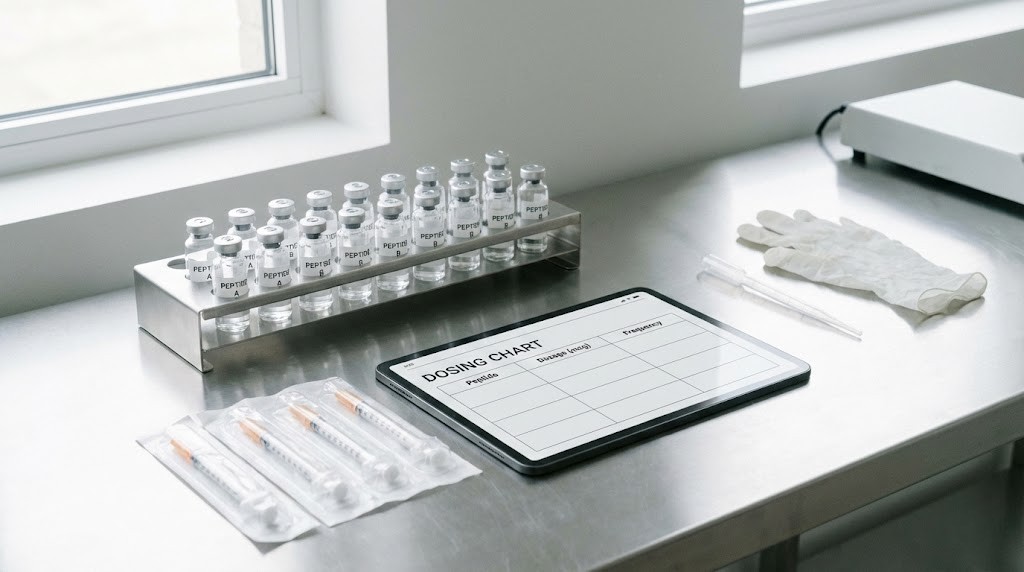
What is glow peptide and why does dosing precision matter
The glow peptide isn't a single compound. It's a carefully formulated blend of three distinct peptides, each contributing unique mechanisms to create a synergistic effect greater than any individual component could achieve alone.
A standard glow peptide formulation contains GHK-Cu (glycyl-L-histidyl-L-lysine copper complex), BPC-157 (body protection compound-157), and TB-500 (thymosin beta-4 fragment). These three compounds target overlapping but distinct biological pathways involved in tissue repair, collagen synthesis, angiogenesis, and anti-inflammatory response.
The ratio matters enormously.
Most commercial glow blends follow a 5:1:1 ratio of GHK-Cu to TB-500 to BPC-157. In a typical 42mg vial, this translates to approximately 27mg GHK-Cu, 10mg TB-500, and 5mg BPC-157. Larger 70mg formulations scale proportionally while maintaining this ratio.
Why this specific ratio? Each peptide has different effective dosing thresholds. GHK-Cu demonstrates activity at higher absolute doses than the other two components. Research shows systemic effects require milligram-range dosing for GHK-Cu, while BPC-157 and TB-500 show activity at lower concentrations. The 5:1:1 ratio ensures each component reaches its effective threshold simultaneously when administered as a blend.
Precision in dosing affects three critical outcomes.
Efficacy threshold. Below a certain dose, you won't achieve meaningful biological effects. Each component needs to reach tissue concentrations sufficient to trigger the intended pathways. Underdosing means wasting time and product without results.
Duration of effect. Peptides have relatively short half-lives. Proper dosing ensures adequate tissue concentrations throughout your target window. Too little means gaps in activity between administrations.
Cost efficiency. These blends aren't cheap. Overdosing wastes money without proportionally improving results, since receptor saturation means diminishing returns beyond optimal doses. Getting the math right means achieving maximum benefit per dollar spent.
The complexity of working with three compounds simultaneously creates more opportunities for error than single-peptide protocols. But this complexity also creates opportunity, because getting the dosing right with glow peptide unlocks synergistic benefits that none of these compounds could deliver independently.
Understanding the three components
Before diving into specific protocols, you need to understand what each component does and how it contributes to the blend's overall effects. This understanding informs dosing decisions and helps you adjust protocols based on your specific goals.
GHK-Cu: the skin and tissue regeneration peptide
GHK-Cu is a naturally occurring tripeptide, three amino acids bound to a copper ion. Your body produces it endogenously, but levels decline with age. By age 60, circulating GHK-Cu has dropped to roughly 20% of youthful levels.
The peptide works through multiple mechanisms. It modulates gene expression, upregulating genes involved in tissue repair while downregulating those associated with inflammation and tissue breakdown. Research has documented effects on over 4,000 human genes.
Primary benefits include collagen synthesis stimulation, elastin production, wound healing acceleration, and anti-inflammatory activity. Users commonly report improved skin texture, reduced fine lines, and faster recovery from tissue damage.
In preclinical studies, GHK-Cu showed activity at remarkably low doses, approximately 0.5 mcg/kg in rodent models. However, human protocols typically employ milligram-range dosing to achieve systemic effects. Research by Dr. Loren Pickart suggests total treatment doses of 100-200mg administered over 30-60 days, or approximately 1.1 mg/kg body weight.
For standalone GHK-Cu dosing, typical protocols range from 1-5mg daily. Within the glow blend, GHK-Cu comprises the largest component by mass, reflecting its higher dosing requirements relative to the other peptides.
BPC-157: the gut-brain-body connector
BPC-157 is a 15-amino-acid peptide derived from a protective compound found in human gastric juice. Unlike GHK-Cu which exists throughout the body, BPC-157 originates from the gastrointestinal system but exerts effects far beyond the gut.
The peptide demonstrates remarkable versatility. It accelerates healing in tendons, ligaments, muscles, and bones. It protects and heals the gut lining. It modulates neurotransmitter systems including dopamine and serotonin. It promotes angiogenesis, the formation of new blood vessels essential for tissue repair.
Research protocols for BPC-157 typically use 200-500mcg daily, either as a single dose or split between morning and evening administrations. For injury recovery, some practitioners recommend 250-500mcg twice daily, injected as close to the injury site as practical.
BPC-157 shows remarkable stability and can be administered orally with some retained activity, unlike most peptides which degrade in the digestive system. However, subcutaneous injection remains the most reliable administration route for consistent dosing.
Within the glow blend, BPC-157 contributes primarily to tissue repair mechanisms, gut protective effects, and anti-inflammatory activity. At the 5:1:1 ratio, daily glow peptide administration provides approximately 330mcg BPC-157, falling squarely within established effective ranges.
TB-500: the mobility and repair peptide
TB-500 is a synthetic fragment of thymosin beta-4, a naturally occurring 43-amino-acid peptide involved in cell migration, blood vessel formation, and tissue repair. The fragment retains the biologically active portion responsible for most therapeutic effects.
TB-500 works through mechanisms distinct from BPC-157, despite some overlap in outcomes. It regulates actin, a protein essential for cell structure and movement. By upregulating actin, TB-500 promotes cell migration to injury sites, accelerating the healing process. It also reduces inflammation and promotes formation of new blood vessels.
Typical standalone TB-500 protocols use 2-5mg weekly, often front-loaded with higher doses initially before tapering to maintenance levels. Some practitioners recommend 5-10mg in the first week or two, then reducing to 2-5mg weekly thereafter.
Within the glow blend at 5:1:1 ratio, daily administration provides approximately 330mcg TB-500 per dose, which accumulates to 2-2.5mg weekly with daily injections. This falls slightly below aggressive standalone protocols but within effective ranges, especially considering the synergistic effects of combination therapy.
The three peptides together create what researchers call a synergistic healing cascade. GHK-Cu modulates gene expression and provides the copper cofactor necessary for many enzymatic repair processes. BPC-157 protects tissue and promotes angiogenesis. TB-500 enhances cell migration and structural protein function. Together, they address tissue repair from multiple angles simultaneously.
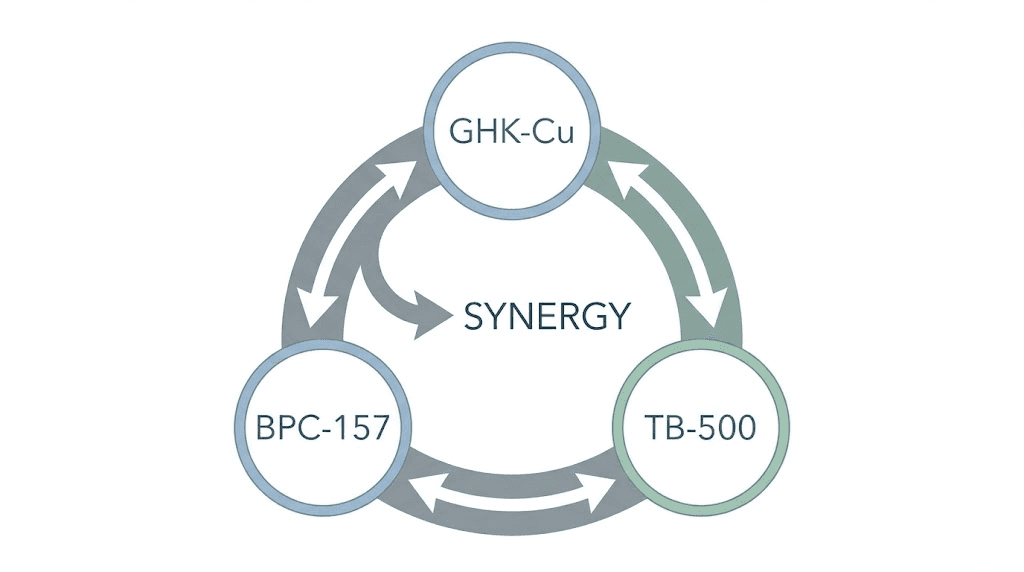
Standard glow peptide dosing protocols
Now that you understand the components, let's examine specific dosing protocols. These recommendations synthesize clinical practice, research data, and documented user experiences into actionable guidelines.
The conservative protocol (beginners)
If you're new to peptide therapy or have no prior experience with any of the three glow components, start here. This protocol prioritizes safety and tolerance assessment while still providing meaningful effects.
Daily dose: 1,165mcg (1.165mg) total blend
This breaks down to approximately:
850mcg GHK-Cu
165mcg TB-500
165mcg BPC-157
Administration: Once daily, subcutaneous injection
Cycle length: 4 weeks initial assessment
Schedule: Daily injection at a consistent time, preferably morning
At this dose level, you're working with approximately half the standard protocol. This gives your body time to adapt to the compounds, helps you identify any sensitivity issues, and allows assessment of baseline response before escalating. If tolerating well after 1-2 weeks with no adverse effects, you can increase to the standard protocol.
Use the peptide reconstitution calculator to determine exact syringe volumes based on your specific vial concentration.
The standard protocol (most users)
This is the most commonly recommended glow peptide protocol, balancing efficacy with safety and cost-effectiveness. Most users should start here after completing a 1-2 week conservative assessment period, or immediately if they have prior experience with these peptides individually.
Daily dose: 2,330mcg (2.33mg) total blend
This breaks down to approximately:
1,700mcg (1.7mg) GHK-Cu
330mcg TB-500
330mcg BPC-157
Administration: Once daily, subcutaneous injection
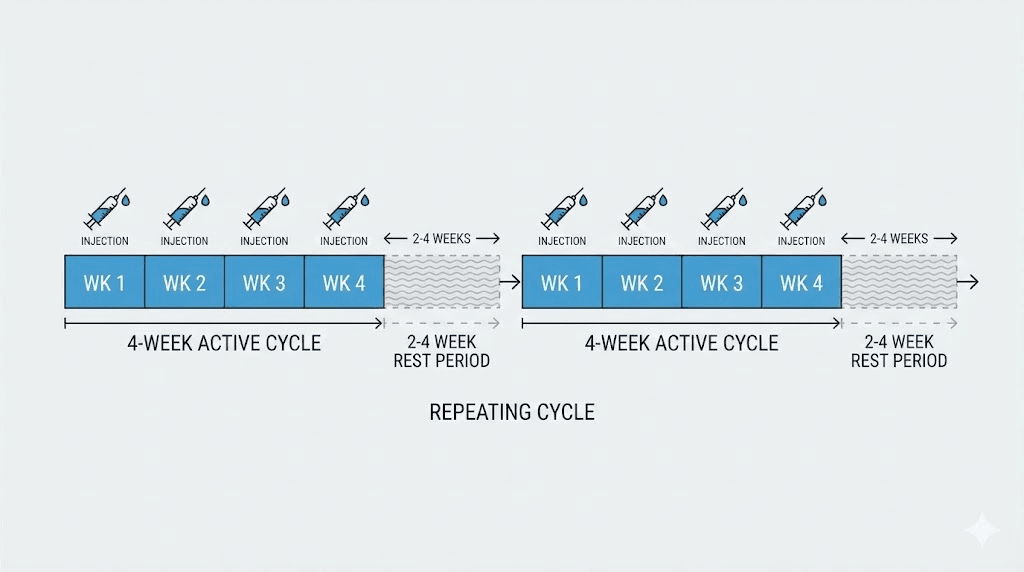
Cycle length: 4 weeks, followed by 2-4 week rest period
Schedule: Daily injection at consistent time
For a standard 70mg glow peptide vial reconstituted with 3mL bacteriostatic water, this protocol requires 0.10mL (10 units on an insulin syringe) per daily injection. This provides approximately 30 days of doses from a single vial.
The 5-days-on, 2-days-off schedule that some sources recommend evolved from peptide cycling practices aimed at preventing receptor desensitization. However, evidence for this with glow peptide components is limited, and many practitioners now favor continuous daily dosing for the duration of a cycle, followed by a complete rest period between cycles.
SeekPeptides members get access to detailed protocol tracking tools that help optimize dosing based on individual response patterns.
The intensive protocol (advanced users)
For users with established tolerance, specific therapeutic goals requiring more aggressive treatment, or those addressing significant tissue damage, higher doses may be appropriate. This protocol should only be used under professional guidance.
Daily dose: 4,660mcg (4.66mg) total blend
This breaks down to approximately:
3,400mcg (3.4mg) GHK-Cu
660mcg TB-500
660mcg BPC-157
Administration: Split into two daily injections, morning and evening
Cycle length: 2-4 weeks maximum
Schedule: Twice daily at 12-hour intervals
This protocol doubles the standard dose by splitting it across two daily administrations. The split dosing maintains more consistent tissue concentrations given peptide half-lives. It's commonly used for accelerated injury recovery or intensive anti-aging protocols.
Higher doses don't necessarily produce proportionally better results. Beyond a certain point, receptor saturation means diminishing returns. This protocol approaches the upper bounds of documented use and should not be exceeded without specific medical supervision.
Protocol comparison table
Protocol | Daily dose | GHK-Cu | TB-500 | BPC-157 | Duration | Best for |
|---|---|---|---|---|---|---|
Conservative | 1.165mg | 850mcg | 165mcg | 165mcg | 4 weeks | Beginners, assessment |
Standard | 2.33mg | 1.7mg | 330mcg | 330mcg | 4 weeks | Most users |
Intensive | 4.66mg | 3.4mg | 660mcg | 660mcg | 2-4 weeks | Advanced, injury recovery |
Complete reconstitution guide
Proper reconstitution is as important as dosing.
Errors here cascade through your entire protocol, causing incorrect concentrations, degraded peptides, and unreliable results.
What you need
Before starting, gather these supplies:
Bacteriostatic water (sterile water with 0.9% benzyl alcohol preservative)
Alcohol swabs
3mL syringe for reconstitution
0.3mL (30-unit) insulin syringes for administration
Your glow peptide vial (lyophilized powder)
Never use regular sterile water for injection. Bacteriostatic water contains preservative that prevents bacterial growth in the reconstituted solution, essential for multi-dose vials that you'll access repeatedly over weeks.
Step-by-step reconstitution process
Step 1: Calculate your water volume
For a 70mg glow peptide vial, the standard reconstitution uses 3.0mL bacteriostatic water. This creates a concentration of 23.33mg/mL.
At this concentration, 10 units (0.10mL) delivers 2.33mg, matching the standard protocol exactly.
You can adjust water volume for different concentrations, but this standard ratio simplifies calculations significantly.
Step 2: Prepare your workspace
Clean a flat surface. Wash hands thoroughly. Have all supplies within reach. Work in a clean environment away from drafts or potential contamination sources.
Step 3: Clean the vial tops
Wipe both the bacteriostatic water vial and peptide vial rubber stoppers with alcohol swabs. Allow to air dry for 30 seconds.
Step 4: Draw bacteriostatic water
Using your 3mL syringe, draw exactly 3.0mL of bacteriostatic water. Remove any air bubbles by tapping the syringe and pushing plunger slightly until only liquid remains.
Step 5: Inject water into peptide vial
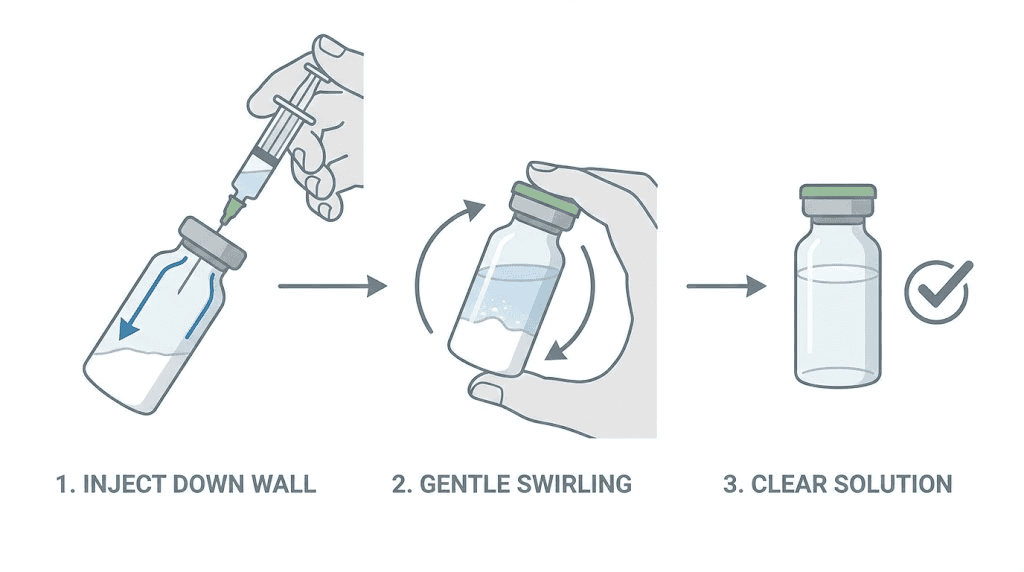
Insert needle through the peptide vial's rubber stopper. This is critical: inject slowly, allowing the water to run down the inside wall of the vial. Do not shoot the water directly at the lyophilized powder. Direct force can damage peptide structure and cause foaming.
Take 30-60 seconds to inject the full 3mL, letting it flow gently down the vial wall.
Step 6: Allow dissolution
Do not shake. Set the vial aside and let the peptide dissolve naturally. This may take 5-15 minutes. You can gently roll the vial between your palms to encourage dissolution, but never shake vigorously.
The solution should become clear. Some initial cloudiness is normal but should resolve completely. If cloudiness persists or precipitate forms, the peptide may be damaged.
Step 7: Label and store
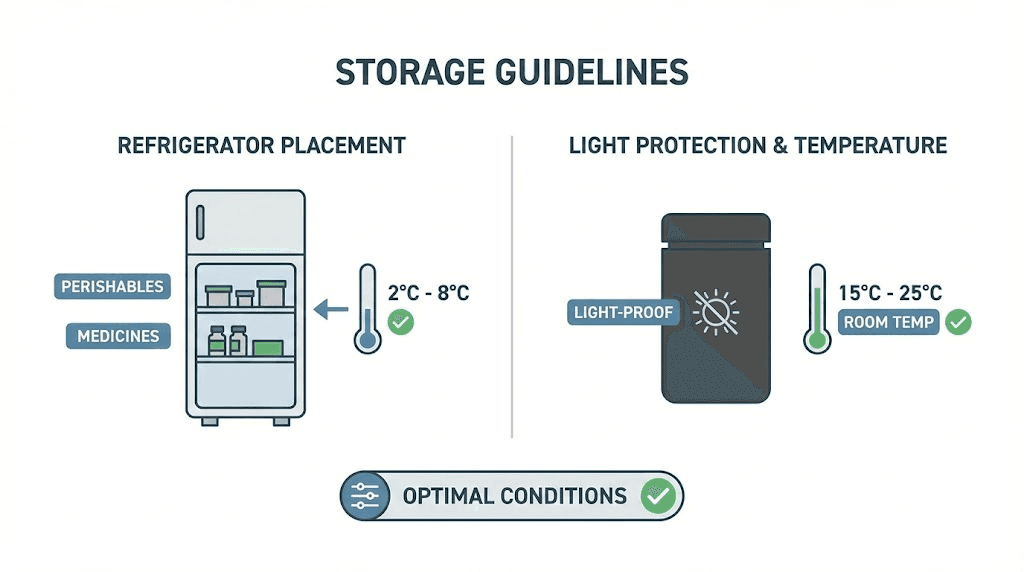
Label the vial with the reconstitution date and concentration (23.33mg/mL for 70mg in 3mL). Store in the refrigerator at 2-8°C (36-46°F). Protect from light. Use within 4 weeks for optimal potency.
Critical reconstitution mistakes to avoid
Shaking the vial. Vigorous shaking creates foam and can denature the peptide structure. This is one of the most common and destructive errors. Always swirl gently or allow passive dissolution.
Wrong water volume. Adding 2mL instead of 3mL makes your solution 50% more concentrated. Every dose becomes 50% higher than intended. Always measure precisely.
Using regular sterile water. Without preservative, bacterial growth begins immediately. Your multi-use vial becomes contaminated, potentially dangerous, and certainly degraded within days.
Storing at room temperature. Reconstituted peptides degrade rapidly outside refrigeration. Leaving your vial on the counter, even overnight, can significantly reduce potency. Always refrigerate immediately after reconstitution and between uses.
Rushing the injection. Shooting water directly at the powder causes damage. The mechanical stress from rapid injection can break peptide bonds and reduce effectiveness. Take your time.
Injection technique and site selection
With your peptide properly reconstituted, administration technique becomes the next critical variable. Proper injection ensures reliable absorption and minimizes adverse reactions.
Subcutaneous injection basics
Glow peptide is administered subcutaneously, meaning into the fatty tissue layer just beneath the skin. This route provides steady absorption over 4-6 hours, longer than intramuscular injection but with less discomfort and easier self-administration.
Needle selection: Use 30-31 gauge insulin syringes with 0.3mL (30-unit) capacity. The fine gauge minimizes discomfort. The 0.3mL capacity provides precision for the small volumes involved.
Pinch technique: Gently pinch a fold of skin at your chosen injection site. This lifts the subcutaneous layer away from muscle, ensuring the peptide deposits in the correct tissue layer.
Angle: Insert the needle at 45-90 degrees depending on your body fat percentage. Leaner individuals should use 45 degrees; those with more subcutaneous tissue can inject at 90 degrees.
Speed: Inject slowly over 5-10 seconds. Rapid injection can cause localized discomfort and irregular absorption.
Optimal injection sites
For glow peptide, the best injection sites are areas with adequate subcutaneous fat:
Abdomen: The most common site. Use the area around your navel but at least 2 inches away from it. Avoid areas with visible veins or scarring. The abdomen typically has consistent subcutaneous fat depth and good absorption.
Thigh: The front or outer thigh provides another reliable option. Use the middle third of the thigh, avoiding the inner thigh where major blood vessels run.
Upper arm: The back of the upper arm, if you can reach it comfortably, offers another option. This site is better suited for assistance from a partner.
Buttocks: The upper outer quadrant of the buttocks provides ample subcutaneous tissue. Some users prefer this site for convenience.
Site rotation strategy
Rotating injection sites prevents lipodystrophy (changes to subcutaneous fat tissue), reduces irritation, and maintains consistent absorption.
A simple rotation pattern: divide your abdomen into four quadrants (upper left, upper right, lower left, lower right). Move systematically through these four sites over four days, then begin again. If using thighs as well, add them to create a six-site rotation.
Never inject into the same exact spot on consecutive days.
Even within the same quadrant, vary the specific location by at least an inch between injections.
Timing considerations
Most protocols recommend morning administration on an empty stomach. Peptide absorption can be affected by recent food intake, though the clinical significance is debated.
The key is consistency. Whatever time you choose, maintain it throughout your cycle. Consistent timing produces consistent tissue concentrations and more reliable results.
For twice-daily intensive protocols, space injections 10-12 hours apart, such as 7am and 7pm. This maintains more stable peptide levels throughout the 24-hour period.
Cycle duration and rest periods
How long should you run a glow peptide cycle? When should you take breaks? These questions matter for both safety and sustained effectiveness.
Standard cycle timing
The most common recommendation is a 4-week active cycle followed by a 2-4 week rest period. This pattern developed from several considerations.
Receptor adaptation. Extended continuous exposure to any signaling molecule can lead to receptor downregulation, where cells reduce sensitivity to maintain homeostasis. Rest periods allow receptor sensitivity to normalize.
Assessment windows. The 4-week cycle provides enough time to assess response while the break allows evaluation of retained benefits. Some effects persist beyond active use; others require continuous administration.
Cost management. At standard dosing, a 70mg vial lasts approximately 30 days. Four-week cycles align conveniently with single-vial protocols.
Cycle structures for different goals
General anti-aging and skin health:
4 weeks on, 4 weeks off
Repeat cycles as needed
Many users report retained benefits during off periods for skin-related effects
Injury recovery:
6-8 weeks continuous, or until recovery milestone achieved
May use intensive protocol initially, tapering to standard after 2 weeks
Minimum 4-week break before starting new cycle
Athletic recovery and performance:
4 weeks on, 2 weeks off
Can continue rotating cycles during training blocks
Take extended 4-6 week break every 3-4 cycles
Chronic condition support:
Longer cycles of 8-12 weeks may be appropriate under medical supervision
Lower maintenance dosing during extended use
Regular assessment of continued benefit versus potential tolerance
What happens during rest periods
Many of the structural benefits, collagen remodeling, tissue repair, improved skin texture, persist beyond active peptide use. The compounds initiate biological processes that continue after the peptide clears your system.
Some users report that benefits accumulated over a cycle are maintained for several weeks or months during breaks. Others notice gradual decline. Individual variation is significant.
Monitor your response during rest periods. If benefits fade rapidly, shorter breaks may be appropriate. If effects persist strongly, longer rest periods optimize cost efficiency without sacrificing results.
Results timeline: what to expect week by week
Understanding realistic timelines prevents premature discouragement and helps you assess whether your protocol is working effectively.
Week 1: subtle foundations
Most users notice little during the first week. Some report improved sleep quality, likely related to BPC-157's effects on neurotransmitter systems. Others describe a sense of general wellbeing or improved recovery from workouts.
Visible changes are rare this early. The peptides are beginning their work at the cellular and molecular level, upregulating gene expression and initiating repair cascades that will manifest visibly later.
Don't expect dramatic results. If you're noticing significant immediate effects, placebo response may be contributing, which isn't necessarily bad but shouldn't set unrealistic expectations for continued dramatic improvements.
Weeks 2-3: initial changes emerge
This is when many users first notice tangible effects. Skin begins to feel different, softer, more hydrated, with improved texture becoming apparent.
Those using glow peptide for injury recovery often report reduced pain and improved function during this window. Scar tissue may begin to soften. Lingering aches and pains from old injuries sometimes diminish.
Energy levels and recovery from exercise frequently improve. Many users report feeling "younger" in terms of how their body responds to physical stress.
For gut-related goals, improvements often take longer. Some users report early benefits, but digestive improvements typically become more noticeable by week 4 or later.
Weeks 4-6: visible transformation
The 4-6 week mark is when visual changes become undeniable. Skin quality improvements are now visible to others, not just in your imagination. Fine lines appear softer. Skin tone becomes more even. Texture improves noticeably.
Injury recovery reaches meaningful milestones. Pain reduction becomes significant. Function improves substantially. Physical therapy or rehabilitation progresses faster than expected.
Systemic effects like improved sleep, better mood, increased energy, and enhanced recovery from exercise are well-established at this point. Users often report feeling noticeably different than before starting the protocol.
Weeks 7-12: peak results
Maximum benefits typically manifest between weeks 8-12 of consistent use (whether continuous or through multiple cycles). Collagen production and tissue remodeling processes reach their full expression.
For anti-aging goals, this is when before/after comparisons show the most dramatic differences. The accumulated effects of weeks of enhanced collagen synthesis and tissue repair become fully visible.
Many users photograph their progress to document changes that occurred so gradually they might otherwise go unnoticed.
Side-by-side comparisons often reveal more significant improvement than subjective perception suggests.
Factors affecting your timeline
Several variables influence how quickly you'll see results:
Age: Younger users with more cellular regenerative capacity often respond faster. Older users may need longer protocols to achieve comparable results.
Baseline condition: Starting from significant skin damage or serious injury means more ground to cover. Expect longer timelines for more dramatic initial deficits.
Protocol adherence: Missed doses, inconsistent timing, or improper storage that degrades your peptide all slow progress. Consistency matters enormously.
Lifestyle factors: Sleep quality, nutrition, sun exposure, smoking, and other lifestyle factors influence tissue health and repair capacity. Optimize these alongside peptide therapy for best results.
Individual variation: Genetic differences in receptor density, metabolic clearance, and tissue repair capacity create significant individual variation. Some people are simply better responders than others.
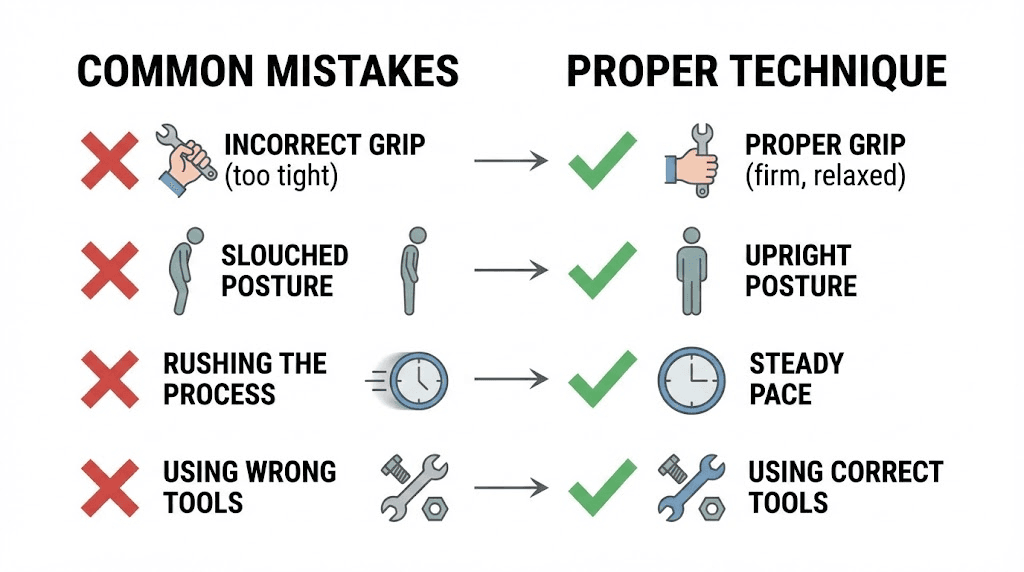
Common dosing mistakes and how to avoid them
Years of documented user experiences reveal consistent patterns of error. Learning from others' mistakes can save you time, money, and disappointment.
Mistake 1: starting too high
Enthusiasm leads many users to begin with intensive protocols without assessing tolerance first. This approach creates three problems:
First, it's harder to identify adverse reactions when starting with higher doses. A reaction that might be mild and manageable at conservative doses becomes more significant at intensive levels.
Second, it wastes peptide. If you respond well to standard doses, using intensive doses just burns through expensive product faster without proportional benefit.
Third, it leaves no room for escalation. If standard doses stop working, having started there means you can increase. Having started at intensive doses leaves nowhere to go.
Solution: Begin with conservative or standard protocols. Escalate only after confirming tolerance and assessing initial response.
Mistake 2: inconsistent timing
Irregular administration creates inconsistent tissue concentrations. Some days you're adequately dosed; other days you're below effective thresholds. This reduces overall efficacy and makes progress assessment impossible.
Common patterns include forgetting doses, shifting injection times by hours each day, and skipping weekend doses. All undermine your protocol.
Solution: Set a daily alarm. Keep your reconstituted peptide visible in the refrigerator. Build injection into an existing morning routine. Treat it as non-negotiable as brushing your teeth.
Mistake 3: improper storage
Leaving reconstituted peptide at room temperature, even briefly, accelerates degradation. Storing near the freezer element where temperatures fluctuate damages the solution. Exposing to light breaks down the compounds.
Your expensive peptide becomes progressively less potent with each storage error. You're essentially diluting your protocol without knowing it.
Solution: Store reconstituted peptide in the main refrigerator body, not the door or near the freezer. Keep it in an opaque container or wrap the vial. Never leave it out during injection preparation longer than necessary.
Check peptide storage guidelines for detailed shelf life information.
Mistake 4: ignoring reconstitution precision
Eyeballing water volume or using the wrong syringe leads to concentration errors that compound throughout your entire protocol. A 10% water error means every dose is 10% off.
Some users add significantly more water to make the vial last longer, essentially diluting below effective concentrations. Others add less water for "stronger" doses, making precise measurement more difficult.
Solution: Use exactly the recommended water volume. Use appropriately sized syringes for precision. Calculate your concentration accurately and verify your math.
Mistake 5: expecting immediate results
Peptides work through biological processes that take weeks to manifest visibly. Users who expect dramatic changes within days become discouraged and abandon protocols prematurely.
This isn't a pre-workout supplement or a painkiller. The mechanisms involved, gene expression modulation, collagen synthesis, tissue remodeling, operate on timescales of weeks to months.
Solution: Set realistic expectations aligned with the timelines described earlier. Commit to completing at least one full 4-week cycle before evaluating efficacy. Document your starting point photographically so you can objectively assess changes.
Mistake 6: neglecting rest periods
Enthusiasm and fear of losing progress lead some users to run continuous cycles without breaks. This approach risks receptor desensitization, increased cost, and diminishing returns.
The body adapts to continuous stimulation. Rest periods allow sensitivity to normalize. They're not wasted time; they're essential for sustained long-term benefit.
Solution: Follow recommended cycling protocols. View rest periods as part of the program, not interruptions to it. Monitor retained benefits during breaks to optimize your cycling frequency.
Side effects and safety considerations
Understanding potential adverse effects enables informed decision-making and appropriate risk management.
Commonly reported side effects
Most users tolerate glow peptide well. When side effects occur, they're typically mild and transient.
Injection site reactions: The most common complaint. Redness, itching, slight swelling, or mild burning at injection sites affects some users. These reactions usually resolve within hours and decrease with continued use as the body adapts. Rotation between sites minimizes this issue.
Initial fatigue: Some users report tiredness during the first few days. This typically resolves quickly and may be related to TB-500's effects on cellular energy metabolism.
Headaches: Occasional mild headaches occur in some users, particularly during the first week. Adequate hydration often helps. Persistent or severe headaches warrant discontinuation and medical evaluation.
Nausea: Uncommon but documented. Usually mild and associated with higher doses or administration timing (such as on an empty stomach that triggers sensitivity in some individuals).
Flushing: The copper component of GHK-Cu occasionally causes temporary skin flushing. This is harmless and resolves quickly.
GHK-Cu specific considerations
The copper content requires attention for those with Wilson's disease or other copper metabolism disorders. In rare cases, high-dose copper peptide use has caused temporary bluish-green skin tinting. This resolves after discontinuation.
Theoretical concerns exist about copper peptides and certain cancers, as copper is involved in angiogenesis. While research hasn't confirmed increased cancer risk, those with active malignancies or high cancer risk should discuss peptide therapy with their oncologist.
Read more about copper peptide side effects in our dedicated guide.
BPC-157 specific considerations
BPC-157 has an excellent safety profile in available research. The most frequently noted adverse effects in user reports are mild digestive disturbances when taken orally and injection site reactions.
Theoretical concerns about angiogenesis apply here as well. The same mechanisms that help heal tissue could theoretically support tumor blood supply. Again, this is theoretical rather than documented, but merits consideration for high-risk individuals.
TB-500 specific considerations
TB-500 is banned by WADA (World Anti-Doping Agency) for competitive athletes. Testing can detect use for extended periods. Athletes subject to drug testing should avoid this compound.
Some users report temporary fatigue or mood changes.
These are uncommon and typically transient. Serious adverse events are rarely reported in user documentation.
Contraindications and cautions
Consider avoiding glow peptide or consulting a physician first if you have:
Active cancer or recent cancer history
Wilson's disease or copper metabolism disorders
Pregnancy or breastfeeding
Immunocompromised status
Bleeding disorders (TB-500 may affect coagulation)
Allergy to any component
Important context
None of these peptides are FDA-approved for human therapeutic use. Available safety data comes from animal research, limited clinical trials, and user documentation rather than the rigorous safety evaluation required for approved medications.
This doesn't mean they're dangerous, but it means the full risk profile isn't established with the certainty that approved drugs provide. Users accept this uncertainty as part of working with research compounds.
Working with a knowledgeable healthcare provider who can monitor your response and manage any adverse events is strongly recommended.
Adjusting protocols for specific goals
While the standard protocol serves most users well, specific goals may benefit from adjusted approaches.
Skin and anti-aging focus
For users primarily interested in skin rejuvenation and anti-aging, consider:
Standard dosing is typically sufficient; intensive protocols don't dramatically accelerate skin changes
Longer cycles (6-8 weeks) may optimize collagen remodeling
Some practitioners recommend concurrent topical GHK-Cu application for enhanced skin-specific effects
Sun protection is essential during therapy to maximize benefits
Consider complementing with vitamin C supplementation to support collagen synthesis
Injury recovery focus
For musculoskeletal injuries, tendon/ligament repair, or post-surgical healing:
Consider starting with intensive protocol for 1-2 weeks before tapering to standard
Injection site near (but not into) injury location may enhance local effects, though systemic administration is also effective
Continue until recovery milestones achieved, extending beyond 4 weeks if necessary
Combine with appropriate physical therapy and rehabilitation
The wolverine stack (BPC-157 + TB-500 without GHK-Cu) may be preferred for pure injury focus
Gut health focus
For inflammatory gut conditions or gut healing:
BPC-157 is the primary active component for gut effects
Standard glow peptide protocol provides adequate BPC-157 dosing
Some practitioners use standalone BPC-157 for pure gut focus
Oral BPC-157 (stable variants) may provide enhanced gut-local effects
Expect longer timelines for gut-related benefits; 6-8 weeks minimum
Athletic performance and recovery
For athletic enhancement and training recovery:
Standard or conservative protocols during normal training
Intensive protocol during competition preparation or recovery from overtraining
Cycling around training blocks optimizes timing
Note: TB-500 is WADA-banned; athletes subject to testing cannot use glow peptide
Combine with energy-supporting peptides for comprehensive athletic support
Stacking glow peptide with other compounds
Some users incorporate glow peptide into broader peptide stacks. Understanding potential interactions and synergies helps inform these decisions.
Compatible stacks
GH secretagogues: Compounds like CJC-1295 or ipamorelin work through different pathways and may complement glow peptide's tissue repair effects with enhanced growth hormone signaling. These are commonly stacked without apparent interaction concerns.
Collagen-supporting compounds: Oral collagen peptides, vitamin C, and other collagen synthesis cofactors may enhance the skin benefits of glow peptide.
These support the same ultimate goal through different mechanisms.
Anti-inflammatory compounds: Peptides like KPV with distinct anti-inflammatory mechanisms may complement the anti-inflammatory effects of glow peptide components.
Potentially redundant combinations
Standalone BPC-157 or TB-500: Adding these as separate compounds to a glow peptide protocol provides no additional benefit; you're just increasing dose of compounds already present. If you want higher doses of either, adjust your glow peptide dosing rather than adding separate products.
Standalone GHK-Cu: Similarly redundant when using glow peptide.
For higher GHK-Cu dosing, adjust the blend protocol or switch to standalone GHK-Cu entirely.
Considerations for complex stacks
More compounds don't necessarily mean better results. Complex stacks increase cost, complicate protocols, and make it difficult to identify which component is responsible for effects (or adverse reactions).
Start with glow peptide alone. Assess response. Add additional compounds one at a time with adequate evaluation periods between additions.
This approach allows you to identify what's actually working and avoid paying for redundant or ineffective additions.
SeekPeptides provides comprehensive stacking guides for members planning multi-peptide protocols.
Storage, handling, and stability
Protecting your investment requires proper storage and handling practices throughout the life of your peptide.
Pre-reconstitution storage
Lyophilized (freeze-dried) glow peptide is relatively stable. Store at -20°C (-4°F) or below for maximum long-term stability. Standard freezer temperatures are adequate for storage periods up to a year or more.
If freezer storage isn't available, refrigeration at 2-8°C (36-46°F) maintains stability for several months. Room temperature storage is not recommended for extended periods but won't destroy the peptide for short durations during shipping.
Keep vials protected from light, in their original packaging or wrapped in foil.
Post-reconstitution storage
Once reconstituted, the stability equation changes dramatically. The peptide in solution is far more susceptible to degradation than lyophilized powder.
Refrigerate immediately after reconstitution at 2-8°C (36-46°F)
Never freeze reconstituted peptide (ice crystal formation damages the protein structure)
Protect from light (store in opaque container or wrap vial)
Use within 4 weeks for optimal potency
Discard if solution becomes cloudy, discolored, or develops precipitate
Many users report acceptable potency beyond 4 weeks under proper storage, but degradation is continuous once reconstituted. The 4-week guideline provides a reasonable margin of safety.
For more details, see our guide on peptide stability at room temperature.
Handling best practices
Minimize the time reconstituted vials spend out of refrigeration
Never touch the rubber stopper with anything except an alcohol-swabbed needle
Draw doses quickly and return vial to refrigerator immediately
Use a fresh needle for each vial entry to minimize contamination risk
Never share vials between users
Contamination is a significant risk with multi-dose vials. The bacteriostatic water provides some protection, but repeated access with imperfect sterile technique introduces cumulative contamination risk. Careful handling extends usable life and maintains safety.
Calculating your doses with precision
Getting the math right ensures you're actually administering what you intend. Here's how to calculate doses accurately.
The basic formula
Concentration (mg/mL) = Total peptide (mg) ÷ Water volume (mL)
For a 70mg vial with 3mL water: 70 ÷ 3 = 23.33 mg/mL
Volume to draw (mL) = Desired dose (mg) ÷ Concentration (mg/mL)
For 2.33mg dose at 23.33 mg/mL: 2.33 ÷ 23.33 = 0.10mL = 10 units on an insulin syringe
Common vial sizes and calculations
42mg vial with 1.8mL water:
Concentration: 23.33 mg/mL
Standard dose (2.33mg): 10 units
Conservative dose (1.165mg): 5 units
Vial provides approximately 18 doses at standard protocol
70mg vial with 3mL water:
Concentration: 23.33 mg/mL
Standard dose (2.33mg): 10 units
Conservative dose (1.165mg): 5 units
Vial provides approximately 30 doses at standard protocol
70mg vial with 2mL water (higher concentration):
Concentration: 35 mg/mL
Standard dose (2.33mg): 6.7 units (round to 7)
Conservative dose (1.165mg): 3.3 units (round to 3)
Smaller volumes make precise measurement more difficult
The SeekPeptides peptide calculator automates these calculations for any vial size and desired dose.
Syringe reading tips
Insulin syringes mark units, where 100 units = 1mL. This makes conversion straightforward:
0.10mL = 10 units
0.05mL = 5 units
0.20mL = 20 units
Read the syringe at eye level. The bottom of the meniscus (the curved surface of the liquid) should align with your target mark. Draw slightly more than needed, then push back to exact volume to ensure precision.
Frequently asked questions
How long does it take to see results from glow peptide?
Most users notice initial effects within 2-3 weeks, with visible skin changes becoming apparent at the 4-6 week mark. Peak results typically occur between weeks 8-12 of consistent use. Individual variation is significant, with factors like age, baseline condition, and protocol adherence affecting timelines.
For injury recovery, initial pain reduction and improved function often appear earlier than skin-related benefits.
Can I inject glow peptide into the same site every day?
No. Repeated injection into identical locations causes tissue damage and affects absorption. Rotate between at least 4 sites, such as the four quadrants of your abdomen. Never inject the exact same spot on consecutive days. Site rotation prevents lipodystrophy and maintains consistent peptide absorption.
What happens if I miss a dose?
Missing occasional doses won't dramatically impact your results, but consistency matters for optimal outcomes. If you miss a dose, simply continue with your next scheduled dose at the normal time. Don't double up to compensate. If you're missing doses frequently, reassess your routine to improve adherence. The cumulative effect of many missed doses will reduce overall efficacy.
Can I take glow peptide orally instead of injecting?
While BPC-157 shows some stability when taken orally, TB-500 and GHK-Cu require injection for reliable absorption. Taking the blend orally would provide inconsistent dosing of only one component. Subcutaneous injection remains the standard and most reliable administration route for glow peptide. If you're unable to inject, standalone oral BPC-157 formulations may be an alternative for gut-specific benefits.
Should I cycle glow peptide or use it continuously?
Cycling is recommended. Standard protocols suggest 4 weeks of active use followed by 2-4 weeks of rest. This allows receptor sensitivity to normalize and provides assessment windows. Continuous indefinite use may lead to diminishing returns. The exception is intensive injury recovery, where extended use until healing milestones is appropriate, followed by a proper rest period.
Can I mix glow peptide with other peptides in the same syringe?
Generally not recommended. Mixing multiple peptides in a single syringe can cause stability issues, unexpected interactions, or precipitation. Administer different peptides as separate injections. If your protocol includes multiple peptides, inject them at different sites or at different times of day rather than combining in one syringe.
Is glow peptide safe for women?
Yes, glow peptide is used safely by women and shows no sex-specific contraindications in available documentation. The peptide components are endogenously produced by both sexes. However, pregnant or breastfeeding women should avoid peptide therapy due to unknown effects on fetal development and insufficient safety data. Check our guide on peptides for women for more information.
How do I know if my glow peptide has gone bad?
Signs of degradation include cloudiness in previously clear solution, visible particles or precipitate, unusual odor, or discoloration. If your reconstituted peptide sat at room temperature for extended periods or has been stored longer than 4-6 weeks, assume potency loss even if it appears normal. When in doubt, discard and reconstitute a fresh vial.
External resources
For researchers serious about optimizing their peptide protocols, SeekPeptides offers the most comprehensive resource available, with evidence-based guides, proven protocols, and a community of thousands who've navigated these exact questions.
In case I don't see you, good afternoon, good evening, and good night. Join SeekPeptides.