Jan 19, 2026
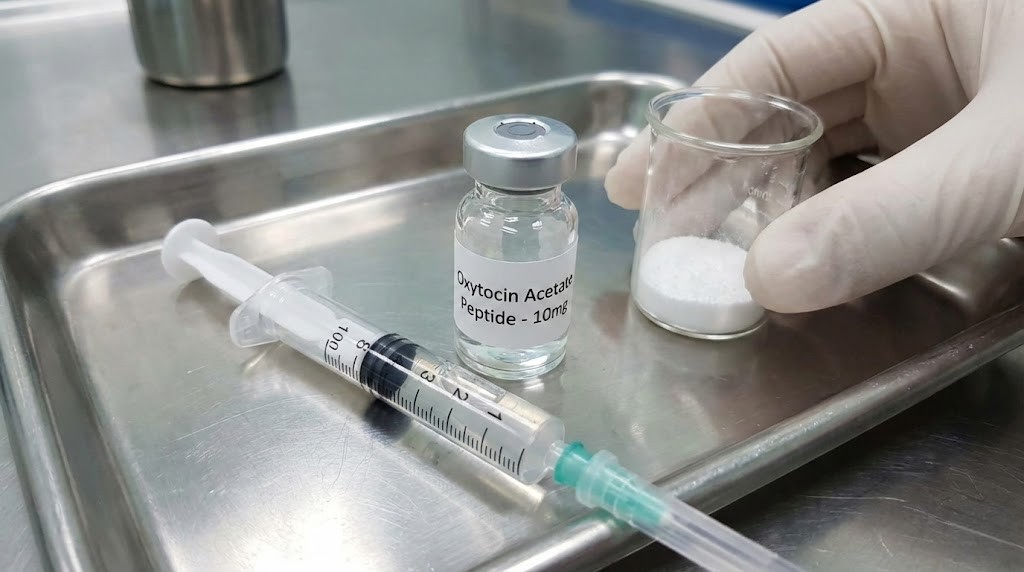
They call it the love hormone. But that name barely scratches the surface.
Oxytocin does far more than create warm feelings during a hug. This nine-amino-acid peptide influences pain perception, social behavior, stress response, sexual function, and cardiovascular health. Researchers have studied it for autism spectrum disorders, anxiety, depression, and chronic pain. The challenge? Finding the right dose.
Too little, and nothing happens. Too much, and side effects emerge. The therapeutic window matters, and it varies dramatically depending on your goals, your administration route, and your individual physiology. This guide provides complete dosage charts for oxytocin across all common administration methods, with the research-backed protocols that experienced practitioners actually use.
Whether you're working with a physician on a compounded prescription or researching oxytocin for academic purposes, understanding proper dosing is essential. The difference between effective and ineffective often comes down to a few International Units or the timing of administration. Get it right, and oxytocin can be remarkably beneficial. Get it wrong, and you're wasting time and money while potentially causing unnecessary side effects.
What is oxytocin and why does dosing matter?
Oxytocin is a naturally occurring peptide hormone produced in the hypothalamus and released by the posterior pituitary gland. Your body makes it constantly, with levels fluctuating based on social interactions, physical touch, sexual activity, and stress levels. The mechanism involves binding to oxytocin receptors throughout the body and brain, triggering cascades of effects that influence everything from uterine contractions to emotional bonding.
The pharmaceutical version entered the market in 1980 as Pitocin and Syntocinon. Hospitals have used it for decades to induce labor and manage postpartum hemorrhage. But research into oxytocin's broader effects has exploded in recent years, revealing potential applications far beyond obstetrics.
Here's what makes dosing tricky.
Oxytocin doesn't cross the blood-brain barrier efficiently when administered peripherally. Intravenous oxytocin primarily affects peripheral receptors, which is perfect for inducing uterine contractions but less useful for influencing social behavior or mood. Intranasal administration bypasses this barrier, delivering oxytocin more directly to the brain through the olfactory pathway. Different routes require different doses. Different goals require different protocols.
The research literature contains studies using doses ranging from 4 mcg to over 160 mcg daily. Some protocols call for single doses before specific activities. Others involve twice-daily administration over weeks or months. Without understanding the context and goals of each protocol, these numbers are meaningless.
The IU to mcg conversion
Before diving into specific dosages, you need to understand the measurement units. Oxytocin is measured in either International Units (IU) or micrograms (mcg). The conversion isn't always intuitive.
One International Unit of oxytocin equals approximately 1.68 micrograms of pure peptide. This conversion comes from the WHO international standard, which defines 12.5 IU as the potency of 21 mcg of pure peptide.
Here's a quick reference table:
International Units (IU) | Micrograms (mcg) | Common Use |
|---|---|---|
4 IU | ~7 mcg | Low intranasal dose |
10 IU | ~17 mcg | Standard single spray |
18 IU | ~30 mcg | Low research dose |
24 IU | ~40 mcg | Most common research dose |
32 IU | ~54 mcg | Sexual function protocols |
40 IU | ~67 mcg | High single dose |
48 IU | ~80 mcg | High daily dose (split) |
96 IU | ~160 mcg | Maximum studied daily dose |
Most compounded nasal sprays deliver approximately 10 IU per spray (about 17 mcg). A typical bottle contains 50-100 IU per milliliter, with metered pumps delivering 0.1 mL per actuation.
Intranasal oxytocin dosage protocols
Intranasal administration is the most common route for research and therapeutic applications targeting brain function. The nasal mucosa provides direct access to the central nervous system, bypassing the blood-brain barrier that limits peripheral administration.
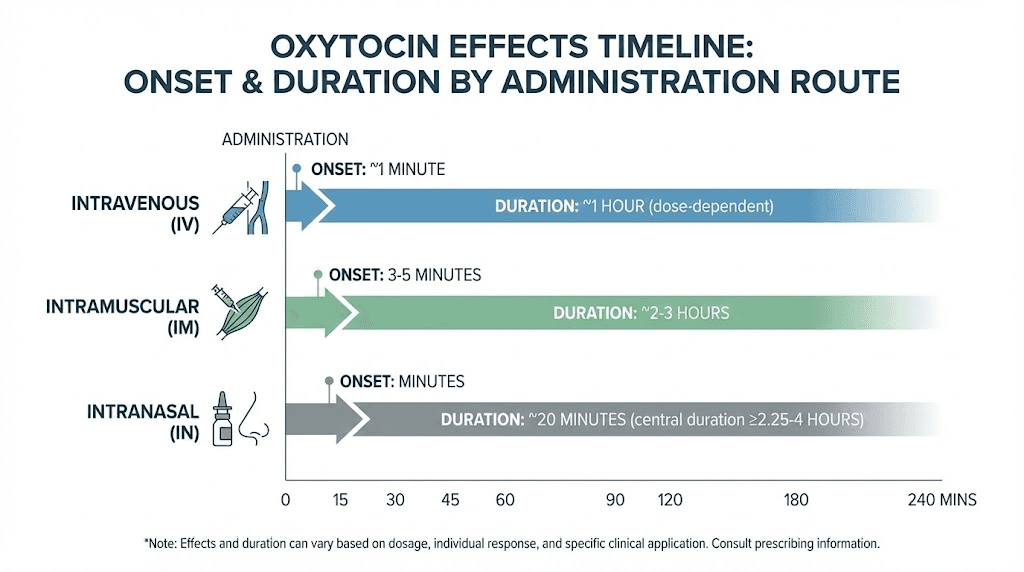
Effects begin within minutes. Studies show plasma oxytocin levels rise within 20 minutes of intranasal administration, with brain concentrations significantly higher than after intravenous injection. The effects last approximately 60-90 minutes, though some studies suggest effects may persist up to 4 hours as oxytocin continues absorbing through the nasal tissue.
Standard research protocol
The most commonly used intranasal dose in human research is 24 IU, typically administered as three sprays per nostril (with each spray delivering 4 IU). This dose has been used in hundreds of studies examining oxytocin's effects on social cognition, emotion recognition, and stress response.
Protocol details:
Dose: 24 IU (approximately 40 mcg)
Administration: 3 sprays per nostril
Timing: 30-45 minutes before desired effect
Frequency: Single dose for acute studies
Research consistently shows this dose improves eye gaze, emotion recognition, and feelings of trust in neurotypical adults. The safety profile at this dose is comparable to placebo, with only mild side effects like occasional headache or nasal irritation.
Dose-response considerations
Here's something counterintuitive that research has revealed.
More isn't always better with oxytocin. A fascinating dose-response study using 9, 18, and 36 IU showed that lower doses sometimes produced stronger effects on specific brain regions. The amygdala, crucial for emotional processing, showed maximal response at lower doses rather than higher ones.
This "less is more" phenomenon means that blindly increasing your dose when effects seem insufficient may actually be counterproductive. The optimal dose depends on what you're trying to achieve and individual variation in receptor sensitivity.
Anxiety and mood protocol
For stress relief and anxiety reduction, research suggests a slightly lower dose range may be appropriate.
Protocol details:
Dose: 10-20 IU (approximately 17-34 mcg)
Administration: 1-2 sprays per nostril
Timing: As needed, or 30 minutes before stressful situations
Frequency: Once or twice daily
This protocol leverages oxytocin's anxiolytic properties without the higher doses that might cause fatigue or other side effects. It aligns with the "social salience" hypothesis, where oxytocin enhances attention to social cues and promotes approach behavior.
For those researching peptides for anxiety, oxytocin represents one option in a broader toolkit that includes compounds like Selank and Semax.
Social cognition protocol (autism research)
Research into oxytocin for autism spectrum disorders has used various dosing protocols, with recent meta-analyses providing clearer guidance on optimal dosing.
Pediatric protocol (ages 3-12):
Dose: 16 IU twice daily (32 IU total daily)
Administration: Morning and evening
Duration: 12 weeks in clinical trials
Adult protocol:
Dose: 24 IU twice daily (48 IU total daily)
Administration: Morning and evening
Duration: Variable, typically 4-12 weeks
A 2025 meta-analysis found that high daily doses (48 IU) showed beneficial effects on social impairments, while lower doses showed no significant difference from placebo. This suggests that chronic administration for conditions like autism may require higher total daily doses than acute single-dose protocols.
Chronic administration protocol
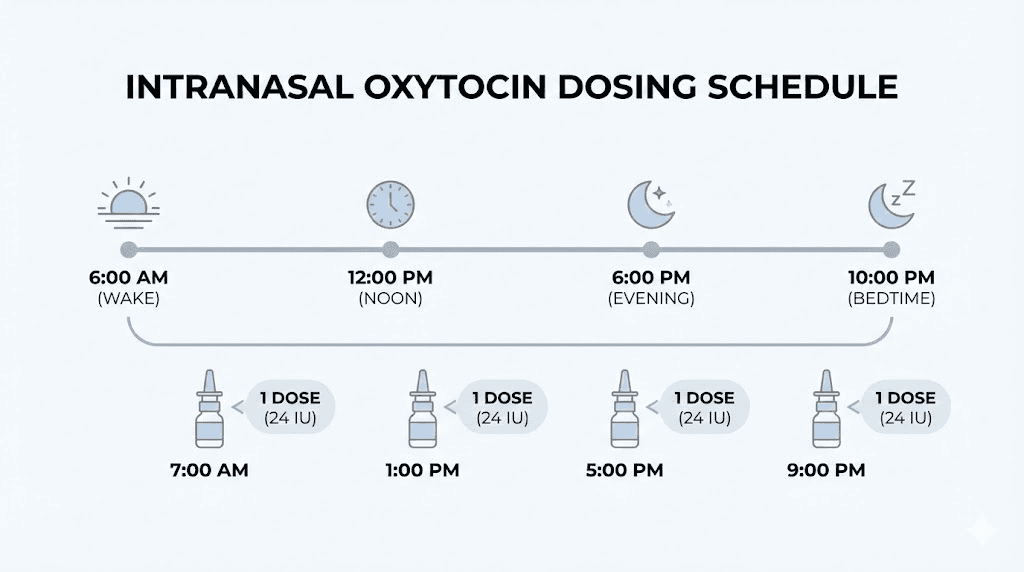
Long-term oxytocin administration differs from acute dosing. Chronic protocols typically involve lower individual doses administered more frequently to maintain steady-state levels.
Protocol details:
Dose: 12-24 IU per administration
Frequency: Twice daily (morning and evening)
Duration: 4-12 weeks typical study duration
Maximum studied: 96 IU daily (48 IU BID)
Studies using doses up to 96 IU daily have shown safety profiles similar to placebo. However, individual variation exists, and starting with lower doses before titrating up allows for assessment of individual response and tolerance.
Subcutaneous oxytocin dosage protocols
Subcutaneous injection provides an alternative route with different pharmacokinetics and effects.
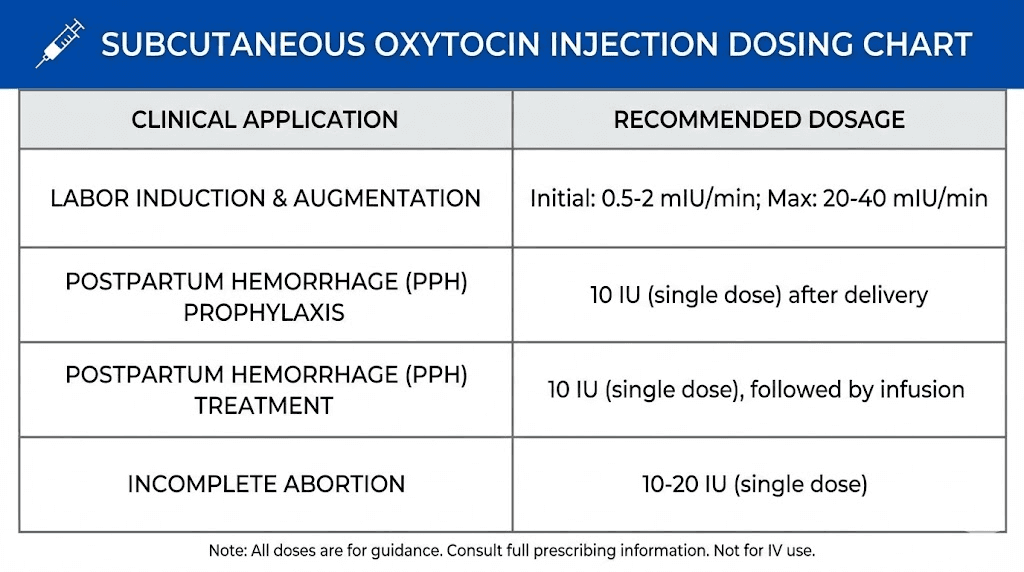
While intranasal delivery targets central receptors more effectively, subcutaneous administration primarily affects peripheral oxytocin receptors in tissues throughout the body.
This route shows particular promise for pain management. Studies demonstrate that subcutaneous oxytocin produces local analgesia, likely by acting on sensory nerves and immune cells in skin tissue. The injection technique is similar to other injectable peptides.
Pain management protocol
Research on oxytocin for chronic pain has established a working dosage range based on clinical trials.
Protocol details:
Dose: 20-40 mcg per injection
Frequency: Once or twice daily
Injection site: Subcutaneous, near area of pain when relevant
Duration: As needed for symptom management
A randomized trial in healthy adults found that just 4 mcg subcutaneously significantly reduced heat pain intensity and unpleasantness. This suggests that even very low doses can produce analgesic effects when injected locally.
For broader pain management, the 20-40 mcg range provides systemic effects while remaining well within safety parameters. Those researching peptides for pain might compare oxytocin's effects to other options like BPC-157 or TB-500.
General wellness protocol
Some practitioners use subcutaneous oxytocin for general wellness, stress management, and mood support. This protocol uses moderate doses with gradual titration.
Protocol details:
Starting dose: 100 mcg once daily
Titration: Increase by 50-100 mcg weekly if tolerated
Maintenance range: 100-500 mcg once daily
Timing: Morning or evening, consistent daily timing
This protocol acknowledges individual variation in response. Some people respond well to lower doses, while others require higher amounts to notice effects. Starting low and titrating gradually minimizes side effect risk while allowing identification of the optimal individual dose.
Reconstitution for injection
Oxytocin for injection typically comes as lyophilized powder requiring reconstitution with bacteriostatic water.
Standard reconstitution for 10mg vial:
Add 2 mL bacteriostatic water
Resulting concentration: 5 mg/mL (5000 mcg/mL)
Each 0.1 mL (10 units on insulin syringe) = 500 mcg
For more precise low-dose administration:
Add 5 mL bacteriostatic water
Resulting concentration: 2 mg/mL (2000 mcg/mL)
Each 0.1 mL = 200 mcg
Use the peptide reconstitution calculator to determine exact concentrations for your specific vial size and desired dosing precision. For guidance on proper technique, see our reconstitution guide.
Sublingual and troche dosage protocols
Oral oxytocin doesn't work.
The peptide degrades rapidly in the gastrointestinal tract before absorption.
However, sublingual and buccal administration bypass the digestive system, allowing absorption through the oral mucosa directly into the bloodstream.
Compounding pharmacies prepare oxytocin as sublingual troches (lozenges that dissolve under the tongue) and sublingual drops. These formulations provide an alternative for those who prefer not to use nasal sprays or injections.
Sublingual troche protocol
Protocol details:
Dose: Typically 10-50 IU per troche
Administration: Dissolve under tongue, allow 3-5 minutes
Timing: As prescribed, often 30-60 minutes before desired effect
Frequency: Once daily or as needed
Sublingual absorption is slower than intranasal but faster than would-be oral absorption. Effects may take 15-30 minutes to manifest. The duration is similar to intranasal, approximately 60-90 minutes of peak effect.
Combination troches
Some compounding pharmacies prepare oxytocin combined with other medications for specific applications. Common combinations include:
Tadalafil/Oxytocin troches: Combined for erectile function, leveraging oxytocin's effects on sexual arousal alongside tadalafil's vasodilatory effects.
Sildenafil/Oxytocin troches: Similar combination using sildenafil instead of tadalafil for those who prefer shorter-acting PDE5 inhibitors.
These combinations are prescribed by physicians for sexual dysfunction. For those researching peptides for erectile dysfunction, oxytocin offers a complementary mechanism to compounds like PT-141.
Oxytocin dosage for sexual function
Research consistently shows oxytocin enhances sexual experience in both men and women. The effects operate through multiple mechanisms: enhanced emotional connection, increased sensitivity to touch, and direct effects on arousal and orgasm intensity.
Protocol for sexual enhancement
Intranasal protocol:
Dose: 24-32 IU (approximately 40-54 mcg)
Timing: 30-50 minutes before sexual activity
Administration: 3-4 sprays per nostril
Clinical studies using 32 IU administered up to 50 minutes before intercourse showed significant improvements in sexual satisfaction. Effects include increased intensity of orgasm and enhanced contentment after intercourse. Both men and women reported benefits.
Research findings on efficacy:
Female Sexual Function Index (FSFI) scores increased by 26%
Sexual Quality of Life scores increased by 144%
Sexual Interest and Desire scores increased by 29%
Sexual Distress scores decreased by 36%
These findings suggest oxytocin addresses multiple dimensions of sexual function, from desire and arousal to satisfaction and emotional connection.
Considerations for men
Oxytocin enhances male sexual function through effects on erection quality, orgasm intensity, and emotional bonding. Studies report major effects on feelings of connection with partners.
However, a caution exists for long-term male use. Some evidence suggests chronic oxytocin administration may contribute to prostate enlargement. Short-term use for specific occasions appears safe, but long-term daily use in men requires careful consideration and medical supervision.
For men researching peptides for men and libido enhancement, oxytocin works well in combination with PT-141 nasal spray, which affects different pathways.
Considerations for women
Women often show particularly strong responses to oxytocin for sexual function. The peptide's effects on emotional connection and sensitivity to touch align with research showing women's sexual response is often more dependent on psychological and relational factors than purely physical stimulation.
For women over 40 experiencing changes in sexual function, oxytocin may address multiple issues simultaneously. Those researching peptides for women over 40 and peptides for menopause should consider oxytocin alongside other options like perimenopause peptides.
Complete oxytocin dosage chart by application
The following comprehensive chart summarizes dosing recommendations across all major applications. Use this as a reference, but remember that individual responses vary. Starting at the lower end of ranges and titrating based on response is always prudent.
Application | Route | Dose | Frequency | Duration |
|---|---|---|---|---|
Acute stress relief | Intranasal | 10-20 IU | As needed | Single dose |
Social anxiety | Intranasal | 24 IU | 30 min before event | Single dose |
General research | Intranasal | 24 IU | Once daily | As needed |
Sexual enhancement | Intranasal | 24-32 IU | 30-50 min before | As needed |
Autism (pediatric) | Intranasal | 16 IU BID | Twice daily | 12 weeks |
Autism (adult) | Intranasal | 24 IU BID | Twice daily | 4-12 weeks |
Mood support | Intranasal | 20-40 IU | Once daily | Ongoing |
Pain management | Subcutaneous | 20-40 mcg | Once or twice daily | Ongoing |
Local analgesia | Subcutaneous | 4-10 mcg | As needed | Single dose |
General wellness | Subcutaneous | 100-500 mcg | Once daily | Ongoing |
Sexual function | Sublingual | 10-50 IU | 30-60 min before | As needed |
Dosing by experience level
Beginners: Start at the lowest dose in any range. For intranasal use, begin with 10-12 IU (1-2 sprays per nostril) to assess tolerance before increasing.
Intermediate: Standard research doses (24 IU intranasal) after establishing tolerance. Gradual titration to optimal individual dose.
Advanced: Higher doses (40 IU+ intranasal or 300+ mcg subcutaneous) only with established tolerance and specific therapeutic goals. Medical supervision recommended.
For those new to peptides, our getting started guide provides foundational knowledge, and the common mistakes guide helps avoid pitfalls.
Timing and cycling considerations
When you take oxytocin matters as much as how much you take. The peptide's effects are acute and time-limited, making strategic timing essential for optimal results.
Optimal timing windows
Intranasal administration:
Onset: Effects begin within minutes
Peak: 20-40 minutes after administration
Duration: 60-90 minutes primary effect window
Extended effects: May persist up to 4 hours
Subcutaneous administration:
Onset: 10-20 minutes
Peak: 30-60 minutes
Duration: 2-4 hours depending on dose
Sublingual administration:
Onset: 15-30 minutes
Peak: 45-60 minutes
Duration: 60-90 minutes
For activity-specific use (social events, sexual activity, stressful situations), administer 30-50 minutes before the target window. This allows plasma levels to reach peak concentration when you need them.
Daily timing for chronic use
For twice-daily protocols, morning and evening administration provides coverage throughout the day. Typical schedules include:
Morning dose upon waking
Evening dose 6-8 hours later, or before bed
Some practitioners prefer evening-only dosing for sleep support, as oxytocin promotes relaxation and the parasympathetic "rest and recover" state.
Cycling considerations
Unlike some peptides that require cycling to prevent receptor desensitization, oxytocin research hasn't definitively established the need for cycling. However, theoretical concerns about downregulation with chronic use lead some practitioners to recommend periodic breaks.
A common approach:
Use for 4-8 weeks
Take 1-2 weeks off
Resume as needed
For those interested in peptide cycling strategies, our cycle planning guide covers principles that apply across multiple compounds. The question of cycling different peptides is addressed in our dedicated article.
Side effects and safety profile
Oxytocin has an excellent safety record in research settings. Published trials using doses up to 160 mcg daily report safety profiles similar to placebo. But side effects can occur, and understanding them helps you use oxytocin responsibly.
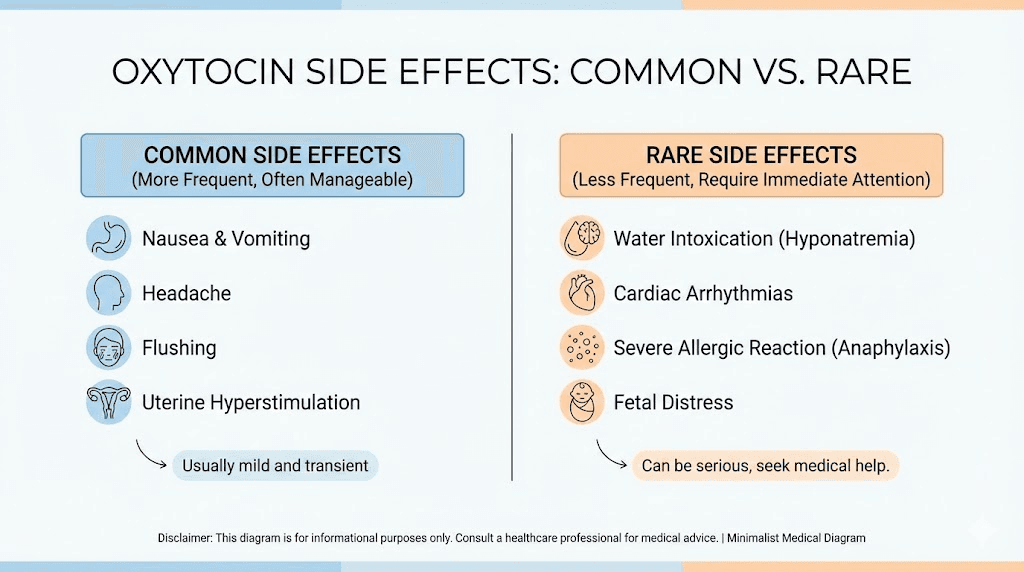
Common side effects
Mild and transient:
Headache (most common)
Nasal irritation (intranasal route)
Drowsiness or fatigue
Mild dizziness
Dry mouth or throat
These effects typically resolve within hours and often diminish with continued use as tolerance develops.
Less common side effects
Occasional reports include:
Nausea
Abdominal discomfort
Lightheadedness
Feelings of warmth or flushing
Anxiousness (in some contexts, see below)
The context dependency of effects
Here's something important that often gets overlooked.
Oxytocin amplifies social perception.
In supportive, positive environments, this feels good.
You feel more connected, more trusting, more attuned to others. But in neutral or stressful situations, the same heightened social awareness can increase anxiety, suspicion, or overanalysis of social cues.
This means oxytocin isn't a universal "feel good" substance. Its effects depend heavily on context.
Using it in negative social environments or when already stressed may amplify negative feelings rather than producing the expected positive effects.
Serious considerations
Medical supervision recommended for:
Cardiovascular conditions (oxytocin affects blood pressure)
Pregnancy (except under obstetric supervision)
History of seizures
Prostate issues in men (chronic use may worsen)
Hyponatremia risk (high-dose IV use)
Potential interactions:
Prostaglandins (additive effects on uterine activity)
Vasopressors (potential hypertensive effects)
Cyclopropane anesthesia (cardiovascular effects)
The obstetric use of IV oxytocin carries more serious risks including uterine hyperstimulation and water intoxication, which is why hospital administration involves continuous monitoring. These risks are minimal with the lower doses used in intranasal and subcutaneous protocols.
For comprehensive information on peptide safety, review our safety and risks guide.
Storage and handling
Proper storage maintains oxytocin potency and safety. Like most peptides, oxytocin degrades with exposure to heat, light, and moisture.
Storage requirements by form
Lyophilized (powder) form:
Temperature: Room temperature acceptable short-term, refrigeration preferred
Light: Protect from direct light
Humidity: Keep sealed in original container
Shelf life: 2+ years if properly stored
Reconstituted solution:
Temperature: Refrigerate at 2-8°C (36-46°F)
Never freeze
Shelf life: Use within 4-6 weeks
Keep protected from light
Nasal spray (compounded):
Refrigerate after opening
Use within expiration date on label
Keep cap on between uses
Troches:
Require refrigeration
Ship with ice packs
Store in original packaging
Our peptide storage guide provides detailed information on maintaining potency. For questions about how long peptides last in the fridge and reconstituted peptide stability, see our dedicated articles.
Handling tips
Wash hands before handling
Use sterile technique for reconstitution
Never share nasal sprays or injection equipment
Discard if solution appears cloudy or discolored
Allow refrigerated solutions to reach room temperature before injecting (reduces discomfort)
Legal status and obtaining oxytocin
Oxytocin occupies a unique regulatory position.
It's a naturally occurring hormone with FDA-approved medical uses, but intranasal and subcutaneous forms for mood, bonding, or wellness purposes are not FDA-approved.
Regulatory status
Oxytocin is legal for medical use under physician supervision. FDA-approved products (Pitocin, Syntocinon) are restricted to obstetric applications and require prescriptions filled through standard pharmacies.
Compounded oxytocin (nasal sprays, troches, injections) requires a prescription from a licensed healthcare provider.
Compounding pharmacies operating under Section 503A of the Federal Food, Drug, and Cosmetic Act can prepare these formulations for individual patients with valid prescriptions.
Unlike many research peptides discussed in our peptide legality guide, oxytocin can be legally prescribed by physicians. It's not on the FDA's Category 2 list of banned compounding substances. The peptide regulation landscape is always evolving, but oxytocin's status as a naturally occurring hormone with approved medical uses provides a firmer legal foundation than many other compounds.
Obtaining a prescription
Physicians who prescribe compounded oxytocin include:
Anti-aging and longevity medicine practitioners
Integrative medicine doctors
Functional medicine physicians
Some psychiatrists (for social anxiety, autism research)
Sexual health specialists
Finding a provider requires research. Our peptide therapy guide and clinics guide provide resources for locating qualified practitioners.
Working with compounding pharmacies
Once you have a prescription, it can be filled at licensed compounding pharmacies.
Major compounding pharmacies like Empower Pharmacy, Harbor Compounding, and CFS Pharmacy prepare oxytocin in various formulations.
Legitimate compounding pharmacies:
Require valid prescriptions
Are licensed in your state
Follow USP guidelines for compounding
Provide certificates of analysis on request
Offer consultation with pharmacists
Be wary of sources offering oxytocin without prescriptions, as these operate outside regulatory frameworks without quality assurance.
Comparing oxytocin to other peptides
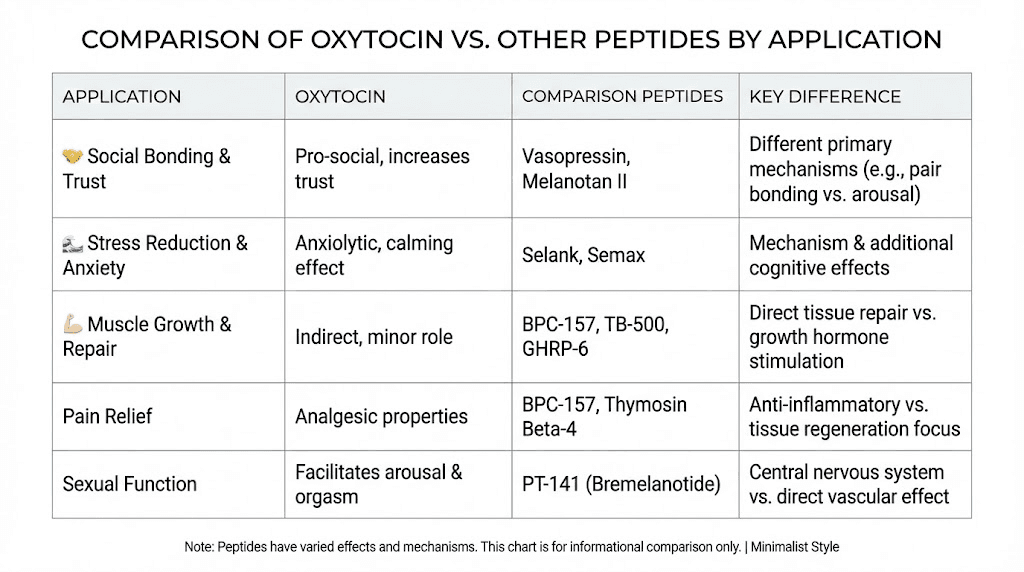
Oxytocin occupies a unique niche in the peptide landscape. Understanding how it compares to alternatives helps you choose the right tool for your goals.
For mood and anxiety
Compared to Selank and Semax, oxytocin works through different mechanisms. Selank and Semax are nootropic peptides that modulate neurotransmitter systems.
Oxytocin works through its own receptor system, primarily affecting social perception and stress response.
Oxytocin's effects are more context-dependent and socially-oriented. Selank provides more general anxiolytic effects regardless of social context. Some researchers combine them for complementary benefits.
For sexual function
PT-141 (Bremelanotide) is the primary peptide alternative for sexual function. PT-141 works through melanocortin receptors, directly stimulating arousal and desire. Oxytocin works through bonding, connection, and sensitivity to touch.
They're complementary rather than competing.
PT-141 addresses arousal more directly, while oxytocin enhances the emotional and sensory aspects of intimacy. Some practitioners recommend both for comprehensive sexual wellness.
For pain management
Peptides like BPC-157 and TB-500 address pain through healing and tissue repair mechanisms.
Oxytocin provides analgesic effects through receptor activation in sensory nerves.
For injury recovery, healing peptides likely provide more direct benefit. For chronic pain without active tissue injury, oxytocin's analgesic properties may help. Some researchers explore combinations for comprehensive pain management.
For general wellness
The complete peptide list on SeekPeptides covers compounds for various wellness goals. Oxytocin is unique in its social and emotional effects. It's not a performance enhancer, metabolic modulator, or tissue healer in the way other peptides are. Its value lies in its effects on connection, stress resilience, and emotional wellbeing.
For a comprehensive approach to peptide optimization, SeekPeptides provides detailed guides, stacking protocols, and the peptide calculator to determine exact dosing across compounds.
Research and clinical applications
Scientific understanding of oxytocin continues expanding. Recent research has explored applications far beyond the original obstetric uses.
Autism spectrum disorders
Research into oxytocin for autism represents one of the most active areas of investigation. A 2025 meta-analysis published in Frontiers in Psychiatry examined optimal dosing across randomized controlled trials.
Key findings include:
High daily doses (48 IU) showed beneficial effects on social impairments
Lower doses showed no significant difference from placebo
Chronic administration may stimulate endogenous oxytocin production
Individual variation in response suggests genetic or baseline differences in oxytocin systems
A 2024 study found that chronic intranasal oxytocin administration in children with autism stimulated their own oxytocinergic system, suggesting potential for lasting benefits beyond the treatment period.
Psychiatric applications
Researchers have explored oxytocin for various psychiatric conditions:
Social anxiety: Studies show reduced anxiety in social situations and improved ability to engage with others.
Depression: Some evidence suggests oxytocin may improve depressive symptoms, particularly those related to social withdrawal and anhedonia.
Schizophrenia: Research shows enhanced facial emotion recognition and improved social cognitive performance at doses between 10 and 40 IU.
PTSD: Preliminary research suggests potential for enhancing the therapeutic relationship and reducing hypervigilance.
Cardiovascular health
Oxytocin plays a significant role in cardiovascular function. Research shows it stimulates release of atrial natriuretic peptide (ANP), helping regulate blood pressure and fluid balance. Long-term benefits include blood pressure reduction.
For those interested in cardiogen peptide and cardiovascular health, oxytocin represents another avenue of research.
Longevity and aging
Emerging research connects oxytocin to longevity through multiple mechanisms:
Anti-inflammatory effects
Antioxidant properties
Stress resilience promotion
Enhanced social connection (associated with longevity)
Those researching peptides for anti-aging may find oxytocin's systemic effects relevant alongside more direct interventions like Epitalon or SS-31.
Practical protocols for specific goals
Moving from research to practical application, here are complete protocols for common goals.
Protocol 1: social anxiety support
Goal: Reduce social anxiety before specific events
Approach:
Form: Intranasal spray
Dose: 24 IU (3 sprays per nostril)
Timing: 30-45 minutes before event
Frequency: As needed, not daily
Expected results:
Reduced anticipatory anxiety
Improved ability to engage in conversation
Enhanced reading of social cues
Effects lasting through typical social event (1-2 hours)
Protocol 2: relationship enhancement
Goal: Enhance emotional connection and intimacy
Approach:
Form: Intranasal spray or sublingual troche
Dose: 20-32 IU
Timing: 30-50 minutes before quality time with partner
Frequency: 2-3 times per week maximum
Expected results:
Increased feelings of connection
Enhanced response to physical touch
Improved communication
Greater satisfaction with intimate experiences
Protocol 3: chronic pain support
Goal: Reduce chronic pain through analgesic effects
Approach:
Form: Subcutaneous injection
Starting dose: 20 mcg once daily
Titration: Increase by 10 mcg every 3-5 days as tolerated
Maintenance: 20-40 mcg once or twice daily
Expected results:
Reduced pain intensity
Improved pain tolerance
Secondary mood benefits
Better sleep quality
Protocol 4: general mood support
Goal: Daily mood stability and stress resilience
Approach:
Form: Intranasal or sublingual
Dose: 10-20 IU
Timing: Morning or evening, consistent daily
Duration: 4-8 week cycles with 1-2 week breaks
Expected results:
Improved baseline mood
Better stress coping
Enhanced social interactions
Improved sleep quality
SeekPeptides members access additional protocols, personalized guidance, and community support for optimizing their peptide research.
Frequently asked questions
How quickly does oxytocin work?
Intranasal oxytocin begins working within minutes, with peak plasma levels reached in 20-40 minutes. Subjective effects often begin within 10-15 minutes.
Subcutaneous injection takes 10-20 minutes for onset. Sublingual administration requires 15-30 minutes.
The time for peptides to work varies by compound and individual.
How long do oxytocin effects last?
Primary effects last 60-90 minutes after intranasal administration. Some research suggests effects may persist up to 4 hours as oxytocin continues absorbing through nasal mucosa. Subcutaneous effects last 2-4 hours depending on dose. Individual variation exists based on metabolism and receptor sensitivity.
Can I use oxytocin daily?
Research protocols have used daily oxytocin for up to 12 weeks without significant adverse effects. However, theoretical concerns about receptor desensitization lead some practitioners to recommend periodic breaks. Start with as-needed use before considering daily protocols, and always work with a healthcare provider for ongoing use.
What's the difference between nasal spray and injection?
Nasal spray primarily targets central (brain) oxytocin receptors by bypassing the blood-brain barrier. Subcutaneous injection primarily affects peripheral receptors throughout the body. For mood, social, and cognitive effects, intranasal is preferred. For pain management and peripheral effects, subcutaneous may be more appropriate.
Can oxytocin be combined with other peptides?
Oxytocin is commonly combined with other compounds.
For sexual function, it pairs well with PT-141. For anxiety, some combine it with Selank. Always research interactions and start compounds separately before combining. See our peptide stacking guide for principles.
Is oxytocin safe for men?
Short-term oxytocin use appears safe for men. However, some research suggests chronic long-term use may contribute to prostate enlargement. Men should use oxytocin on an as-needed basis rather than daily for extended periods, and discuss concerns with healthcare providers. Our peptides for men guide covers male-specific considerations.
Does oxytocin require a prescription?
Yes. Compounded oxytocin (nasal sprays, troches, injections) requires a prescription from a licensed healthcare provider. Unlike many research peptides, oxytocin has a legal pathway through compounding pharmacies. Find a provider through our peptide therapy clinics guide.
How do I store oxytocin properly?
Reconstituted oxytocin should be refrigerated at 2-8°C and used within 4-6 weeks. Lyophilized powder is stable at room temperature but benefits from refrigeration for long-term storage. Troches require refrigeration. Never freeze oxytocin solutions. See our storage guide for complete information.
What happens if I take too much oxytocin?
Excessive oxytocin can cause headache, nausea, drowsiness, and nasal irritation.
Very high doses may cause more significant effects like watery eyes, runny nose, or mood changes. Studies using up to 96 IU daily showed safety profiles similar to placebo, but staying within recommended ranges minimizes risk.
Can oxytocin help with autism?
Research shows potential benefits for social impairments in autism spectrum disorders, particularly at higher daily doses (48 IU).
Results vary by individual, and oxytocin is not FDA-approved for autism treatment. Ongoing research continues exploring this application. Always work with qualified healthcare providers for autism-related treatment.
External resources
For researchers seeking comprehensive peptide education, SeekPeptides provides the most thorough resource available, from dosing calculators to detailed protocol guides to community support from experienced researchers.
In case I don't see you, good afternoon, good evening, and good night. Join SeekPeptides.