Feb 2, 2026
A quiet problem affects hundreds of millions of people worldwide, and almost nobody talks about it openly. Overactive bladder syndrome, chronic cystitis, nocturia, benign prostatic hyperplasia. These conditions steal sleep. They limit travel. They erode confidence in ways that only people who experience them truly understand. The numbers tell a sobering story. Overactive bladder affects roughly 12 to 15 percent of the adult population in the United States alone, with prevalence climbing sharply after age 50. Benign prostatic hyperplasia appears in 50 to 60 percent of men by their sixties, reaching 80 to 90 percent by age seventy. And yet, conventional treatments often come with side effects that rival the conditions themselves. Anticholinergics cause dry mouth, constipation, and cognitive fog. Alpha-blockers cause dizziness and fatigue. Surgery carries its own risks.
This is where Vesilute enters the conversation.
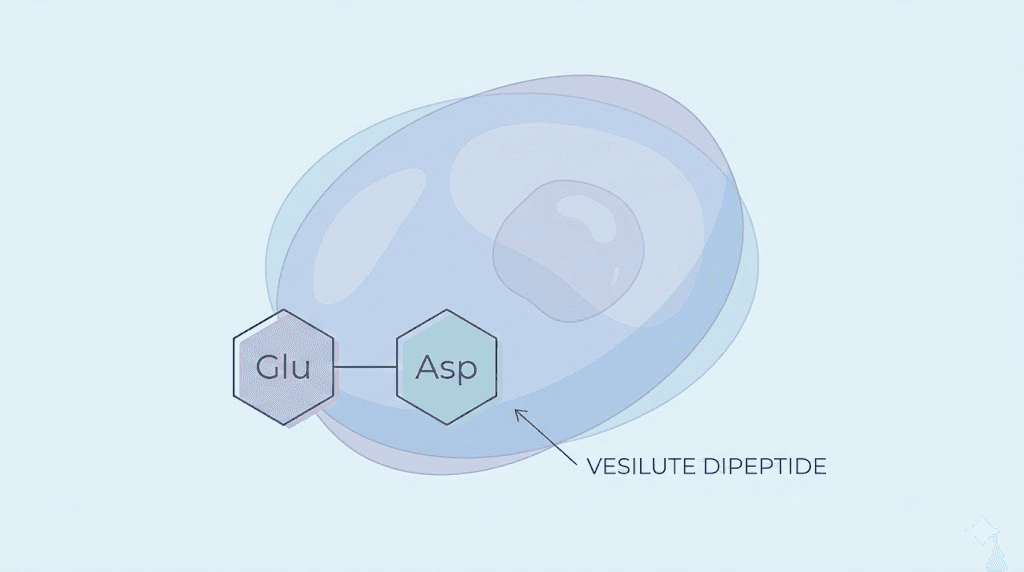
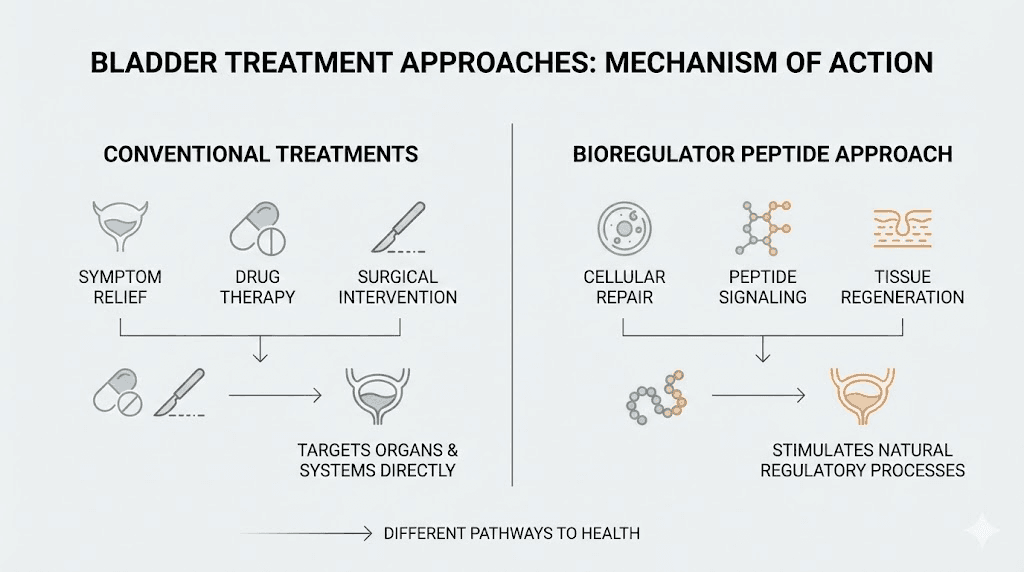
Vesilute is a dipeptide bioregulator developed through the research of Vladimir Khavinson, the Russian gerontologist who spent four decades mapping how short-chain peptides interact with DNA to restore organ function. Unlike the larger peptides that most researchers study, Vesilute consists of just two amino acids: glutamic acid and aspartic acid (Glu-Asp). This tiny molecular size allows it to penetrate directly into cell nuclei, where it interacts with chromatin structures and gene promoter regions to modulate gene expression in bladder and urinary tract tissue. The mechanism is fundamentally different from anything conventional urology offers. Rather than blocking receptors or relaxing muscles through pharmacological force, Vesilute works by restoring the cells own capacity to regulate themselves. It belongs to the Cytogen class of Khavinson peptides, the synthetic counterpart to Chitomur, the natural bladder bioregulator extracted from young animal tissue. Together, these two compounds represent a bioregulatory approach to urinary health that addresses root causes at the genetic level rather than managing symptoms at the surface. SeekPeptides has compiled the most thorough English-language resource on Vesilute, drawing from Russian clinical literature, molecular studies, and the broader bioregulator research framework.
What is Vesilute
Vesilute is a synthesized dipeptide with the amino acid sequence Glu-Asp (glutamic acid followed by aspartic acid). Its molecular formula is C9H14N2O7, and it weighs approximately 262.2 g/mol. In the Khavinson classification system, Vesilute functions as the Cytogen for the urinary bladder, meaning it is the synthetic, laboratory-manufactured version of the peptide sequence identified as the most active component in natural bladder tissue extracts.
To understand what that means, consider how the Khavinson bioregulator system works. Every organ in the body contains short peptides that regulate gene expression specific to that tissue. When Khavinson and his team extracted peptide complexes from the bladder walls of young calves, they isolated a range of short-chain peptides responsible for maintaining healthy bladder cell function. From that complex, they identified the Glu-Asp sequence as one of the primary active components. Vesilute is the synthetic reproduction of that sequence.
This places Vesilute in a specific position within the bioregulator hierarchy. It is faster-acting than its natural counterpart Chitomur, with effects accumulating approximately 20 to 30 percent faster. However, Chitomur, as a Cytomax containing the full peptide complex, is roughly 33 percent stronger overall and has a longer aftereffect duration. Many researchers follow the recommended approach of starting with Vesilute for one month and then transitioning to Chitomur for two months. This sequential protocol maximizes both speed and depth of therapeutic effect, a strategy common across all peptide stacks involving bioregulators.
The distinction between Vesilute and conventional peptide therapies is fundamental. Compounds like BPC-157 or TB-500 work by binding to receptors on cell surfaces, triggering signaling cascades from the outside. Vesilute bypasses cell surface receptors entirely. At just two amino acids long, it slips through cell membranes, crosses into the nucleus, and interacts directly with DNA and histone proteins. This is not receptor-mediated signaling. This is direct gene expression modulation.
How Vesilute works at the molecular level
The mechanism of action behind Vesilute, and all Khavinson bioregulators, centers on chromatin remodeling and gene expression regulation. Understanding this mechanism requires a brief look at how cellular aging affects gene activity.
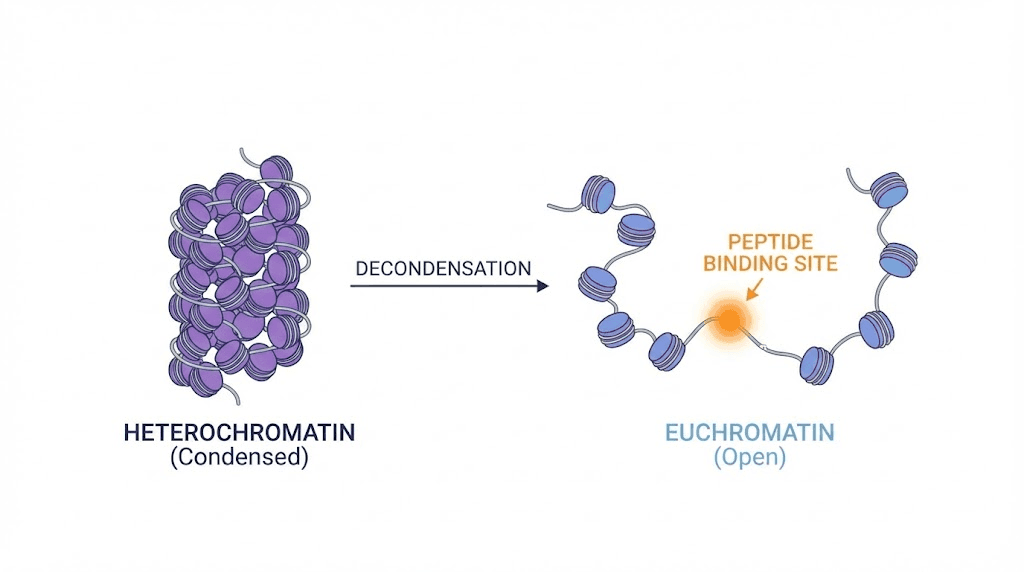
Every cell in the body contains the same DNA. What differs between a bladder cell and a brain cell is not the genes they possess, but which genes are turned on and which are turned off. Gene expression is controlled largely by chromatin structure. Chromatin exists in two primary forms: euchromatin, which is loosely packed and transcriptionally active, and heterochromatin, which is tightly condensed and transcriptionally silent. As cells age, more and more of their chromatin converts to heterochromatin. Genes that were once active become silenced. Protein synthesis declines. Cellular function deteriorates.
This is where Vesilute intervenes.
Research on Khavinson peptides has demonstrated that short peptides consisting of two to seven amino acid residues can penetrate into cell nuclei and nucleoli, where they interact with nucleosomes, histone proteins, and both single-stranded and double-stranded DNA. The DNA-peptide interactions include sequence recognition in gene promoter regions, which are critical for transcription, replication, and DNA repair. A systematic review published in Molecules confirmed these findings across multiple peptide sequences, establishing the molecular basis for bioregulator peptide research.
Vesilute specifically demonstrates affinity for AT-rich DNA sequences, particularly the ATTT motif commonly found in regulatory regions of bladder-related genes. When the Glu-Asp dipeptide binds to these sequences, it promotes chromatin decondensation, effectively shifting heterochromatin back toward euchromatin. This reactivates genes that cellular aging had silenced. Protein synthesis resumes. Cell function improves.
The chemistry behind this interaction is elegant. Acidic amino acids like glutamic acid and aspartic acid carry negative charges on their side groups. Research has shown that these acidic amino acids weaken hydrogen bonds between double-stranded DNA strands when they bind. This weakening of hydrogen bonds is precisely the mechanism that facilitates chromatin loosening and decondensation. The peptide does not break DNA. It gently relaxes the structure enough to make previously inaccessible gene regions available for transcription again.
Related studies on the AEDG peptide (Epitalon), which contains the same ED (Glu-Asp) sequence within its four-amino-acid chain, showed binding to FITC-tagged H1, H2B, H3, and H4 histones. This demonstrates that Khavinson peptides interact with the protein components of chromatin as well as with DNA directly. The histone binding capacity adds another layer to the gene expression modulation toolkit. By influencing both DNA and histones, these longevity peptides can reshape the epigenetic landscape of aging cells.
Vesilute also appears to regulate DNA methylation status. Methylation is an epigenetic mechanism that silences genes by adding methyl groups to DNA sequences.
When certain bladder-related genes become hypermethylated with age, their expression decreases or stops entirely. Bioregulators can modulate this methylation, effectively unlocking genes that aging has silenced. The result is tissue-specific regeneration driven from within the cell nucleus rather than from external pharmacological stimulation. For researchers comparing this approach with receptor-based anti-inflammatory peptides, the difference is profound. Vesilute does not simply reduce inflammation signals. It restores the cell capacity to manage inflammation on its own.
The smooth muscle connection
Beyond gene expression, Vesilute demonstrates a specific mechanism relevant to bladder function: smooth muscle regulation. The bladder wall consists primarily of detrusor smooth muscle, and dysfunction of this muscle is central to conditions like overactive bladder and urinary urgency.
Research indicates that Vesilute inhibits glycogen aggregation in bladder smooth muscle. This is significant because glycogen breakdown provides the energy for muscle contraction. By interfering with the aggregation process, Vesilute prevents the cascade that leads to excessive smooth muscle contraction and spasm. Smooth muscle contraction depends on calcium signaling. When the contraction cycle is disrupted, calcium levels decrease and heat dissipates, breaking the spasmodic cycle that characterizes overactive bladder.
The practical implications are substantial. Overactive bladder is fundamentally a problem of smooth muscle behaving inappropriately, contracting when it should not, failing to relax when it should, and generating urgency signals that do not correspond to actual bladder fullness. By addressing the smooth muscle component at both the gene expression level and the immediate biochemical level, Vesilute offers a dual mechanism that conventional treatments do not match. Anticholinergic drugs block the neurotransmitter signals that trigger contraction. Vesilute addresses why the muscle is hyperresponsive in the first place. Those researching peptides for gut health will recognize a parallel, as smooth muscle regulation is equally critical in gastrointestinal function.
The research behind Vesilute
Vesilute is one of the less extensively studied individual peptides in the Khavinson system, which is worth acknowledging directly. Most of the clinical evidence comes from the broader bioregulator research program conducted at the Saint Petersburg Institute of Bioregulation and Gerontology, with Vesilute-specific data emerging from a smaller number of targeted studies. However, the evidence that does exist is meaningful, and the mechanism is strongly supported by the extensive research on related Khavinson peptides including Epitalon, Thymalin, and Vesugen.
Overactive bladder clinical data
A prospective study involving 20 women with overactive bladder syndrome evaluated Vesilute treatment outcomes using objective urodynamic measurements. The results showed statistically significant improvements across multiple parameters.
Maximum cystometric capacity increased from 267 mL to 320 mL, representing a 20 percent improvement in bladder storage capacity. Daytime urination frequency decreased from 14 episodes to 11 episodes daily. Nocturia episodes dropped from 4 to 2 per night. Urgent incontinence episodes also decreased. These are not subtle changes. For a woman waking four times per night to urinate, reducing that to two represents a meaningful improvement in sleep quality and daily functioning.
The Chitomur clinical study, conducted at the same institute, provides additional supporting evidence for bladder bioregulators. That study enrolled 28 men aged 45 to 62 with benign prostatic hyperplasia and 31 women aged 48 to 56 with overactive bladder. The BPH patients showed improvement of both subjective and objective urodynamic indices, with uroflowmetry results in Stage I and II BPH showing restoration of basic urination parameters to normal values. The OAB group showed a 38 percent decrease in imperative micturition urges and a 43 percent decrease in urgent incontinence episodes. Bladder capacity increased by 10 to 20 percent for different urge levels, explained by researchers as a result of decreased detrusor ischemia. These numbers are published in peer-reviewed Russian medical journals and indexed on PubMed (PMID: 24640697 and PMID: 28976156).
The relationship between Vesilute and Chitomur mirrors the pattern seen across all Khavinson bioregulators. The synthetic Cytogen (Vesilute) provides faster onset, while the natural Cytomax (Chitomur) provides deeper, longer-lasting effects. Both target the same tissue through the same fundamental mechanism: restoring gene expression in bladder wall cells. For those already familiar with peptide cycling protocols, the Vesilute-to-Chitomur transition follows the standard Cytogen-to-Cytomax sequencing recommended across the entire bioregulator system.
Prostate health research
Vesilute research extends beyond the bladder to the prostate gland, which shares anatomical proximity and functional overlap with the lower urinary tract. Cytomedines including Vesilute have been shown to reduce prostate dysfunction through two primary mechanisms: improving microcirculation in prostate tissue and reducing cell proliferation.
The microcirculation effect is straightforward. Vesilute acts on vascular endothelium and smooth muscle cells within the prostate, enhancing blood flow and reducing hyperemia. Better blood flow means better nutrient delivery, better waste removal, and reduced inflammation. The anti-proliferative effect is more nuanced. Benign prostatic hyperplasia is fundamentally a condition of excessive cell growth. Prostate cells multiply beyond what is needed, enlarging the gland and compressing the urethra. Vesilute and related peptides appear to reduce this proliferation through changes in chromosome density and epigenetic factors. By modulating gene expression rather than simply blocking growth signals, the peptide addresses the underlying cellular dysregulation that drives prostate enlargement.
A PubMed-indexed study (PMID: 24640697) on peptide geroprotector application for treatment of elderly and senile patients with prostatic hyperplasia confirmed that bioregulator treatment significantly improved basic urination parameters in BPH patients. The approach is complementary to, not a replacement for, conventional BPH management. But for researchers exploring peptides for men and prostate-specific applications, Vesilute represents a unique gene-expression-based approach. The Testagen peptide, which targets testicular function, and testosterone-supporting peptides address different aspects of male hormonal health that can intersect with prostate wellness.
Fertility and sperm quality findings
An unexpected but consistent finding across Russian cytomedine research is the positive effect on male fertility parameters. Studies indicate that treatment with cytomedines, including Vesilute, produced an increase of up to 29 percent in sperm levels and 14 percent improvement in sperm viability following treatment of prostatitis. These improvements likely stem from the combined effects of reduced prostate inflammation, improved microcirculation in reproductive tissues, and restoration of healthy gene expression patterns in cells that support spermatogenesis.
The fertility data is preliminary, and the studies are small. But the findings are consistent with the broader bioregulator thesis: when you restore healthy gene expression in a tissue, all functions dependent on that tissue improve. Prostate health, urinary function, and reproductive capacity are all downstream of the same cellular processes. Address the root cause, and the downstream effects follow. For researchers studying peptides for hormone balance, this interconnection between prostate health, urinary function, and reproductive parameters illustrates how bioregulators affect entire physiological systems rather than isolated symptoms.
Vesilute vs Chitomur: the Cytogen and Cytomax relationship
Understanding the difference between Vesilute and Chitomur is essential for anyone building a bladder-focused bioregulator protocol. These two compounds target the same tissue through the same fundamental mechanism, but their practical differences matter significantly for protocol design.
Vesilute (Cytogen): the fast starter
Vesilute is the synthetic dipeptide. It consists of a single defined amino acid sequence (Glu-Asp), manufactured in a laboratory to precise specifications. Because it is a focused, pure compound rather than a complex mixture, its effects begin accumulating faster than Chitomur. Research indicates approximately 20 to 30 percent faster onset of action. This makes Vesilute ideal for the initial phase of any bladder bioregulator protocol, for short intensive courses, and for situations requiring rapid response.
However, the trade-off is potency and duration. Vesilute is approximately 33 percent less powerful than Chitomur overall, and its aftereffect, the period of continued benefit after stopping, is shorter. Where Chitomur effects may persist for 6 to 12 months, Vesilute effects typically last for a shorter window. This is not a weakness. It is by design. Cytogens are meant to kick-start the process, not sustain it indefinitely.
Chitomur (Cytomax): the deep restorer
Chitomur is extracted from the bladder wall tissues of young calves (aged up to 12 months). Unlike Vesilute, which contains a single peptide sequence, Chitomur contains the complete peptide complex found in healthy bladder tissue. This includes the Glu-Asp sequence plus additional short peptides that collectively regulate multiple aspects of bladder cell function. The broader peptide profile means Chitomur provides more comprehensive gene expression restoration than Vesilute alone.
The Chitomur clinical study demonstrated impressive results. In women with overactive bladder and climacteric syndrome, treatment produced a 38 percent decrease in imperative micturition urges and 43 percent decrease in urgent incontinence episodes. In men with BPH, uroflowmetry showed restoration of basic urination parameters to normal values. The study also confirmed that Chitomur does not cause any side effects, complications, or drug dependence, and can be used in combination with any means of symptomatic therapy used in urological practice.
Chitomur also possesses antioxidative properties, regulating peroxide oxidation processes in bladder wall tissues. This adds a layer of cellular protection beyond gene expression modulation. Oxidative stress is a significant contributor to bladder aging, and compounds that reduce oxidative damage complement the gene expression restoration provided by the peptide complex. For those exploring mitochondrial peptides like SS-31, which also address oxidative stress, the combination of Chitomur and mitochondria-targeted compounds could provide comprehensive cellular protection for bladder tissue.
The sequential protocol
The recommended approach combines both compounds in sequence. Start with Vesilute for one month to achieve rapid initial response. Then transition to Chitomur for one to two months to deepen and sustain the restoration. This mirrors the Cytogen-to-Cytomax transition used across the entire Khavinson system. Those using Vesugen (vascular Cytogen) before Ventfort (vascular Cytomax) will recognize the identical pattern. The same logic applies to brain bioregulators (Pinealon before Cerluten), immune bioregulators (Crystagen before Vladonix), and every other organ system in the Khavinson catalog.
For researchers new to getting started with peptides, the bioregulator approach offers a notably gentler entry point than injectable peptides. Capsule format eliminates the need for reconstitution, bacteriostatic water, or injection technique. The short course duration (10 to 30 days) with long breaks (months) makes compliance straightforward.
Dosing protocols for Vesilute
Vesilute dosing follows the standard Khavinson bioregulator framework, with specific adaptations for urinary tract applications. The protocols vary based on goals, age, and whether Vesilute is used alone or in combination with Chitomur.
Maintenance protocol (preventive)
For healthy individuals over 35 who want to preserve bladder function and prevent age-related urinary decline, the maintenance protocol provides a straightforward starting point.
Dosage: 2 capsules once daily before meals
Duration: 10 days
Frequency: Repeat every 6 months
Courses per year: 2
This maintenance approach leverages the prolonged aftereffect of bioregulators. Even after stopping, the gene expression changes continue producing benefits for months. Two 10-day courses per year maintain consistent bladder cell function without continuous dosing. The simplicity of this protocol makes it particularly appealing for researchers already managing complex peptide dosing schedules for other compounds.
Therapeutic protocol (active conditions)
For individuals with existing urinary conditions, including overactive bladder, chronic cystitis, nocturia, or benign prostatic hyperplasia symptoms, the therapeutic protocol increases both dose and duration.
Dosage: 2 capsules once or twice daily before meals
Duration: 30 days
Frequency: Repeat after 3 to 6 months
Courses per year: 2 to 4
After completing a 30-day Vesilute course, the recommended next step is transitioning to Chitomur for one to two months. This sequential approach provides the rapid onset of the synthetic Cytogen followed by the deeper, longer-lasting effects of the natural Cytomax. For those tracking their protocols with a peptide cycle planner, bioregulator courses fit a distinctly different pattern than traditional research peptides. The short active periods and long rest periods create a schedule that is easy to maintain over years.
Injectable research protocol
In research settings, Vesilute is sometimes used in injectable form rather than oral capsules. Injectable protocols typically use 10 to 20 mg per week, administered subcutaneously in 2 to 3 injections per week. Research duration varies from 2 to 6 weeks depending on study design and tissue regeneration goals. Those using injectable formats should follow standard peptide reconstitution procedures and the reconstitution calculator to ensure accurate preparation. Proper bacteriostatic water and sterile technique are essential for injectable administration.
Sublingual protocol
Vesilute is also available in lingual (sublingual) preparations. This route involves placing 5 to 6 drops under the tongue for 10 to 15 minutes before eating, 3 to 4 times daily for 30 days. Sublingual delivery provides immediate absorption through the oral mucosa, bypassing the digestive system entirely. After a 30-day course, a 60-day break follows before repeating. The sublingual format allows more precise dose adjustment than capsules, which can be valuable for older individuals or those new to bioregulators who prefer to start conservatively. For understanding the differences between administration routes, the injectable versus oral peptide comparison provides relevant context.
Building a urinary health bioregulator stack
Vesilute works effectively on its own, but the Khavinson system is designed for stacking. Each bioregulator targets specific DNA sequences in specific tissues, meaning there is no cross-reactivity or competition between compounds. Research demonstrated that you can safely combine up to five bioregulators simultaneously, and with 15 million patients treated over 30 years without reported adverse effects, the safety of combining bioregulators is well-established.
Core bladder and urinary stack
The foundation of any urinary health protocol combines Vesilute with its natural counterpart and supporting bioregulators.
Vesilute (bladder Cytogen) targets gene expression in bladder wall cells and sphincter tissue. Chitomur (bladder Cytomax) provides the full natural peptide complex for comprehensive bladder restoration. Vesugen (vascular Cytogen) supports microcirculation in bladder and prostate tissue. Blood supply is critical for tissue health, and improving vascular function in the pelvis enhances the effectiveness of bladder-specific bioregulators.
The sequencing matters. Start with Vesilute and Vesugen together for one month (both are Cytogens with rapid onset). Then transition to Chitomur and Ventfort (both Cytomaxes) for two months. This approach addresses both the organ-specific component and the vascular supply simultaneously.
Male urinary and prostate stack
For men dealing with BPH symptoms, nocturia, or age-related urinary changes, a more comprehensive stack targets the prostate, bladder, and supporting systems.
Vesilute for the bladder. Libidon (prostate Cytomax) or Prostamax (prostate Cytogen) for direct prostate tissue support. Testagen for hormonal balance, since testosterone levels influence prostate health. Vesugen for pelvic vascular support.
This combination addresses BPH from multiple angles: reducing bladder smooth muscle hyperactivity (Vesilute), modulating prostate cell proliferation (Libidon/Prostamax), normalizing hormonal environment (Testagen), and improving tissue blood supply (Vesugen). The multi-angle approach reflects the interconnected nature of male urinary health. For researchers already using peptides for testosterone support, adding bladder and prostate bioregulators addresses the urinary symptoms that often accompany hormonal changes.
Integrating Vesilute with the first-class stack
Khavinson identified six bioregulators as the foundation of comprehensive anti-aging: Endoluten (pineal), Vladonix (thymus), Cerluten (brain), Sigumir (joints/bones), Svetinorm (liver), and Ventfort (blood vessels). For individuals with urinary concerns, Vesilute can be added to this first-class stack as a seventh bioregulator targeting the specific tissue of concern.
The first-class stack already includes Ventfort for vascular health, which indirectly supports bladder function through improved pelvic blood supply. Adding Vesilute provides the direct bladder tissue targeting that Ventfort alone cannot deliver. For those following the complete bioregulator approach, this integration creates a protocol that addresses both systemic aging and tissue-specific urinary decline. The peptide stack calculator at SeekPeptides can help plan these multi-compound protocols.
Combining bioregulators with traditional peptides
Vesilute works through a completely different mechanism than receptor-binding peptides, which means it can be combined with conventional compounds without competition or interference. For researchers already using BPC-157 for tissue healing, the combination makes particular sense. BPC-157 accelerates repair through growth factor receptor activation, while Vesilute restores the gene expression patterns that support long-term tissue maintenance. One addresses the acute healing response. The other addresses the underlying cellular programming that determines tissue resilience.
Similarly, researchers using immune-supporting peptides like KPV for inflammation can add Vesilute for targeted bladder support. The anti-inflammatory effects of KPV complement the gene expression restoration of Vesilute, creating a layered approach that works at multiple biological levels. Understanding how many peptides can be taken at once helps researchers design protocols that incorporate both bioregulators and traditional compounds effectively.
Conditions Vesilute may address
The research on Vesilute and related bladder bioregulators suggests potential applications across several urinary and pelvic conditions. Each application draws on the same core mechanism, restoring healthy gene expression in bladder and urinary tract tissues, but the practical implications differ by condition.
Overactive bladder syndrome
Overactive bladder (OAB) is characterized by urinary urgency, with or without urge incontinence, usually accompanied by frequency and nocturia. It affects roughly 12 to 15 percent of the US adult population, with prevalence increasing significantly with age. The economic burden is staggering: an estimated 66 billion USD annually in the United States alone.
Current first-line treatments, primarily anticholinergic drugs, work by blocking acetylcholine receptors on the detrusor muscle. This reduces contraction but also affects cholinergic receptors throughout the body, causing dry mouth in up to 30 percent of patients, constipation, blurred vision, and concerning cognitive effects, particularly in older adults. A meta-analysis published in JAMA Internal Medicine linked long-term anticholinergic use to increased dementia risk.
Vesilute approaches OAB from a fundamentally different direction. Rather than blocking neurotransmitter signaling, it restores normal smooth muscle regulation by modulating gene expression in detrusor cells and inhibiting glycogen aggregation that drives inappropriate contractions. The clinical data showing increased bladder capacity (267 to 320 mL), reduced daytime frequency (14 to 11 episodes), and reduced nocturia (4 to 2 episodes) demonstrates that this approach can produce clinically meaningful improvements without the side effect profile of anticholinergics.
Benign prostatic hyperplasia
BPH affects the majority of men as they age, with histological evidence present in 50 to 60 percent of men by their sixties and 80 to 90 percent by their seventies. Up to 50 percent of men with bladder outlet obstruction from BPH also have OAB symptoms, creating a compounding burden.
Conventional BPH management uses alpha-blockers (tamsulosin, alfuzosin) to relax prostate smooth muscle and 5-alpha-reductase inhibitors (finasteride, dutasteride) to reduce prostate size. Both classes carry significant side effects. Alpha-blockers cause dizziness, retrograde ejaculation, and orthostatic hypotension. 5-alpha-reductase inhibitors can cause sexual dysfunction that sometimes persists after discontinuation.
Bioregulator peptides, including Vesilute for the bladder component and Libidon/Prostamax for the prostate component, address BPH through epigenetic modulation of cell proliferation and improved tissue microcirculation. The clinical data shows restoration of basic urination parameters in Stage I and II BPH, which suggests that bioregulators can meaningfully support conventional management of this extremely common condition. Those interested in the broader picture of peptides for men will find BPH management an important application area.
Chronic cystitis
Chronic cystitis, recurring inflammation of the bladder, often resists conventional treatment. Antibiotics address bacterial causes but do nothing for the structural and functional changes that make the bladder vulnerable to recurrence. Vesilute targets these underlying tissue changes by restoring healthy gene expression in bladder wall cells, potentially improving the tissue resilience that determines whether cystitis resolves permanently or recurs repeatedly.
The anti-inflammatory and antioxidative properties observed in Chitomur studies are directly relevant here. Chronic inflammation and oxidative stress create a self-reinforcing cycle: inflammation damages cells, which produce more inflammatory signals, which cause more damage. Breaking this cycle requires addressing both the inflammation itself and the cellular capacity to manage inflammatory processes. Bioregulators work on the latter, restoring the cell own regulatory mechanisms rather than externally suppressing inflammation.
Nocturia and sleep disruption
Nocturia, defined as waking at night to urinate, has a dramatically underappreciated impact on health. Even one nightly bathroom visit disrupts sleep architecture. Two or more episodes fragment sleep so severely that many sleep researchers consider it equivalent to a sleep disorder. The downstream effects cascade through every system: impaired cognitive function, weakened immunity, metabolic disruption, increased fall risk in elderly populations, and reduced quality of life across all measures.
The Vesilute clinical data showing reduction from 4 nocturia episodes to 2 per night is particularly significant when viewed through this lens. This is not just a urinary improvement. It is a sleep improvement, a cognitive improvement, an immune improvement, and a quality-of-life improvement all in one. For researchers exploring sleep-supporting peptides like DSIP or pineal peptides for sleep, addressing nocturia through bladder bioregulation removes a mechanical barrier to sleep quality that no amount of sleep-promoting compounds can overcome.
Age-related urinary decline
Even without diagnosed conditions, bladder function declines with age. Bladder capacity decreases. Detrusor muscle strength changes.
Sensation patterns shift. These changes are driven largely by the same mechanism bioregulators address: declining gene expression in aging tissue. By maintaining healthy bladder cell function through periodic bioregulator courses, researchers may prevent or delay the onset of clinical urinary conditions. The Khavinson approach to anti-aging has always been preventive rather than reactive, addressing tissue decline before it manifests as disease.
Safety, side effects, and important considerations
The safety profile of Vesilute reflects the broader Khavinson bioregulator safety record. With over 15 million patients treated across 30 years of clinical use in Russia and Eastern Europe, no significant toxic, allergic, or adverse effects have been reported for any bioregulator peptide. The Chitomur clinical study specifically confirmed that the bladder bioregulator does not cause any side effects, complications, or drug dependence.
This safety record has a logical basis. Vesilute is a dipeptide consisting of two amino acids that are naturally present in the human body. The body recognizes it as its own. It normalizes protein synthesis but cannot overstimulate it. This self-limiting property is fundamentally different from pharmacological agents that force biological processes in one direction. An anticholinergic drug will block acetylcholine signaling regardless of whether that signaling is appropriate or not. A bioregulator restores the cell capacity to regulate itself, and self-regulating cells do not overshoot their targets.
That said, standard precautions apply.
Contraindications include individual intolerance to any component, pregnancy, and lactation. Children should consult a healthcare provider before use.
Rare reported effects in the injectable form include mild injection site irritation, which resolves on its own. Oral capsule forms have extremely rare side effects. Some individuals report mild digestive upset, typically transient. Proper peptide safety protocols should be followed for any form of administration.
Drug interactions are minimal. The Chitomur study confirmed that bioregulators can be used in combination with any symptomatic therapy used in urological practice. This compatibility makes Vesilute easy to integrate into existing treatment regimens. However, individuals on anticoagulant therapy should note that improvements in microcirculation could theoretically interact with blood-thinning medications, and consulting a healthcare provider is advisable.
Storage is straightforward. Capsule-form bioregulators are remarkably stable and do not require refrigeration in most cases. Store in a cool, dry place away from direct sunlight. Injectable Vesilute follows standard peptide storage guidelines. For those tracking peptide shelf life, bioregulator capsules are among the most resilient peptide formats available, maintaining stability at room temperature far better than most reconstituted compounds.
Quality sourcing remains critical. As with all peptide research, verifying the purity and authenticity of bioregulator products is essential. The bioregulator market includes products of varying quality, and using verified sources ensures that the peptide content matches what is claimed on the label. For those new to evaluating peptide sources, understanding peptide vial research best practices applies equally to capsule-form bioregulators.
Vesilute compared to other approaches
Placing Vesilute in context requires comparing it to both conventional urological treatments and other peptide-based approaches. Each comparison reveals something important about where Vesilute fits and what it uniquely offers.
Vesilute vs anticholinergic drugs
Anticholinergics (oxybutynin, solifenacin, tolterodine) are the most commonly prescribed drugs for overactive bladder. They work by blocking muscarinic receptors on the detrusor muscle, reducing involuntary contractions. The mechanism is pharmacological and immediate: take the drug, reduce the contractions.
The problem is specificity. Muscarinic receptors are not only in the bladder. They are throughout the body. Blocking them systemically causes dry mouth, constipation, blurred vision, tachycardia, and cognitive impairment. In elderly populations, the cognitive effects are particularly concerning. Research has linked prolonged anticholinergic use to increased risk of cognitive decline and dementia.
Vesilute achieves smooth muscle regulation through an entirely different pathway. By modulating gene expression in bladder tissue specifically, it avoids systemic receptor blockade entirely. There are no muscarinic effects elsewhere in the body because Vesilute does not interact with muscarinic receptors at all. The tissue specificity of bioregulators, each one targeting only its corresponding organ, means that off-target effects are essentially eliminated. This specificity is one of the defining advantages of the Khavinson approach over conventional pharmacology.
Vesilute vs alpha-blockers
Alpha-blockers (tamsulosin, alfuzosin) are standard first-line treatment for BPH-related lower urinary tract symptoms. They relax smooth muscle in the prostate and bladder neck, improving urine flow. The effects are rapid and well-documented.
Side effects include dizziness, orthostatic hypotension, retrograde ejaculation, and nasal congestion. These occur because alpha-adrenergic receptors are distributed throughout the cardiovascular and nervous systems. Blocking them in the prostate inevitably affects them elsewhere.
Vesilute and prostate bioregulators (Libidon, Prostamax) work on a completely different timeline and mechanism. Rather than forcing immediate smooth muscle relaxation through receptor blockade, they gradually restore healthy gene expression in prostate and bladder tissue. The effects build over weeks and persist for months. This makes bioregulators unsuitable for acute symptom relief but potentially superior for long-term tissue health maintenance. Many practitioners see them as complementary: alpha-blockers for immediate symptom management, bioregulators for underlying tissue restoration.
Vesilute vs BPC-157 for pelvic health
Some researchers use BPC-157 for pelvic and urological conditions, leveraging its broad tissue-healing and anti-inflammatory properties. BPC-157 is a 15-amino-acid peptide that works through growth factor receptor activation, angiogenesis promotion, and nitric oxide modulation. It is a fundamentally different tool than Vesilute.
BPC-157 excels at acute healing. Tissue damage, inflammation, and recovery from injury or surgery are its primary domains. It does not address age-related gene expression decline because that is not its mechanism. Vesilute excels at long-term tissue maintenance. It does not accelerate wound healing because that is not its mechanism.
The two compounds are highly complementary. A researcher dealing with both acute pelvic inflammation and age-related bladder decline could reasonably use BPC-157 for the acute component and Vesilute for the chronic component. Understanding how to cycle different peptides helps design protocols that leverage both approaches without redundancy. The tissue repair peptide guide provides additional context on healing-focused compounds.
Vesilute vs other bioregulators
Within the Khavinson system, Vesilute occupies a specific niche. It is not a general anti-aging compound like Epitalon or Thymalin. It does not appear in the first-class stack because bladder health, while important, is not a systemic master regulator like the pineal gland or thymus. But for individuals with urinary concerns, Vesilute is as important as any bioregulator in the system.
The closest relatives in the Khavinson catalog are Vesugen (vascular system), which supports the blood supply to bladder tissue, and the prostate bioregulators (Libidon, Prostamax, Testagen), which target adjacent anatomy. For a complete Khavinson bioregulator overview, the Khavinson peptides guide covers every compound in the system organized by organ and function. The bioregulator peptides guide explains the broader science behind the Cytogen and Cytomax system.
Lifestyle factors that support bladder health
Bioregulators work best when the body is given every advantage. Addressing lifestyle factors alongside a Vesilute protocol creates conditions for optimal outcomes.
Hydration management
Counterintuitively, restricting fluid intake worsens many bladder conditions. Concentrated urine irritates the bladder lining, triggering urgency and frequency. Adequate hydration, approximately 6 to 8 glasses of water daily, dilutes urine and reduces irritation. The key is timing: reduce fluid intake in the two to three hours before bed to minimize nocturia without restricting total daily intake.
Caffeine and alcohol are well-established bladder irritants. Both increase urgency and frequency through direct effects on detrusor muscle. Reducing or eliminating both during a Vesilute protocol maximizes the peptide ability to restore normal bladder function without competing against pharmacological stimulants.
Pelvic floor conditioning
The pelvic floor muscles support the bladder, urethra, and (in men) the prostate. Weak or dysfunctional pelvic floor muscles contribute to urinary incontinence, urgency, and incomplete emptying. Pelvic floor exercises (Kegels and more advanced techniques) strengthen these muscles and improve their coordination with the bladder.
Combining pelvic floor training with Vesilute creates a synergy between structural support (muscle strength) and cellular function (gene expression restoration). The muscles provide the physical framework for continence. The bioregulator ensures the bladder cells within that framework function optimally. Neither alone addresses the complete picture. Together, they create comprehensive urinary health support.
Weight management
Excess body weight increases intra-abdominal pressure, which presses on the bladder and pelvic floor. Studies consistently show that even modest weight loss (5 to 10 percent of body weight) significantly improves urinary symptoms, particularly stress incontinence and urgency. For researchers interested in peptides for weight loss and fat-burning peptides, the connection between body composition and bladder health adds another dimension to protocol planning.
Anti-inflammatory nutrition
Chronic systemic inflammation contributes to bladder dysfunction. An anti-inflammatory dietary pattern, rich in omega-3 fatty acids, colorful vegetables, and antioxidant-rich foods, while low in processed sugars and refined carbohydrates, creates a favorable environment for bioregulator therapy. The anti-inflammatory dietary approach complements Vesilute epigenetic effects by reducing the systemic inflammatory load that drives tissue aging in the first place.
Frequently asked questions
What is Vesilute made of?
Vesilute is a synthetic dipeptide consisting of two amino acids: glutamic acid (Glu) and aspartic acid (Asp). Its molecular formula is C9H14N2O7, with a molecular weight of approximately 262.2 g/mol. It is classified as a Cytogen in the Khavinson peptide bioregulator system, meaning it is the laboratory-synthesized version of the active peptide sequence found in natural bladder tissue.
How is Vesilute different from Chitomur?
Vesilute is the synthetic Cytogen (single peptide sequence, faster onset, 20-30 percent faster accumulation). Chitomur is the natural Cytomax (full peptide complex from animal tissue, 33 percent stronger, longer aftereffect lasting 6-12 months). Most protocols start with Vesilute for one month, then transition to Chitomur for one to two months. Both target bladder tissue through the same fundamental mechanism of gene expression modulation.
Can Vesilute be taken orally?
Yes. Unlike larger injectable peptides, Vesilute at just two amino acids is small enough to survive digestion and reach target tissues intact. It is available as capsules, sublingual drops, and injectable formats. Oral capsules are the most common form for maintenance and therapeutic protocols.
How long does it take for Vesilute to work?
As a Cytogen, Vesilute effects begin accumulating faster than Cytomax bioregulators, typically within the first week of a course. However, the full benefits develop over the course duration (10-30 days) and persist during the aftereffect period. The clinical data showed statistically significant improvements after a treatment course. Unlike conventional drugs that produce immediate effects, bioregulators work by gradually restoring gene expression patterns, a process that builds cumulatively. For context on peptide timelines, see how long peptides take to work.
Can Vesilute be combined with other peptides?
Yes. Vesilute works through nuclear gene expression modulation, a completely different mechanism than receptor-binding peptides like BPC-157 or TB-500. There is no competition or interference between bioregulators and traditional peptides. Within the bioregulator system, up to five compounds can be stacked safely. The guide on combining peptides covers this topic in detail.
Is Vesilute safe for long-term use?
The 30-year clinical record of Khavinson bioregulators shows no significant adverse effects across 15 million treated patients. Vesilute self-limiting mechanism (normalizing gene expression without ability to overstimulate) provides built-in safety. The Chitomur study specifically confirmed no side effects, complications, or drug dependence. Standard precautions apply: contraindicated during pregnancy and lactation, consult a healthcare provider if immunocompromised. For comprehensive safety information, see the peptide safety guide.
Does Vesilute help with prostate problems?
Research shows Vesilute and related cytomedines reduce prostate dysfunction through improved microcirculation and reduced cell proliferation. However, Vesilute primary target is the bladder. For direct prostate support, combining Vesilute with prostate-specific bioregulators (Libidon, Prostamax, or Testagen) provides more comprehensive coverage. The peptides for men guide covers prostate-relevant compounds in detail.
Where does Vesilute fit in a Khavinson first-class stack?
Vesilute is not part of the standard six-bioregulator first-class stack (Endoluten, Vladonix, Cerluten, Sigumir, Svetinorm, Ventfort), which targets the master regulatory and most systemically important organs. However, for individuals with urinary concerns, Vesilute is added as a seventh compound alongside the first-class stack. The vascular support from Ventfort in the first-class stack already provides indirect benefit to bladder tissue through improved pelvic blood supply.
For researchers committed to optimizing their bioregulator protocols and understanding the full landscape of bladder and urinary health peptides, SeekPeptides provides the most comprehensive resource available. From individual bioregulator guides on compounds like Epitalon, Thymalin, and Vesugen to stacking guides, dosing calculators, and cost planning tools, SeekPeptides members access the depth and accuracy that responsible peptide research demands.
External resources
Correction of age-related bladder function decrease with peptide geroprotector in women - PubMed
Peptide Regulation of Gene Expression: A Systematic Review - PMC / Molecules
In case I do not see you, good afternoon, good evening, and good night. May your bladder capacity stay strong, your nights stay uninterrupted, and your bioregulators stay potent.