Jan 22, 2026
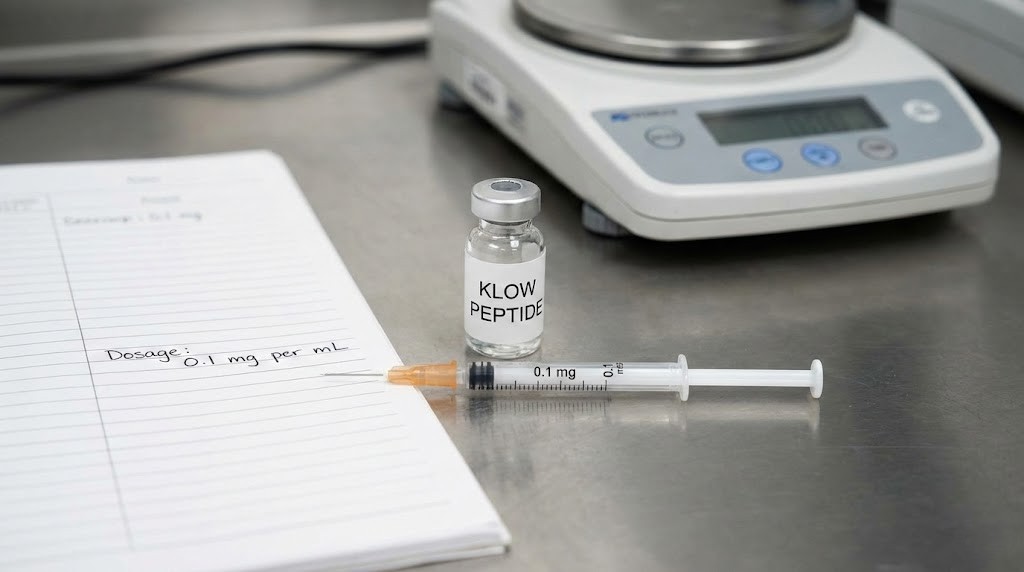
Your KLOW blend arrived. Now what?
That 80mg vial sits in your refrigerator, and suddenly the excitement of ordering gives way to a creeping anxiety. How much bacteriostatic water do you add? What dose should you start with? How do you even measure something in micrograms when your insulin syringe reads in units? These questions keep researchers awake at night, and for good reason. Get the dosing wrong, and you waste expensive peptides. Get the reconstitution wrong, and you might compromise the entire vial.
The KLOW peptide blend combines four of the most researched compounds in the peptide world, GHK-Cu, BPC-157, TB-500, and KPV, into a single formulation designed for tissue repair, anti-aging, and inflammation control. But this convenience creates complexity. Each component has different properties, different mechanisms, and potentially different dose-response curves. Most guides gloss over these details, leaving you to figure out the math on your own.
This guide does not gloss over anything. You will learn exactly how to reconstitute your KLOW vial, calculate precise doses based on your goals, follow a structured titration schedule that minimizes side effects while maximizing results, and understand the science behind why specific protocols work better than others. SeekPeptides members have access to even more detailed protocols and personalized guidance, but this comprehensive resource will give you everything you need to get started safely and effectively.
What is KLOW peptide and why does dosing matter
KLOW represents an evolution in peptide stacking. Where the original GLOW blend combined three peptides for tissue regeneration and collagen production, KLOW adds a fourth component that fundamentally changes what the stack can do. The addition of KPV transforms a regenerative formula into something more comprehensive, addressing not just repair but the inflammatory conditions that often prevent healing in the first place.
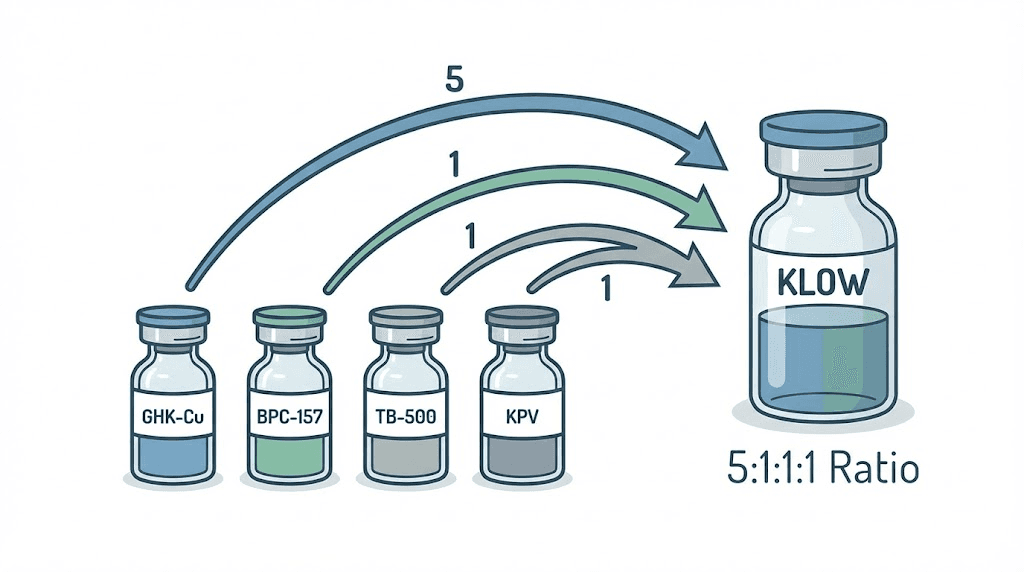
The standard 80mg KLOW vial contains GHK-Cu at 50mg, with BPC-157, TB-500, and KPV each at 10mg. This 5:1:1:1 ratio is not arbitrary. GHK-Cu, the copper peptide that stimulates collagen synthesis and wound healing, requires higher doses to achieve therapeutic effects. The other three components work at lower concentrations, which is why they appear at 10mg each.
Understanding this ratio matters for dosing because every time you draw from the vial, you get all four peptides in fixed proportion. You cannot increase your BPC-157 dose without simultaneously increasing your GHK-Cu dose. This is both the advantage and the limitation of pre-blended formulas.
The four components and their roles
GHK-Cu is a naturally occurring copper peptide found in human plasma, saliva, and urine. It plays a critical role in extracellular matrix remodeling, telling your cells to produce more collagen, elastin, and proteoglycans. Research shows it can reduce wrinkles, accelerate wound healing, and even influence gene expression in ways that promote tissue regeneration. At 50mg per vial, it is the dominant component in KLOW.
BPC-157 is a gastric pentadecapeptide that has become famous for its healing properties. Animal studies demonstrate accelerated tendon, ligament, and muscle repair through enhanced angiogenesis and growth factor modulation. It supports gut health, protects against NSAID damage, and promotes recovery from various types of tissue injury.
TB-500 is a synthetic version of thymosin beta-4, a protein that regulates actin in cells. This regulation is crucial because actin drives cell migration, the process by which cells move to injury sites to begin repair. TB-500 enhances wound healing, reduces inflammation, and supports cardiovascular health. It works synergistically with BPC-157, which is why these two appear together in most healing stacks.
KPV is what distinguishes KLOW from GLOW. This tripeptide fragment of alpha-melanocyte-stimulating hormone delivers potent anti-inflammatory effects by inhibiting NF-kB and MAPK pathways, two master switches that control inflammation throughout the body. Unlike its parent hormone, KPV does not cause skin darkening. It targets inflammation at its source, making KLOW particularly valuable for anyone dealing with chronic inflammatory conditions, gut issues, or autoimmune concerns.
KLOW peptide reconstitution step by step
Reconstitution is where most mistakes happen.
The lyophilized powder in your vial is fragile. Treat it roughly, and you denature the peptides before you ever inject them. Treat it correctly, and you maximize stability and potency throughout the entire vial.
You will need bacteriostatic water, sterile syringes, alcohol swabs, and patience. Using sterile water instead of bacteriostatic water is a common error that leads to bacterial contamination and reduced shelf life. Bacteriostatic water contains 0.9% benzyl alcohol, which inhibits microbial growth and allows the reconstituted solution to remain stable for weeks rather than days.
Choosing your reconstitution volume
The amount of water you add determines the concentration of your solution, which in turn determines how much liquid you inject for each dose. There are two common approaches.
Using 3.0mL of bacteriostatic water creates a concentration of approximately 26.7mg/mL. This is more concentrated, meaning smaller injection volumes but more precise measuring required. Each 0.01mL (1 unit on a U-100 insulin syringe) contains approximately 267mcg of total peptide.
Using 4.0mL creates a concentration of 20mg/mL. This is easier to measure because the math is simpler, and the slightly larger injection volumes are still comfortable for subcutaneous administration. Each 0.01mL contains 200mcg of total peptide.
For most researchers, 4.0mL is the better choice. The concentration is high enough to keep injection volumes reasonable while making dose calculations straightforward. Accurate dosing depends on accurate measuring, and simpler math means fewer errors.
The reconstitution process
Start by gathering your materials. You need your KLOW vial, bacteriostatic water, a sterile 3mL or 5mL syringe with needle, alcohol swabs, and a clean work surface. Wash your hands thoroughly before beginning.
Clean the top of both the KLOW vial and the bacteriostatic water vial with alcohol swabs. Allow them to dry completely. This step prevents contamination from the rubber stoppers, which may have collected dust or bacteria during storage and shipping.
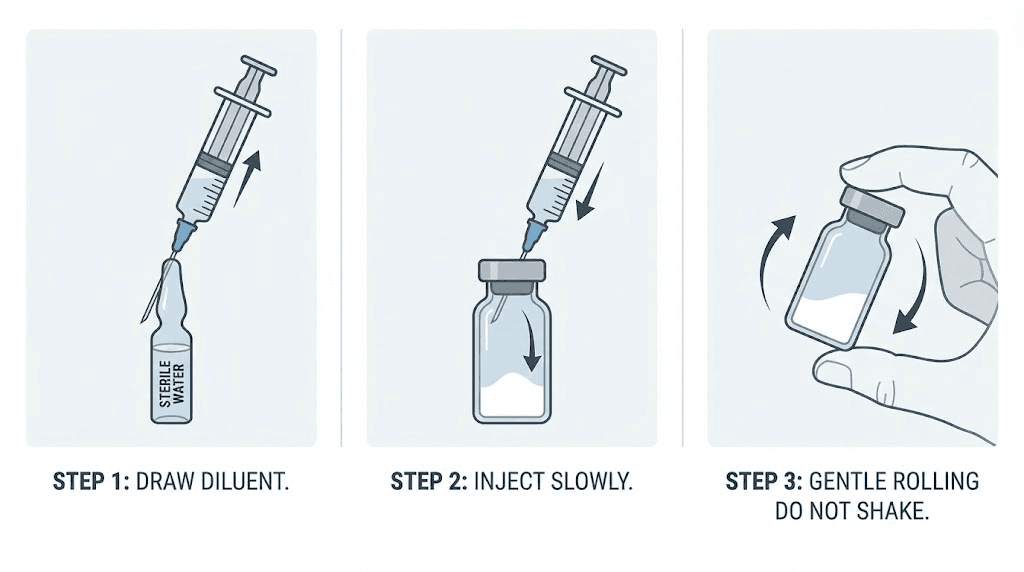
Draw your chosen volume of bacteriostatic water into the syringe. For most protocols, this is 4.0mL. Pull back the plunger slowly and evenly to avoid introducing air bubbles.
Insert the needle through the rubber stopper of the KLOW vial at a slight angle. This is crucial. Inject the water slowly, aiming the stream at the glass wall of the vial rather than directly at the powder. The lyophilized peptide is delicate. Blasting it with a jet of water can damage the molecular structure. Let the water run down the glass and gradually dissolve the powder.
Once all the water is in the vial, remove the needle and set the vial on a flat surface. Do not shake it. The peptides will dissolve on their own within a few minutes. If you want to speed the process, gently roll the vial between your palms or rock it side to side. Never shake, never vortex, never agitate violently.
After reconstitution, the solution should be clear or slightly yellow-tinged. Cloudiness, particles, or unusual coloration indicate contamination or degradation. If your solution does not look right, do not use it.
Understanding KLOW dosage calculations
Peptide dosing confuses people because it involves converting between milligrams, micrograms, and syringe units. The math is not complicated once you understand the relationships, but a single miscalculation can lead to dramatically wrong doses.
Use a peptide calculator when in doubt, but understanding the underlying principles helps you catch errors before they become problems.
Breaking down the numbers
Your 80mg KLOW vial contains 50mg GHK-Cu, 10mg BPC-157, 10mg TB-500, and 10mg KPV. When reconstituted with 4.0mL of bacteriostatic water, the total concentration is 20mg/mL (80mg divided by 4mL).
At this concentration, each milliliter contains 12.5mg GHK-Cu, 2.5mg BPC-157, 2.5mg TB-500, and 2.5mg KPV.
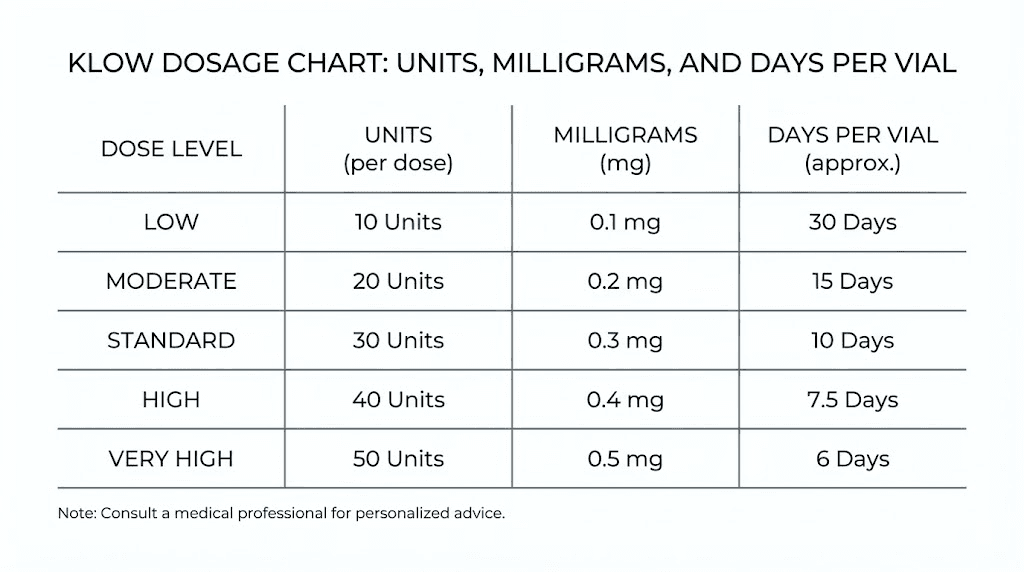
Most insulin syringes are U-100 syringes, meaning 100 units equals 1.0mL. Therefore, 10 units equals 0.10mL, which contains 2.0mg total peptide. Breaking that down further: 1.25mg GHK-Cu, 0.25mg (250mcg) BPC-157, 0.25mg (250mcg) TB-500, and 0.25mg (250mcg) KPV.
This 10-unit dose is commonly used as a starting point for KLOW protocols. It provides enough of each component to begin experiencing effects while remaining conservative enough to assess tolerance.
Dose ranges for different goals
The KLOW dosing literature suggests a range from approximately 2.7mg to 8mg total peptide daily, depending on goals and individual response. Here is how that breaks down by purpose.
General wellness and anti-aging: 2.0 to 4.0mg total daily, which translates to 10 to 20 units if reconstituted at 20mg/mL. At the lower end, you receive approximately 1.25mg GHK-Cu and 250mcg each of the other three peptides. This provides steady anti-aging support without overwhelming your system.
Active injury recovery: 4.0 to 6.0mg total daily, or 20 to 30 units. This delivers therapeutic levels of BPC-157 and TB-500 for tendon repair, joint healing, and tissue regeneration while leveraging GHK-Cu for extracellular matrix support and KPV for inflammation control.
Intensive healing protocols: 6.0 to 8.0mg total daily, or 30 to 40 units. This approach is used for acute injuries, post-surgical recovery, or situations requiring aggressive tissue repair. The higher dose maximizes the regenerative potential of all four components but should only be used for limited periods.
These are guidelines, not prescriptions. Individual response varies significantly based on body weight, metabolic factors, and the specific condition being addressed. Starting at the lower end and titrating upward is the safest approach.
How long does one vial last
Vial duration depends on your daily dose. With 80mg total peptide and daily doses ranging from 2 to 8mg, one vial provides between 10 and 40 doses.
At the conservative 10-unit (2mg) daily dose, your 80mg vial lasts 40 days. At the moderate 20-unit (4mg) daily dose, you get 20 days. At the higher 30-unit (6mg) dose, the vial lasts approximately 13 days.
These calculations matter for planning your supply and budgeting your protocol. Running out mid-cycle interrupts the physiological processes you are trying to support.
The complete KLOW titration protocol
Starting at full dose is a mistake that leads to unnecessary side effects and makes it impossible to identify your optimal dose. A structured titration schedule introduces the peptides gradually, allowing your body to adapt and giving you data about how you respond at each level.
Weeks 1 and 2: introduction phase
Begin with 7.5 to 10 units daily (1.5 to 2.0mg total). At 20mg/mL concentration, this delivers approximately 0.94 to 1.25mg GHK-Cu and 188 to 250mcg each of BPC-157, TB-500, and KPV.
This phase is about assessment, not results. You are learning how your body responds to the blend. Pay attention to injection site reactions, energy levels, sleep quality, and any digestive changes. KPV affects gut function, so some users notice shifts in bowel patterns during the first week.
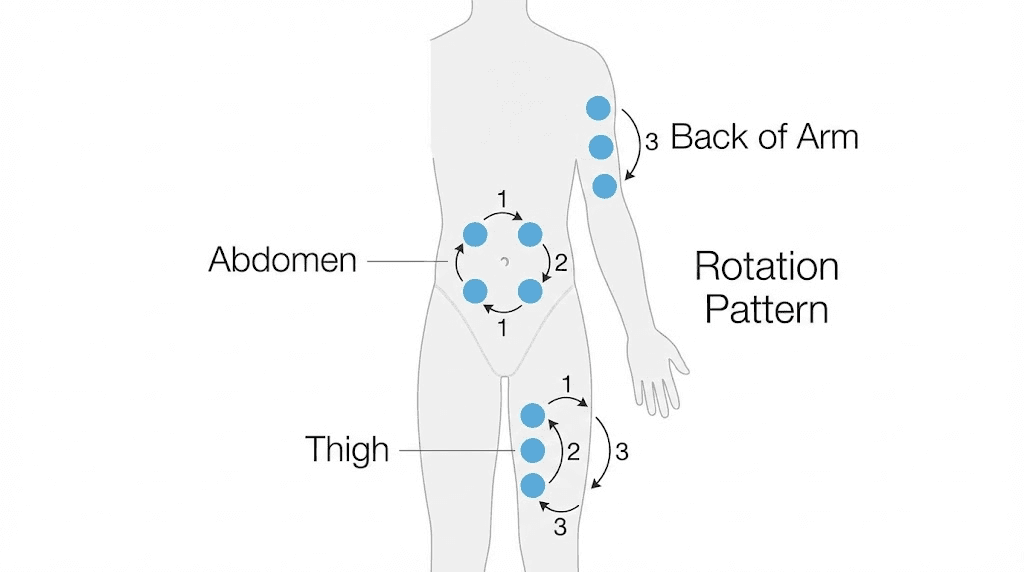
Inject once daily, subcutaneously, rotating between the abdomen, thighs, and upper arms. Morning administration is common because some users report mild energizing effects that could interfere with sleep if taken too late.
If you experience significant side effects during this phase, stay at the current dose for an additional week before increasing. There is no rush. The goal is sustainable progress, not rapid escalation.
Weeks 3 and 4: building phase
Increase to 15 units daily (3.0mg total). This brings your component doses to approximately 1.88mg GHK-Cu and 375mcg each of the other three peptides.
At this level, most users begin noticing effects. Skin improvements from GHK-Cu often become visible within 2 to 3 weeks, manifesting as improved texture, reduced fine lines, and enhanced hydration. Healing protocols may show accelerated progress as the BPC-157 and TB-500 reach more therapeutic levels.
Continue the same injection frequency and rotation schedule. Monitor for any new side effects that emerge at the higher dose. The most common issues are mild headache, fatigue during the first few days of dose increase, and occasional injection site irritation.
Weeks 5 through 8: optimization phase
Increase to 20 to 22.5 units daily (4.0 to 4.5mg total). This is the sweet spot for many users, delivering 2.5 to 2.8mg GHK-Cu and 500 to 563mcg each of BPC-157, TB-500, and KPV.
The optimization phase is where you fine-tune based on response. Some users find optimal results at 20 units and stay there. Others benefit from pushing to 25 or even 30 units for specific healing goals. The key is listening to your body and adjusting accordingly.
During this phase, the synergistic effects of the four peptides become most apparent. The anti-inflammatory action of KPV creates an environment where BPC-157 and TB-500 can work more effectively. GHK-Cu drives collagen synthesis while the other components support the cellular processes that make new tissue integration successful.
Weeks 9 through 12: maintenance phase
For extended cycles, reduce to 15 units daily (3.0mg total) for the maintenance phase. This lower dose sustains the benefits achieved during optimization while reducing the total peptide load on your system.
Maintenance phase dosing is also appropriate for long-term anti-aging protocols where aggressive tissue repair is not the primary goal. The reduced dose provides ongoing support for skin health, immune function, and systemic inflammation control without the intensity of the optimization phase.
Injection protocol and administration
Subcutaneous injection is the standard route for KLOW. The peptides absorb well through subcutaneous tissue, and this method is easier and less painful than intramuscular injection. It also allows for rotation between multiple sites, reducing the risk of localized reactions.
Preparing your injection
Remove the reconstituted KLOW vial from refrigeration. Allow it to warm to room temperature for 5 to 10 minutes before drawing your dose. Cold injections cause more discomfort and may affect absorption.
Clean the vial top with an alcohol swab. Draw air into your insulin syringe equal to the volume you plan to withdraw, this creates positive pressure that makes drawing the peptide solution easier. Insert the needle, inject the air, then invert the vial and draw your desired dose.
Tap the syringe to move any air bubbles to the top, then push them back into the vial. A small air bubble in a subcutaneous injection is not dangerous, but precise dosing requires removing excess air.
Injection technique
Choose your injection site. The abdomen (at least two inches from the navel) is most common. The thighs (outer, middle third) and upper arms (back of the arm) are alternatives. Rotate sites with each injection to prevent lipotrophy (fatty tissue changes) and reduce irritation.
Clean the injection site with an alcohol swab and allow it to dry completely. Pinch the skin to create a fold of subcutaneous tissue. Insert the needle at a 45 to 90 degree angle, depending on needle length and the amount of tissue available.
Inject slowly over 5 to 10 seconds. Rapid injection increases the likelihood of localized reactions. After injecting, wait a few seconds before withdrawing the needle. This allows the solution to disperse and prevents leakage.
Apply gentle pressure with a clean cotton ball or gauze. Do not massage the injection site, as this can irritate the tissue and affect absorption.
Timing considerations
KLOW can be administered at any time of day, but most protocols recommend morning dosing. Some users report mild stimulating effects that could interfere with sleep if injected in the evening. Others find it convenient to establish a morning routine that includes their peptide protocol.
Consistency matters more than timing. Choose a schedule you can maintain and stick to it. Daily administration builds and maintains peptide levels, while irregular dosing leads to inconsistent results.
Some advanced protocols split the daily dose into two administrations, morning and evening. This approach may provide more stable peptide levels throughout the day but adds complexity. For most users, once-daily dosing is sufficient and more practical.
KLOW cycle planning and duration
Peptide protocols work best when structured as cycles rather than continuous administration. Cycling allows your body to maintain sensitivity to the peptides while preventing potential downregulation of receptors or adaptive responses that might reduce effectiveness over time.
Standard cycle structure
The typical KLOW cycle runs 8 to 12 weeks. This duration is long enough to achieve meaningful results while short enough to maintain sensitivity and allow for recovery.
An 8-week cycle might follow this pattern: 2 weeks introduction, 4 weeks optimization, 2 weeks maintenance.
A 12-week cycle extends the optimization phase to 6 to 8 weeks before transitioning to maintenance.
Some aggressive healing protocols run shorter, more intense cycles of 4 to 6 weeks at higher doses, followed by equivalent off-periods. This approach is appropriate for acute injuries or post-surgical recovery but requires more careful monitoring.
Time off between cycles
After completing a cycle, take an off-period equal to approximately one-third to one-half the cycle length. For an 8-week cycle, this means 3 to 4 weeks off. For a 12-week cycle, plan 4 to 6 weeks off.
During the off-period, the physiological changes initiated by the peptides continue to consolidate. Collagen remodeling, for example, takes weeks to complete even after the stimulus is removed. The off-period also allows receptor sensitivity to reset, ensuring the next cycle works as effectively as the first.
Do not view the off-period as wasted time. It is an essential part of the protocol that determines long-term success.
Stacking KLOW with other peptides
KLOW already contains four peptides, but some advanced protocols add additional compounds for specific goals. The most common additions target areas not covered by the KLOW blend.
MOTS-c can be added for metabolic optimization and mitochondrial support. This is relevant for users focused on weight management or energy enhancement beyond what KLOW provides.
CJC-1295 or Ipamorelin can support growth hormone release for enhanced recovery and muscle growth. These are particularly relevant for athletes or those recovering from significant injuries.
SS-31 (Elamipretide) targets mitochondrial function directly, supporting cellular energy production that complements KLOW's regenerative effects.
When stacking, keep total peptide load reasonable. Adding multiple compounds increases complexity, cost, and the potential for interactions. Start with KLOW alone, assess your response, and only add additional peptides if you have specific goals that KLOW cannot address.
Storage and stability of reconstituted KLOW
Proper storage determines how long your reconstituted KLOW remains potent. The peptides are fragile molecules that degrade when exposed to heat, light, or bacterial contamination. Follow these guidelines to maximize shelf life and maintain effectiveness.
Temperature requirements
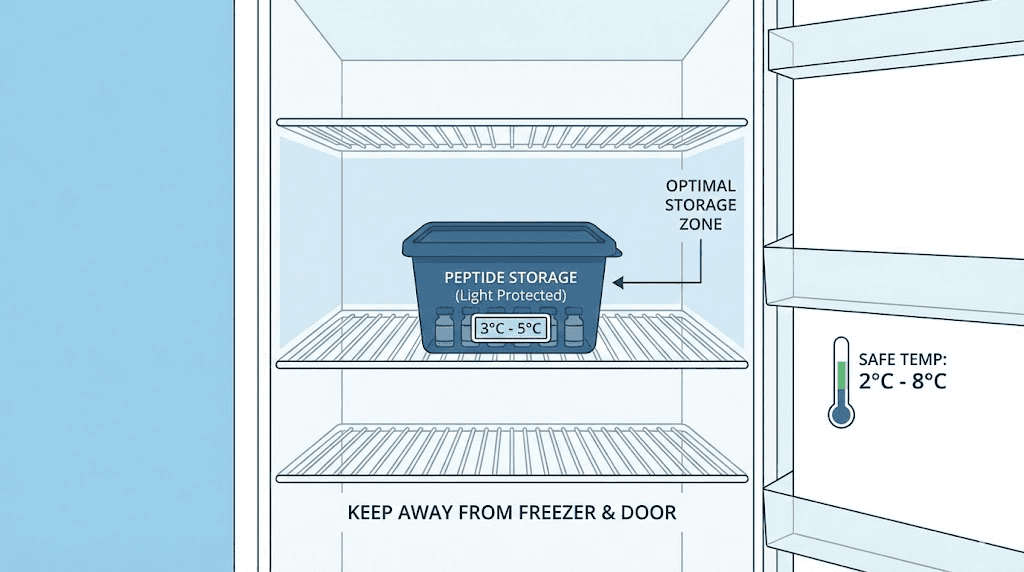
Store reconstituted KLOW in the refrigerator at 2 to 8 degrees Celsius (35 to 46 degrees Fahrenheit). The back of the refrigerator typically maintains the most stable temperature. Avoid the door shelves, which experience temperature fluctuations every time you open the refrigerator.
Never freeze reconstituted peptides. Freezing causes the water to expand, potentially damaging the peptide structure. Freeze-thaw cycles are particularly destructive and should be absolutely avoided.
Unreconstituted (lyophilized) KLOW can be stored in the freezer at -20 degrees Celsius for long-term preservation. Only reconstitute what you plan to use within the stability window.
Light protection
Keep the vial away from light. UV and visible light can degrade peptides over time. Store in the original box or wrap in aluminum foil if your refrigerator has interior lighting.
Stability timeline
Reconstituted KLOW remains stable for approximately 21 to 30 days when stored properly in the refrigerator. After this period, peptide degradation may reduce potency even if the solution appears clear.
For practical purposes, calculate how long a vial will last based on your dosing protocol and reconstitute accordingly. If a vial will take more than 30 days to finish at your current dose, consider splitting the powder into multiple vials before reconstitution, or accept that the final doses may be slightly less potent.
Proper peptide storage is essential for getting the results you paid for. Cutting corners on storage is false economy.
Side effects and how to manage them
KLOW is generally well-tolerated, but side effects can occur, particularly during the introduction phase or after dose increases. Understanding what to expect helps you distinguish normal adaptation from problematic reactions.
Common side effects
Injection site reactions are the most frequently reported issue. Redness, swelling, itching, or bruising at the injection site typically resolve within a few hours to a day. These reactions are more common with cold injections or when the same site is used repeatedly. Rotating injection sites and allowing the solution to warm before injecting reduces occurrence.
Mild headache may occur during the first few days of use or after increasing the dose. This usually resolves as your body adjusts. Staying well-hydrated can help. If headaches persist beyond 3 to 4 days, consider reducing the dose.
Fatigue is paradoxically common despite KPV and GHK-Cu having energizing properties for many users. The initial fatigue typically represents the body adjusting to the new compounds and usually gives way to improved energy within 1 to 2 weeks.
Gastrointestinal changes can occur because KPV influences gut inflammation and BPC-157 affects gastric function. Some users experience changes in bowel habits during the first week. These typically normalize as the body adapts.
Less common side effects
Temporary skin sensitivity may occur as GHK-Cu stimulates collagen remodeling. This is more noticeable in the first few weeks and usually indicates the peptide is working.
Lightheadedness has been reported occasionally, potentially related to the vasodilatory effects of some components. If this occurs, sit or lie down until it passes. Reducing the dose may help if lightheadedness is persistent.
Pigmentation changes are rare but possible, particularly with higher doses or extended use. KPV is a fragment of alpha-MSH, and while it lacks the melanotropic effects of the full hormone, some users report subtle changes in skin tone. These are reversible upon discontinuation.
When to reduce dose or stop
Reduce your dose if side effects are persistent (lasting more than a few days), interfere with daily activities, or worsen rather than improve over time. Most side effects are dose-dependent, meaning lower doses produce fewer issues.
Stop use and consult a healthcare provider if you experience severe allergic reactions (difficulty breathing, significant swelling, hives spreading beyond the injection site), chest pain or palpitations, severe or persistent gastrointestinal symptoms, or any symptom that concerns you significantly.
The safety profile of the individual KLOW components is well-established in research settings, but the combination is less studied.
Erring on the side of caution is appropriate.
KLOW versus GLOW: understanding the difference
The question of whether to use KLOW or GLOW comes down to your specific goals and health status. Both blends share three components but differ significantly in their inflammatory action.
Composition comparison
GLOW contains GHK-Cu (typically 50 to 55mg), BPC-157 (10 to 12mg), and TB-500 (10mg). Total content is around 70 to 75mg per vial. It focuses on tissue regeneration, collagen production, and localized healing.
KLOW adds KPV (10mg) to the GLOW formula, bringing the total to 80mg. This addition targets systemic inflammation through NF-kB inhibition, fundamentally changing the therapeutic profile.
When to choose GLOW
GLOW is appropriate for purely aesthetic goals (wrinkle reduction, hair health, skin quality), acute injury recovery without significant inflammatory component, users who want a simpler three-peptide stack, and those who have no underlying inflammatory conditions.
GLOW works excellently for targeted tissue repair and cosmetic enhancement.
Its mechanism focuses on surface-level signaling and extracellular matrix remodeling without the deeper immune modulation that KPV provides.
When to choose KLOW
KLOW is the better choice when chronic inflammation is a factor (gut issues, joint inflammation, autoimmune concerns), when you want systemic anti-inflammatory support alongside tissue repair, for healing situations complicated by ongoing inflammation, and for users who have not responded adequately to GLOW alone.
The KPV in KLOW addresses the root cause of many chronic conditions rather than just treating symptoms. By targeting inflammatory pathways at the cellular level, it creates an environment where the regenerative peptides can work more effectively.
Can you switch between them
Yes. Some protocols use GLOW for maintenance and switch to KLOW when healing from injury or managing a flare of inflammatory symptoms. Others start with KLOW and transition to GLOW once inflammatory conditions are controlled.
The dosing principles are similar for both blends, though the slightly different compositions mean exact component doses vary. Consult a reconstitution calculator when switching to ensure accurate dosing of the new blend.
Calculating your personal protocol
Generic dosing guidelines provide a starting point, but optimal results require personalization. Body weight, metabolic rate, specific goals, and individual response all influence what dose works best for you.
Body weight considerations
While KLOW dosing is often given as absolute amounts (milligrams or units), body weight affects how peptides distribute and act in your system. A 150-pound person and a 250-pound person receiving the same dose have different effective concentrations.
Some researchers adjust dosing based on body weight, using approximately 30 to 50mcg of total KLOW per kilogram of body weight as a rough target for moderate dosing. For a 75kg (165lb) person, this suggests 2.25 to 3.75mg daily, aligning with the 10 to 20 unit range at 20mg/mL concentration.
Heavier individuals may need higher absolute doses to achieve equivalent tissue concentrations, while lighter individuals may find lower doses sufficient.
Goal-based adjustment
Your primary objective influences dose selection and cycle structure.
Skin and anti-aging focus: Moderate doses (10 to 15 units daily) over longer cycles (12 weeks) allow gradual collagen remodeling without aggressive tissue repair effects. The GHK-Cu component drives most of the cosmetic benefits.
Injury healing: Higher doses (20 to 30 units daily) during shorter, intensive cycles (6 to 8 weeks) maximize the tissue repair effects of BPC-157 and TB-500 while KPV controls inflammation that could impede healing.
Gut and inflammatory support: Focus on KPV delivery, which means moderate to higher doses to ensure adequate tripeptide concentration. The KPV dosage in KLOW is somewhat fixed by the blend ratio, but higher total doses deliver more KPV along with the other components.
General optimization: Start conservative (10 units) and titrate to the minimum effective dose that produces your desired effects. This approach preserves sensitivity and reduces total peptide load over time.
Tracking and adjusting
Keep a protocol journal. Record your daily dose, injection site, time of administration, and any notable effects or side effects. After 4 weeks, review your notes to identify patterns.
Are you seeing results at your current dose, or do you need to increase? Are side effects manageable, or should you reduce? Is your current cycle length appropriate, or would a longer or shorter protocol better serve your goals?
This data-driven approach to peptide cycling produces better outcomes than following generic protocols blindly. Every body responds differently, and personalization is key.
Common KLOW dosing mistakes to avoid
Even experienced researchers make errors with peptide protocols. Awareness of common mistakes helps you avoid them.
Starting too high
Enthusiasm leads many users to begin at doses higher than recommended. They want fast results and assume more peptide means more benefit. In reality, starting high increases side effects, makes it impossible to identify your true minimum effective dose, and may actually reduce effectiveness if receptor downregulation occurs.
Always start at the lower end of the dosing range and titrate upward. Patience here produces better long-term outcomes.
Inconsistent administration
Peptides work best when administered consistently. Skipping doses, varying injection times significantly, or taking days off mid-cycle undermines the physiological processes you are trying to support.
If you cannot commit to daily administration, consider protocols that explicitly include off days (like 5 days on, 2 days off). But random inconsistency produces random results.
Improper reconstitution
Shaking the vial, using non-sterile technique, or reconstituting with the wrong type or volume of water are errors that compromise the entire vial. Review the reconstitution section carefully and treat it as the foundation of your protocol.
Ignoring storage requirements
Leaving reconstituted peptides at room temperature, exposing them to light, or using vials beyond their stability window degrades the compounds before they ever reach your tissue. Proper refrigeration is non-negotiable.
No time off
Running continuous cycles without breaks risks receptor desensitization and adaptive responses that reduce effectiveness. The off-period is not optional, it is part of the protocol that ensures long-term success.
Combining too many compounds
KLOW already contains four peptides. Adding multiple additional compounds creates complexity that makes it impossible to identify what is working (or causing problems). Start with KLOW alone, establish your baseline response, and only add other peptides if you have specific unmet goals.
What results to expect and when
Managing expectations is crucial for protocol adherence. Knowing what changes to look for and when to expect them helps you stay the course during the early weeks when results may not be obvious.
First two weeks
During the introduction phase, visible results are minimal. You are building tissue concentrations and assessing tolerance, not yet achieving therapeutic effects. Some users notice subtle improvements in sleep quality, energy, or mood, but dramatic changes are not typical this early.
Do not increase your dose prematurely or abandon the protocol because you do not see immediate results. The groundwork laid during these weeks determines later success.
Weeks three through six
This is when effects typically become noticeable. Skin improvements from GHK-Cu often appear around week 3, with better texture, improved hydration, and subtle reduction in fine lines. Healing protocols may show accelerated progress, with users reporting faster resolution of injuries compared to previous experiences.
The anti-inflammatory effects of KPV often manifest as reduced joint stiffness, improved digestive comfort, or decreased systemic inflammation markers for those tracking bloodwork.
Weeks six through twelve
Peak effects typically occur in this range. Cumulative benefits of consistent dosing become apparent, with users reporting significant improvements in their primary goals. Collagen remodeling continues throughout this period, meaning skin benefits continue to develop even as the protocol progresses.
For healing applications, most acute injuries show substantial improvement by week 8 to 10. Chronic conditions may require longer treatment or multiple cycles.
After the cycle
Many benefits persist after discontinuation because they result from actual tissue changes rather than temporary effects. Collagen deposited during the cycle remains. Healed tissue stays healed. The inflammatory reset achieved through KPV often maintains for weeks to months.
The off-period allows you to assess lasting benefits versus effects that require ongoing peptide administration. This information informs future cycle planning.
Frequently asked questions
How much bacteriostatic water should I use for KLOW reconstitution?
The most common reconstitution volume is 4.0mL of bacteriostatic water, which creates a 20mg/mL concentration for easy dosing calculations. Some researchers use 3.0mL for a more concentrated 26.7mg/mL solution. Either works; choose based on your comfort with the math and preference for injection volume.
Can I inject KLOW near an injury site?
Subcutaneous injection near but not directly into an injury site can provide localized delivery of the healing peptides. Aim for tissue adjacent to the injured area rather than the injury itself. However, systemic distribution occurs regardless of injection location, so distant injection sites also support healing throughout the body.
What if I miss a dose?
Take your dose as soon as you remember if it is the same day. Do not double the next dose to compensate for a missed one. Occasional missed doses are not catastrophic, but consistent administration produces the best results. If you find yourself frequently missing doses, consider simplifying your routine or setting reminders.
Is KLOW safe to use long-term?
The individual components of KLOW have been studied extensively in research settings with favorable safety profiles. However, long-term data on the specific four-peptide combination is limited. Cycling protocols with appropriate off-periods are recommended to maintain sensitivity and reduce potential cumulative effects. Continuous long-term use without breaks is not advised.
Should I take KLOW with food or fasting?
KLOW can be administered regardless of food status. Some users prefer fasting administration on the theory that it reduces interference with absorption, but there is no strong evidence that food significantly affects subcutaneous peptide delivery. Choose whatever timing fits your routine best.
Can women use KLOW?
Yes, KLOW is appropriate for women. The components do not have gender-specific effects, and the benefits for tissue repair, inflammation control, and skin health apply equally. Women may start at the lower end of dosing ranges and titrate based on response, as some research suggests women may be more sensitive to certain peptides.
What is the best time of day to inject KLOW?
Morning injection is most common because some users report mild energizing effects that could interfere with sleep if taken late in the day. However, individual responses vary. If you notice no stimulating effects, evening dosing is also acceptable. Consistency in timing is more important than the specific time chosen.
How do I know if my KLOW has degraded?
Signs of degradation include cloudiness, visible particles, unusual color changes, or unusual odor. A clear solution that has been properly stored within the stability window (21 to 30 days) should remain potent. If you suspect degradation, do not use the vial.
External resources
PubMed - Research database for peptide studies
PubMed Central - Full-text research articles on peptide mechanisms
In case I do not see you, good afternoon, good evening, and good night. May your calculations stay accurate, your reconstitutions stay sterile, and your protocols stay effective. JOIN US.