Jan 8, 2026
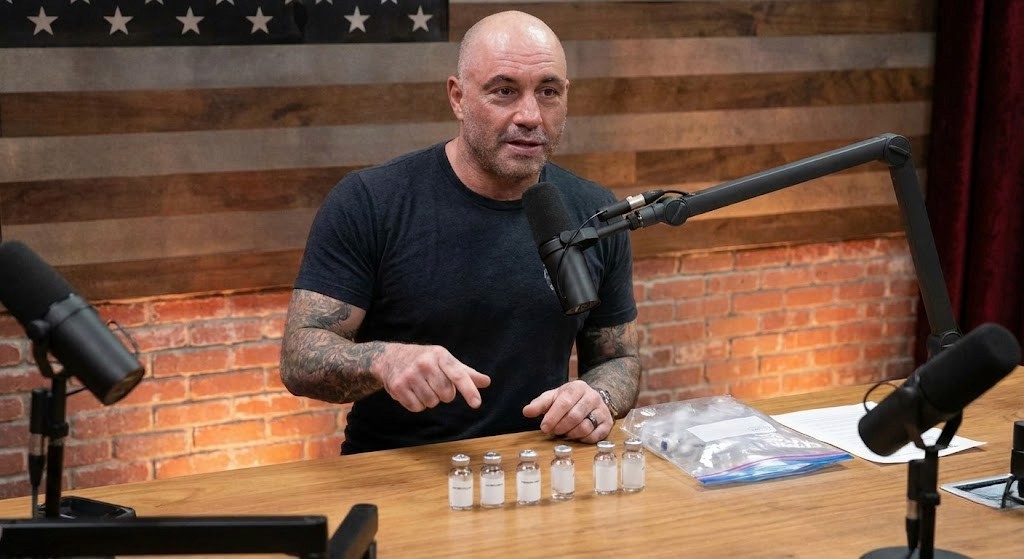
Joe Rogan has become one of the most influential voices in peptide awareness, bringing compounds like BPC-157, TB-500, and Ipamorelin into mainstream conversation through The Joe Rogan Experience podcast. His candid discussions about healing stubborn injuries, optimizing recovery, and supporting longevity have sparked massive interest in peptides among millions of listeners. When Rogan told Andrew Schulz that BPC-157 eliminated his chronic elbow tendonitis in just two weeks, calling it "Wolverine shit," the peptide research community noticed. His personal testimonials, combined with conversations featuring Dr. Andrew Huberman and other experts, have transformed peptides from niche research compounds into widely discussed performance and healing tools.
This guide covers every peptide Joe Rogan has publicly discussed, the protocols he follows, the science behind his choices, why he emphasizes medical supervision, and how SeekPeptides can help you navigate this landscape with personalized guidance.
What peptides does Joe Rogan use?
Joe Rogan has openly discussed using several peptides as part of his broader health optimization protocol. His approach combines healing peptides with growth hormone secretagogues, all under medical supervision. Understanding exactly which compounds he uses provides valuable context for anyone researching these peptides.
BPC-157: Rogan's go-to healing peptide
BPC-157 remains Joe Rogan's most frequently discussed peptide. He's mentioned it dozens of times across podcast episodes, often with genuine enthusiasm about its healing effects.
The story Rogan tells most often involves his elbow. He suffered from chronic tendonitis that wouldn't resolve through conventional approaches. Physical therapy helped temporarily. Rest provided some relief. But the problem kept returning.
Then his doctor recommended BPC-157.
"I had tendonitis in my elbow that I could not fix," Rogan shared on his podcast. "I started using BPC-157 and it was gone in two weeks."
Two weeks. For a problem that had plagued him despite professional treatment. This dramatic result explains why Rogan became such an advocate for peptide research.
He didn't stop at personal use. Rogan began recommending BPC-157 to friends dealing with their own nagging injuries. In his conversation with Andrew Schulz, he admitted to "basically playing doctor," telling injured buddies to try BPC-157 "with no research" behind his recommendation. When Schulz joked about it being some secret "Wolverine shit" for healing, Rogan didn't hesitate.
"Yeah, get that. It's legit. Super legit."
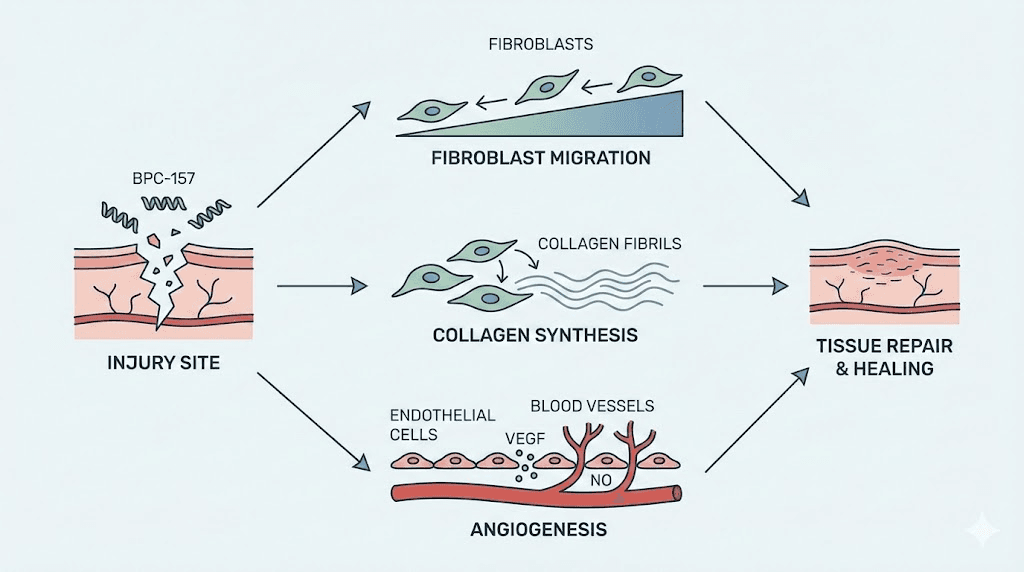
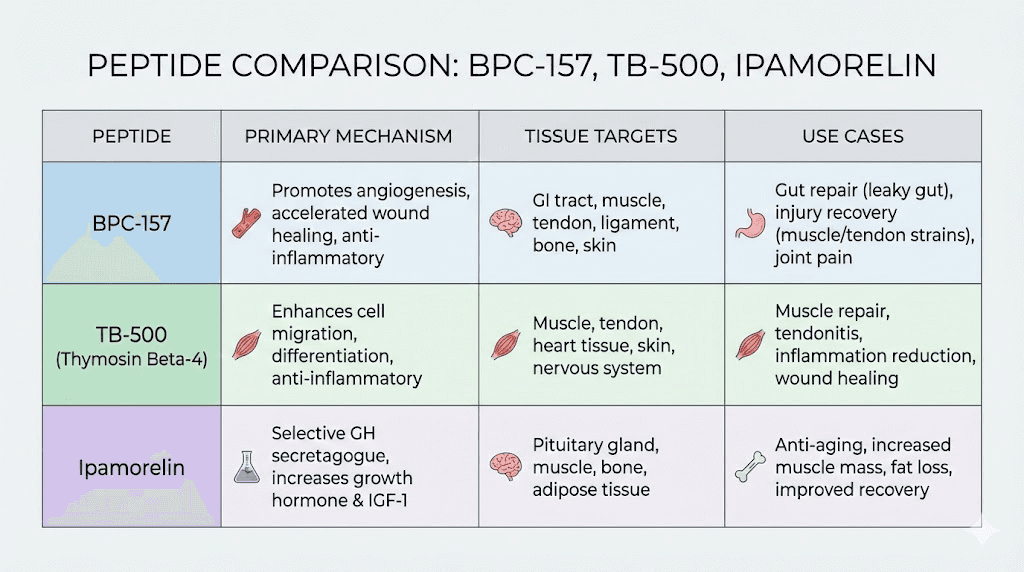
BPC-157 works through multiple mechanisms that support tissue repair. The peptide promotes angiogenesis, the formation of new blood vessels that deliver nutrients and oxygen to injured tissues. It modulates inflammatory responses without completely suppressing them, allowing healing processes to proceed efficiently. Research suggests it influences growth factor expression, particularly VEGF and EGF, which play crucial roles in tissue regeneration.
Dr. Andrew Huberman explained the mechanism on Rogan's podcast: BPC-157 acts like a "repair signal" that encourages fibroblasts, the cells that build connective tissue, to migrate to injury sites and start rebuilding. These cells lay down new collagen while new blood vessels form to feed the healing process.
However, Huberman also noted an important caveat: "There isn't any clinical data for BPC-157. It's all animals." The research supporting BPC-157 comes primarily from rodent studies, though thousands of anecdotal reports from humans suggest similar effects. This gap between animal research and clinical trials represents an ongoing challenge in peptide science.
For those interested in BPC-157 dosing, Rogan hasn't disclosed his exact protocol publicly. However, typical research protocols use 250-500mcg once or twice daily, often injected subcutaneously near the injury site. The BPC-157 dosage calculator can help determine appropriate amounts based on individual factors.
TB-500 (Thymosin Beta-4): The recovery accelerator
Rogan has also discussed TB-500, often in the context of stacking it with BPC-157 for comprehensive healing support. Thymosin Beta-4 represents one of the most researched healing peptides, with documented effects on tissue repair, inflammation modulation, and cellular regeneration.
TB-500 differs from BPC-157 in its origins and mechanisms. While BPC-157 derives from a protective protein found in gastric juice, TB-500 is a synthetic version of Thymosin Beta-4, a naturally occurring peptide present in almost all human cells. This ubiquitous presence hints at its fundamental importance in tissue maintenance and repair.
The peptide promotes healing through several pathways. It upregulates actin, a protein essential for cell structure and movement. This allows cells to migrate more efficiently to wound sites. TB-500 also promotes angiogenesis similar to BPC-157, reduces inflammation through cytokine modulation, and appears to have cardioprotective effects.
Many researchers combine BPC-157 and TB-500 based on their complementary mechanisms. BPC-157 tends to work more locally when injected near an injury, while TB-500's smaller molecular weight allows it to spread more systemically. Together, they may provide both targeted and systemic healing support.
The TB-500 dosage calculator helps researchers determine appropriate protocols. Standard research protocols typically involve 2-2.5mg twice weekly during loading phases, followed by maintenance dosing.
Ipamorelin: Growth hormone optimization
Beyond healing peptides, Rogan has discussed Ipamorelin as part of his hormone optimization protocol. This growth hormone releasing peptide (GHRP) stimulates natural GH production without the side effects associated with direct HGH administration.
"There's BPC-157, Ipamorelin, and another one's called Thymosin," Rogan explained on his podcast. "And what these things do is they help your body produce the hormones that it should have when you're younger, and your body works better."
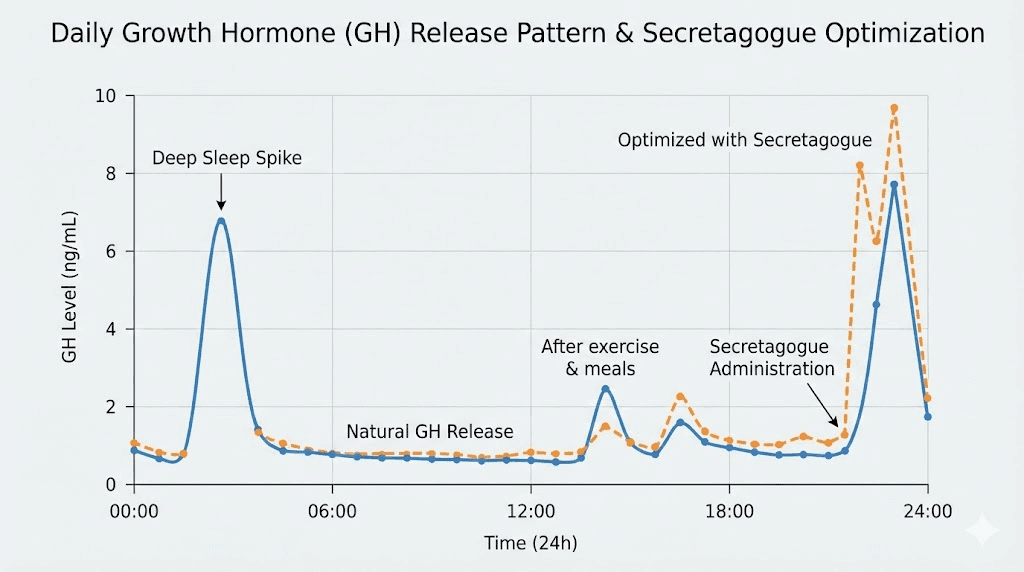
This statement captures the philosophy behind growth hormone secretagogues. Rather than replacing hormones with synthetic versions, peptides like Ipamorelin encourage the body's own pituitary gland to release more growth hormone naturally. This approach maintains normal feedback mechanisms and pulsatile release patterns.
Ipamorelin offers several advantages over other GH-releasing peptides. It doesn't significantly increase cortisol or prolactin, hormones that often rise with other secretagogues. The GH release it stimulates more closely mimics natural patterns. Side effects remain minimal when used appropriately.
The peptide pairs well with CJC-1295, another growth hormone releasing compound. CJC-1295 extends the duration of GH release, while Ipamorelin triggers the initial pulse. Many protocols combine both for synergistic effects.
His broader hormone protocol
Rogan has been transparent about using testosterone replacement therapy (TRT) in addition to peptides. He views this as part of comprehensive hormone optimization for a man in his fifties who wants to maintain peak performance. The combination of TRT with growth hormone secretagogues and healing peptides represents a multi-pronged approach to longevity and performance.
Crucially, Rogan emphasizes that all of this happens under medical supervision. He works with doctors who monitor his hormone levels, adjust protocols as needed, and ensure he's approaching optimization safely. This point matters because peptides and hormones can have significant effects, and professional oversight helps minimize risks while maximizing benefits.
Why Joe Rogan trusts BPC-157 for healing
Rogan's endorsement of BPC-157 stems from personal experience rather than theoretical understanding. He tried the peptide when nothing else worked, saw dramatic results, and became convinced of its value. This experiential approach characterizes much of his health optimization journey.
The tendonitis story that started it all
Elbow tendonitis is notoriously stubborn. The tendon receives limited blood flow, which slows healing. Continued use of the arm during daily activities prevents complete rest. Many people suffer for months or years despite treatment.
Rogan's doctor, who he credits with introducing him to peptides, suggested BPC-157 after conventional approaches failed. The logic made sense: if the peptide promotes blood vessel formation and accelerates tissue repair in animal studies, perhaps it could help a chronically inflamed tendon finally heal.
Two weeks later, the problem that had resisted months of treatment disappeared.
This kind of dramatic result creates believers. When you experience something working after everything else failed, you remember it. You tell friends about it. You discuss it on your podcast with millions of listeners.
Athletes who swear by it
Rogan's enthusiasm also reflects broader adoption in athletic communities. "Athletes swear by them, particularly BPC-157," he told Schulz. "There's a lot of evidence that it accelerates healing from injuries, and a lot of elite athletes swear by it."
The athletic world has long sought legal advantages in recovery. Peptides like BPC-157 attracted attention because they offered healing benefits without the performance-enhancing stigma of steroids. However, it's important to note that many peptides, including BPC-157 and TB-500, are banned by organizations like WADA for competitive athletes.
For recreational athletes and fitness enthusiasts not subject to testing, peptides represent a recovery tool that may reduce downtime from injuries. This appeal drives much of the interest in healing peptides.
The limitations Rogan acknowledges
Despite his enthusiasm, Rogan doesn't claim peptides are miracle drugs. He acknowledges the research limitations, noting that much evidence comes from animal studies rather than human clinical trials. He emphasizes working with medical professionals rather than self-administering based on internet research.
This balanced perspective matters. Peptides show promise, but they're not FDA-approved treatments. The gap between animal research and proven human therapies remains significant. Anyone interested in peptides should approach them with appropriate caution and professional guidance.
SeekPeptides emphasizes this educational approach, providing comprehensive resources for understanding peptide safety and risks alongside potential benefits.
The science behind Rogan's peptide choices
Understanding why these particular peptides attracted Rogan's attention requires examining the underlying science. Each compound he uses has a documented mechanism of action supported by research, even if human clinical data remains limited.
How BPC-157 promotes tissue repair
Body Protection Compound-157, the full name of BPC-157, is a pentadecapeptide, meaning it consists of 15 amino acids. It was originally isolated from human gastric juice, where it appears to play protective roles for the digestive tract.
Research has identified multiple mechanisms through which BPC-157 may support healing:
Angiogenesis stimulation: BPC-157 upregulates vascular endothelial growth factor (VEGF) and other angiogenic factors. New blood vessel formation brings oxygen, nutrients, and immune cells to injured tissues.
Nitric oxide pathway modulation: The peptide interacts with the nitric oxide system, which regulates blood flow and cellular signaling. This interaction may explain its cardiovascular and healing effects.
Growth factor expression: BPC-157 influences multiple growth factors beyond VEGF, including EGF (epidermal growth factor) and various cytokines involved in tissue repair.
Anti-inflammatory effects: Rather than broadly suppressing inflammation, BPC-157 appears to modulate inflammatory responses toward healing rather than chronic inflammation.
Tendon and ligament repair: Animal studies demonstrate accelerated healing of tendons and ligaments, which explains its popularity for joint and connective tissue injuries.
The peptide research section covers these mechanisms in greater detail for those wanting deeper scientific understanding.
TB-500's regenerative pathways
TB-500 operates through distinct but complementary pathways to BPC-157. Its primary mechanisms include:
Actin regulation: TB-500 upregulates actin, a key structural protein in cells. This enhances cell motility, allowing repair cells to migrate more effectively to injury sites.
Matrix metalloproteinase regulation: These enzymes break down damaged tissue to allow new tissue formation. TB-500 helps balance this process appropriately.
Anti-inflammatory cytokine expression: The peptide shifts cytokine profiles toward anti-inflammatory patterns, reducing chronic inflammation that impedes healing.
Stem cell recruitment: Some research suggests TB-500 may help recruit progenitor cells to injured areas, potentially enhancing regenerative capacity.
Cardiac protection: Unlike BPC-157's gastric origins, TB-500 has been studied particularly for cardiac applications, showing potential for heart tissue repair.
The synergy between BPC-157 and TB-500 explains why many peptide stacking protocols combine both compounds. They target healing through different but complementary pathways.
Growth hormone secretagogues explained
Ipamorelin belongs to a class of peptides called growth hormone releasing peptides (GHRPs). These compounds stimulate the pituitary gland to release stored growth hormone rather than introducing exogenous HGH.
The distinction matters for several reasons:
Natural pulsatile release: GH secretagogues maintain normal release patterns rather than creating the sustained elevation from HGH injections. This may reduce side effect risks.
Feedback preservation: The body's regulatory systems remain intact. When GH levels rise adequately, natural feedback mechanisms prevent overproduction.
Pituitary stimulation: By keeping the pituitary active, secretagogues may help maintain natural GH production capacity rather than causing the gland to atrophy from disuse.
Growth hormone supports recovery, body composition, sleep quality, and various aspects of physical performance. Declining GH levels with age contribute to sarcopenia, increased body fat, and slower recovery. Secretagogues like Ipamorelin aim to restore more youthful GH patterns.
The CJC-1295 dosage calculator and research on Ipamorelin vs CJC-1295 provide additional context for those exploring growth hormone optimization.
Rogan's approach to peptide safety
Throughout his discussions of peptides, Rogan consistently emphasizes medical supervision. He doesn't advocate for people to order research chemicals online and self-administer without professional guidance. This nuanced position deserves attention.
Working with doctors
"My doctor actually told me about peptides a long time ago," Rogan has explained. This introduction through medical channels shaped his approach. He didn't discover peptides through bodybuilding forums or internet rabbit holes. A physician he trusted brought them to his attention as potential therapeutic tools.
This medical relationship provides several benefits:
Baseline assessment: Before starting any protocol, proper bloodwork establishes baseline hormone levels, organ function, and overall health status.
Appropriate dosing: Medical professionals can recommend dosages based on individual factors rather than generic internet protocols.
Monitoring: Ongoing testing tracks how the body responds, allowing protocol adjustments as needed.
Interaction awareness: Doctors can identify potential interactions with other medications or health conditions that might contraindicate certain peptides.
Quality assurance: Medical channels often provide access to pharmaceutical-grade compounds rather than research chemicals of unknown purity.
For those without access to peptide-knowledgeable physicians, peptide therapy clinics specialize in this area. The peptide therapy near me guide helps locate appropriate providers.
Understanding the regulatory landscape
Rogan acknowledges that many peptides exist in a gray area legally. They're often sold as research chemicals "not for human consumption," despite widespread human use. This regulatory situation creates challenges.
Peptide legality varies by jurisdiction and specific compound. Some peptides have FDA approval for specific medical conditions. Others remain unapproved but legal to possess for research. Some face stricter controls.
The research chemical market also presents quality concerns. Without pharmaceutical regulation, products may contain incorrect amounts, contaminants, or entirely different compounds than labeled. Vendor verification becomes crucial for anyone sourcing peptides outside medical channels.
The importance of education
Rogan's podcast discussions have educated millions about peptides, but he's clear that podcast entertainment isn't medical advice. He encourages listeners to research independently and work with professionals rather than simply copying his protocols.
This educational approach aligns with SeekPeptides' mission of providing comprehensive, evidence-based information. Understanding how peptides work, their potential risks and benefits, and proper protocols empowers individuals to make informed decisions with their healthcare providers.
Peptides for injury healing: Following Rogan's lead
Rogan's primary peptide use focuses on injury healing. For those interested in similar applications, understanding the broader context of healing peptides helps inform research directions.
Common injuries that respond to peptide protocols
The injuries Rogan and other peptide users discuss typically involve connective tissue:
Tendonitis and tendinopathy: Chronic tendon inflammation or degeneration represents one of the most common peptide applications. The limited blood supply to tendons makes them slow healers, and peptides that promote angiogenesis may address this fundamental challenge.
Ligament injuries: Similar to tendons, ligaments heal slowly due to limited vascularity. Peptides for tendon repair often apply equally to ligament healing.
Muscle tears: While muscles heal better than tendons due to superior blood supply, severe strains can benefit from accelerated repair processes.
Joint issues: Cartilage damage, which notoriously doesn't heal well in adults, attracts significant peptide research interest. Peptides for joint pain may support cartilage maintenance and repair.
Post-surgical healing: Accelerating recovery from surgeries represents another common application, though any such use should involve the surgical team.
The healing peptide stack
Based on Rogan's discussions and broader research community practices, healing protocols often combine:
BPC-157 for local tissue repair, often injected near the injury site. The BPC-157 dosage calculator helps determine appropriate amounts.
TB-500 for systemic healing support, typically administered subcutaneously in the abdomen for broader distribution.
Growth hormone support through peptides like Ipamorelin, since GH plays important roles in tissue repair and regeneration.
The peptide stack calculator assists with designing protocols that incorporate multiple compounds safely.
Realistic expectations for healing
Rogan's two-week tendonitis resolution makes for compelling storytelling, but outcomes vary significantly. Factors influencing results include:
Injury severity: Minor strains may resolve quickly while chronic degenerative conditions require longer protocols.
Injury location: Areas with better blood supply typically heal faster than poorly vascularized tissues.
Overall health: Age, nutrition, sleep quality, and other health factors influence healing capacity.
Protocol compliance: Consistent administration and proper reconstitution affect outcomes.
Concurrent treatment: Peptides work best alongside appropriate rehabilitation, not as replacements for physical therapy.
How long peptides take to work depends on all these factors. Some notice effects within days while others require weeks or months.
Growth hormone optimization: The longevity angle
Beyond healing, Rogan's interest in peptides extends to longevity and hormone optimization. This aligns with broader biohacking trends focused on maintaining youthful function as we age.
Why growth hormone matters
Growth hormone production peaks during adolescence and young adulthood, then declines approximately 15% per decade after age 30. This decline correlates with many aging markers:
Body composition changes: Increasing fat mass, particularly visceral fat, with decreasing lean muscle mass.
Reduced recovery: Slower healing from injuries and workouts.
Sleep quality: GH releases primarily during deep sleep, and declining GH may contribute to age-related sleep disturbances.
Skin and connective tissue: Collagen synthesis depends partly on GH signaling, affecting skin elasticity and joint health.
Cognitive function: Some research links GH to brain health and cognitive maintenance.
Secretagogues vs direct HGH
Direct HGH administration works but carries significant risks: potential pituitary suppression, increased cancer risk concerns, joint pain, water retention, and others. It also requires careful medical supervision and involves substantial cost.
Secretagogues like Ipamorelin and CJC-1295 offer a middle path. They boost natural production rather than replacing it, maintaining feedback mechanisms and potentially carrying lower risk profiles.
Rogan's choice of secretagogues over direct HGH reflects this risk-benefit calculus. The goal isn't supraphysiological GH levels but rather restoration of more youthful natural production.
Common GH peptide protocols
Research protocols typically combine multiple peptides for synergistic effects:
Ipamorelin: Provides clean GH release without cortisol or prolactin elevation. Often dosed at 200-300mcg before bed when natural GH release peaks.
CJC-1295 (with DAC): Extends GH release duration. The DAC (Drug Affinity Complex) modification increases half-life substantially.
CJC-1295 (without DAC/Mod GRF 1-29): Shorter-acting version for more precise control of GH pulses.
The timing matters. GH secretagogues work best on an empty stomach, typically before bed or upon waking. The peptide dosing guide covers timing considerations in detail.
How to research peptides like Joe Rogan
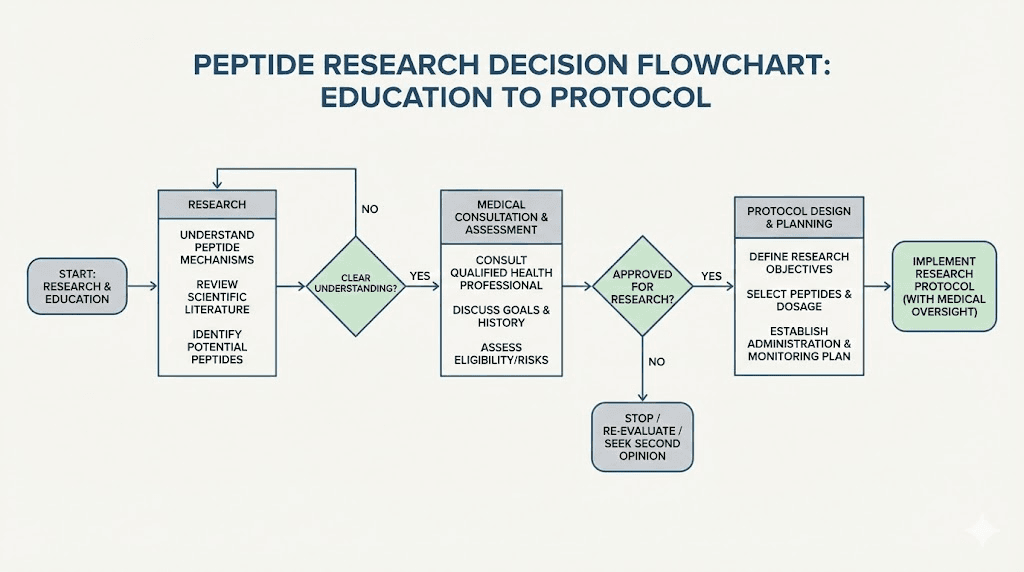
For those inspired by Rogan's peptide discussions to explore further, a systematic approach improves outcomes and safety. His approach, while personalized through medical supervision, follows principles applicable to anyone.
Starting with education
Before considering any peptide protocol, comprehensive education provides essential foundation. Understanding what peptides are, how they work, and their potential applications helps identify which compounds might address specific goals.
Key educational resources include:
Getting started with peptides provides beginner-friendly overview of the peptide landscape.
Complete peptide list catalogs available compounds with brief descriptions of each.
Peptide research and studies examines the scientific evidence supporting various peptides.
Common peptide mistakes helps avoid pitfalls that compromise results or safety.
Finding qualified medical guidance
Rogan's repeated emphasis on medical supervision deserves serious consideration. While some peptides have relatively favorable safety profiles, proper oversight provides crucial benefits.
Peptide therapy clinics specialize in this area. Many offer telemedicine consultations, expanding access beyond major metropolitan areas. Geographic guides like peptide therapy Miami Beach, Houston, Austin, Atlanta, Scottsdale, and Las Vegas help locate local options.
When evaluating providers, look for:
Peptide-specific experience: Many physicians lack training in this area. Specialists understand proper protocols and monitoring requirements.
Comprehensive testing: Quality providers run baseline bloodwork and follow-up testing to track response.
Individualized protocols: Cookie-cutter approaches ignore important individual variation. Good providers customize based on your specific situation.
Ongoing support: Peptide therapy isn't set-and-forget. Quality providers offer ongoing consultation as protocols evolve.
Understanding dosing and administration
Peptides require proper handling to maintain potency and safety. Key considerations include:
Reconstitution with appropriate diluent, typically bacteriostatic water. The peptide reconstitution calculator ensures accurate mixing.
Proper storage to maintain peptide stability. Refrigeration requirements vary by compound.
Injection technique for those using injectable peptides. Subcutaneous injection is most common and relatively straightforward.
Dosage calculations based on reconstitution concentration and desired dose. The peptide calculator simplifies this math.
Sourcing quality products
Product quality represents a significant concern in the peptide market. Without pharmaceutical regulation, products vary enormously in purity, potency, and safety.
Vendor verification involves examining third-party testing, reputation, and quality control practices. Reviews like Prime Peptides, Integrity Research Peptides, and other vendor analyses help identify reliable sources.
Quality indicators include:
Third-party testing: Independent laboratory analysis verifies purity and identity.
Certificate of Analysis: Documentation of testing results for each batch.
Proper packaging: Lyophilized peptides in sealed vials with appropriate labeling.
Reputation: Community feedback from experienced users.
Understanding testing documentation helps verify vendor claims about product quality.
Peptide alternatives and comparisons
Rogan's peptide choices represent one approach among many. Understanding alternatives helps contextualize his protocol and identify options that might suit different goals or preferences.
BPC-157 alternatives
For those interested in healing peptides but exploring options beyond BPC-157, several alternatives exist:
TB-500 as discussed above, often used alongside or instead of BPC-157.
GHK-Cu (copper peptide) promotes tissue remodeling and has both topical and injectable applications.
Other BPC-157 alternatives may emerge as research continues.
The BPC-157 vs TB-500 comparison helps understand when each might be preferable.
Growth hormone alternatives
Beyond Ipamorelin, numerous GH secretagogues exist:
CJC-1295 works synergistically with Ipamorelin and is often combined in protocols.
Sermorelin represents one of the earliest GH secretagogues, with a long track record.
Tesamorelin has FDA approval for specific conditions, providing a more regulated option.
HGH alternatives reviews the landscape of growth hormone optimization options.
Peptides vs other interventions
Peptides represent one tool among many for health optimization. Understanding where they fit helps make informed decisions.
Peptides vs steroids examines the differences in mechanism, effects, and risk profiles.
Peptides vs SARMs compares these two popular categories of performance compounds.
Testosterone boosters vs peptides explores different approaches to hormone optimization.
Weight loss peptides: Another angle Rogan touches on
While healing peptides dominate Rogan's discussions, he's also touched on peptides for weight loss, particularly the GLP-1 agonist revolution. These compounds have transformed the obesity treatment landscape.
GLP-1 agonists explained
Semaglutide (Ozempic, Wegovy) and tirzepatide (Mounjaro, Zepbound) represent the most successful weight loss drugs ever developed. They work by mimicking GLP-1, a hormone that regulates appetite and blood sugar.
Rogan has discussed these compounds with various guests, acknowledging their effectiveness while raising questions about long-term use and potential drawbacks. The massive weight loss many users experience, sometimes 15-20% of body weight, makes these peptides impossible to ignore.
The semaglutide dosage calculator helps those researching these compounds understand dosing protocols.
The research peptide approach
Beyond FDA-approved options, research peptides for weight loss include:
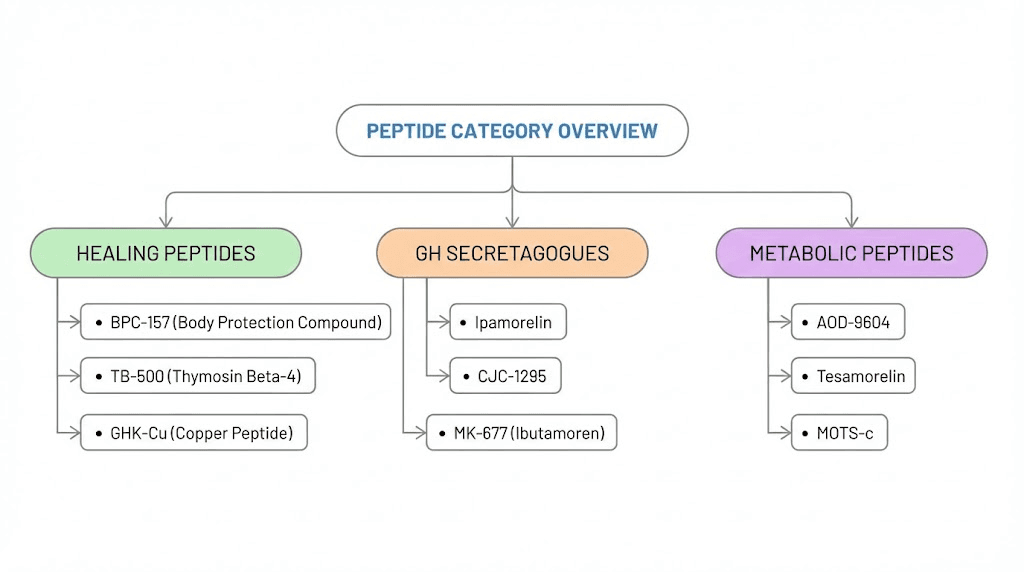
AOD-9604, a fragment of growth hormone developed specifically for fat metabolism.
Tesofensine, which affects multiple neurotransmitter systems involved in appetite and metabolism.
Retatrutide, a triple agonist showing remarkable results in trials.
Cagrilintide, often combined with semaglutide for enhanced effects.
The best peptides for weight loss guide provides comprehensive comparison of these options.
Stacking for body composition
Advanced protocols sometimes combine weight loss peptides with other compounds:
GLP-1 agonists for appetite suppression and metabolic enhancement.
GH secretagogues to preserve muscle mass during caloric deficit.
Healing peptides to support connective tissue during increased activity.
The best peptide stack for weight loss examines these combination approaches.
Peptides for specific populations
Rogan's perspective as a middle-aged man pursuing peak performance reflects one demographic. Peptide applications vary across different populations with distinct needs.
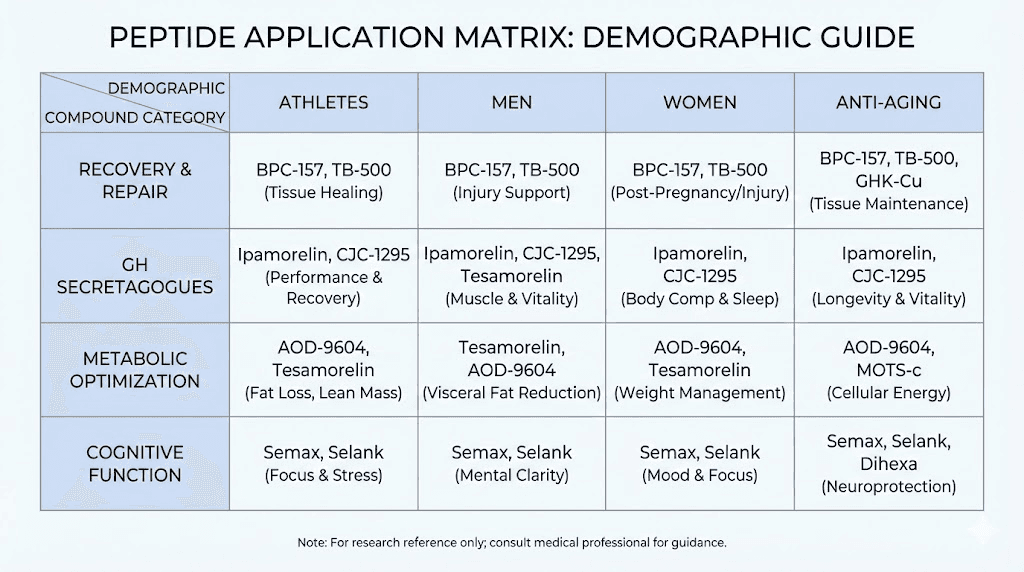
Peptides for athletes
Rogan's athletic background, from martial arts to commentary on high-level combat sports, informs his interest in peptides for athletic performance. Key considerations for athletes include:
Recovery optimization: Faster recovery between training sessions allows higher training volume.
Injury prevention and healing: Maintaining connective tissue health reduces injury risk and accelerates return from injuries.
Body composition: Supporting lean mass while optimizing weight for competition.
However, competitive athletes must navigate anti-doping regulations. Most peptides are banned by WADA and similar organizations. Even retired or recreational athletes should understand the rules of their sport.
Peptides for women
Peptides for women require consideration of distinct hormonal and physiological factors. Specific resources include:
Best peptides for women overview.
Safe peptides for women with favorable risk profiles.
Peptides for women over 40 addressing age-related concerns.
Peptides for menopause and perimenopause support.
Peptides for men
Peptides for men often focus on:
Muscle growth and best peptides for muscle growth.
Sexual health: Peptides like PT-141 address erectile function through melanocortin pathways.
Testosterone support: Some peptides may support natural testosterone production alongside or instead of TRT.
Anti-aging applications
Peptides for anti-aging span multiple categories:
Epitalon targets telomerase and cellular aging mechanisms.
GHK-Cu supports skin health and tissue remodeling.
GH secretagogues address age-related hormone decline.
SS-31 targets mitochondrial function.
The regulatory reality of peptides
Rogan's candid discussions inevitably touch on the murky regulatory status of many peptides. Understanding this landscape helps set realistic expectations.
FDA approval status
Most peptides discussed by Rogan and the biohacking community lack FDA approval for the conditions people use them for. This doesn't mean they're dangerous or ineffective, but it does mean:
Limited clinical data: Without the trials required for approval, human data remains sparse.
Quality variability: Unregulated products vary significantly in quality.
Legal gray areas: Possession may be legal, but sale for human use often isn't.
No insurance coverage: Out-of-pocket costs are standard.
Some peptides do have FDA approval. Semaglutide and tirzepatide are approved for diabetes and/or obesity. Tesamorelin has approval for HIV-associated lipodystrophy. PT-141 (bremelanotide, brand name Vyleesi) is approved for hypoactive sexual desire disorder in premenopausal women.
The research chemical market
Most peptides circulate as "research chemicals" sold for laboratory use only. This designation allows legal sale while technically prohibiting human use. The reality that millions of people use these compounds despite the labeling creates an unusual market dynamic.
For researchers navigating this market, research vs pharmaceutical peptides explains the key differences and quality considerations.
International variation
Peptide regulations vary by country. Some nations allow peptides that are restricted elsewhere. Some have stricter controls. Anyone considering peptides should understand their local legal landscape.
Practical peptide protocols
For those ready to explore peptides seriously, understanding practical protocol considerations helps optimize outcomes.
Reconstitution and storage
Most peptides arrive as lyophilized (freeze-dried) powders requiring reconstitution before use:
Bacteriostatic water is the standard diluent, containing a preservative that prevents bacterial growth.
Water selection matters for stability and safety.
Reconstitution calculations determine how much water to add for desired concentration.
After reconstitution, refrigeration is required. Most reconstituted peptides remain stable for 3-4 weeks when properly stored.
Peptide expiration depends on storage conditions. Lyophilized peptides last longer than reconstituted ones.
Administration methods
Injectable peptides are most common, with subcutaneous injection being standard for most compounds. The technique is straightforward once learned.
Alternatives include:
Nasal sprays for certain peptides that absorb through nasal mucosa.
Oral peptides, though most peptides break down in the digestive system.
Topical applications for skin-targeting peptides like GHK-Cu.
Cycling and timing
Peptide cycling prevents receptor desensitization and maintains effectiveness. Common approaches include:
5 days on, 2 days off: Popular for healing peptides.
Monthly cycles: Some protocols run 4-6 weeks on, then take breaks.
Loading and maintenance: Higher initial doses tapering to maintenance levels.
Cycling different peptides can also help maintain sensitivity while addressing multiple goals.
Stacking multiple peptides
Taking multiple peptides requires understanding interactions and timing. The peptide stack calculator helps design safe combination protocols.
General stacking principles include:
Complementary mechanisms: Combine peptides that work through different pathways.
Timing separation: Some peptides should be administered at different times.
Conservative starting: Begin with single peptides before adding others.
Monitoring response: Track how you respond to each compound individually first.
Cost considerations for peptide therapy
Rogan's wealth means cost isn't a limiting factor for his health optimization. For most people, peptide costs require budgeting and prioritization.
Breaking down peptide costs
The peptide cost calculator helps estimate expenses based on specific protocols. Key cost factors include:
Peptide prices: Vary significantly by compound and source. BPC-157 and TB-500 are relatively affordable. Some specialty peptides cost substantially more.
Dosage requirements: Higher doses or longer protocols increase costs proportionally.
Supplies: Bacteriostatic water, syringes, alcohol swabs add to ongoing costs.
Medical supervision: Clinic consultations and bloodwork add professional fees.
Quality premium: Higher-quality vendors typically charge more but provide better assurance.
Cost-effective strategies
Approaches to manage peptide costs include:
Prioritizing: Focus on the most impactful peptides for your specific goals rather than trying everything.
Cycling: Time-limited protocols rather than continuous use reduce annual costs.
Bulk purchasing: Larger quantities often come with discounts.
Quality verification: Ensuring you're getting what you pay for prevents wasting money on ineffective products.
Monitoring and measuring results
Rogan's experience with peptides includes the crucial element of paying attention to results. Systematic monitoring helps optimize protocols and confirm effectiveness.
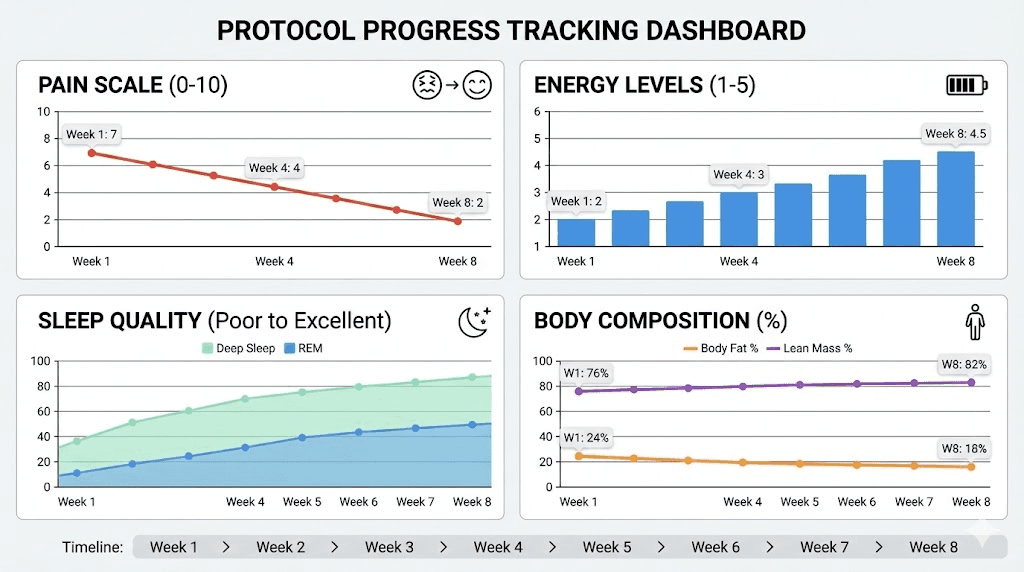
Subjective tracking
Many peptide effects manifest subjectively:
Pain levels: For healing peptides, tracking pain reduction over time.
Energy and recovery: Noting changes in training recovery and overall energy.
Sleep quality: GH secretagogues often improve sleep, which can be tracked.
Body composition: Visual changes and how clothes fit.
Keeping a simple log helps identify patterns and timing of effects.
Objective measurements
More quantitative approaches include:
Bloodwork: Tracking relevant biomarkers before, during, and after protocols.
Body composition testing: DEXA scans or other methods measuring fat and lean mass changes.
Performance metrics: Strength, endurance, or sport-specific measurements.
Imaging: For injuries, imaging can document structural changes over time.
Peptide before and after documentation helps track progress objectively.
Addressing common concerns about peptides
Rogan's discussions generate questions and concerns that deserve direct answers.
Safety profile of popular peptides
Peptide safety varies by compound. BPC-157 and TB-500 appear relatively well-tolerated in reported use, though formal safety data remains limited. Common reported side effects are typically mild: injection site reactions, temporary nausea, or headaches.
GH secretagogues can cause water retention, joint discomfort, or altered glucose metabolism at higher doses. Proper dosing and monitoring minimize these concerns.
Long-term use considerations
Limited long-term human data means extended use involves some uncertainty. Prudent approaches include:
Cycling: Periodic breaks from peptide use.
Regular monitoring: Ongoing bloodwork to catch any concerning trends.
Medical oversight: Professional guidance for extended protocols.
Staying informed: Following emerging research on long-term effects.
Interaction with other treatments
Peptides can interact with medications and other treatments. Anyone on prescription drugs should discuss peptide use with their healthcare provider. Particular caution applies to:
Blood thinners: Some peptides affect coagulation.
Diabetes medications: GLP-1 agonists and GH secretagogues affect glucose.
Hormone therapies: Peptides affecting hormones may interact with existing treatments.
Cancer history: Growth-promoting peptides require caution in those with cancer history.
The future of peptide therapy
Rogan's discussions reflect a moment in peptide history when interest is exploding but research lags behind. The future likely holds significant developments.
Clinical trials expanding
The success of GLP-1 agonists has validated peptides as a therapeutic class. More clinical trials of other peptides are likely, potentially bringing FDA approval and mainstream acceptance to compounds currently limited to research use.
New peptides emerging
Research continues developing new peptides with improved characteristics. Oral delivery systems, longer-acting formulations, and more targeted mechanisms represent active development areas.
Regulatory evolution
The current gray-market status of many peptides may not persist indefinitely. Regulations could tighten, restricting access, or relax, enabling broader legitimate use. Either direction would significantly impact the peptide landscape.
Integration with medicine
As evidence accumulates, mainstream medicine may increasingly incorporate peptide therapies. The integration of GLP-1 agonists into standard obesity treatment provides a template this evolution might follow.
Helpful resources
For those beginning their peptide education journey, these foundational resources provide essential knowledge:
In case I don't see you, good afternoon, good evening, and good night.
May your injuries heal quickly, your hormones stay optimized, and your recovery stay accelerated. Join SeekPeptides.