Jan 22, 2026
Some men inject growth hormone peptides for months and see nothing. Others follow nearly identical protocols and watch their body composition transform in weeks. The difference rarely comes down to genetics or effort. It comes down to which peptides they combine, how they time their doses, and whether they understand the mechanisms driving their results.
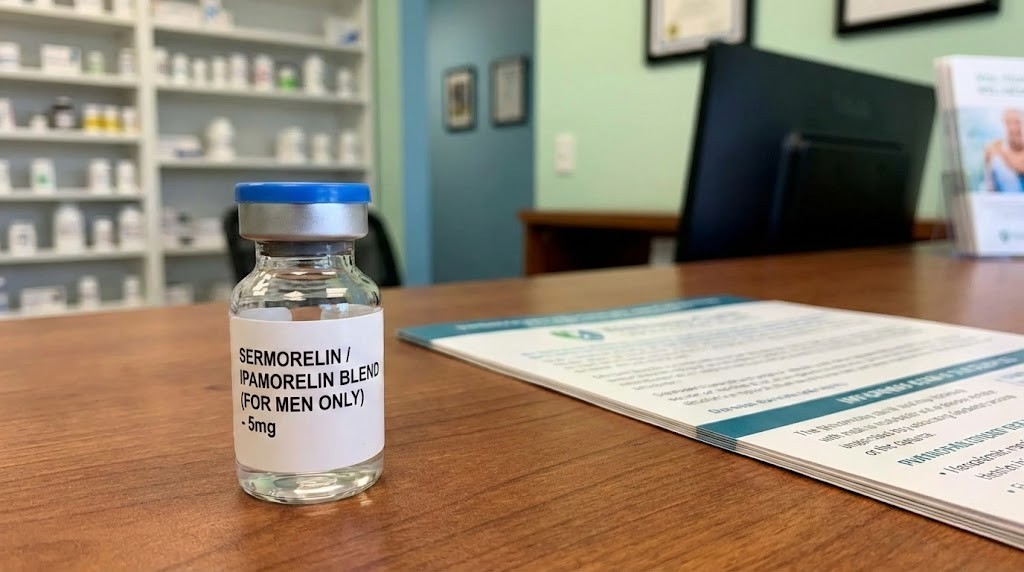
The sermorelin ipamorelin blend represents one of the most researched combinations in peptide therapy for anti-aging and body recomposition. Two peptides. Two distinct pathways. One synergistic effect that neither can achieve alone.
But here is the problem. Most guides treat these peptides as interchangeable options rather than complementary tools. They list benefits without explaining mechanisms. They mention dosages without addressing individual variation. They promise results without preparing you for the timeline, the adjustments, or the troubleshooting that separates successful protocols from abandoned ones.
This guide takes a different approach. We will examine exactly how sermorelin and ipamorelin work together at the receptor level, why their combination creates effects greater than either alone, and how men are using this blend for muscle growth, fat loss, recovery, and overall vitality. You will learn specific dosing protocols, understand the week-by-week timeline of results, and know exactly what to do when things are not working as expected.
SeekPeptides has analyzed thousands of protocol outcomes. The patterns are clear. Success with sermorelin and ipamorelin depends less on the peptides themselves and more on understanding the science behind them, then applying that knowledge consistently.
Understanding sermorelin and ipamorelin individually
Before examining how these peptides work together, you need to understand what each one does on its own. Their mechanisms are fundamentally different, and that difference explains why the combination is so effective.
What is sermorelin?
Sermorelin is a 29-amino-acid peptide that functions as an analog of growth hormone-releasing hormone (GHRH). The pituitary gland naturally produces GHRH to signal the release of growth hormone. Sermorelin mimics this signal.
The FDA approved sermorelin in 1990 as a diagnostic tool for growth hormone deficiency and later in 1997 for treating idiopathic GH deficiency in children with growth failure. Studies showed significant increases in GH release and growth velocity. While its official medical use focused on pediatric applications, researchers and clinicians recognized its potential for adult applications related to age-related hormone decline.
Here is what makes sermorelin unique. It does not inject growth hormone directly into your body. Instead, it signals your pituitary gland to produce and release its own GH. This preserves the natural pulsatile pattern of hormone release. Your body still controls how much GH enters circulation, which prevents the supraphysiological levels that can cause side effects with direct HGH injection.
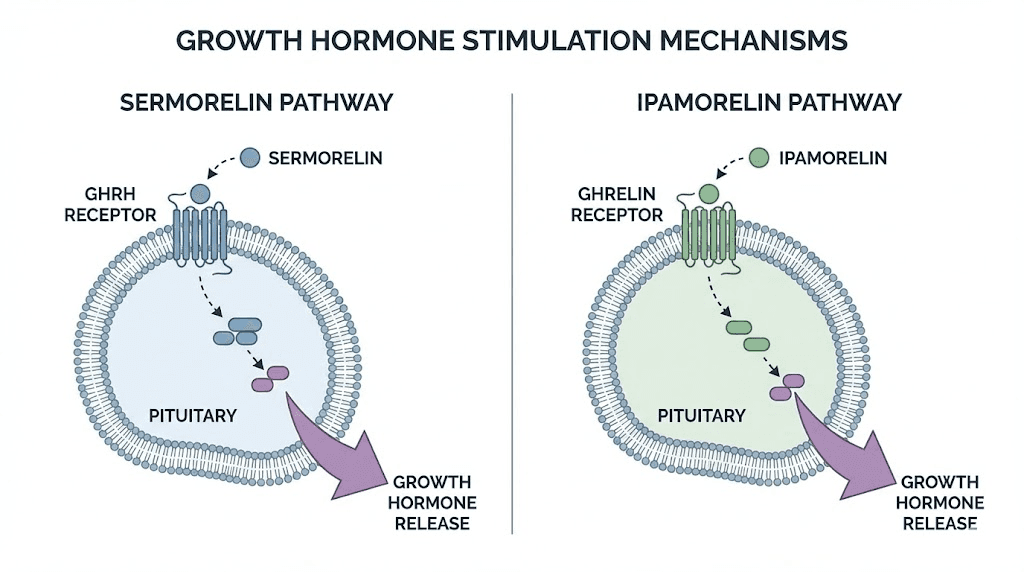
Sermorelin works through the GHRH receptor pathway. When it binds to these receptors on the pituitary gland, it triggers a cascade of intracellular signaling that results in GH release. This process involves cyclic AMP and calcium channels, the same pathway your natural GHRH uses.
The half-life matters here. Sermorelin has a short half-life of approximately 10-20 minutes. This means it creates a relatively quick spike in GH release, then clears from the system. For men using sermorelin, this short half-life requires strategic timing, typically at bedtime to coincide with the body's largest natural GH pulse during deep sleep.
Understanding proper peptide dosing becomes crucial with sermorelin because of this pharmacokinetic profile.
What is ipamorelin?
Ipamorelin takes a completely different approach. It is a synthetic pentapeptide, meaning it contains just five amino acids, that acts as a selective growth hormone secretagogue. Rather than mimicking GHRH, ipamorelin mimics ghrelin, the hunger hormone that also stimulates GH release.
Ipamorelin binds to the ghrelin receptor (GHSR-1a) on pituitary cells. This binding triggers GH release through a separate mechanism than the GHRH pathway. The selectivity of ipamorelin is its defining characteristic. Unlike other ghrelin mimetics like GHRP-6, ipamorelin does not significantly increase cortisol, prolactin, or appetite. It stimulates GH release with minimal off-target effects.
For men concerned about maintaining hormonal balance while optimizing GH levels, this selectivity matters enormously. You can read more about the specific benefits of ipamorelin in our dedicated guide.
The half-life of ipamorelin is longer than sermorelin, approximately 2-3 hours. This extended duration means the GH-releasing effect is sustained over a longer period, creating a more gradual elevation rather than a sharp spike.
Clinical trials explored ipamorelin for postoperative ileus, but its development for that indication was discontinued after it failed to shorten time to first meal intake compared to placebo. However, the research established its safety profile and confirmed its potent, selective GH-stimulating effects.
Why combine them?
The combination creates a synergistic effect.
Research shows that GHRH and GHRP used together produce GH release greater than either compound alone. This is not just additive. It is multiplicative.
Think of it this way. Sermorelin opens the door for GH release by activating the GHRH pathway. Ipamorelin pushes through that door by simultaneously activating the ghrelin pathway. The two signals reinforce each other, resulting in a more robust and sustained GH pulse than you would get from either peptide independently.
There is another advantage to the combination. The different half-lives create a complementary release pattern. Sermorelin creates an immediate spike in GH release. Ipamorelin sustains that elevation over a longer period. Together, they produce a more natural rhythm of GH secretion, similar to what a younger body would produce naturally.
This peptide stacking approach has become standard practice for men seeking to optimize their growth hormone levels without resorting to direct HGH injection.
Mechanisms of action in men
Understanding the specific mechanisms helps you optimize your protocol and troubleshoot when results do not match expectations. Let us examine how this blend affects male physiology at multiple levels.
The growth hormone and IGF-1 cascade
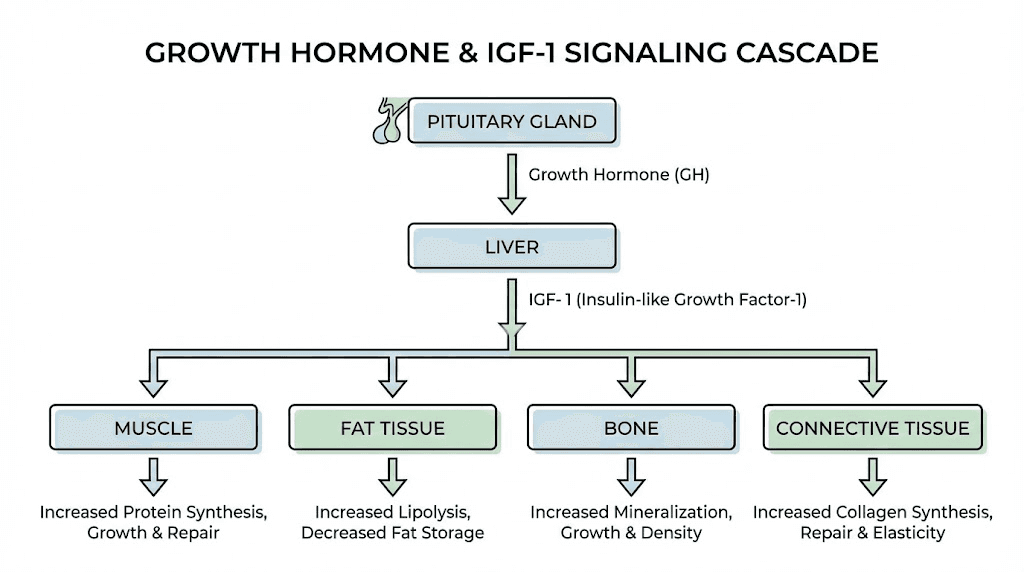
When sermorelin and ipamorelin stimulate GH release from the pituitary, that growth hormone travels through the bloodstream to the liver. The liver responds by producing insulin-like growth factor 1 (IGF-1). This hormone mediates many of the effects people associate with growth hormone therapy.
IGF-1 is the primary driver of muscle protein synthesis stimulation. It increases the uptake of amino acids into muscle cells and accelerates the assembly of new muscle proteins. For men focused on building lean muscle, this cascade is the central mechanism.
But IGF-1 does far more than build muscle. It promotes cell regeneration throughout the body, including skin, hair, and connective tissue. It enhances fat metabolism by increasing lipolysis, the breakdown of stored fat for energy. It supports bone density by stimulating osteoblast activity. It even plays a role in cognitive function and mood regulation.
The sermorelin ipamorelin blend increases both circulating GH and IGF-1 levels, but critically, it does so within physiological ranges. Unlike direct HGH injection, which can create supraphysiological hormone levels, this approach relies on your pituitary gland regulatory mechanisms. Your body still controls the upper limit of GH release, even when stimulated by peptides.
This physiological advantage is crucial for long-term use. Research on growth hormone secretagogues confirms they increase serum levels of endogenous GH and IGF-1 in a similar fashion to exogenous GH therapy while not exceeding physiologic norms.
Effects on body composition
Men using the sermorelin ipamorelin blend report changes in body composition that reflect the GH and IGF-1 cascade at work. Studies on sermorelin interventions have been associated with an increase in lean body mass by approximately 2.78 pounds (1.26 kg) without changes in fat mass. This effect comes from augmented growth hormone secretion and elevated IGF-1 levels.
For weight loss applications, the mechanism involves enhanced lipolysis. Growth hormone promotes the release of fatty acids from adipose tissue, making them available for oxidation. This does not mean you will lose fat automatically, but it means your body becomes more efficient at utilizing stored fat for energy, particularly during fasted states or exercise.
Men combining this blend with resistance training often report that the combination accelerates the typical body recomposition process. Muscle gains come faster. Fat loss occurs more readily, particularly in stubborn areas. Recovery between training sessions improves, allowing for more frequent and intense workouts.
The peptides for muscle growth section of our site covers these mechanisms in greater detail.
Sleep and recovery mechanisms
Growth hormone release follows a circadian pattern. The largest natural GH pulse occurs during deep sleep, specifically during slow-wave sleep phases. This is why sleep quality matters so much for recovery, muscle growth, and overall health.
The sermorelin ipamorelin blend amplifies this natural pattern when administered at bedtime. By stimulating GH release during the sleep window, the peptides enhance the body overnight repair processes. Users consistently report deeper, more restorative sleep as one of the earliest noticeable effects.
Improved sleep drives a cascade of benefits. Better recovery from exercise. Enhanced cognitive function. More stable mood and energy levels. Reduced inflammation. For men dealing with age-related sleep decline, this effect alone can be transformative.
Understanding proper peptide storage ensures your peptides maintain potency for optimal results.
Joint and connective tissue support
Growth hormone and IGF-1 influence cartilage and connective tissue turnover. For men experiencing joint wear, whether from aging, intense training, or previous injuries, this represents a significant benefit of the blend.
GH stimulates the production of collagen and proteoglycans, the structural components of cartilage. It also increases the activity of chondrocytes, the cells responsible for maintaining cartilage health. This does not mean the blend will regrow damaged cartilage, but it can support the ongoing maintenance and repair processes that keep joints functional.
Men using sermorelin and ipamorelin often report reduced joint discomfort and improved mobility, particularly in weight-bearing joints like knees and hips. Combined with peptides specifically targeting joint pain or tendon repair, the effects can be substantial.
Complete dosing protocols for men
Dosing is where many men go wrong with peptide therapy.
Either they follow generic recommendations without considering individual factors, or they escalate doses too quickly in pursuit of faster results.
Effective protocols require patience, precision, and periodic adjustment.
Standard dosing ranges
The typical sermorelin ipamorelin blend dosing protocol for men is 300mcg of each peptide administered subcutaneously five days per week. This represents the middle of the effective range and serves as a starting point for most users.
For sermorelin specifically, dosing ranges from 100mcg to 500mcg per day. Starting doses typically fall in the 200-300mcg range. Men may gradually increase to 400-500mcg based on response and provider guidance.
For ipamorelin, similar ranges apply. Most protocols use 100-300mcg per day, with some men using up to 500mcg in divided doses.
When combined, a common protocol looks like this:
Starting protocol: 200-300mcg sermorelin + 200-300mcg ipamorelin, administered together subcutaneously at bedtime, five nights per week.
Intermediate protocol: 300mcg sermorelin + 300mcg ipamorelin, administered together subcutaneously at bedtime, five nights per week.
Advanced protocol: 400-500mcg sermorelin + 300mcg ipamorelin, administered together or split into morning and evening doses, five to six days per week.
Our peptide dosage calculator can help you determine exact amounts based on your specific situation.
Weight-based dosing considerations
Body weight influences optimal dosing for some men, though the correlation is not as strong as with some other compounds. Generally, larger men may benefit from the higher end of dosing ranges, while smaller men may achieve optimal results at lower doses.
A rough guideline suggests 3-5mcg per kilogram of body weight for each peptide. A 90kg (200lb) man might target 270-450mcg of each compound. However, individual response varies significantly, and many practitioners prefer starting at standard doses regardless of weight, then adjusting based on results and tolerability.
The peptide dosage calculation guide provides more detailed instructions for determining your specific needs.
Timing and administration
Timing matters significantly with growth hormone peptides. The goal is to amplify natural GH release patterns, not override them.
Optimal timing: 30-60 minutes before sleep, on an empty stomach or at least 1-2 hours after eating. Growth hormone release is blunted by elevated insulin levels, which occur after eating, particularly after carbohydrate consumption.
Why bedtime works: Administering the blend before sleep coincides with the body largest natural GH pulse, which occurs during deep sleep. The peptides amplify this pulse, enhancing overnight recovery and repair processes.
Alternative timing: Some protocols use split dosing, with one injection in the morning (fasted) and one at bedtime. This creates two GH pulses throughout the day, potentially enhancing fat burning and daytime energy. However, this approach requires more discipline around meal timing and has not been definitively proven superior to single nighttime dosing.
After injecting, avoid eating for at least 30 minutes. Some practitioners recommend avoiding food until morning to maximize overnight fat metabolism.
Cycle length and breaks
Most effective protocols follow a 5-days-on, 2-days-off pattern. This prevents potential receptor desensitization and maintains the effectiveness of the peptides over time.
Full cycle duration typically runs 3-6 months. Three consecutive months represents a standard protocol, followed by 1-2 weeks off before beginning another cycle. This cycling approach helps maintain sensitivity to the peptides and may reduce potential long-term risks.
Some men use the blend continuously for longer periods under medical supervision, but periodic breaks are generally recommended. Our guide on peptide cycle planning covers this topic in depth.
Reconstitution and storage
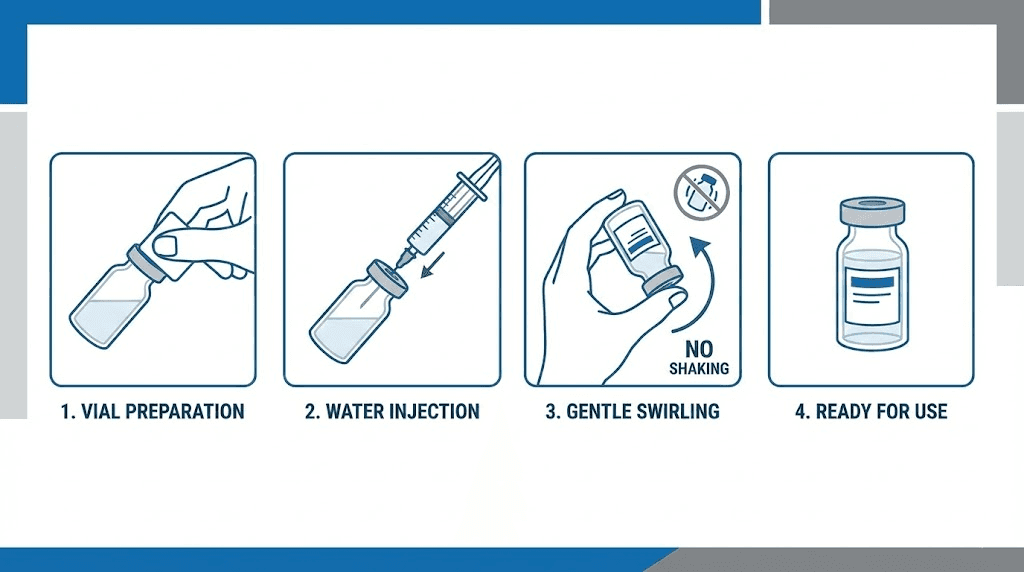
Both sermorelin and ipamorelin typically come as lyophilized (freeze-dried) powders that require reconstitution with bacteriostatic water before use.
Reconstitution process:
1. Wipe the top of the peptide vial with an alcohol prep pad.
2. Draw up the appropriate amount of bacteriostatic water (typically 2-3mL per vial, depending on desired concentration).
3. Inject the water slowly against the inside wall of the vial. Do not spray directly onto the powder.
4. Gently swirl, do not shake, until the powder dissolves completely.
5. The solution should be clear with no visible particles.
Storage: Before reconstitution, store vials at room temperature (68-77F), away from light. After reconstitution, refrigerate at 36-46F. Reconstituted peptides typically maintain potency for 2-4 weeks when properly refrigerated, though some sources suggest up to 30 days.
Learn more about proper peptide reconstitution and how long reconstituted peptides last in our detailed guides.
Our peptide reconstitution calculator helps you determine exact water amounts for your desired dosing concentration.
Injection technique
Subcutaneous injection is the standard administration method for both peptides. This means injecting into the fatty tissue just beneath the skin, not into muscle.
Common injection sites:
Lower abdomen (at least 2 inches from the navel). Front of thigh. Outer upper arm.
Technique:
1. Clean the injection site with an alcohol swab.
2. Pinch a fold of skin between thumb and forefinger.
3. Insert the needle at a 45-degree angle (for most body fat levels) or 90 degrees (if using shorter needles or in areas with more subcutaneous fat).
4. Inject slowly and steadily.
5. Withdraw the needle and apply gentle pressure if needed.
6. Rotate injection sites daily to prevent lipoatrophy (localized fat loss) or irritation.
Most men use insulin syringes with 29-31 gauge needles, which minimize discomfort. Our comprehensive peptide injection guide covers technique in greater detail.
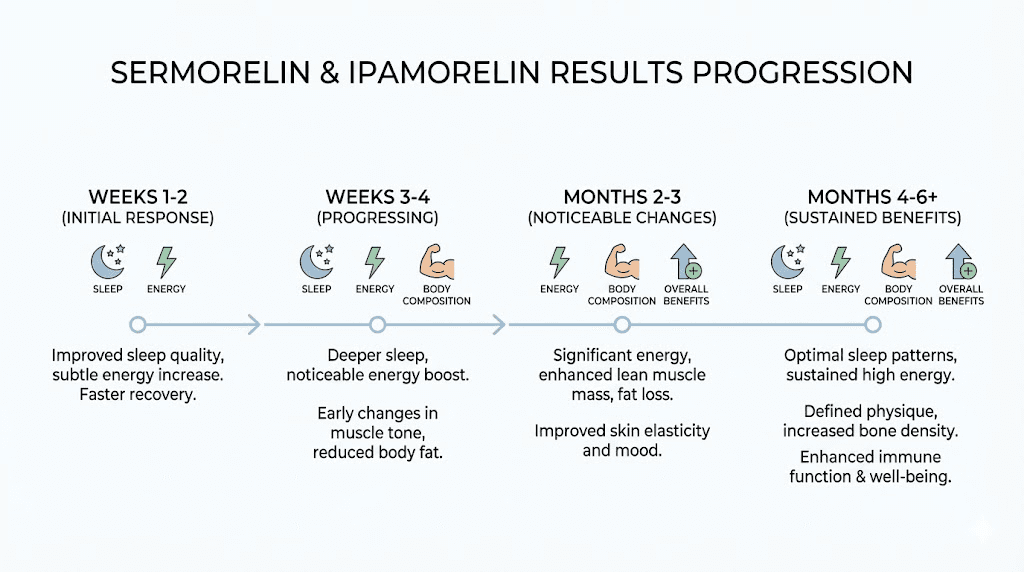
Week-by-week results timeline
Managing expectations is critical for protocol adherence. Many men abandon effective protocols prematurely because they expect immediate, dramatic results. The reality is more gradual but ultimately more sustainable.
Weeks 1-2: initial adaptation
During the first two weeks, most men notice subtle but meaningful changes. Sleep quality typically improves first. This manifests as falling asleep more easily, sleeping more deeply, and waking feeling more refreshed.
Some men experience vivid dreams during this period. This is not a side effect to worry about. It reflects enhanced sleep architecture and increased time in REM sleep. The dreams typically normalize as your body adapts.
Energy levels may begin to shift. Many men report feeling more alert during the day, with more stable energy rather than the typical afternoon slump. This relates to both improved sleep and the metabolic effects of enhanced GH levels.
Physical changes are minimal at this stage. Do not expect visible differences in body composition. The hormonal cascade is being established, but tissue-level changes take longer to manifest.
Weeks 3-4: early benefits emerge
By week three, the effects become more noticeable.
Recovery from workouts typically improves. Muscle soreness resolves faster.
You may notice you can train more frequently or with greater intensity without overreaching.
Mood and mental clarity often improve during this phase. Some men describe it as mental fog lifting, with improved focus and more stable emotional responses. This relates to growth hormone effects on neurotransmitter systems and overall brain function.
Skin may begin to show improvements. Increased elasticity, better hydration, and a subtle improvement in tone reflect GH effects on collagen synthesis and cellular turnover.
Joint discomfort, if present before starting, often begins to ease. The effects on connective tissue take time to manifest, but this is typically when men first notice reduced stiffness or aching.
Months 2-3: visible changes begin
This is when body composition changes become visible. Men who maintain consistent training and nutrition typically notice increased muscle definition, particularly in areas that respond well to GH like shoulders, chest, and arms.
Fat loss, especially around the midsection, becomes more apparent. Growth hormone preferentially mobilizes visceral fat, the metabolically active fat surrounding organs. Men often report that their waistline tightens even before the scale shows significant weight change.
Strength gains in the gym often accelerate during this period. The combination of improved recovery, enhanced protein synthesis, and better sleep creates optimal conditions for progressive overload.
For weight loss and muscle gain simultaneously, this phase is typically when the recomposition becomes apparent.
Months 3-6: full benefits realized
The full effects of sermorelin and ipamorelin therapy typically manifest between months three and six. This is when men report the most dramatic transformations in body composition, energy, and overall quality of life.
Lean muscle mass increases significantly compared to baseline. Combined with fat loss, this creates the defined, athletic appearance that many men pursue with peptide therapy.
Energy and vitality reach their peak. Men often describe feeling years younger, with sustained energy throughout the day and improved stress resilience.
Libido and sexual function commonly improve. While sermorelin and ipamorelin do not directly target testosterone, the overall hormonal optimization and improved vitality often translate to enhanced sexual health.
Hair and skin quality typically peak during this period. Some men notice improved hair thickness and reduced graying, though results vary significantly based on individual factors.
Our guide on peptide before and after results provides real examples of what men experience at various stages.
Comparing sermorelin ipamorelin to other options
Men researching growth hormone peptides encounter numerous options. Understanding how the sermorelin ipamorelin blend compares to alternatives helps you make informed decisions about your protocol.
Sermorelin ipamorelin vs CJC-1295 ipamorelin
The ipamorelin vs CJC-1295 comparison is one of the most common in peptide research circles. Both combinations pair ipamorelin with a GHRH-pathway peptide, but they have different characteristics.
CJC-1295 comes in two forms: with DAC (Drug Affinity Complex) and without DAC (also called modified GRF 1-29). The version with DAC has a dramatically extended half-life of 6-8 days, meaning it provides sustained GH elevation from a single injection. Without DAC, the half-life is similar to sermorelin.
Key differences:
Half-life: Sermorelin has a half-life of 10-20 minutes. CJC-1295 with DAC has a half-life of 6-8 days. This means sermorelin creates acute GH pulses while CJC-1295 with DAC creates sustained elevation.
Injection frequency: Sermorelin requires daily injections for optimal effect. CJC-1295 with DAC can be injected 1-2 times per week.
Pattern of GH release: Sermorelin produces more natural, pulsatile GH release patterns. CJC-1295 with DAC creates more constant elevation, which some argue is less physiological.
FDA history: Sermorelin has FDA approval (though limited to specific indications). CJC-1295 has never been FDA-approved for any indication.
Many practitioners prefer the sermorelin ipamorelin combination because it more closely mimics natural GH secretion patterns. The daily injections, while requiring more commitment, may produce more physiological results long-term.
Our detailed CJC-1295 guide covers this peptide comprehensively.
Sermorelin ipamorelin vs direct HGH
Direct human growth hormone injection delivers exogenous (external) GH directly into the bloodstream. The sermorelin ipamorelin blend stimulates your body own GH production. This fundamental difference has significant implications.
Advantages of the blend over direct HGH:
Physiological regulation: With sermorelin and ipamorelin, your pituitary gland still controls GH release. Even when stimulated, it will not release more GH than it is capable of producing. This built-in safety mechanism prevents supraphysiological hormone levels.
Preserved feedback loops: Sermorelin maintains the natural negative feedback involving somatostatin. This makes overdosing on endogenous GH difficult to achieve. With direct HGH injection, these regulatory mechanisms do not apply.
Pulsatile release: The blend produces episodic GH release, which is how your body naturally secretes the hormone. Direct HGH injection creates constant, non-pulsatile elevation, which may be less optimal for long-term outcomes.
Cost: Sermorelin and ipamorelin are significantly less expensive than pharmaceutical HGH.
Legal accessibility: The blend is more accessible through anti-aging clinics and compounding pharmacies than direct HGH, which is more tightly controlled.
Disadvantages:
Less predictable GH elevation: With direct HGH, you know exactly how much you are getting. With secretagogues, individual response varies based on pituitary function.
Requires functional pituitary: Men with significant pituitary dysfunction may not respond adequately to secretagogues and may require direct HGH.
For most men with age-related GH decline (rather than clinical GH deficiency), the sermorelin ipamorelin blend offers advantages that make it the preferred choice.
Learn more about HGH alternatives in our comprehensive guide.
Sermorelin ipamorelin vs sermorelin alone
The question of whether to use sermorelin alone or combined with ipamorelin comes down to desired outcomes and budget.
Sermorelin alone is effective for many men. The benefits of sermorelin include improved sleep, body composition, and recovery. For men seeking modest GH optimization, sermorelin monotherapy may be sufficient.
However, the combination with ipamorelin offers advantages:
Synergistic GH release: As discussed, the combination produces GH release greater than either peptide alone. For men seeking more substantial effects, this matters.
Dual pathway activation: Hitting both GHRH and ghrelin receptors provides more comprehensive stimulation of the GH axis.
Potentially better results: Clinical experience suggests the combination produces more consistent and pronounced effects than sermorelin monotherapy.
The tradeoff is cost. The combination requires purchasing two peptides and typically uses higher total peptide amounts. For budget-conscious men, starting with sermorelin alone and adding ipamorelin later is a reasonable approach.
Our peptide cost calculator can help you compare expenses between different protocols.
Where does this blend fit in the peptide landscape?
The sermorelin ipamorelin blend occupies a specific niche in peptide therapy for men. It is not the most aggressive option, but it is among the most well-studied and the one with the longest track record of clinical use.
For men new to peptide therapy, this combination represents a sensible starting point. It offers meaningful benefits with a favorable safety profile and a large body of clinical experience to draw from.
For men seeking more aggressive body composition changes, other peptides like tesofensine or stacks including AOD-9604 might be considered, though these have less established safety profiles.
For men focused specifically on healing and recovery, the BPC-157 and TB-500 stack might be more appropriate, either alone or in combination with GH secretagogues.
Combining with testosterone therapy
Many men using the sermorelin ipamorelin blend are also on testosterone replacement therapy (TRT) or considering it. Understanding how these therapies interact helps optimize outcomes.
Synergistic benefits
Research on growth hormone secretagogues suggests they show potential for use in managing body composition concerns associated with hypogonadism (low testosterone) and metabolic syndrome, either as monotherapy or adjunct therapy in combination with testosterone therapy.
The combination addresses two distinct but related aspects of male aging. Testosterone therapy directly replaces declining testosterone levels, affecting muscle protein synthesis, libido, mood, and energy. The sermorelin ipamorelin blend addresses declining GH levels, affecting recovery, fat metabolism, sleep quality, and tissue regeneration.
Together, these therapies create synergistic effects:
Muscle building: Therapeutic levels of testosterone, growth hormone, and adequate androgen receptors work synergistically. Combined with proper nutrition and exercise, this represents a powerful foundation for building lean muscle.
Fat loss: Growth hormone breaks down fat for energy and prevents fat storage. Testosterone influences energy utilization, prioritizing fat burning over muscle breakdown, and regulates how the body partitions nutrients between fat and muscle.
Recovery: Both hormones support tissue repair and recovery, but through different mechanisms. The combination may accelerate recovery beyond what either achieves alone.
Overall vitality: Men on combined therapy frequently report feeling substantially better than on either therapy alone. Energy, mood, cognitive function, and quality of life all may improve synergistically.
Our guide on TRT and peptides explores this combination in detail.
Important considerations
Combining growth hormone optimization with testosterone therapy requires careful monitoring.
Both influence metabolism, insulin sensitivity, and red blood cell production. Providers typically monitor hormone panels regularly and adjust dosing to maintain optimal balance.
The combination may increase the risk of certain side effects that both therapies can cause independently, such as fluid retention or joint discomfort. Starting one therapy and stabilizing before adding the other allows for clearer assessment of individual responses.
There is also the question of whether GH optimization improves testosterone levels independently. Some research suggests growth hormone may support testosterone production, though the effect is modest compared to direct testosterone replacement.
Men considering this combination should work with experienced providers who understand both therapies. The peptide therapy clinic guide can help you find appropriate medical support.
Does sermorelin increase testosterone?
This question comes up frequently. The short answer is: potentially, but not dramatically.
Growth hormone and testosterone have complex interactions. GH may support testosterone production indirectly by improving overall metabolic health, sleep quality, and pituitary function. Some studies suggest modest increases in testosterone levels with GH-optimizing therapies.
However, sermorelin and ipamorelin are not testosterone-boosting peptides in the direct sense. Men with clinically low testosterone who use these peptides without TRT typically do not see their testosterone normalize from the peptides alone.
For men with borderline testosterone levels, the improved sleep and metabolic health from GH peptides might push levels into a more optimal range. For men with significant testosterone deficiency, direct testosterone therapy remains the primary intervention.
Our comprehensive guide on peptides for testosterone covers this topic thoroughly.
Side effects and safety considerations
Understanding potential side effects helps you use the sermorelin ipamorelin blend safely and recognize when adjustments are needed.
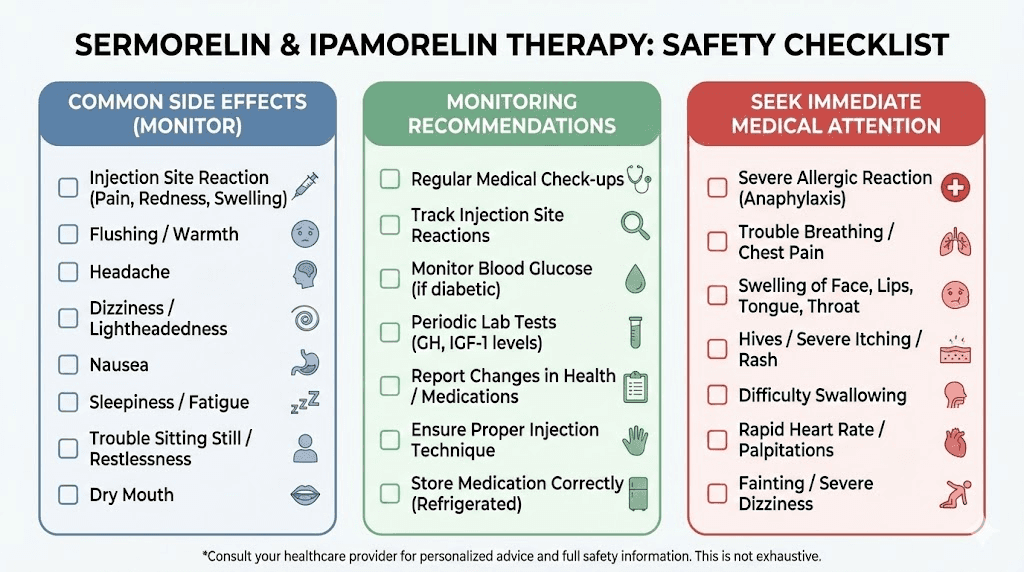
Common side effects
The most frequently reported side effects are mild and often resolve as the body adapts:
Injection site reactions: Pain, swelling, or redness at the injection site is the most common complaint. Proper injection technique and site rotation minimize these reactions.
Headaches: Some men experience mild headaches, particularly in the first few weeks. These typically resolve as the body adjusts to the peptides.
Water retention: Mild fluid retention, sometimes noticed as tighter rings or slight ankle swelling, can occur. This usually normalizes within a few weeks and responds to dose adjustment if persistent.
Sleep changes: Vivid dreams, night sweats, or temporary insomnia can occur as sleep architecture changes. These are part of hormonal recalibration and typically give way to improved sleep quality within several weeks.
Increased appetite: Ipamorelin, as a ghrelin mimetic, can increase appetite in some men. This requires mindful eating if fat loss is a goal.
Our guide on peptide safety and risks provides comprehensive information on managing side effects.
Less common side effects
Rarer side effects may include:
Joint stiffness: Some men experience joint stiffness or discomfort, particularly at higher doses. This typically responds to dose reduction.
Dizziness or flushing: Transient dizziness or facial flushing occurs occasionally, usually shortly after injection.
Gastrointestinal discomfort: Mild stomach upset or nausea is occasionally reported.
Allergic reactions: Rare allergic reactions including rash, itching, or in severe cases, difficulty breathing require immediate medical attention.
Advantages of ipamorelin selectivity
One significant advantage of ipamorelin over other growth hormone secretagogues is its selectivity. Unlike GHRP-6 or GHRP-2, ipamorelin does not significantly increase cortisol or prolactin levels.
This matters because elevated cortisol promotes fat storage, muscle breakdown, and anxiety. Elevated prolactin can cause sexual dysfunction, mood changes, and in extreme cases, gynecomastia. By avoiding these off-target effects, ipamorelin provides a cleaner GH-boosting effect.
Sermorelin similarly has a favorable side effect profile compared to direct HGH injection. Because it works through natural regulatory mechanisms, the risk of supraphysiological hormone levels is minimized.
Long-term safety considerations
The long-term safety profile of growth hormone secretagogues remains an area of ongoing research. While sermorelin has FDA approval with established safety data, long-term studies specifically examining the sermorelin ipamorelin combination in aging adults are limited.
Theoretical concerns include:
Insulin resistance: Growth hormone can antagonize insulin action. Long-term use at high doses might potentially contribute to insulin resistance. Regular metabolic monitoring is advisable.
Cancer risk: Growth hormone and IGF-1 promote cell proliferation. While there is no established link between GH secretagogues and cancer, men with active malignancies or strong cancer risk factors should discuss potential concerns with their providers.
Pituitary function: There is theoretical concern about whether chronic stimulation might affect pituitary function long-term. Current evidence does not suggest significant issues, but cycling protocols (with periodic breaks) are often recommended as a precaution.
The available evidence suggests the sermorelin ipamorelin blend has a favorable safety profile when used appropriately. However, medical supervision and regular monitoring are recommended, particularly for long-term use.
Troubleshooting: when results are not what you expected
Even with proper protocols, some men do not achieve the results they expect. Understanding common issues and their solutions helps you optimize your protocol rather than abandoning it prematurely.
Problem: no noticeable changes after 4-6 weeks
If you have been consistent with your protocol for a month or more without any noticeable benefits, consider these factors:
Peptide quality: Not all peptides are equal. Low-quality or degraded peptides will not produce results. Ensure you are sourcing from reputable suppliers with third-party testing. Our guide on best peptide vendors can help with sourcing.
Storage issues: Improperly stored peptides lose potency. Confirm your reconstituted peptides are refrigerated and used within the recommended timeframe. Check if the solution is clear. Cloudy or particulate-containing solutions should not be used.
Dosing errors: Reconstitution math errors can result in under-dosing. Use our reconstitution calculator to verify your concentration and injection volumes.
Timing issues: Injecting after eating, particularly after carbohydrates, blunts GH release. Ensure you are injecting on an empty stomach, ideally 30-60 minutes before sleep.
Individual variation: Pituitary responsiveness varies between individuals. Some men may need higher doses. Others may have underlying pituitary dysfunction that limits their response to secretagogues.
If none of these factors apply, consider bloodwork to assess GH and IGF-1 levels before and during therapy. This provides objective data on whether the peptides are having the intended effect.
Problem: good initial results that plateau
Some men experience excellent results initially, then find progress stalls. This can reflect:
Receptor desensitization: Continuous stimulation of any receptor pathway can lead to reduced sensitivity. The 5-days-on, 2-days-off protocol helps prevent this, but some men may need longer breaks periodically.
Lifestyle factors catching up: Peptides work best as part of a comprehensive approach. If diet or training has slipped, results will plateau regardless of peptide effectiveness.
Natural limits: The body has upper limits on how much muscle it can build and how lean it can get. Peptides cannot push you beyond your genetic potential. They optimize your progress toward that potential.
Solutions include taking a 2-4 week break from the peptides, then resuming. Some men rotate between different peptide combinations. Others focus on optimizing other variables (training, nutrition, sleep) before expecting further progress from peptides.
Problem: side effects outweigh benefits
If side effects are troublesome, consider:
Dose reduction: Many side effects are dose-dependent. Reducing to the lower end of the dosing range often resolves issues while maintaining benefits.
Slower titration: Starting at lower doses and increasing gradually gives the body time to adapt.
Individual peptide assessment: Try using sermorelin or ipamorelin individually rather than combined. This helps identify which peptide is causing issues.
Timing adjustment: Some side effects respond to timing changes. If nighttime dosing causes sleep disturbances, trying morning dosing might help.
Understanding common peptide mistakes can help you avoid issues before they occur.
Problem: sleep quality worse, not better
Some men initially experience disrupted sleep rather than improved sleep. This can manifest as:
Vivid dreams that wake you up. Difficulty falling asleep despite feeling tired. Night sweats. Restlessness.
This typically resolves within 2-4 weeks as the body adapts to the new hormonal environment. If it persists:
Reduce the dose temporarily. Experiment with injection timing, moving it earlier in the evening. Ensure sleep hygiene basics are in place (dark room, cool temperature, limited screens before bed).
GH effects on sleep architecture are complex. The initial disruption often precedes significantly improved sleep quality once adaptation occurs.
Problem: increased appetite sabotaging fat loss goals
Ipamorelin ghrelin-mimicking action can increase appetite in some men. For those focused on fat loss, this can be counterproductive.
Solutions include:
Timing adjustments: Injecting at bedtime minimizes daytime appetite effects, as you will be asleep during peak ghrelin-receptor activation.
Protein-first eating: When appetite increases, satisfying it with protein rather than carbohydrates supports body composition goals.
Reducing ipamorelin dose: Using a lower ipamorelin dose while maintaining sermorelin dose may reduce appetite stimulation while preserving most of the GH-releasing synergy.
Adding appetite-suppressing compounds: Some protocols combine GH peptides with peptides like tesofensine that suppress appetite, though this adds complexity.
Sermorelin ipamorelin for specific goals
Different men have different priorities. While the blend offers broad benefits, understanding how to optimize it for specific goals helps you get the most from your protocol.
For muscle building and athletic performance
Men focused on muscle building should consider:
Training optimization: The enhanced recovery from peptides allows for increased training frequency and volume. Progressive overload becomes easier to sustain.
Protein intake: GH and IGF-1 enhance protein synthesis, but only if adequate amino acids are available. Protein intake of 0.8-1g per pound of body weight supports optimal anabolic effects.
Timing training around injections: Some men train in the morning after a full night of peptide-enhanced sleep and recovery. Others prefer evening training followed by peptide injection, maximizing overnight recovery.
Complementary peptides: For injury-prone athletes, adding BPC-157 or TB-500 to the protocol may enhance tissue repair and reduce injury risk.
Our guides on safe peptides for muscle growth and peptides for athletic performance provide additional context.
For fat loss and body recomposition
Men prioritizing fat loss should consider:
Fasting synergy: GH mobilizes fatty acids for oxidation. Combining peptide therapy with intermittent fasting or extended morning fasts may enhance fat-burning effects.
Cardio timing: Low-intensity cardio in the morning, in a fasted state after overnight peptide administration, may optimize fat oxidation when GH levels are elevated.
Avoiding carbohydrates around injection: Insulin blunts GH effects. Keeping carbohydrate intake low in the evening, before and after injection, preserves GH-mediated fat metabolism.
Complementary peptides: For stubborn fat loss, AOD-9604 specifically targets fat metabolism without affecting blood sugar or growth. Some protocols combine it with the sermorelin ipamorelin blend.
Our best peptide stack for weight loss guide explores these combinations.
For anti-aging and longevity
Men focused on aging well should consider:
Consistency over intensity: Anti-aging benefits come from sustained, moderate GH optimization rather than aggressive short-term protocols. Lower doses used consistently over longer periods may be more appropriate.
Sleep prioritization: The sleep-enhancing effects of the blend may be the most valuable anti-aging benefit, given sleep crucial role in cellular repair and cognitive preservation.
Complementary approaches: Combining GH peptides with other longevity-focused peptides like epitalon (for telomerase activation) or SS-31 (for mitochondrial function) creates a more comprehensive anti-aging protocol.
Regular monitoring: Men using peptides for anti-aging should monitor metabolic markers, inflammatory markers, and hormone levels regularly to ensure the protocol supports rather than undermines long-term health.
Our peptides for anti-aging category page covers this area comprehensively.
For recovery from injury or surgery
Men using the blend to support healing should consider:
Higher initial doses: During acute recovery phases, slightly higher doses may be appropriate to maximize GH tissue-repair effects.
Combining with healing peptides: The BPC-157 and TB-500 combination specifically targets tissue repair and can complement the sermorelin ipamorelin blend during recovery periods.
Protein and nutrient support: Healing requires building materials. Ensuring adequate protein, vitamin C, zinc, and other nutrients involved in tissue repair supports GH-mediated healing.
Realistic expectations: Peptides support and potentially accelerate healing, but they do not create miraculous recovery. Proper rehabilitation and medical guidance remain essential.
Our fast injury healing guide provides detailed protocols for recovery-focused peptide use.
How SeekPeptides supports your protocol
SeekPeptides members access comprehensive resources to optimize their sermorelin ipamorelin protocols. This includes detailed dosing calculators, protocol builders that account for individual factors, and tracking tools to monitor progress over time.
The platform provides evidence-based guides that go beyond generic recommendations, offering specific protocols tailored to different goals and situations. Members also benefit from community access, connecting with others using similar protocols and learning from their experiences.
For men serious about optimizing peptide therapy, having access to quality information and support makes the difference between mediocre and exceptional outcomes. SeekPeptides provides the most comprehensive resource available for peptide education and protocol optimization.
Frequently asked questions
How long does it take to see results from sermorelin ipamorelin?
Most men notice initial effects within 2-3 weeks, primarily improved sleep quality and energy. Significant body composition changes typically become visible around months 2-3, with full benefits realized between months 3-6 of consistent use. Check our guide on peptide timelines for detailed expectations.
Can I use sermorelin ipamorelin without a prescription?
Sermorelin and ipamorelin are not controlled substances, but they are classified as research chemicals or require a prescription depending on jurisdiction and intended use. Working with a qualified healthcare provider ensures proper monitoring and legal compliance. Our guide on doctors prescribing research peptides explains the current landscape.
Is the sermorelin ipamorelin blend safe for long-term use?
Current evidence suggests the blend has a favorable safety profile for long-term use when dosed appropriately. However, periodic breaks (cycling) are recommended, and regular monitoring of hormone levels and metabolic markers is advisable.
Review our peptide safety guide for comprehensive safety information.
Can I combine sermorelin ipamorelin with other peptides?
Yes, many protocols combine the blend with other peptides for specific goals. Common additions include BPC-157 and TB-500 for healing, AOD-9604 for fat loss, or cognitive peptides like semax for mental performance. Our guide on combining peptides covers stacking safely.
What is the difference between sermorelin ipamorelin and taking HGH directly?
The blend stimulates your body own GH production, preserving natural regulatory mechanisms and creating physiological hormone levels. Direct HGH injection bypasses these controls, creating constant (non-pulsatile) elevation that may carry more risk. The blend is also significantly less expensive. Compare options in our HGH alternatives guide.
Do I need to cycle sermorelin ipamorelin or can I use it continuously?
Most protocols recommend a 5-days-on, 2-days-off weekly pattern, with periodic longer breaks (2-4 weeks) every 3-6 months. This cycling approach helps maintain receptor sensitivity and may reduce potential long-term risks. See our cycle planning guide for detailed protocols.
Will sermorelin ipamorelin show up on a drug test?
Standard workplace drug tests do not screen for peptides. However, athletic drug tests (WADA, etc.) may detect growth hormone secretagogues. Athletes should verify current regulations for their sport. Review peptide legality and testing considerations in our dedicated guide.
What happens if I miss a dose?
Missing occasional doses will not significantly impact results. Simply resume your normal schedule, do not double up. Consistency over time matters more than perfect adherence on any single day.
External resources
NIH PubMed Central: Growth hormone secretagogues in hypogonadal males
NIH PubMed Central: Sermorelin for adult-onset GH insufficiency
In case I do not see you, good afternoon, good evening, and good night.