Feb 1, 2026
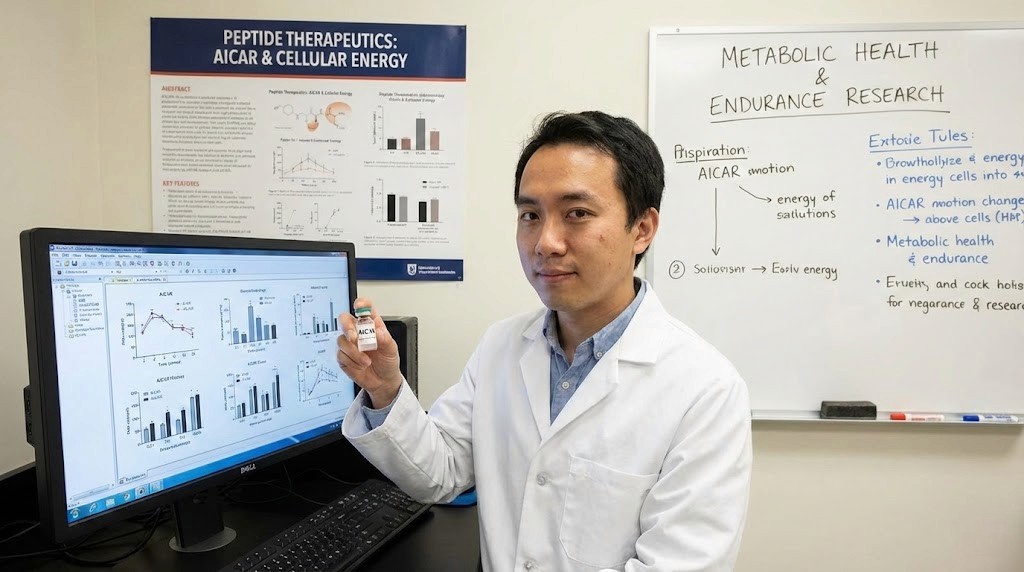
Sedentary mice ran 44% farther. No training. No dietary changes. Just four weeks of a single compound.
That was the headline from the Salk Institute in 2008, when Ronald Evans and his team published findings that shook the sports science and metabolic research communities. The compound responsible was AICAR, a nucleoside analog that activates one of the most powerful metabolic switches in biology. The study, led by Narkar and colleagues, demonstrated something researchers had only theorized about: a chemical agent could replicate meaningful aspects of physical exercise at the cellular level.
But here is where it gets complicated. AICAR is not a peptide. It is commonly grouped with peptides in the research community because of shared purchasing channels and overlapping interest from biohackers, but its molecular structure places it squarely in the nucleoside analog category. Understanding this distinction matters because it shapes expectations about how AICAR works, what it can and cannot do, and how it compares to actual peptide compounds used in metabolic research.
AICAR activates AMPK, the enzyme often called the master regulator of cellular energy. AMPK controls whether cells burn fat or store it. It determines whether mitochondria multiply or stagnate. It influences glucose uptake, inflammation, and even how cells respond to stress. Every time you exercise intensely, AMPK activation drives the adaptations that make you fitter. AICAR triggers that same switch without the treadmill.
This guide covers every aspect of AICAR that researchers need to understand. The mechanisms. The documented benefits. The risks. The dosing protocols from published studies. The legal status. And how AICAR fits alongside compounds like MOTS-c and other energy-enhancing peptides in the broader landscape of metabolic research. SeekPeptides exists to help researchers navigate exactly these kinds of complex compounds, separating genuine science from marketing hype.
What is AICAR and how does it work?
AICAR stands for 5-aminoimidazole-4-carboxamide ribonucleoside. The full chemical name is 5-aminoimidazole-4-carboxamide-1-beta-D-ribofuranoside. It also goes by acadesine, particularly in the clinical literature where it has been studied for cardiac applications since the 1980s.
Your body produces AICAR naturally. It is an intermediate compound in the purine biosynthesis pathway, the process cells use to manufacture building blocks for DNA and RNA. Under normal conditions, AICAR exists briefly before being converted into other molecules in this pathway. What makes exogenous AICAR interesting is that when you introduce it from outside the body in larger amounts, it accumulates and triggers effects that the small natural quantities do not.
The AMPK activation cascade
Once AICAR enters a cell, enzymes convert it into ZMP, which stands for AICAR monophosphate. ZMP mimics AMP, the molecule that signals low energy status in cells. This is the critical step. Your cells constantly monitor the ratio of AMP to ATP. High AMP relative to ATP means energy is depleted. The cell needs to shift from building and storing to burning and conserving.
AMPK responds to this signal. When ZMP from exogenous AICAR accumulates, it binds to the gamma subunit of AMPK. This binding does three things simultaneously. It allosterically activates the enzyme, meaning it changes the enzyme shape to make it more active. It promotes phosphorylation at a specific site called Thr172 by an enzyme called LKB1. And it protects that phosphorylation site from being deactivated by phosphatases.
The result is sustained AMPK activation far beyond what occurs from normal metabolic fluctuations.
What activated AMPK does
Once AMPK turns on, metabolic priorities shift dramatically. Fat oxidation increases. Cells begin breaking down stored fatty acids for energy instead of relying primarily on glucose. Glucose uptake also increases through a mechanism involving GLUT4 transporters moving to the cell surface. In insulin-resistant rats, AICAR increased fatty acid uptake 2.4-fold and glucose uptake 4.9-fold in white muscle tissue, with associated 6-fold increases in glycogen synthesis.
Mitochondrial biogenesis accelerates. AMPK activates PGC-1alpha, the master regulator of mitochondrial production. More mitochondria means greater capacity for aerobic energy production. This is the same adaptation that endurance training produces over weeks and months of consistent effort.
Protein synthesis slows. AMPK inhibits mTOR, the pathway that drives muscle protein synthesis and cell growth. This is not necessarily desirable for those seeking muscle growth, but it represents an important energy conservation mechanism. When cellular energy is scarce, building new proteins becomes a luxury the cell cannot afford.
Inflammation decreases. AMPK activation suppresses NF-kB signaling, one of the primary inflammatory pathways. This contributes to the anti-inflammatory effects observed in multiple AICAR studies, from inflammation reduction in fat tissue to protection against pancreatitis-associated liver injury.
AMPK-independent effects
Here is something many summaries miss. A systematic review published in Cells (2021) found an increasing number of studies showing that many AICAR effects previously attributed to AMPK activation are actually AMPK-independent. This matters because it means AICAR is not just an AMPK activator. It is a compound with multiple mechanisms of action.
Some of these independent effects include direct interactions with enzymes in the purine biosynthesis pathway, effects on adenosine metabolism, and interactions with other cellular signaling cascades. The full picture of how AICAR works is more complex than the simple narrative of "activates AMPK, mimics exercise." Researchers should understand this nuance when evaluating the compound.
Cell penetration advantage
One property that makes AICAR particularly useful in research is its ability to penetrate cell walls without difficulty and without being altered. Many compounds need carrier molecules or specific receptors to enter cells. AICAR passes through relatively freely, which means researchers can reliably get it to the interior of cells where it needs to act. This ease of cellular entry partly explains why AICAR became the go-to AMPK activator in laboratory research for decades.
The landmark exercise mimetic study
No discussion of AICAR is complete without examining the 2008 Salk Institute study that put it on the map outside of cardiology research.
Ronald Evans, a Howard Hughes Medical Institute investigator at the Salk Institute for Biological Studies, led a team that had been studying metabolic regulation in muscle tissue. They were particularly interested in PPARdelta, a nuclear receptor involved in fatty acid metabolism, and AMPK, the energy sensor.
The experimental design
The team used C57BL/6J mice, a standard laboratory strain. They set up several experimental groups. One group received GW501516, a PPARdelta agonist, combined with exercise training. Another received GW501516 without exercise. A third group received AICAR without exercise. Controls received neither compound nor exercise.
The AICAR group received 500 mg/kg per day via oral administration for four weeks. No exercise. No treadmill access. Just the compound and their normal cage activity.
The results that changed the conversation
After four weeks, the sedentary AICAR-treated mice ran 23% faster and 44% farther than untreated, untrained mice. That 44% endurance improvement in completely sedentary animals was unprecedented.
Gene expression analysis revealed why. AICAR treatment upregulated metabolic genes typically associated with endurance training. Oxidative metabolism pathways were enhanced. The muscle fiber composition shifted toward more oxidative fiber types, the kind of adaptation that normally requires weeks of consistent aerobic training.
"That is as much improvement as we get with regular exercise," Narayan commented about the AICAR results. The compound appeared to mimic a broad spectrum of exercise-like adaptations in skeletal muscle.
GW501516 combined with exercise produced even more dramatic results, approximately 70% improvement in performance time. But the AICAR findings were the ones that captured attention because they demonstrated endurance enhancement without any exercise at all.
The "exercise in a pill" narrative
Media coverage quickly dubbed AICAR an "exercise pill." This framing was both compelling and misleading. Compelling because the results were real and significant. Misleading because exercise produces benefits far beyond what any single compound can replicate. Cardiovascular conditioning. Bone density improvements. Neuroplasticity. Social and psychological benefits. AICAR addresses one dimension of exercise, the metabolic adaptation in skeletal muscle, while leaving other dimensions untouched.
Evans himself was careful about this distinction, noting that AICAR could partly replace exercise while acknowledging that the full benefits of physical activity require actual movement. For people who cannot exercise due to injury, illness, or disability, even partial replication of exercise benefits could be meaningful. That therapeutic potential drove continued research interest.
Documented benefits of AICAR in research
Beyond the headline endurance study, AICAR has accumulated a substantial body of research across multiple therapeutic areas. Each benefit connects back to AMPK activation and the downstream metabolic changes it produces.
Metabolic improvements and diabetes research
The metabolic effects of AICAR represent some of the most robust findings in the literature. In insulin-resistant rats, AICAR decreased plasma glucose by approximately 25%, insulin by approximately 60%, and free fatty acids by approximately 30%. These are substantial metabolic improvements from a single compound.
The glucose handling improvements operate through multiple mechanisms. AICAR increases GLUT4 translocation to cell surfaces, meaning more glucose transporters are available to pull glucose out of the blood and into muscle cells. It also enhances fat oxidation, reducing the lipid accumulation that contributes to insulin resistance in the first place.
In obese Zucker rats, a model commonly used for metabolic syndrome research, AICAR significantly improved metabolic control. Even at low doses, the compound demonstrated ability to improve glucose homeostasis and insulin sensitivity. A human infusion study showed that a single dose of at least 30 mg/kg improved muscle glucose uptake, though the response was blunted in older individuals and those with type 2 diabetes.
The diabetes research connects to broader work on metabolic peptides and compounds. Researchers interested in weight loss compounds and metabolic modulators often consider AICAR alongside MOTS-c, which also works through AMPK activation, and GLP-1 agonists like semaglutide that work through entirely different mechanisms.
Cardiovascular protection
AICAR has the most extensive human clinical data in cardiovascular applications, specifically in protecting the heart during and after surgery.
A meta-analysis of five international randomized, double-blind, placebo-controlled trials examined 4,043 patients undergoing coronary artery bypass graft (CABG) surgery across 81 medical centers in the United States, Canada, and Europe. Patients received either acadesine (the clinical name for AICAR) at 0.1 mg/kg/min by intravenous infusion for 7 hours, or placebo.
The results were striking. Acadesine decreased perioperative myocardial infarction by 27%. It decreased cardiac death through postoperative day 4 by 50%. Combined outcomes of MI, stroke, or cardiac death decreased by 26%. Among patients who did experience MI, deaths dropped by 89%, from 13.3% in the placebo group to 1.4% in the acadesine group.
The mechanism involves adenosine regulation. During cardiac ischemia, when blood flow to heart tissue is restricted, acadesine enhances adenosine generation from AMP. It recruits ATP-sensitive potassium channels to the cell surface, shortening the action potential duration and preventing calcium overload during reperfusion. This calcium overload prevention reduces the inflammation and tissue damage that typically follow restored blood flow to ischemic tissue.
Despite these promising results, a Phase III trial initiated by Schering-Plough in 2009 was terminated in 2010 based on an interim futility analysis, meaning the trial was unlikely to demonstrate significant benefit with the study design being used. The earlier positive findings were not confirmed, leaving the clinical picture somewhat ambiguous.
Cancer research applications
AICAR shows interesting anti-cancer properties in preclinical models. The compound activates AMPK, which can trigger programmed cell death (apoptosis) in certain cancer cell lines both in laboratory cultures and in animal models.
In retinoblastoma research, intraperitoneal injection of AICAR resulted in 48% growth inhibition of Y79 retinoblastoma cell tumors in mice. The effect was time and dose dependent across multiple cell lines tested.
Research suggests AICAR could potentially serve as an adjunct to chemotherapy drugs, increasing their effectiveness and potentially allowing lower doses of toxic chemotherapeutic agents. However, these findings remain preclinical and should not be interpreted as evidence of clinical anti-cancer efficacy.
The relationship between AMPK activation and cancer is complex. While AMPK activation can inhibit cancer cell growth through energy restriction, cancer cells sometimes hijack AMPK signaling for their own survival. Context matters enormously in this research area.
Cognitive and neuroprotective effects
A study published in Learning and Memory demonstrated that AICAR benefits cognition and motor coordination in both young and aged mice. The AMPK stimulation in muscle tissue appeared to provide downstream benefits to brain function, potentially through improved metabolic signaling between muscle and brain.
In aged mice, AICAR administration appeared to "rejuvenate" both motor and memory function. This finding connects to the broader understanding that exercise benefits the brain partly through peripheral metabolic signals. If AICAR mimics those signals, some cognitive benefits might follow.
However, a critical caveat emerged from longer-term studies. While short-term AICAR treatment mimicked exercise effects on the brain, extended treatment (14 days) showed divergent patterns. Exercise continued to reduce brain inflammatory markers, but AICAR began upregulating markers of apoptosis and inflammation in certain brain regions. The drug switched from being comparable to exercise to producing potentially harmful brain effects over time.
This finding is significant for anyone considering AICAR. The brain effects are not simply "exercise in a pill." Short-term benefits may give way to problems with chronic use. Researchers studying brain-supporting compounds and nootropic peptides should weigh this carefully when evaluating AICAR.
Muscle preservation and anti-cachexia effects
One of the more compelling recent findings involves AICAR ability to prevent inflammation-associated muscle wasting (cachexia). A study published in EMBO Molecular Medicine compared AICAR to metformin, another AMPK activator, in preventing cachexia in cancer models.
The results were clear. AICAR at 500 mg/kg/day was able to restore muscle mass in multiple murine models of cachectic muscle wasting. Metformin, despite also activating AMPK, did not show the same protective effect. This suggests AICAR mechanisms extend beyond simple AMPK activation, potentially involving the AMPK-independent effects identified in the systematic review.
Cachexia affects up to 80% of advanced cancer patients and contributes significantly to mortality. A compound that could prevent or reverse this muscle wasting would address a massive unmet clinical need. While AICAR is far from clinical use for this indication, the preclinical data is encouraging.
For researchers interested in tissue repair and muscle preservation, AICAR represents a metabolic approach that differs fundamentally from peptides like BPC-157 and TB-500 that work through growth factor and healing pathways.
Anti-inflammatory effects
AICAR demonstrates broad anti-inflammatory activity across multiple tissue types and disease models.
In adipose tissue, AICAR reduced the inflammation that drives insulin resistance in obesity. Fat tissue inflammation is not merely a symptom of metabolic disease. It actively worsens it by releasing cytokines that impair insulin signaling throughout the body. By reducing this inflammation at its source, AICAR addresses a root cause rather than just a symptom.
In a model of acute pancreatitis-associated liver injury, AICAR inhibited hepatic oxidative stress and inflammation through AMPK phosphorylation, partially via Nrf2-mediated antioxidant effects and inhibition of NLRP3 inflammasome activation. The NLRP3 inflammasome is a key driver of sterile inflammation, and its inhibition represents a significant anti-inflammatory mechanism.
In eye inflammation research, AICAR at 50 mg/kg significantly reduced clinical severity of endotoxin-induced uveitis in rats, along with inflammatory cell infiltration and protein leakage. These diverse anti-inflammatory effects across different organ systems suggest AICAR ability to modulate systemic inflammation through AMPK and related pathways.
Bone regeneration potential
An intriguing finding showed AICAR efficiently promoted osteogenic differentiation of human amnion-derived mesenchymal stem cells and rabbit bone marrow-derived mesenchymal stem cells. The compound pushed stem cells toward becoming bone-forming cells rather than fat cells.
Notably, metformin did not show these same osteogenic effects, again highlighting AICAR unique profile beyond simple AMPK activation. AICAR also significantly inhibited adipogenic differentiation, the process by which stem cells become fat cells. This dual action, promoting bone formation while inhibiting fat cell formation, makes AICAR a potentially valuable molecule for bone tissue regeneration research.
Diabetic neuropathy
AICAR treatment prevented and reversed experimental diabetic polyneuropathy in mouse models of both type 1 and type 2 diabetes. In mice fed a high-fat diet, AICAR increased AMPK phosphorylation in dorsal root ganglion neuronal extracts by 3-fold.
Diabetic neuropathy affects up to 50% of people with diabetes and has limited treatment options. The ability to both prevent and reverse nerve damage in animal models represents a significant finding, though translation to human clinical benefit remains unproven.
AICAR side effects and safety concerns
Understanding AICAR safety profile requires examining data from multiple sources: clinical trials in cardiac patients, preclinical studies, and reports from the research community.
Known side effects from clinical data
The most extensive human safety data comes from the cardiac surgery trials. In those studies, acadesine (AICAR) was administered intravenously at 0.1 mg/kg/min for 7 hours, totaling approximately 42 mg/kg. At these doses, the compound was generally well-tolerated in the short-term surgical setting.
Higher dose studies examining AICAR for hematologic malignancies used repeated infusions up to 210 mg/kg per infusion, with up to 6 infusions within 12 days. At these elevated doses, an increased risk of kidney toxicity emerged, leading to discontinuation of therapy in some subjects. This nephrotoxicity at high doses represents the clearest documented safety signal from human administration.
Neurodegeneration risk
The United States Anti-Doping Agency specifically warns that too much AMPK activation, or activating it in the wrong tissue, can cause serious side effects including neurodegeneration and prevention of cell division. This warning connects to the brain study findings showing that while short-term AICAR mimicked exercise benefits, longer treatment upregulated markers of apoptosis and inflammation in brain tissue.
This is not a theoretical concern. The brain has different metabolic requirements than skeletal muscle. What benefits muscle tissue through AMPK activation may harm neural tissue through the same mechanism. The dose and duration that crosses this line in humans remains unknown.
Metabolic disruption
AICAR interferes with normal energy regulation. While this interference produces the desired metabolic benefits, it can also cause hypoglycemia, particularly in fasted states or combined with other blood sugar-lowering compounds. Fatigue and temporary reductions in strength or endurance are reported, which seems paradoxical for an exercise mimetic but makes sense biochemically. When you shift cellular energy from growth and storage to oxidation and conservation, short-term performance may actually decrease before adaptations improve it.
Cardiac concerns
Potential cardiac hypertrophy, an abnormal enlargement of the heart muscle, has been flagged as a concern with long-term AMPK activation. AMPK signaling plays complex roles in cardiac tissue, and chronic activation may produce different effects than the acute activation that occurs during exercise.
Short half-life and limited brain penetration
AICAR has a short half-life in cells and does not efficiently cross the blood-brain barrier. It is also poorly absorbed orally. These pharmacokinetic limitations affect both its therapeutic potential and its risk profile. The poor oral absorption means that oral dosing requires much higher amounts than parenteral administration to achieve similar systemic levels.
Product quality concerns
Like other research compounds, AICAR quality varies dramatically between suppliers. Without pharmaceutical-grade manufacturing standards, research-grade AICAR may contain impurities that carry their own risks independent of the compound itself. Third-party testing and vendor verification matter as much for AICAR as for any other research compound. Understanding research compound safety is essential before handling any unapproved substance.
Accumulation and metabolic disorders
The accumulation of naturally-occurring AICAR in the body is associated with metabolic disorders in humans. AICA-ribosiduria is a condition where AICAR accumulates due to enzyme deficiencies, causing developmental and neurological problems. While exogenous AICAR administration is different from genetic accumulation disorders, this connection raises questions about what chronic elevated AICAR levels might produce.
AICAR dosing: what the research shows
No approved human dosing protocol exists for AICAR. All dosing information comes from animal studies and clinical trials for cardiac indications. Researchers should understand these limitations before drawing conclusions about appropriate human use.
Animal study dosages
The dosages used in animal research provide context but cannot be directly converted to human equivalents without careful pharmacokinetic analysis.
The Salk Institute endurance study used 500 mg/kg/day orally in mice for four weeks. For the cancer cachexia study, mice received 500 mg/kg/day via intraperitoneal injection. The uveitis study used 50 mg/kg intraperitoneally. These are substantial doses relative to body weight.
Direct scaling from mouse to human doses uses a conversion factor that accounts for differences in body surface area and metabolic rate. A 500 mg/kg mouse dose does not translate to 500 mg/kg in humans. The standard allometric scaling would produce a much lower human equivalent dose, but the exact conversion depends on the route of administration and other pharmacokinetic factors.
Human clinical dosages
The cardiac surgery trials provide the most relevant human dosing data. The standard protocol used 0.1 mg/kg/min by intravenous infusion over 7 hours, totaling approximately 42 mg/kg. Single doses ranging from 5 mg/kg to 315 mg/kg have been used across various human trials.
A single dose of at least 30 mg/kg has been reported to improve muscle glucose uptake and cardiac function. The hematologic malignancy studies used up to 210 mg/kg per infusion, but these higher doses caused nephrotoxicity.
Research community protocols
Anecdotal protocols in the research community typically suggest much lower doses than those used in clinical cardiac trials. Some sources suggest starting conservatively and titrating based on response, though specific recommendations vary widely and lack clinical validation.
Anyone considering AICAR for research purposes should consult with qualified healthcare providers and review the primary literature thoroughly. The peptide dosing guide provides general principles for research compound administration, though AICAR specific dosing requires its own careful evaluation. Using a peptide calculator can help with basic concentration and volume calculations, but determining an appropriate AICAR dose requires more than arithmetic.
Route of administration considerations
AICAR is poorly absorbed orally, which is why the mouse endurance study required such high oral doses. The clinical trials used intravenous administration. Subcutaneous injection represents a middle ground that some researchers explore, though bioavailability data for this route is limited.
The route of administration significantly affects both efficacy and risk. Intravenous administration provides the most predictable plasma levels but requires more sophisticated preparation. Understanding reconstitution principles and proper diluent selection applies to AICAR preparation as well.
AICAR vs other AMPK activators and metabolic compounds
AICAR does not exist in isolation. Multiple compounds target AMPK or produce exercise-mimetic effects. Understanding how AICAR compares to alternatives helps researchers make informed decisions.
AICAR vs MOTS-c
MOTS-c is a 16-amino acid mitochondrial-derived peptide that also activates AMPK. Unlike AICAR, MOTS-c is an actual peptide, encoded by mitochondrial DNA and naturally produced in response to exercise.
The activation pathway differs. MOTS-c works through the folate-AICAR-AMPK pathway, interestingly using endogenous AICAR accumulation as an intermediate step. MOTS-c inhibits the folate cycle, which reduces purine biosynthesis, causing AICAR (the endogenous intermediate) to accumulate and activate AMPK.
MOTS-c has additional capabilities beyond AMPK activation. Under metabolic stress, it translocates to the cell nucleus and interacts with transcription factors including NRF2, directly influencing gene expression. This nuclear function gives MOTS-c a dimension that exogenous AICAR lacks.
Research shows MOTS-c treatment increased healthspan and lifespan in aged mice, with a 6.4% increase in median lifespan when treatment began at the equivalent of 70 human years. AICAR has not been tested in comparable longevity studies.
For researchers choosing between these compounds, MOTS-c offers a more physiological approach since it is a naturally occurring molecule. AICAR provides more direct AMPK activation and has substantially more published research data. The MOTS-c safety profile includes different considerations than AICAR, particularly regarding injection site reactions and metabolic adaptation periods.
AICAR vs metformin
Metformin, the most widely prescribed diabetes medication globally, also activates AMPK but through a completely different mechanism. Metformin inhibits complex I of the mitochondrial electron transport chain, which increases the AMP to ATP ratio and activates AMPK indirectly.
The cachexia study demonstrated a critical difference: AICAR prevented inflammation-associated muscle wasting while metformin did not. Similarly, AICAR promoted osteogenic differentiation of stem cells while metformin showed no such effect. These differences confirm that AICAR and metformin, despite both activating AMPK, produce meaningfully different downstream effects.
Metformin has decades of human safety data, FDA approval, is inexpensive, and is orally bioavailable. AICAR has none of these advantages. For metabolic benefits achievable through AMPK activation alone, metformin represents the more practical option. AICAR becomes interesting specifically for effects that metformin cannot produce.
AICAR vs GW501516
GW501516 is the other compound from the Salk Institute study. It works through PPARdelta activation rather than AMPK. While both are classified as exercise mimetics, they target different molecular pathways.
In the original study, GW501516 combined with exercise produced a 70% endurance improvement, greater than AICAR alone at 44%. However, GW501516 required exercise to achieve its full effect, while AICAR worked without exercise. GW501516 alone was insufficient.
GW501516 carries its own significant safety concerns, including promotion of cancer growth in some animal models. The compound has never been approved for human use and was dropped from clinical development.
The two compounds work through somewhat overlapping but distinct gene expression programs. Simultaneous treatment created a gene expression signature in muscle that shared about 40% of the genes with the combined GW501516 plus exercise signature. This suggests potential synergy, though the combined safety profile remains unknown.
AICAR vs 5-amino-1MQ
5-amino-1MQ is another compound of interest in metabolic research, though it works through NNMT inhibition rather than AMPK activation. While both compounds address metabolic dysfunction, they target different nodes in the metabolic network. AICAR addresses energy sensing directly, while 5-amino-1MQ affects nicotinamide metabolism.
AICAR vs SS-31
SS-31 (elamipretide) targets mitochondria directly by stabilizing cardiolipin in the inner mitochondrial membrane. While AICAR tells cells to make more mitochondria through AMPK and PGC-1alpha signaling, SS-31 improves the function of existing mitochondria. These are complementary mechanisms addressing different aspects of mitochondrial health.
How AICAR fits in the broader compound landscape
For researchers exploring metabolic optimization, AICAR occupies a specific niche. It is more potent as an AMPK activator than metformin in certain contexts, produces exercise-mimetic effects in muscle tissue, and has cardiovascular protective properties supported by human clinical data.
But it lacks the safety profile of metformin, the physiological elegance of MOTS-c, the convenience of oral bioavailability, and regulatory approval for any indication. Its value lies primarily in research applications where direct, potent AMPK activation is needed and where alternative compounds cannot achieve the desired effects.
SeekPeptides provides comparison resources for researchers evaluating metabolic compounds, including the peptide stacking calculator for evaluating potential combinations.
Legal and regulatory status
AICAR regulatory landscape involves several distinct jurisdictions and contexts.
FDA status
AICAR (acadesine) has not received FDA approval for any therapeutic indication. The compound reached Phase III clinical trials for cardiac protection during CABG surgery but the trial was terminated for futility. It remains an investigational compound without approved medical use in the United States.
WADA prohibition
The World Anti-Doping Agency added AICAR to its Prohibited List in 2009, classifying it under Section 4.4 as an AMPK activator within the category of Hormone and Metabolic Modulators. This prohibition applies at all times, both in and out of competition.
The sporting context for AICAR prohibition is significant. In 2009, the French Anti-Doping Agency suspected AICAR use during the Tour de France. By 2012, a sports doctor and nine others associated with a Spanish cycling team were arrested in connection with an international network supplying AICAR. Ronald Evans, the Salk Institute researcher, developed detection methods for AICAR and its metabolites in blood and urine, which WADA adopted.
Athletes subject to drug testing under any WADA-compliant organization should not use AICAR under any circumstances. The compound is detectable in drug testing and carries serious sanctions. Understanding peptide and research compound legality is critical before acquiring any metabolic modulator.
Research chemical status
AICAR is available for purchase as a research chemical from various suppliers. It is typically sold with disclaimers stating it is for research purposes only and not for human consumption. The legal framework around research chemicals varies by jurisdiction but generally permits purchase and possession for legitimate research purposes.
International variations
Different countries have different regulatory approaches to research chemicals like AICAR. Some jurisdictions restrict compounds more tightly than others. Researchers should verify local regulations before purchasing or possessing AICAR.
Practical considerations for AICAR research
Researchers considering AICAR for laboratory or personal research should understand several practical factors beyond the science.
Storage and handling
AICAR typically arrives as a lyophilized powder requiring proper storage to maintain stability. Standard practice involves storing unreconstituted AICAR at -20 degrees Celsius or below. After reconstitution, refrigeration at 2-8 degrees Celsius is standard, with use within a defined period depending on the diluent and storage conditions.
General peptide and research compound storage principles apply. Protect from light. Minimize freeze-thaw cycles for reconstituted solutions. Use appropriate containers that do not interact with the compound. Understanding how long reconstituted compounds remain stable prevents use of degraded product.
Quality verification
Because AICAR is not pharmaceutically manufactured for the research market, quality varies considerably. Certificates of analysis from suppliers should be verified against independent third-party testing when possible. Purity, identity confirmation via mass spectrometry, and absence of endotoxins represent minimum quality standards.
Monitoring for researchers
Researchers using AICAR should establish baseline metabolic markers before beginning any protocol. Fasting glucose, fasting insulin, lipid panels, kidney function markers, and liver enzymes provide a foundation for tracking effects. Regular monitoring during any research protocol helps identify both benefits and potential problems early.
Given the nephrotoxicity observed at high doses in clinical trials, kidney function monitoring deserves particular attention. Blood urea nitrogen, creatinine, and estimated glomerular filtration rate should be tracked.
Combination considerations
Combining AICAR with other AMPK activators like metformin creates potential for excessive AMPK activation with unpredictable consequences. Combining with insulin or insulin-sensitizing compounds could cause dangerous hypoglycemia. These interactions require careful consideration.
Stacking AICAR with other research peptides requires understanding mechanism overlap. Compounds working through independent pathways, like BPC-157 and TB-500 for tissue repair, have less interaction potential than those sharing metabolic targets. The guide to cycling different compounds provides framework for thinking about protocol design.
Cycling and duration
The brain inflammation findings from chronic AICAR treatment argue strongly for cycling rather than continuous use. Short-term treatment mimicked exercise benefits, but extended treatment showed divergent and potentially harmful effects, particularly in neural tissue.
Most anecdotal protocols suggest limited treatment windows followed by extended breaks. This aligns with the preclinical data suggesting that acute benefits may not translate to chronic safety. Cycle planning principles apply, though specific AICAR cycling data from human use remains sparse.
What AICAR cannot do
Setting realistic expectations requires understanding AICAR limitations as clearly as its potential benefits.
It cannot replace exercise entirely
Despite the "exercise pill" narrative, AICAR mimics only the metabolic component of exercise adaptation in skeletal muscle. It does not provide cardiovascular conditioning, the mechanical loading that maintains bone density, the neuroplasticity benefits of complex movement, the psychological benefits of physical activity, or the social engagement aspects of group exercise.
For people who can exercise, AICAR is not a substitute. It might enhance certain metabolic aspects of training adaptation, but the full spectrum of athletic performance benefits requires actual physical activity.
It cannot selectively target tissues
AICAR activates AMPK systemically. You cannot direct it only to muscle tissue while sparing the brain, heart, or kidneys. This non-selectivity underlies most safety concerns. The same AMPK activation that improves muscle metabolism could cause problems in tissues where chronic AMPK activation produces different effects.
It cannot overcome poor fundamentals
No metabolic compound replaces proper nutrition, adequate sleep, stress management, and consistent healthy behaviors. AICAR might enhance the metabolic response to good habits, but it cannot rescue poor ones. Researchers focused on performance optimization should address fundamentals before considering pharmacological interventions.
It has not been proven in humans for most claimed benefits
The endurance improvement, the cognitive benefits, the anti-cachexia effects, the bone regeneration potential, all come from animal studies. The only substantial human data involves cardiovascular protection during surgery, and even that did not hold up in a Phase III trial. Extrapolating from mice to humans is inherently uncertain.
AICAR in the context of metabolic research
Understanding where AICAR fits in the evolving landscape of metabolic research helps researchers appreciate both its significance and its limitations.
The exercise mimetic concept
AICAR helped establish the entire field of exercise mimetic research. Before the 2008 Salk Institute study, the idea that a compound could meaningfully replicate exercise adaptations was largely theoretical. AICAR provided proof of concept that pharmacological activation of exercise-related pathways could produce real physiological changes.
This opened doors for subsequent research into other exercise mimetics, including MOTS-c, GW501516 analogs, and various AMPK modulators. The entire field of longevity compounds and anti-aging research has been influenced by the exercise mimetic concept that AICAR helped validate.
AMPK as a therapeutic target
AICAR established AMPK as a druggable target for metabolic disease. The recognition that AMPK activation could improve insulin sensitivity, enhance fat oxidation, and produce exercise-like adaptations drove pharmaceutical interest in developing more selective and better-tolerated AMPK activators.
Several pharmaceutical companies have developed or are developing next-generation AMPK activators designed to overcome AICAR limitations: better oral bioavailability, improved tissue selectivity, longer half-lives, and more favorable safety profiles. AICAR paved the way for these efforts even if it may be superseded by improved compounds.
The muscle-brain axis
AICAR research contributed to understanding the muscle-brain axis, the concept that muscle tissue communicates with the brain through metabolic signals. The finding that AICAR-induced muscle AMPK activation improved cognition in mice supported the broader hypothesis that exercise benefits the brain partly through peripheral metabolic pathways.
This understanding has implications for brain health research and the development of compounds targeting cognitive function through metabolic mechanisms rather than direct neurological action.
Implications for metabolic disease
The metabolic improvements demonstrated by AICAR, particularly in insulin sensitivity and fat oxidation, have implications for understanding and treating type 2 diabetes, metabolic syndrome, and obesity. While AICAR itself may not become a therapeutic agent for these conditions, the pathways it activates are therapeutic targets that more refined compounds might exploit.
Researchers interested in the metabolic optimization space, whether through weight management peptides, fat loss compounds, or energy enhancement, benefit from understanding AICAR role in establishing the scientific foundation for this entire field.
Frequently asked questions
Is AICAR actually a peptide?
No. AICAR is a nucleoside analog, not a peptide. It is an adenosine monophosphate (AMP) analog that mimics the energy-depleted state in cells. It gets grouped with peptides in the research community because of shared purchasing channels and overlapping interest among researchers, but its molecular structure is fundamentally different from peptide compounds.
Can AICAR improve endurance without exercise?
In mice, yes. The Salk Institute study showed a 44% endurance improvement in completely sedentary mice after four weeks of AICAR treatment. However, this has not been demonstrated in human clinical trials. The animal data is compelling but translation to humans remains unproven.
What is the difference between AICAR and acadesine?
They are the same compound. Acadesine is the International Nonproprietary Name (INN) used in clinical and pharmaceutical contexts, while AICAR (5-aminoimidazole-4-carboxamide ribonucleoside) is the name commonly used in the research community. Both refer to the same molecule.
Is AICAR safe for human use?
AICAR is not approved for human use by any regulatory agency. The compound has been administered to over 4,000 patients in cardiac surgery trials with generally tolerable short-term safety. However, higher doses caused nephrotoxicity, and chronic use showed potentially concerning brain effects in animal studies. The long-term safety profile in humans remains unknown. Understanding research compound safety is critical.
Can AICAR be combined with other compounds?
Combining AICAR with other AMPK activators like metformin or MOTS-c creates potential for excessive AMPK activation. Combining with insulin or blood sugar-lowering compounds risks hypoglycemia. Combining with compounds working through independent pathways, like healing peptides BPC-157 and TB-500, carries less theoretical interaction risk. However, no combination protocols have been clinically validated.
Why was AICAR banned in sports?
WADA prohibited AICAR because it is an AMPK activator with demonstrated performance-enhancing effects. The 44% endurance improvement in sedentary mice alarmed anti-doping authorities, and suspected use during the 2009 Tour de France accelerated its addition to the Prohibited List. It is banned both in and out of competition and is detectable in drug testing.
How does AICAR compare to natural exercise for the brain?
Short-term AICAR treatment mimicked some exercise benefits on brain function in mice, improving cognition and motor coordination. However, extended treatment for 14 days showed divergent effects: exercise continued reducing brain inflammation while AICAR began increasing markers of apoptosis and inflammation in certain brain regions. Exercise appears consistently superior for brain health compared to AICAR.
What happened to the AICAR cardiac protection trials?
A meta-analysis of five trials involving 4,043 patients showed promising results, with 27% reduction in perioperative MI and 50% reduction in cardiac death. However, a subsequent Phase III trial initiated in 2009 was terminated in 2010 based on a futility analysis. The earlier promising results were not confirmed in the larger, more rigorous trial.
Does AICAR cause weight loss?
AICAR increases fat oxidation and improves metabolic efficiency in animal models, which can lead to changes in body composition. The weight loss effects in mice were significant, but human weight loss data is extremely limited. AICAR should not be used primarily as a weight loss agent given the lack of human evidence and potential risks.
How should AICAR be stored?
Unreconstituted AICAR powder should be stored at -20 degrees Celsius or below. After reconstitution with appropriate diluent, refrigerate at 2-8 degrees Celsius and use within the recommended timeframe. Protect from light and minimize freeze-thaw cycles. Standard research compound storage principles apply.
External resources
PubMed Central - AMPK and PPARdelta Agonists Are Exercise Mimetics (Narkar et al.)
USADA - What Athletes Should Know About AICAR and Other Prohibited AMPK Activators
For researchers navigating the complex landscape of metabolic modulators and exercise mimetics, SeekPeptides provides comprehensive resources including detailed compound guides, dosing protocols, stacking strategies, and a community of experienced researchers who have navigated these exact questions. Members access the full knowledge base for making informed decisions about their research protocols.
In case I do not see you, good afternoon, good evening, and good night. May your metabolism stay optimized, your mitochondria stay abundant, and your research stay rigorous.