Jan 30, 2026
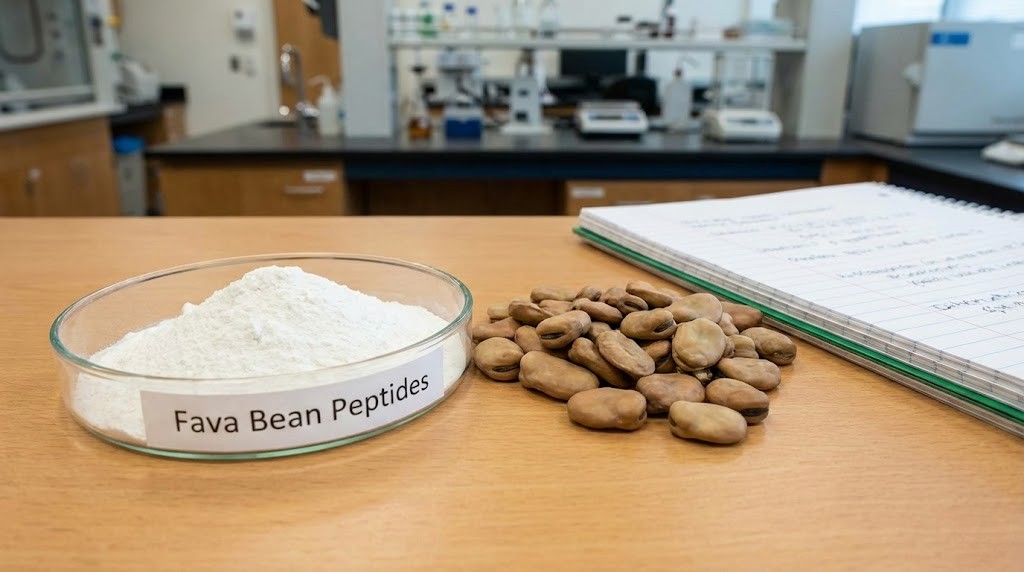
Deep inside the cells of a common legume, something remarkable happens when proteins break apart. Fava beans, known to botanists as Vicia faba, contain roughly 30% protein by dry weight. That protein is not just fuel. It is a source of bioactive peptide fragments that interact with human muscle cells, immune pathways, and metabolic systems in ways that conventional nutrition science never predicted. At the molecular level, these peptide sequences activate mTOR signaling, suppress myostatin, and trigger cascades of muscle protein synthesis that outperform some of the most popular protein supplements on the market. One AI-powered discovery platform identified a network of fava bean peptides so potent that clinical trials measured four times greater protein synthesis compared to whey. Four times. That number forced researchers to rethink what plant proteins could actually do.
The story gets more interesting. Beyond muscle, fava bean peptides demonstrate ACE-inhibitory activity for cardiovascular support, DPP-IV inhibition that prolongs the activity of key metabolic hormones, and anti-inflammatory effects that reduce TNF-alpha in activated macrophages. The fava bean was even the plant from which scientists first isolated L-DOPA, the precursor to dopamine, back in 1913. So we are not talking about a trendy superfood with vague health claims. We are talking about a legume with over a century of scientific interest and a rapidly expanding body of clinical evidence.
This guide covers everything researchers and health-conscious individuals need to know about fava bean peptides. You will find detailed breakdowns of the clinical trials, the specific peptide sequences responsible for each biological effect, comparisons with other protein sources, dosing protocols from published research, safety considerations including the critical topic of favism, and practical guidance on how to incorporate these compounds into a broader health strategy. Whether you are exploring peptides for muscle growth, investigating anti-inflammatory peptides, or simply curious about what makes fava beans different from every other plant protein, this is the resource to bookmark. SeekPeptides built this guide to be the most comprehensive reference on fava bean peptides available anywhere.
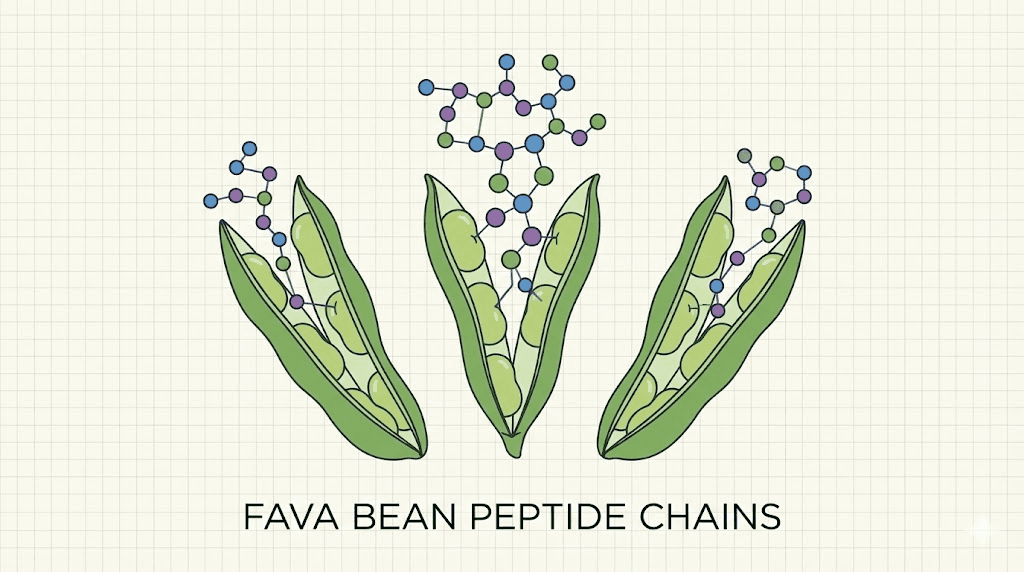
What are fava bean peptides
Fava beans belong to the species Vicia faba, one of the oldest cultivated crops in human history. Archaeological evidence places their domestication in the Near East around 10,000 years ago. They have fed civilizations across the Mediterranean, Middle East, and Asia for millennia. But the modern scientific interest in fava beans goes far beyond their role as a dietary staple.
The protein content of fava beans sits at approximately 26 to 30% of dry weight, making them one of the richest plant protein sources available. That alone is notable. What makes them exceptional is the type of protein they contain and what happens to it during digestion.
The protein architecture of Vicia faba
Fava bean protein is composed primarily of three storage proteins: legumin A, convicilin, and vicilin. These are large, complex molecules that the human digestive system breaks down into smaller fragments during gastrointestinal processing. Among these storage proteins, legumin A stands out. Research has shown that legumin A has the highest frequency of bioactive peptide fragments of any protein in the fava bean. That means when your body digests legumin A, it produces more biologically active peptide sequences than any other component of the bean.
Using mass spectrometry, researchers have identified 111 endogenous peptides in raw fava bean samples alone. These are peptides that exist within the bean before any processing or digestion occurs. Once the bean passes through the human gastrointestinal tract, even more bioactive fragments are released. The result is a complex network of short protein chains, each with distinct biological functions ranging from tissue repair to blood pressure regulation to immune modulation.
Key bioactive peptide sequences
Not all peptides are created equal. Specific sequences isolated from fava beans have demonstrated remarkable biological activity in laboratory and clinical settings. Here are the most significant ones identified so far.
HLPSYSPSPQ is among the most studied fava bean peptide sequences. It forms part of the PeptiStrong network discovered through artificial intelligence screening. This sequence contributes to muscle protein synthesis activation through the mTOR pathway, which is the same master regulatory pathway targeted by researchers studying the best peptides for muscle growth.
VVIPTEPPH has demonstrated potent ACE-inhibitory activity with an IC50 value of 43 micromolar. Its close relative, VVIPTEPPHA, shows similar activity at 50 micromolar. ACE inhibition is the mechanism behind many blood pressure medications, and finding natural peptides with this activity has significant implications for cardiovascular health support.
TETWNPNHPEL and TETWNPNHPE showed the highest antioxidant activity among all fava bean peptides tested. Antioxidant peptides help neutralize reactive oxygen species that contribute to cellular damage and aging, which connects directly to the growing field of longevity peptides and anti-aging peptide research.
TIKIPAGT reduces TNF-alpha production in activated macrophages. TNF-alpha is a pro-inflammatory cytokine involved in systemic inflammation, and its reduction is a primary target in managing chronic inflammatory conditions. Understanding how food-derived peptides can modulate inflammation adds a new dimension to what researchers know about inflammation and peptide therapy.
How bioactive peptides form during digestion
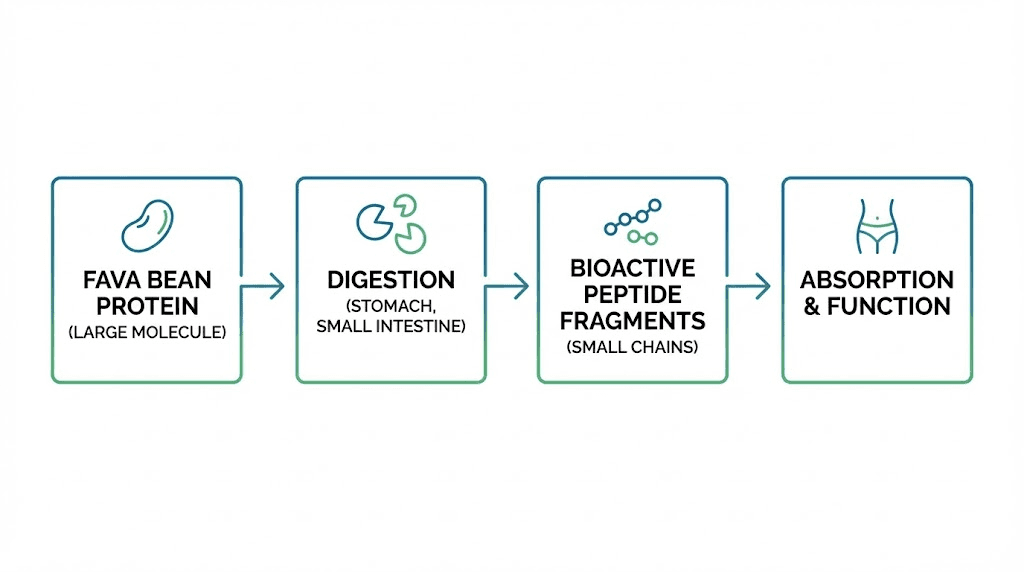
The process is elegant. When you consume fava beans, whether whole, sprouted, or as a protein concentrate, your stomach acid and digestive enzymes begin breaking down the large storage proteins. Pepsin in the stomach makes the first cuts. Then pancreatic enzymes like trypsin and chymotrypsin further fragment the protein chains in the small intestine.
Each enzymatic cut potentially releases a new bioactive peptide. Some sequences survive digestion intact and can be absorbed through the intestinal wall into the bloodstream. Others exert their effects locally in the gut, influencing everything from nutrient absorption to immune cell activity to satiety signaling. Research using simulated gastrointestinal digestion has confirmed that fava bean peptides maintain their biological activity even after passing through this harsh digestive environment. And here is what makes fava beans special: after simulated intestinal transport, fava bean peptides outperformed both pea and soy peptides for antioxidant activity. The peptides do not just survive digestion. They thrive.
This resilience matters enormously for anyone comparing plant protein sources, a topic we explore in detail when looking at peptide capsules and oral delivery methods. The ability of a peptide to survive the gastrointestinal tract determines whether it can actually deliver its promised benefits, which is why the difference between injectable and oral peptides matters so much in research contexts.
How fava bean peptides support muscle growth
Muscle growth is not simply about consuming more protein. It is about activating the right molecular pathways at the right time. Fava bean peptides do this with a precision that has surprised even experienced researchers in the field of peptides for muscle growth.
mTOR and Phospho-S6 pathway activation
The mechanistic target of rapamycin, known as mTOR, is the master regulator of muscle protein synthesis. When mTOR is activated, your muscle cells shift into building mode. They increase protein production, expand cellular structures, and initiate the repair processes that lead to bigger, stronger muscle fibers. Fava bean peptides activate mTOR directly. But they do not stop there.
They also activate the Phospho-S6 pathway, which is a downstream target of mTOR signaling. Think of mTOR as flipping the switch and Phospho-S6 as turning up the volume. Together, these two pathways create a powerful anabolic signal that tells muscle cells to grow. This dual activation pattern is similar to what researchers observe with some of the most effective peptide strength protocols, but fava bean peptides achieve it through an oral, food-derived compound rather than an injectable.
Myostatin suppression
Myostatin is the brake pedal on muscle growth. It is a protein that your body produces specifically to limit how much muscle you can build. When myostatin levels are high, muscle growth slows or stops. When myostatin is suppressed, the limits come off.
Clinical trials on fava bean peptides have demonstrated significant myostatin suppression. This is not a small finding. Myostatin inhibition has been one of the most sought-after targets in muscle research for decades. The fact that a plant-derived peptide can achieve measurable myostatin suppression opens up entirely new possibilities for natural approaches to athletic performance and male health optimization.
And the implications extend beyond bodybuilding. Age-related muscle loss, known as sarcopenia, is driven partly by increasing myostatin levels as we age. Compounds that suppress myostatin could help maintain muscle mass in older adults, supporting independence and quality of life. This connects to broader research on anti-aging peptides and their role in healthy aging.
Muscle protein synthesis rates
Here is where the numbers get striking. In controlled research, fava bean peptides produced muscle protein synthesis rates four times greater than whey protein. Four times. Whey has been the gold standard in sports nutrition for decades. It is rapidly absorbed, rich in leucine, and well-documented for its anabolic effects. And fava bean peptides quadrupled its performance in protein synthesis.
This does not mean fava beans replace whey in every context. The mechanisms differ. Whey delivers a rapid bolus of amino acids, particularly leucine, which spikes mTOR activation through a well-understood pathway. Fava bean peptides appear to work through a more complex signaling network that activates multiple pathways simultaneously. The result is a more sustained and potentially more effective anabolic response.
For researchers exploring peptides for both weight loss and muscle gain, this dual capability of fava bean peptides, promoting muscle synthesis while potentially supporting metabolic health, represents an exciting area of investigation.
Type I and Type II muscle fiber regeneration
Most protein supplements influence muscle at a general level. Fava bean peptides appear to be more targeted. Muscle biopsy data from clinical trials has shown that fava bean peptide supplementation increases both Type I and Type II muscle fibers.
Type I fibers are your endurance fibers. They resist fatigue and power sustained activity. Type II fibers are your power fibers. They generate explosive force and are primarily responsible for strength and speed. Growing both types simultaneously is unusual. Most interventions favor one type over the other.
The fact that fava bean peptides promote regeneration in both fiber types suggests a broadly beneficial effect on muscle tissue, not just a narrow anabolic stimulus. This has implications for athletes across all disciplines, from marathon runners to powerlifters, and for anyone interested in comprehensive performance peptide strategies.
Myokine modulation
Muscles do not just contract. They communicate. Through signaling molecules called myokines, muscle tissue sends messages to the brain, immune system, bones, and fat tissue. Fava bean peptides modulate several key myokines in ways that amplify the benefits of exercise.
IL-6 levels increase with fava bean peptide supplementation. While chronically elevated IL-6 is associated with inflammation, the acute exercise-induced spike in IL-6 is actually beneficial. It promotes fat oxidation, glucose uptake, and anti-inflammatory cascades.
IL-15, another myokine increased by fava bean peptides, is a powerful signal for muscle fiber growth. It also promotes the breakdown of visceral fat, the dangerous fat that surrounds internal organs. This connects fava bean peptides to fat loss research in a meaningful way.
Fractalkine and irisin also increase. Irisin has been called the exercise hormone because it mediates many of the metabolic benefits of physical activity, including browning of white fat tissue. Fractalkine plays roles in both immune regulation and metabolic health. Together, these myokine changes suggest that fava bean peptides do not merely build muscle. They enhance the entire signaling network that connects exercise to systemic health benefits.
PeptiStrong: the AI-discovered fava bean peptide
The most commercially developed fava bean peptide product is PeptiStrong, created by the biotech company Nuritas. The story behind its discovery is as remarkable as the compound itself.
How artificial intelligence found a hidden peptide network
Nuritas used a proprietary artificial intelligence platform combined with genomics data to scan the protein structures of Vicia faba. The AI analyzed the amino acid sequences in fava bean storage proteins and predicted which fragments, once released during digestion, would have the strongest biological effects on muscle tissue. Traditional discovery methods might have taken years to identify these peptides. The AI platform narrowed the field in a fraction of the time.
What the AI found was not a single peptide. It was a network. Multiple peptide sequences within fava bean protein work together synergistically. They activate complementary pathways, amplify each other's effects, and produce outcomes greater than any single sequence could achieve alone. This network approach mirrors what experienced researchers in the peptide space already know about peptide stacking, where combining compounds with complementary mechanisms produces superior results compared to using any single compound in isolation.
The discovery process itself represents a new paradigm. Instead of screening random compounds and hoping to find something useful, AI-guided discovery starts with the biological target and works backward to find the natural compound that fits. For anyone following the broader landscape of peptide research and studies, this AI-first approach is reshaping how new bioactive compounds are identified across the entire field.
Three clinical trials that changed the conversation
PeptiStrong is backed by three human clinical trials, each designed to test different aspects of muscle health. This is unusual for a food-derived supplement ingredient. Most plant protein products rely on compositional data or animal studies. PeptiStrong went straight to human trials.
The standard dose across all three trials was 2.4 grams per day. That is a relatively small amount, roughly the weight of a teaspoon of powder, yet it produced statistically significant results in every trial. Understanding proper dosing is critical in any peptide dosing protocol, and the consistency of the 2.4 gram dose across multiple study designs gives researchers confidence in this specific amount.
Regulatory status and safety
PeptiStrong has achieved GRAS (Generally Recognized as Safe) status in the United States, meaning it has passed rigorous safety evaluations and can be used in food and supplement products without requiring pre-market approval from the FDA. It has also received approval from Health Canada.
These regulatory milestones are significant. They indicate that independent safety reviews found no concerning toxicity, no problematic interactions, and no adverse effects at recommended doses. For anyone researching the safety profile of peptides, the GRAS status of PeptiStrong sets it apart from many other peptide compounds that lack formal regulatory evaluation.
The product is available in multiple formats: capsules, powder, gels, and bars. This versatility makes it accessible to a wide range of consumers, from athletes who prefer adding powder to shakes to busy professionals who want a convenient capsule form. The variety of delivery methods also reflects the broader trend in peptide capsule and oral peptide development.
Clinical trial evidence for fava bean peptides
Let us examine each of the three PeptiStrong clinical trials in detail. The specifics matter. Vague claims about supporting muscle health are everywhere. What separates fava bean peptides from the noise is the quality and specificity of the evidence behind them.
Trial 1: immobilization and remobilization at Maastricht University
This trial tackled one of the most practical questions in muscle health: what happens when you cannot move, and how fast can you recover once you start again?
Thirty young men had one leg immobilized for seven days, simulating the kind of forced inactivity that follows surgery, injury, or illness. After immobilization, they underwent 14 days of remobilization, basically returning to normal activity. Half the group received fava bean peptides. The other half received milk protein concentrate, a well-established protein source.
The results were clear. During the remobilization phase, the fava bean peptide group showed higher muscle protein synthesis rates than the milk protein group. Not marginally higher. Meaningfully higher. The peptides accelerated the recovery of muscle tissue that had been lost during the immobilization period.
This finding has enormous practical implications. Muscle loss during bed rest, post-surgery recovery, or injury rehabilitation is a major clinical concern, especially for older adults. A compound that speeds up the rebuilding process could reduce recovery times and improve outcomes across a wide range of medical scenarios. For anyone researching fast injury healing methods or tissue repair peptides, this trial provides directly relevant data.
Trial 2: strength recovery and fatigue reduction at Dublin Sports Surgery Clinic
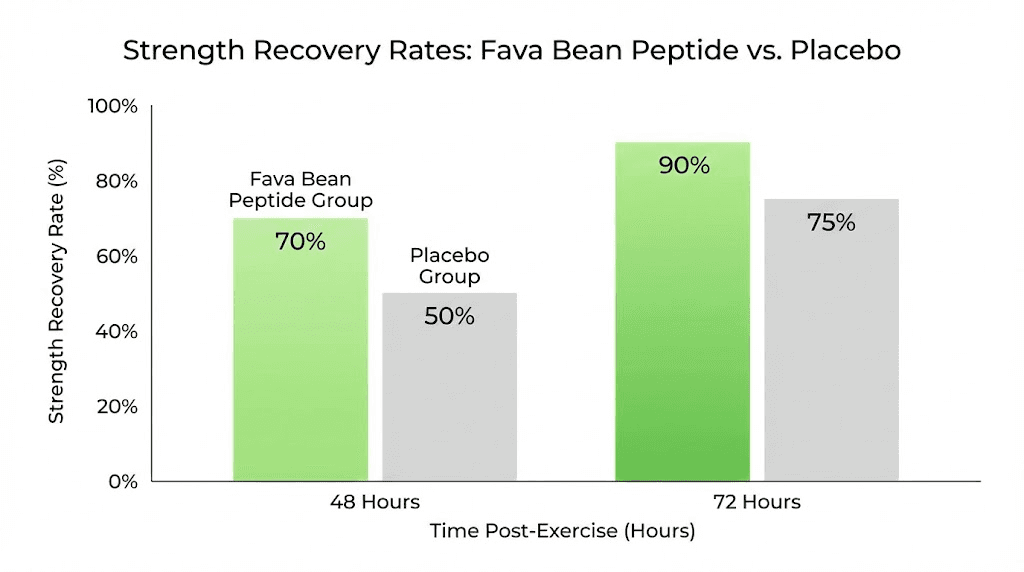
The second trial shifted focus from recovery after immobilization to recovery after exercise. Thirty healthy males aged 30 to 45 received either 2.4 grams of fava bean peptides per day or a placebo for 14 days. Then they performed a muscle-damaging exercise protocol and were measured for strength loss and fatigue over the following 72 hours.
The numbers tell the story.
At 72 hours post-exercise, the fava bean peptide group experienced 54% less strength loss compared to placebo. Fifty-four percent. At 48 hours, the peptide group showed no significant reduction in muscle strength at all, meaning their muscles had essentially recovered to baseline while the placebo group was still impaired.
Fatigue scores were significantly lower in the peptide group throughout the recovery period. And biomarker analysis revealed that fava bean peptides suppressed myostatin, the muscle growth inhibitor, while modulating inflammatory markers in a pattern consistent with faster tissue repair.
For athletes and fitness enthusiasts who train hard and need to recover quickly between sessions, these results are directly actionable. The ability to maintain strength after intense training and return to full capacity faster is exactly what performance-focused peptide protocols aim to achieve. Researchers exploring peptide cycle planning may find the 14-day pre-loading period used in this trial particularly informative for designing their own protocols.
Trial 3: resistance training outcomes published in BMJ Nutrition
The third and largest trial included 72 men and women aged 19 to 40. Participants completed eight weeks of structured resistance training while receiving either fava bean peptides or a placebo. This trial answered the question that matters most to active individuals: do fava bean peptides actually make you stronger when combined with regular training?
Yes. Significantly.
The fava bean peptide group achieved a 19.7% greater increase in strength compared to the placebo group over the eight-week period. That is not a subtle difference. Nearly 20% more strength gain from adding a single supplement to an existing training program is a substantial effect size, especially considering participants were already consuming adequate protein at 1.2 grams per kilogram of body weight.
That last point deserves emphasis. The participants were not protein-deficient. They were consuming what most guidelines consider adequate protein intake for active individuals. And the fava bean peptides still produced a 17% strength increase even at that baseline protein level. This suggests the peptides work through mechanisms beyond simple protein provision, through the mTOR activation, myostatin suppression, and myokine modulation discussed earlier.
Endurance also improved significantly by week four. Participants could sustain effort longer and fatigue less quickly. And perhaps most surprisingly, the trial detected a 0.7 to 1% increase in bone mineral content in the peptide group. Bone health is not typically associated with protein supplements, yet fava bean peptides appear to have osteogenic effects as well, connecting to the broader research on longevity and aging peptides.
What the biomarker data reveals
Across all three trials, the biomarker profiles painted a consistent picture. Muscle protein synthesis rates increased. Myostatin levels decreased. Pro-recovery myokines like IL-6, IL-15, fractalkine, and irisin all shifted in favorable directions. Muscle biopsies confirmed increased Type I and Type II fiber content.
This is not one study showing one thing. This is three studies, using different designs, different populations, and different endpoints, all converging on the same conclusion: fava bean peptides at 2.4 grams per day meaningfully improve muscle health outcomes in humans.
For researchers who value evidence-based approaches to peptide research, this level of clinical validation is rare for a food-derived ingredient. The published trial in BMJ Nutrition, a peer-reviewed journal, adds additional credibility to the findings. SeekPeptides tracks developments in this research space closely, as these findings represent a meaningful advancement in how we understand plant-derived bioactive compounds.
Fava bean peptides beyond muscle health
Muscle is where the headlines focus. But fava bean peptides affect far more than skeletal muscle tissue. The bioactive sequences released during digestion interact with cardiovascular, metabolic, neurological, and gastrointestinal systems in ways that make fava beans one of the most versatile functional food sources known.
ACE inhibition and blood pressure support
Angiotensin-converting enzyme, or ACE, plays a central role in regulating blood pressure. It converts angiotensin I to angiotensin II, a potent vasoconstrictor that raises blood pressure. ACE inhibitor drugs are among the most widely prescribed medications in the world.
Fava bean peptides include natural ACE inhibitors. The sequence VVIPTEPPH inhibits ACE with an IC50 of 43 micromolar, and VVIPTEPPHA does so at 50 micromolar. These are moderate potencies compared to pharmaceutical ACE inhibitors, but they are significant for food-derived compounds. Regular consumption of fava bean protein could contribute to a natural blood pressure management strategy alongside lifestyle modifications.
This cardiovascular connection is relevant for researchers exploring the full spectrum of peptide benefits, from peptides for energy to compounds that support overall cardiovascular function. The ability of a single food source to provide both muscle-building and heart-protective peptides underscores why fava beans deserve attention beyond the sports nutrition category.
Antioxidant activity
Oxidative stress damages cells, accelerates aging, and contributes to chronic disease. Antioxidant compounds neutralize the free radicals responsible for this damage. Fava bean peptides, particularly TETWNPNHPEL and TETWNPNHPE, demonstrate strong antioxidant activity in laboratory assays.
What makes these peptides especially promising is their stability. After simulated gastrointestinal digestion and intestinal transport, fava bean peptides retained higher antioxidant activity than equivalent peptides from pea or soy protein. This means the antioxidant benefits are not theoretical. They survive the real-world conditions of human digestion and reach the bloodstream where they can exert their protective effects.
Antioxidant support connects to many areas of peptide research, including peptides for skin health, where oxidative damage is a primary driver of aging, and peptides for brain function, where oxidative stress contributes to neurodegeneration.
Anti-inflammatory effects
Chronic inflammation is at the root of almost every modern disease. Heart disease, diabetes, cancer, neurodegenerative conditions, autoimmune disorders. They all share an inflammatory component.
The fava bean peptide TIKIPAGT directly reduces TNF-alpha production in activated macrophages. TNF-alpha is one of the most important pro-inflammatory cytokines in the human immune system. Reducing its production without completely suppressing immune function is the holy grail of anti-inflammatory research. Pharmaceutical approaches often overshoot, causing immunosuppression. Food-derived peptides like TIKIPAGT offer a gentler modulation.
This anti-inflammatory mechanism complements the broader field of inflammation-modulating peptides. Compounds like BPC-157 and KPV are well known for their anti-inflammatory properties. Fava bean peptides add another tool to the anti-inflammatory toolkit, one that can be consumed orally as a food or supplement without any injection required. For those comparing delivery methods, the difference between injectable and oral peptide approaches becomes particularly relevant here.
DPP-IV inhibition and metabolic health
DPP-IV (dipeptidyl peptidase IV) is an enzyme that breaks down incretin hormones like GLP-1 and GIP. These hormones regulate blood sugar, insulin secretion, and appetite. When DPP-IV is inhibited, GLP-1 stays active longer, producing better blood sugar control and increased satiety.
Fava bean peptides inhibit DPP-IV by approximately 45%. This is the same mechanism targeted by prescription DPP-IV inhibitor drugs used in type 2 diabetes management. And it connects directly to the enormous interest in GLP-1 related compounds like semaglutide and tirzepatide.
While fava bean peptides will not replace prescription GLP-1 receptor agonists for individuals with diabetes, they offer a natural way to support incretin activity through diet. For researchers interested in peptides for weight loss and metabolic health, the DPP-IV inhibition from fava bean peptides represents a complementary approach that works through the same hormonal pathways as some of the most effective pharmaceutical interventions.
Satiety and appetite regulation
Beyond DPP-IV inhibition, fava bean peptides modulate appetite through additional mechanisms. Research has demonstrated dose-dependent effects on both GLP-1 and cholecystokinin (CCK), two hormones that signal fullness to the brain.
When GLP-1 levels rise, gastric emptying slows and the brain receives stronger satiety signals. When CCK is released, it triggers a cascade that reduces food intake. Fava bean peptides promote both of these hormonal responses, creating a dual pathway to appetite regulation.
This is particularly interesting for anyone exploring natural approaches to weight management alongside compounds like bioactive precision peptides for weight loss. The ability to reduce appetite naturally through food-derived peptides, while simultaneously building muscle, positions fava bean peptides uniquely among functional food ingredients. Researchers looking at peptides for women focused on weight loss may find the appetite regulation data especially relevant.
L-DOPA content and neurological benefits
This is where the fava bean story takes a fascinating turn into neuroscience.
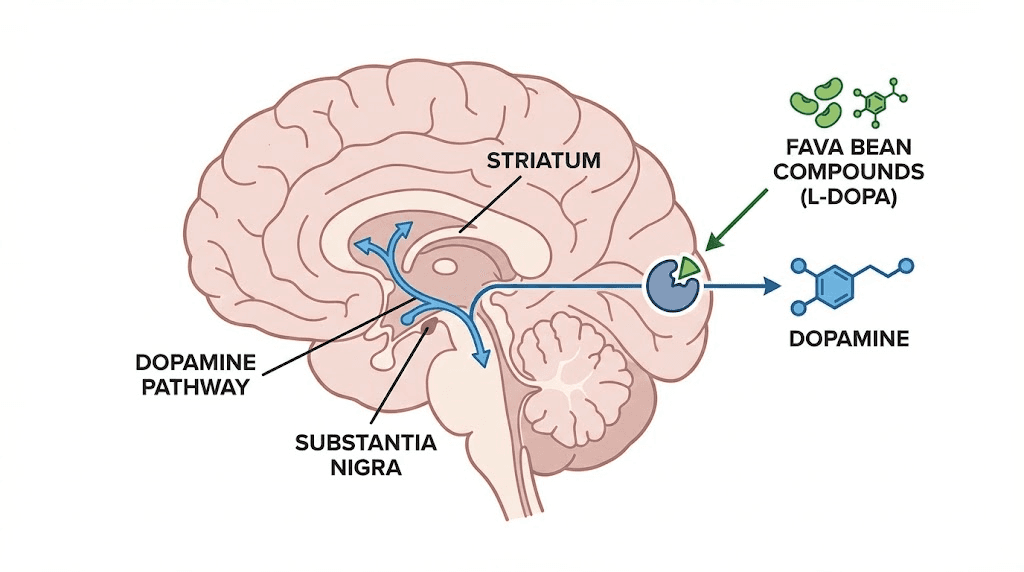
Vicia faba was the plant from which L-DOPA was first isolated. In 1913, biochemist Marcus Guggenheim extracted the compound from fava bean seedlings, beginning a century of research that would eventually lead to L-DOPA becoming the primary treatment for Parkinson disease.
L-DOPA is the direct precursor to dopamine, the neurotransmitter responsible for motivation, reward, movement control, and cognitive function. In Parkinson disease, dopamine-producing neurons in the substantia nigra progressively die, leading to the characteristic motor symptoms of tremor, rigidity, and slowed movement.
The L-DOPA content of fava beans varies by preparation. Young pods contain the most, with sprouts containing approximately 0.5% L-DOPA by weight. Dried beans contain the least. Three ounces of fresh green fava beans provide roughly 50 to 100 milligrams of levodopa. Studies have shown motor improvement in Parkinson disease patients consuming approximately 250 grams of cooked fava beans, though the L-DOPA content varies significantly between cultivars and growing conditions.
Remarkably, fava beans also contain trace amounts of natural carbidopa, the compound used in combination with L-DOPA in pharmaceutical formulations to prevent peripheral conversion and increase the amount of L-DOPA that reaches the brain. This natural combination may partially explain why whole fava bean consumption appears to have neurological effects in some clinical observations.
The dopamine connection extends beyond Parkinson disease. Adequate dopamine levels support motivation, focus, mood, and cognitive performance. For researchers exploring peptides for brain function, the natural L-DOPA content of fava beans adds another dimension to their nutritional profile. And for those investigating peptides for anxiety and mood support, the dopaminergic activity of fava bean compounds is worth understanding.
Gut health and resistant starch
The benefits of fava beans extend to the gut microbiome through a mechanism unrelated to peptides themselves but worth understanding in context.
Fava beans contain approximately 46.7% resistant starch as a proportion of their total starch content. Resistant starch is not digested in the small intestine. Instead, it passes to the large intestine where gut bacteria ferment it, producing short-chain fatty acids like butyrate. Butyrate is the primary fuel source for colonocytes, the cells lining the colon, and plays a critical role in maintaining gut barrier integrity, reducing inflammation, and supporting immune function.
This prebiotic effect complements the bioactive peptide activity. While the peptides work on muscle, metabolism, and inflammation systemically, the resistant starch feeds the gut microbiome locally. For researchers interested in peptides for gut health, fava beans offer a dual benefit: direct peptide effects on gut inflammation and indirect prebiotic support for beneficial bacteria.
Fava beans also contain GABA (gamma-aminobutyric acid), an inhibitory neurotransmitter that promotes relaxation and may improve sleep quality. They contain polyphenols with additional antioxidant and anti-inflammatory properties. The combination of bioactive peptides, L-DOPA, resistant starch, GABA, and polyphenols makes fava beans arguably the most pharmacologically complex common food in the human diet.
Fava bean peptides versus other protein sources
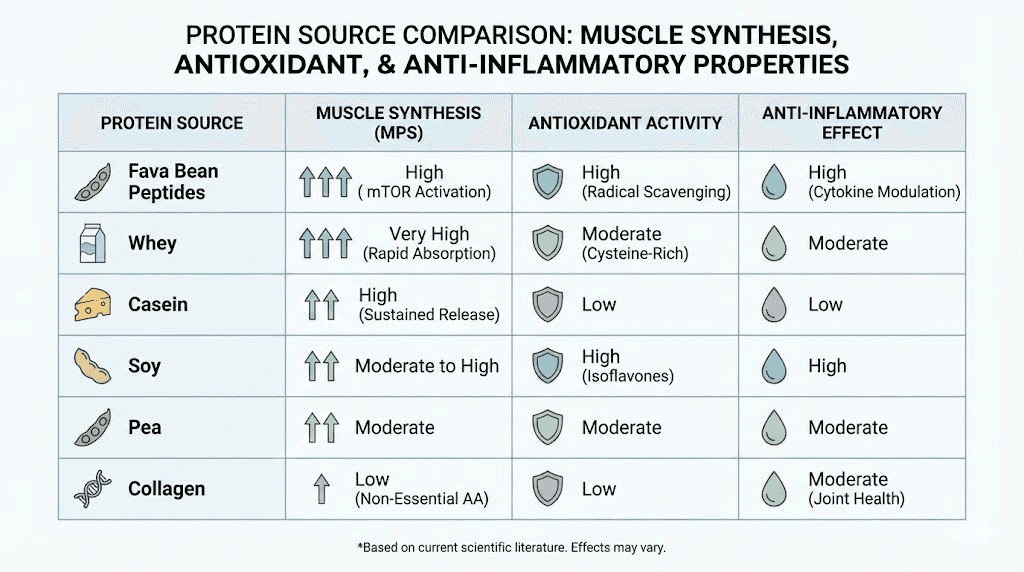
How do fava bean peptides compare to the protein sources most people already use? This is the question that matters for practical decision-making. Every protein has strengths. Understanding the specific advantages and limitations of each helps researchers and health-conscious individuals make informed choices.
Fava bean peptides versus whey protein
Whey protein has been the default muscle-building supplement for decades. It is fast-absorbing, rich in leucine, and backed by hundreds of studies. But direct comparisons reveal that fava bean peptides outperform whey in specific measures.
Muscle protein synthesis rates were four times higher with fava bean peptides in the Maastricht University trial. Four times. That is not a marginal improvement. The mechanisms differ: whey floods the system with amino acids for rapid mTOR activation, while fava bean peptides activate mTOR and Phospho-S6 through their specific bioactive sequences while also suppressing myostatin and modulating myokines.
Whey still has advantages. It has a more complete amino acid profile for general protein needs. It mixes easily. It tastes better in most formulations. And its decades of research provide a depth of evidence that fava bean peptides have not yet matched. But for the specific goal of maximizing muscle protein synthesis and recovery, fava bean peptides present a compelling case. Researchers comparing protein strategies can use the peptide calculator to understand how different compounds fit into their overall protocols.
Fava bean peptides versus casein
Casein is the slow-digesting counterpart to whey. It forms a gel in the stomach and releases amino acids over several hours, making it popular as a nighttime protein. But casein does not have the bioactive peptide profile of fava bean protein.
While casein does release some bioactive peptides during digestion (casomorphins, for example), these peptides have very different effects than fava bean peptides. Casein-derived peptides primarily affect opioid receptors and have no demonstrated mTOR-activating, myostatin-suppressing, or ACE-inhibiting effects comparable to those documented for fava bean peptides. For those comparing protein timing strategies within a broader peptide dosing framework, the sustained release of casein and the bioactive potency of fava bean peptides serve complementary roles.
Fava bean peptides versus soy peptides
Soy is the most widely consumed plant protein in the world and has its own documented bioactive peptide profile. Soy peptides include lunasin, which has been studied for anti-cancer properties, and various ACE-inhibitory sequences.
However, in direct antioxidant comparisons after simulated intestinal transport, fava bean peptides outperformed soy peptides. The muscle-specific effects documented for fava bean peptides, particularly the clinical trial data showing 19.7% greater strength gains and 54% less strength loss, have no equivalent in the soy protein research literature. Soy also carries concerns about phytoestrogen content that some individuals prefer to avoid, particularly among those researching peptides for testosterone support.
Fava bean peptides versus pea peptides
Pea protein has surged in popularity as a plant-based alternative to whey. It is well-tolerated, allergen-friendly, and has a reasonable amino acid profile. But the bioactive peptide comparison favors fava beans.
After simulated gastrointestinal digestion, fava bean peptides demonstrated superior antioxidant activity compared to pea peptides. The clinical evidence base for fava bean peptides, three human trials with specific muscle health endpoints, exceeds anything available for pea protein isolate in terms of bioactive peptide effects. Pea protein works well as a general protein source. Fava bean peptides work as both a protein source and a targeted bioactive compound.
Fava bean peptides versus collagen peptides
Collagen peptides are the fastest-growing segment of the protein supplement market. They support skin elasticity, joint health, and connective tissue integrity. But collagen and fava bean peptides serve fundamentally different purposes.
Collagen is poor in essential amino acids, particularly leucine and the branched-chain amino acids critical for muscle protein synthesis. It does not activate mTOR or suppress myostatin. It does not have ACE-inhibitory or DPP-IV inhibitory effects. What collagen does exceptionally well is provide the specific amino acids, glycine, proline, hydroxyproline, needed for collagen synthesis in connective tissues.
The two are complementary, not competitive. A comprehensive protocol might include fava bean peptides for muscle health and metabolic support alongside collagen peptides for skin and joint support. Understanding what each protein type does best is the key to building effective peptide stacks.
Fava bean peptides versus dileucine
Dileucine is a dipeptide composed of two leucine molecules, designed specifically to maximize mTOR activation for muscle growth. It represents the most targeted approach to muscle protein synthesis stimulation through a single peptide compound. Researchers investigating dileucine peptide protocols often focus on this singular mechanism.
Fava bean peptides take a different approach. Instead of maximizing one pathway, they activate multiple pathways simultaneously: mTOR, Phospho-S6, myostatin suppression, and myokine modulation. The clinical trials suggest this multi-pathway approach may be more effective in real-world conditions, where muscle health depends on a complex interplay of anabolic and anti-catabolic signals.
Comparison summary
The picture that emerges is clear. Fava bean peptides are not simply another protein source competing with whey and soy for shelf space. They are a bioactive compound system that happens to come from a food source. Their effects on muscle protein synthesis, myostatin, myokines, cardiovascular markers, metabolic hormones, and inflammatory pathways place them in a different category entirely. For anyone building a comprehensive approach to health optimization, whether through getting started with peptides or advancing an existing protocol, fava bean peptides represent a valuable addition to the toolkit.
How to use fava bean peptides
Research is valuable. But it means nothing without practical application. Here is how to incorporate fava bean peptides based on the available clinical evidence and the broader context of peptide dosing best practices.
Supplement forms
The most studied form of fava bean peptide supplement is PeptiStrong, available in several delivery formats. Capsules offer the most convenient option for daily use. They provide a precise 2.4 gram dose without any preparation. Powder forms can be mixed into smoothies, shakes, or water. Gel and bar formats provide grab-and-go options for athletes and active individuals.
Each format delivers the same peptide network. The delivery method does not significantly affect bioavailability because the peptides are designed to survive gastrointestinal digestion, which is how they reach their target tissues regardless of the starting format. This mirrors the broader conversation about oral peptide delivery, where understanding the difference between injectable versus oral peptides helps researchers choose the right approach for each specific compound.
Dosing from clinical research
The clinically validated dose is 2.4 grams per day. This was the dose used in all three human clinical trials, and it produced statistically significant results across muscle protein synthesis, strength recovery, fatigue reduction, and long-term strength gains.
There is no published evidence for higher doses. The BMJ Nutrition trial showed significant benefits at 2.4 grams even when participants were already consuming 1.2 grams of protein per kilogram of body weight. This suggests the mechanism is not dose-dependent in the way that total protein intake is. Rather, the bioactive peptide sequences trigger signaling cascades at this specific dose, and more is not necessarily better.
For researchers accustomed to using peptide dosage calculators to adjust doses based on body weight, it is worth noting that the fava bean peptide trials used a flat dose rather than a weight-adjusted one. Whether weight-adjusted dosing would improve outcomes is an open question that future research may address.
Timing protocols
The clinical trials did not specify an optimal time of day for supplementation. However, based on the mechanisms involved, several timing strategies make sense.
Taking fava bean peptides before exercise could prime the mTOR pathway for enhanced post-exercise muscle protein synthesis. Taking them after exercise could support recovery by suppressing myostatin and promoting myokine production during the critical post-exercise window. Taking them with a meal could enhance the DPP-IV inhibition effect and support better blood sugar regulation and satiety.
The Dublin trial used 14 days of daily supplementation before the exercise challenge, suggesting that consistent daily use is more important than precise timing. Building up tissue concentrations of the bioactive peptides over time appears to be the key factor. This is consistent with how many peptide compounds work, as explored in detail in the guide on how long peptides take to work.
Stacking with other supplements
Fava bean peptides work through mechanisms that complement rather than compete with most common supplements. Here are some evidence-based combinations to consider.
Combining fava bean peptides with creatine could create a synergistic effect. Creatine provides energy substrate for high-intensity muscle contractions while fava bean peptides enhance the recovery and growth signaling that follows training. Both work through different mechanisms with no known negative interactions.
Adding vitamin D makes physiological sense because vitamin D is a co-factor in muscle protein synthesis and bone mineralization, both of which fava bean peptides also support. The bone mineral content increases seen in the BMJ Nutrition trial might be amplified by adequate vitamin D status.
Omega-3 fatty acids reduce systemic inflammation and may enhance the anti-inflammatory effects of TIKIPAGT and other fava bean peptide sequences. The combination could provide more comprehensive inflammation management than either compound alone.
For those building more comprehensive stacks, the peptide stack calculator can help organize and plan multi-compound protocols. Understanding how different compounds interact is critical for safety and effectiveness, a topic covered thoroughly in the complete peptide stacking guide.
Dietary sources: whole fava beans
You do not need a supplement to benefit from fava bean peptides. The whole beans contain the same storage proteins that produce bioactive peptides during digestion. However, the concentration and consistency of specific peptide sequences will vary based on how the beans are prepared.
Fresh fava beans provide the most L-DOPA, with young pods being the richest source. Dried fava beans have lower L-DOPA content but still contain the storage proteins that produce muscle-active and cardiovascular-active peptides during digestion. Cooking reduces some bioactive compounds but does not eliminate them entirely.
Sprouted fava beans are particularly interesting. Sprouting increases the bioavailability of many nutrients and may enhance the release of bioactive peptides. Fermented fava bean products, common in some Asian cuisines, undergo protein hydrolysis during the fermentation process, which pre-releases some bioactive peptide sequences before the beans are even consumed.
A practical dietary approach might combine regular consumption of whole fava beans, for their fiber, resistant starch, GABA, polyphenols, and L-DOPA, with a targeted fava bean peptide supplement at the 2.4 gram clinical dose for the specific muscle health benefits documented in the trials.
Safety, side effects, and considerations
Every compound has a safety profile that must be understood before use. Fava bean peptides have a generally excellent safety record, supported by GRAS status and clean clinical trial data. But there are specific populations and interactions that require attention.
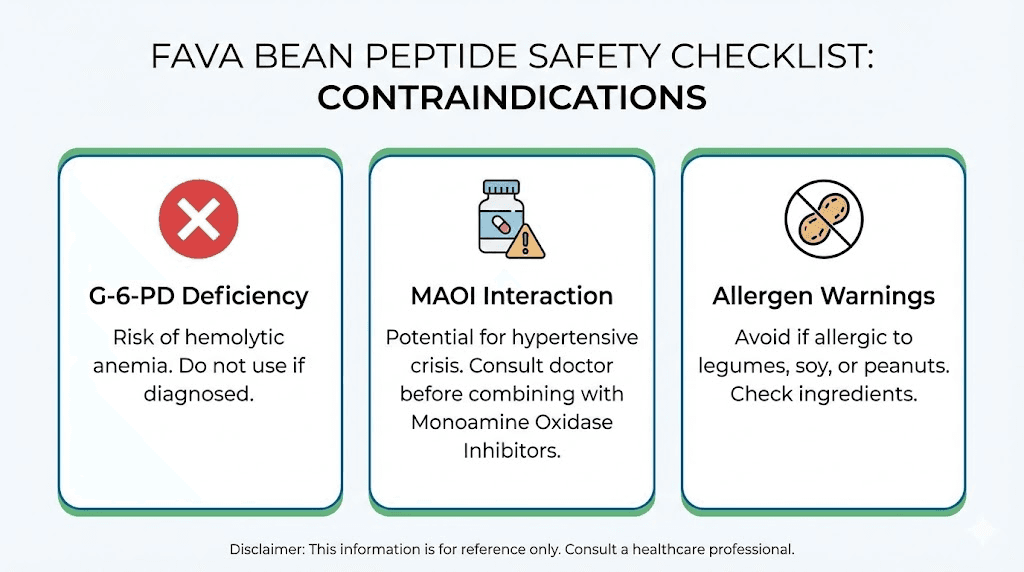
G-6-PD deficiency and favism
This is the most important safety consideration for fava beans and their derived products. Glucose-6-phosphate dehydrogenase (G-6-PD) deficiency is a genetic condition that affects approximately 400 million people worldwide. It is most common in individuals of Mediterranean, African, and Southeast Asian descent.
In people with G-6-PD deficiency, consuming fava beans can trigger hemolytic anemia, a condition where red blood cells are destroyed faster than the body can replace them. This reaction, historically known as favism, can be severe and even life-threatening. The specific compounds in fava beans responsible for triggering this reaction are vicine and convicine, which are converted to the oxidative compounds divicine and isouramil during digestion.
Anyone with known G-6-PD deficiency or a family history of favism should avoid fava beans and fava bean-derived products until they have been tested for the enzyme deficiency. This is non-negotiable. The risk is real and well-documented. It is a reminder that even natural, food-derived compounds carry risks for specific populations. Understanding the safety implications of any bioactive compound is fundamental to responsible research, as detailed in the comprehensive peptide safety and risks guide.
MAO inhibitor interactions
Because fava beans contain L-DOPA and other biogenic amines, they can interact with monoamine oxidase inhibitor (MAOI) medications. MAOIs prevent the breakdown of monoamine neurotransmitters like dopamine, norepinephrine, and serotonin. Combining MAOIs with L-DOPA-containing foods can cause dangerous spikes in blood pressure, a condition known as hypertensive crisis.
Anyone taking MAOI medications, including some older antidepressants and certain medications for Parkinson disease, should consult their healthcare provider before consuming fava beans or fava bean peptide supplements. This interaction is well-established in medical literature and applies to all L-DOPA-containing foods.
L-DOPA considerations for general use
Even without MAOI medications, the L-DOPA content of fava beans deserves consideration. The amounts in typical dietary servings are relatively small, 50 to 100 milligrams from three ounces of fresh beans, compared to the therapeutic doses used in Parkinson treatment (which start at 300 milligrams of levodopa/carbidopa and go much higher).
Processed fava bean peptide supplements like PeptiStrong are specifically designed to contain the bioactive peptide network, not concentrated L-DOPA. The manufacturing process isolates the peptides of interest. Still, individuals who are sensitive to dopaminergic compounds or who take medications affecting dopamine metabolism should exercise caution.
Allergen considerations
Fava beans belong to the legume family, which includes peanuts, soybeans, lentils, and chickpeas. Legume allergies, while less common than peanut allergies, do exist. Cross-reactivity between different legumes varies by individual.
Anyone with a diagnosed legume allergy should approach fava bean products cautiously, ideally under medical supervision. Those with a peanut allergy do not automatically react to fava beans, but cross-reactivity is possible and should be evaluated on a case-by-case basis.
Clinical trial safety data
Across all three PeptiStrong clinical trials, no serious adverse events were attributed to fava bean peptide supplementation. The 2.4 gram daily dose was well-tolerated by all participants, including both men and women aged 19 to 45.
The GRAS determination involved toxicological review, including evaluation of potential genotoxicity, acute toxicity, sub-chronic toxicity, and allergenic potential. The compound passed all evaluations. Health Canada approval required a separate safety review process with similarly positive outcomes.
This does not mean fava bean peptides are risk-free for everyone. Individual responses vary. Starting with a lower dose to assess tolerance is a reasonable approach, consistent with the conservative dosing philosophy recommended in getting started with peptides guidance. And as with any supplement, discussing new additions with a healthcare provider is always advisable, especially for individuals with pre-existing conditions or those taking medications.
SeekPeptides recommends that all researchers approach new compounds with careful attention to individual health status, potential interactions, and evidence-based dosing protocols. The safety data for fava bean peptides is encouraging, but responsible use always begins with informed decision-making.
The science of fava bean protein extraction and processing
Understanding how fava bean peptides are produced helps explain why different products may deliver different results. The processing method determines which peptides survive, which are destroyed, and how bioavailable the final product is.
Enzymatic hydrolysis
The primary method for producing bioactive fava bean peptides is enzymatic hydrolysis. Fava bean protein isolate is treated with specific enzymes, often alcalase, pepsin, or a combination, that cleave the storage proteins at precise locations to release the desired bioactive fragments.
Different enzymes produce different peptide profiles. Alcalase tends to generate longer peptide fragments with broader biological activity. Pepsin produces fragments similar to those generated during natural stomach digestion. The choice of enzyme, temperature, pH, and hydrolysis duration all affect the final peptide composition. This level of precision in production mirrors the careful formulation work that goes into producing research-grade compounds, a topic explored in the peptide formula complete guide.
Fermentation-based approaches
Some producers use microbial fermentation to break down fava bean protein. Lactic acid bacteria, commonly used in yogurt and sauerkraut production, produce proteolytic enzymes as they ferment. These enzymes gradually hydrolyze fava bean protein, releasing bioactive peptides over the course of the fermentation process.
Fermentation offers potential advantages. The process is gentler than chemical hydrolysis and can produce unique peptide profiles not achievable through enzymatic methods alone. Fermented fava bean products may also contain beneficial probiotics and organic acids that add to the overall health value of the product.
Quality and purity considerations
Not all fava bean peptide products are created equal. The source of the beans, the extraction method, the degree of hydrolysis, and the purification steps all affect the final product. Without standardization, two products labeled fava bean peptides could contain very different peptide profiles.
PeptiStrong stands out because it is the only fava bean peptide product with human clinical trial data supporting specific health claims. The manufacturing process is standardized to produce a consistent peptide network profile. For consumers evaluating products, looking for clinical evidence behind specific formulations is more reliable than trusting generic fava bean peptide claims. This approach to evaluating quality parallels the guidance in the peptide testing labs guide, where third-party verification ensures you get what you expect.
Fava bean peptides in the context of plant-based protein research
The discovery of potent bioactive peptides in fava beans is part of a larger revolution in how scientists view plant proteins. For decades, plant proteins were considered inferior to animal proteins for muscle building. The complete protein paradigm, which values foods that contain all essential amino acids in the right ratios, placed animal sources at the top. Fava bean peptide research challenges this hierarchy.
Beyond amino acid profiles
The traditional evaluation of protein quality focuses on amino acid composition, digestibility, and biological value. By these metrics, whey and egg protein score highest. Fava bean protein scores well but not exceptionally. It is slightly lower in methionine and cysteine compared to animal sources.
But this evaluation framework misses the bioactive peptide dimension entirely. A protein source can have a lower quality amino acid profile and still produce superior functional outcomes if its peptide fragments activate the right biological pathways. That is exactly what fava bean peptides demonstrate. Four times greater protein synthesis than whey, despite a technically inferior amino acid profile. The mechanism matters more than the composition.
This insight reframes how we should evaluate all protein sources. The question is not just how many grams of leucine does this provide, but what bioactive peptides does this produce during digestion, and what do they do? For the peptide research community, this aligns with the growing understanding that peptide science is about specific molecular mechanisms, not just macronutrient delivery.
The AI discovery pipeline
The Nuritas approach of using artificial intelligence to identify bioactive peptides within food proteins represents a new frontier. If AI can find muscle-building peptides in fava beans, what else is hiding in common foods? Rice, hemp, quinoa, lentils, and dozens of other protein sources all contain storage proteins that may harbor undiscovered bioactive fragments.
Several research groups are now applying similar AI-driven approaches to other plant proteins. The next PeptiStrong-caliber discovery could come from chickpeas, sunflower seeds, or algae. The peptide field is expanding rapidly, and understanding the foundational research helps researchers stay current with developments, as tracked in the complete peptide list maintained by SeekPeptides.
Sustainability implications
Fava beans are nitrogen-fixing crops, meaning they improve soil health by converting atmospheric nitrogen into a form that plants can use. They require less fertilizer than most crops. Their water requirements are moderate. And they can be grown in temperate climates worldwide.
If fava bean peptides continue to demonstrate superiority over animal-derived proteins for specific health outcomes, the sustainability implications are significant. Producing a kilogram of fava bean protein requires a fraction of the land, water, and carbon emissions needed for a kilogram of whey protein. A shift toward plant-derived bioactive peptides for muscle health would reduce the environmental footprint of the sports nutrition industry while potentially improving outcomes.
Practical protocols for different goals
Theory must translate into action. Here are specific protocols based on the clinical evidence and the physiological mechanisms of fava bean peptides.
Protocol for muscle growth and strength
Goal: Maximize muscle protein synthesis and strength gains during a resistance training program.
Daily dose: 2.4 grams of fava bean peptide supplement (PeptiStrong or equivalent clinically validated product).
Timing: Take 30 to 60 minutes before resistance training on training days. On rest days, take with breakfast to maintain consistent daily intake.
Duration: Minimum 8 weeks, based on the BMJ Nutrition trial duration. The 4-week endurance improvements suggest benefits begin accumulating within the first month, but the full strength benefits require the complete 8-week period.
Complementary practices: Progressive overload resistance training at least 3 days per week. Total daily protein intake of at least 1.2 grams per kilogram of body weight. Adequate sleep (7 to 9 hours). Consistent training schedule.
Expected outcomes based on clinical data: Approximately 19.7% greater strength increase compared to training alone. Significant endurance improvements by week 4. Potential bone mineral content increase of 0.7 to 1%. Enhanced recovery between sessions.
Researchers comparing this approach to other muscle-focused strategies can reference the safest peptides for muscle growth guide and the peptides before and after results page for context on what different compounds deliver.
Protocol for recovery optimization
Goal: Minimize strength loss and fatigue after intense training sessions.
Daily dose: 2.4 grams of fava bean peptide supplement.
Timing: Take daily for at least 14 days before a competition, peak training block, or other event requiring rapid recovery. Continue throughout the high-intensity period.
Duration: The Dublin trial used a 14-day pre-loading phase before the exercise challenge. This suggests that building up tissue concentrations before the demanding period is important. Plan for at least 2 weeks of consistent supplementation before you need peak recovery capacity.
Expected outcomes based on clinical data: 54% less strength loss at 72 hours post-exercise. Maintained muscle strength with no significant reduction at 48 hours. Significantly lower perceived fatigue.
For athletes using this in combination with other recovery strategies, the guide to cycling different peptides offers relevant guidance on managing multiple compounds within a training cycle.
Protocol for post-injury or post-surgery recovery
Goal: Accelerate muscle rebuilding after a period of immobilization or reduced activity.
Daily dose: 2.4 grams of fava bean peptide supplement.
Timing: Begin supplementation as soon as possible after injury or surgery, ideally before the immobilization period begins if surgery is planned. Continue throughout the immobilization period and the subsequent rehabilitation phase.
Duration: Minimum 21 days (7 days immobilization plus 14 days remobilization, matching the Maastricht University trial design). Continue for the full duration of rehabilitation.
Rationale: The Maastricht trial showed that fava bean peptides produced higher muscle protein synthesis rates during remobilization compared to milk protein concentrate. Starting supplementation before or at the beginning of immobilization ensures the bioactive peptides are circulating when the recovery process begins.
This protocol pairs well with other recovery-focused approaches, including fast injury healing strategies and tissue repair peptide protocols. The best peptides for joint pain guide also provides complementary information for individuals recovering from musculoskeletal injuries.
Protocol for metabolic health support
Goal: Support blood sugar regulation, appetite control, and cardiovascular markers through food-derived bioactive peptides.
Approach: Combine daily fava bean peptide supplementation (2.4 grams) with regular dietary inclusion of whole fava beans (1 to 2 servings per week).
Timing: Take the supplement with the largest meal of the day to maximize DPP-IV inhibition during the postprandial period when blood sugar regulation matters most. Consume whole fava beans as part of meals to benefit from the resistant starch and fiber content alongside the bioactive peptides.
Duration: Ongoing. Metabolic health is a long-term endeavor, not a short-term intervention.
This approach leverages the DPP-IV inhibition (approximately 45%), GLP-1 modulation, CCK stimulation, and ACE-inhibitory effects of fava bean peptides. For those also exploring pharmaceutical approaches to metabolic health, understanding how fava bean peptides compare to compounds like semaglutide provides important context. The natural DPP-IV inhibition from fava bean peptides is gentler and less targeted than pharmaceutical options, but it carries no prescription requirement and integrates seamlessly with dietary approaches.
Who should consider fava bean peptides
Not everyone needs fava bean peptide supplementation. Here is an honest assessment of who benefits most and who might not need them.
Strong candidates
Active individuals training regularly who want to maximize their strength and recovery outcomes. The clinical data is clearest for this population. Individuals recovering from surgery, injury, or prolonged bed rest who need to rebuild muscle efficiently. The immobilization/remobilization data is directly relevant. Aging adults concerned about sarcopenia who want to maintain muscle mass and function. The myostatin suppression and dual fiber type regeneration data support this use case. Plant-based athletes looking for a protein supplement that goes beyond basic amino acid delivery. The bioactive peptide effects offer something conventional plant proteins cannot match.
Moderate candidates
General fitness enthusiasts who train a few times per week. They would likely benefit, but the effects may be less dramatic than in more intensive training scenarios. Individuals interested in cardiovascular support through natural ACE inhibition. The data is promising but less robust than the muscle health evidence. People seeking natural dopaminergic support through dietary L-DOPA intake, when using whole beans rather than peptide supplements specifically.
Weaker candidates
Sedentary individuals not engaging in any resistance training. The muscle health benefits of fava bean peptides appear to be most pronounced when combined with training stimulus. People with G-6-PD deficiency. The risk of hemolytic anemia outweighs any potential benefit. Individuals already achieving excellent results with their current supplement regimen. Adding fava bean peptides might provide marginal improvement, but the cost-benefit ratio is less compelling.
Understanding where fava bean peptides fit within a broader health strategy requires the kind of personalized assessment that platforms like SeekPeptides specialize in providing. Members access comprehensive protocol guidance that accounts for individual goals, health status, and existing supplement use.
Future research directions
The science of fava bean peptides is still young. The three clinical trials published so far represent a strong foundation, but many questions remain unanswered. Here are the most important areas where future research will likely focus.
Dose-response relationships
All three trials used 2.4 grams per day. Would 1.2 grams produce half the effect? Would 4.8 grams produce double? The dose-response curve has not been characterized. Future trials with multiple dose arms will help optimize recommendations for different goals and populations.
Long-term outcomes
The longest trial was 8 weeks. What happens with 6 months of daily supplementation? Do the benefits plateau? Do they continue to accumulate? Are there any long-term safety signals that short-term trials might miss? Extended-duration studies are needed to answer these critical questions, similar to how longer peptide use timelines reveal effects not visible in short-term research.
Older adult populations
The trials enrolled participants aged 19 to 45. Sarcopenia and age-related muscle loss are most relevant for adults over 60. Trials in older populations, who typically have higher myostatin levels and lower muscle protein synthesis rates, could reveal even more dramatic benefits. The peptides for women over 40 and best peptides for women guides track compounds with special relevance for aging populations.
Combination studies
How do fava bean peptides interact with creatine, vitamin D, omega-3 fatty acids, or other common supplements? Combination studies could reveal synergistic effects that amplify the benefits beyond what any single compound achieves alone. The principle of combining complementary compounds is well-established in peptide stacking research and could prove equally valuable for food-derived bioactive peptides.
Mechanism elucidation
The specific peptide sequences responsible for each biological effect are not fully characterized. Which exact sequence suppresses myostatin? Which activates mTOR? Are there synergistic interactions between sequences that disappear when individual peptides are isolated? More detailed mechanistic studies will refine our understanding of how the peptide network functions.
Neurological applications
The L-DOPA content of fava beans and the potential neuroprotective effects of their bioactive peptides have not been studied in controlled clinical trials. Given the historical connection between fava beans and Parkinson disease treatment, well-designed trials examining neurological outcomes would be valuable. This connects to the growing interest in neuroprotective peptides and compounds that support cognitive function across the lifespan.
Frequently asked questions
What exactly are fava bean peptides and how are they different from fava bean protein?
Fava bean protein refers to the complete proteins found in the bean, primarily legumin A, convicilin, and vicilin. Fava bean peptides are the smaller bioactive fragments produced when those proteins are broken down, either during digestion or through enzymatic processing. The peptides have specific biological activities, like activating mTOR or inhibiting ACE, that the whole proteins do not possess. Think of it this way: the whole protein is the raw material, and the peptides are the functional products. For a broader understanding of how peptides work compared to other compounds, the peptides versus SARMs comparison provides useful context.
Can I get enough fava bean peptides from eating whole fava beans?
Eating whole fava beans provides bioactive peptides through natural digestion, along with fiber, resistant starch, L-DOPA, and other beneficial compounds. However, the concentration and consistency of specific peptide sequences will be much lower and more variable than what a standardized supplement delivers. The clinical trials used 2.4 grams of a specific peptide extract, which would require consuming a much larger and impractical amount of whole beans to match. Whole beans and peptide supplements serve complementary roles rather than being interchangeable.
Are fava bean peptides safe for everyone?
No. People with G-6-PD deficiency must avoid fava beans and their derivatives due to the risk of hemolytic anemia. Those taking MAOI medications should avoid fava bean products due to the L-DOPA content. Individuals with legume allergies should exercise caution. For the general healthy population, fava bean peptides have GRAS status and showed no adverse effects in clinical trials at 2.4 grams per day. For complete safety information about various peptide compounds, visit the peptide safety and risks resource.
How long do fava bean peptides take to work?
Clinical data suggests different timelines for different effects. Endurance improvements appeared at 4 weeks in the BMJ Nutrition trial. Strength recovery benefits were significant after 14 days of supplementation in the Dublin trial. Maximum strength gains were measured after 8 weeks of combined supplementation and training. Consistency appears to matter more than any single dose. For comparison with other peptide compounds, the timeline guide for peptide results provides detailed expectations across different compound categories.
Can I take fava bean peptides with other supplements or medications?
Fava bean peptides have no known negative interactions with common supplements like creatine, whey protein, or multivitamins. However, the L-DOPA content in whole fava bean products can interact with MAOI medications and potentially with levodopa/carbidopa combinations used for Parkinson disease. The DPP-IV inhibition could theoretically interact with DPP-IV inhibitor medications used for diabetes. Always consult a healthcare provider when adding new supplements alongside prescription medications. The peptide stacking guide discusses combination safety principles in depth.
How do fava bean peptides compare to BPC-157 or TB-500 for recovery?
These compounds work through entirely different mechanisms. BPC-157 and TB-500 are synthetic peptides typically administered via injection that directly promote tissue healing and angiogenesis. Fava bean peptides are food-derived compounds taken orally that support muscle protein synthesis, reduce strength loss, and modulate recovery-related myokines. They are not direct substitutes. Fava bean peptides work at the systemic muscular level, while BPC-157 and TB-500 target localized tissue repair. Some researchers may find value in combining approaches based on their specific recovery needs. Use the peptide stack calculator to explore combination options.
Do fava bean peptides help with weight loss?
Fava bean peptides support several mechanisms relevant to weight management. DPP-IV inhibition prolongs GLP-1 activity, which reduces appetite and improves blood sugar control. CCK modulation increases satiety. IL-15, one of the myokines upregulated by fava bean peptides, promotes visceral fat breakdown. And increased muscle mass raises basal metabolic rate. However, the clinical trials did not specifically measure fat loss as an endpoint, so direct claims about weight reduction are not yet supported by the same level of evidence as the muscle health claims. For evidence-based approaches to weight management through peptides, the peptides for weight loss guide covers the most studied compounds.
What is the best form of fava bean peptide supplement to take?
Capsules provide the most convenient and precisely dosed option. Powder offers flexibility for mixing into beverages. The clinical trials used a standardized extract at 2.4 grams daily, and both capsule and powder formats can deliver this dose effectively. The key factor is choosing a product with clinical evidence behind it, not just a generic fava bean protein label. Product quality and standardization matter far more than the delivery format. For more on oral delivery systems, the peptide capsules guide explains the principles behind effective oral peptide products.
External resources
PubMed (National Library of Medicine) - Search Vicia faba bioactive peptides for the latest peer-reviewed research
FDA GRAS Notice Inventory - Verify GRAS status of food ingredients including fava bean peptides
World Health Organization Food Safety - Guidelines on food-derived bioactive compounds and safety
NIH Office of Dietary Supplements - Evidence-based supplement information from the National Institutes of Health
Nuritas - The biotech company behind PeptiStrong AI-discovered peptide platform
For researchers serious about integrating fava bean peptides into evidence-based protocols, SeekPeptides provides the most comprehensive peptide education platform available, with detailed guides, protocol builders, dosing calculators, and a community of thousands navigating the peptide research landscape together.
In case I do not see you, good afternoon, good evening, and good night. May your muscle fibers stay strong, your recovery stay swift, and your fava beans stay fresh.