Jan 24, 2026
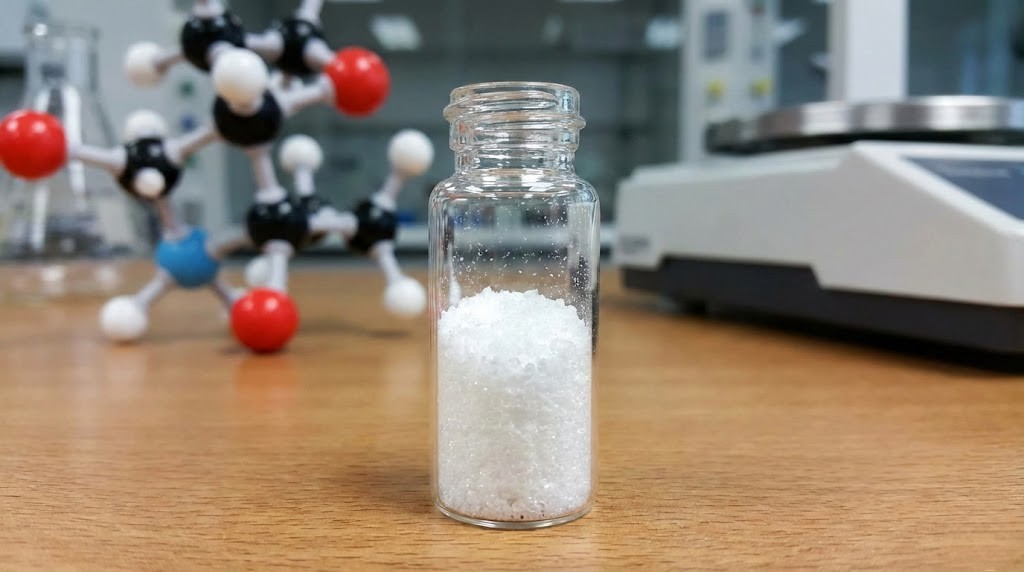
Two leucine molecules bonded together. That is all dileucine is, technically speaking. But what happens when those two amino acids form a dipeptide changes everything researchers thought they knew about muscle protein synthesis.
The research came out of the University of Illinois. Scientists expected dileucine to behave like regular leucine once absorbed. They expected the body to simply break it down into two separate leucine molecules. What they found instead rewrote the playbook on peptides for muscle building.
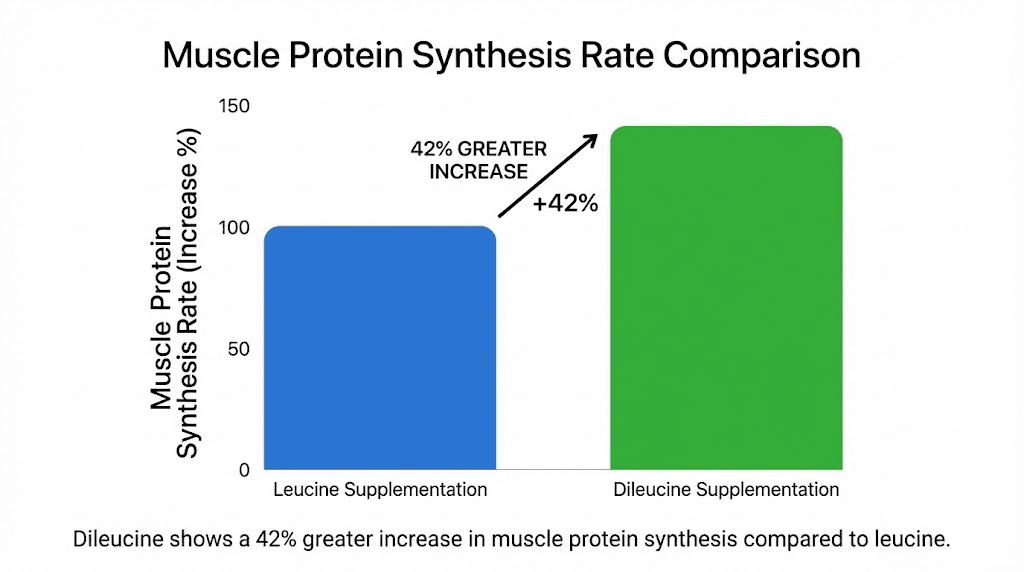
Dileucine increased muscle protein synthesis by 42% more than an equivalent amount of free leucine. Not a small margin. Not within the range of statistical noise. A clear, measurable difference that has supplement companies and researchers paying close attention to this simple dipeptide.
Here is what makes this finding significant. Leucine has been the gold standard for performance peptides and amino acid supplementation for decades. Bodybuilders, athletes, and anyone trying to build muscle has been told that leucine triggers the mTOR pathway, the master switch for muscle growth. And that is true. But dileucine appears to do it faster and more effectively.
This guide covers everything researchers need to know about dileucine peptide. The mechanism behind its enhanced absorption, the clinical studies proving its effectiveness, practical dosing protocols, and how it compares to other peptide stacks for muscle growth. SeekPeptides has compiled the research so you can make informed decisions about whether dileucine belongs in your protocol.
What is dileucine peptide
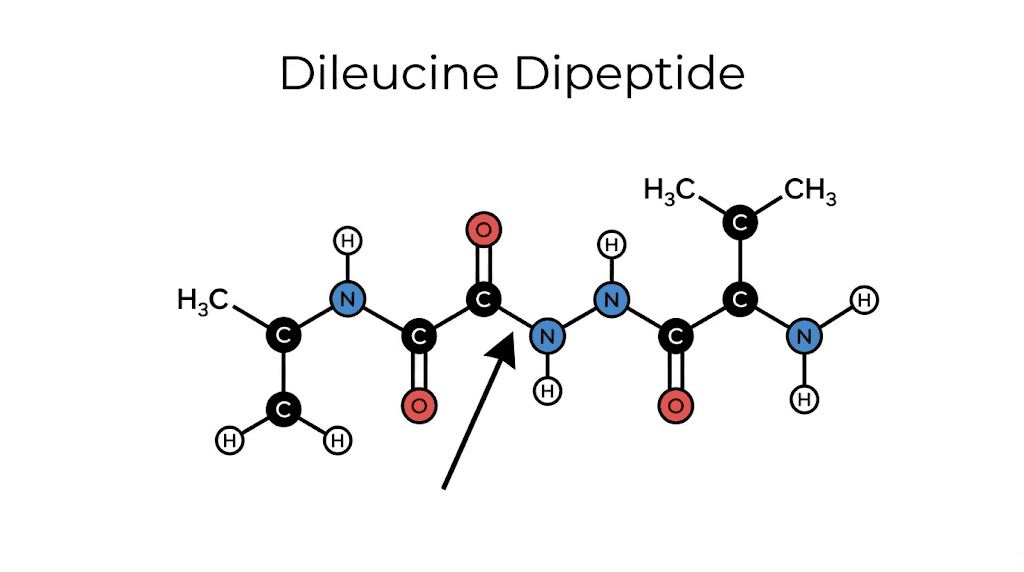
Dileucine is a dipeptide, meaning it consists of exactly two amino acids bonded together. In this case, two L-leucine molecules are enzymatically linked to form L-Leucyl-L-Leucine. The chemical structure matters because it determines how the body absorbs and uses this compound.
Most people assume dipeptides get broken down during digestion. The logic seems sound. Enzymes in the stomach and small intestine break proteins into smaller pieces, eventually releasing individual amino acids for absorption. But dipeptides like dileucine take a different route entirely.
The body has a dedicated transport system for dipeptides and tripeptides called PEPT1 (Peptide Transporter 1). This peptide formula gets actively pumped across the intestinal barrier rather than passively diffusing like free amino acids. The result is faster and more complete absorption.
The PEPT1 transporter system
PEPT1 was first identified in 1994. Researchers discovered this transporter could handle over 400 different dipeptides and 8,000 tripeptides. It works as a high-capacity, low-affinity symporter, meaning it can move large quantities of peptides without requiring tight binding.
The transporter uses a proton gradient as its driving force. Hydrogen ions move across the intestinal membrane, and peptides hitch a ride. This active transport mechanism makes PEPT1 fundamentally different from amino acid transporters, which can become saturated during high-dose supplementation.
When you consume free leucine, it competes with other amino acids for absorption. The transporters handle one amino acid at a time, creating a bottleneck. Dileucine bypasses this competition entirely by using PEPT1. Two leucine molecules get delivered simultaneously through a single transport event.
PEPT1 expression is highest in the small intestine, increasing from the duodenum to the ileum. This distribution pattern means dileucine has multiple opportunities for absorption as it moves through the digestive tract. The pharmaceutical industry has actually exploited this pathway for drug delivery, designing medications that mimic dipeptide structures to improve oral peptide bioavailability.
Natural dietary sources
Dileucine occurs naturally in all protein-containing foods. Every time proteins get digested, some dileucine forms as an intermediate product. However, the amounts vary significantly between protein sources.
Animal proteins contain higher concentrations of dileucine compared to plant proteins. Meat, dairy, eggs, and fish all provide meaningful amounts. This aligns with what we know about leucine content in general, as animal proteins tend to be richer in branched-chain amino acids.
The researchers at University of Illinois noted this dietary pattern but cautioned against simply eating more animal protein to increase dileucine intake. The amounts obtained through normal digestion are relatively small compared to what supplementation provides. And the timing of dileucine delivery from food digestion is spread out rather than concentrated.
The science behind dileucine absorption
What happens after you consume dileucine determines its effectiveness. The journey from ingestion to muscle tissue involves several steps that differentiate dipeptides from free amino acids.
When dileucine enters the small intestine, PEPT1 transporters on the intestinal epithelial cells recognize the dipeptide structure. These transporters grab dileucine and pull it into the cells. Some dileucine gets hydrolyzed (broken down) inside these cells, releasing two leucine molecules. But research shows that a significant portion survives intact.
Plasma appearance curves
The University of Illinois study measured both free leucine and intact dileucine in blood samples after supplementation. When participants consumed 2 grams of dileucine, plasma leucine levels rose faster than when they consumed the same amount of free leucine.
This finding initially surprised researchers. If dileucine needs to be broken down to release leucine, logic suggests it should appear slower in the blood. The reality was the opposite. PEPT1-mediated absorption proved more efficient than amino acid transporter-mediated absorption.
Even more interesting, the researchers detected intact dileucine circulating in the bloodstream. This means dileucine is not completely hydrolyzed before reaching circulation. The dipeptide itself makes it into the blood, potentially delivering leucine directly to muscle tissue in its bonded form.
Within 30 minutes of ingestion, subjects showed 86% higher leucine availability compared to equivalent doses of free leucine. The faster delivery translates to quicker activation of muscle protein synthesis pathways.
Why faster absorption matters
The timing of amino acid delivery affects muscle protein synthesis. Research on how peptides work shows that a rapid spike in blood amino acid levels triggers a stronger anabolic response than a slow, gradual rise.
Free leucine absorption follows a more prolonged curve. Competition with other amino acids at transport sites slows the process. The body sees a moderate increase in leucine levels sustained over a longer period.
Dileucine creates a sharper spike. The PEPT1 system delivers a concentrated bolus of leucine-containing molecules to the bloodstream. This rapid increase appears to more effectively trigger the mTOR signaling cascade that initiates muscle protein synthesis.
Think of it like fuel injection versus a carburetor. Both deliver fuel to the engine, but one does it with more precision and speed. For muscle building purposes, the concentrated delivery from dileucine appears to generate a stronger anabolic signal.
Clinical research on dileucine and muscle protein synthesis
The landmark study on dileucine came from Nicholas Burd and his team at the University of Illinois at Urbana-Champaign. Published in the Journal of Applied Physiology in 2021, this double-blind randomized controlled trial provided the first direct evidence that dileucine outperforms leucine for muscle building in humans.
Study design and methodology
Ten healthy young men (average age 23 years) participated in a crossover design study. This means each participant served as his own control, consuming both leucine and dileucine on separate occasions with a washout period between trials.
Participants consumed either 2 grams of leucine or 2 grams of dileucine. The researchers then measured muscle protein synthesis rates over the following three hours using stable isotope tracer methodology, the gold standard for measuring protein metabolism.
Blood samples tracked plasma amino acid levels throughout the measurement period. Muscle biopsies provided direct evidence of what was happening in muscle tissue at the molecular level.
Key findings
The results showed clear differences between conditions. Cumulative muscle protein synthesis over the 180-minute measurement period increased significantly in the dileucine condition (0.075% per hour) compared to the leucine condition (0.047% per hour).
To put this in perspective, dileucine produced a 42% greater increase in muscle protein synthesis compared to the same amount of leucine. The difference reached statistical significance (P = 0.023), meaning it was highly unlikely to occur by chance.
Interestingly, muscle protein breakdown did not differ between conditions. Both leucine and dileucine had similar effects on the catabolic side of the equation. The advantage of dileucine appeared specifically on the anabolic side, the building of new muscle protein.
Lead researcher Nicholas Burd explained the findings in straightforward terms. The body has specific transporters for dipeptides that absorb them faster and more efficiently than individual amino acids. When dileucine reaches the bloodstream intact, it may deliver leucine directly to muscle tissue in a more bioactive form.
The 2024 strength training study
A follow-up study published in PLOS ONE examined the practical implications of dileucine supplementation during a resistance training program. This 10-week trial moved beyond acute metabolic measurements to examine real-world strength and performance outcomes.
Thirty-four resistance-trained males (average age 28 years) were randomized to receive either 2 grams of dileucine monohydrate, 2 grams of leucine, or placebo daily while following a structured 4-day per week strength protocol.
The results showed that dileucine significantly increased lower body strength compared to placebo, with improvements up to 189% greater in some measures. Leucine alone showed no significant improvement over placebo, despite decades of research suggesting it should enhance muscle gains.
Muscular endurance also improved in the dileucine group. Participants completed more total repetitions during standardized testing. These findings suggest the acute benefits seen in the earlier study translate to meaningful performance improvements during actual training.
Dileucine and the mTOR pathway
Understanding why dileucine works requires examining the molecular machinery of muscle growth. The mechanistic target of rapamycin, or mTOR, sits at the center of this process.
mTOR functions as a nutrient sensor and growth regulator. When the body detects adequate nutrients, particularly essential amino acids like leucine, mTOR activates and initiates protein synthesis. When nutrients are scarce, mTOR stays quiet and protein synthesis slows.
Leucine as the mTOR trigger
Among all amino acids, leucine has the strongest effect on mTOR activation. This is why leucine has been the go-to supplement for athletes and anyone seeking to maximize muscle growth.
Research has identified the specific mechanism. Leucine binds to Sestrin2, a protein that normally inhibits mTOR. When leucine binds, Sestrin2 releases its inhibition, allowing mTOR to become active. Higher leucine concentrations lead to more complete release of inhibition.
This explains why the speed of leucine delivery matters. A rapid spike in blood leucine levels creates a strong, concentrated signal that fully activates mTOR. A slow, gradual rise provides a weaker signal that may not maximize the anabolic response.
How dileucine enhances mTOR signaling
Dileucine appears to amplify the mTOR response through several mechanisms. First, the faster absorption creates a more pronounced spike in plasma leucine levels. Second, intact dileucine may directly interact with mTOR signaling components.
Some researchers hypothesize that dileucine reaching muscle tissue intact could deliver leucine directly inside muscle cells, bypassing the normal amino acid transporters on muscle cell membranes. This would represent a more efficient delivery system than free leucine, which must compete for cellular uptake.
The 159% greater activation of muscle protein synthesis pathways reported in some studies suggests dileucine does more than simply deliver leucine faster. Something about the dipeptide form itself may enhance the anabolic signal, though the exact mechanism remains under investigation.
Age-related changes in mTOR sensitivity
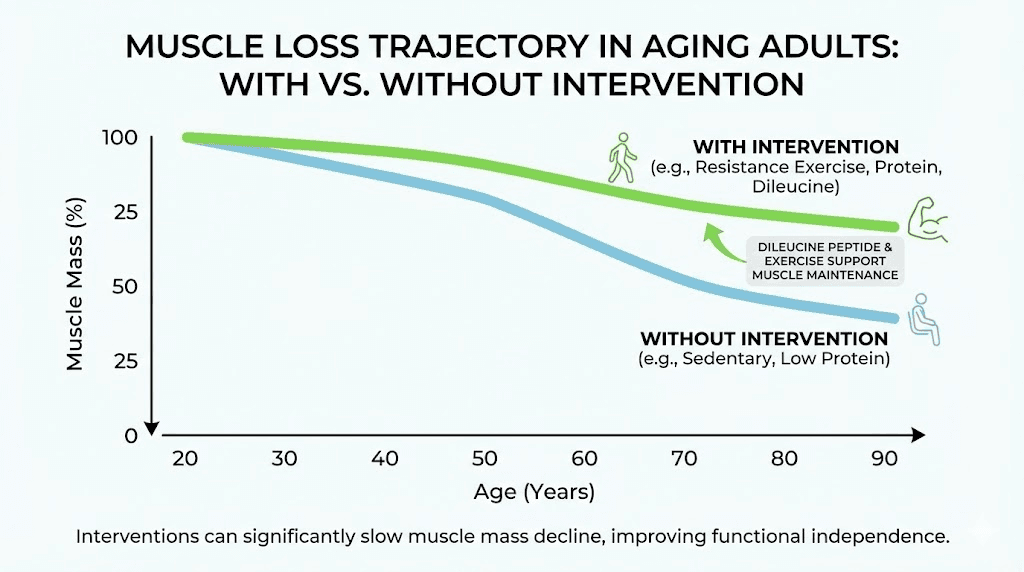
One area of particular interest is how dileucine might benefit older adults. As people age, the mTOR pathway becomes less responsive to standard protein intake and exercise. This phenomenon, called anabolic resistance, contributes to age-related muscle loss or sarcopenia.
Older individuals need more leucine to achieve the same anabolic response that younger people get from moderate amounts. Some studies suggest elderly individuals require 2.5-3 grams of leucine per meal to optimally stimulate muscle protein synthesis, compared to 1.5-2 grams for younger adults.
The enhanced delivery characteristics of dileucine could help overcome anabolic resistance. By providing a more concentrated, rapid leucine signal, dileucine might activate mTOR more effectively in aging muscle tissue. Research specifically examining dileucine in older populations is planned but not yet completed.
Dileucine dosage and protocols
The research on dileucine points to relatively straightforward dosing protocols. Unlike some peptides that require complex cycling or loading phases, dileucine supplementation follows a consistent daily approach.
Research-supported dosing
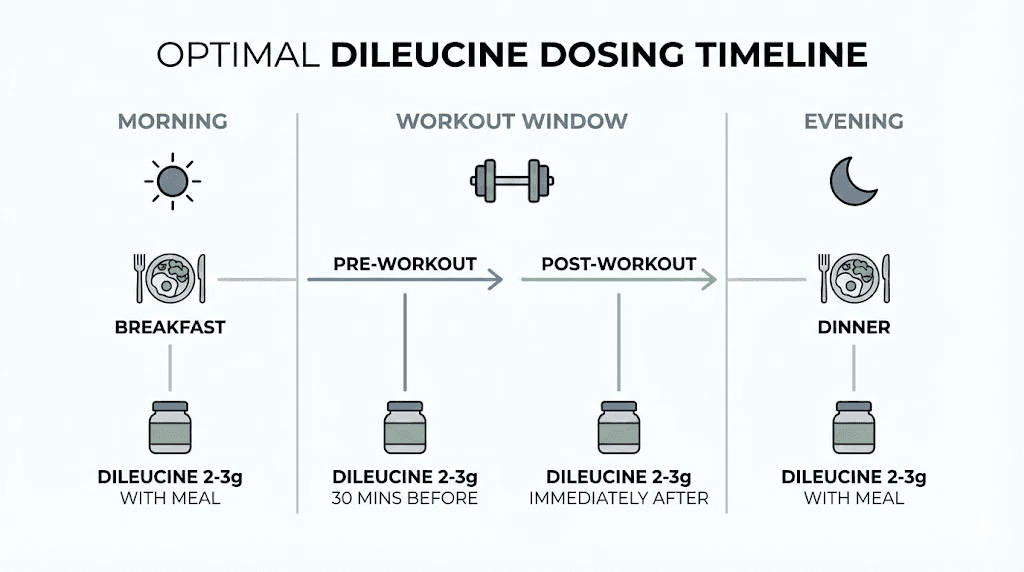
Both human clinical trials used 2 grams of dileucine daily. This dose produced statistically significant improvements in muscle protein synthesis and strength outcomes. The consistency across studies suggests 2 grams represents an effective dose for most individuals.
The 2-gram dose provides approximately 1.8 grams of actual leucine content after accounting for the molecular weight of the bond between the two amino acids. This is comparable to standard leucine supplementation doses but delivered through a more efficient mechanism.
Products containing patented DL185 dileucine typically provide this clinical dose per serving. Four capsules in most formulations deliver the full 2 grams used in research settings.
Timing considerations
Optimal timing for dileucine supplementation aligns with general peptide cycle planning principles. The goal is to maximize the anabolic signal when it matters most.
Post-workout consumption makes logical sense. Exercise sensitizes muscle tissue to anabolic signals, and combining dileucine with the post-exercise window could amplify the training response. The faster absorption characteristics of dileucine align well with the need for rapid nutrient delivery after training.
On non-training days, consuming dileucine with a meal maintains the anabolic stimulus. Some protocols recommend taking dileucine with your largest protein-containing meal to synergize with dietary amino acids.
Morning consumption has appeal for those concerned about overnight muscle catabolism. The extended fast during sleep can shift the body toward a catabolic state. Dileucine upon waking could help reverse this and stimulate early morning protein synthesis.
Combining dileucine with other supplements
Dileucine can integrate into existing supplement protocols without obvious conflicts. It works through the same fundamental pathways as other performance-enhancing peptides and amino acids.
Stacking dileucine with protein supplements makes sense from a physiological standpoint. Whey protein already contains some leucine and dileucine from normal digestion, but supplemental dileucine provides a concentrated, precisely timed delivery.
Some products combine dileucine with HMB (beta-hydroxy beta-methylbutyrate), a metabolite of leucine with anti-catabolic properties. The combination addresses both sides of muscle metabolism, with dileucine stimulating synthesis and HMB reducing breakdown.
Creatine remains a logical complement to dileucine. While creatine works through different mechanisms (enhancing ATP regeneration), both compounds support muscle growth and performance. No interactions between dileucine and creatine have been reported.
Dileucine versus other muscle-building compounds
Placing dileucine in context requires comparing it to established muscle-building supplements and compounds. How does this dipeptide stack up against the competition?
Dileucine versus free leucine
The research is clear on this comparison. Dileucine outperforms free leucine for muscle protein synthesis (42% greater increase) and strength gains (significant improvements versus no improvement over placebo).
Free leucine has been the standard for decades, and it does work. But the evidence suggests dileucine represents an upgrade in the same category. Better absorption, faster delivery, and stronger anabolic signals translate to superior outcomes.
Cost-wise, dileucine supplements typically cost more than generic leucine powder. Whether the premium justifies the improved efficacy depends on individual goals and budgets. For serious athletes and researchers prioritizing results, the enhanced effectiveness may warrant the investment.
Dileucine versus BCAAs
Branched-chain amino acid supplements contain leucine, isoleucine, and valine in various ratios. Peptide comparisons often examine these against pure leucine or leucine-focused products.
Research increasingly questions whether the other BCAAs (isoleucine and valine) add meaningful anabolic benefit beyond what leucine provides alone. Some studies suggest they may actually compete with leucine for transport and reduce its effectiveness.
Dileucine sidesteps this concern entirely. By using the PEPT1 transporter, it avoids competition with other amino acids. The concentrated delivery of leucine in dipeptide form may actually outperform full BCAA supplements for pure muscle-building purposes.
Dileucine versus complete protein
Whole protein sources like whey provide a full spectrum of amino acids, including all the building blocks needed for muscle tissue. Some argue that complete protein is always superior to isolated compounds.
The counterargument focuses on timing and precision. Complete protein takes longer to digest and provides a more gradual amino acid release. For maximizing the post-workout anabolic window or creating a strong mTOR signal, concentrated dileucine may offer advantages.
Most practical protocols use both. Complete protein sources provide the full amino acid profile for actual muscle construction, while dileucine provides the concentrated signal to maximize protein synthesis rates. They serve complementary rather than competing functions.
Dileucine versus peptide therapies
Injectable peptide therapies like growth hormone secretagogues work through different mechanisms entirely. These compounds typically stimulate hormonal changes that create an anabolic environment, rather than directly triggering mTOR.
Dileucine occupies a different niche. As an oral supplement with direct effects on muscle protein synthesis, it fits between basic amino acid supplements and more advanced peptide protocols. It can complement growth hormone-focused approaches by optimizing the protein synthesis machinery those hormones help create.
For researchers exploring comprehensive protocols, dileucine addresses a specific aspect of muscle metabolism that other peptides may not directly target. The combination could prove synergistic, though direct research on such stacks remains limited.
Dileucine for sarcopenia and aging
Muscle loss with aging represents one of the most significant health challenges facing developed nations. Sarcopenia affects an estimated 10% of people over 60, with prevalence increasing substantially in older age groups.
The sarcopenia crisis
After age 60, muscle mass decreases at approximately 3% per year on average. Grip strength declines 1.9-5.0% annually. Gait speed drops 2.0-2.3% yearly. These losses compound over time, eventually affecting mobility, independence, and quality of life.
Falls become increasingly dangerous as muscle mass declines. Hospitalization rates increase. Recovery from illness or surgery takes longer. The economic burden is substantial, with sarcopenia-related healthcare costs running into billions of dollars annually.
Current interventions have limited effectiveness. Resistance exercise helps but many elderly individuals cannot train intensively due to joint problems or other health issues. Protein supplementation shows modest benefits but does not fully address the underlying problem of anabolic resistance.
Why dileucine might help
The fundamental issue in sarcopenia is that aging muscle becomes resistant to normal anabolic signals. The mTOR pathway that responds robustly to protein and exercise in young people becomes sluggish in elderly tissue.
Dileucine may help overcome this resistance through its enhanced delivery characteristics. The concentrated, rapid leucine signal it provides could break through the blunted sensitivity of aging muscle. Where normal leucine supplementation produces a weak response, dileucine might generate enough signal to activate protein synthesis.
Research specifically testing this hypothesis in elderly populations is ongoing. The theoretical basis is strong, and the results in young populations suggest the mechanism works. Whether it translates to meaningful benefits for older adults awaits clinical confirmation.
Anti-catabolic effects
Beyond stimulating muscle building, preventing muscle breakdown matters for maintaining mass during aging. Peptides for aging populations increasingly focus on both sides of the equation.
The research on dileucine did not show significant differences in muscle protein breakdown between dileucine and leucine conditions. Both reduced catabolism similarly. However, the substantially greater anabolic effect of dileucine means the net balance shifts more favorably toward muscle building.
For sarcopenic individuals who struggle to build muscle even while limiting breakdown, this enhanced anabolic effect could make meaningful differences. Shifting the needle even slightly toward net protein gain, sustained over months and years, can preserve functional capacity.
Practical considerations for older adults
Dileucine supplementation appears well-tolerated based on current research. The clinical trials reported no adverse effects at the 2-gram daily dose. As a dipeptide found naturally in dietary protein, it has a strong safety profile foundation.
Older adults with kidney concerns should consult healthcare providers before substantially increasing protein or amino acid intake. While dileucine is not a complete protein, it does contribute to overall nitrogen intake.
Combining dileucine with appropriate resistance training, even light resistance training, likely maximizes benefits. Exercise sensitizes muscle to anabolic signals, and dileucine provides a stronger signal. The combination addresses sarcopenia from multiple angles.
DL185: the commercial form of dileucine
Most dileucine supplements on the market use a patented ingredient called DL185, developed and manufactured by NNB Nutrition. Understanding what this ingredient is and how it differs from generic dileucine helps evaluate supplement quality.
What is DL185
DL185 is the brand name for L-Leucyl-L-Leucine Monohydrate produced through an enzymatic bonding process. The "185" in the name references the claimed 185% faster absorption compared to free leucine, though the actual research shows the 86% improvement in 30-minute leucine availability.
The enzymatic production method ensures proper stereochemistry. Both leucine molecules maintain their L-form (the biologically active form) rather than converting to inactive D-leucine during synthesis. This matters for bioactivity since the body can only use L-amino acids for protein synthesis.
Patent protection means DL185 is only available through licensed manufacturers. Products listing DL185 on the label must source from NNB Nutrition or their authorized partners. This provides some quality assurance since counterfeit products cannot legally use the trademark.
Products containing DL185
Several supplement brands have incorporated DL185 into their formulations. MuscleTech offers a product called PEPTIDE-185 featuring this ingredient. Advanced Bionutritionals makes Advanced Muscle Plus combining DL185 with HMB. Various smaller brands offer standalone DL185 capsules.
Dosing across these products typically provides 2 grams of DL185 per serving, matching the clinical research dose. Some formulations add complementary ingredients while others keep dileucine as the sole active component.
When evaluating products, verify the label explicitly states DL185 or L-Leucyl-L-Leucine Monohydrate and provides the 2-gram dose per serving. Products with lower doses or vague "leucine peptide blend" descriptions may not deliver the researched amount of actual dileucine.
Cost and value considerations
DL185 products cost more than generic amino acid supplements. Expect to pay a premium compared to standard leucine or BCAA products. The 30-serving bottles of dedicated dileucine supplements typically run higher than equivalent quantities of basic amino acid supplements.
Whether the premium makes sense depends on how you value the enhanced effectiveness. For competitive athletes, serious bodybuilders, or researchers pursuing optimal results, the documented 42% improvement in muscle protein synthesis and significant strength gains may justify the cost.
For casual fitness enthusiasts, the simpler and cheaper approach of adequate protein intake and basic leucine supplementation might suffice. Dileucine represents an optimization for those seeking to maximize every variable in their strength protocol.
Safety and side effects of dileucine
Any compound intended for human consumption requires careful safety evaluation. Dileucine benefits from being a naturally occurring dietary component with a history of human consumption.
Clinical trial safety data
The published human studies on dileucine reported no adverse effects. The 10-week strength training study specifically noted an excellent safety profile throughout the trial duration.
Participants consumed 2 grams daily without reported gastrointestinal issues, allergic reactions, or other negative effects. This aligns with expectations for a simple dipeptide found naturally in protein-rich foods.
The studies involved healthy young to middle-aged men. Less data exists for women, older adults, or individuals with health conditions. However, the compound itself has no theoretical mechanism for sex-specific or age-specific toxicity.
Potential concerns
High-dose amino acid supplementation can strain kidney function in individuals with pre-existing kidney disease. Dileucine delivers leucine, which must be metabolized and any excess excreted. Those with compromised kidney function should consult healthcare providers.
Some users of high-dose amino acid supplements report mild gastrointestinal upset. Dileucine specifically has not shown this tendency in clinical trials, but individual responses vary. Starting with a partial dose to assess tolerance is reasonable.
Drug interactions have not been systematically studied. However, dileucine works through normal physiological pathways rather than pharmacological mechanisms. Significant drug interactions appear unlikely based on the compound's nature.
Quality and purity considerations
As with any supplement, product quality matters. Reputable brands provide third-party testing documentation verifying identity and purity. Products using patented DL185 from NNB Nutrition have an additional layer of quality control through the licensing process.
Be cautious with products making extreme claims beyond what the research supports. Dileucine offers documented benefits for muscle protein synthesis, but it is not a magic solution. Claims of massive muscle gains from dileucine alone should be viewed skeptically.
Contaminant testing matters for any supplement. Heavy metals, microbial contamination, and solvent residues can all affect product safety. Look for certificates of analysis from independent laboratories.
Dileucine motifs in cell biology
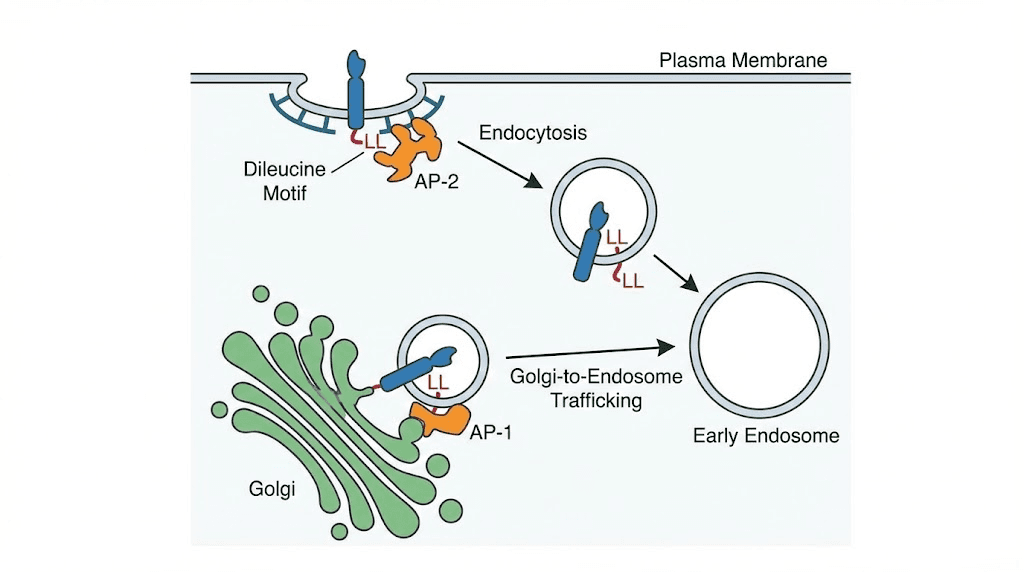
The term "dileucine" appears in a completely different context within cell biology research. Dileucine motifs are specific amino acid sequences in proteins that serve as sorting signals for cellular trafficking. Understanding this distinction prevents confusion when researching the topic.
What are dileucine motifs
Dileucine motifs (or di-leucine motifs) are short sequences in the cytoplasmic tails of transmembrane proteins. The consensus sequence is [DE]XXXL[LI], meaning an acidic amino acid (D or E) followed by any three amino acids (XXX) followed by two leucines or a leucine-isoleucine pair.
These sequences tell the cell where to send the protein. Coat protein complexes recognize dileucine motifs and package the protein into transport vesicles destined for specific cellular compartments. The motif functions like an address label.
This biological function is completely separate from dileucine as a dipeptide supplement. The sequence motif occurs within larger proteins and has no direct relationship to the muscle-building dipeptide.
Dileucine motifs and endocytosis
One major function of dileucine motifs is directing proteins into the endocytic pathway. When cell surface receptors need to be internalized, dileucine motifs help recruit the clathrin adaptor complexes that pull them inside the cell.
The AP2 adaptor complex recognizes dileucine motifs on cargo proteins and facilitates their incorporation into clathrin-coated pits. These pits pinch off to form vesicles that carry the proteins into the cell interior.
Research on dileucine motifs has implications for understanding diseases related to protein trafficking. Defects in this sorting system can cause proteins to accumulate in the wrong cellular locations, contributing to various pathologies.
Recent research on dileucine motifs
A 2025 study published in Cell Reports examined the dileucine motif in LL-37, an antimicrobial peptide produced by humans. Researchers found that the dileucine motif in LL-37 is essential for initiating autophagy in macrophages.
When the dileucine motif was modified or removed from LL-37, the peptide could no longer trigger autophagy. This finding shows how these sequence motifs can have functional importance beyond simple protein sorting.
HIV research has also examined dileucine motifs. The virus exploits these cellular sorting signals to help evade the immune system. The Nef protein of HIV-1 contains a dileucine motif that is essential for downregulating CD4 expression on infected cells.
Practical application of dileucine research
Translating research findings into practical protocols requires considering how dileucine fits into overall peptide research approaches and training programs.
Who might benefit most from dileucine
Based on the research, several populations appear likely to benefit from dileucine supplementation.
Athletes and bodybuilders seeking to maximize muscle protein synthesis have the strongest research support. The clinical trials specifically demonstrated benefits in young, healthy males engaged in resistance training.
Older adults concerned about muscle maintenance represent a promising application area. While direct research in this population is ongoing, the theoretical basis for overcoming anabolic resistance is strong.
Individuals recovering from injury or surgery who need to minimize muscle loss and maximize rebuilding could benefit. The enhanced anabolic signal from dileucine might accelerate recovery when combined with appropriate physical therapy.
People in caloric deficits who want to preserve muscle while losing fat might find value. During energy restriction, muscle protein synthesis tends to decline. A stronger anabolic stimulus could help maintain muscle mass.
Integration with training programs
Dileucine supplementation does not replace training. The 10-week study showing strength benefits involved participants following a structured 4-day resistance training program. The compound enhanced the results of training rather than replacing it.
For optimal results, align dileucine consumption with training sessions. Post-workout timing capitalizes on the exercise-induced sensitization of muscle tissue to anabolic signals. The faster delivery of leucine via the dileucine mechanism helps capture the post-workout window.
On rest days, continue supplementation with meals to maintain baseline muscle protein synthesis. Consistency matters for realizing the cumulative benefits over time.
Nutrition considerations
Dileucine works within the context of overall nutrition. Adequate total protein intake remains essential for providing the raw materials (amino acids) for muscle construction. Dileucine provides the signal to build muscle, but the body still needs all the other amino acids to actually build it.
General recommendations of 1.6-2.2 grams of protein per kilogram of body weight for muscle building still apply. Some researchers argue for even higher intakes for older adults or those in caloric deficits.
The quality of protein sources matters. Complete proteins providing all essential amino acids ensure the body has everything needed to capitalize on the enhanced protein synthesis signal from dileucine.
Realistic expectations
Dileucine is not a steroid or hormone. The effects, while statistically significant, occur within physiological ranges. Expect enhanced optimization rather than dramatic transformation.
The research showed 42% greater muscle protein synthesis compared to leucine and significant strength improvements over placebo. These are meaningful differences but translate to incremental gains rather than overnight muscle growth.
Over months of consistent training and supplementation, the cumulative effect of enhanced daily protein synthesis adds up. Small advantages compound over time into noticeable differences.
Comparison with other peptide supplements
The growing interest in peptides for health and performance includes many compounds besides dileucine. Understanding where dileucine fits in the broader peptide landscape helps with protocol design.
Dileucine versus collagen peptides
Collagen peptides serve entirely different functions than dileucine. Collagen provides specific amino acids (glycine, proline, hydroxyproline) that support connective tissue, skin, and joint health. They do not particularly stimulate mTOR or drive muscle protein synthesis.
Dileucine specifically targets muscle building through the mTOR pathway. It delivers leucine for muscle tissue construction and the signaling to initiate that construction.
The two can complement each other. Dileucine for muscle building, collagen for joints and connective tissue. Neither replaces the other because they serve different purposes.
Dileucine versus growth hormone peptides
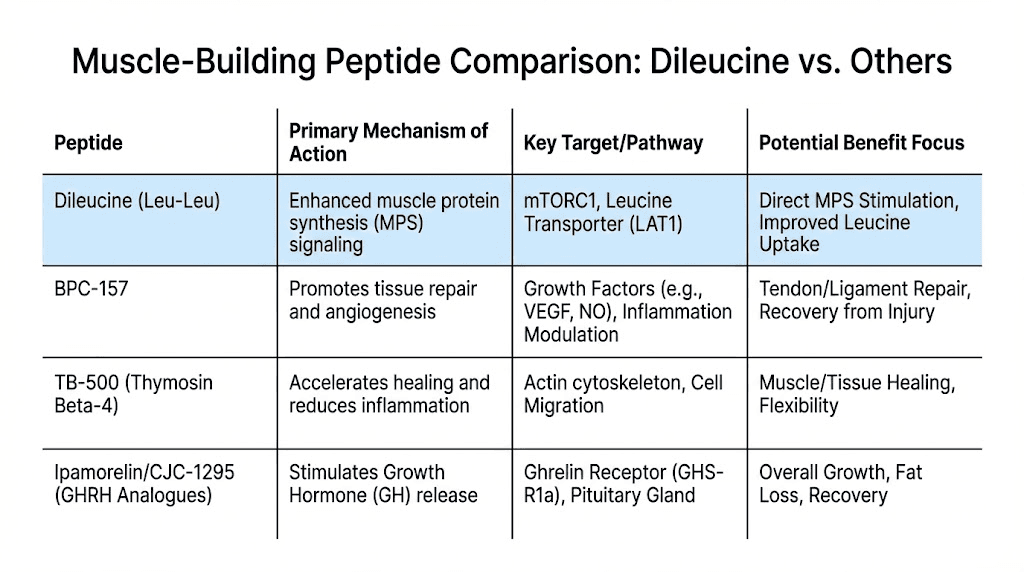
Peptides like Ipamorelin, CJC-1295, and similar growth hormone secretagogues work through hormonal mechanisms. They stimulate the body to produce more growth hormone, which creates an overall anabolic environment.
Dileucine works downstream of hormonal effects. It directly stimulates the protein synthesis machinery that growth hormone helps create. In theory, the combination could be synergistic, with growth hormone providing the anabolic environment and dileucine maximizing the protein synthesis within that environment.
The compounds operate through different mechanisms and could be used together without direct conflict. However, specific research on combining dileucine with growth hormone peptides does not yet exist.
Dileucine versus healing peptides
Healing peptides like BPC-157 and TB-500 focus on tissue repair and recovery. They promote wound healing, reduce inflammation, and support recovery from injury.
Dileucine focuses specifically on muscle protein synthesis. While enhanced protein synthesis supports tissue building in general, dileucine does not have the specific healing properties attributed to BPC-157 or TB-500.
For injury recovery, a comprehensive approach might include healing peptides for tissue repair and dileucine for preventing muscle loss and rebuilding strength during recovery. The compounds address different aspects of the recovery process.
Dileucine versus PeptiStrong
PeptiStrong is another commercially available peptide complex promoted for muscle building. It uses fava bean-derived peptides rather than dileucine specifically.
The mechanisms differ somewhat. PeptiStrong contains multiple peptide fragments that may affect muscle metabolism through various pathways. Dileucine has a more defined mechanism, specifically delivering leucine through the PEPT1 transporter for mTOR activation.
Both have supporting research, though the dileucine studies are more recent. Head-to-head comparisons do not exist, making direct efficacy comparison difficult. Some users may respond better to one versus the other based on individual physiology.
Frequently asked questions
Is dileucine the same as leucine?
Dileucine is two leucine molecules bonded together as a dipeptide. While it ultimately provides leucine to the body, the bonded form is absorbed differently through the PEPT1 transporter rather than amino acid transporters. This results in faster, more efficient delivery that produces 42% greater muscle protein synthesis compared to an equivalent amount of free leucine.
What is the correct dileucine dosage?
Clinical research used 2 grams of dileucine (or DL185) daily. This dose produced statistically significant improvements in both acute muscle protein synthesis and strength gains over a 10-week training period. Most commercial products provide this dose per serving.
When should I take dileucine?
Post-workout timing aligns with the enhanced anabolic signaling window following exercise. On rest days, consuming dileucine with a protein-rich meal maintains the anabolic stimulus. Some protocols use morning consumption to counteract overnight muscle catabolism. Consistency matters more than perfect timing for the optimal protocol.
Is dileucine safe?
Clinical trials reported no adverse effects at the 2-gram daily dose over study periods up to 10 weeks. Dileucine is a naturally occurring dipeptide found in all dietary proteins. Those with kidney disease should consult healthcare providers before substantially increasing amino acid intake. For healthy individuals, current evidence supports a strong safety profile.
Does dileucine work for older adults?
Research specifically in elderly populations is ongoing but not yet published. The theoretical basis is promising. Older adults experience anabolic resistance where normal protein intake produces weaker muscle-building responses. The enhanced leucine delivery from dileucine could help overcome this resistance. SeekPeptides will update this information as new research emerges.
Can I take dileucine with other supplements?
Dileucine can be combined with most other supplements without known interactions. Common combinations include protein powder, creatine, and HMB. Some products already combine dileucine with HMB for complementary muscle-building and anti-catabolic effects. No significant drug interactions have been identified, though those on medications should consult healthcare providers.
What is DL185?
DL185 is the patented brand name for dileucine (L-Leucyl-L-Leucine Monohydrate) manufactured by NNB Nutrition. Products listing DL185 on the label must source from this company, providing some quality assurance. The name references the claimed absorption advantage over free leucine.
Is dileucine better than BCAAs?
For pure muscle-building purposes, research suggests dileucine may outperform standard BCAA supplements. BCAAs include leucine plus isoleucine and valine, but some studies suggest the additional amino acids may actually compete with leucine for absorption. Dileucine bypasses this competition by using the PEPT1 transporter.
For researchers committed to optimizing their muscle-building protocols, SeekPeptides provides comprehensive evidence-based guides, detailed protocol information, and access to a community of experienced researchers navigating these exact questions.