Jan 19, 2026
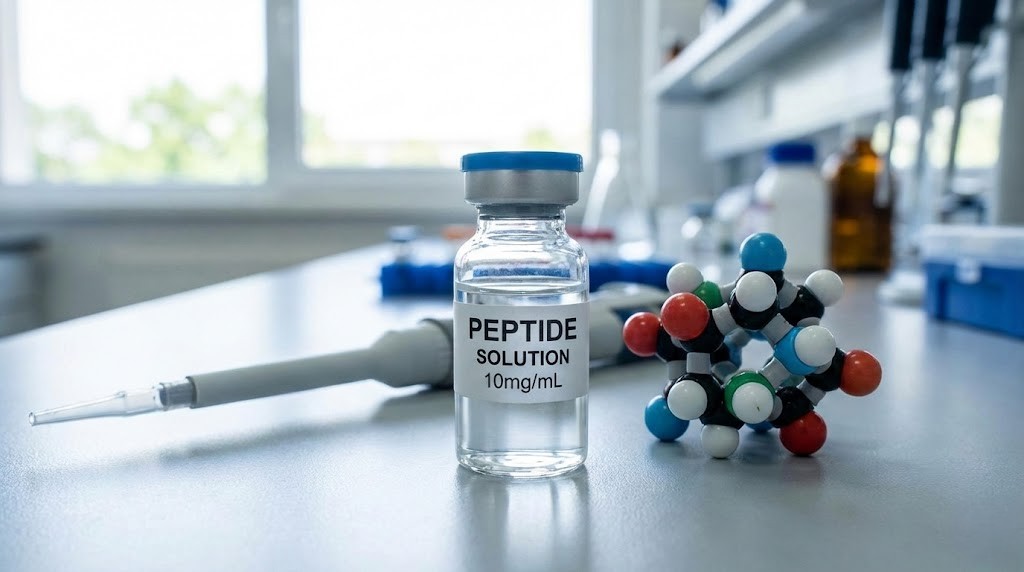
Your skin tells a story. Every smile, every frown, every squint against the sun writes itself into the tissue. Expression lines form slowly, then suddenly become permanent features you notice in every photograph, every video call, every mirror glance.
Botox addresses this. Dramatically. But needles, toxins, and frozen expressions are not for everyone.
Enter amplified peptide technology. Specifically, Argireline Amplified, a next-generation topical compound that mimics Botox mechanism without injections, toxicity, or that artificial immobility that makes some faces look waxy rather than youthful. The peptide works at the neuromuscular junction, interrupting signals that cause repetitive muscle contractions. Fewer contractions mean fewer creases. Fewer creases mean smoother skin over time.
This guide examines everything researchers and skincare enthusiasts need to know about amplified peptides, from the molecular science driving their effects to practical application protocols that maximize results. SeekPeptides covers both injectable and topical peptide applications, recognizing that comprehensive anti-aging approaches often combine multiple delivery methods targeting different mechanisms. Understanding how topical peptides like Argireline Amplified work, and where they fit alongside injectable compounds like GHK-Cu, helps you build informed protocols rather than following marketing claims.
The amplified formulation represents significant advancement over earlier versions. Better penetration. Enhanced efficacy. Faster visible results. But the technology has limitations worth understanding before incorporating it into your routine.
What is amplified peptide?
The term amplified peptide in skincare contexts almost always refers to Argireline Amplified Peptide Solution, a proprietary formulation developed by Lubrizol Corporation as an evolution of their original Argireline compound. The amplification refers to enhanced delivery systems and molecular modifications that improve skin penetration and biological activity compared to standard formulations.
Understanding what this peptide is requires stepping back to its predecessor.
The original Argireline
Argireline, chemically known as acetyl hexapeptide-8 (formerly acetyl hexapeptide-3), launched in 2001 after a decade of research. The compound consists of six amino acids, specifically glutamic acid, methionine, and arginine, arranged in a sequence that mimics a portion of SNAP-25, a protein critical to neurotransmitter release.
The peptide was designed as a topical alternative to botulinum toxin. Both target the same biological process, the SNARE complex assembly that enables nerve-muscle communication, but through different mechanisms and with vastly different potencies.
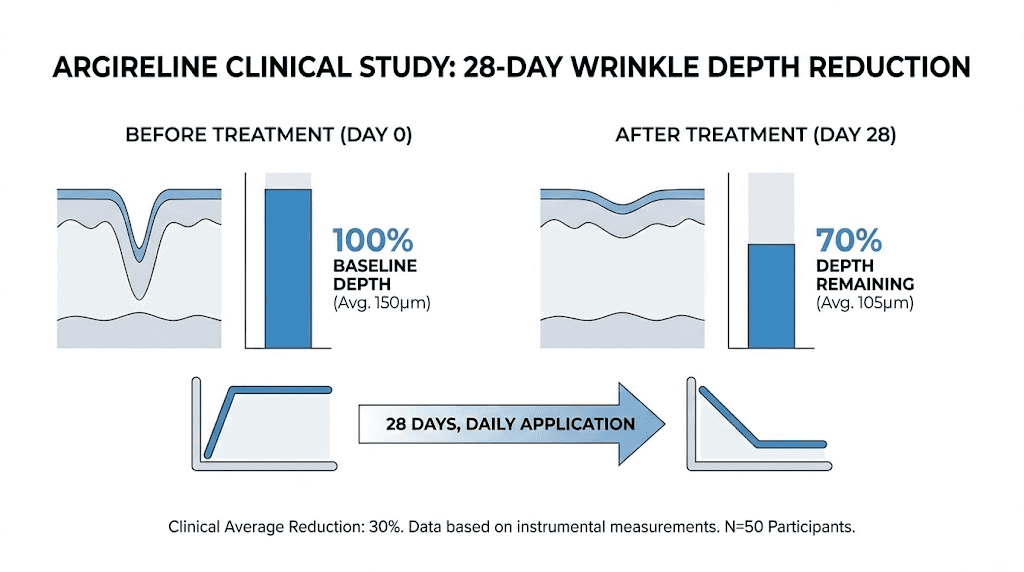
Original Argireline demonstrated meaningful results in clinical studies. A 2002 study by Blanes-Mira and colleagues showed 30% wrinkle depth reduction after 30 days of twice-daily application at 10% concentration. Other research reported efficacy rates reaching nearly 50% in reducing visible wrinkles over four weeks.
But the peptide had limitations.
Its relatively large molecular weight (889 Daltons) and hydrophilic nature created penetration challenges. One study found less than 0.2% of applied peptide actually crossed the stratum corneum within 24 hours. The compound worked, but inefficiently. Most of it sat on the skin surface, providing minimal biological effect while users hoped enough would somehow reach the target tissues.
The amplified evolution
Argireline Amplified Peptide, introduced in 2020, addresses these penetration problems through several technological improvements.
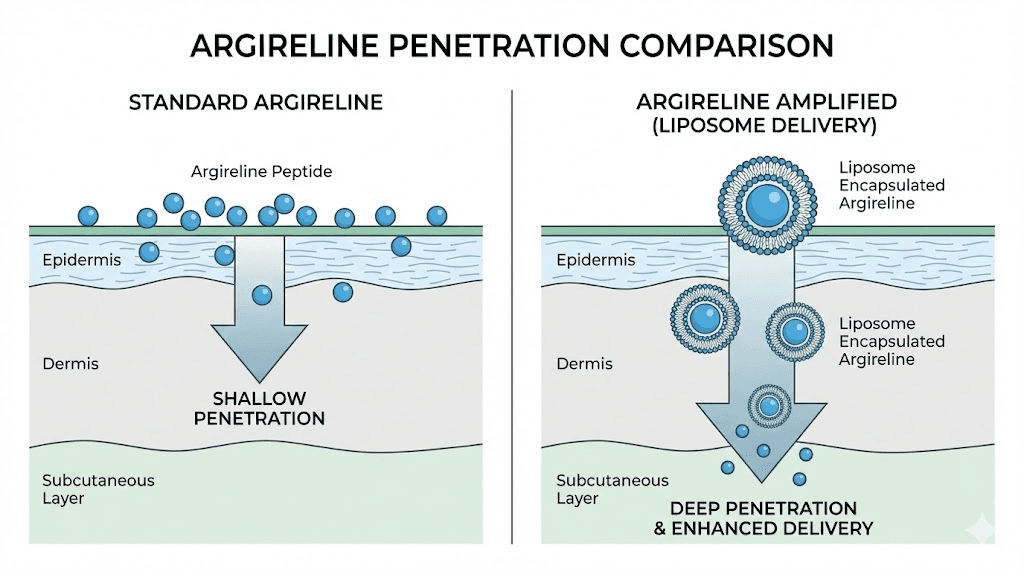
The amplified formulation features smaller molecular structures that navigate the skin barrier more effectively. Additionally, liposome delivery systems encapsulate the active peptide, protecting it during transit through the stratum corneum and facilitating release at deeper skin layers where the target cells reside.
According to manufacturer data, the amplified version delivers approximately 50 times greater potency than standard Argireline formulations. This claim reflects improved bioavailability rather than a fundamentally different molecule, essentially more peptide reaching target sites rather than a more powerful peptide.
The amplified formulation also targets multiple skin layers simultaneously. Beyond the neuromuscular effects reducing expression lines, it addresses aging in adipose tissue and other skin structures by modulating senescence-associated secretory phenotypes (SASPs). This broader mechanism supports adipogenesis, enhances the dermal network, and strengthens barrier function.
How amplified peptide works
Understanding the mechanism requires examining how muscles contract and how that process can be modulated without toxins or injections.
The SNARE complex and neurotransmitter release
Nerve signals travel to muscles through a chain of electrochemical events. When a signal reaches the neuromuscular junction, the nerve ending releases acetylcholine, a neurotransmitter that crosses the synaptic gap and triggers muscle fiber contraction.
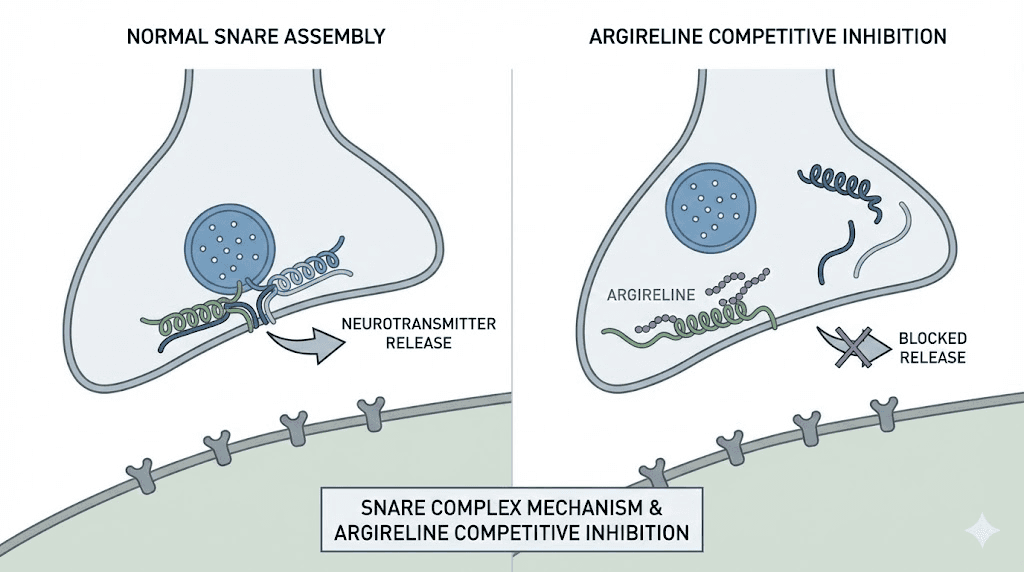
This release process depends on the SNARE complex, a molecular assembly of three proteins: VAMP (vesicle-associated membrane protein), syntaxin, and SNAP-25 (synaptosomal-associated protein of 25 kDa). These proteins work together like a cellular hook system, capturing vesicles containing acetylcholine, docking them at the membrane, and facilitating their fusion to release contents.
Without proper SNARE complex assembly, vesicles cannot release their neurotransmitter cargo. No release means no signal transmission. No signal transmission means no muscle contraction.
Botulinum toxin, the active component in Botox, works by cleaving SNARE proteins. It literally cuts the proteins apart, preventing complex formation entirely.
The effect is potent and long-lasting but irreversible until new proteins are synthesized.
Argireline competitive inhibition
Argireline takes a gentler approach. The peptide sequence mimics the N-terminal portion of SNAP-25. When applied, it competes with native SNAP-25 for binding positions within the SNARE complex.
Think of it as a decoy. Argireline molecules occupy binding sites that SNAP-25 would normally use. The complex still assembles, but imperfectly. The destabilized structure functions less efficiently, reducing but not eliminating neurotransmitter release.
Muscle contraction is attenuated rather than prevented. The muscle relaxes partially rather than completely. Expression lines soften without creating the frozen appearance that injectable neurotoxins can produce.
This mechanism offers several advantages. The effect is reversible, the peptide does not destroy anything, it just creates competition. Toxicity is negligible compared to botulinum toxin. Application is non-invasive. And facial expressions remain natural, just with reduced intensity of the deepest contractions.
The disadvantage is lower efficacy. Competitive inhibition inherently produces weaker effects than destructive mechanisms. Topical delivery adds another efficiency barrier. The combination means Argireline produces modest rather than dramatic results.
Multi-layer activity in amplified formulations
Beyond neuromuscular modulation, Argireline Amplified targets additional aging mechanisms.
Cellular senescence contributes to skin aging through the accumulation of cells that no longer divide but remain metabolically active, secreting inflammatory molecules, proteases, and growth factors collectively termed SASP. These secretions degrade surrounding tissue and propagate aging signals to neighboring cells.
The amplified peptide modulates SASP expression, reducing the pro-aging signals from senescent cells. This action supports healthier adipose tissue function, which affects skin volume and contour. It enhances the dermal matrix where collagen and elastin reside. And it strengthens barrier function that protects against environmental damage and moisture loss.
The combined effects, muscle relaxation plus senescence modulation plus barrier enhancement, create more comprehensive anti-aging action than neuromuscular targeting alone provides.
Clinical evidence for amplified peptide
Marketing claims require scrutiny. What does the actual research show?
Studies on original Argireline
The evidence base for standard Argireline is substantial by cosmetic peptide standards.
The foundational 2002 Blanes-Mira study demonstrated 30% wrinkle depth reduction in volunteers applying 10% Argireline solution twice daily for 30 days. The study included both in vitro analysis of SNARE complex inhibition and in vivo wrinkle measurement.
Ruiz and colleagues reported even stronger results, with wrinkle reductions ranging from 41.83% to 78.25% in a 20-person study testing an Argireline-containing emulsion.
A study using Visia imaging technology found detectable improvements in wrinkle scores following Argireline application, though the results did not reach statistical significance compared to untreated control areas. This highlights the challenge of cosmetic research, where effects may be real but modest enough that study sizes and methodologies struggle to capture them definitively.
Meta-analyses of available data suggest that Argireline produces meaningful improvements for many users, particularly when applied consistently at adequate concentrations over several weeks. Effects are most pronounced for expression lines around the eyes and forehead, areas with high repetitive muscle activity.
Studies on amplified formulations
Research specifically on Argireline Amplified is more limited but promising.
A 3D bio-printed muscle model study led by Dr. Samuel Sanchez at the Institute of Bioengineering of Catalonia demonstrated measurable muscle relaxation with the amplified formulation. The controlled laboratory conditions allowed precise measurement of contraction reduction and post-expression recovery time.
Clinical data from manufacturer studies reports up to 20% wrinkle depth reduction within 28 days with the amplified formulation. Additional claims include faster recovery of skin appearance after facial expressions.
Importantly, a National Institutes of Health study found that topical Argireline extended the benefits of Botox injections in patients with severe blepharospasm. The fact that Argireline showed efficacy even in patients with pathologically strong muscle activity suggests meaningful biological activity beyond placebo effects.
Limitations of current evidence
Honesty requires acknowledging gaps in the research.
No clinical studies have directly compared Argireline to Botox injections in controlled settings. The peptide was designed as an alternative, but whether it achieves comparable results in real-world use remains uncertain. Anecdotally, most dermatologists and users consider it a modest improvement rather than an injection replacement.
Study populations tend to be small, often 20-50 participants, limiting statistical power to detect small effects or subgroup variations. Larger trials would provide more robust efficacy estimates.
The penetration challenge, despite improvements in amplified formulations, means actual biological effect depends heavily on application technique, skin condition, and individual barrier characteristics. Results may vary more between users than studies suggest.
Funding sources matter. Much research on cosmetic peptides comes from manufacturers with commercial interests. While this does not invalidate findings, independent replication would strengthen confidence in claimed effects.
Comparing amplified peptide to other cosmetic peptides
Argireline Amplified is not the only topical anti-aging peptide available. Understanding how different peptides work and compare helps optimize selection for specific goals.
SNAP-8 (acetyl octapeptide-3)
SNAP-8 represents an extension of Argireline, an eight-amino-acid peptide rather than six. Both target the same SNARE complex mechanism, competing with SNAP-25 for binding positions.
According to manufacturer Lipotec, SNAP-8 demonstrates approximately 30% higher efficacy than standard Argireline in both in vitro and in vivo testing. A study using 10% SNAP-8 solution reported 63.18% visible wrinkle reduction over 28 days, exceeding typical Argireline results.
The additional amino acids may provide better binding affinity or stability, though the exact mechanism driving improved performance is not fully characterized. For researchers seeking maximum SNARE complex inhibition through topical peptides, SNAP-8 may offer advantages over standard Argireline, though direct comparison with the amplified formulation is limited.
Leuphasyl (pentapeptide-18)
Leuphasyl works through an entirely different mechanism than Argireline or SNAP-8. Rather than targeting the SNARE complex directly, it acts on enkephalin receptors upstream in the signaling cascade.
Enkephalins are endogenous opioid peptides that modulate pain perception and neurotransmitter release. Leuphasyl mimics their action, decreasing acetylcholine secretion through receptor-mediated inhibition rather than structural interference with release machinery.
The different mechanism creates synergistic potential. Combining Leuphasyl with Argireline targets multiple points in the neuromuscular signaling pathway, potentially achieving greater overall inhibition than either peptide alone. Manufacturer data suggests the combination can achieve up to 50% wrinkle reduction with twice-daily application.
Products combining multiple botox-like peptides, such as Argireline plus Leuphasyl plus SNAP-8, leverage this synergy for enhanced effects.
Matrixyl (palmitoyl peptides)
Matrixyl represents a completely different approach to anti-aging. Rather than reducing muscle activity, it stimulates extracellular matrix production.
The Matrixyl 3000 formulation combines palmitoyl tripeptide and palmitoyl tetrapeptide. These signal peptides activate fibroblasts to increase collagen, hyaluronic acid, and elastin synthesis. The result is improved skin density, thickness, and elasticity through structural rebuilding rather than expression reduction.
One clinical study found Matrixyl as effective as retinol for repairing sun-damaged skin, without the irritation retinol commonly causes. Another showed visible wrinkle reduction within two weeks of application.
Matrixyl addresses different aspects of aging than Argireline. Expression lines result from muscle activity. Matrixyl does not affect that. But overall skin quality, firmness, and volume depend on matrix components that Matrixyl supports.
Combining both peptide types, muscle-modulating and matrix-building, creates comprehensive coverage.
Comparison overview
Argireline Amplified targets SNARE complex inhibition, primarily for expression lines, with typical 20-30% wrinkle reduction, best for forehead and crow feet areas.
SNAP-8 also targets SNARE complex with approximately 30% higher efficacy than standard Argireline, reporting 30-63% wrinkle reduction, ideal for deep expression lines.
Leuphasyl targets enkephalin receptors and works best in combination with other peptides for synergistic effects.
Matrixyl 3000 stimulates fibroblasts for collagen and elastin production, comparable to retinol efficacy, best for volume, firmness, and texture improvement.
Amplified peptide versus Botox
The comparison everyone wants deserves direct examination.
Mechanism differences
Both Argireline and botulinum toxin target neurotransmitter release at the neuromuscular junction. But their mechanisms differ fundamentally.
Botulinum toxin acts enzymatically, cleaving SNARE proteins so they cannot function. The destruction is irreversible. Affected nerve terminals must synthesize new proteins to restore function, a process taking months. During this period, the muscle cannot contract regardless of neural input.
Argireline acts competitively, occupying binding sites without destroying anything. The inhibition is reversible and partial. Muscles retain some contractile capacity. Effects diminish as the peptide clears from tissue and native proteins reclaim their positions.
The distinction matters for outcomes. Botox produces dramatic, long-lasting reduction in expression. But it can create an unnatural appearance if overdone. Argireline produces subtle, gradual improvement. Natural expressions remain. But deep-set wrinkles may not respond adequately.
Efficacy comparison
No study has directly compared Argireline to Botox injections under equivalent conditions. Such a comparison would be methodologically complex given different delivery routes and response timelines.
Indirect evidence suggests Botox is substantially more effective for wrinkle reduction. The 90-95% reduction in muscle activity achievable with properly dosed injections far exceeds the 30-50% range reported for topical peptides.
However, Argireline may extend Botox effects. The NIH blepharospasm study demonstrated that topical Argireline prolonged injection benefits by approximately 8 weeks.
This suggests potential complementary use rather than replacement.
Safety comparison
The safety profile favors Argireline dramatically.
Botulinum toxin is among the most potent toxins known. The lethal dose in humans is approximately 20 nanograms per kilogram of body weight. Cosmetic applications use tiny amounts with enormous safety margins, but the inherent toxicity requires trained administration and carries risks of spread to unintended areas.
Argireline toxicity is negligible. Acute toxicity testing shows LD50 values exceeding 2000 mg/kg, meaning you could theoretically consume grams before approaching dangerous levels. Topical application presents no systemic toxicity concerns.
Side effects differ accordingly. Botox can cause bruising at injection sites, temporary drooping if poorly placed, headaches, and rarely more serious complications. Argireline may cause mild skin irritation in sensitive individuals, typically temporary redness that resolves with continued use or concentration reduction.
Practical considerations
Cost, convenience, and maintenance differ substantially.
Botox injections cost hundreds of dollars per session and require repeat treatments every 3-4 months. Administration requires trained professionals and clinical settings. Results are immediate but decline over weeks as proteins regenerate.
Argireline products cost tens of dollars for months of supply. Self-application at home fits any schedule. Results accumulate gradually over weeks and maintain with continued use.
For many users, the question is not which works better but which fits their preferences, risk tolerance, and budget. Some combine both, using Argireline daily with periodic Botox treatments for optimal results.
Topical versus injectable peptides for anti-aging
Argireline represents topical peptide approaches. But SeekPeptides covers injectable peptides extensively, and understanding how these approaches compare helps build comprehensive strategies.
GHK-Cu: the injectable copper peptide
GHK-Cu (glycyl-L-histidyl-L-lysine copper complex) offers an interesting comparison. Unlike Argireline, GHK-Cu exists naturally in human tissues, declining from about 200 ng/mL at age 20 to 80 ng/mL by age 60.
The peptide stimulates collagen synthesis, attracts immune cells for repair, promotes blood vessel and nerve growth, and possesses anti-inflammatory and antioxidant properties. Its mechanism differs entirely from Argireline neuromuscular focus.
GHK-Cu can be applied topically or administered by injection. Research shows topical application increases skin thickness, improves hydration, stimulates collagen production, and enhances elasticity. One study found 70% of women using GHK-Cu cream showed increased collagen production, versus 50% for vitamin C and 40% for retinoic acid.
Injectable GHK-Cu provides enhanced bioavailability, with effects extending beyond skin to systemic regenerative benefits. The complete GHK-Cu guide covers dosing protocols for both delivery methods.
BPC-157 and skin healing
BPC-157, primarily known for tissue healing applications, also benefits skin through accelerated repair mechanisms.
While not specifically an anti-aging peptide, its healing properties support skin recovery from damage, whether from procedures, sun exposure, or general wear.
Researchers interested in combining topical anti-aging peptides with injectable healing peptides might consider protocols incorporating both Argireline for daily expression line management and BPC-157 for periodic repair support.
Combining approaches
Optimal anti-aging strategies often layer multiple interventions targeting different mechanisms.
A comprehensive approach might include:
Daily topical application of Argireline Amplified or SNAP-8 for expression line prevention, plus Matrixyl or GHK-Cu serums for matrix support and regeneration.
Periodic injectable protocols using GHK-Cu for collagen stimulation and systemic regenerative effects, potentially combined with other peptides depending on broader health goals.
Procedural interventions like microneedling that enhance topical peptide penetration and stimulate natural healing responses. Combining microneedling with peptide application creates synergistic effects exceeding either approach alone.
The peptide stacking calculator helps researchers plan multi-peptide protocols, though topical products are typically separate from injectable stacking considerations.
How to use amplified peptide effectively
Application technique significantly affects outcomes. The best product used poorly underperforms average products used correctly.
Concentration considerations
Effective Argireline concentrations typically range from 2-10% in formulated products.
The recommended usage rate according to manufacturer guidelines is 2-5% for most applications. Higher concentrations, up to 10%, appear in some products like The Ordinary Argireline Solution 10%.
Higher is not automatically better. Penetration limitations mean excess peptide may not reach target tissues regardless of concentration. Some formulations achieve better results at moderate concentrations with optimized delivery systems than high-concentration products with basic formulations.
For DIY formulators, Argireline Amplified can be incorporated into aqueous phase formulations at 2-5% concentration. The pH should remain between 4.0 and 8.0 for stability.
Application technique
Proper application maximizes the peptide reaching target tissues.
Cleanse first to remove oils, makeup, and debris that create barriers to penetration. A clean surface allows better contact between peptide solution and skin.
Apply to targeted areas rather than full face if expression line reduction is the primary goal. Forehead, crow feet area, and between eyebrows receive the most benefit from Argireline muscle-modulating effects. Applying everywhere wastes product on areas without relevant muscle activity.
Use gentle pressing motions rather than rubbing, which can disperse product away from target areas. Press a few drops into skin, allowing absorption before applying additional products.
Apply before heavier products in your routine. Serums and lightweight solutions should precede thicker creams and oils. The layering order from lightest to heaviest ensures each product can penetrate appropriately.
Allow absorption time before layering additional products. Two to three minutes between steps prevents dilution or interference between active ingredients.
Routine integration
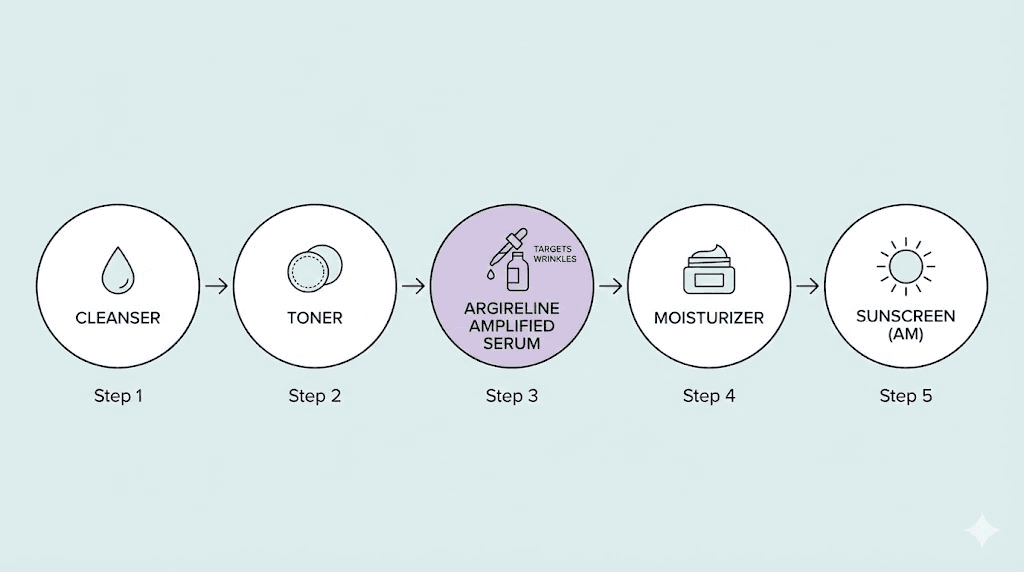
A typical morning routine incorporating Argireline Amplified:
Cleanser. Argireline serum applied to expression line areas. Wait 2-3 minutes. Moisturizer. Sunscreen.
Evening routine:
Cleanser (double cleanse if wearing sunscreen or makeup). Argireline serum. Wait 2-3 minutes. Additional treatments (retinoid, etc., see compatibility notes below). Moisturizer or night cream.
Twice-daily application optimizes results. Consistency matters more than concentration. Four weeks of regular use typically produces initial visible improvements, with continued enhancement over 8-12 weeks.
What to avoid combining
Certain ingredients can destabilize peptides or reduce their efficacy.
Direct acids (glycolic, salicylic, lactic acids at high concentrations) can denature peptide structures. Use in separate routines or different times of day.
Vitamin C at high concentrations can destabilize peptides. If using both, apply vitamin C in the morning and Argireline in the evening to maximize benefits of both without interference.
Copper peptides may interact with certain peptide formulations. While GHK-Cu and Argireline target different mechanisms, using them in the same application could theoretically affect stability. Separate applications by timing or days if using both.
Compatible combinations
Several ingredients work well with Argireline.
Hyaluronic acid provides hydration without interfering with peptide function. Many Argireline formulations already include it.
Niacinamide supports barrier function and pairs well with peptide treatments.
Retinoids in separate routine steps can complement Argireline. Apply Argireline first, allow absorption, then apply retinoid. The combination addresses expression lines (Argireline) plus cell turnover and collagen stimulation (retinoid).
Other peptides like Matrixyl can be layered with Argireline for multi-mechanism coverage. Apply from lightest to heaviest consistency.
Safety and side effects
Argireline Amplified demonstrates an excellent safety profile, but understanding potential issues helps users respond appropriately.
Common side effects
Most users experience no adverse effects. When reactions occur, they are typically mild and temporary.
Temporary redness at application sites affects some users, particularly those with sensitive skin. The reaction usually subsides within minutes to hours and often diminishes with continued use as skin adapts.
Mild irritation including tingling or slight burning may occur initially. This typically indicates the product is working and penetrating skin layers. If irritation persists beyond a few days or becomes severe, reduce frequency or concentration.
Dryness can occur in some users, particularly with higher concentration products. Ensuring adequate moisturizer application after peptide treatment usually resolves this.
Rare reactions
Allergic reactions are uncommon but possible. Signs include persistent redness, swelling, itching, or rash developing after application. Discontinue use if allergic symptoms appear and consult a dermatologist if reactions are severe.
Patch testing before full application helps identify sensitivity.
Apply a small amount to inner arm skin and wait 24 hours before proceeding with facial application.
Safety considerations
Argireline is generally considered safe for daily use by most skin types, including sensitive skin. The naturality rating of 99.50% according to ISO 16128 reflects its biocompatible composition.
Pregnancy and breastfeeding represent contexts where caution is warranted, not due to demonstrated risks but due to limited specific research. Consulting healthcare providers before using cosmetic peptides during these periods is advisable.
No serious adverse effects have been reported in the extensive use history of Argireline and its amplified formulations. The safety margin is enormous compared to injectable alternatives.
Realistic expectations
Marketing claims often exceed what research supports. Setting realistic expectations prevents disappointment and helps evaluate whether products are actually working.
What amplified peptide can do
Based on clinical evidence, Argireline Amplified can:
Reduce the depth of expression lines by 20-30% with consistent use over 4-8 weeks. Soften the appearance of fine lines around eyes and forehead. Help maintain results from Botox injections longer between treatments. Provide gradual, natural-looking improvement without frozen expression appearance. Support overall skin quality through senescence modulation and barrier enhancement in amplified formulations.
What it cannot do
Argireline will not:
Produce results equivalent to Botox injections. The mechanism is inherently less potent. Eliminate deep-set wrinkles that have become permanently etched. Structural damage requires more aggressive intervention. Work immediately. Unlike injections with effects visible within days, topical peptides require weeks of consistent use. Replace comprehensive skincare. Peptides are one component of skin health, not a complete solution.
Timeline expectations
Days 1-14: Little to no visible change. The peptide is building in skin tissues, but effects are not yet apparent.
Weeks 2-4: Initial softening may become noticeable. Expression lines may appear slightly less pronounced. Skin texture improvements from barrier enhancement begin.
Weeks 4-8: Primary results period. Measurable wrinkle depth reduction occurs. Most clinical study endpoints fall in this range.
Weeks 8+: Continued improvement and maintenance. Results stabilize with ongoing use. Discontinuing application allows gradual return toward baseline as competitive inhibition effects diminish.
Product selection considerations
Multiple products contain Argireline or its amplified variant. Selection criteria help identify options likely to deliver results.
Concentration verification
Products should clearly state peptide concentration. Ranges of 2-10% appear in effective formulations. Products not disclosing concentration may contain minimal amounts insufficient for meaningful effect.
Contains Argireline without concentration is a marketing flag. The compound might be present at 0.1% or 5%, with vastly different expected outcomes.
Formulation quality
Delivery systems matter as much as concentration.
Look for products mentioning:
Liposome encapsulation for improved penetration.
Hydration support from ingredients like hyaluronic acid that maintain skin moisture. pH optimization within the 4.0-8.0 range for peptide stability. Appropriate preservation to prevent degradation over product lifespan.
Brand reputation
Established cosmetic companies and research-focused skincare brands typically maintain better quality control than unknown or very cheap alternatives. This does not mean expensive always equals better, but extremely low-priced options warrant skepticism about concentration and formulation quality.
Third-party testing or certifications provide additional confidence, though these are less common in cosmetic peptides than in research chemicals.
DIY formulation
For researchers interested in custom formulations, raw Argireline Amplified is available from cosmetic ingredient suppliers. Working with the pure material allows precise concentration control and combination with other actives.
Key formulation points:
Incorporate into aqueous phase. Target 2-5% concentration. Maintain pH between 4.0-8.0. Include appropriate preservatives for water-based formulations. Store finished products properly to maintain stability.
Resources like cosmetic formulation guides provide detailed protocols for working with peptide actives.
Amplified peptide in broader anti-aging context
Expression line reduction is one component of aging. Comprehensive approaches address multiple mechanisms for optimal outcomes.
The multi-mechanism approach
Skin aging involves several concurrent processes:
Muscle-driven changes from repetitive expressions creating lines. Argireline and similar peptides address this mechanism.
Matrix degradation as collagen, elastin, and hyaluronic acid production declines while breakdown increases. Peptides like GHK-Cu and Matrixyl support matrix maintenance.
Cellular senescence accumulating dysfunctional cells that secrete pro-aging factors. Some amplified formulations modulate this process.
Oxidative damage from UV exposure, pollution, and metabolic processes. Antioxidants address this pathway.
Hydration loss affecting skin plumpness and barrier function. Humectants and barrier repair ingredients help.
Targeting multiple mechanisms produces better results than focusing on any single factor. A routine might combine Argireline for expression lines, GHK-Cu for matrix support, vitamin C for antioxidant protection, and hyaluronic acid for hydration.
Lifestyle factors
Topical products work within the context of overall health. Their effects can be enhanced or undermined by lifestyle choices.
Sun protection remains the single most important anti-aging intervention. UV damage drives photoaging responsible for most visible skin deterioration. Daily sunscreen use preserves results from all other interventions.
Sleep quality affects skin repair processes that occur during rest. Growth hormone release during deep sleep supports cellular regeneration.
Nutrition provides building blocks for skin components. Protein for collagen precursors, essential fatty acids for barrier function, vitamins and minerals for enzymatic processes.
Stress management matters because chronic stress elevates cortisol, accelerating collagen breakdown and impairing barrier function.
Professional treatments
Topical peptides complement rather than replace professional interventions when more aggressive approaches are warranted.
Botox injections provide stronger muscle modulation for deep expression lines, with Argireline potentially extending results between treatments.
Laser treatments address surface irregularities, pigmentation, and stimulate collagen remodeling at depths topicals cannot reach.
Microneedling creates controlled injury stimulating healing responses while enhancing topical penetration. Combining microneedling with peptide application immediately after treatment leverages the temporary barrier disruption for improved delivery.
Fillers address volume loss that no topical can replace. Lost fat pads and bone resorption create hollowing that creams cannot fill.
SeekPeptides provides resources for both topical and injectable approaches, recognizing that informed users often combine methods for optimal results tailored to their specific goals and tolerance for various intervention types.
Frequently asked questions
Is amplified peptide the same as Botox in a bottle?
No. While Argireline Amplified targets similar biological pathways as botulinum toxin, the mechanism and potency differ substantially. Argireline competitively inhibits SNARE complex formation without destroying proteins. The effect is reversible, partial, and gentler. Results are more modest, typically 20-30% wrinkle reduction versus the near-complete muscle paralysis achievable with injections. Consider it a maintenance option that can reduce expression line formation rather than a replacement for injectable neurotoxins.
How long does amplified peptide take to work?
Most users notice initial effects after 2-4 weeks of consistent twice-daily application. Measurable wrinkle depth reduction typically occurs over 4-8 weeks based on clinical study timelines. Full effects may continue developing over 8-12 weeks. Unlike Botox with visible results within days, topical peptides require patience and consistency. Discontinued use allows gradual return toward baseline as the competitive inhibition effect diminishes and muscles resume normal contraction patterns.
Can I use amplified peptide with retinol?
Yes, with proper layering. Apply Argireline first on clean skin, allow 2-3 minutes absorption, then apply retinoid. The peptide works at the neuromuscular junction while retinoids affect cell turnover and collagen stimulation through different mechanisms. Using both addresses multiple aging pathways. Avoid applying simultaneously as the mixing may affect stability. Some users prefer Argireline in the morning and retinoid in the evening to completely separate them.
Is amplified peptide safe for sensitive skin?
Generally yes. Argireline has an excellent safety profile with rare adverse reactions. The amplified formulation maintains this safety while improving efficacy. Most sensitive skin types tolerate it well. However, individual reactions vary. Patch testing before full facial application helps identify potential sensitivity. If irritation occurs, reducing frequency to once daily or using lower concentration products often resolves issues while still providing benefits.
Can amplified peptide replace my injectable peptide protocol?
These serve different purposes. Topical Argireline addresses expression lines through surface application with limited penetration. Injectable peptides like GHK-Cu provide systemic or deep-tissue effects that topicals cannot achieve. For skin-specific anti-aging, topical peptides offer convenience and safety advantages. For broader regenerative goals or more dramatic skin restructuring, injectable protocols may be more appropriate. Many users combine both, using topicals daily and injectables periodically for comprehensive coverage.
What concentration of amplified peptide should I use?
Effective concentrations range from 2-10%. The recommended range is typically 2-5% for most applications. Higher concentrations like 10% may provide additional benefit but face penetration limitations. Starting with moderate concentrations and increasing if tolerated well is a reasonable approach. Formulation quality matters as much as concentration, a well-formulated 5% product may outperform poorly formulated 10% alternatives.
How does amplified peptide compare to SNAP-8?
Both target the SNARE complex through similar competitive inhibition mechanisms. SNAP-8 (acetyl octapeptide-3) is an extended version of Argireline with two additional amino acids. Manufacturer data suggests SNAP-8 has approximately 30% higher efficacy than standard Argireline. How it compares specifically to the Amplified formulation is less clear, as the amplified version improved delivery may narrow or reverse this difference. Both are reasonable choices for expression line reduction.
External resources
In case I don't see you, good afternoon, good evening, and good night. May your expressions stay natural, your lines stay soft, and your peptides stay stable. Join us.